10 California Downtown Strips Filled With Shops That Look Frozen In A Better Decade
Old storefronts have a way of making modern errands feel painfully boring.
Neon signs still glow with attitude. Window displays look delightfully stubborn. A sidewalk full of vintage charm can turn a simple stroll into a time-traveling shopping trip.
A few downtown blocks can make California feel like it kept the best decade on display.
That is the kind of main street people slow down for.
Bookstores, record shops, antique counters, and faded signs all work together without trying too hard.
Everything feels more personal than a shopping center. More lived-in too.
You wander into these places, lose track of the clock, and start wondering why newer does not always mean better.
1. Old Towne Orange, Orange, CA
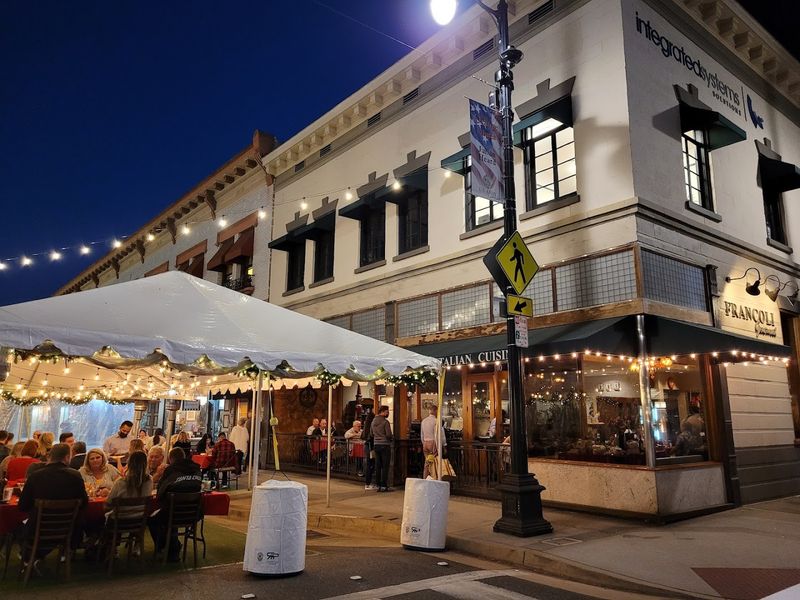
Surrounding a circular park at the center of the city, Old Towne Orange is one of the largest historic districts in California and one of the most walkable for antique hunters.
Dozens of dealers operate out of storefronts that have barely changed since the early 1900s, with original tile floors, pressed-tin ceilings, and display windows packed with collectibles.
The Plaza Park at the center anchors the whole experience and gives the strip a calm, neighborhood feel rather than a touristy one.
Antique malls here tend to stock a wide range of eras and styles, from mid-century furniture to Depression-era glassware to vintage Californiana.
Browsers can spend hours moving from booth to booth without feeling rushed. The block layout makes it easy to park once and explore on foot without backtracking.
Weekends bring more foot traffic and occasional live music near the plaza, while weekdays tend to feel quieter and easier to browse at a leisurely pace.
Prices vary widely depending on the dealer, so bargaining is sometimes welcomed. The overall mood of the strip feels genuinely preserved rather than artificially staged.
2. Historic Jackson Main Street, Jackson, CA
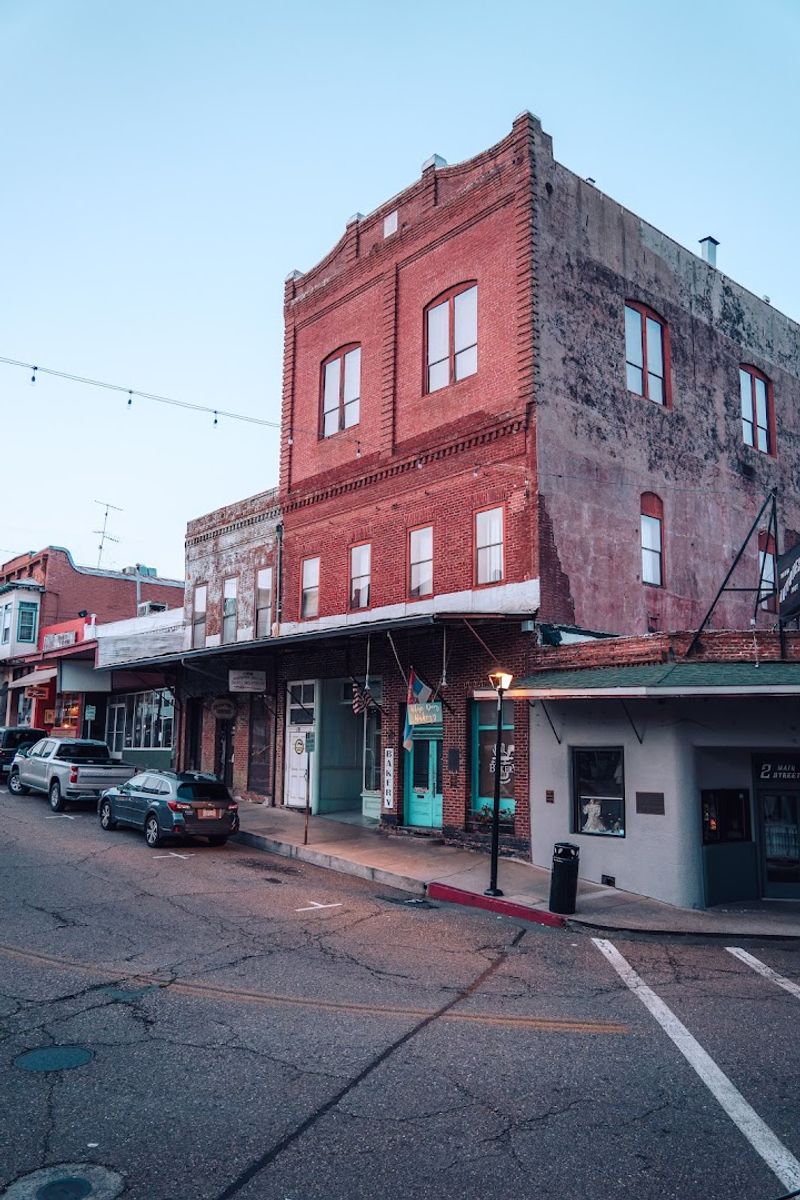
Tucked into the Sierra Nevada foothills, Jackson carries its Gold Rush bones openly and without apology.
The main street still has the proportions of a 19th-century commercial strip, with narrow lots, tall false-front facades, and sidewalks that feel built for a slower pace of life.
Antique shops and collectibles dealers fill many of those original storefronts, making the whole stretch feel like a living time capsule.
Gold Rush history is woven into the merchandise itself, with mining tools, vintage Nevada County maps, and period photographs showing up regularly in shop windows.
Some dealers specialize in California history specifically, which gives the browsing experience a regional depth that bigger antique markets tend to lack.
The town also has a few older restaurants and lunch counters that match the unhurried mood of the street.
Parking is straightforward along the main drag, and the compact layout means everything worth seeing is within easy walking distance.
The foothills setting adds a natural backdrop that changes beautifully with the seasons.
3. Railroad Square Historic District, Santa Rosa, CA
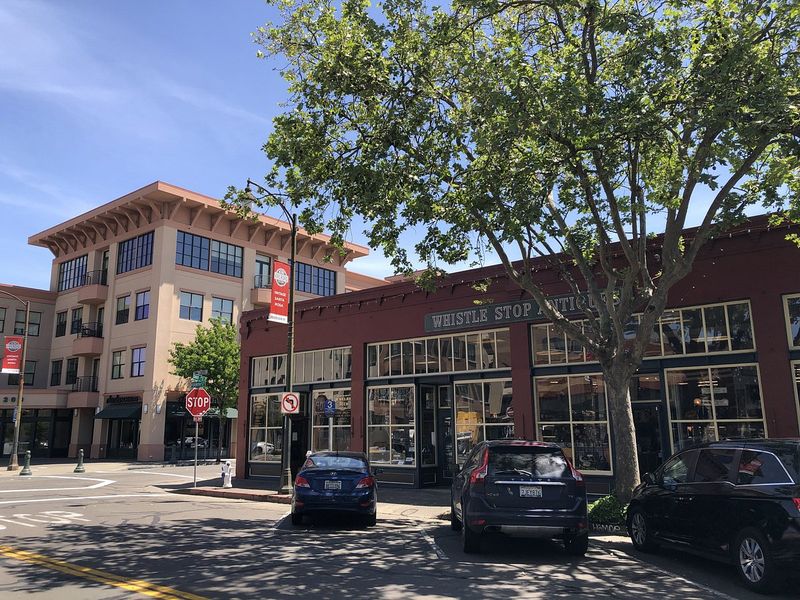
Railroad Square in Santa Rosa sits just west of the downtown core and occupies a cluster of late 19th and early 20th century brick buildings that survived the 1906 earthquake and subsequent rebuilding era.
The district has a walkable layout built around the old train depot, and the mix of artisan shops, antique dealers, and specialty retailers gives it a texture that feels genuinely old-California rather than curated for tourists.
The brick facades along Wilson Street and 4th Street carry a warmth that newer construction rarely achieves, and many of the interiors still have original wood floors and exposed beams.
Some shops here lean toward handmade goods and vintage finds while others carry furniture, art, and regional collectibles. The variety makes it worth setting aside a full afternoon rather than a quick stop.
The old Northwestern Pacific Railroad Depot still stands at the heart of the district and adds architectural weight to the whole area.
Foot traffic tends to be lighter here than in the main downtown, which makes the browsing feel more relaxed.
The surrounding neighborhood has a lived-in quality that keeps the district from feeling like a theme park version of the past.
4. Downtown St. Helena, St. Helena, CA
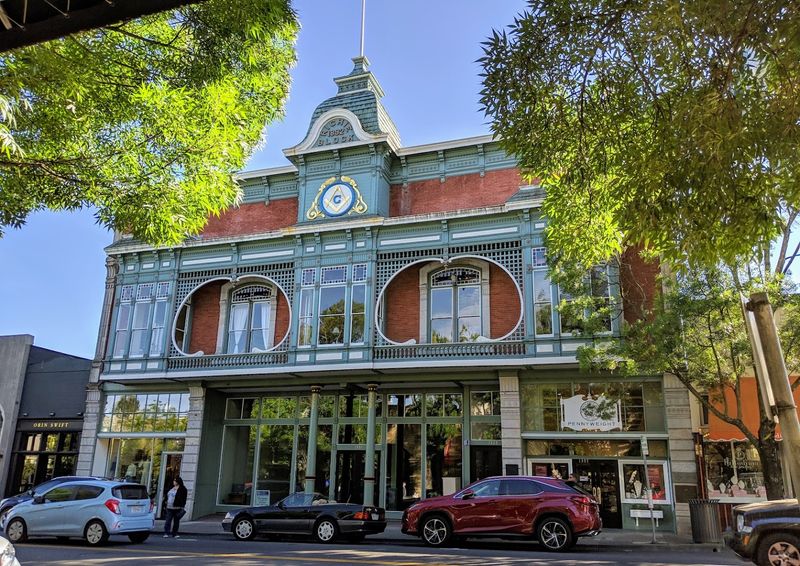
Main Street in St. Helena runs through the heart of Napa Valley with a confidence that comes from having looked essentially the same for well over a century.
The 1800s brick buildings along the strip have been maintained rather than replaced, and the result is a commercial block that feels polished without feeling fake.
Boutiques, specialty food shops, and a handful of older retailers fill the storefronts in a way that keeps the street active without overwhelming it.
The architecture here is notably intact compared to many California main streets, with original cornices, arched windows, and masonry details that give each building its own character.
Walking the strip at a slow pace reveals small details that rush-through visitors tend to miss, like cast-iron hitching posts still embedded in the curb in a few spots.
The overall scale of the street feels human-sized and unhurried.
Foot traffic picks up considerably on weekends, especially during harvest season, so a mid-week visit tends to offer a more relaxed experience.
The mix of longtime local businesses and newer boutiques keeps the strip from feeling like a museum piece.
St. Helena manages to feel genuinely lived-in while still wearing its historic character with obvious care.
5. Downtown Arroyo Grande, Arroyo Grande, CA
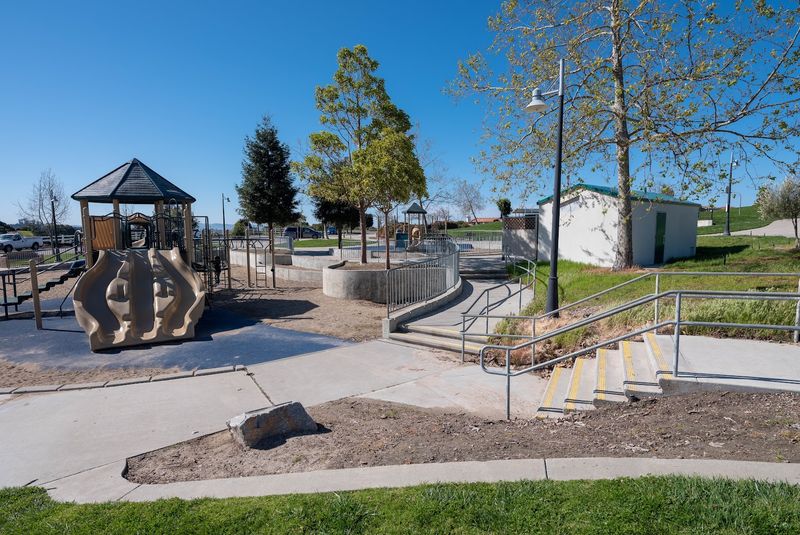
The village strip of Arroyo Grande sits along Branch Street and carries a small-town ease that feels increasingly rare on the Central Coast.
Antique stores and resale shops anchor much of the commercial stretch, and the buildings themselves have the proportions of an older era.
The famous swinging footbridge nearby adds a bit of whimsy to the whole visit.
Browsing the antique shops here tends to turn up a solid mix of mid-century housewares, vintage clothing, agricultural collectibles, and California memorabilia.
Prices are generally reasonable compared to coastal tourist towns nearby, and the shop owners tend to be knowledgeable and low-pressure.
A few older diners and lunch spots along the strip make it easy to turn a shopping detour into a half-day outing.
The village layout is compact enough to cover on foot without a map, which adds to the relaxed feel.
Weekend mornings bring a noticeable uptick in visitors, but the strip rarely feels crowded in the way that bigger destination towns can.
The surrounding neighborhood has genuine residential character that keeps the whole area grounded and unhurried.
6. Downtown Cambria, Cambria, CA
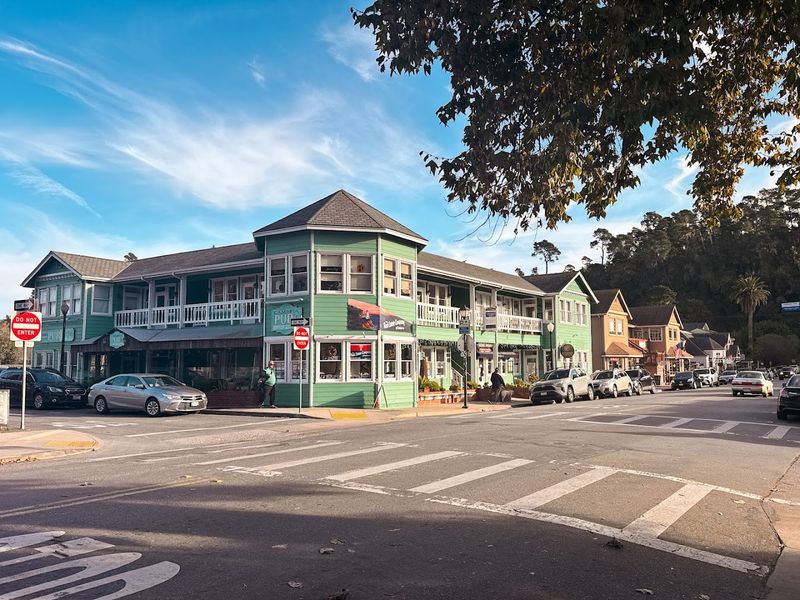
Cambria sits on the San Luis Obispo County coast and divides its commercial life between two village strips known as the East Village and the West Village.
Both stretches carry a cottage-like quality, with low buildings, irregular rooflines, and storefronts that look like they grew organically rather than being planned by a developer.
Antique shops, art galleries, and specialty stores fill the blocks in a way that rewards slow walking and spontaneous stops.
The East Village tends to have a slightly older, more settled feel with more antique and collectibles dealers, while the West Village leans a bit more toward galleries and gift shops.
Either way, the overall mood is unhurried and the scale stays human-friendly throughout.
Many of the buildings have wooden facades, shingled roofs, and hand-lettered signs that give the whole area a handmade quality.
Parking can get tight on summer weekends, so arriving earlier in the day tends to make the visit more comfortable.
The coastal fog that rolls through in the mornings gives the village strips a moody, atmospheric quality that feels completely unlike any inland shopping district.
Cambria has a way of making an afternoon feel genuinely restorative rather than just productive.
7. Downtown Cayucos, Cayucos, CA
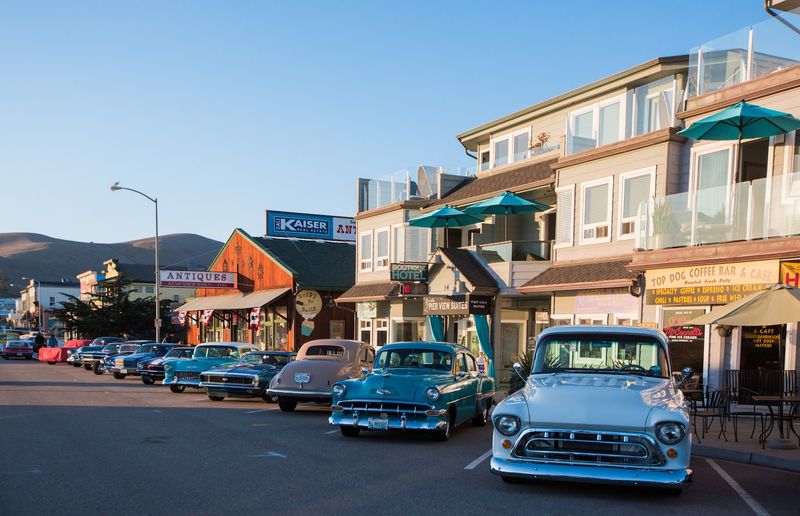
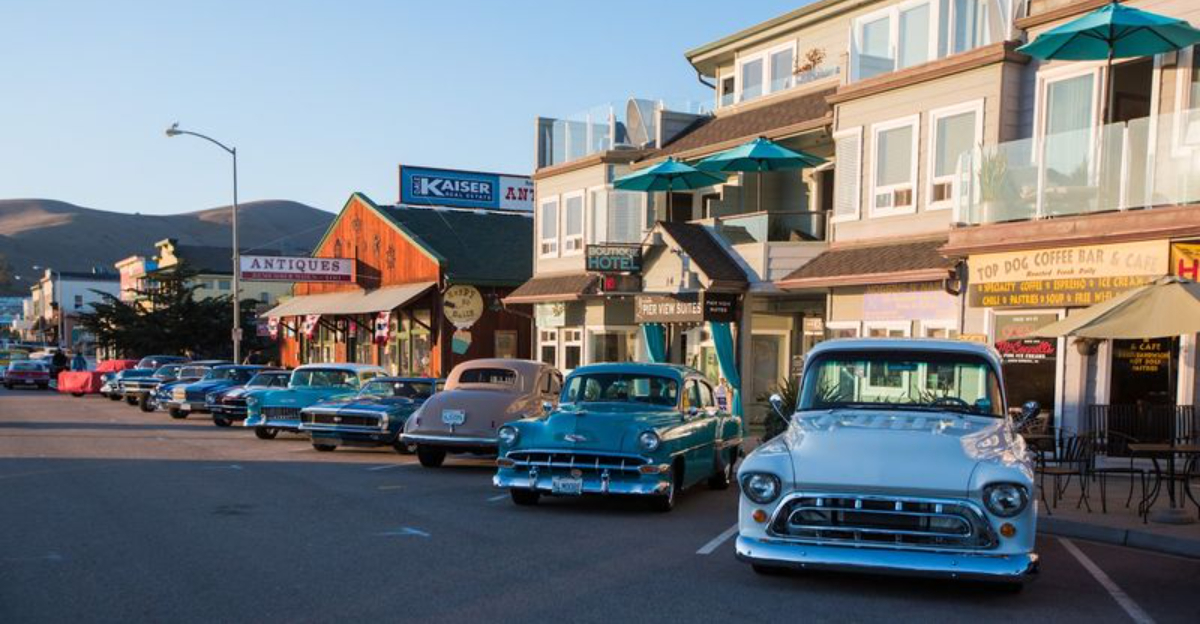
Ocean Avenue in Cayucos moves at a pace that feels borrowed from a different era entirely.
The main commercial strip is short, low-slung, and lined with vintage shops, antique dealers, and a handful of older businesses that have been operating in the same spot for decades.
Nothing about the streetscape feels rushed or overly polished, which is a large part of why the town attracts visitors who are specifically tired of curated coastal experiences.
Vintage clothing, old surfboards, mid-century furniture, and beach-town collectibles show up regularly in the shop windows along the strip.
The inventory tends to reflect the town’s actual history as a working coastal community rather than a manufactured resort, which gives the browsing a more authentic quality.
A few classic lunch spots and bakeries round out the strip without disrupting its easygoing rhythm.
The old Cayucos Pier nearby adds to the historic atmosphere and makes the whole visit feel connected to the town’s maritime past.
Foot traffic stays relatively light even on weekends compared to larger coastal towns nearby, which means the strip retains its unhurried mood for most of the year.
Cayucos rewards visitors who slow down and pay attention to the small details.
8. Downtown Paso Robles, Paso Robles, CA
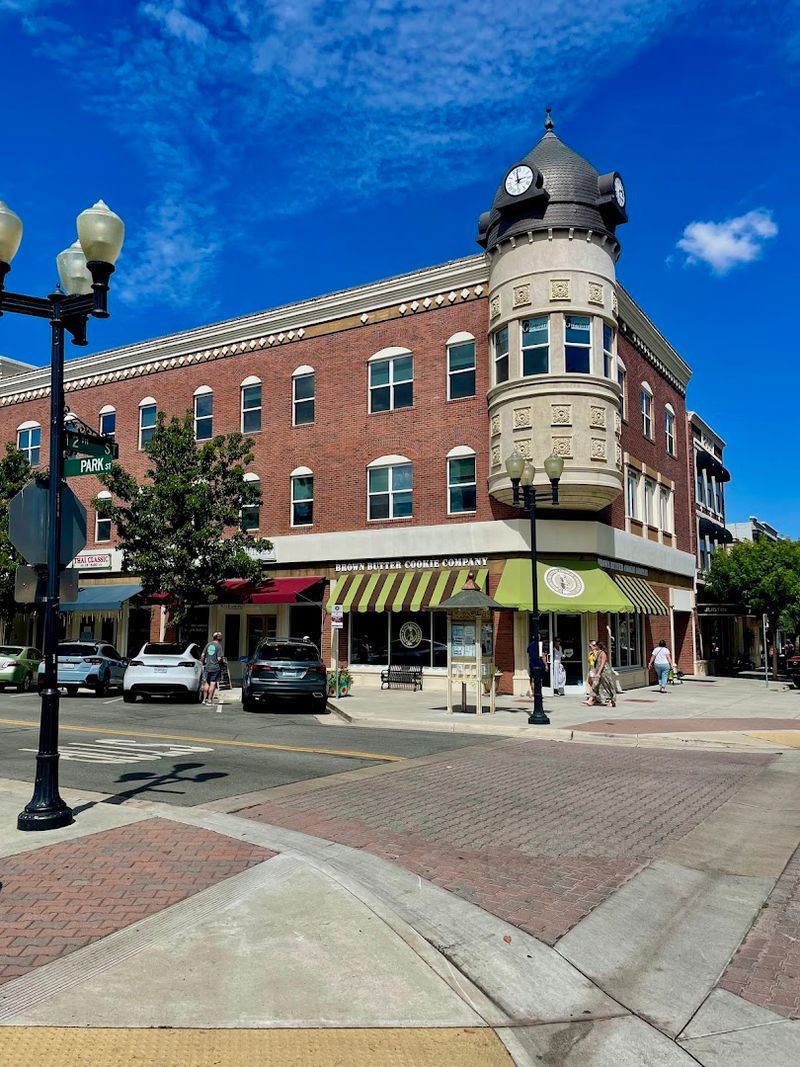
The downtown square in Paso Robles is anchored by a central park that dates back to the city’s founding in the 1880s.
The surrounding commercial blocks have kept enough of their original architecture to make the whole area feel genuinely historic.
Antique shops, boutiques, and specialty retailers fill storefronts with original brick facades, decorative cornices, and the kind of display windows that invite slow browsing rather than quick glances.
The layout encourages walking in a loose loop around the park rather than moving in a straight line.
Several antique dealers here carry Central Coast-specific items including ranching equipment, vintage California labels, and agricultural collectibles that reflect the region’s actual history.
The mix of longtime shops and newer boutiques keeps the strip lively without erasing its older character.
A number of older restaurants and casual lunch spots operate in the surrounding blocks, making it easy to extend a shopping visit into a full afternoon.
Parking around the square can fill up on festival weekends, but mid-week visits tend to be relaxed and easy to navigate.
The buildings along the square have a solidity and warmth that comes from genuine age rather than imitation.
9. Downtown Redding, Redding, CA
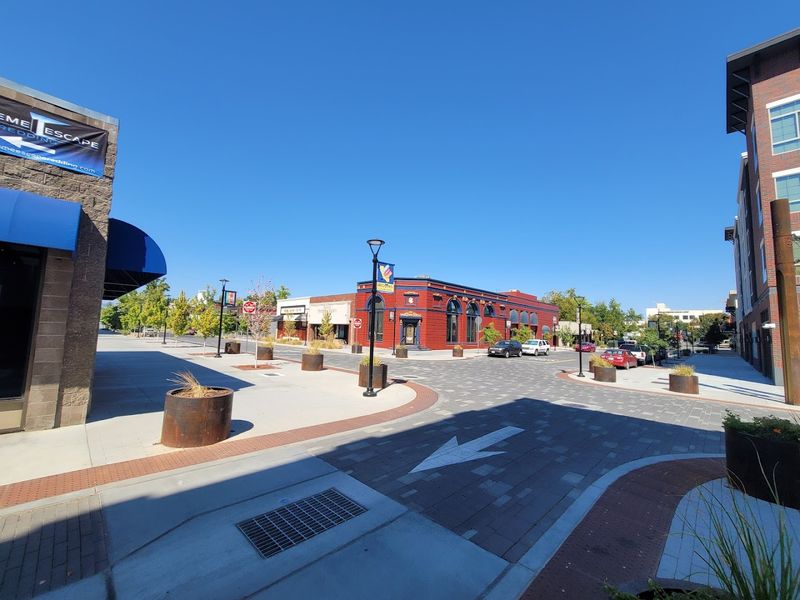
The older commercial blocks along Market Street and the surrounding streets carry a working-town character that has not been smoothed over for tourists, and that rawness is actually part of the appeal.
Retro shops, secondhand stores, and vintage dealers have been filling the available storefronts with a range of inventory that reflects the area’s eclectic, unpretentious personality.
The vintage scene here tends toward the practical and the affordable, with furniture, housewares, old electronics, and clothing showing up in rotating stock throughout the year.
The lack of heavy foot traffic compared to bigger California cities means browsers can take their time without feeling crowded or pressured.
Shop owners in the area tend to be straightforward and knowledgeable about their inventory.
Redding sits at the northern end of the Sacramento Valley, which means the downtown has a distinct regional character shaped by logging history and a general preference for function over flash.
The surrounding streets have a lived-in quality that keeps the district honest.
Visitors who appreciate raw, unpolished vintage hunting tend to find Redding’s downtown more rewarding than its low profile might suggest.
10. Jackson Square, San Francisco, CA
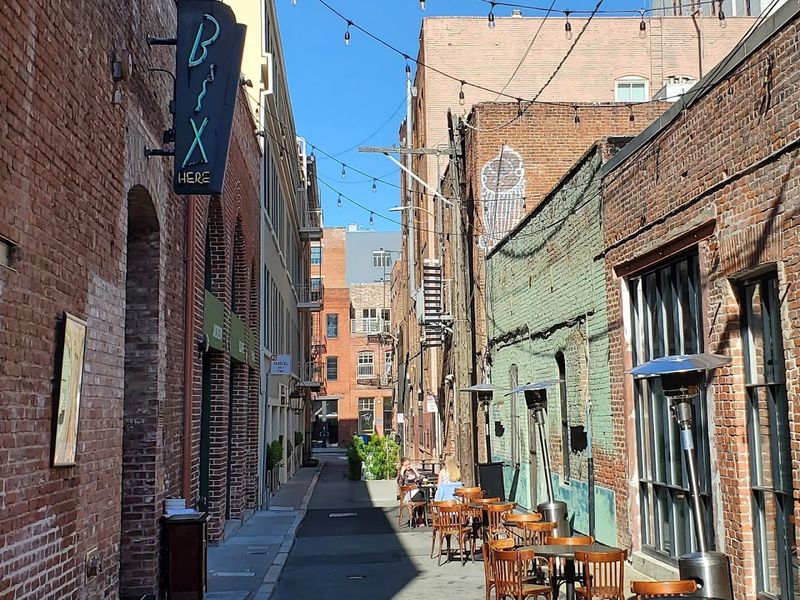
Jackson Square is one of the only neighborhoods in San Francisco where 19th-century commercial brick buildings survived the 1906 earthquake and fire largely intact.
The blocks along Montgomery Street, Gold Street, and Hotaling Place carry a quiet, old-city weight that feels completely different from the rest of San Francisco’s commercial landscape.
Antique dealers, design showrooms, and specialty galleries occupy many of the original brick structures, giving the area a cultured but unhurried atmosphere.
The architecture here is genuinely rare for the West Coast, with Italianate facades, cast-iron details, and original masonry that give each building a distinct presence.
Many of the antique and design dealers in the district specialize in high-end furniture and decorative arts, but the streetscape itself is free to explore and worth the visit regardless of budget.
The scale of the blocks stays intimate even though the neighborhood sits within one of the densest urban areas in the state.
Foot traffic tends to be lighter here than in the tourist-heavy parts of the city, which gives the district a calm that feels almost surprising given its central location.
Weekday afternoons are particularly quiet and well-suited to slow exploration.
The overall mood of Jackson Square rewards visitors who appreciate architecture and history as much as the merchandise inside the shops.