This Historic Presidential Railcar In Florida Is One Of The State’s Most Fascinating Hidden Attractions
Nobody talks about this place nearly enough, and honestly that feels like a personal injustice.
Hidden in a quiet corner of Florida sits a presidential railcar that once carried some of the most powerful people in American history.
Most people drive right past it without ever knowing it exists.
That is a shame, because standing next to this thing in person hits completely differently than reading about it in a history book.
You can see the details, the craftsmanship, the weight of everything it represents, and your brain starts doing that thing where it fills in the scenes on its own.
Who sat here. What decisions got made on this route.
Where the train was headed and what was waiting at the other end.
Florida has plenty of attractions competing loudly for your attention, but this one just sits there quietly and lets the history speak for itself. That kind of confidence is usually well earned.
America’s Only Presidential Railcar
Few objects carry as much quiet authority as a railcar that once carried the most powerful person in the world.
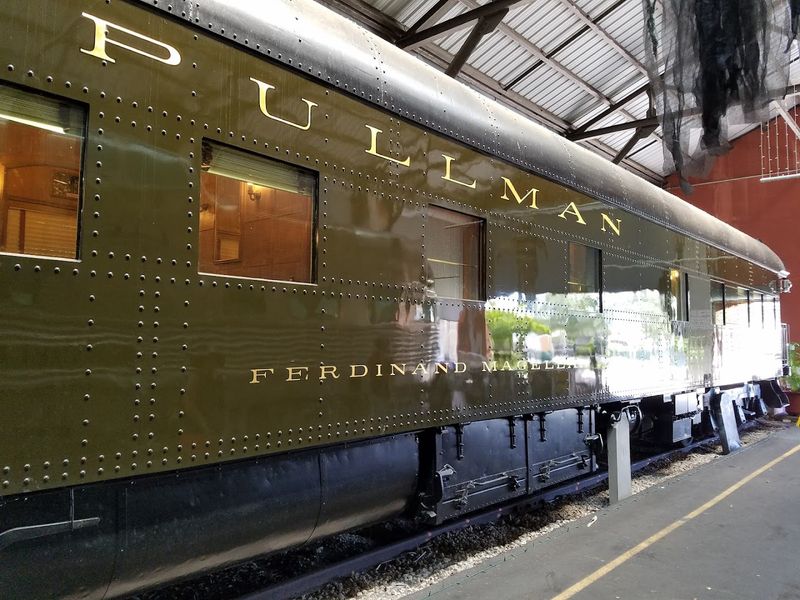
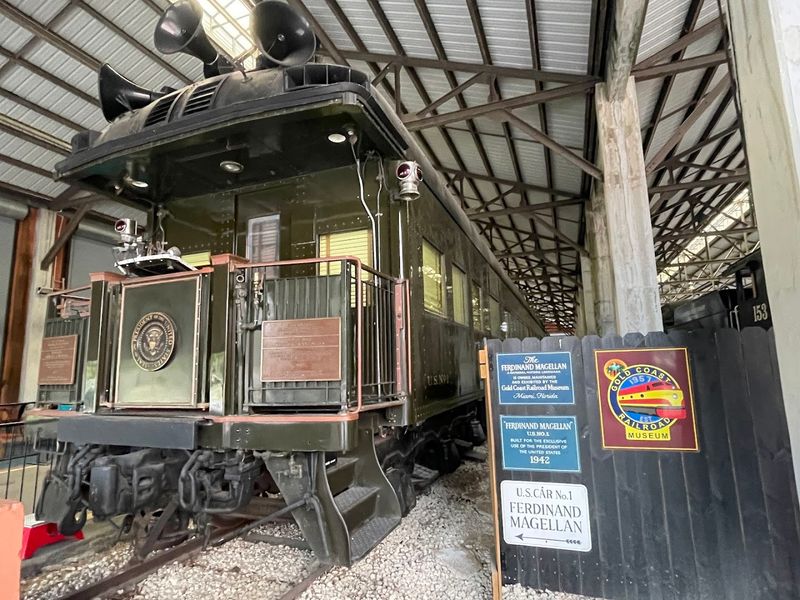
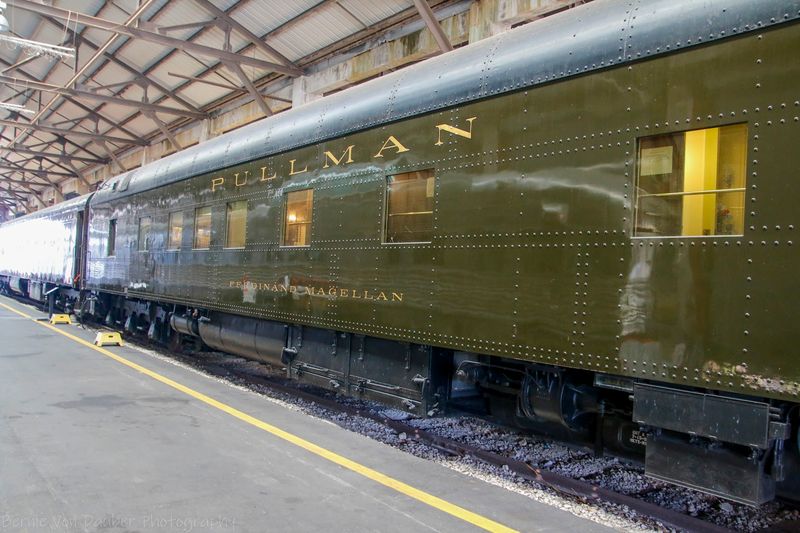
The Ferdinand Magellan Presidential Railcar at the Gold Coast Railroad Museum is the only railcar ever officially designated for use by a U.S. president.
Franklin D. Roosevelt used it first, then Harry S.
Truman made it famous during his legendary 1948 whistle-stop campaign across the country.
The car was built in 1928 as a standard Pullman sleeper but was completely rebuilt in 1942 to serve wartime presidents safely.
The exterior alone stops you in your tracks. It weighs 285,000 pounds, making it the heaviest passenger railcar ever built in America.
That weight came from the steel armor plating and bulletproof glass installed for presidential protection. Standing next to it feels surprisingly emotional, like meeting a piece of living history face to face.
The Armor And Engineering That Protected Presidents
Most people assume a fancy railcar means velvet curtains and polished wood. The Ferdinand Magellan, located at 12450 SW 152nd St, Miami, Florida has those too, but the real story is underneath the surface.
The car was reinforced with three-inch-thick armor plating on its sides, roof, and undercarriage, turning it into a rolling fortress.
The windows are five inches thick, made from bulletproof glass that could stop a rifle round without cracking.
The observation platform at the rear, where Truman famously waved to crowds, has its own reinforced railing and steel floor panels. Every single detail was engineered with one goal in mind: keeping a president alive.
What makes this so fascinating is that none of it is obvious from a distance. The car looks elegant, almost understated.
You have to know what you are looking at to appreciate the engineering behind it.
When the museum guide pointed out the weight difference between this car and a standard Pullman, the entire group went quiet. That silence said everything about how remarkable this machine truly is.
Truman’s Famous 1948 Whistle-Stop Campaign
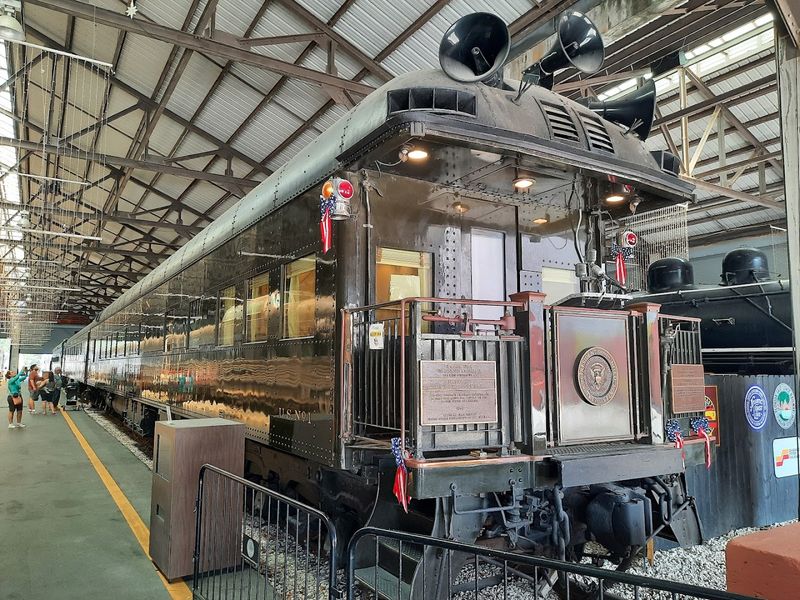
Harry Truman pulled off one of the greatest political upsets in American history, and this railcar was his campaign headquarters on wheels.
In 1948, almost every political expert predicted Truman would lose the presidential election. He responded by boarding the Ferdinand Magellan and traveling over 31,000 miles across the country.
He gave more than 300 speeches from the rear observation platform, speaking directly to ordinary Americans in small towns and big cities alike.
The famous photo of him holding up the Chicago Tribune headline reading “Dewey Defeats Truman” was taken just after his stunning victory.
That win is permanently connected to this car and to those exhausting weeks of travel.
Standing on that same rear platform at the museum, you can almost picture the crowds gathered on the tracks below.
The platform is open to visitors, and the museum staff encourages you to step out there. It is one of those small, physical moments that turns a history lesson into something you can actually feel in your chest.
Truman was a fighter, and this car was his weapon.
The Interior: A Rolling White House
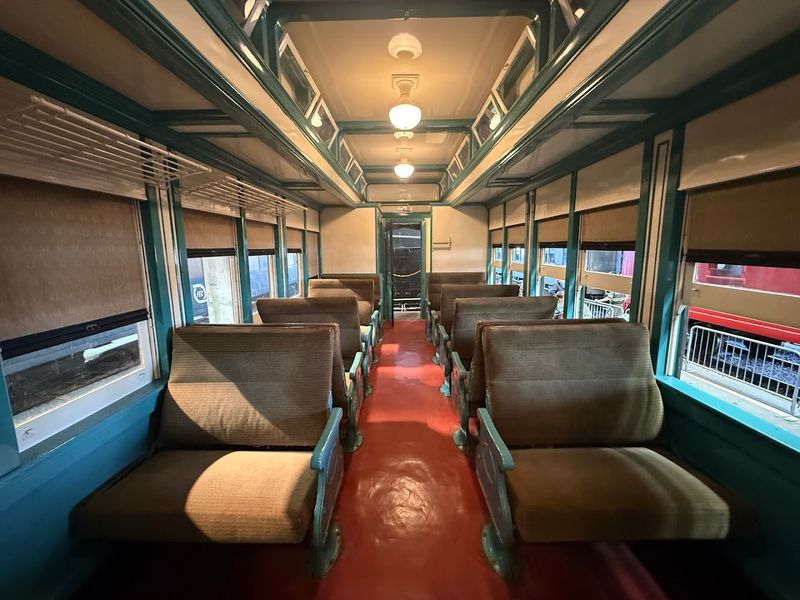
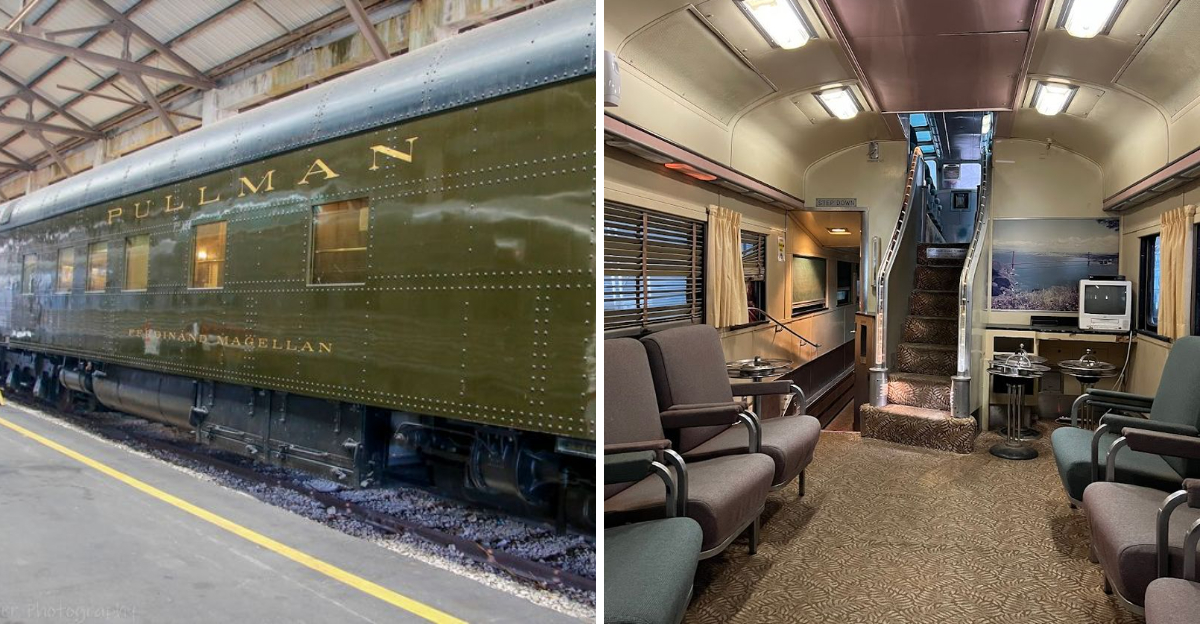
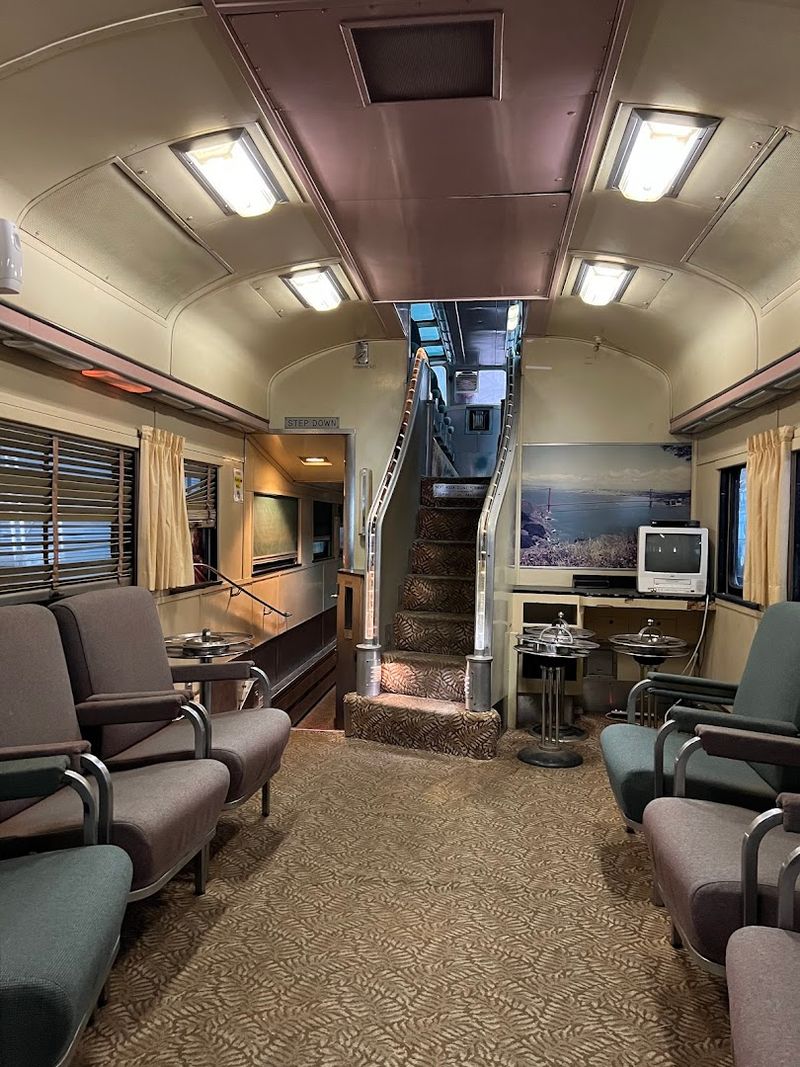
Stepping inside the Ferdinand Magellan feels like stepping into a time capsule from the 1940s. The interior was designed to function as a fully operational workspace and living quarters for a sitting president.
There is a formal dining room, a conference area, a bedroom, and a bathroom, all finished in rich wood paneling and period-appropriate furnishings.
The presidential seal appears throughout the car, reminding you at every turn exactly who this space was built for. The furniture is original, and the layout was deliberately compact but efficient.
Wartime presidents could not afford luxury for its own sake, so every inch of space served a practical purpose.
What struck me most was how human it all felt. The bedroom is modest by any standard, the dining table seats just a handful of people, and the windows frame the outside world in a way that feels oddly intimate.
Roosevelt reportedly slept here during his wartime travels, managing a global conflict from inside this moving room. That thought alone made me stand still for a solid minute and just take it all in.
More Than Just One Car
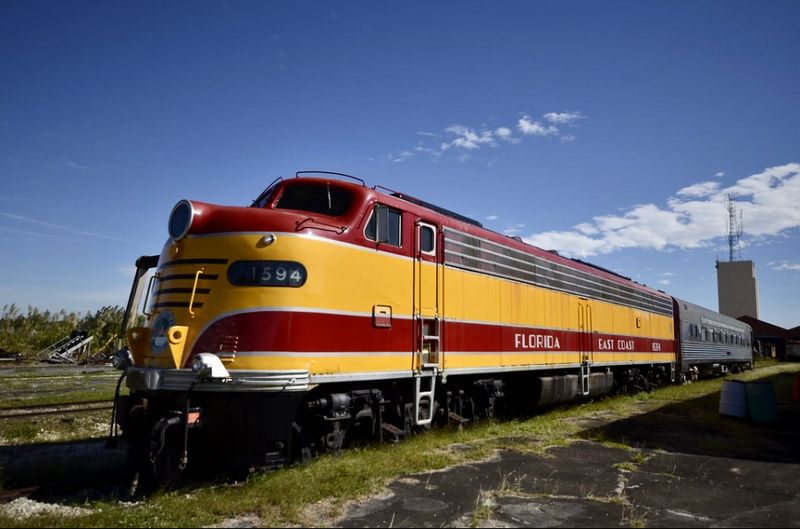
The Ferdinand Magellan is the star, but the Gold Coast Railroad Museum has a full supporting cast worth your time.
The museum sits on a large outdoor property in southwest Miami and features dozens of historic locomotives, passenger cars, and freight cars from different eras of American railroading.
Some of the locomotives are massive, the kind that make you recalibrate your sense of scale when you stand next to them.
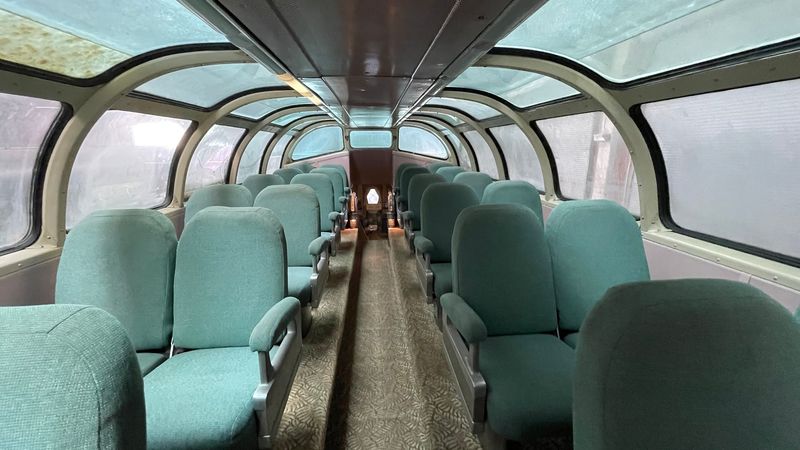
There are also restored passenger cars you can board and explore, giving you a real sense of what train travel looked like before highways took over American life. The variety is genuinely impressive for a museum of this size.
Kids especially go wild here, and not just because of the train rides offered on weekends. There is something about being surrounded by real, full-scale machinery that sparks curiosity in a way that no screen ever could.
Weekend Train Rides And Family-Friendly Activities
Not every museum attraction requires reading a placard to enjoy it. The Gold Coast Railroad Museum runs train rides on weekends, and they are a genuine highlight of the visit, especially if you have younger kids in tow.
The ride circles the museum grounds and gives everyone a chance to feel the rhythm of the rails beneath them.
Beyond the rides, the museum hosts special events throughout the year, including themed train days and educational programs tied to Florida history and American transportation history.
The programming is thoughtfully designed to work for different age groups, which is not always easy to pull off at a history-focused venue.
I went on a Saturday and the energy was noticeably different from a quiet weekday visit.
Families were spread across the grounds, kids were climbing on approved exhibit pieces, and the smell of something being grilled nearby added to the whole relaxed atmosphere.
It felt more like a community gathering than a museum outing. If you are planning a trip with children, a weekend visit is absolutely the right call.
The combination of rides, history, and open space works really well together.
How To Plan Your Visit
Planning a visit to the Gold Coast Railroad Museum is straightforward, and the location is easier to reach than you might expect. Parking is available on site and the grounds are accessible for strollers and wheelchairs.
The museum is open most days of the week, but hours can vary by season, so checking their official website before you go is a smart move.
Admission is reasonably priced for what you get, and the Ferdinand Magellan tour alone is worth the entry fee.
Guided tours of the presidential railcar are available and genuinely add context that you would miss on a self-guided walk-through.
I recommend arriving in the morning before the Florida heat peaks. The outdoor exhibits are spread across a wide area, and walking in direct afternoon sun gets uncomfortable fast.
Bring water, wear comfortable shoes, and give yourself at least two to three hours. Rushing through this place would be a mistake.
There is more here than most visitors expect to find.
Why This Railcar Deserves A Spot On Every Florida Bucket List
Florida has no shortage of things to see and do, but most of the big attractions feel like they were designed for maximum foot traffic and minimum depth.
The Ferdinand Magellan is the opposite of that. It is specific, it is authentic, and it connects you to a chapter of American history that genuinely shaped the modern world.
There are very few places in the United States where you can stand in the same physical space as multiple U.S. presidents and feel the weight of that history without a velvet rope keeping you at a distance.
The Gold Coast Railroad Museum lets you get close in a way that larger national institutions often do not. That accessibility is rare and worth appreciating.
I left the museum thinking about Truman standing on that rear platform, tired from months of travel, talking to anyone who would listen.
He believed in showing up, in making the case in person, one town at a time. There is something genuinely inspiring about that story, and this railcar keeps it alive.
Florida has beaches, theme parks, and nature preserves, but this quiet corner of Miami holds something none of those places can offer: a front-row seat to American history.