One Lost Idaho Town Still Holds The Echoes Of Long Forgotten Days
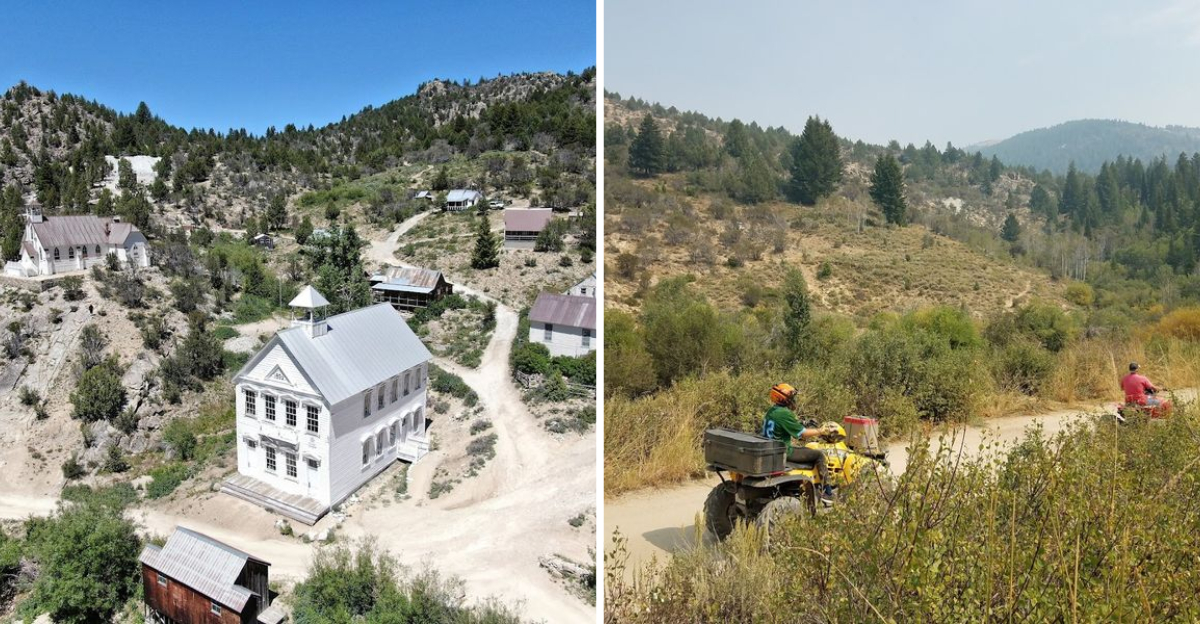
Travelers occasionally discover forgotten places that disappear from ordinary maps without explanation.
Idaho still shelters one mysterious town where silence strangely feels almost welcoming .
Old storefront windows reflect fading sunlight across roads nobody regularly travels anymore. Right beside crumbling structures, weathered signs continue guarding secrets from earlier generations.
I kept imagining conversations lingering somewhere beyond those locked swinging doors.
Rusted equipment remains scattered across hillsides where hardworking miners once gathered.
How many forgotten secrets still hide behind those weathered wooden buildings? Wow, even distant footsteps somehow sound louder throughout this isolated settlement.
This remarkable place preserves fascinating memories without speaking a single word aloud.
A Town Born From Mountain Gold
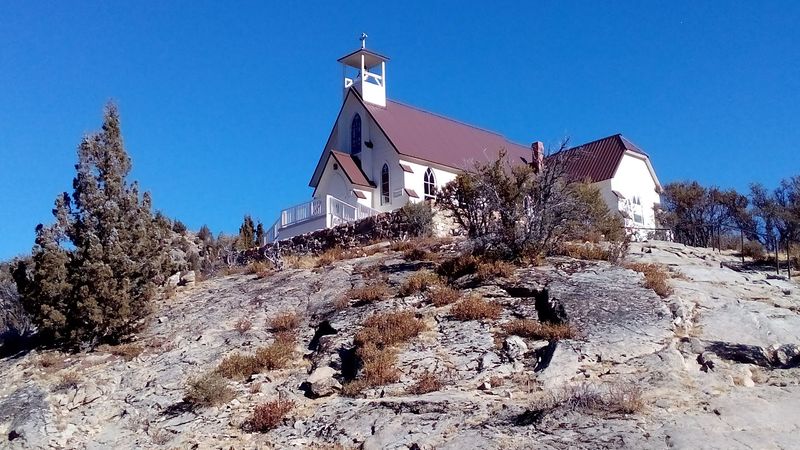
Few places in the state carry as much raw history as Silver City, a ghost town nestled in the steep folds of the Owyhee Mountains.
It was not built slowly or carefully. It exploded into existence almost overnight, fueled by the discovery of gold and silver in the 1860s.
Miners flooded the region from across the country, drawn by stories of rich ore veins hidden in the canyon walls.
By the 1880s, the town had grown into a full community with hotels, newspapers, schools, and even a telegraph office. It was a real working city, not just a camp.
Getting there requires navigating unpaved mountain roads, so a high-clearance vehicle is strongly recommended.
The isolation that once frustrated miners now gives modern visitors a feeling of genuine discovery, as if the canyon kept this secret just for you.
What The Canyon Walls Remember
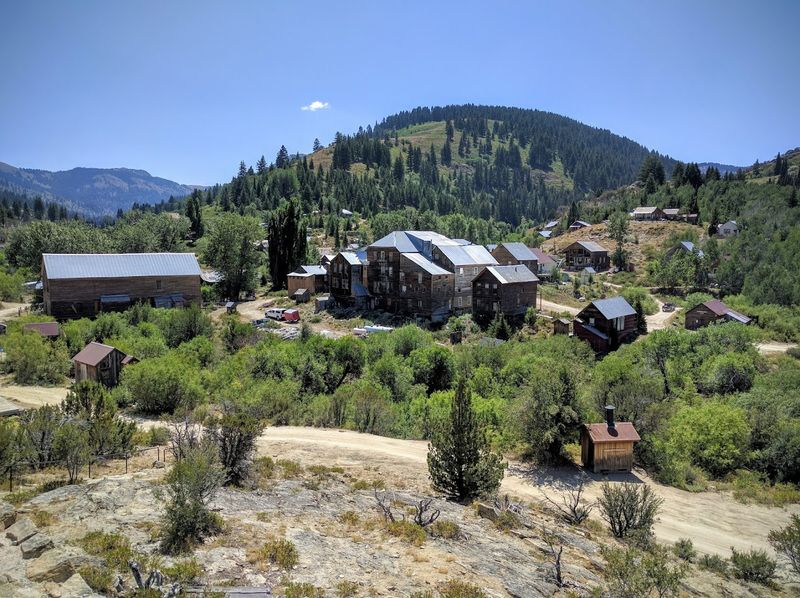
The landscape around Silver City is not gentle or soft.
The Owyhee Mountains rise sharply around the townsite, creating a dramatic natural amphitheater that feels both protective and isolating. Steep ridgelines and rocky outcroppings frame every view.
War Eagle Mountain towers above the town at over 8,000 feet. It was on this peak that some of the richest ore deposits were first found. It still looms over the valley like a silent overseer.
On clear days, the views from the upper trails stretch for miles across the high desert of southwestern Idaho.
The canyon itself channels cold mountain air even in summer, making the climate noticeably cooler than the surrounding desert flatlands. Wildflowers push through rocky soil in June and July, adding unexpected color to an otherwise austere setting.
Mule deer often wander through the townsite at dusk, completely unbothered by the handful of visitors who show up each season.
The terrain is rugged, honest, and completely unapologetic about it. That makes the whole experience feel more real and more rewarding.
Buildings That Refused To Fall
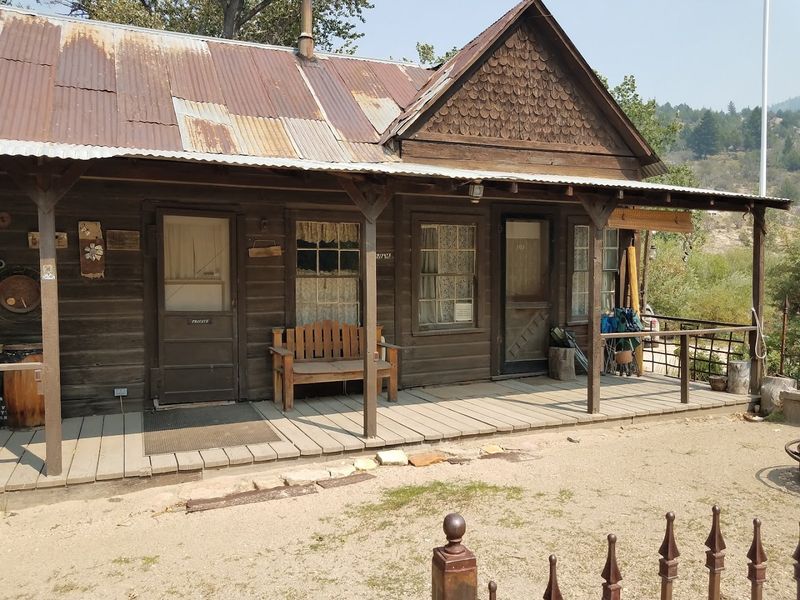
One of the most striking things about Silver City is how much of it still stands.
Most ghost towns leave behind only foundations and faded memories. Here, dozens of original structures remain, some leaning, some sturdy, all of them carrying the weight of more than a century.
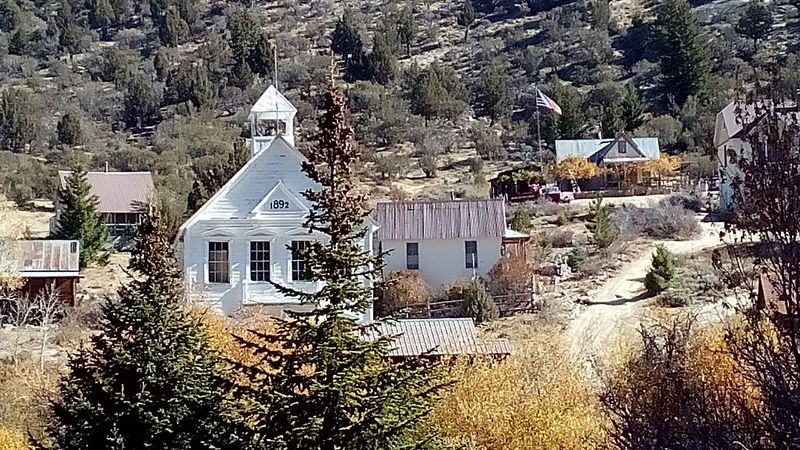
The Idaho Hotel is perhaps the most recognizable building on the main street. Built in the 1860s and expanded over the decades, it still has its original facade and interior details that give visitors a tangible sense of what the town once felt like at full capacity.
A few other buildings, including a former schoolhouse and several private cabins, also remain in various states of preservation.
Because Silver City is listed on the National Register of Historic Places, there are protections in place to prevent further deterioration. Visitors are asked to look but not touch, and certainly not to remove anything.
The buildings are fragile, and every loose board tells a story worth protecting. Seeing them up close, you start to understand why preservationists fought so hard to keep this place intact.
The Mines That Moved Mountains
Mining was everything in this part of Idaho during the second half of the 1800s.
The hills around Silver City produced millions of dollars worth of gold and silver ore, and the technology used to extract it was impressive for the era. Stamp mills, flumes, and ore chutes were carved into the mountainsides with remarkable precision.
The Golden Chariot and Poorman mines were among the most productive operations in the region. Rival mining companies sometimes clashed over claim boundaries, and disputes occasionally turned physical.
Today, the mine shafts and tunnels are off-limits to visitors for safety reasons, but you can still see remnants of the mining infrastructure scattered across the hillsides.
Rusted equipment, collapsed wooden structures, and tailings piles dot the landscape like punctuation marks in a long industrial story.
Do not attempt to enter any mine openings. Old mines are unpredictable and extremely dangerous. Admiring them from a safe distance is the right call.
Life Between The Boom And Silence
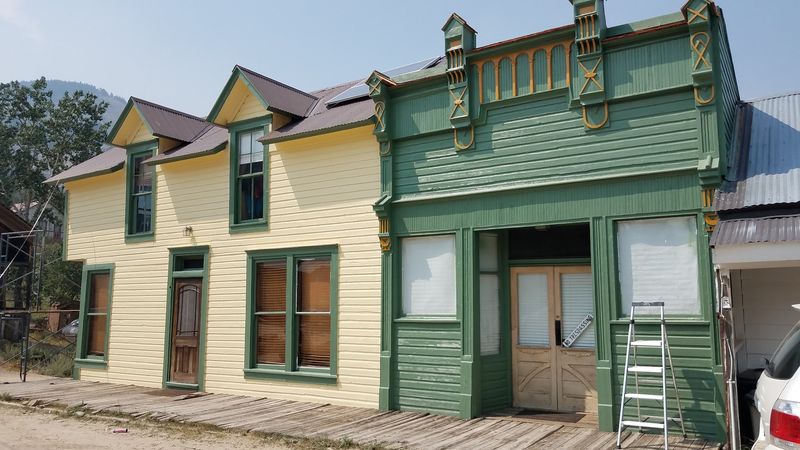
At its height, Silver City was not just a mining camp. It was a functioning community with real social infrastructure.
The town had its own newspaper, the Owyhee Avalanche, which began publishing in 1865 and became one of the longest-running papers in Idaho’s early history.
Residents had access to a church, a Masonic lodge, a school, and multiple stores selling everything from mining supplies to fabric.
Families lived here year-round, children attended classes, and civic life carried on much as it did in any small American town of the era. The elevation and harsh winters made things difficult, but people adapted.
When the mines began to slow in the early 1900s and improved transportation made other towns more accessible, residents gradually left. By the 1930s, only a handful of people remained.
The community did not collapse suddenly. It faded slowly, season by season, until the streets fell quiet.
That gradual departure somehow makes the place feel more poignant than a sudden abandonment would.
Seasons Shape Every Visit
Timing your trip to Silver City matters more than it does for most destinations.
The road into town is typically closed from late fall through spring due to snow and mud. Most visitors plan their trips between June and September, when the mountain roads are passable and the weather is cooperative.
Summer mornings in the Owyhee Mountains are crisp and cool, even when the surrounding desert is baking. Afternoons can warm up considerably, so layering is a smart approach.
Thunderstorms roll through regularly in July and August, often building quickly over the ridgelines and dropping heavy rain before moving on.
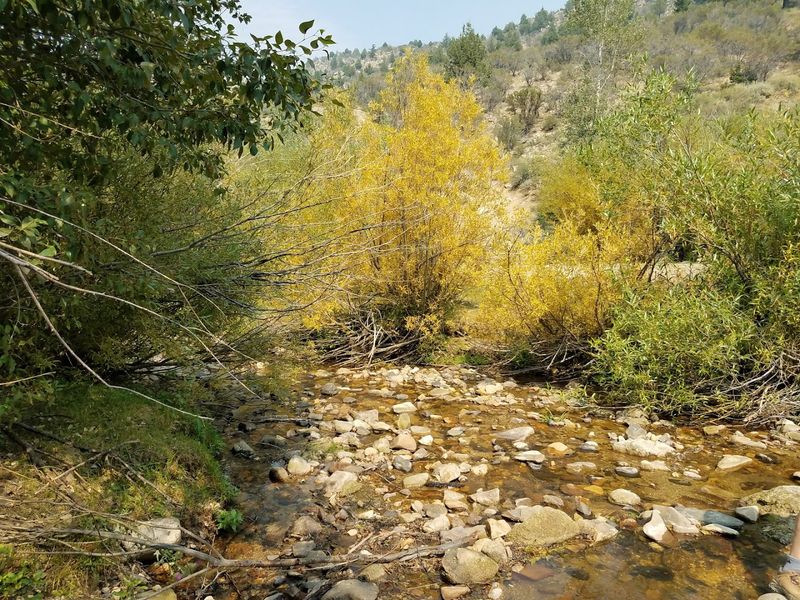
Fall is one of the most photogenic seasons. The scrub oak and mountain brush shift into amber and rust tones, and the light in the canyon turns golden in a way that feels almost theatrical.
Crowds, such as they are, thin out significantly by late September. If you prefer having a historic ghost town almost entirely to yourself, an early October visit might be the most rewarding option of all.
Just check road conditions before heading out, because the weather in Idaho’s high country can change fast and without much warning.
Getting There Is Part Of The Story
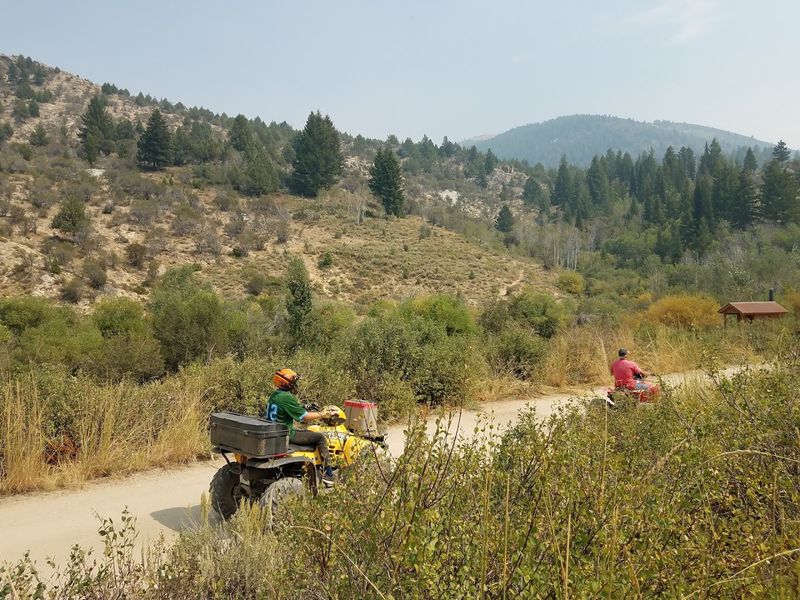
The drive to Silver City is an adventure before you even arrive.
From Murphy, the county seat of Owyhee County in Idaho, the route follows a gravel and dirt road for roughly 23 miles through open rangeland and increasingly rugged mountain terrain. The road narrows and steepens as you climb toward the townsite.
A high-clearance vehicle is not just recommended, it is genuinely necessary on most sections of the route.
Standard passenger cars have been known to get stuck or sustain undercarriage damage on the rocky sections. A four-wheel-drive truck or SUV gives you the best chance of a smooth trip both ways.
Fuel up before you leave any paved road. There are no services of any kind once you turn off the highway, and cell service is essentially nonexistent in the canyon.
Bring more water than you think you need, a paper map or downloaded offline map, and a basic emergency kit. The remoteness is a big part of what makes this place feel so special and so untouched.
Photographing A Frozen Moment In Time
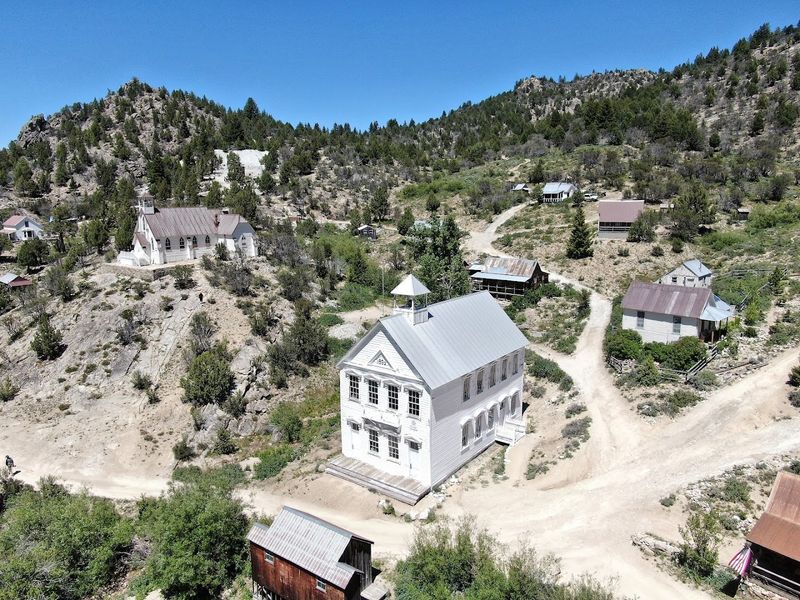
Silver City is a photographer’s kind of place. Every angle offers something worth capturing. The light here does remarkable things throughout the day.
Early morning is ideal for shooting the main street, when soft directional light rakes across the building facades and reveals every crack and grain in the old timber.
Midday is harsher but works well for wider landscape shots that include the mountain ridgelines. Golden hour, in the hour before sunset, turns the whole scene into something that looks almost painted.
Bring a wide-angle lens for the canyon views and a longer focal length for picking out architectural details on buildings you cannot approach too closely.
A tripod is useful if you want sharp images in the low-contrast shade of the canyon walls. Most importantly, resist the urge to move objects or lean against structures for a shot.
The preservation of this site depends on visitors treating it with care. Great photographs and responsible behavior are not mutually exclusive here, and the best images come from patience, not interference.