This Idaho Bike Trail Follows A Historic Railroad Through Stunning Scenery
I never expected a bike trail to stop me cold. But there I was, standing on a 100-year-old trestle bridge in the middle of eastern Idaho, looking down at a river I couldn’t name, wondering how I had never heard of this place.
The state has a habit of hiding its best secrets in plain sight. This trail runs along a railroad grade that once carried people and goods across a landscape so open it almost feels cinematic.
Teton peaks rise in the distance like a backdrop someone painted too dramatically to be real. The farm country rolls out wide and unhurried.
And the whole thing carries the quiet weight of history under every mile. Idaho has no shortage of beautiful corners.
This one just hits different.
The Railroad Route That Built This Corner Of Idaho
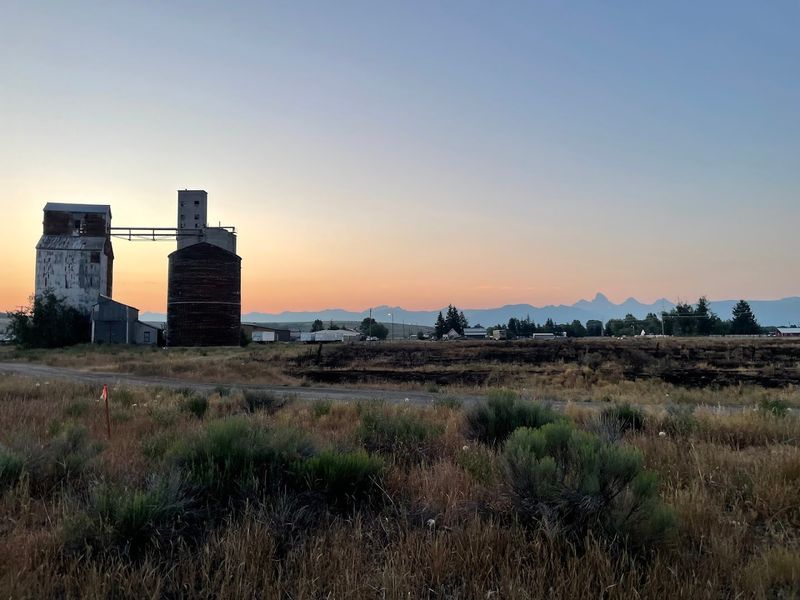
Before this trail existed, a railroad was doing the heavy lifting. The Teton Valley Branch of the Union Pacific Railroad, also called the Oregon Short Line, was built in 1912 to connect small farming communities across eastern Idaho.
It hauled livestock, seed potatoes, peas, and grain for decades. Towns like Ashton, Drummond, Lamont, Tetonia, Driggs, and Victor all depended on it.
The line was the economic backbone of the entire region.
By 1981, the railroad began shutting down. The Tetonia to Victor section was abandoned first, followed by the Ashton to Tetonia stretch in 1984.
The tracks went quiet, but the land stayed.
That preserved railroad grade became the foundation for what is now one of the most scenic rail-trails in the American West. The Rails to Trails Conservancy helped transform it, and the trail officially opened to the public in 2010.
The Idaho Department of Parks and Recreation now administers it through Harriman State Park. If you are looking for a starting point, the Tetonia Trailhead at 310 Egbert Ave, Tetonia, ID 83452 is one of the most convenient places to begin.
History did not disappear here. It just changed its shoes and invited everyone along for the ride.
6 Miles Of Pure Trail Adventure
Nearly 30 miles of trail sounds ambitious, but the grade makes it surprisingly manageable. Traveling from Ashton toward Tetonia, the elevation climbs from 5,277 feet to 6,064 feet.
That is only about a 787-foot gain spread across the entire distance.
The average incline sits at a gentle 1 to 2 percent. You feel it, but it never punishes you.
Coming back from Tetonia to Ashton, gravity does most of the work. Riders consistently describe that return trip as a smooth, satisfying downhill cruise.
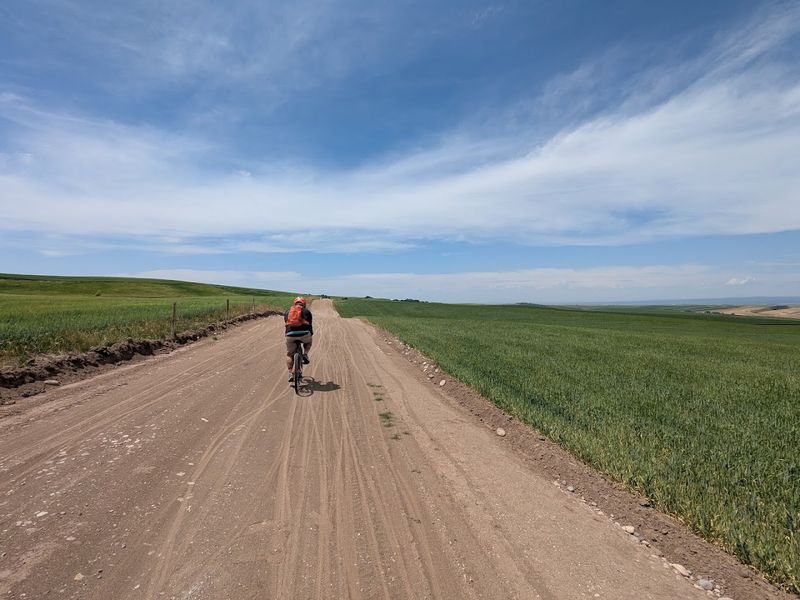
The trail surface is packed gravel and dirt throughout most of its length. Road bikes are not the right tool here.
Tires at least 32mm wide are recommended, and mountain bikes handle the surface with ease.
Access points are available in Ashton, Marysville, Bitch Creek, Felt, and Tetonia. Note that there is a 1.4-mile detour around private property in the France-Drummond area.
Planning your start point based on energy level and direction makes a real difference in how you experience this trail.
The Trestle Bridges That Will Stop You Cold
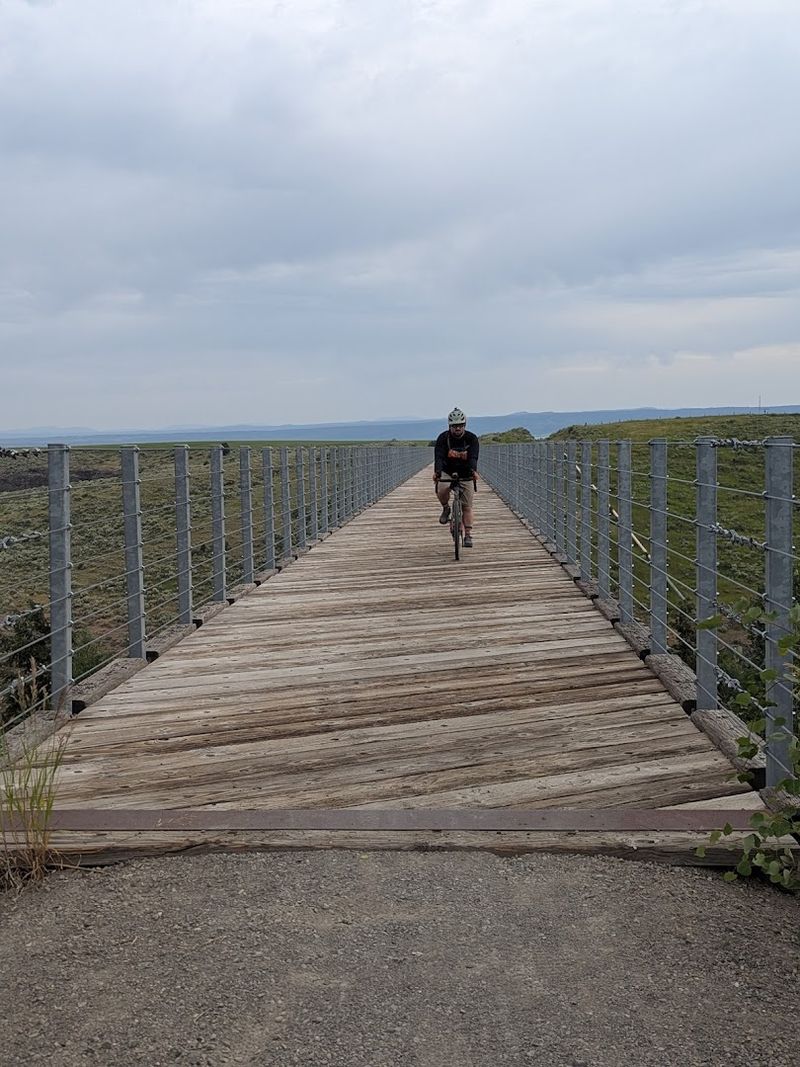
Nothing prepares you for the first trestle bridge. You round a bend, and suddenly you are standing at the edge of something enormous.
The trail features three major trestle bridges at Fall River, Conant Creek, and Bitch Creek.
The Bitch Creek Trestle is the showstopper. It stretches over 600 feet in length and reaches heights between 130 and 135 feet above the canyon floor.
Standing on it feels like floating above the landscape.
These trestles are original railroad structures, preserved and adapted for trail use. They carry a real sense of age and engineering ambition.
Crossing them on a bike or on foot makes history feel immediate and physical.
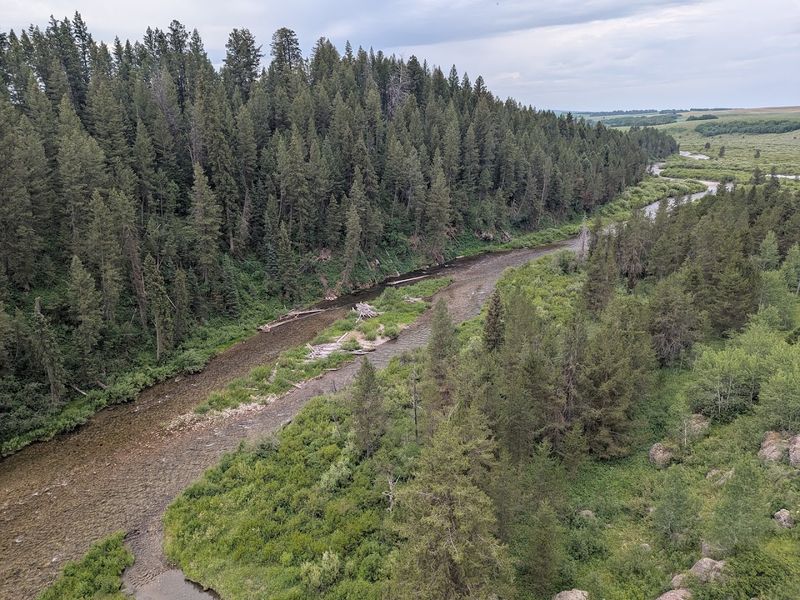
The views from each trestle are completely different from each other. Fall River offers lush riparian scenery.
Conant Creek frames open fields. Bitch Creek delivers the most dramatic drop and the widest sky.
Each one earns its own pause and its own photo. Riders who rush through without stopping are missing the entire point of this trail.
Slow down, look over the edge, and appreciate what 1912-era engineering actually built.
Teton Mountain Views That Earn Every Pedal Stroke
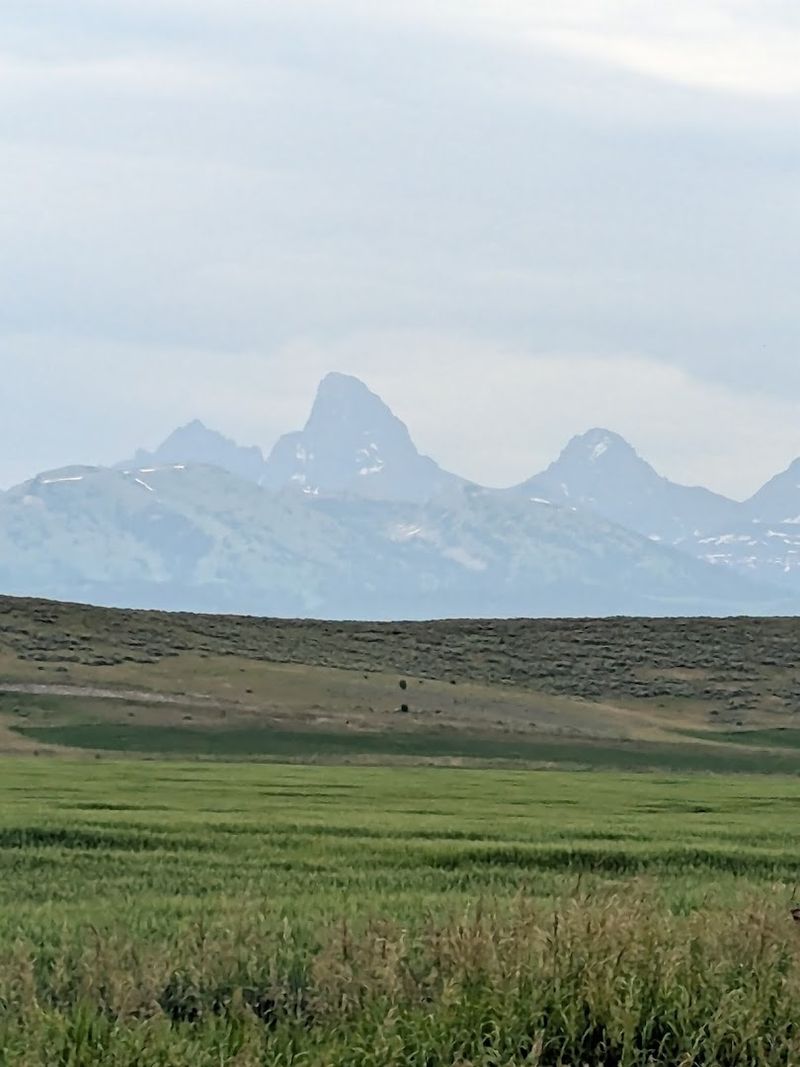
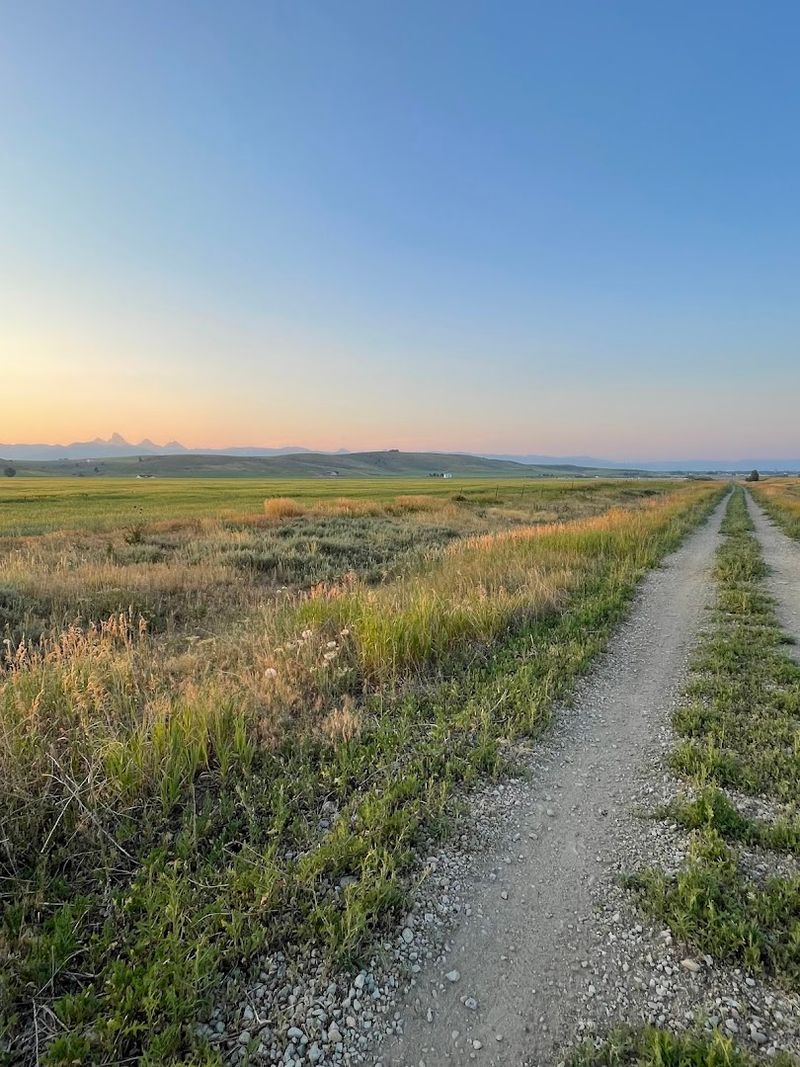
There is a moment on this trail when the mountains just appear. The Teton Range fills the eastern horizon with a sharpness that almost looks digital.
No buildup, no gradual reveal. Just mountains, suddenly, everywhere.
The trail passes through open farm country that acts like a natural frame. Green fields stretch wide on both sides, and the sky feels enormous.
The Tetons rise above all of it with that unmistakable jagged profile.
This part of the state sits at an elevation where the air is clear and the light is bright. Morning rides catch golden tones across the peaks.
Late afternoon rides paint everything in warm amber. Both are worth setting an alarm for.
The views are not just a backdrop. They shift as you move, changing angle and scale with every mile.
Aspen groves occasionally break the sightlines, then open again to reveal the mountains from a new perspective. It never gets repetitive.
Riders who have done the full route multiple times still report stopping to look. That kind of scenery does not get old.
It just keeps delivering, mile after mile, without asking anything in return.
Year-Round Activities For Every Season
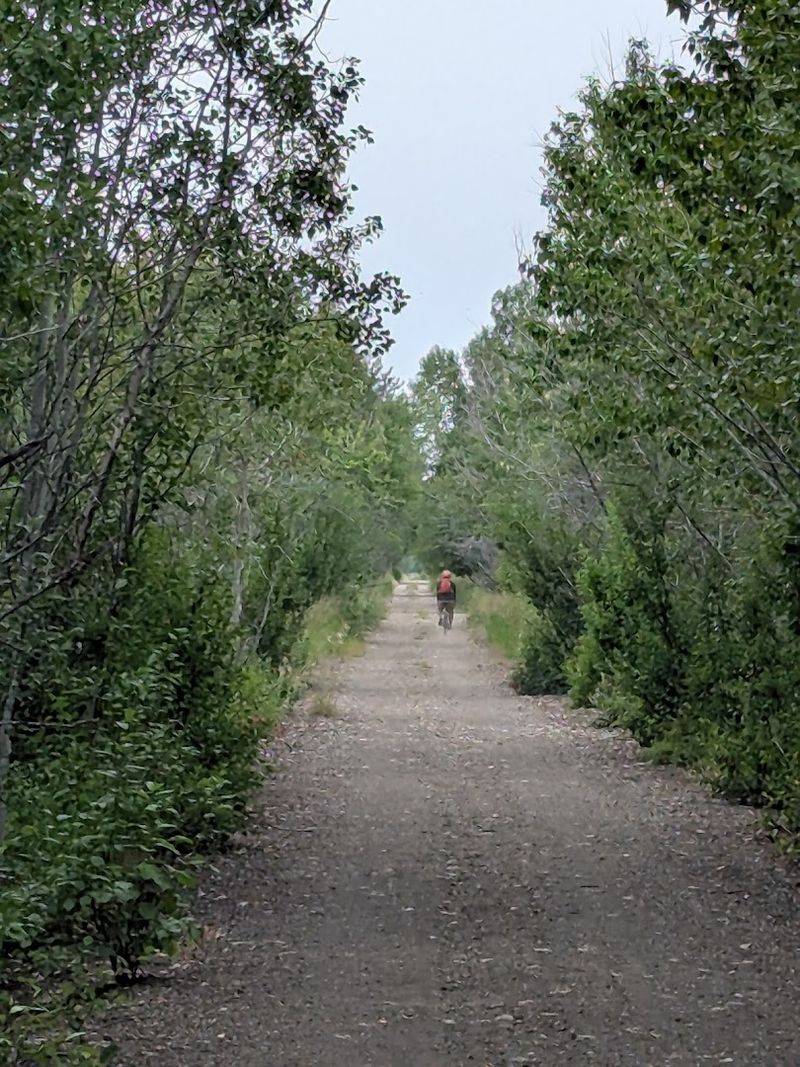
Most trails shut down in spirit when the temperature drops. This one just changes its outfit.
The Ashton-Tetonia Trail stays open year-round and offers completely different experiences depending on the season you visit.
Warmer months bring hikers, mountain bikers, and horseback riders to the trail. The packed gravel surface handles all three well.
Horses especially seem at home on a route that once served working ranches and farms.
Winter transforms the trail into a Nordic skiing and snowshoeing corridor. Snowmobiles are also permitted, making it a rare multi-use winter route.
The Teton views in winter carry a different kind of power. Snow-covered peaks against a pale blue sky look almost impossible.
Spring and fall each offer their own rewards. Spring brings wildflowers and rushing creek sounds near the trestle crossings.
Fall delivers those aspen color displays that make photographers genuinely competitive with each other. Planning a visit during any season is a reasonable idea.
Each season offers a different version of the trail, though visitors should check conditions before heading out. Each season reframes the same landscape in a way that feels entirely new and worth the trip.
Historic Grain Elevators And Old Pillsbury Mills
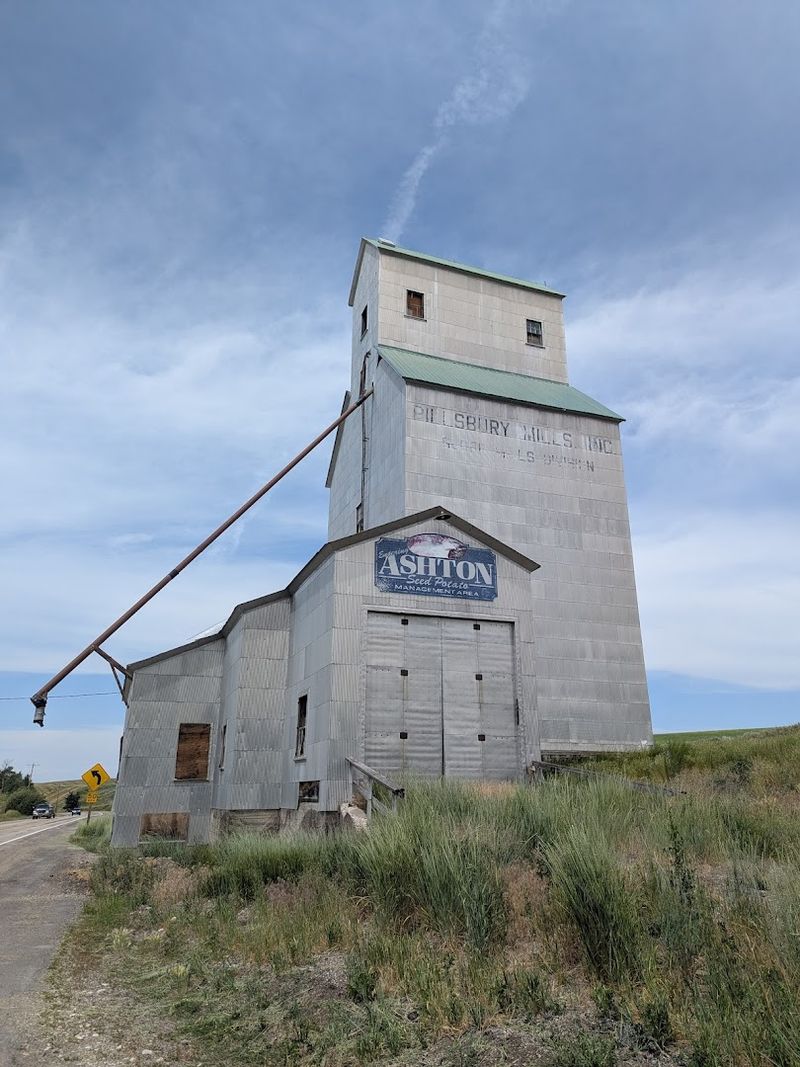
History does not always announce itself with a plaque. Sometimes it just stands beside the trail, tall and weathered, waiting for someone to notice.
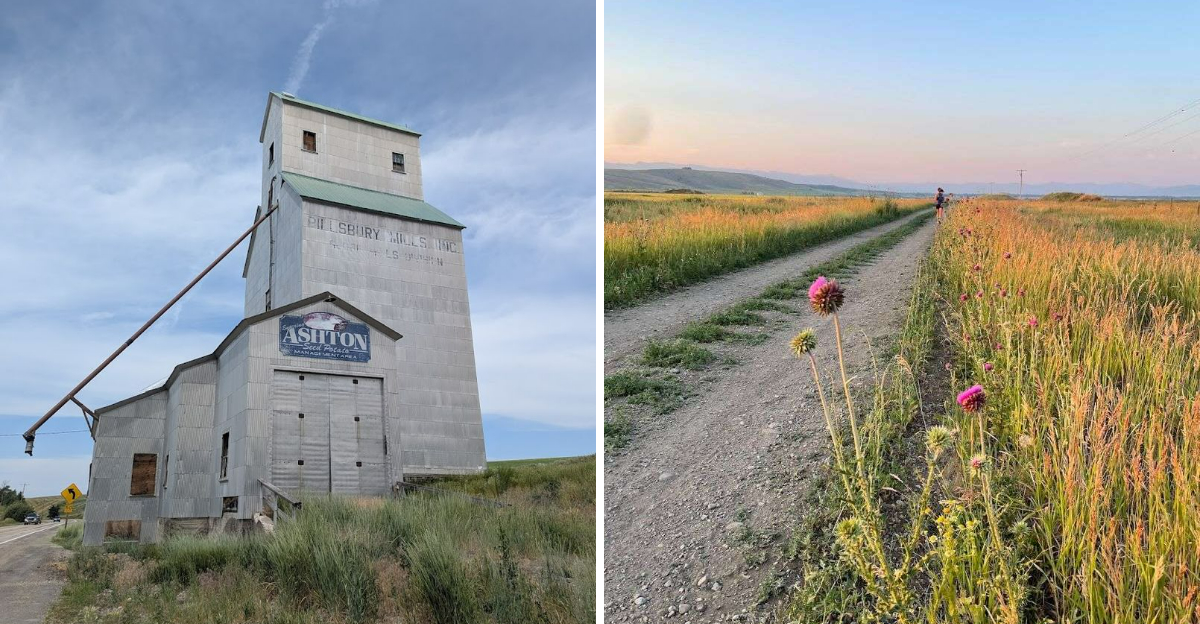
The old Pillsbury Mills Elevator in France, Idaho is one of the most striking reminders of what this railroad once served.
Grain elevators like this one were essential infrastructure for the farming communities along the line. They stored crops before they were loaded onto railroad cars and shipped out.
Without the railroad, these structures had no purpose. Without these structures, the railroad had no cargo.
Riding past the France area, you get a clear sense of how agricultural this corridor once was. The detour around private property near France and Drummond adds about 1.4 miles to the journey, but the surrounding landscape makes it feel like a bonus rather than an inconvenience.
These surviving structures are rare. Most historic grain elevators have been demolished or left to collapse.
The ones that remain along this trail carry a specific gravity. They mark a time when this valley was young, productive, and entirely dependent on the steel rails running through it.
Pausing to look at them properly adds real depth to the ride.
Rolling Farm Country And Peaceful Aspen Groves
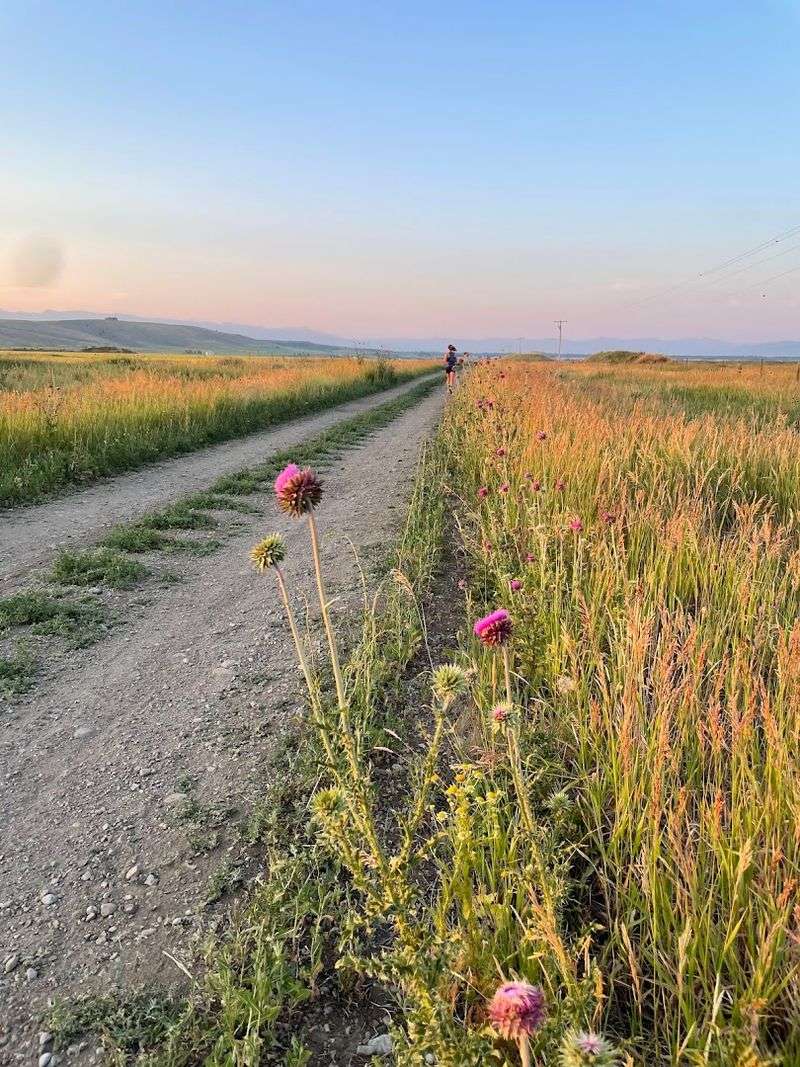
Not every great trail relies on dramatic peaks alone. The Ashton-Tetonia Trail earns its reputation through variety.
The scenery shifts constantly between wide agricultural fields, dense aspen stands, and quiet riparian zones near creeks.
The farm country sections feel genuinely peaceful. Rolling fields of grain and grass border the trail on both sides.
You can hear wind moving through crops and birds calling from fence posts. It is the kind of quiet that actually registers.
Aspen groves appear unexpectedly and often. In summer they offer shade and a soft rustling soundtrack.
In fall they turn brilliant gold and orange, transforming the trail into something that looks almost theatrical. Timing a fall visit around peak color is absolutely worth the planning.
Small riparian areas near creek crossings bring willows, wildflowers, and occasional wildlife sightings. The trail does not just pass through one landscape.
It moves through several, often within the same mile. That constant visual change keeps the ride engaging from start to finish, no matter how many times you have pedaled this route before.
The Greater Yellowstone Trail Connection
Thirty miles is impressive on its own. But this trail is also part of something much larger.
The Ashton-Tetonia Rail Trail connects to the developing 180-mile Greater Yellowstone Trail network, which links communities and landscapes across the region.
That context changes how you think about the ride. Every mile you cover on this trail is potentially one mile of a much longer journey.
For long-distance trail enthusiasts, this is genuinely exciting news. The network is still growing, but its ambition is already clear.
The trail sits in a corridor that connects to some of the most iconic landscapes in North America. Yellowstone is not far.
The Tetons are right there on the horizon. Being part of a regional trail system elevates this route from a local favorite to something with national significance.
Trail advocates and planners have been working toward this kind of connectivity for years. The Ashton-Tetonia corridor is a strong anchor for that vision.
Riders who complete it today are experiencing a trail that will only become more connected and more celebrated over time. Visiting now gives riders a chance to experience the trail as part of a growing regional vision.
Paving Projects And What Is Coming Next
Change is coming to this trail, and it is the good kind. A paving project is currently underway along several key sections of the Ashton-Tetonia Trail.
The goal is to make the route more accessible for a wider range of visitors.
Sections being paved include the stretch between Marysville and Fall River Trestle, the Judkins Parking Lot toward Bitch Creek Trestle, and the Tetonia Parking Lot to Highway 33.
These improvements will make several key sections smoother and more accessible, though much of the route will still require tires suited for gravel or dirt.
During active paving work, some sections may be temporarily closed. The Ashton trailhead to Fall River Trestle section is one area that could see temporary closures.
Checking current trail conditions before heading out is always a smart move.
These upgrades signal that land managers are investing seriously in this corridor. Improved surfaces mean more families, more casual riders, and more people experiencing what this trail offers.
The gravel sections will still exist for those who prefer them. The paving simply expands the audience.
For anyone who has been waiting for a smoother surface to make the trip, that wait is getting shorter. This trail is evolving, and its best years may genuinely still be ahead.