These 15 California Roads Are Lined With Stops That Make A Quick Errand Feel Like A Day Trip
Errands usually have terrible branding. Gas. Groceries. One thing you forgot yesterday. Then the road starts adding little distractions.
A farm stand shows up with suspiciously good fruit. A bakery sign makes discipline feel unrealistic.
A simple errand can get completely outvoted by the road in California.
The destination may be practical, but the drive refuses to behave that way.
Coffee counters, antique corners, scenic pull-offs, and tiny local shops turn the route into its own excuse. A quick trip stops feeling quick.
Nobody complains much.
By the time the trunk has snacks and something nobody meant to buy, the errand has officially lost control.
1. California Highway 1 Through Cambria, Cayucos, And Morro Bay
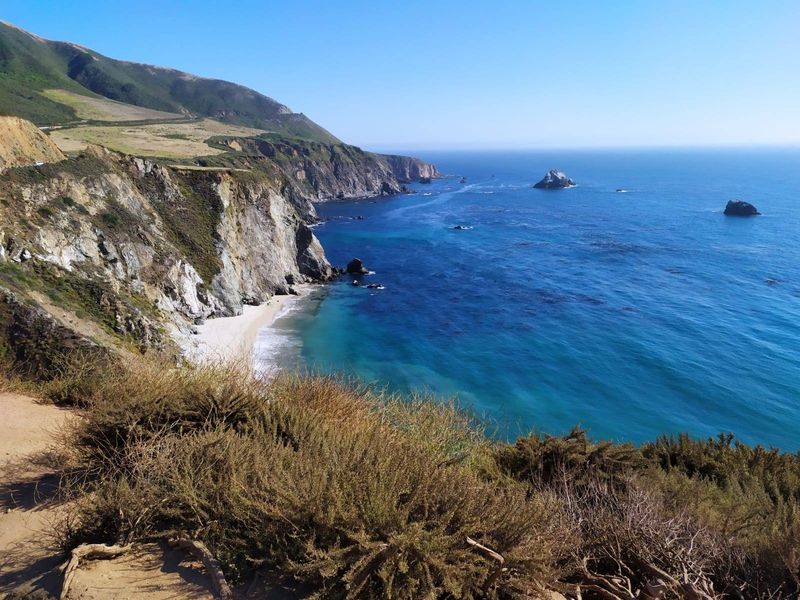
Few stretches of coastal road in California pack as much variety into such a short distance as this one.
The highway rolls through Cambria first, a small art-forward town where the main street is lined with galleries, bookshops, and cafes that seem to operate on their own relaxed schedule.
Moonstone Beach Drive runs parallel to the shore and offers a flat boardwalk walk above the tidepools and driftwood-covered sand.
Cayucos comes next and feels even quieter, with a historic pier, a handful of surf shops, and a taffy store that has been pulling candy by hand for decades.
The pacing here is slow in the best possible way, and weekday visits tend to feel especially unhurried.
Morro Bay anchors the southern end of this stretch with its iconic volcanic rock rising from the harbor, waterfront seafood shacks, and kayak rentals that let visitors get out on the estuary.
The towns are close enough together that stopping at all three in a single afternoon is entirely realistic.
2. Ojai Avenue And Highway 33 Through Ojai Valley
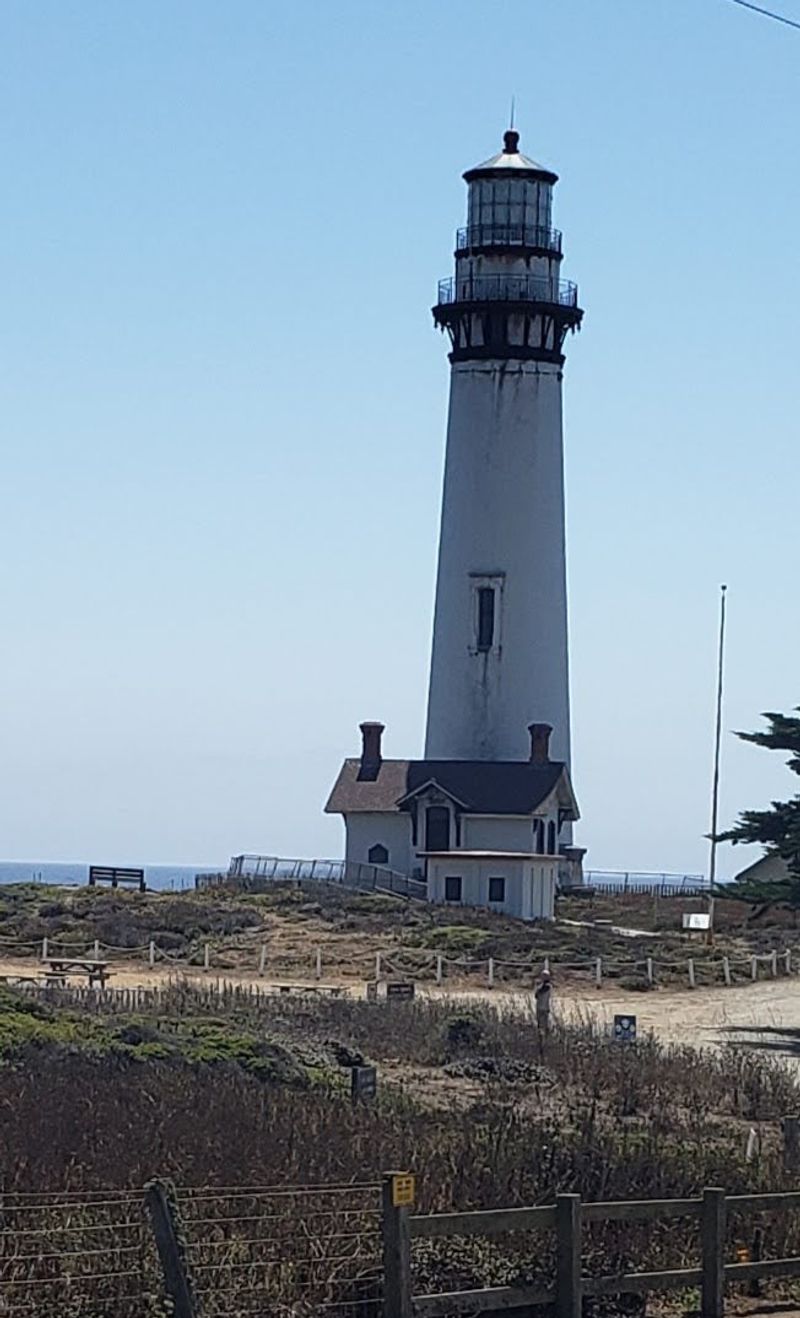
In a narrow valley with the Topatopa Mountains rising sharply on one side, Ojai has a reputation for being the kind of place that slows people down without them realizing it.
The main drag along Ojai Avenue is walkable and shaded by old oaks and pepper trees, with a mix of independent shops, farm-to-table restaurants, and wellness studios filling the storefronts.
The Spanish Colonial arcade in front of the post office is one of the most photographed spots in town and makes for a natural gathering point.
Highway 33 heading north out of town is where the landscape shifts dramatically, climbing through chaparral and eventually into Los Padres National Forest.
The drive itself becomes the attraction, with pullouts overlooking the valley and a sense of genuine remoteness that sets in quickly.
Back in town, the Ojai Farmers Market runs on Sundays and draws local growers selling citrus, avocados, and herbs that reflect the valley’s agricultural character.
3. Highway 49 Through Nevada City, Grass Valley, And Placerville
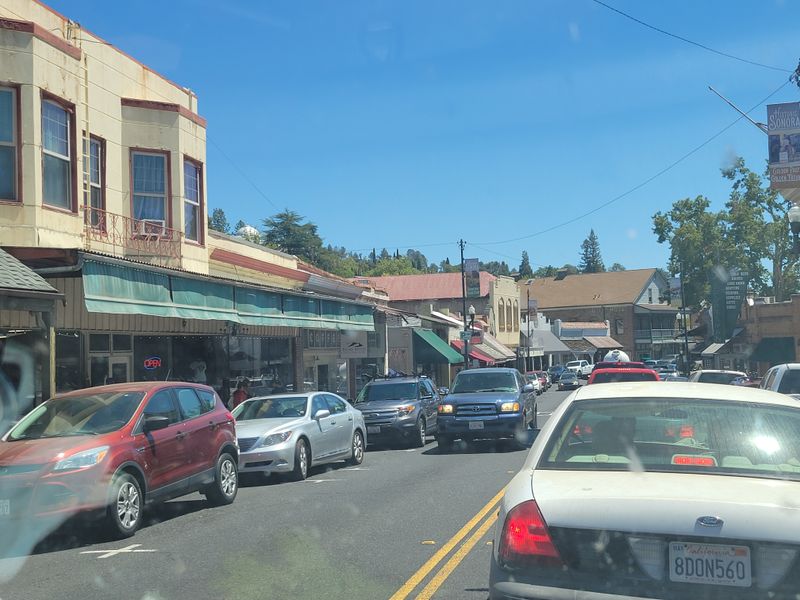
Highway 49 earns its name from the Gold Rush era and winds through the Sierra Nevada foothills connecting towns that have held onto their history with genuine care.
Nevada City is often the first stop worth lingering in, with a downtown full of Victorian architecture, independent bookstores, and coffee shops that fill up on weekend mornings.
The streets here are narrow and hilly, giving the town a layered quality that rewards walking over driving.
Grass Valley sits just a few miles south and has its own historic downtown anchored by Mill Street, where hardware stores and bakeries share blocks with local theaters and art spaces.
The area has a strong connection to Cornish mining heritage, and the pasty, a hand-held meat pie brought over by Cornish miners, is still sold at a few spots in town.
Placerville, further south along the highway, goes by the nickname Old Hangtown and has a compact downtown with antique dealers and a long-running hardware store that claims to be one of the oldest in California.
4. Highway 128 Through Boonville, Philo, And Navarro
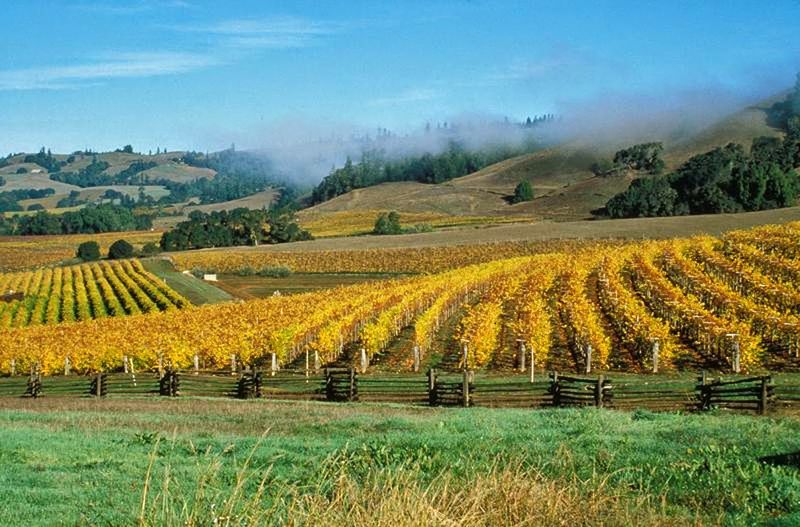
Anderson Valley sits in a geographic pocket that keeps it cooler and quieter than most of the surrounding wine country, and Highway 128 threads through it with unhurried ease.
Boonville is the valley’s social center, with a handful of restaurants, a general store, and the Anderson Valley Brewing Company, which occupies a Bavarian-style building that looks slightly out of place in the best possible way.
The town also has a history of speaking its own regional slang called Boontling, a quirky local invention that still gets referenced on signs and menus.
Philo comes next and is more of a crossroads than a town, but the apple orchards and farm stands along this stretch make it a worthwhile slow-down.
Philo Apple Farm has been producing heirloom varieties here for years and occasionally offers farmstay experiences, though availability varies by season.
As the highway continues toward the coast, it drops into the Navarro River Redwoods State Park, where the road narrows and the canopy closes overhead, turning the drive into something closer to a tunnel.
5. Highway 29 Through St. Helena And Calistoga
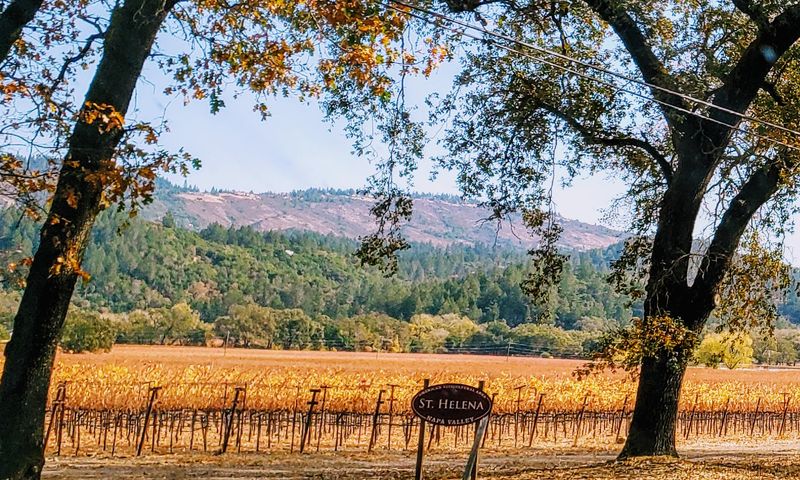
The northern stretch of Highway 29 through Napa Valley is known for its vineyards, but the towns it passes through have a character that goes well beyond the surrounding agriculture.
St. Helena has a main street lined with stone and brick buildings dating back to the late 1800s, and the storefronts now hold a mix of gourmet food shops and a few restaurants that have built strong reputations.
The pacing on this stretch of road can slow considerably on weekend afternoons, so a weekday visit tends to offer a much more comfortable experience.
Calistoga sits at the northern end of the valley and has a more laid-back personality than some of its neighbors, with a downtown that includes a natural history museum and access to the Petrified Forest.
The Sharpsteen Museum offers a deep look at the town’s history through detailed dioramas and artifacts from the resort era of the 1800s.
Old Faithful Geyser of California also sits just north of town and erupts roughly every thirty minutes, making it an easy and genuinely surprising stop.
6. Highway 116 Through Sebastopol, Graton, And Guerneville
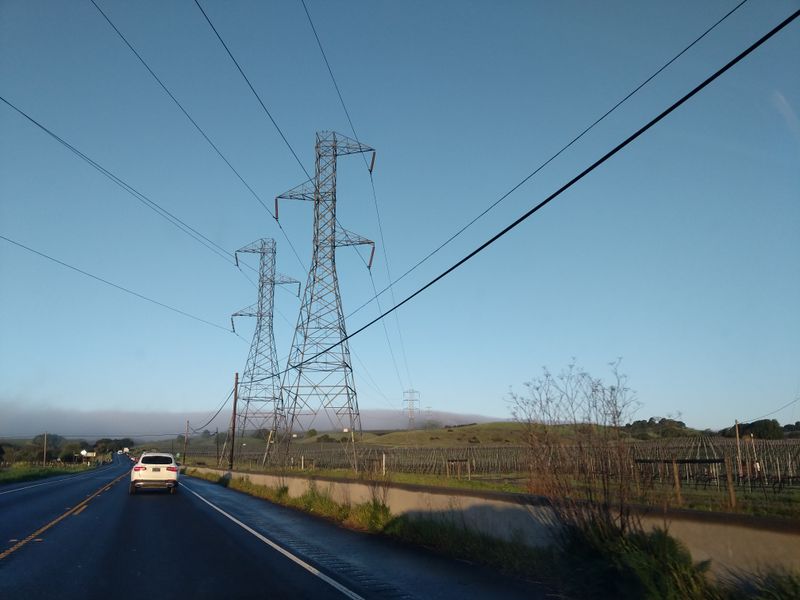
Highway 116 cuts through the heart of western Sonoma County, connecting towns that feel like they exist slightly outside the mainstream in a way that is entirely intentional.
Sebastopol anchors the eastern end of this stretch and has built an identity around local food, independent retail, and a general sense of creative independence.
The Barlow, a converted mill complex at 6770 McKinley Street in Sebastopol, houses artisan food producers, a distillery, and several restaurants in a setting that feels both industrial and inviting.
Graton is barely a town in the traditional sense, just a short stretch of road with a few restaurants and a community hall, but it punches above its size with some genuinely well-regarded dining options.
The drive between Graton and Guerneville passes through apple orchards and redwood corridors that shift the mood noticeably.
Guerneville sits along the Russian River and has a long history as a summer resort destination, with a compact downtown full of bookshops and river access points where visitors can rent kayaks or sit on the bank.
7. Pacific Coast Highway Through Encinitas, Cardiff, And Solana Beach
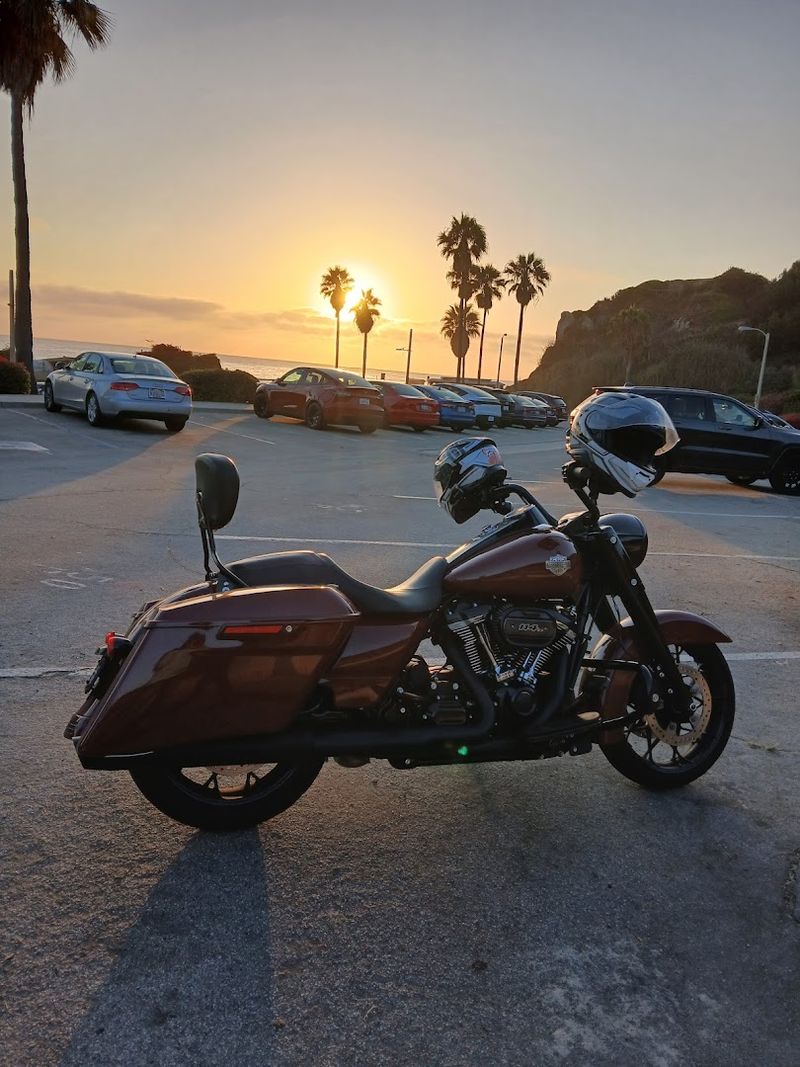
The southern stretch of the Pacific Coast Highway through North San Diego County has a relaxed beach culture that feels distinct from the more built-up areas further north.
Encinitas is the most recognizable stop, with a downtown that runs along Coast Highway 101 and includes surf shops, yoga studios, taco stands, and the famous Self-Realization Fellowship center.
Swami’s Beach sits just below those towers and is one of the most well-known surf breaks in the region.
Cardiff-by-the-Sea sits just south and has a more residential feel, but the stretch of beach here is wide and the seaside market at the corner of Birmingham Drive is a reliable stop for coffee and food before a beach walk.
The Cardiff State Beach and San Elijo State Beach campground are both accessible along this stretch and can be very busy during summer weekends.
Solana Beach rounds out the trio with its Cedros Avenue Design District, a walkable cluster of furniture stores, boutiques, and casual restaurants just a short walk from the station and the coast.
8. Highway 1 Through Half Moon Bay, Pescadero, And Davenport
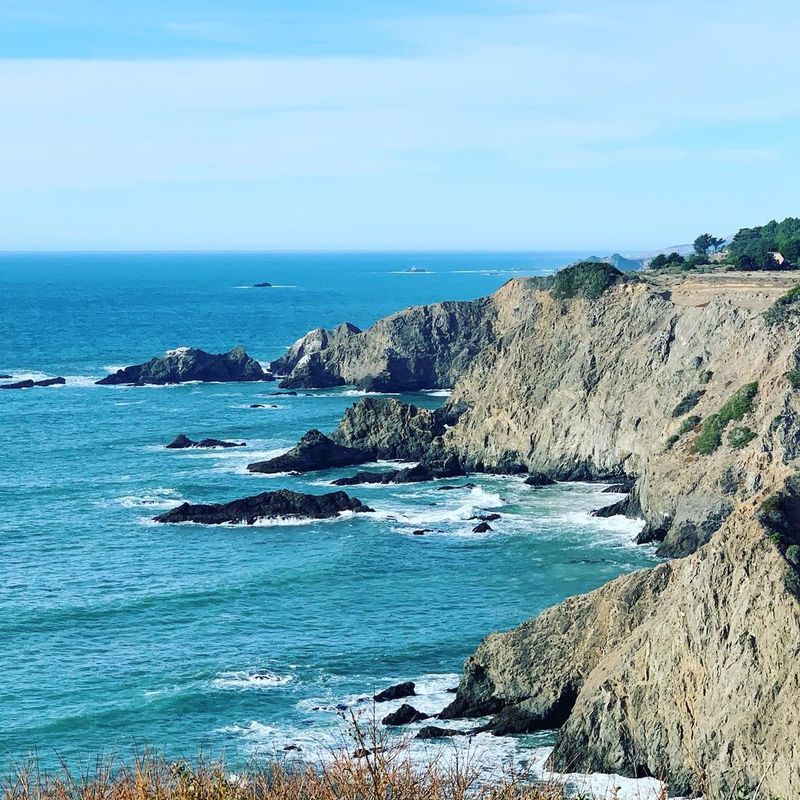
The stretch of Highway 1 between San Francisco and Santa Cruz is often overlooked in favor of the more dramatic Big Sur section to the south, but this quieter portion has its own reliable charm.
Half Moon Bay greets visitors with a walkable downtown on Main Street and a coastline that turns into a pumpkin festival destination every October.
The beach access points along Kelly Avenue lead to wide sandy stretches that are far less crowded than beaches closer to the city, though the water temperature remains cold year-round.
Heading south, the highway passes through a stretch of artichoke and flower farms before reaching Pescadero, a tiny agricultural town with a bakery, a general store, and Duarte’s Tavern, a family-run restaurant.
The surrounding Pescadero State Beach and Butano State Park offer hiking and tidepooling opportunities that can easily fill an afternoon.
Davenport, further south near Santa Cruz, is little more than a bluff-top overlook and a small cash-only bakery, but the whale-watching potential from the roadside cliffs makes it a worthwhile pullout.
9. Highway 395 Through Lone Pine, Bishop, And Mammoth Lakes
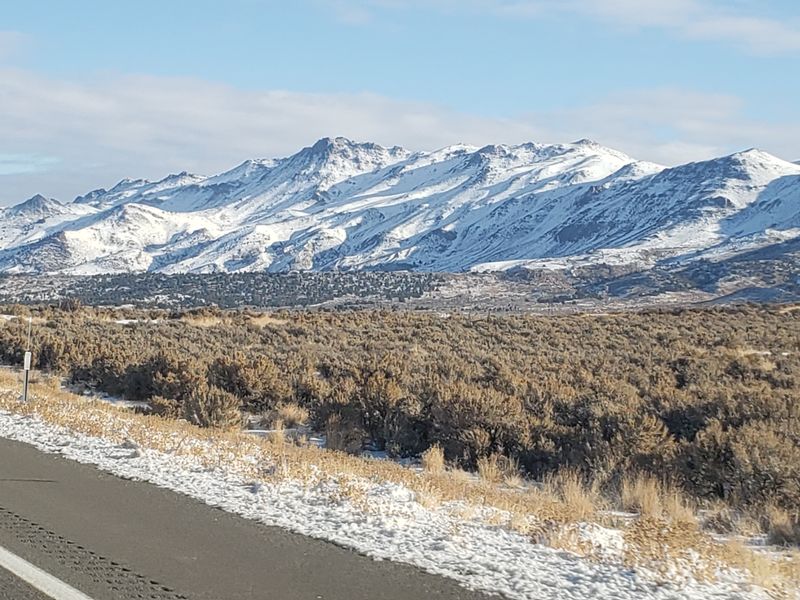
Running along the eastern edge of the Sierra Nevada, Highway 395 is one of the most geographically dramatic drives in the entire state.
Lone Pine sits at the base of Mount Whitney, the tallest peak in the contiguous United States, and the Alabama Hills just outside of town have served as a backdrop for hundreds of Western films and television shows.
The Museum of Western Film History documents that cinematic legacy with artifacts, costumes, and screening rooms that offer genuine historical depth.
Bishop is the largest town on this stretch and functions as a regional hub with a good selection of outdoor gear shops, casual restaurants, and bakeries that cater to climbers and hikers heading into the surrounding wilderness.
The Paiute Shoshone Cultural Center provides important context about the Indigenous communities who have lived in this region for thousands of years.
Mammoth Lakes sits higher in elevation and shifts the landscape into pine forest and volcanic terrain, with the Mammoth Mountain ski area dominating winter visits and hiking trails filling the warmer months.
10. Route 66 Through Barstow, Newberry Springs, And Amboy
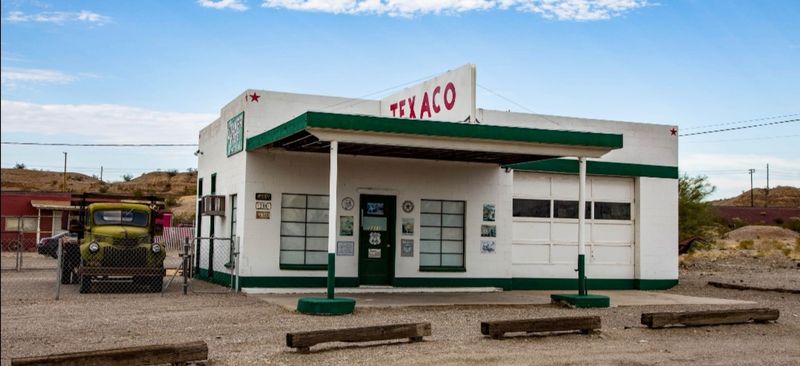
The California section of Route 66 through the Mojave Desert is not a comfortable drive in the traditional sense, but it offers something that more polished roads cannot, which is a feeling of genuine American roadside history.
Barstow serves as the eastern gateway and has a functioning stretch of the old alignment along Main Street.
There, the Route 66 Mother Road Museum inside the restored Casa del Desierto Harvey House at 681 North First Avenue in Barstow tells the story of the railroad era and the highway that followed.
Newberry Springs is a desert community most famous for the Bagdad Cafe that inspired the 1987 German film of the same name. The cafe is still open and still serves food in a setting that feels genuinely unchanged.
Amboy is the most remote stop on this stretch, a near-ghost town with Roy’s Motel and Cafe as its primary landmark, a building that has become one of the most photographed roadside stops in the American West.
11. Highway 154 Through Santa Ynez Valley And Los Olivos
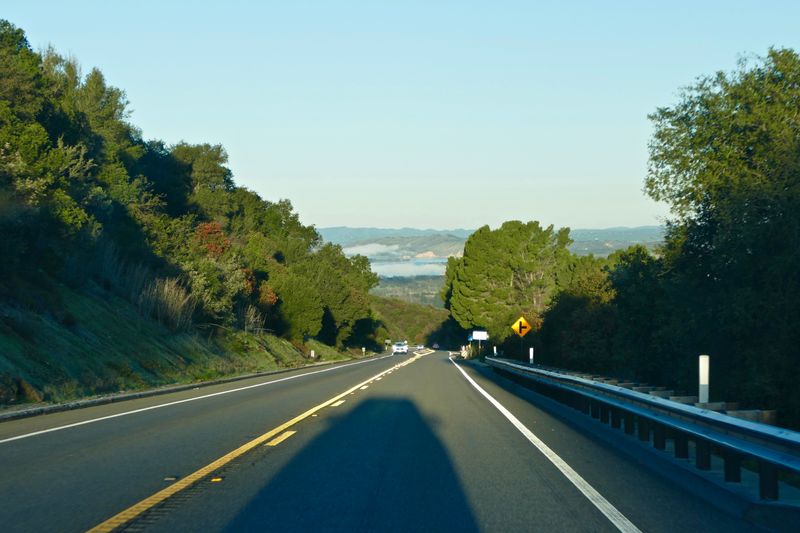
Highway 154 climbs out of Santa Barbara through the San Marcos Pass and descends into the Santa Ynez Valley, a region that feels noticeably quieter and more agricultural than the coast just a few miles away.
The transition happens quickly, and the landscape shifts from ocean-influenced chaparral to open grassland, horse ranches, and oak-dotted hills that have a timeless quality in the afternoon light.
Cold Spring Tavern, a historic stagecoach stop, sits just off the highway near the pass and has been operating continuously since the 1860s.
Los Olivos is the social heart of the valley, a small town with a central flagpole, a cluster of art galleries, and several tasting rooms and restaurants along Grand Avenue that draw visitors from the coast on weekends.
The town is compact enough to cover entirely on foot in under an hour, which makes it an easy stop rather than a full commitment.
The surrounding Santa Ynez Valley includes the towns of Solvang, Ballard, and Santa Ynez itself, each with its own distinct character and worth exploring if time allows.
12. Highway 74 Through Palm Desert, Idyllwild, And Mountain Center
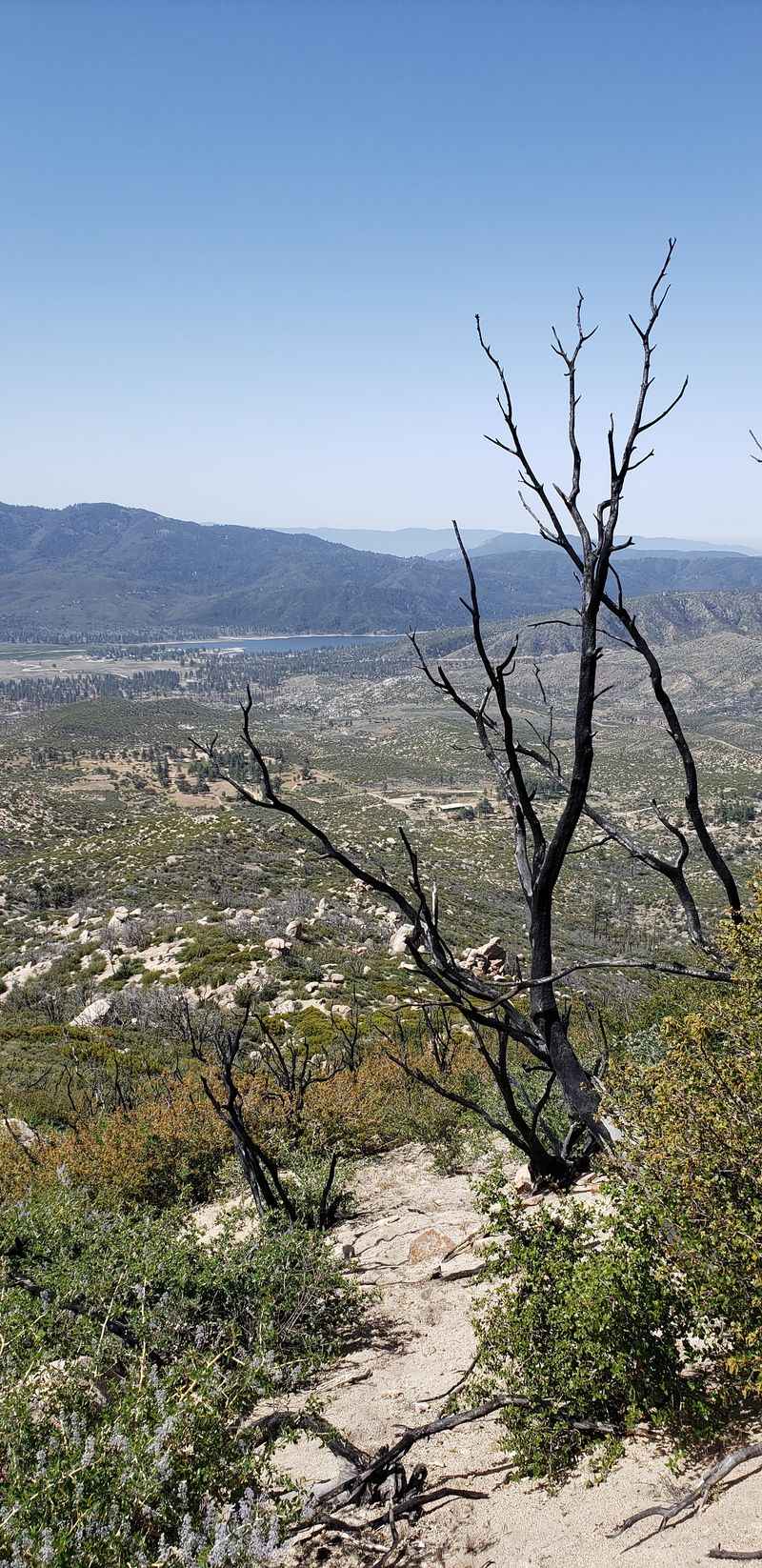
One of the more physically dramatic roads on this list because it climbs more than 5,000 feet over a relatively short distance, transitioning from the hot desert floor up into the cool pine forests.
The drive out of Palm Desert along the Palms to Pines Scenic Byway offers sweeping views back over the valley floor as the road switchbacks upward through chaparral and eventually into oak and pine woodland.
Turnouts along the way allow drivers to stop and take in the elevation change without having to commit to the full ascent.
Idyllwild sits near the top of this climb and is a genuine mountain town with a permanent arts community, a main street of shops and restaurants, and easy access to trails in the Mount San Jacinto State Park and Wilderness.
The town has a relaxed but lively atmosphere on weekends, with street musicians, outdoor seating, and a farmers market that runs seasonally.
Mountain Center is a small community further along the highway where the road begins its descent toward the Anza-Borrego area, and it marks a natural turning point for day-trippers who want to enjoy the mountain air.
13. Highway 101 Through Carpinteria, Summerland, And Montecito
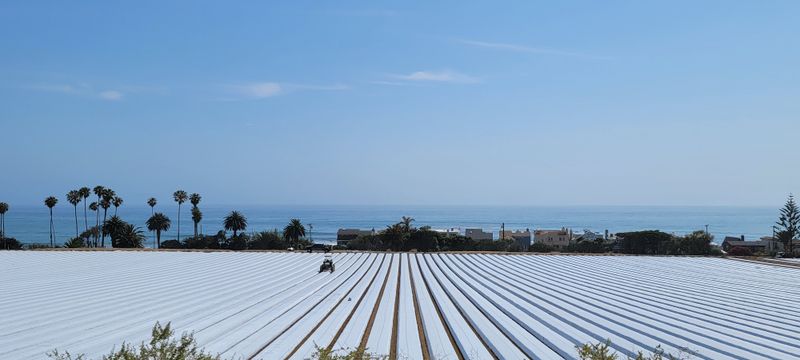
The short stretch of Highway 101 between Ventura and Santa Barbara passes through three small communities that each have a distinct personality and are easy to access from the freeway.
Carpinteria comes first heading north and has a reputation for having one of the safest swimming beaches in the state, with a broad sandy beach and a weekly farmers market that draws local vendors.
The town moves slowly and has a neighborhood quality that makes it feel more like a place where people actually live than a tourist destination.
Summerland is even smaller, with a cluster of antique shops and a bluff-top park overlooking the ocean that is worth a brief stop.
The area has a quirky history as a spiritualist community from the late 1800s, which gives it an unusual backstory for such a quiet stretch of coast.
Montecito sits just east of Santa Barbara and has a concentration of high-end shops and restaurants along Coast Village Road and Upper Village, with the San Ysidro Ranch serving as one of the most storied historic properties.
14. Highway 1 Through San Luis Obispo, Avila Beach, And Pismo Beach
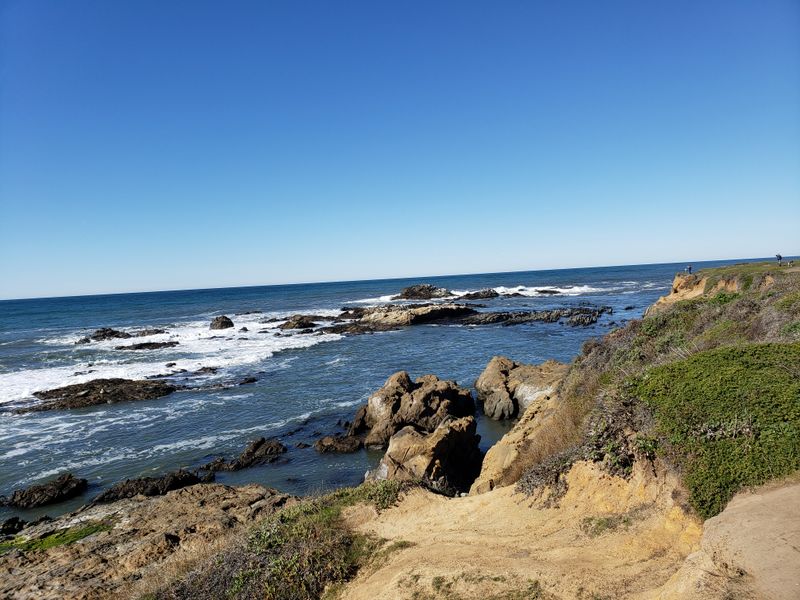
San Luis Obispo sits slightly inland from the coast but connects naturally to the beach communities just to its south, and the drive from downtown SLO down to Avila Beach and then along to Pismo.
Downtown San Luis Obispo has a lively Thursday night farmers market on Higuera Street that draws the local community out in full force and is one of the more genuinely festive street markets in the state.
The creek walk through Mitchell Park offers a quiet alternative to the main commercial strip and is pleasant on warm afternoons.
Avila Beach is a small resort town at the end of a short spur road off the 101 and has a pedestrian-friendly waterfront with a pier, beach rentals, and a handful of casual restaurants facing the sand.
The beach here is sheltered by the surrounding hills and tends to be warmer and sunnier than many other Central Coast beaches.
Pismo Beach has a broader downtown spread along Dolliver Street and Price Street, with a classic pier, a butterfly grove where monarch butterflies overwinter , and a stretch of sand that extends south into the Oceano Dunes.
15. Highway 12 Through Sonoma, Glen Ellen, And Kenwood
Running through the heart of Sonoma Valley, Highway 12 connects a sequence of towns that feel grounded and community-oriented rather than purely oriented toward visitors.
Sonoma anchors the southern end with its historic eight-acre plaza, the largest of its kind in California, surrounded by adobe buildings and a mix of restaurants and shops that have been operating in this space for generations.
The Sonoma State Historic Park buildings around the plaza provide a walkable introduction to California history from the Mexican rancho era through early American statehood.
Glen Ellen sits further north along the highway and is closely associated with the writer Jack London, whose ranch and the ruins of his Wolf House are preserved.
The park has trails through oak woodland and vineyard land that feel genuinely peaceful on weekday mornings.
Kenwood is the quietest of the three towns on this stretch, with a small commercial cluster and a community park that hosts outdoor events in warmer months.