This North Carolina Bakery Focuses On Fresh Baking Instead Of Following Trends
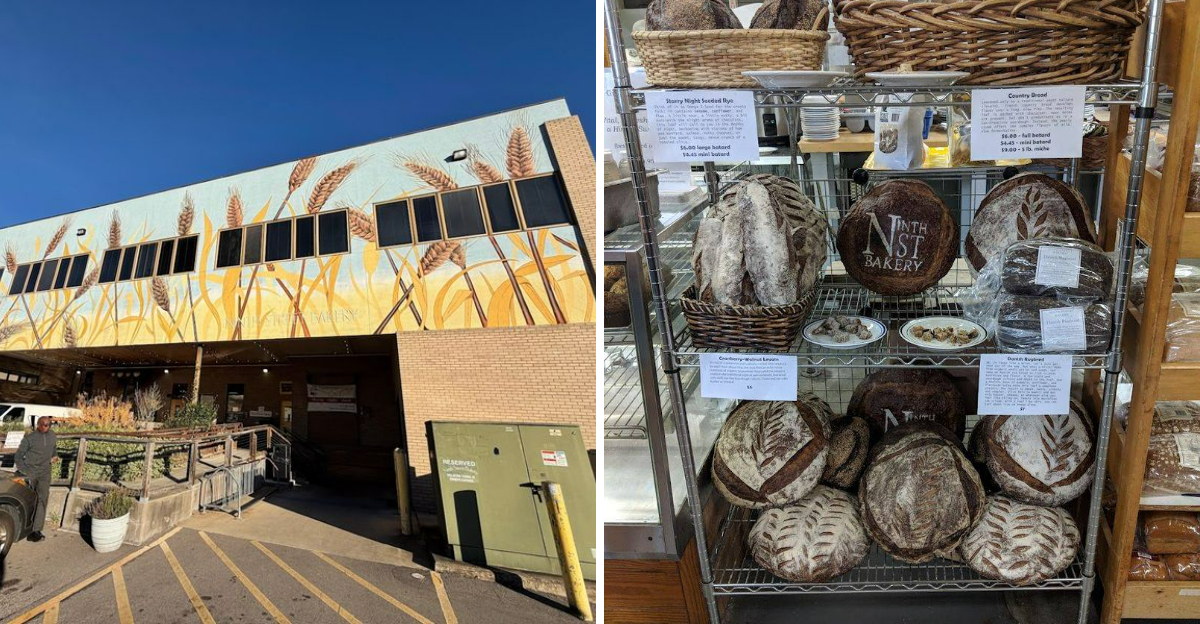
The smell hit me before I even opened the door. Not the artificial sweetness of a chain bakery, not the Instagram-bait aroma of a seasonal latte.
Something older. Something real.
North Carolina has no shortage of charming small towns, but every once in a while, a state this size hides a gem so good it almost feels unfair to keep quiet about it. This was one of those mornings.
A scratch kitchen. Four decades of quiet stubbornness.
A philosophy so simple it sounds almost radical today. No trends.
No shortcuts. Just bread that tastes like someone actually meant it.
Built On Tradition Instead Of Trends
Back in the spring of 1981, a group of passionate bakers opened their doors on Ninth Street in Durham, North Carolina. They were not chasing a trend.
They were starting one.
Brothers George and Frank Ferrell, along with Frank’s wife Maureen and her brother Michael Mooney, founded what would become a true anchor in the local food scene.
They brought their skills from the Tassajara Zen Center, where they learned the art of wholegrain baking from monk Ed Espe Brown.
That background gave their bread a soul that most bakeries simply cannot manufacture.
The bakery eventually moved its production plant to downtown Durham in 1992. That shift helped meet growing demand without losing the handcrafted quality that made it special.
Today, you can find it at 136 E Chapel Hill St, Durham, NC 27701. More than forty years in, the place still feels like it was built on something real, not on what was trending that season.
Sourdough That Earns Its Reputation
Not every bakery can pull off a proper sourdough. It takes patience, skill, and the kind of commitment that most trend-driven operations simply skip.
Ninth Street Bakery does not skip anything.
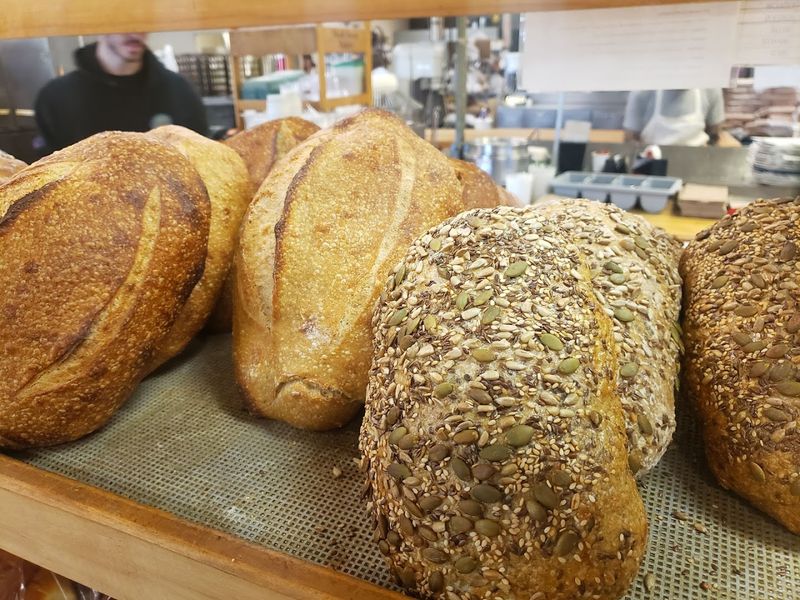
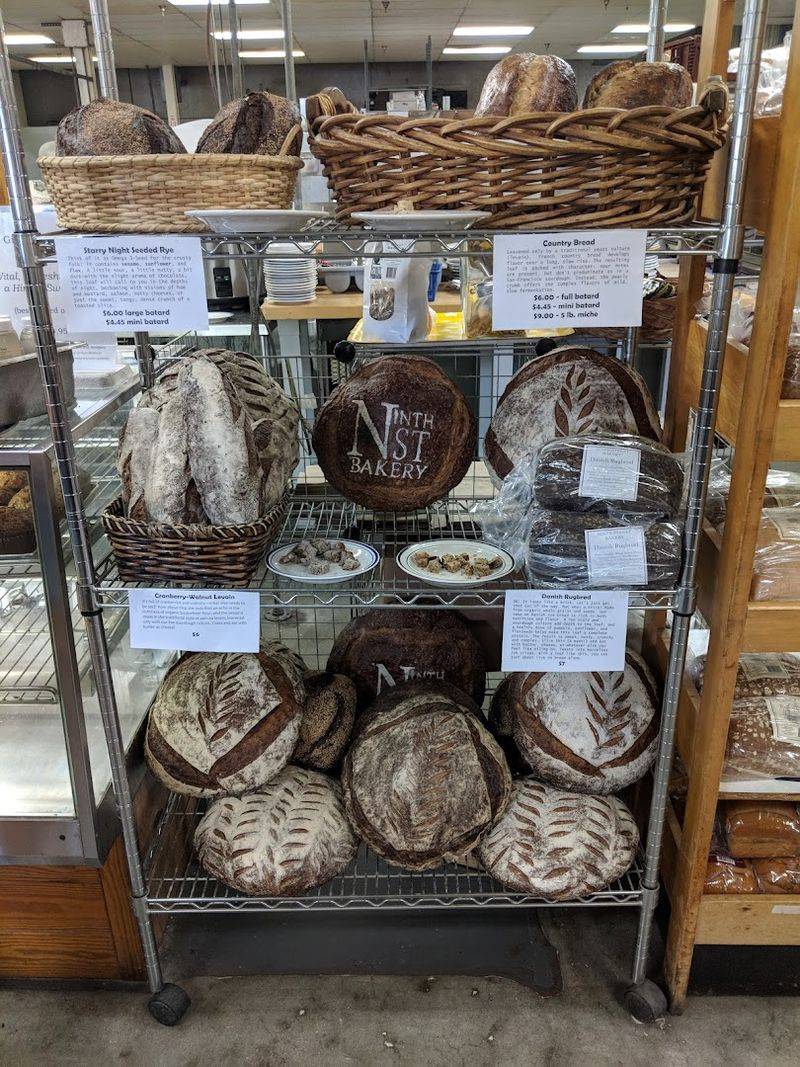
Their sourdough French loaf is one of the most talked-about items on the shelf. It uses long, cold overnight fermentation, which develops a deep, complex flavor that a quick-rise bread just cannot match.
The crust crackles when you press it. The inside is chewy and open, with that signature tang that real sourdough fans know immediately.
The philosophy behind this bread is direct: bread is a proper food, not merely an accessory to a meal. That idea, credited to baker Alex Ruch, shapes how every loaf is made.
There are no shortcuts and no artificial additives. Only organic, unbleached flour and time-tested technique go into each bake.
When a bread program gets described as both old and new at the same time, that is usually a compliment. Here, it is simply accurate.
This loaf does not need a trendy label to sell itself. The flavor does all the convincing.
Whole Grain Roots That Still Run Deep
Whole grain bread had a champion long before it became fashionable. For its first decade, this bakery led the organic and whole grain bread market in the area.
That was not an accident.
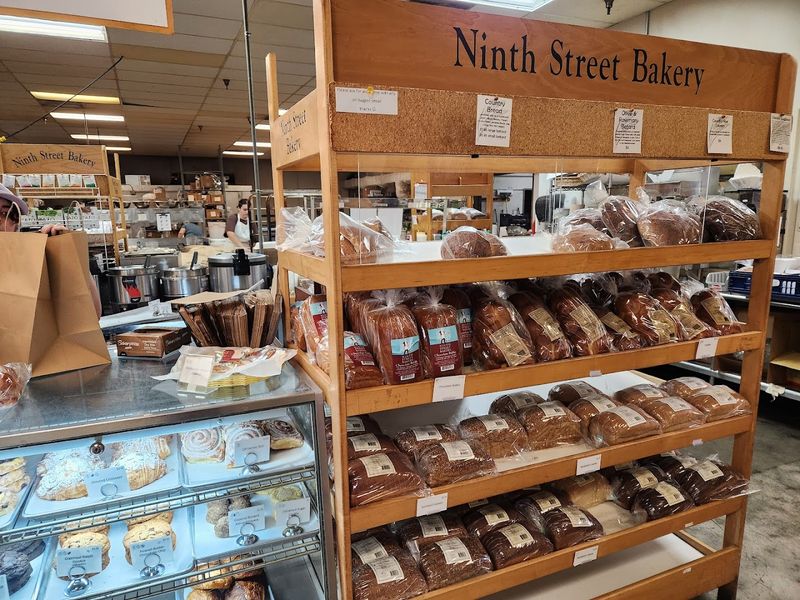
The sunflower bread is a perfect example of that commitment. Made with wholegrain organic wheat flour and packed with seeds, it is hearty, nutty, and satisfying.
The sweet wheat bread goes even further, featuring honey, molasses, and organic wholegrain wheat sourced from Lindley Mills in Graham, NC. That level of sourcing detail is rare, and it makes a noticeable difference in the final product.
Co-founder Frank Ferrell once planted gardens in the parking lot to supply the bakery with fresh, seasonal ingredients. That kind of dedication tells you everything about the mindset behind the operation.
The goal was never to follow the organic trend but to lead it. Even now, under current owner Ari Berenbaum, who took over in 2013, the whole grain tradition remains central.
Recipes have been modernized and expanded, but the roots have never been pulled up. The bread still tastes like it was made by someone who genuinely believes in it.
Pastries That Slow Rise To Perfection
Flaky pastries are easy to get wrong. Rushing the process produces something flat, greasy, and forgettable.
The pastries here go through a slow rise that changes everything about the texture and flavor.
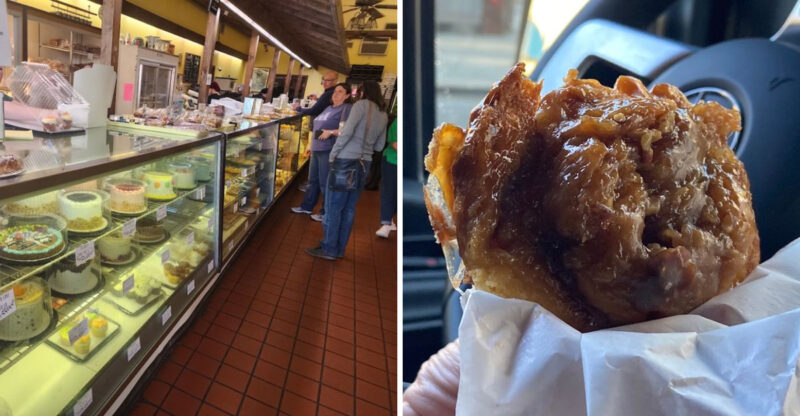
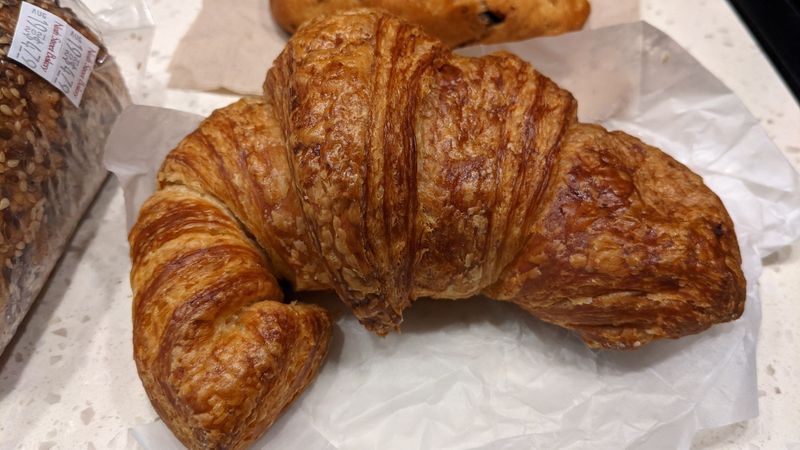
Croissants come out with that paper-thin, shattering exterior that signals real lamination work. The tartine has developed a loyal following among regulars who return specifically for it.
Biscotti, muffins, and seasonal items round out a pastry case that feels curated rather than crammed. Every item uses organic, unbleached flour and ingredients free from chemicals or preservatives.
That commitment shows up in every single bite.
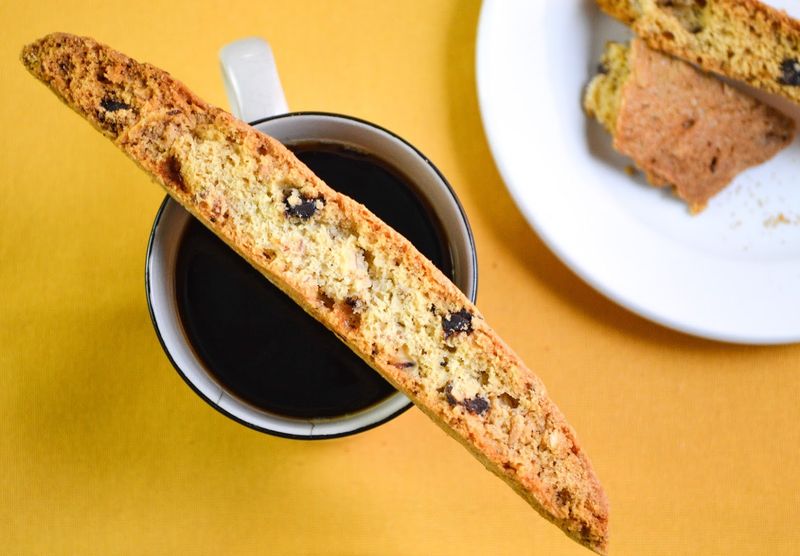
I tried one of the bakery’s biscotti options on a quiet weekday morning, and it was crisp without being rock hard, fragrant without being overwhelming. It paired perfectly with the in-house roasted coffee.
The double chocolate chip cookie, which reportedly rivals the size of a sandwich, has its own fan club for good reason. These are not items designed to photograph well on social media.
They are designed to taste extraordinary, and that priority makes all the difference. Good pastries do not need a filter.
They just need time and honest ingredients.
The Cafe Menu Deserves Its Own Spotlight
Most bakeries treat their cafe menu as an afterthought. Here, the sandwiches and soups are taken just as seriously as the bread they are served on.
That balance is genuinely rare.
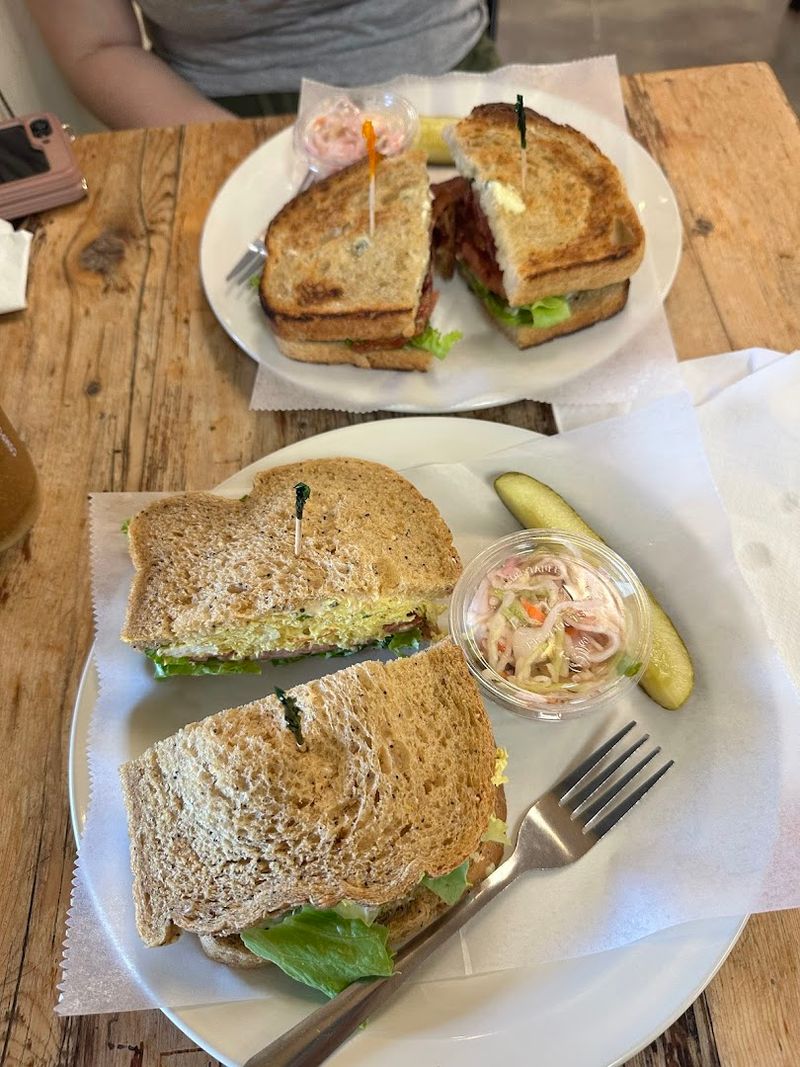
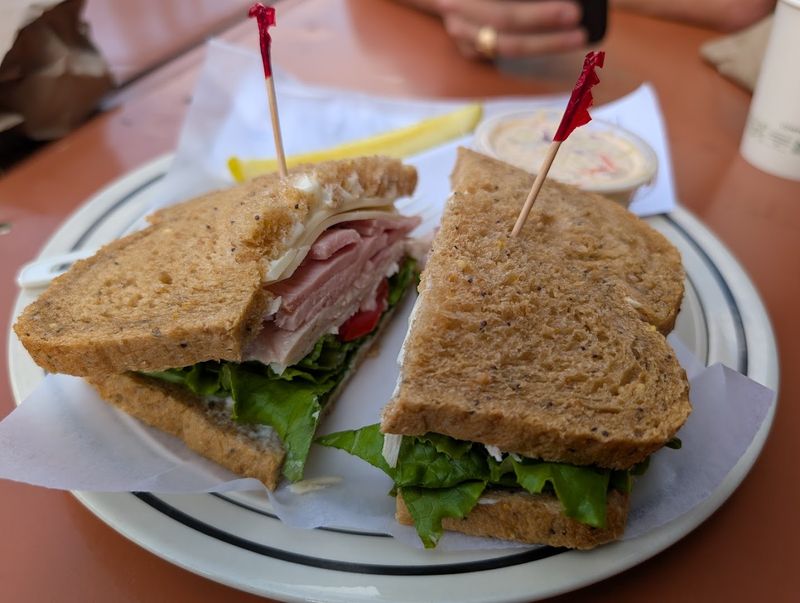
The club sandwich on 7-grain bread is a crowd favorite. The bread carries real flavor and texture, which elevates even a simple combination of ingredients.
The roast beef sandwich keeps things classic with lettuce, tomato, and mayo has earned consistent praise for its bold, balanced flavor. Chicken curry salad on sourdough brings a subtle kick that keeps things interesting.
The coleslaw served alongside most dishes skips the excess sugar, which means it actually tastes like cabbage instead of candy.
Beyond sandwiches, the menu includes soups, salads, curries, chili, and daily lunch specials. Three different vegan soup options rotate through the menu regularly.
The coffee is roasted in-house, which adds another layer of care to the whole experience. The outdoor patio offers a relaxed spot to eat without rushing.
Hours run Monday through Saturday from 8 AM to 5 PM, and Sunday from 9 AM to 5 PM. For a simple, satisfying lunch in a no-fuss setting, this cafe delivers every time.
Ignoring Food Fads Takes Real Courage
Gluten-free bread, paleo loaves, keto-friendly wraps. These trends have come and gone, and some are still lingering.
Ninth Street Bakery has watched all of them pass by without flinching.
A 2019 profile described the artisan bread program here as deliberately indifferent to fads like gluten-free or paleo diets. That is not stubbornness.
That is confidence. The belief is simple: real bread, made with real ingredients and real fermentation, does not need to reinvent itself every time a diet book hits the bestseller list.
The process speaks for itself.
Current owner Ari Berenbaum, who purchased the bakery from the retiring founders in 2013, has focused on modernizing recipes and improving quality. He expanded the bread selection and drew inspiration from new movements in both baking and culinary arts.
But that evolution happened on the bakery’s own terms. Nothing was added just because it was popular.
Every change was made because it made the product better. That kind of disciplined growth is what separates a lasting institution from a trendy pop-up.
Staying true to craft while quietly improving it is harder than it looks. This bakery makes it look effortless.
Farmers Market Freshness Every Saturday
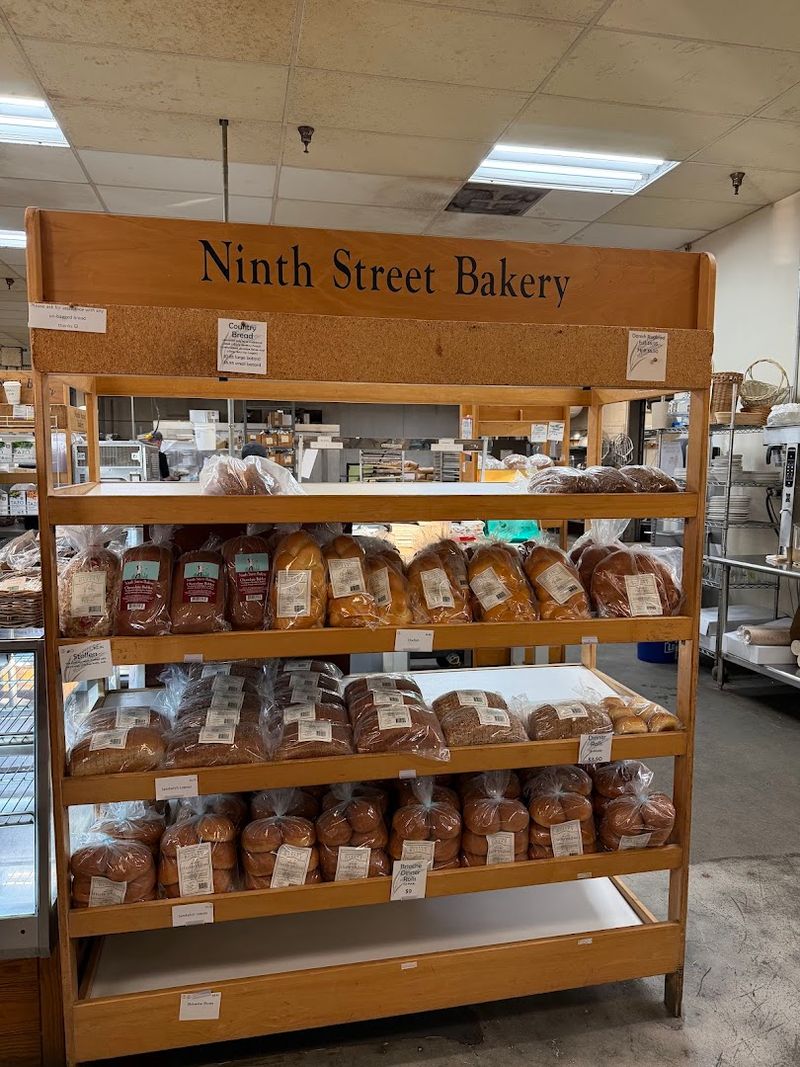
Saturday mornings have a particular kind of magic when a good farmers market is involved. Add a bakery that bakes everything fresh and brings it out weekly, and you have a proper reason to get up early.
Ninth Street Bakery is a regular vendor at the Durham Farmers Market every Saturday. This gives people across the region a chance to pick up fresh loaves, pastries, and other baked goods without making the trip downtown.
The 7-grain loaf, muffins, and seasonal items are popular picks at the market booth.
The wholesale distribution program extends even further, reaching from Greensboro to Raleigh and from Durham to Chapel Hill and Carrboro. Major retailers like Harris Teeter and Whole Foods carry their products, along with numerous local restaurants and cafes.
That kind of reach is impressive for a bakery that still operates with a hands-on, small-batch philosophy. Getting their bread into your hands should never be difficult.
Local Ingredients Make A Real Difference
Sourcing ingredients locally is not just a marketing talking point here. It is the actual foundation of how the food gets made.
That distinction matters more than most people realize.
The bakery uses local and seasonal produce whenever possible in its salads and sandwiches. Organic, unbleached flour goes into every baked item.
Ingredients are free from chemicals and preservatives, which is a commitment that requires both effort and cost. Sweet wheat bread uses organic wholegrain wheat from Lindley Mills in Graham, NC, a specific source that reflects genuine care about where ingredients come from.
This level of transparency is uncommon and refreshing.
Frank Ferrell once took local sourcing to an almost poetic extreme by planting gardens in the parking lot to supply the bakery kitchen. That story captures the spirit of the place better than any marketing slogan could.
When the person making your bread is also growing the vegetables that go in your soup, something fundamentally different is happening. The food tastes more honest.
It carries a sense of place that processed ingredients simply cannot replicate. Eating here feels like eating something that belongs to this specific part of the state, not something that could have been made anywhere.
A Bakery That Became Part Of The Community
Some businesses serve a neighborhood. Others become part of its identity.
After more than four decades, this bakery has clearly crossed into the second category without trying too hard to get there.
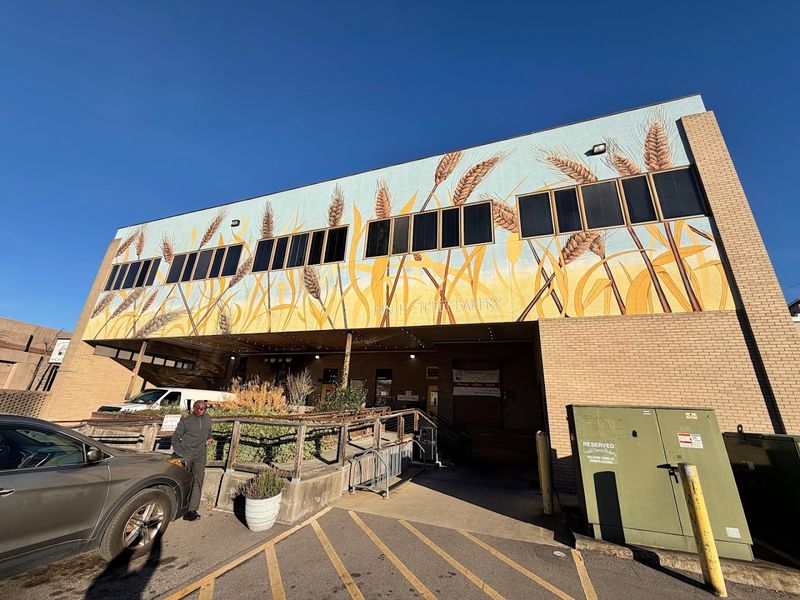
The space on E Chapel Hill St has an outdoor patio, reliable WiFi, free parking, and a relaxed atmosphere that makes it easy to linger. Regulars come for coffee refills, work sessions, and weekend breakfasts.
Catering services are also available for those who want the quality of the kitchen brought to their own events.
What makes a place truly stick in a community is not just the food. It is the feeling that someone behind the counter actually cares whether you leave happy.
This bakery opened in 1981 with a mission to change how people thought about bread. It is still doing exactly that, one loaf at a time.
Some things simply do not need to follow trends to stay relevant.