This North Carolina City Is Home To An Animal Hospital Doing Something No Other Vet Center In The World Does
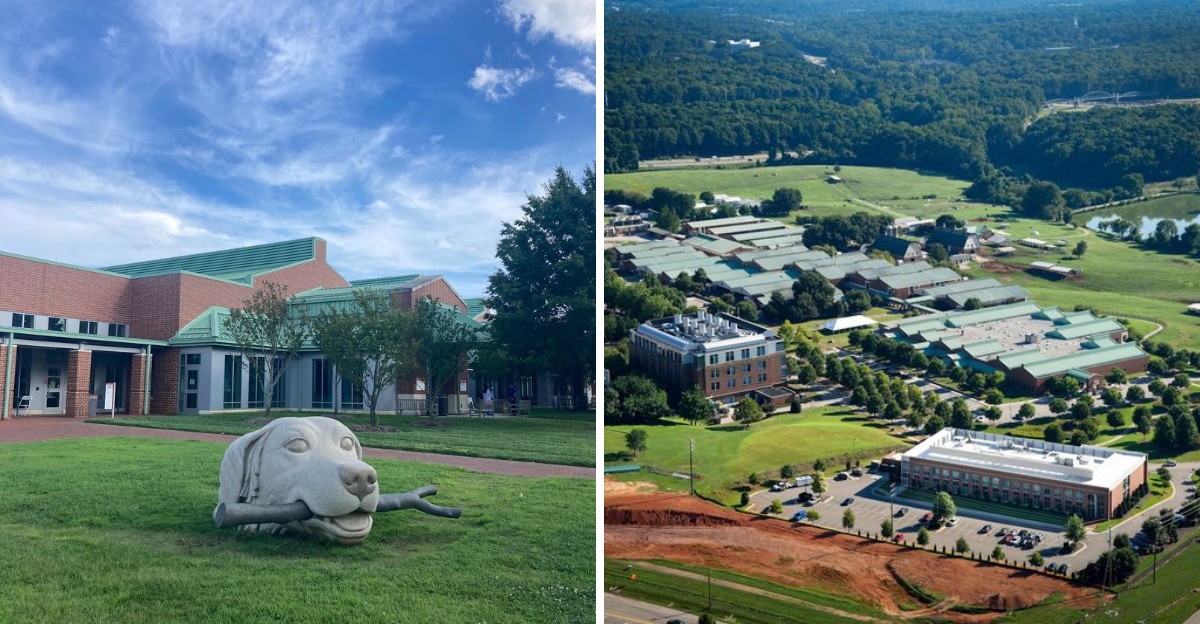
Most city adventures do not begin with a red wolf, a reptile in surgery, or scientists studying how animals grow old. Raleigh, however, has a place where all three can become part of the same story.
This North Carolina veterinary campus feels less like a hospital and more like a glimpse into medicine most visitors never think about.
The patients can be tiny, endangered, scaly, feathered, or surprisingly large, and the work happening behind those doors reaches far beyond routine checkups.
I would put this on the list purely for the unexpected factor.
You arrive thinking you know what a veterinary hospital does, then discover an entire world of research, treatment, and conservation unfolding in one corner of the city.
What Makes This Veterinary Campus Unlike Anywhere Else
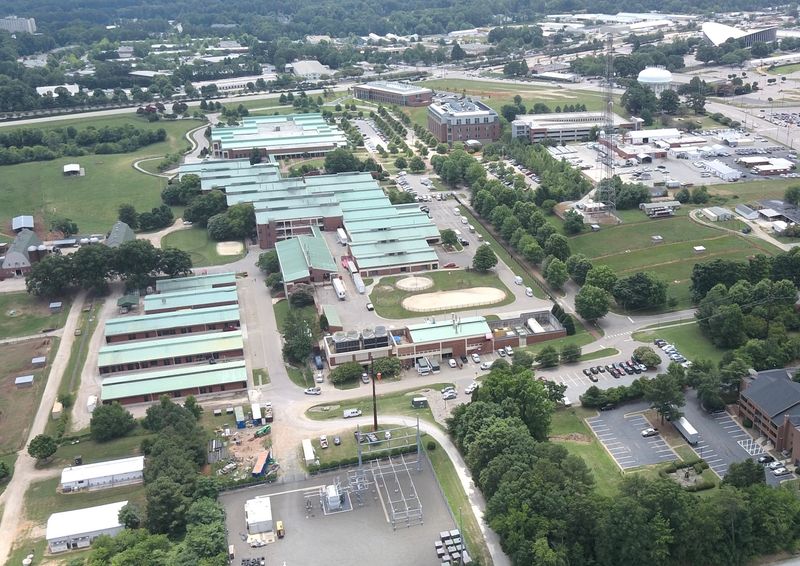
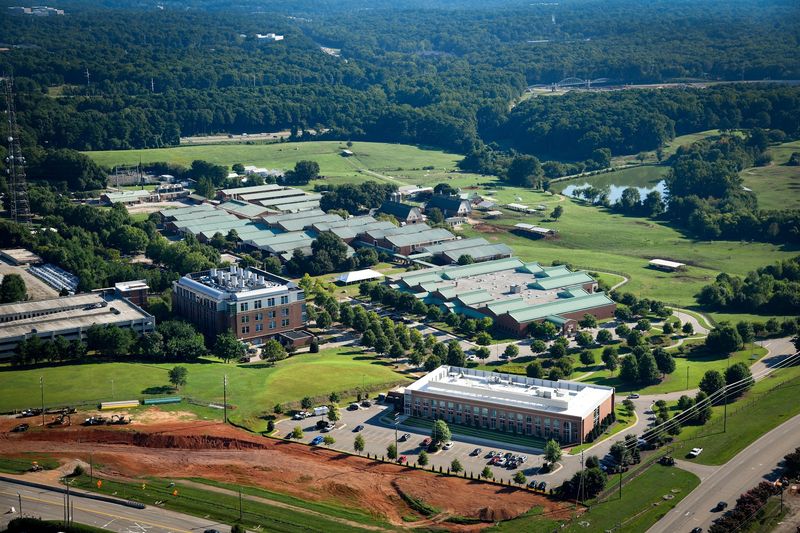
Picture 250 acres of rolling ground, brick buildings, and wide walkways where golden retrievers, horses, and the occasional turtle all arrive as patients. That sprawling space is the Centennial Biomedical Campus, home to the NC State Veterinary Hospital.
What sets the place apart starts with one remarkable fact: it runs the only veterinary gerontology program in the world, studying how animals age and how to keep older pets comfortable.
Other rarities sit under the same roof. A vector-borne disease diagnostic laboratory tracks illnesses carried by ticks and insects.
A spinal cord injury center focuses entirely on dogs.
NC State established its Canine Bone Marrow Transplant Unit in 2008 and became the first veterinary college to offer clinical bone marrow transplants for dogs.
Walking the grounds, you notice how quiet and orderly everything feels for a place doing such ambitious work. Wide corridors, careful signage, and steady foot traffic between classrooms and clinics give the campus the rhythm of a small, purposeful town.
You will find the campus on the western side of Raleigh at 1060 William Moore Drive, Raleigh, NC 27607.
Meet The Critically Endangered Animals Getting Specialized Care Here
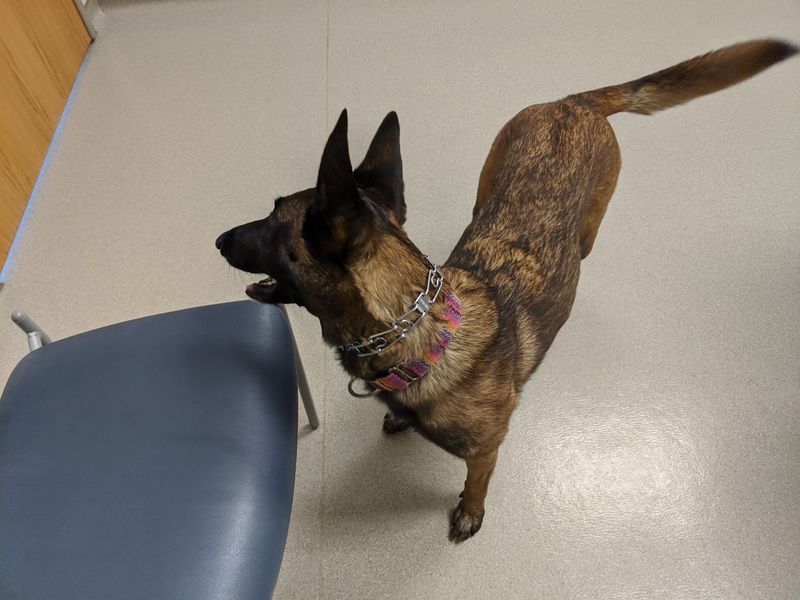
As of August 2026, an estimated 22 to 23 adult and subadult red wolves lived in the wild, along with 14 to 15 pups.
That single number explains why a resident pack of these rust-colored canids lives on this Raleigh campus, cared for by veterinarians and students who study their health year-round.
The college plays a central part in the nationwide red wolf recovery effort. Injured wild wolves sometimes arrive for treatment, while the campus pack supports breeding and long-term research aimed at rebuilding the population.
Turtles get their own champions too. The student-run Turtle Rescue Team treats injured wild reptiles and amphibians at no charge, patching shells, setting fractures, and nursing patients back to strength.
Hundreds of native creatures pass through each year, from box turtles hit by cars to snakes and frogs found along creeks and roadsides across the state.
There is something genuinely moving about a hospital where a wolf and a wood frog can both be considered important patients. The work stretches well beyond the clinic walls, since every released animal returns to forests, wetlands, and backyards that visitors to the region enjoy.
Conservation, in this setting, feels less like a slogan and more like a daily shift on the schedule.
See How Future Veterinarians Train Beyond The Exam Room
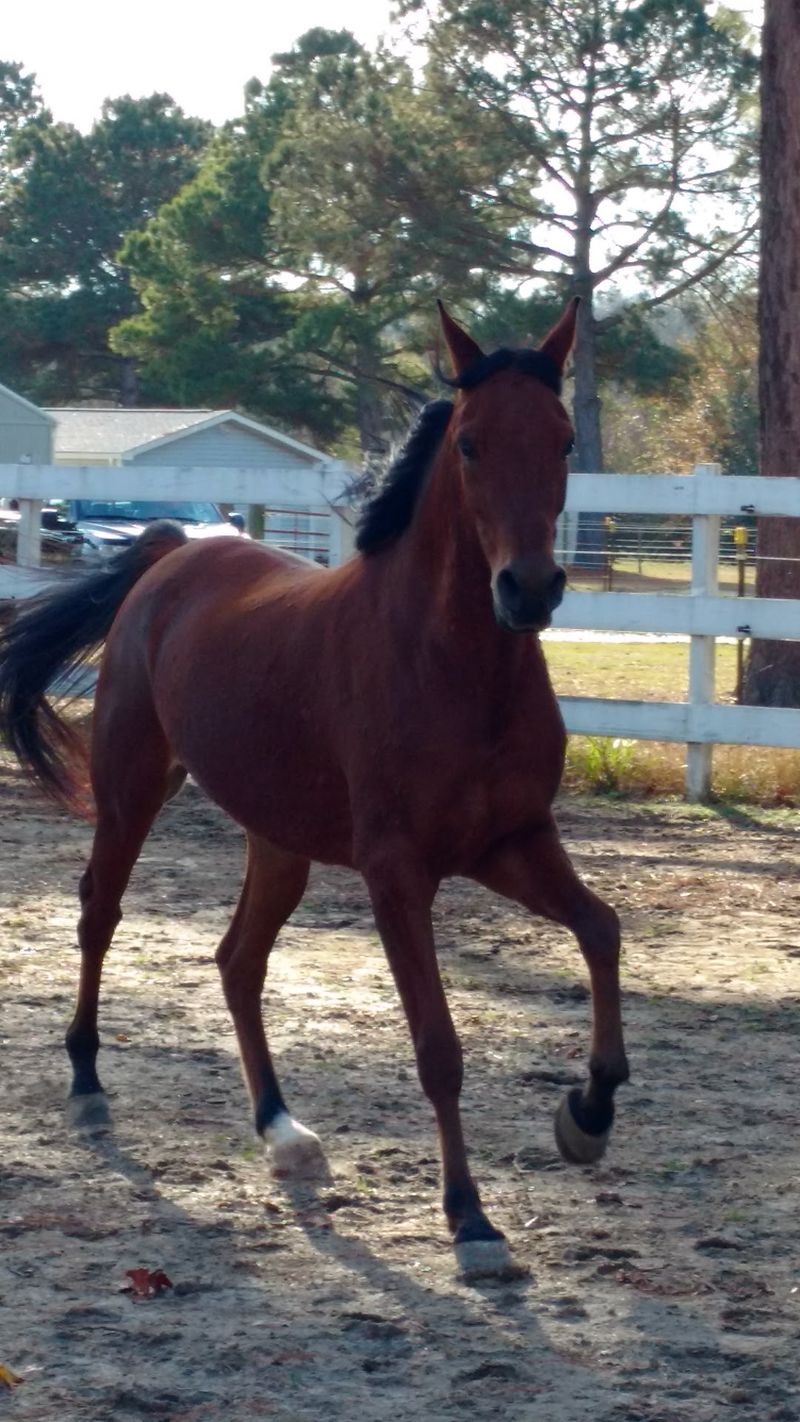
Lecture halls only tell part of the story. Students here spend serious hours outdoors, boots muddy, learning the hands-on skills that classroom slides can never quite deliver.
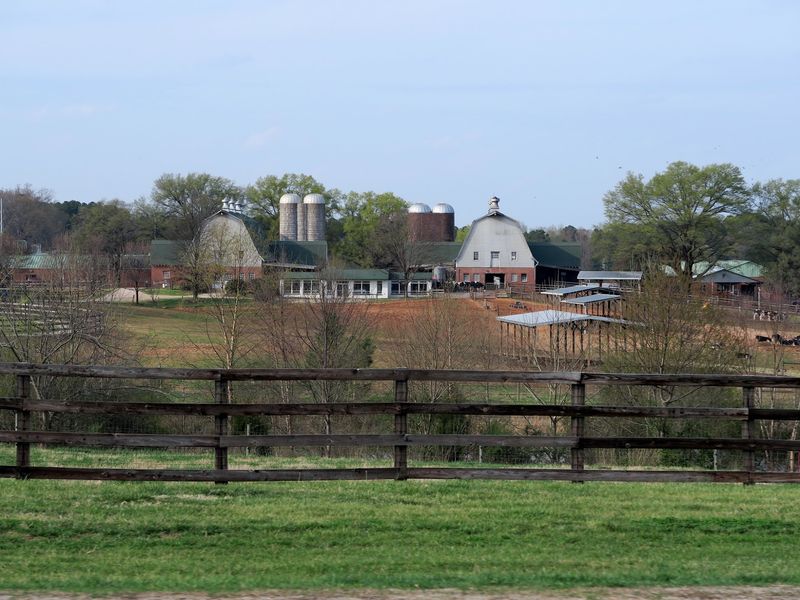
The 80-acre Teaching Animal Unit works as a fully operating farm right on campus. Cattle, small ruminants, and horses give students practice in husbandry, production management, and everyday livestock procedures, the kind of work that starts early and smells like hay and fresh air.
Some students join the Carnivore Conservation Crew, working directly with the resident red wolf pack. Handling rare wildlife responsibly requires patience, careful observation, and respect for animals that should never become comfortable around people.
Required four-week preceptorships send students into real practices alongside working veterinarians, where confidence grows appointment by appointment.
Travel factors in as well. International programs such as Galapagos Zoology and Medicine, along with a range of externships, let students see how animal care changes across climates, cultures, and species.
By graduation, a student may have delivered a calf before sunrise, monitored anesthesia in a surgical suite, and tracked wildlife health in the field. That variety shapes veterinarians who can handle almost anything that walks through the door.
Discover The Advanced Treatments Happening Behind These Doors
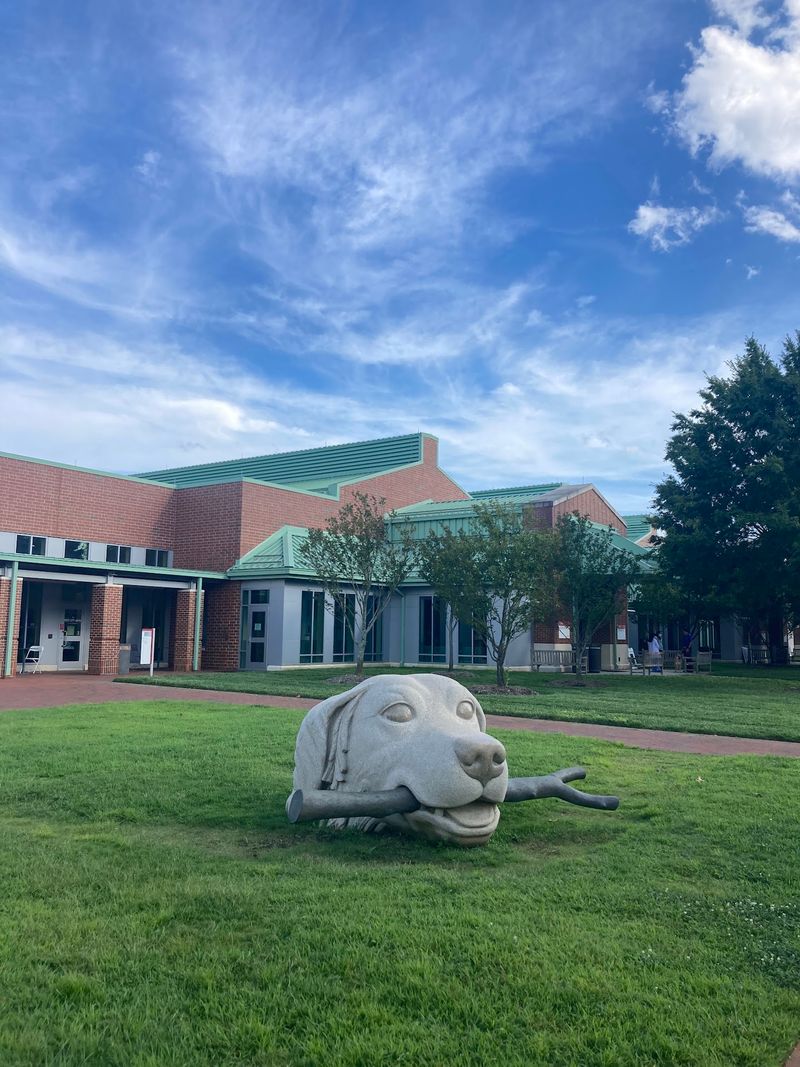
The NC State Veterinary Hospital offers more than 30 specialized services across three medical centers, including cardiology, oncology, neurology, and zoological medicine.
Diagnostic imaging sits at the heart of that work. MRI and CT scanners produce detailed views of bone, tissue, and organs, helping clinicians pinpoint problems that ordinary exams simply cannot reveal.
Some procedures performed here rewrote the playbook. NC State began offering clinical bone marrow transplants for dogs with lymphoma in 2008 and later performed donor transplants for dogs with leukemia.
Engineering shows up too. NC State veterinary and engineering teams pioneered osseointegrated implants and custom prosthetics for animal patients, including dogs and cats.
Translational research keeps the pipeline moving. Discoveries made in campus laboratories travel quickly into treatment rooms, covering vaccine development, regenerative medicine, and cancer immunotherapies.
Referrals arrive from across the region, and families often drive an hour or more for appointments. The reward is access to equipment, specialists, and clinical trials that most community practices cannot offer.
Behind those doors, science and compassion share the same schedule, hour after hour.
Why Wildlife Conservation Plays Such A Big Role On Campus
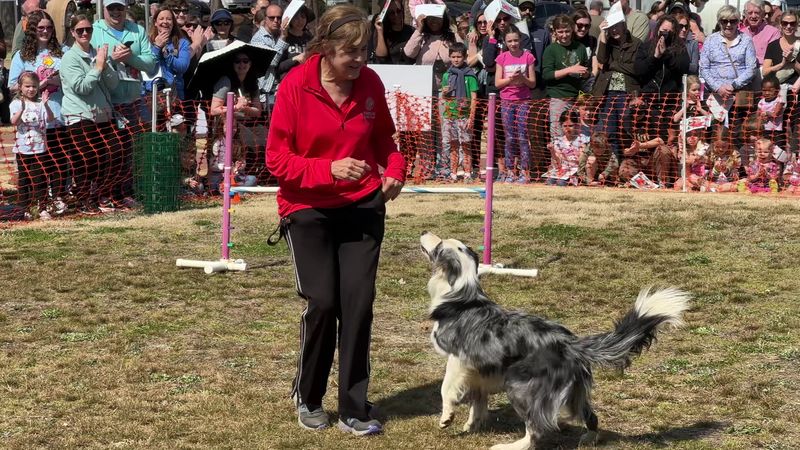
Healthy ecosystems and healthy people are connected, and that idea shapes how this college defines its mission. Conservation is not a side project here; it runs through teaching, research, and daily patient care.
Leadership in the nationwide red wolf recovery program shows what that commitment looks like in practice. Faculty and students provide medical care, conduct research, and maintain a breeding pack on campus, all aimed at keeping a species from disappearing.
Smaller patients matter just as much. The student-led Turtle Rescue Team rehabilitates hundreds of injured wild reptiles and amphibians every year, directly protecting native species found throughout North Carolina.
Each rescued animal also becomes a lesson. Students learn wound care, anesthesia, and rehabilitation while absorbing the bigger message about habitat loss, road hazards, and human impact on wildlife.
Graduates carry that perspective into practices, laboratories, and government agencies far beyond Raleigh.
For travelers who love hiking trails, coastal marshes, and pine forests, the connection becomes personal. The frogs calling at dusk and the turtles crossing greenway paths belong to the same landscape this hospital works to protect, one patient and one release at a time.
Find Out What Types Of Animals The Hospital Actually Treats
Dogs and cats fill the appointment book, naturally. Then the list keeps going in directions most people never expect.
Rabbits, ferrets, guinea pigs, and sugar gliders all receive care through the hospital’s services for smaller mammals. Owners of pocket pets often struggle to find specialists, which makes this a valuable resource across the region.
Horses, cattle, and small ruminants head to the Equine and Farm Animal Veterinary Center, which provides round-the-clock medical and surgical care for animals central to farms, stables, and working operations.
The Exotic Animal Medicine Service handles an especially fascinating roster. Caged birds, raptors, backyard poultry, nonvenomous reptiles, amphibians, fish, and invertebrates such as tarantulas and coral all qualify as patients.
Bearded dragons can receive specialized diagnostic, surgical, and care through NC State’s Exotic Animal Medicine Service.
A few rules apply. Pet pigs are seen by referral, while primates and large carnivores require approval from a senior clinician before an appointment can be scheduled.
Few hospitals anywhere manage that range of species under a single set of roofs.
How This Raleigh Facility Is Pushing Veterinary Medicine Forward
Innovation here tends to start with a problem no one has solved yet. Aging pets, for example, needed a field of their own, so the college built the only veterinary gerontology program in the world to study the health challenges that arrive with gray muzzles and slower mornings.
Clinical canine bone marrow transplants, developed in this academic setting, opened new treatment options for dogs facing issues.
Custom prosthetic limbs represent another leap. Specialized surgical implants anchor artificial limbs directly to bone, giving pets a chance to walk, run, and play again.
College researchers work in areas including vaccine development, regenerative medicine, and cancer immunotherapy, while the Veterinary Hospital applies research findings to patient care.
Growth continues on the physical side as well. An expansion of the large animal hospital, backed by significant funding from the North Carolina General Assembly, will strengthen care and research for horses and farm animals.
Add it all together and the picture becomes clear: a teaching hospital in Raleigh quietly shaping what veterinary medicine will look like for the next generation of animals and doctors.
What Visitors Should Know Before Coming To The Campus
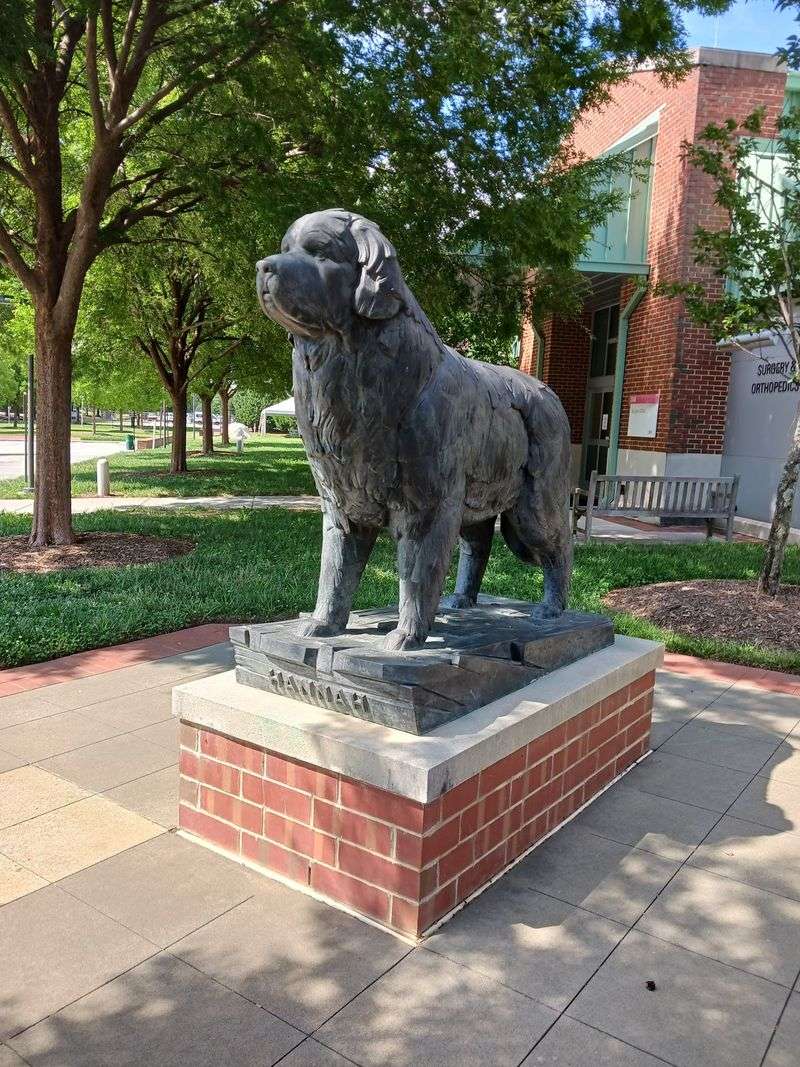
Plan ahead, because this is a secure access facility rather than a drop-in attraction. General visitors need a pre-scheduled appointment and a campus sponsor to escort them through the buildings, and walk-in guests cannot be accommodated.
Prospective students age 15 or older can register for student-led admissions tours offered throughout the year.
The easiest door in for the general public opens once a year. The annual Open House, usually held each March, fills the campus with tours, demonstrations, and hands-on activities that families genuinely enjoy.
The Turtle Rescue Team accepts injured wild reptiles and amphibians by appointment only, though state regulations prevent the team from treating pet turtles.
Directions matter here. The College of Veterinary Medicine sits on the Centennial Biomedical Campus, separate from the main university grounds, so navigation apps set to the wrong address can send you several miles off course.
Parking requires a short-term permit available through NC State’s Transportation Office. Sort that out before arrival and your visit will run smoothly from the first turn into the lot.