North Carolina Road Trips That Turn Into Lasting Memories
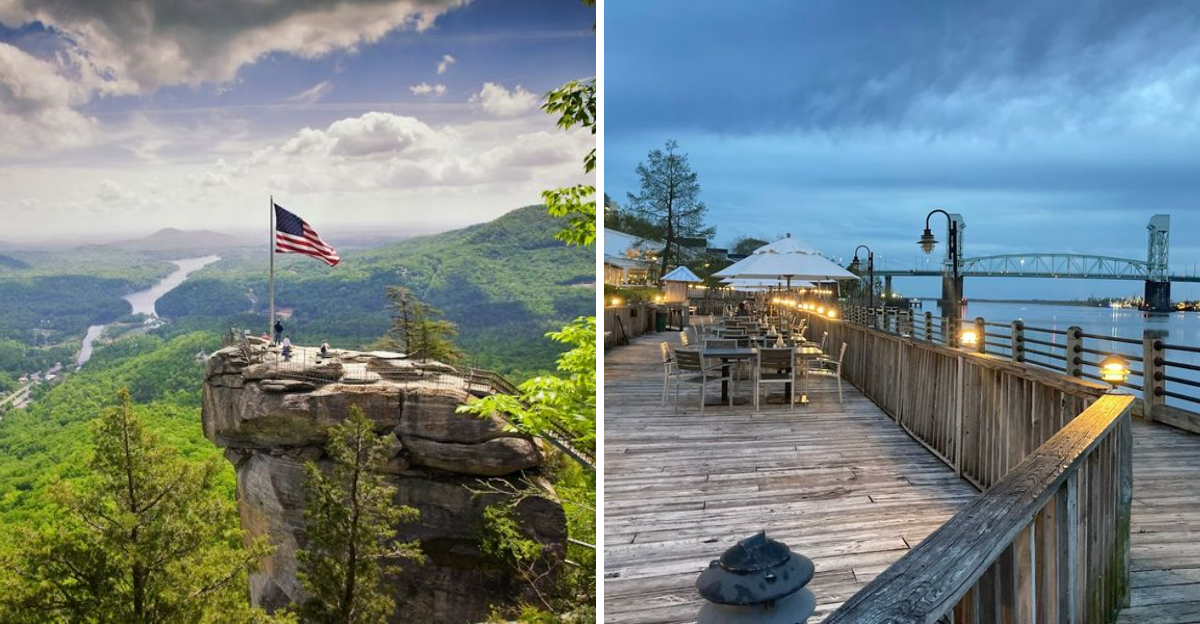
I spent four hours on a highway I never planned to take. A detour off I-26 turned into a gravel road, then a view that made me pull over and just sit there.
That’s North Carolina doing what it does best, pulling you off course and making you grateful for it. This state doesn’t hand you its best moments.
You earn them. From fog-draped peaks in the western highlands to barrier islands so narrow you can hear two oceans from one spot, every road here has a different personality.
Find the one that fits yours, hit the gas, and let the state rewrite your plans.
1. Blue Ridge Parkway
Some roads exist to get you somewhere. This one exists to make you forget you were going anywhere at all.
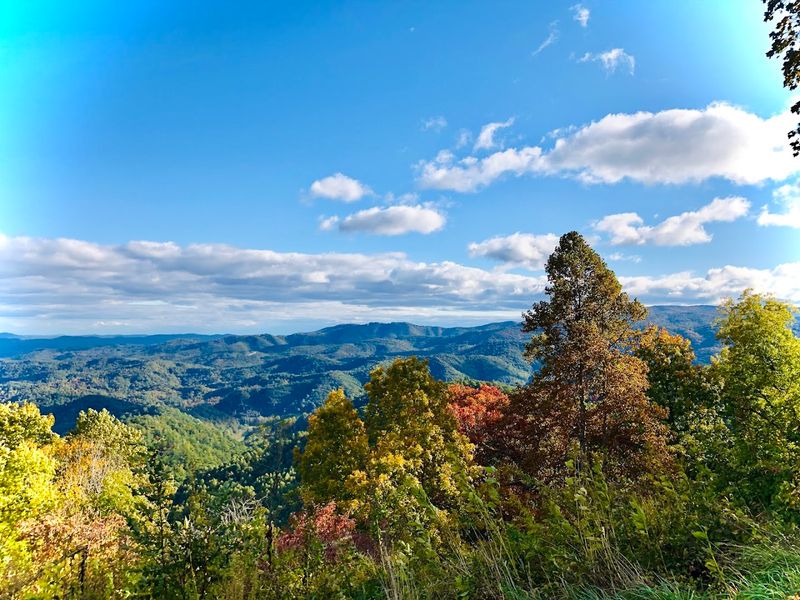
The Blue Ridge Parkway stretches 469 miles through the Appalachian Highlands, connecting Shenandoah National Park in Virginia to the Great Smoky Mountains in North Carolina, and almost every mile of it earns its reputation.
The overlooks hit differently in October when the trees turn orange, red, and gold. Stop at Craggy Gardens near Milepost 364 for wildflower meadows in summer, or hike the short trail at Waterrock Knob for sunrise views that make everything else feel secondary.
Wildlife sightings are common. White-tailed deer graze near the road at dusk, and black bears occasionally wander across.
Drive slowly and keep your eyes open. No commercial trucks, no traffic lights, and a 45 mph speed limit make the whole experience feel like a different era.
Camping is available at multiple spots along the route, including Linville Falls Campground near Milepost 316. Fall weekends fill up fast, so book ahead.
The parkway is free to drive, which makes it one of the best deals in the country for a road trip this spectacular.
2. Outer Banks Scenic Byway
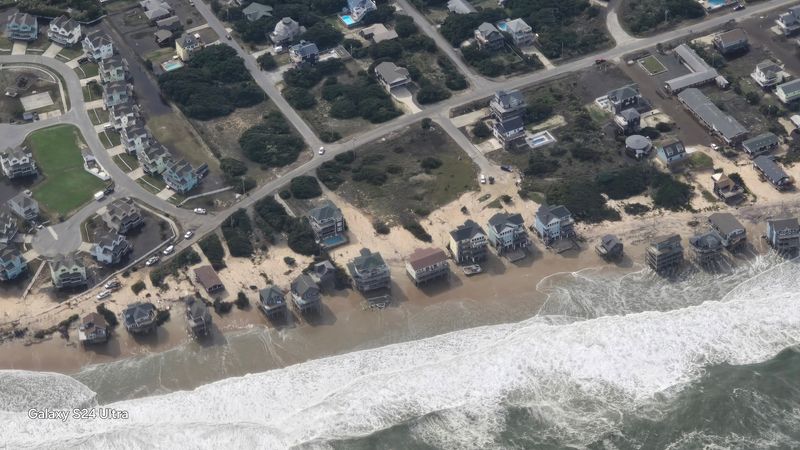
Water on both sides, sky everywhere else, and a road that feels like it was built on borrowed land. The Outer Banks Scenic Byway runs about 140 miles along a thin strip of barrier islands off the coast, and it earns every mile of attention it gets.
Cape Hatteras National Seashore is the centerpiece. Miles of undeveloped beach stretch out with no hotels or condos blocking the view, just dunes, sea oats, and open sky.
The Cape Hatteras Lighthouse stands 198 feet tall, making it the tallest brick lighthouse in the United States.
The Wright Brothers National Memorial in Kill Devil Hills marks where the first powered airplane flight happened in 1903. Standing on that ground feels oddly moving for a place that looks like a grassy hill.
History has a funny way of hiding in plain sight out here.
The drive across the Herbert C. Bonner Bridge onto Hatteras Island is a highlight on its own.
Ferries connect some sections of the islands, which adds a fun layer to the trip. Bring sunscreen, a cooler, and extra time.
The Outer Banks rewards slow travelers far more than anyone rushing through.
3. Cherohala Skyway
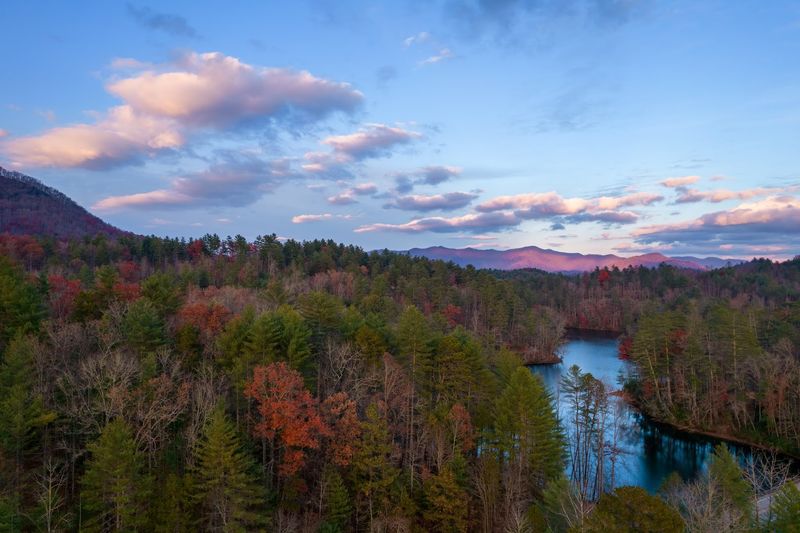
The best roads are the ones nobody talks about. The Cherohala Skyway runs 43 miles through two national forests.
It rides ridge lines above 5,000 feet, crossing from the state into Tennessee, and most people have never heard of it.
The road feels engineered for pure driving pleasure. Long sweeping curves and dramatic elevation changes make it a favorite for motorcyclists and road trip enthusiasts.
Almost no commercial traffic means you actually get to enjoy it.
Waterfalls appear throughout the surrounding forest. Several trailheads branch off from the road, including the Unicoi Crest Trail, which connects to the Appalachian Trail.
Fall color here rivals anything the more famous parkways offer.
The western end begins near Robbinsville. The eastern end connects to Tellico Plains, Tennessee.
Plan for a full half-day at minimum. Stopping constantly is unavoidable.
Cell service disappears for long stretches, so download offline maps before you go. This is one of those roads that makes you wonder why it is not on every travel list in existence.
4. Forest Heritage Scenic Byway
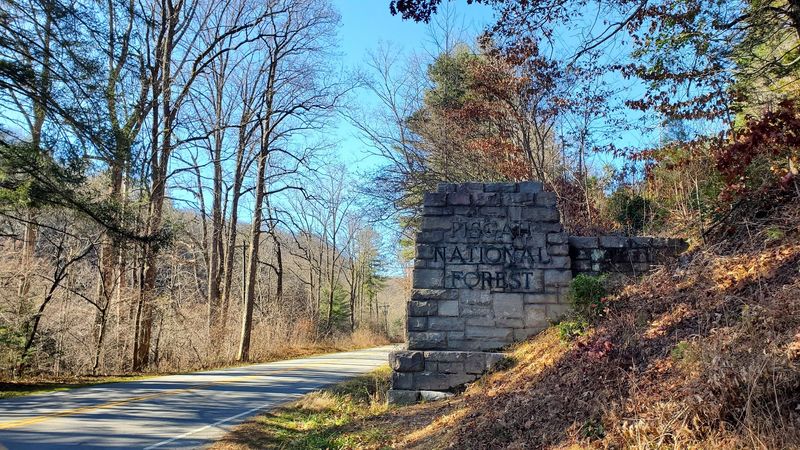
Some roads are built for speed. This one is built for something else entirely.
The Forest Heritage Scenic Byway is a 79-mile loop through Pisgah National Forest in western North Carolina, lined with ancient trees and quiet enough to hear the forest around you.
The byway passes through the Cradle of Forestry near Brevard. It is a National Historic Site marking the birthplace of American forestry education.
George Vanderbilt established forest management practices here in the late 1800s. Interpretive trails and exhibits make the history feel surprisingly alive.
Sliding Rock is one of the most entertaining stops along the route. This natural waterslide on Looking Glass Creek drops about 60 feet over smooth rock into a pool below.
Families crowd it in summer, and for good reason.
Looking Glass Falls sits just a short walk from the road. It drops 60 feet in a wide curtain of water that looks remarkable in any season.
Brevard makes an excellent base for exploring the area. The overall pace here is unhurried, forested, and deeply refreshing in a way that busy mountain highways rarely achieve.
5. Great Smoky Mountains Drive
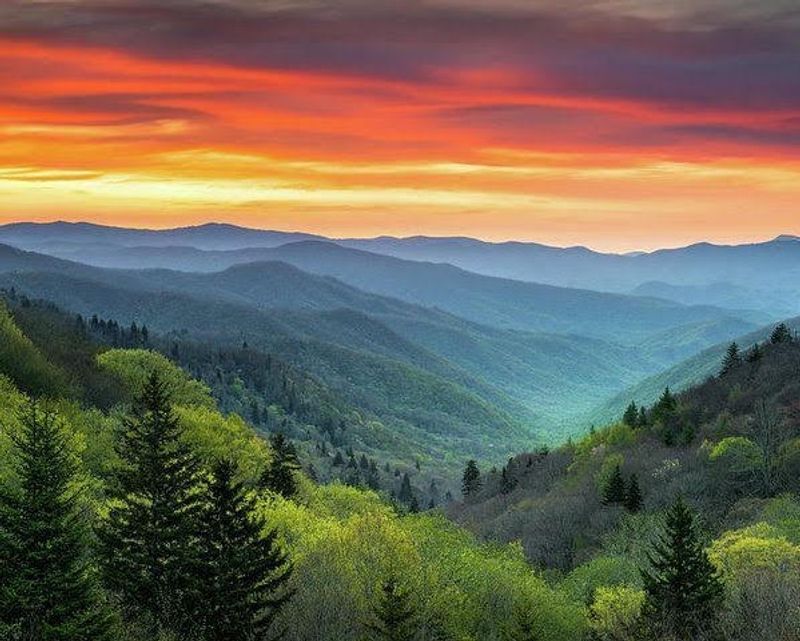
No place in North America has more tree species than Great Smoky Mountains National Park. Driving through it feels like moving through a living encyclopedia of forests.
The park straddles the state and Tennessee border. The state side offers some of the most dramatic and least crowded entry points.
Newfound Gap Road is the main artery through the park. It climbs to 5,046 feet at the state line.
Views from the overlook stretch for miles across layered ridges wrapped in that signature blue haze. Early mornings are magical here when fog fills the valleys below.
Kuwohi Road branches off from Newfound Gap and climbs to the highest point in the park at 6,643 feet. A half-mile paved trail leads to an observation tower at the summit.
On clear days the view covers seven states, though the Smokies have a habit of wrapping themselves in clouds.
Deep Creek near Bryson City offers tubing, waterfalls, and a quieter experience away from the main corridor. The park is free to enter and open year-round.
Arriving before 9 a.m. on summer weekends makes a significant difference in parking and crowd levels.
6. Nantahala Gorge Scenic Drive
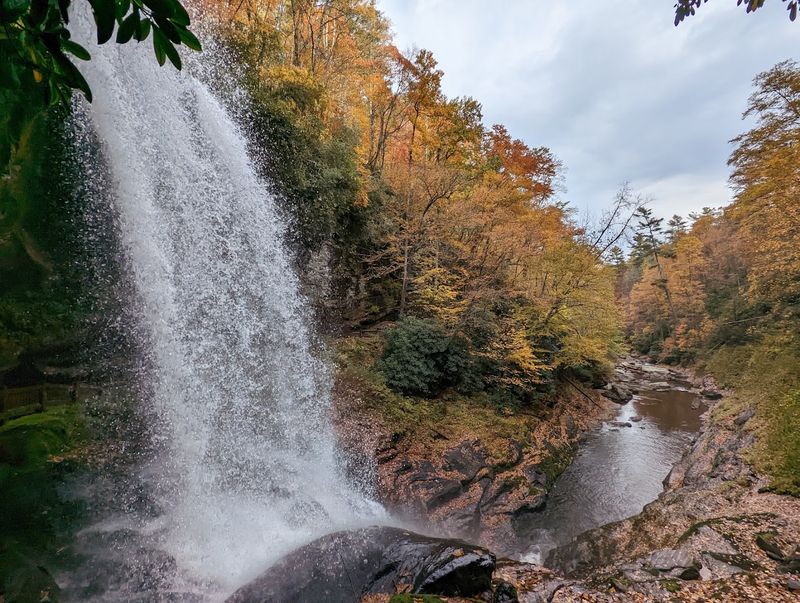
The gorge closes in around you fast. That is the whole point.
The Nantahala Gorge Scenic Drive follows US-19 through one of the deepest river gorges in the eastern United States. Canyon walls rise steeply on both sides.
The Nantahala River rushes alongside the road the entire way.
Nantahala comes from a Cherokee word meaning land of the midday sun. The gorge runs so deep that sunlight only reaches the river floor around noon.
Even in summer it stays noticeably cool and shaded.
Rafting outfitters line the road near the gorge entrance. The Nantahala Outdoor Center near Wesser has been operating here since 1972 and offers everything from beginner floats to guided kayaking.
The energy around the put-in area is lively even if you are just watching.
Hiking options branch off from multiple pullouts along the route, including access to the Appalachian Trail where it crosses the gorge. The drive itself is short but packs in extraordinary scenery.
Budget extra time. The combination of river views, outdoor options, and geological drama makes this one of the most memorable stretches of road in western North Carolina.
7. Crystal Coast Coastal Drive
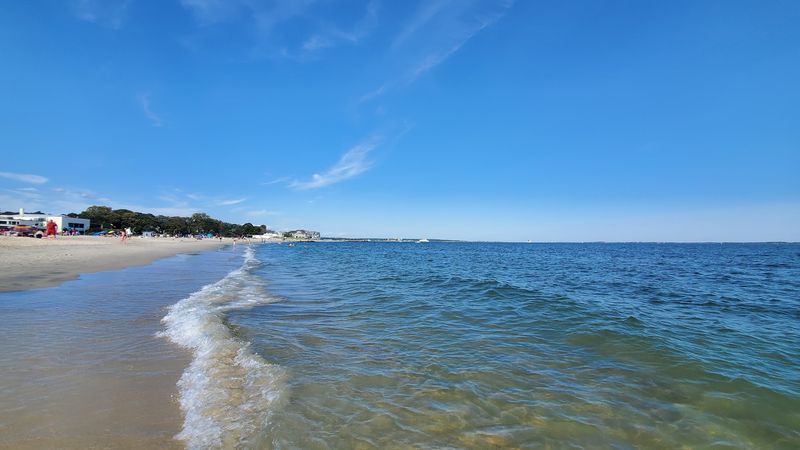
Crystal Coast is not just a marketing nickname. The water really does shift between shades of aquamarine and deep blue.
This stretch of the southern coastline feels surprisingly tropical, and the Crystal Coast Coastal Drive covers roughly 85 miles of barrier islands, fishing villages, and maritime forest.
Cape Lookout National Seashore is the crown jewel of this route. Accessible only by ferry, the islands here have no roads, no services, and no permanent residents.
Just wild ponies, pristine beaches, and a lighthouse with a distinctive black and white diamond pattern. The ferry ride from Harkers Island adds a sense of adventure.
Beaufort sits along this route and ranks among the oldest towns in the state, founded in 1709. The waterfront is walkable and charming.
Maritime history museums, boat tours, and waterfront restaurants are all within easy reach. Wild horses from the Rachel Carson Reserve can sometimes be spotted swimming near the shoreline.
Morehead City offers a working waterfront feel with fresh seafood markets and charter fishing operations. The drive connects naturally to Atlantic Beach and Emerald Isle, both solid spots for a beach day.
The whole route moves at a relaxed coastal pace that makes it genuinely difficult to leave on schedule.
8. Piedmont Countryside Loop
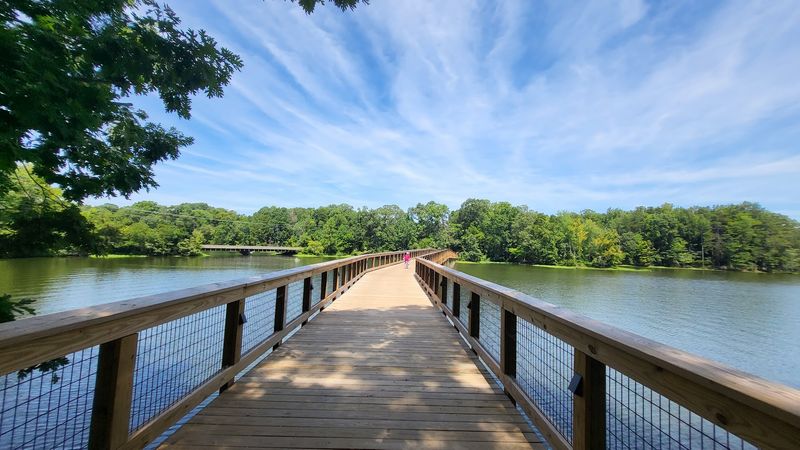
The Piedmont does not shout. It is the quiet middle of the state, rolling between the mountains and the coast.
It rewards drivers who slow down and look closely. This loop covers the heart of the state, connecting small towns, historic sites, and agricultural landscapes that tell the real story of the region.
Hillsborough anchors the western end of this loop well. The town has colonial-era architecture, independent bookshops, and a surprisingly active arts community for its size.
Eno River State Park sits nearby with scenic trails along a river that feels remarkably wild for being so close to a major urban corridor.
Seagrove in Randolph County is the pottery capital of the state. Over 100 studios operate in the area, continuing a tradition that dates back to the 18th century.
Watching potters work is one of the more unexpectedly fascinating stops this loop offers.
Asheboro is home to one of the largest natural habitat zoos in the world at over 2,600 acres. It makes a strong case for being the best midpoint stop on any Piedmont loop.
The countryside between towns has a quiet beauty that feels increasingly rare and worth protecting on your itinerary.
9. Sandhills Scenic Drive
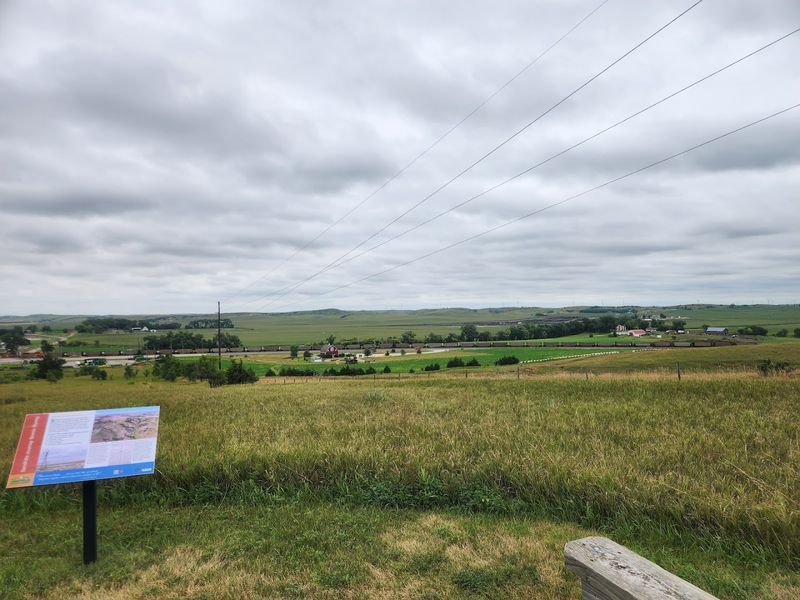
Sand under your tires and longleaf pines overhead. It is a combination that feels distinctly local and surprises most first-time visitors.
The Sandhills region in the south-central part of the state has a landscape unlike anywhere else in the Carolinas, shaped by ancient coastal geology and centuries of pine forest management.
Pinehurst is the centerpiece of this drive. It carries serious weight in American golf history.
The Pinehurst Resort has hosted more golf championships than any other course in the country. Even non-golfers find the village charming, with tree-lined streets and early 20th-century architecture designed by Frederick Law Olmsted.
Weymouth Woods Sandhills Nature Preserve near Southern Pines protects one of the last remaining old-growth longleaf pine forests in the state. Trails wind through towering pines that are hundreds of years old.
The silence under the canopy is the kind that actually registers physically. Red-cockaded woodpeckers nest here, one of the few places in the region where they still thrive.
Southern Pines has a walkable downtown with independent shops, galleries, and a genuine small-town feel. The Sandhills drive works well as a loop from Fayetteville or as a detour between the coast and the Piedmont.
Either way, it delivers a genuinely different flavor of road tripping through the state.
10. Lake Lure And Chimney Rock
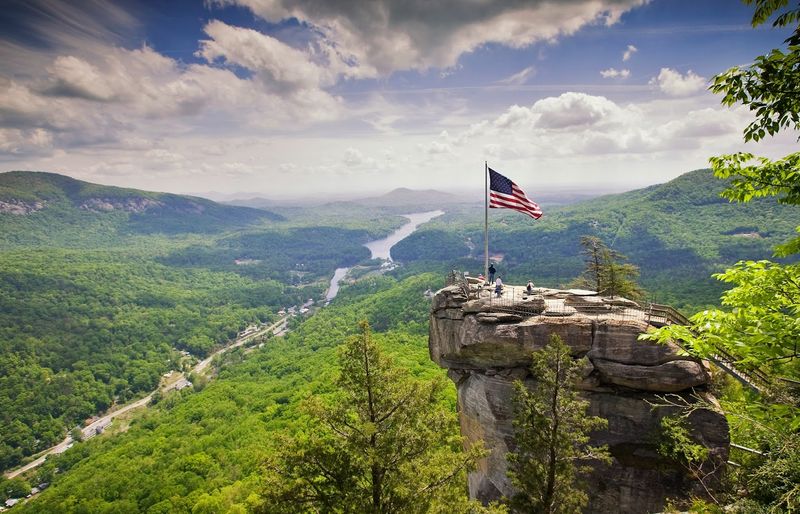
Chimney Rock does not ease you in gently. The moment you round the bend on US-74A and the gorge opens up, that massive granite column appears above the trees like something from a movie set, because it actually was one.
Dirty Dancing was filmed around Lake Lure in 1987, and the landscape has lost none of its cinematic quality since.
Chimney Rock State Park offers elevator access to the top of the rock outcrop, along with hiking trails that range from easy walks to serious climbs. The views look out over Hickory Nut Gorge and down to Lake Lure below.
They justify the admission price without any debate.
Lake Lure is one of the most scenic man-made lakes in the eastern United States. Boat tours operate on the lake and offer a completely different perspective on the surrounding cliffs and forested ridges.
The town has a small but charming waterfront area worth a stop.
The drive along US-74A through Hickory Nut Gorge is spectacular on its own. The Rocky Broad River runs alongside the road through the canyon the entire way.
Combine this with a hike and a lake cruise and you have a full day that covers geology, film history, and some of the most striking scenery in the western part of the state.
11. Asheville To Boone Mountain
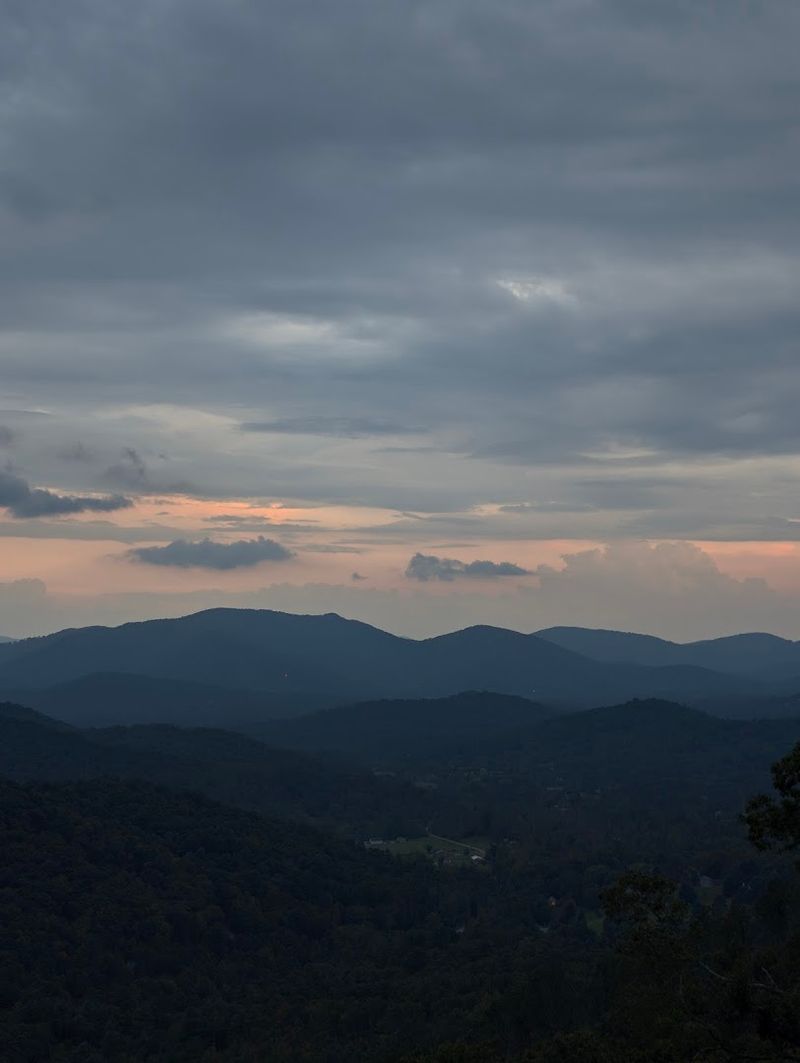
Starting in Asheville and ending in Boone means bookending your drive with two of the most interesting mountain towns in the South. The road between them is the real experience.
It climbs through the Black Mountains, passes Grandfather Mountain, and offers a constant rotation of overlooks, trailheads, and small communities worth stopping in.
Asheville has earned its reputation as an arts and culture hub. The River Arts District, the historic downtown, and the Biltmore Estate all offer genuinely distinct experiences.
The Biltmore is the largest privately owned home in the United States. Its grounds alone take hours to fully explore.
Grandfather Mountain State Park sits near the midpoint of this drive. It features a mile-high swinging bridge that crosses a 228-foot chasm between two peaks.
The bridge sways noticeably in wind. Wildlife habitats on the mountain include black bears, otters, and bald eagles in naturalistic enclosures.
Boone has a youthful energy mixed with deep Appalachian heritage. It is home to Appalachian State University and sits surrounded by some of the best hiking in the region.
The whole drive covers roughly 90 miles but realistically takes most of a day when done with proper stops and zero rushing.
12. Raleigh To Wilmington Coastal
Leaving Raleigh heading southeast feels like watching the landscape exhale. The terrain flattens.
The trees thin out. The air gets heavier with humidity.
Somewhere around Goldsboro you start to feel the coast pulling you forward. This roughly 130-mile drive is a satisfying transition from the capital city to one of the most historically rich coastal cities in the state.
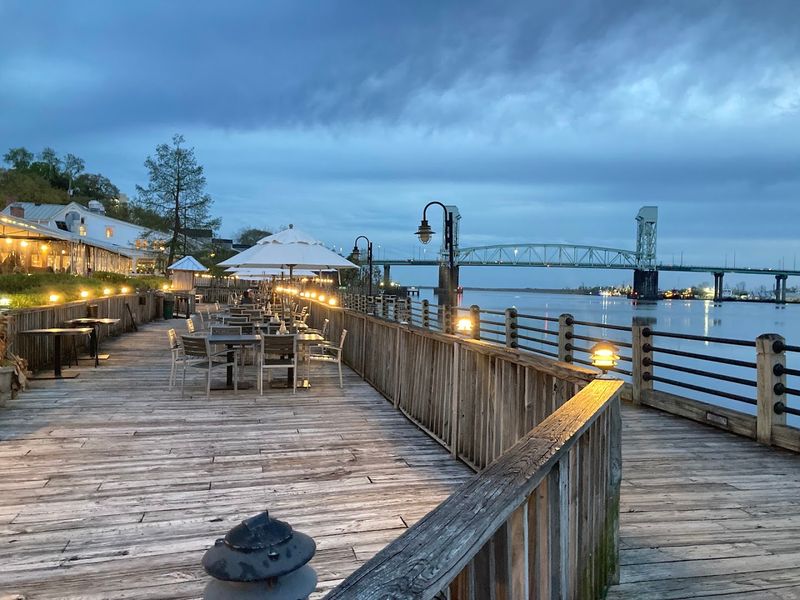
Wilmington rewards arrival with a waterfront historic district along the Cape Fear River. The Riverwalk stretches over a mile, lined with local restaurants, shops, and river views.
Losing an afternoon here requires no effort at all.
Airlie Gardens is a short drive from downtown and worth every minute. The 67-acre coastal garden features ancient live oaks draped in Spanish moss and seasonal blooms.
The atmosphere feels genuinely removed from the rest of the world.
Wrightsville Beach is just minutes from downtown. Clean surf, a relaxed crowd, and one of the better beach town vibes on the coast.
The drive back to Raleigh through a slightly different route adds one final surprise to what started as a simple highway trip south.