This Pittsboro Nursery Makes Native North Carolina Plants The Whole Point
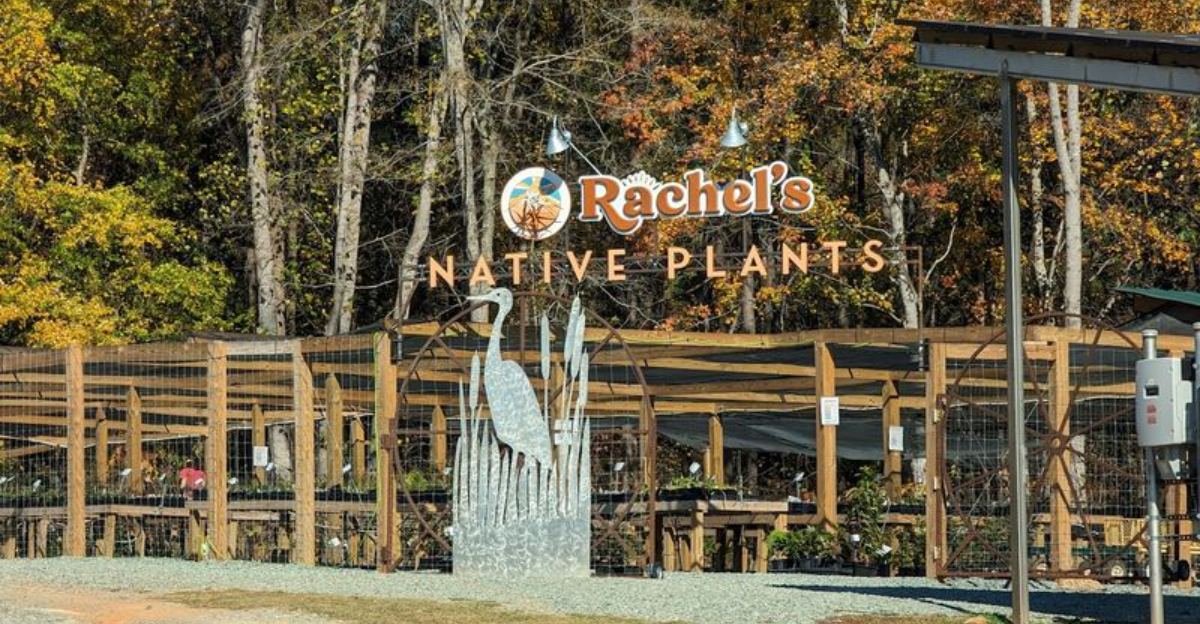
Leaves probably gossip about places like this when no one is around.
Down a quiet stretch in North Carolina, one nursery feels less like a shop and more like the sort of hidden garden where every plant already knows it belongs.
Wild beauty takes the lead here, with native species giving the whole place an almost storybook mood that makes ordinary browsing feel a little charmed.
Even beginners can end up feeling like they wandered into a plant fairytale with very good taste and a trunk full of future garden plans.
Virginia Bluebells In Bloom
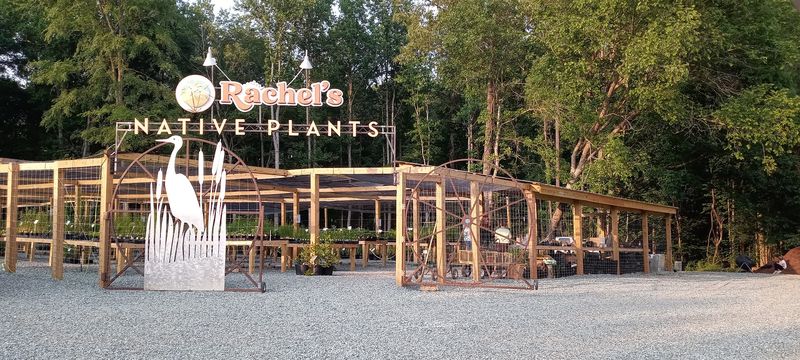
Spring woodland charm comes through immediately with Virginia Bluebells, one of the nursery’s standout native offerings, and Rachel’s Native Plants is located at 141 Lorax Ln, Pittsboro, NC 27312 for anyone hoping to track them down in person. Official plant-library information describes Mertensia virginica as an early spring riser with soft gray-green leaves and buds that begin pink, bluish pink, or lavender before opening into those familiar bell-like blue flowers people wait all year to see.
Site details also note that it prefers moist, rich soils in part to full shade and then slips into dormancy as warmer weather arrives, which is exactly the kind of practical guidance gardeners need before planting a spring ephemeral. Bluebells can be easy to admire and harder to place well, especially for beginners who are still learning that native plants often follow a different seasonal rhythm than standard nursery bedding flowers.
Rachel’s Native Plants gives species like this real context instead of shelf space alone. Shoppers can learn what makes Virginia Bluebells special, where they belong, and how to build around them so a spring show becomes part of a fuller native garden rather than a one-season surprise.
Wild Geranium For Shady Spots
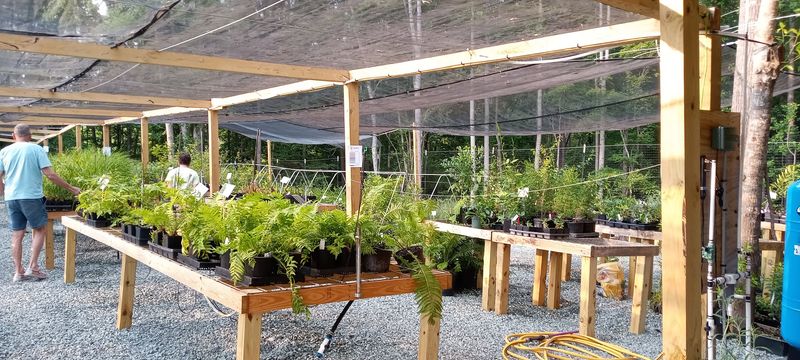
Shady gardens often leave people feeling boxed in, yet Wild Geranium gives that part of the yard a much better future. Rachel’s Native Plants includes Geranium maculatum in its native plant library, where it is presented as a useful perennial for part shade to full shade with moist to average conditions, making it a strong fit for woodland edges, under-canopy spaces, and those awkward dim corners many gardeners struggle to fill attractively.
Soft lavender-pink flowers are part of the appeal, but the bigger advantage is how naturally this species fits into North Carolina gardens that already lean toward dappled light and layered planting. Native nurseries matter most when they help people stop treating difficult spaces as failures and start seeing them as habitats with their own strengths.
Wild Geranium is a perfect example of that shift. Instead of forcing sun-loving ornamentals into weak light, gardeners can work with a plant that already understands the conditions.
Pollinators benefit too, especially in spring when early blooms provide valuable forage. Rachel’s Native Plants helps connect those dots by turning species selection into something more intentional, so a shady patch becomes less of a problem to solve and more of a place worth designing around.
Pollinator And Bird-Friendly Landscaping
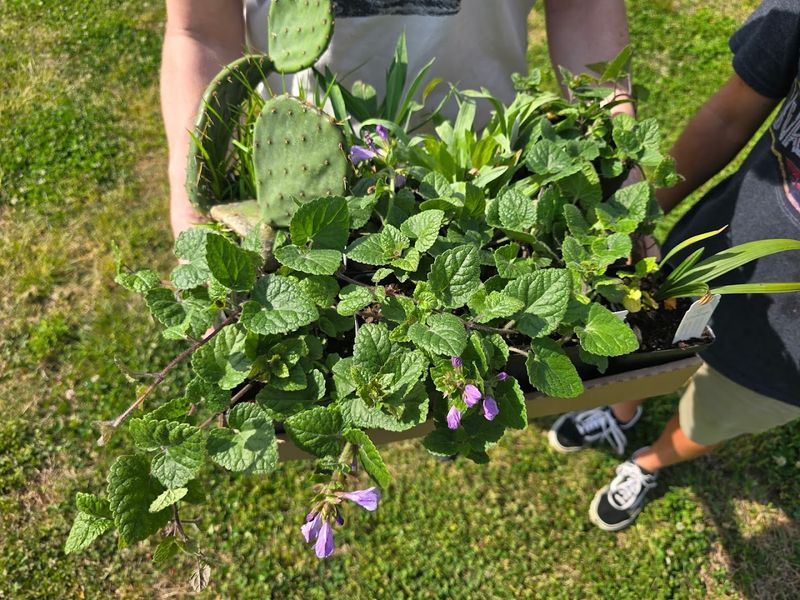
Habitat-minded planting is one of the nursery’s strongest themes, and it shows up not only in what is sold but in how customers are guided to use it. Rachel’s Native Plants offers native landscaping services through experienced designers who evaluate properties and recommend plants based on actual site needs, according to the nursery’s official home page.
Search tools on the site also let shoppers filter plants by traits such as attracting butterflies or providing wildlife cover, which makes pollinator- and bird-friendly planning much more practical than guesswork at a standard garden center. North Carolina sits within important migratory pathways and supports a broad mix of insects, birds, and other wildlife, so plant choices have real ecological consequences beyond appearance alone.
Building even a small layered landscape with native shrubs, perennials, and groundcovers can create food, shelter, and nesting value throughout much of the year. Rachel’s Native Plants seems especially good at helping people see that bigger picture.
Instead of selling plants as isolated decorative objects, the nursery frames them as pieces of a living system. Gardeners who want a yard that hums, flutters, and feels alive end up with something far more meaningful than a tidy border of unrelated flowers.
Buttonbush For Wet Areas
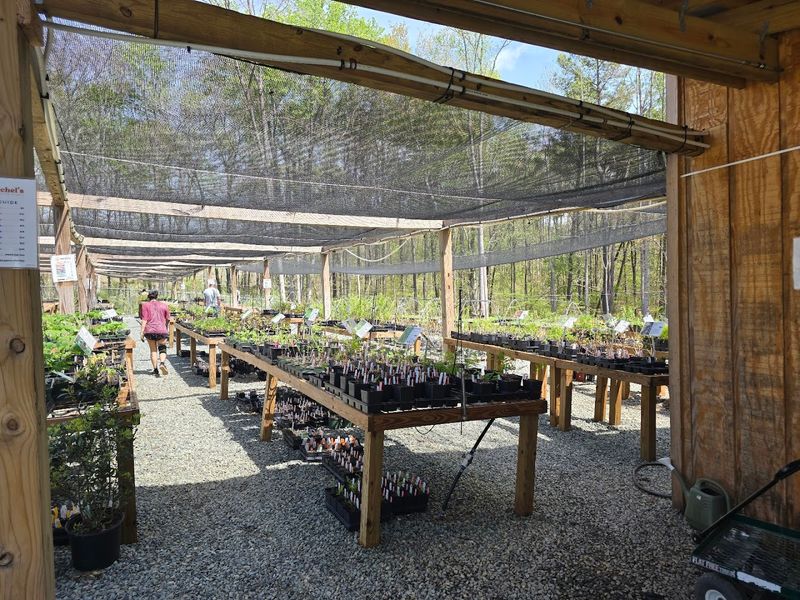
Wet ground stumps plenty of homeowners, yet Buttonbush is one of those native plants that turns soggy conditions into a real advantage. Rachel’s Native Plants features Cephalanthus occidentalis in its library, where its wet-soil adaptability and wildlife value make it an especially useful candidate for rain gardens, pond edges, drainage swales, and other low spots that conventional shrubs often resent.
Round white flowers give it one of the most distinctive looks in a native planting, but practical performance is what makes it truly valuable. Flood tolerance, summer bloom power, and strong pollinator appeal are a hard combination to beat.
Native nurseries earn trust by offering solutions for actual site problems, not just more pretty choices for already ideal beds, and Buttonbush sits squarely in that useful category. Gardeners dealing with standing water or heavy seasonal runoff need plants that can take a hit and still contribute beauty and habitat, and this species does exactly that.
Rachel’s Native Plants strengthens the case by making wet-loving natives feel like treasures instead of niche oddities. One well-chosen shrub can shift how a whole corner of a yard functions, and Buttonbush has that kind of transformative potential when placed thoughtfully.
Homegrown National Park Partnership
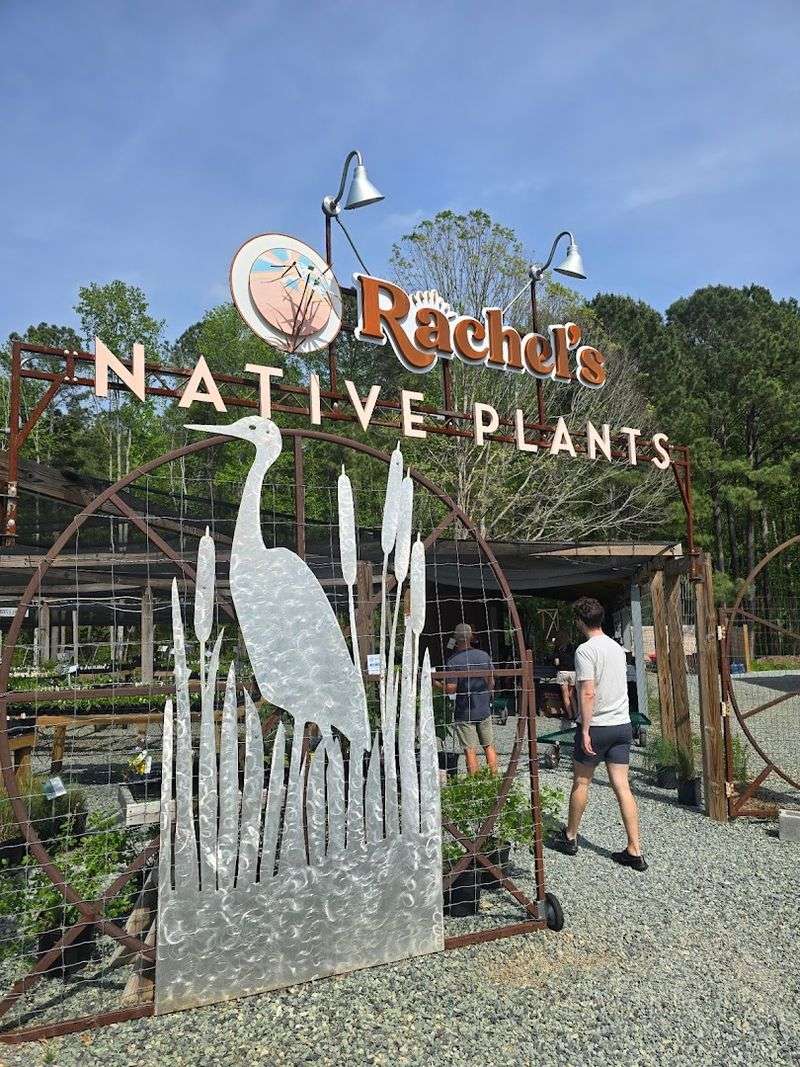
Ecological purpose runs through the nursery’s identity in a way that feels much larger than retail. Rachel’s Native Plants says on its official site that it is a proud partner and resource with Homegrown National Park, the nationwide movement encouraging people to rebuild habitat through native planting at home.
Partnership language like that matters because it places each sale inside a broader conservation idea rather than treating gardening as a purely decorative hobby. Homegrown National Park, co-founded by Doug Tallamy and Michelle Alfandari, pushes the idea that private yards can help reconnect fragmented ecosystems and support far more insects and wildlife when native species replace conventional landscaping.
Rachel’s Native Plants fits naturally into that mission because its entire business is built around Southeastern natives, practical education, and site-appropriate planting. Shoppers are not simply buying something leafy to fill empty mulch.
They are participating, even on a small scale, in a restoration-minded approach to landscape design. North Carolina’s ecological richness makes that especially meaningful.
A yard planted with natives can support birds, pollinators, and local food webs in ways most imported ornamentals never will. Rachel’s Native Plants makes that shift feel accessible, grounded, and worth doing one plant at a time.
Searchable Native Plant Library
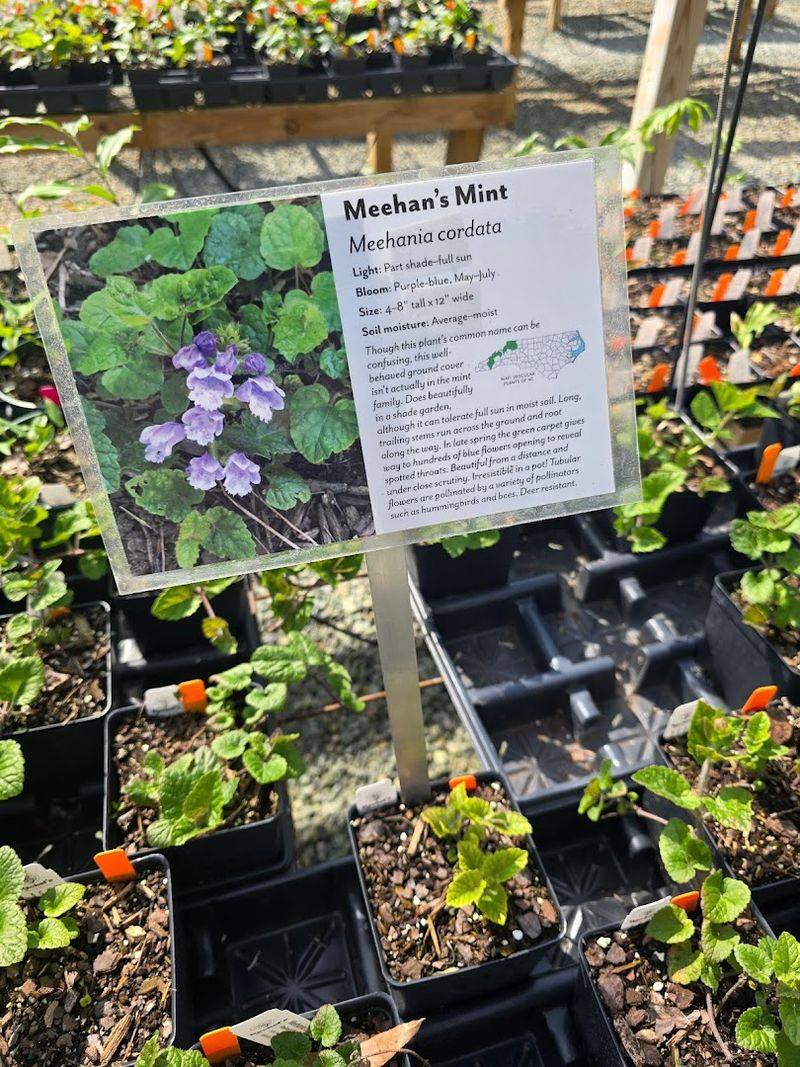
Good plant shopping gets much easier once guesswork is taken out of the process, and Rachel’s Native Plants has built one of its best tools around exactly that idea. Official site pages offer a searchable native plant library with filters for scientific name, common name, plant characteristics, and protected species status, along with a current inventory link that helps shoppers connect research with real availability.
Resources like this are especially valuable for beginners who may know what they want a garden to do but not yet know which species can actually do it. Searching by light needs, wildlife value, seasonality, or growth habit gives customers a much stronger starting point than wandering row by row hoping a plant tag answers everything.
Native gardening becomes far less intimidating once people can compare options in a structured way and see how one species differs from another within a local ecological framework. Rachel’s Native Plants seems to understand that education is part of the sale.
Instead of asking buyers to trust vague labels or snap decisions, the nursery gives them tools to make smarter choices before they ever arrive. A searchable library like this turns plant shopping into a more confident, informed process from the very first click.
Year-Round Open Hours
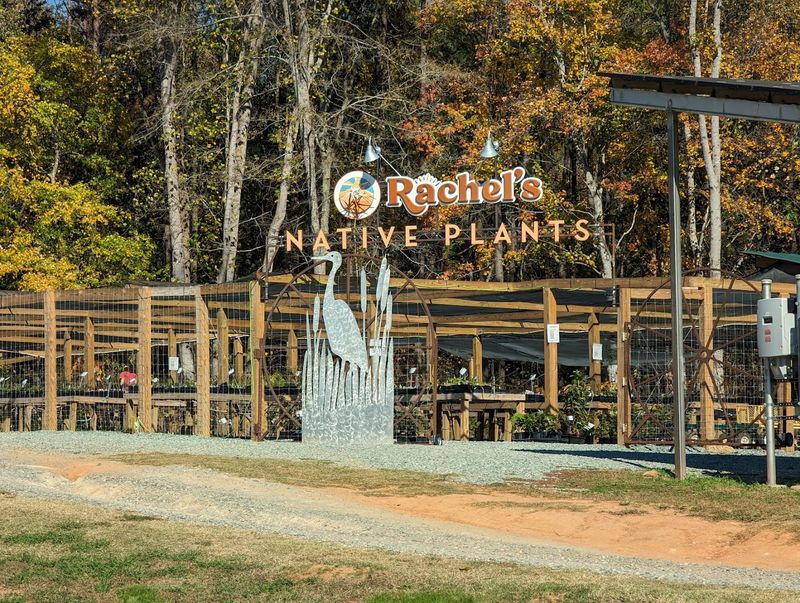
Year-round access gives the nursery a practical edge, especially for gardeners who know planning does not begin and end in spring. Rachel’s Native Plants presents itself as open year-round with regular Wednesday-through-Sunday hours and appointments, though the exact posted schedule varies by page.
Consistent access matters because native gardening often involves research, site preparation, seasonal timing, and longer-range thinking rather than impulse buying alone. Fall planting, winter planning, and early spring decisions all benefit from having a knowledgeable nursery still available when big-box garden centers may be focusing on generic stock and fast turnover.
Extended usefulness is part of what makes this place feel more serious than a charming specialty stop. Gardeners can come with questions, return later with a better sense of the site, and build projects in stages without feeling cut off by a narrow selling season.
Appointment availability strengthens that further by giving people a route to more focused help when needed. Rachel’s Native Plants comes across as a working resource for long-term native gardening rather than a brief seasonal attraction dressed up with a mission statement.
The Plant At Pittsboro
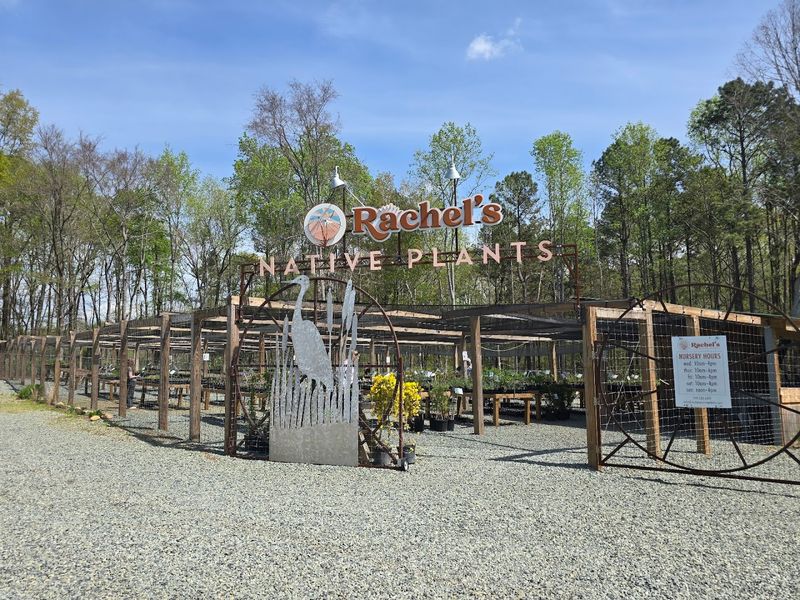
Location adds another layer of meaning because Rachel’s Native Plants is based at The Plant in Pittsboro, not tucked into an anonymous retail strip. Official site pages note that the nursery is located at The Plant, which ties it to a larger community space known for food, events, local makers, and sustainability-minded culture.
Context like that matters. Native plants already carry ideas about place, ecology, and local identity, and those ideas land more convincingly in a setting where surrounding businesses and visitors share some of the same values.
Buying a woodland perennial or a wetland shrub in a community shaped by local production and environmental awareness feels very different from grabbing a random ornamental beside a parking lot. Pittsboro also helps the nursery make sense as a destination.
Chatham County has become a place where food culture, land stewardship, and creativity often overlap, and Rachel’s Native Plants fits neatly inside that larger story. A nursery becomes more memorable when its surroundings reinforce its mission instead of distracting from it.
Rachel’s Native Plants benefits from exactly that kind of setting, where one purchase can feel connected to a much broader local ethos.
Native Landscaping Services
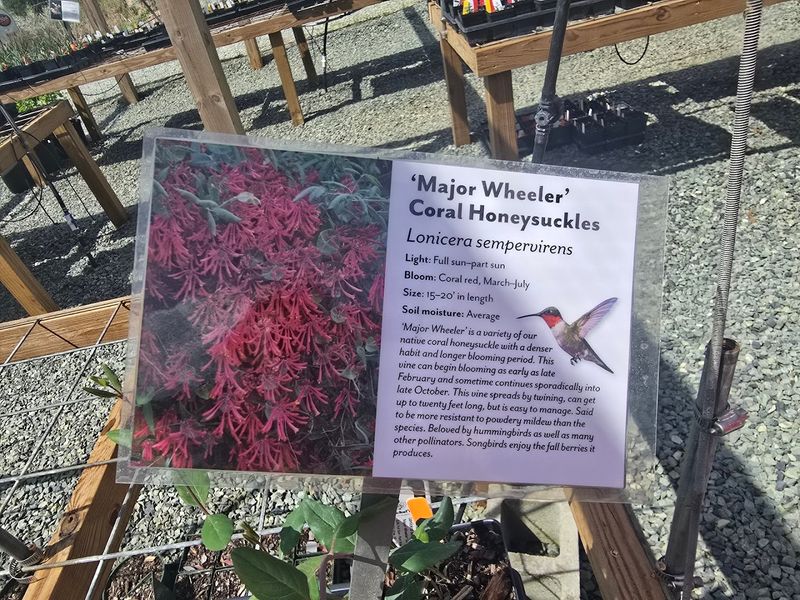
Buying a plant is one thing; knowing exactly where to put it and why is another skill entirely. Rachel’s Native Plants bridges that gap by offering native landscaping services through experienced designers who evaluate properties and recommend plants based on site needs.
The service starts with a property evaluation, which means the recommendations you receive are grounded in what will actually thrive in your yard.
Homeowners dealing with erosion, poor drainage, dense shade, or compacted clay soils will find the consultation process especially useful. Rather than pushing trendy plants, they focus on species that match the site and serve local wildlife.
Landscaping with natives also reduces long-term maintenance significantly. Once established, native plants require far less watering, fertilizing, and pest management than non-native alternatives.
For busy homeowners who want a beautiful yard without constant upkeep, a native planting plan designed by people who know the land is genuinely one of the smartest investments you can make.