You Could Easily Spend An Entire Day Wandering This Beautiful Massachusetts Garden
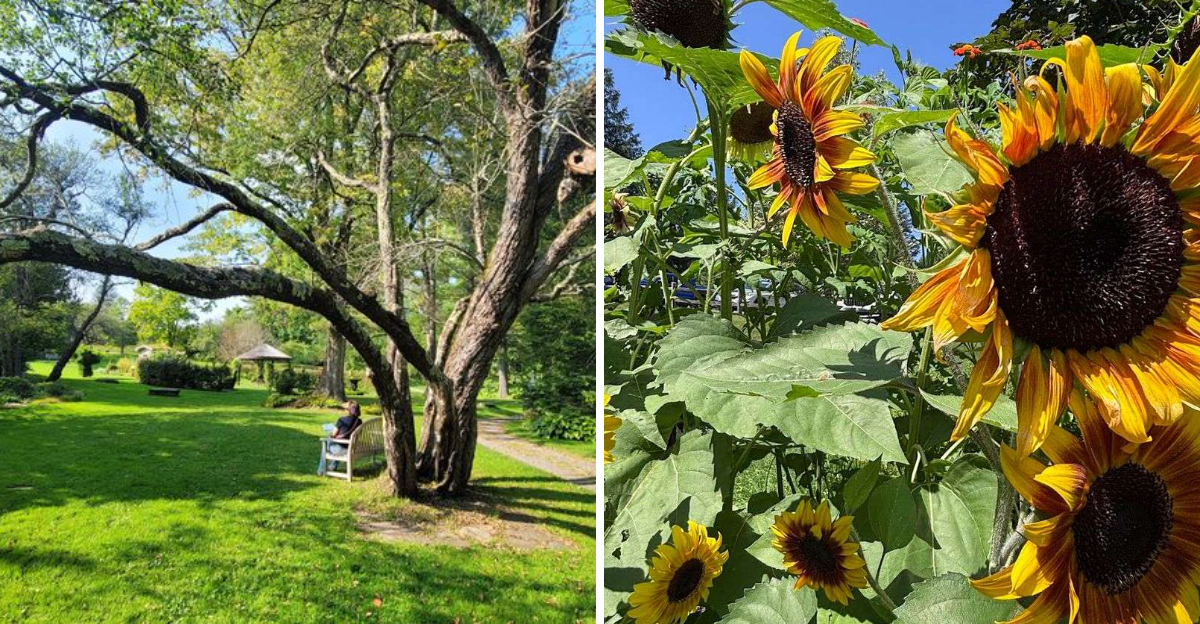
I am not someone who plans their weekends around botanical gardens.
I want to be upfront about that before I tell you that I spent four hours at one last month and left genuinely reluctant to go home.
Massachusetts has a garden that does something unusual to your sense of time.
That is the kind of place where you round a corner and find something so unexpectedly beautiful that you stop walking entirely and just stand there for a moment being quietly amazed.
I showed up on a Tuesday with no particular agenda and left with a full camera roll, a very reasonable purchase from the gift shop, and the specific feeling of having accidentally had a perfect afternoon.
There are paths here that seem designed to make you forget you have anywhere else to be, and they work extraordinarily well.
If you have been sleeping on this one, and most people have, consider this your very enthusiastic wake up call.
One Of The Oldest Botanical Gardens In New England
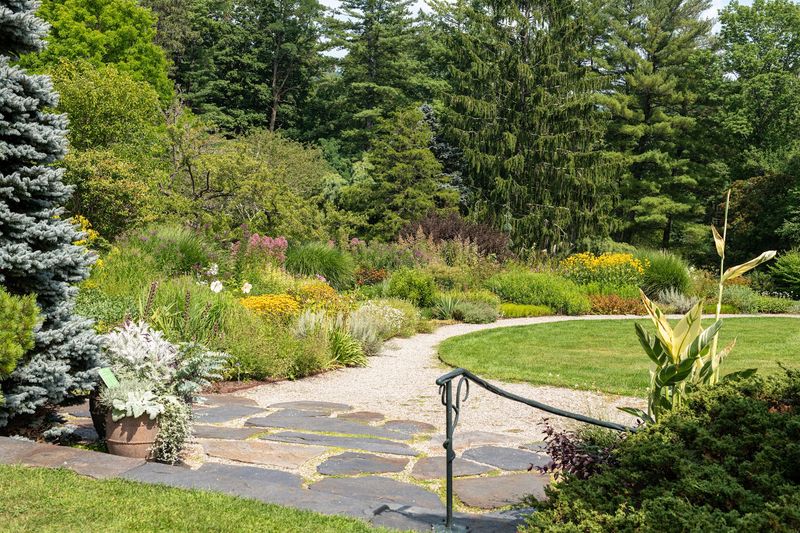
Nobody warned me that Berkshire Botanical Garden would rearrange my entire afternoon.
This garden has been welcoming visitors since 1934, making it one of the oldest botanical gardens in New England. That history shows in every corner.
The moment you step through the entrance, the air changes. It smells like soil, blooms, and something harder to name, maybe just peace.
The grounds span 24 acres, which sounds manageable until you realize every acre is packed with something worth slowing down for.
Families, solo wanderers, and serious plant people all find their rhythm here. The staff is genuinely enthusiastic, not in a forced way, but in the way people are when they actually love what they do.
First-timers should grab a map at the entrance. The layout is intuitive, but the garden rewards those who wander off the obvious path.
Plan for at least three hours, though four is more honest. Find it at 5 W Stockbridge Rd, Stockbridge, Massachusetts.
The Herb Garden That Makes You Want To Cook
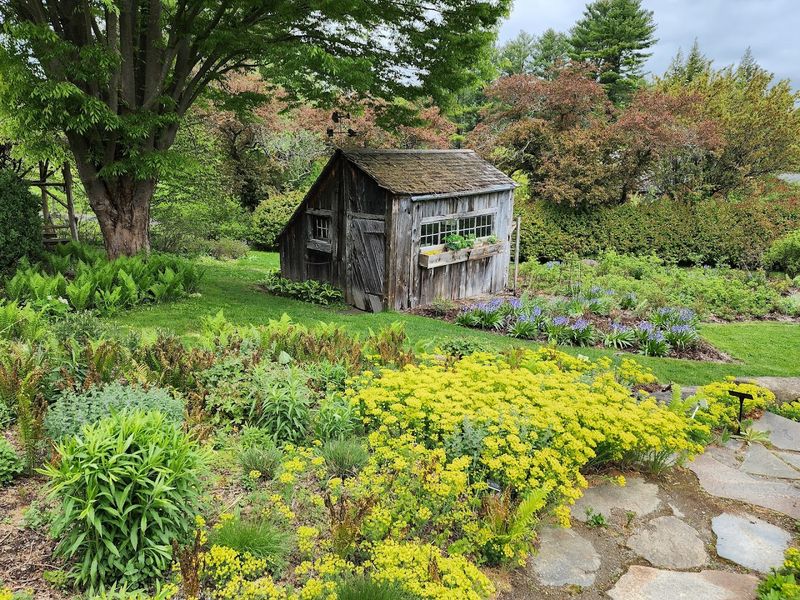
Forget everything you thought you knew about herb gardens being boring. The herb section at Berkshire Botanical Garden is one of the most sensory experiences on the entire property.
You brush past lavender and your sleeve carries the scent for the rest of the visit.
Dozens of culinary and medicinal herbs are planted here with clear labels, so even complete beginners leave with actual knowledge.
I spent twenty minutes just reading the signs and smelling things I could not identify. It felt more like an adventure than a lesson.
The layout is thoughtful, grouping plants by use rather than just alphabet or color. That choice makes the space feel alive and purposeful.
Gardeners in the crowd tend to linger longest here, pulling out their phones to photograph plant combinations they want to try at home.
If you have even a small kitchen garden or a few pots on a balcony, this section will send you home with a list of things to plant next season. Bring a notebook.
The Perennial Gardens Will Stop You Cold
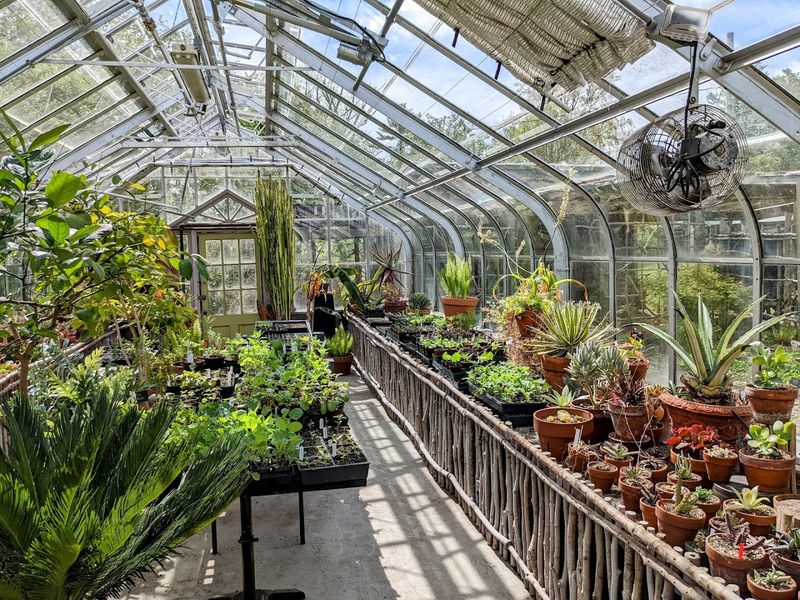
There is a moment mid-visit when the perennial gardens come into full view and your brain just stops calculating. The color combinations here are not accidental.
Whoever designed these beds understood that contrast and repetition create something close to visual music.
Peak bloom typically runs from late June through August, when the garden reaches its most theatrical. Coneflowers, black-eyed Susans, and tall grasses move together in the breeze like they choreographed it.
Photographers, both professional and casual, tend to park themselves here for a long time.
What makes this section special beyond the obvious beauty is how approachable it feels. These are not exotic, impossible-to-grow specimens.
Many of the plants are things you could realistically grow in a backyard in Massachusetts or nearby states.
The garden team posts seasonal planting information, so curious visitors can take inspiration home without guesswork.
I overheard one visitor tell her friend she had been coming back every summer for six years just to see this section in peak season. That kind of loyalty tells you everything.
A Children’s Garden That Respects Kids
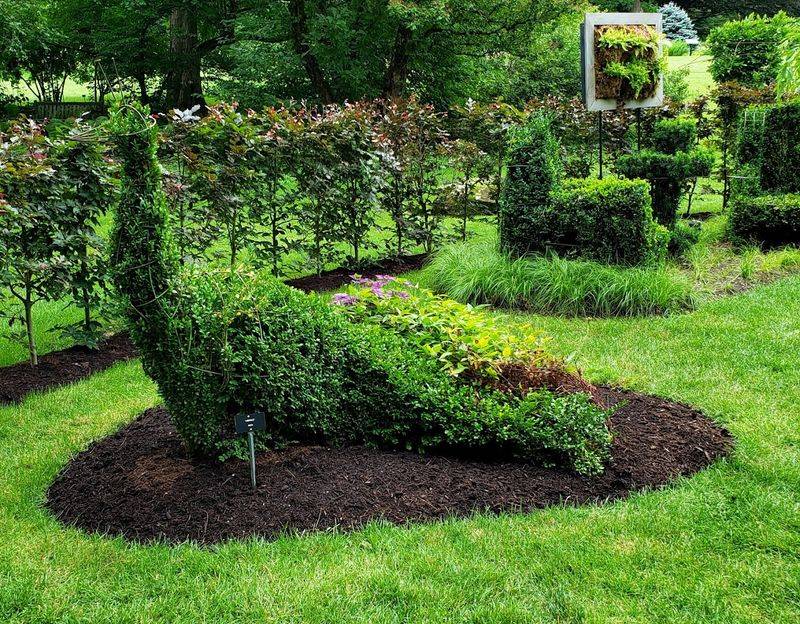
Most children’s garden sections at botanical gardens feel like an afterthought. A few short signs, some oversized plastic vegetables, and a bench for tired parents.
Berkshire Botanical Garden took a different approach entirely, and the result is something kids genuinely engage with.
The space is designed to make plants feel interactive rather than decorative. Children can get close, touch textures, smell flowers, and understand in real time where food actually comes from.
It is hands-on without being chaotic, which is a difficult balance to strike.
Parents appreciate that the area connects naturally to the rest of the garden rather than being cordoned off like a separate attraction.
Kids who start here often end up curious enough to keep exploring the larger grounds, which means the whole family ends up spending more time than planned. That is a good problem.
The garden also runs seasonal programs for younger visitors, so checking their event calendar before your trip is worth the two minutes it takes.
A visit here with kids lands differently than a solo trip, and both versions are worth doing.
The Pond And Water Features Are Quietly Spectacular
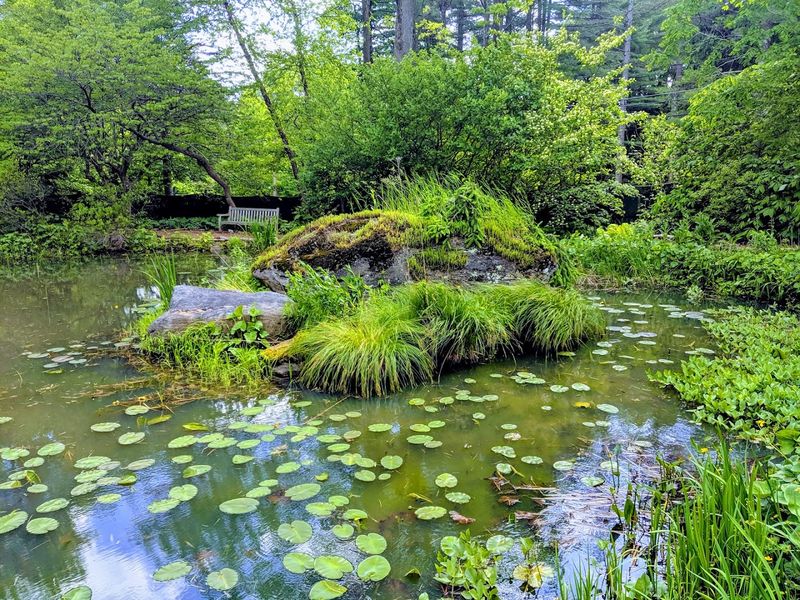
Water has a way of anchoring a garden, and Berkshire Botanical Garden uses it well. The pond area draws visitors in without announcing itself loudly.
You come around a bend and suddenly there it is, still and reflective, ringed with plantings that look like they grew there by luck rather than design.
Water lilies float across the surface during warmer months, and the surrounding moisture-loving plants create a completely different ecosystem from the drier garden beds nearby.
Dragonflies are regulars here. So are a few frogs, if you are patient and quiet enough to spot them.
This section rewards slow visitors. People who rush through miss the details that make it worth stopping for.
Sit on one of the benches near the water for five minutes and you will notice things you walked past entirely.
The reflections change throughout the day as the light shifts, so the pond at noon looks nothing like the pond at four in the afternoon.
If you only have time for one rest stop during your visit, make it here. The stillness feels earned after all that wandering.
Seasonal Displays That Reward Repeat Visits
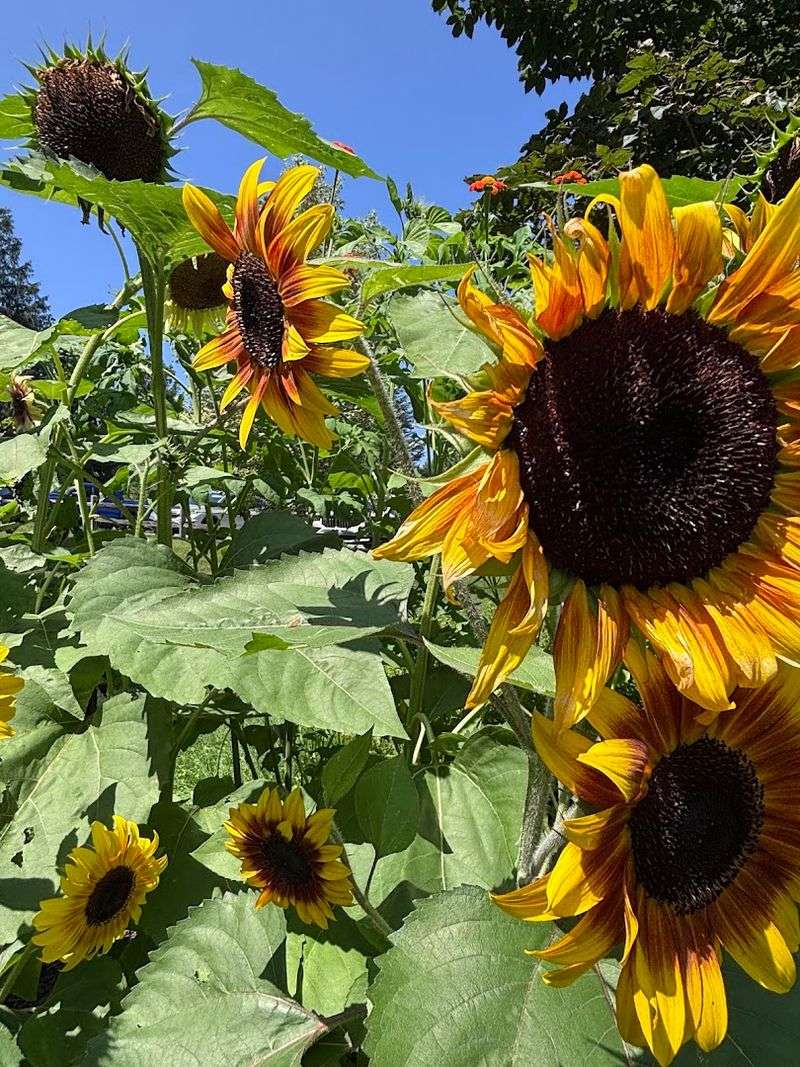
One visit to Berkshire Botanical Garden is genuinely not enough, and the seasonal programming is the main reason why.
The garden shifts dramatically across spring, summer, and fall, with each season offering something the others cannot.
Spring bulbs give way to summer perennials, which transition into a fall display that uses color in ways most gardens do not attempt.
The garden also hosts well-attended seasonal events, including their annual Harvest Festival in October, which draws large crowds to the Stockbridge property for good reason.
It is a full production, not just a sign on the gate saying the season changed.
Repeat visitors often describe the experience of coming back as checking in on something rather than revisiting it. The garden feels alive in a way that changes your relationship to it over time.
If you visit once in July and return in September, you will not feel like you are seeing the same place twice.
That quality is rare and worth planning around. Checking the garden’s official event schedule before each visit helps you time your trips to catch whatever is currently at its best.
The Garden Shop Is A Legitimate Reason To Budget Extra Time
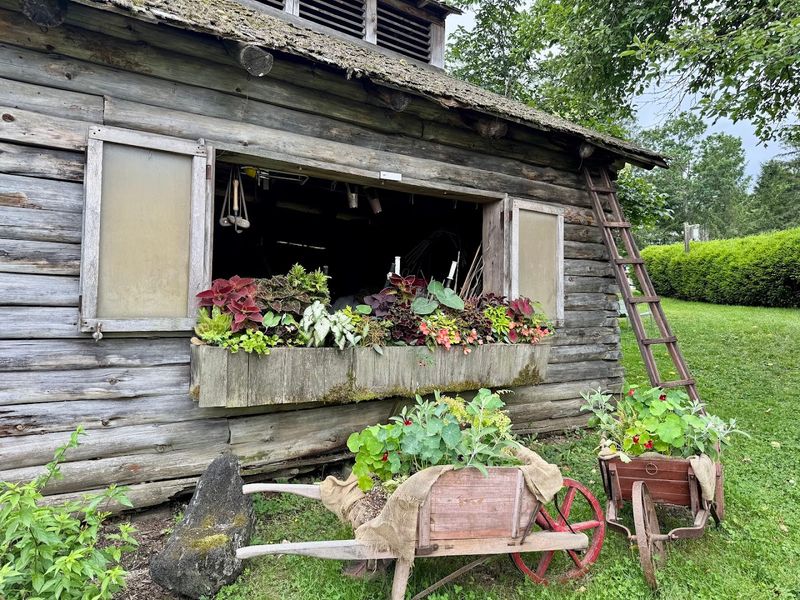
Garden shops at attractions usually feel like an obligation, a room you walk through on the way out. The shop at Berkshire Botanical Garden is an exception worth planning around.
It stocks plants, seeds, books, and garden tools that are genuinely curated rather than randomly assembled.
The plant selection changes with the season and reflects what is actually growing well in the Berkshire region. That local specificity matters.
You are not buying something that will struggle in your climate because someone in a central warehouse made the selection. Staff can answer real questions about what will thrive and where.
The book section leans toward practical gardening, regional plants, and natural history, which fits the audience well.
Gift items are tasteful without being fussy, the kind of thing you actually want to give someone rather than something you buy out of guilt near the exit.
Budget at least fifteen minutes here, more if you are a gardener. I left with two books and a flat of perennials I had no plan for, which felt like a success.
The shop is open during regular garden hours and does not require a separate admission.
Why This Garden Stays With You After You Leave
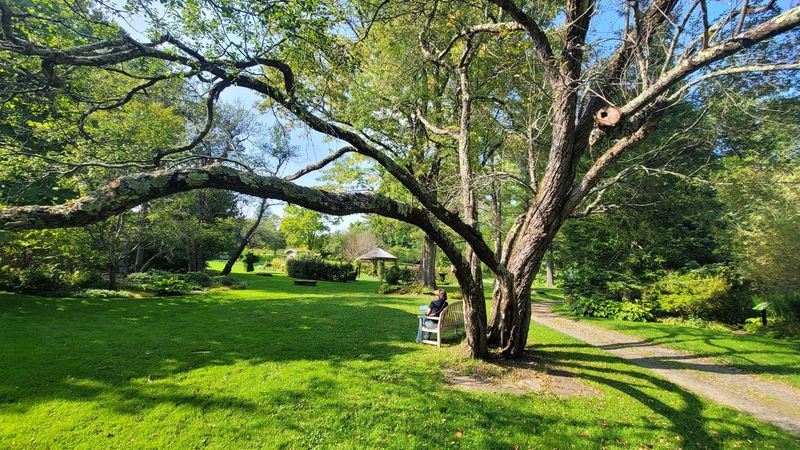
Some places are worth visiting once. Berkshire Botanical Garden is the kind of place that gets into your thinking and stays there.
Long after the visit, you find yourself describing a plant combination you saw, or recommending it to someone planning a Berkshire trip, or simply thinking about going back.
The garden works because it balances education and beauty without letting either one crowd out the other. It is not a museum where you feel like you should be learning.
It is not a park where the plants are just background. It sits right in between those things, which is harder to achieve than it sounds.
Admission is reasonably priced for what you get, and the grounds justify a full day easily. Parking is available on site.
The garden is located about a mile from the center of Stockbridge, which makes combining a visit with lunch in town a natural choice.
Whether you go alone, with a partner, or with the whole family, the garden scales to fit the group. That flexibility, combined with genuine quality, is why people keep coming back year after year.
Go once and you will understand exactly what I mean.