This Florida Beach Town Combines Quiet Streets With Gorgeous Coastal Scenery
I almost drove past it. Just another exit off the highway, nothing screaming at me to stop.
But something made me pull over, and honestly, that split-second decision changed how I think about Florida entirely. This state has a reputation.
Crowds, chaos, theme parks, spring breakers. But this state also hides places that feel like a secret someone forgot to keep.
Quiet neighborhoods where locals actually know each other. A coastline so clean it looks edited.
Mornings so peaceful you check the date to make sure it’s not off-season. No neon signs.
No overpriced beachfront circus. Just salt air, unhurried streets, and water so blue it feels unreasonable.
I kept asking myself why nobody warned me about this place. Turns out, the people who know it prefer to keep it that way.
Uncrowded Beaches That Actually Stay Uncrowded
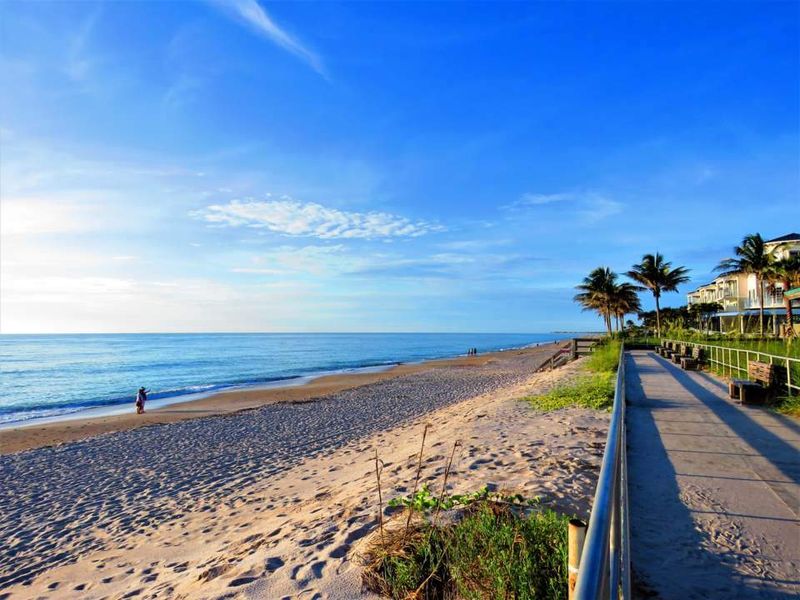
Most Florida beaches feel like a crowded parking lot by 10 a.m. Vero Beach never got that memo, and honestly, good for it.
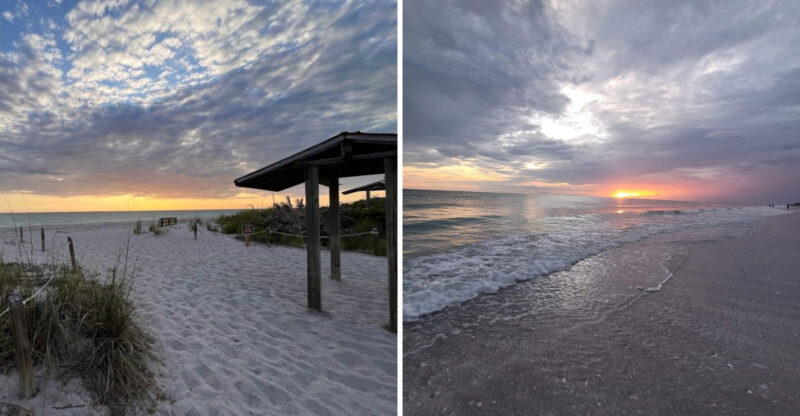
The area stretches across more than 26 miles of pristine shoreline. Wide sands and clear Atlantic water greet you without the chaos of shoulder-to-shoulder tourists.
South Beach Park is a favorite for good reason. Gentle waves roll in, the sand is soft underfoot, and volleyball courts give active visitors something fun to do.
Humiston Beach Park and Jaycee Beach Park offer equally calm settings. Both spots have clean water, easy parking, and a relaxed crowd that keeps the vibe low-key.
Treasure Shores Park is worth the short drive north. Stunning sand dunes frame wide ocean views that feel almost cinematic on a clear morning.
The beaches here are intentionally preserved. Commercial development near the shoreline is limited, which keeps the scenery clean and the atmosphere refreshingly peaceful.
You can walk for a full hour and not feel crowded out. That kind of space is genuinely rare along the Florida Atlantic coast, and Vero Beach protects it well.
Golden Sands Beach Park And Its Marine Life
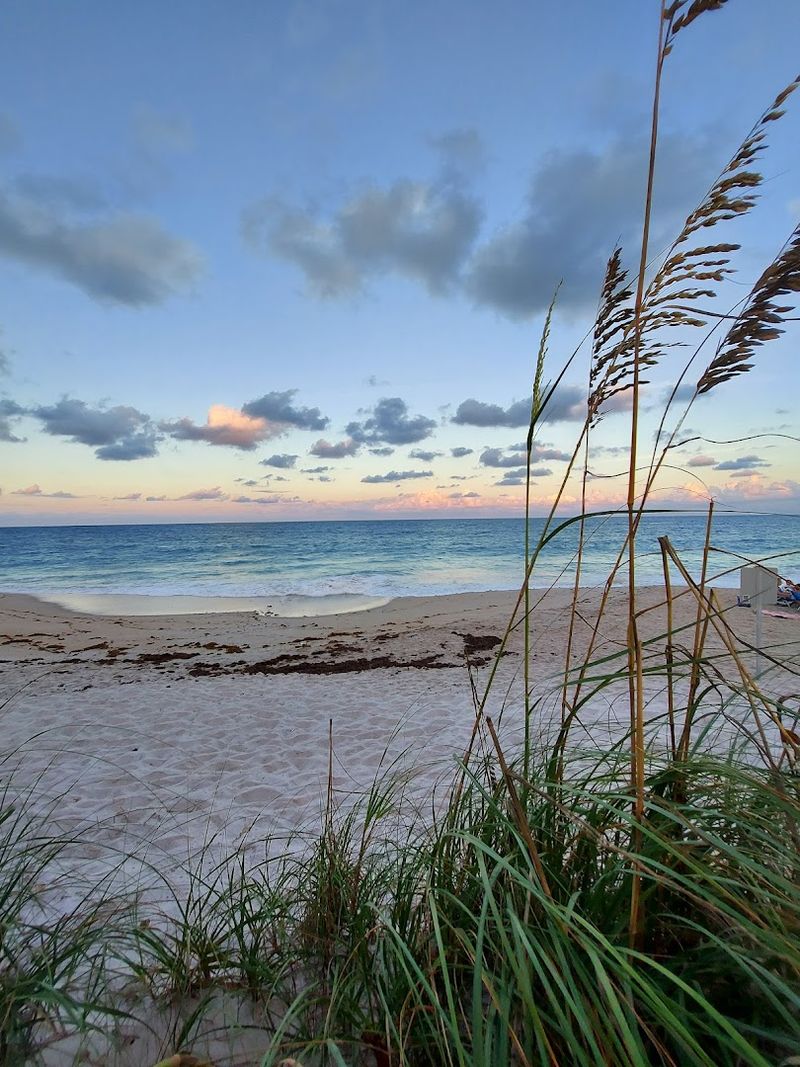
Not every beach rewards you with something living just beneath the surface. Golden Sands Beach Park is the kind of place that makes snorkeling feel like a real adventure.
The water here runs remarkably clear on calm days. Beachcombers often find shells along the shoreline, especially around tide changes.
Marine life near this stretch of beach is surprisingly active. Small fish, crabs, and other coastal creatures make the shallows worth exploring at a slow pace.
The park itself is compact and easy to navigate. There are no massive resort crowds blocking your path to the water, which makes the whole experience feel personal.
Families with kids enjoy this spot because the entry into the water is gradual. Younger swimmers may enjoy the gradual shoreline on calmer days, but visitors should always follow posted surf and lifeguard guidance.
Snorkeling gear is easy to bring along since parking sits close to the beach. You spend more time in the water and less time hauling equipment across hot sand.
Golden Sands sits along the barrier island that defines Vero Beach’s coastal geography. The combination of clear water and rich marine presence makes it one of the area’s most rewarding natural stops.
Loggerhead Sea Turtle Nesting Season
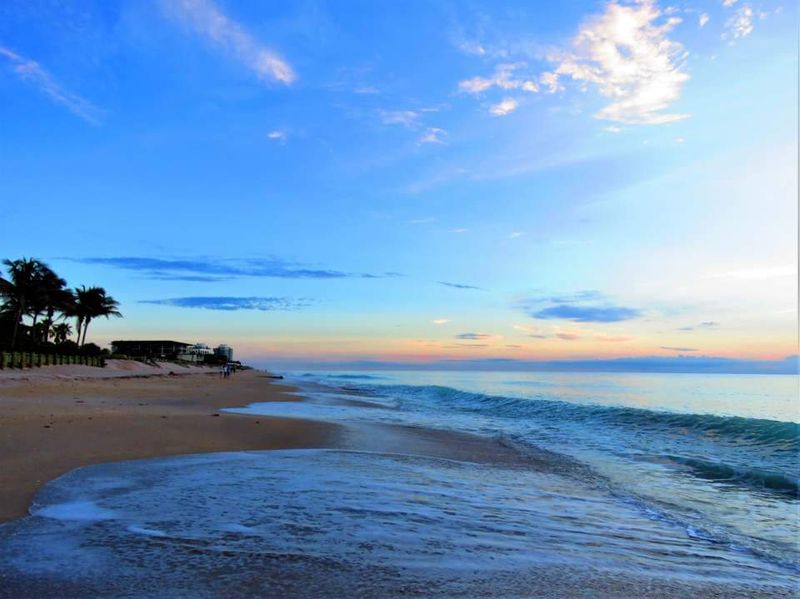
Every summer, something ancient and extraordinary happens along this coastline. Loggerhead sea turtles haul themselves ashore to nest, and Vero Beach is one of their most active corridors.
The beaches here serve as critical nesting grounds for this protected species. Females return to the same shoreline where they were born, which makes every nest feel historically significant.
Conservation efforts in the area take this seriously. Lighting near the beach is carefully managed so hatchlings are not disoriented when they head toward the ocean.
Watching a turtle nest from a respectful distance is a genuinely moving experience. There is no dramatic narration needed; the scene speaks entirely for itself.
Sea turtle nesting season in Indian River County runs from March through October, and permitted guided turtle walks are available through local conservation groups on select dates.
These guided outings give curious visitors a responsible way to witness the process up close.
Vero Beach’s commitment to preserving its natural environment is visible in how the nesting zones are maintained. Roping off nest sites and educating beachgoers reflects a community that genuinely values its wildlife.
If your visit lines up with nesting season, prioritize this experience. It is the kind of encounter that stays with you long after you have driven home.
Indian River Lagoon Kayaking And Paddleboarding
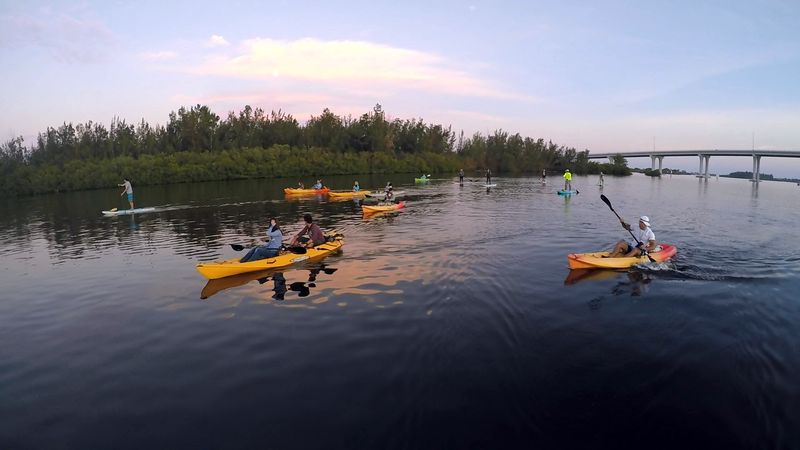
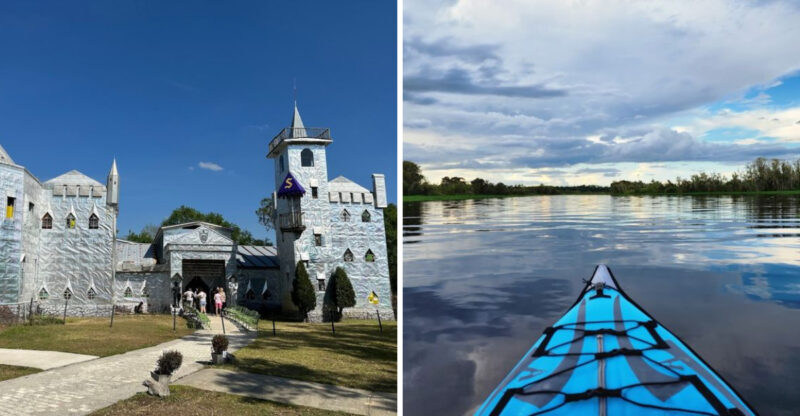
Flat water, blue sky, and mangroves stretching as far as you can see. The Indian River Lagoon is one of North America’s most biologically diverse estuaries, and it sits right next to Vero Beach.
Kayaking here feels completely different from ocean paddling. The lagoon’s protected waters stay calm even on breezy afternoons, making it accessible for beginners and experienced paddlers alike.
Paddleboarding on the lagoon gives you a surprisingly clear view of what lives beneath the surface. Manatees, dolphins, and various bird species are regular sights depending on the season.
Launch points around the lagoon are easy to find and access. Riverside Park, situated along the lagoon’s edge, offers a scenic entry point with waterfront views that set the mood immediately.
Rentals are available locally, so you do not need to travel with bulky gear. A few hours on the water here resets your entire perspective on what a beach trip can feel like.
The lagoon also supports boating for those who prefer a motor. Either way, the experience of being on that calm, shimmering water is something the area does exceptionally well.
Water access here is a defining feature of the Vero Beach lifestyle. The lagoon is not just scenery; it is an active, living part of daily life in this coastal town.
The Historic Jungle Trail Experience
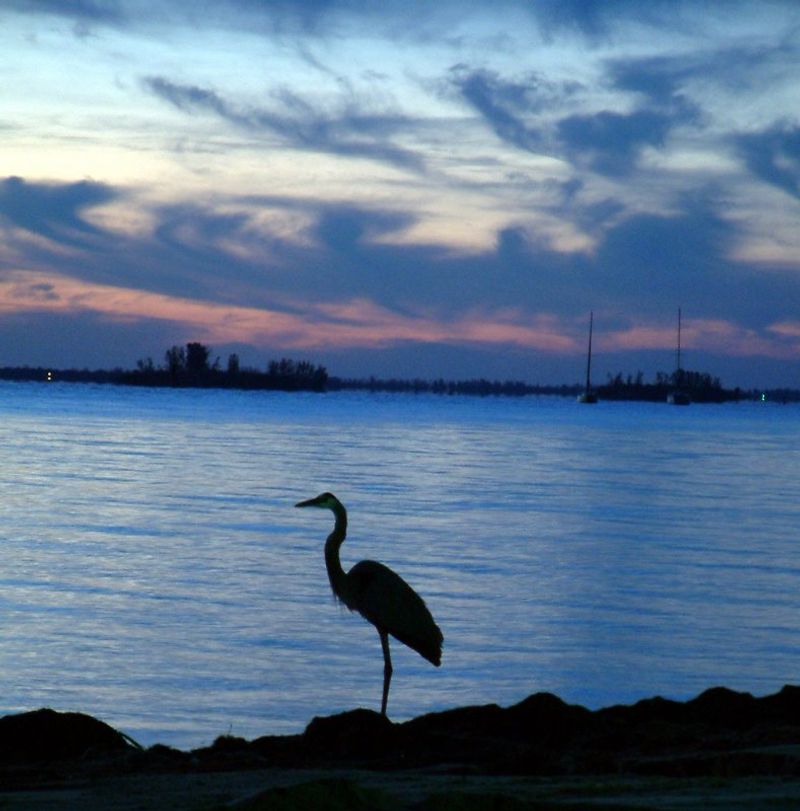
Dirt roads rarely feel like destinations, but this one absolutely earns the detour. The Jungle Trail is a narrow historic path that winds through coastal hammocks alongside the Indian River Lagoon.
Driving it slowly is the only right way to experience it. Tree canopies close overhead, Spanish moss drifts from branches, and the lagoon occasionally flashes through the tree line on your right.
The trail represents what this coastline looked like before highways and strip malls arrived. That sense of stepping back in time is something genuinely hard to manufacture anywhere else.
Cyclists and walkers use the trail regularly, especially in the cooler morning hours. The packed dirt surface and natural shade make it one of the most pleasant outdoor routes in the area.
Wildlife sightings along the trail are common. Wading birds, marsh rabbits, and various reptiles appear without any particular effort on your part to find them.
The trail runs along the Indian River Lagoon’s western edge on the barrier island. Its preserved state reflects the community’s broader commitment to keeping natural corridors intact.
If you want to understand why people fall in love with this part of the state, drive the Jungle Trail at golden hour. The light through the hammock makes everything feel quietly extraordinary.
Pelican Island National Wildlife Refuge
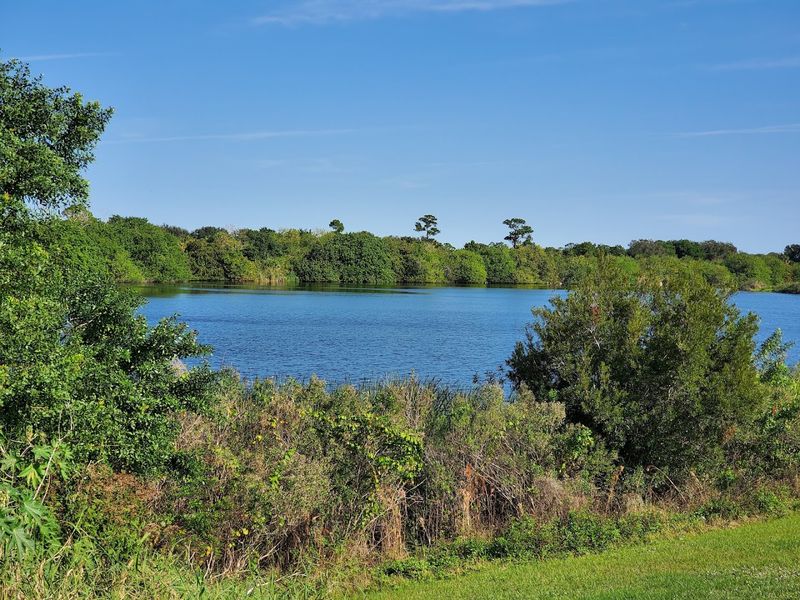
America’s very first national wildlife refuge sits just north of Vero Beach, and most people drive past it without a second thought. That is genuinely their loss.
Pelican Island National Wildlife Refuge was established in 1903 by President Theodore Roosevelt. It protects brown pelicans and dozens of other bird species that nest and feed in the lagoon system.
Watching pelicans glide low over the water and then dive with precision is endlessly entertaining. The refuge gives you a front-row seat to behaviors that feel almost choreographed in their timing.
A wildlife drive and observation deck allow visitors to scan the refuge without disturbing nesting areas. Binoculars make the experience significantly richer, especially during active nesting months.
The refuge covers nearly 5,400 acres of land and water habitat. Its scale means the bird populations here have genuine room to thrive rather than just survive.
Birders from across the country travel specifically to see the species concentration at Pelican Island. Even casual visitors tend to leave more impressed than they expected to be.
The refuge connects naturally to the broader Indian River Lagoon ecosystem. Together, these protected areas create one of the most ecologically significant coastal zones anywhere along the eastern seaboard.
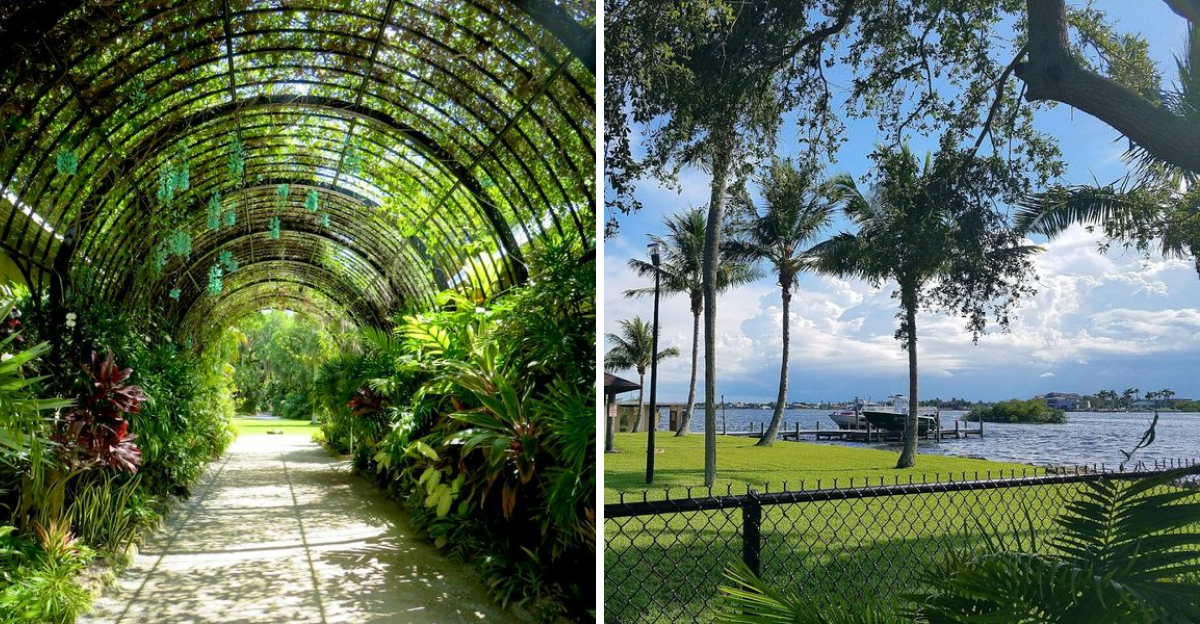
McKee Botanical Garden’s Tropical Escape
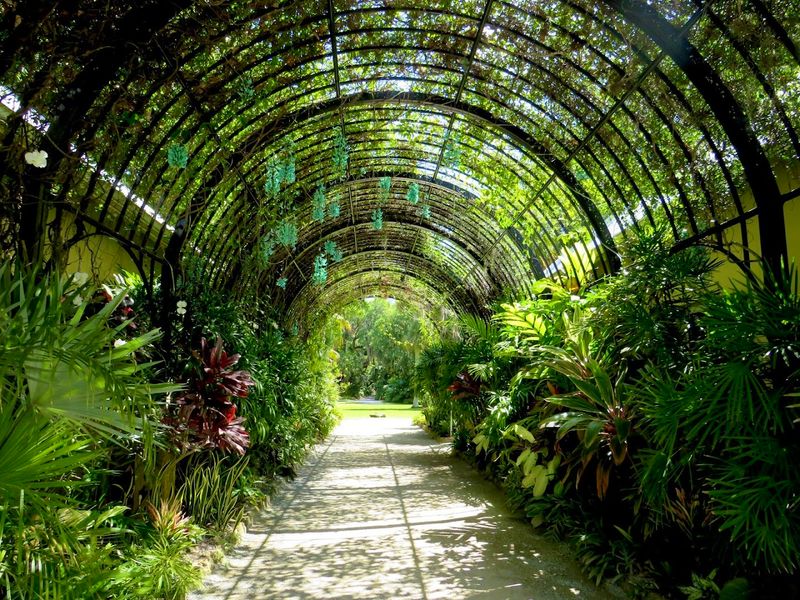
Some places earn their reputation through sheer sensory impact. McKee Botanical Garden delivers that the moment you step through the entrance and hear the sound of water nearby.
Tropical plants crowd the pathways in the best possible way. Water lily-filled streams wind through the grounds, and the canopy above keeps temperatures surprisingly comfortable even in warm months.
The garden spans 18 acres and features a curated mix of native and exotic plants. The variety keeps every turn along the path feeling genuinely fresh and worth slowing down for.
McKee originally opened in 1929 as a tourist attraction. After years of neglect, it was restored and reopened in 2001, preserving its original spirit while adding modern conservation goals.
Children enjoy the garden more than you might expect. The winding trails, lily ponds, and open green spaces turn a botanical visit into something that feels more like an adventure.
The garden is located at 350 U.S. Highway 1 in Vero Beach.
It is easy to reach and makes an ideal morning stop before heading to the beach later in the day.
Few botanical spaces along the Florida Atlantic coast carry this much charm. McKee earns its place as one of the area’s most genuinely peaceful and visually striking destinations.
Vero Beach’s Small-Town Downtown Charm
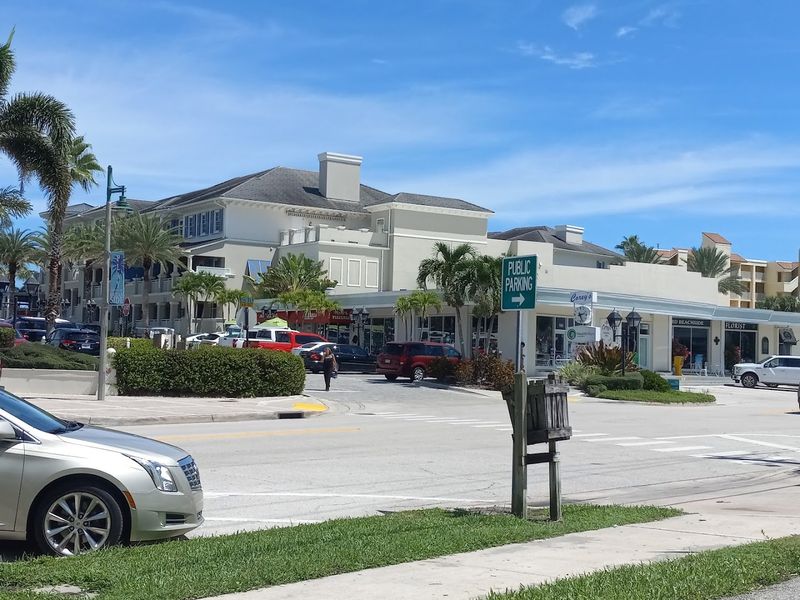
Not every coastal town protects its downtown from becoming a souvenir shop parade. Vero Beach has done something rare here, it actually stayed true to its roots.
The streets move at a pace that feels intentional. Boutique shops, local restaurants, and art galleries sit side by side without the aggressive commercial energy you find further south.
Ocean Drive near the beach has a personality of its own. Walkable blocks, ocean breezes, and low-rise buildings keep everything human-scaled and easy on the eyes.
Art is not an afterthought here. The Vero Beach Museum of Art sits near the lagoon and hosts rotating exhibitions that attract people with real cultural curiosity, not just rainy-day tourists killing time.
Outdoor dining comes with views that cost nothing extra. Good food, calm surroundings, no performance involved.
Community events fill the calendar all year. Farmers markets, outdoor concerts, art festivals.
They feel organic, not staged for visitors with cameras.
Vero Beach keeps commercial development deliberately limited. That is an unusual choice for a coastal town, and it is exactly why the downtown still has something worth visiting.
Riverside Park And Lagoon Views
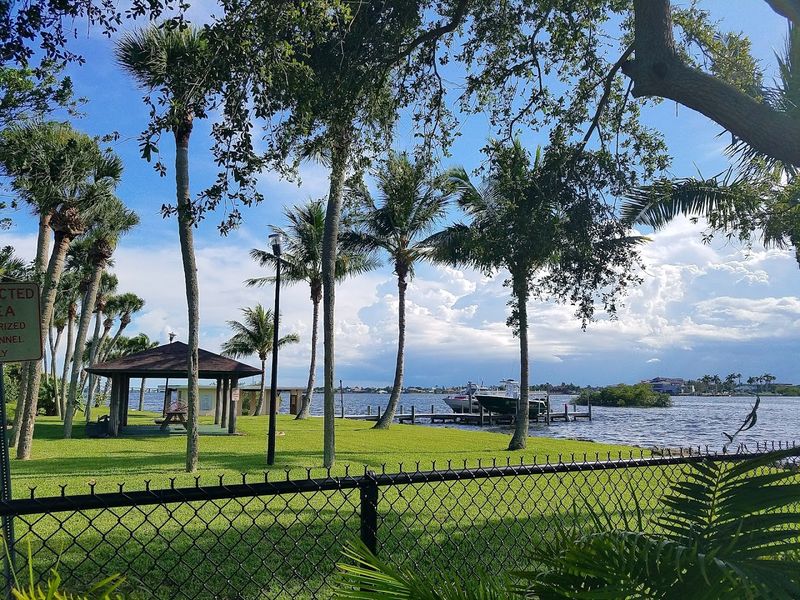
Waterfront parks in Florida range from spectacular to forgettable. Riverside Park in Vero Beach lands firmly on the spectacular end, especially when the afternoon light hits the lagoon just right.
The park sits along the Indian River Lagoon on the mainland side of town. Green lawns stretch toward the water’s edge, and the walking path along the shore gives you unobstructed views in both directions.
Families spread out on the grass while kayakers launch from nearby access points. The park handles multiple activities at once without ever feeling overcrowded or chaotic.
Mature oak trees provide shade that makes midday visits genuinely comfortable. Benches positioned along the waterfront let you sit and watch boat traffic drift by without any particular agenda.
The park connects naturally to the broader cultural district nearby. The Vero Beach Museum of Art is within easy walking distance, making an afternoon combining nature and culture surprisingly simple to plan.
Sunrise visits to Riverside Park carry a particular magic. The lagoon surface goes completely still in the early morning, and the light turns everything a soft shade of gold.
For anyone wanting to understand what makes this town feel different from other coastal spots, an hour at Riverside Park explains it better than any brochure ever could.