Most People Have No Idea This Incredible Sculpture Park Exists In Connecticut
Stumbling onto a place like this genuinely feels like winning some kind of secret lottery that most people don’t even know exists. Sculpture parks are already a pretty wonderful concept but one this impressive sitting right here with barely anyone talking about it feels almost surreal.
The scale of the work on display is unexpected and the setting it sits within makes the whole experience feel like walking through something between an art gallery and a dream.
Every piece demands attention in a different way and moving from one to the next has this natural unhurried rhythm that makes a couple of hours disappear without any effort at all.
Art lovers and outdoor enthusiasts both find something deeply satisfying here which is a rare combination to pull off this well.
Most people have absolutely no idea that this incredible Connecticut sculpture park even exists and that is genuinely one of the more surprising oversights around.
Discovering it feels like a personal victory every single time.
1. Why This Sculpture Field Feels Like A Hidden Discovery
Arriving here can feel a little confusing at first, and that is honestly part of the charm. The property looks more like a private farm than a public art destination, so visitors may pause for a moment and wonder if they made a wrong turn.
That surprise makes the reveal even better once the path leads around back and the sculptures begin to appear.
Parking is available in the driveway area out front, which keeps the visit simple from the start. After rounding the corner, the fields open up and the sense of discovery kicks in quickly.
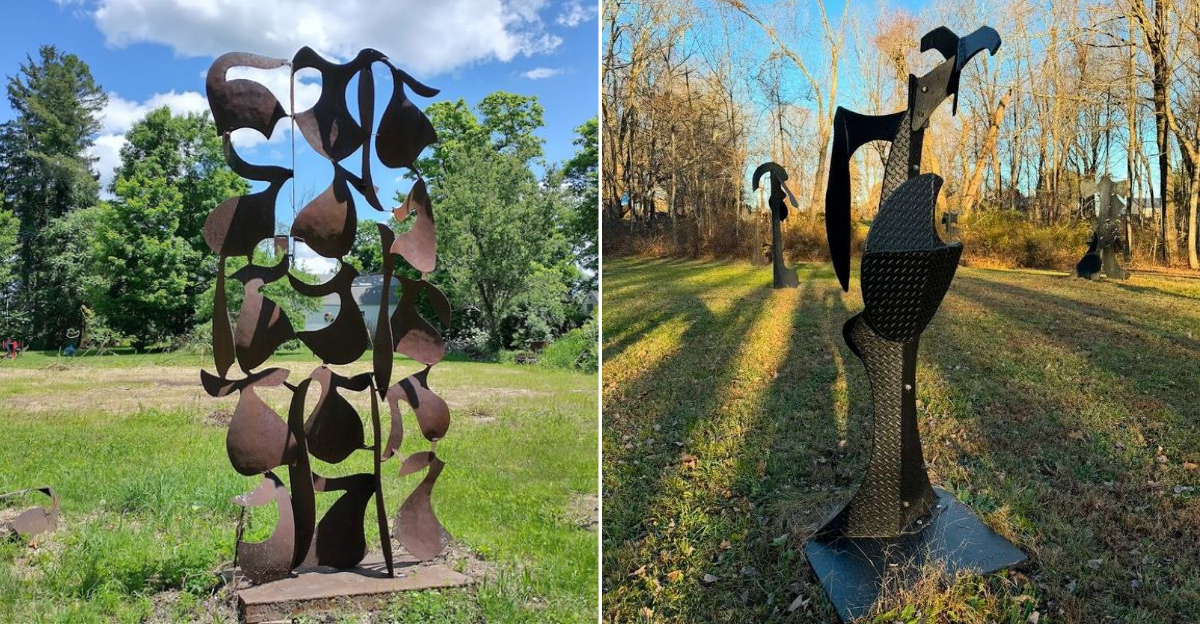
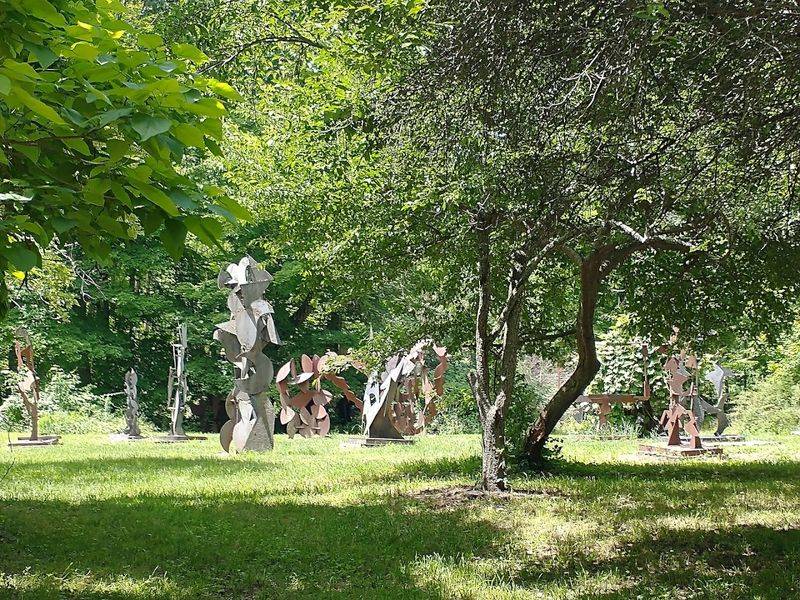
Large metal sculptures stand across the landscape in every direction, mixed among stone walls, tall grass, and open sky.
The experience feels refreshingly different from more structured public art spaces. No ticket booth waits at the entrance, no crowds push you along, and no gift shop signals the end of the visit.
A hand-drawn map is available near the entrance, letting visitors explore the grounds at their own pace.
The David Hayes Sculpture Fields can be found at 905 South St, Coventry, CT 06238. That informal, unhurried setup is a huge part of why the place stays in people’s minds long after they leave.
2. What Makes David Hayes’ Artwork So Memorable
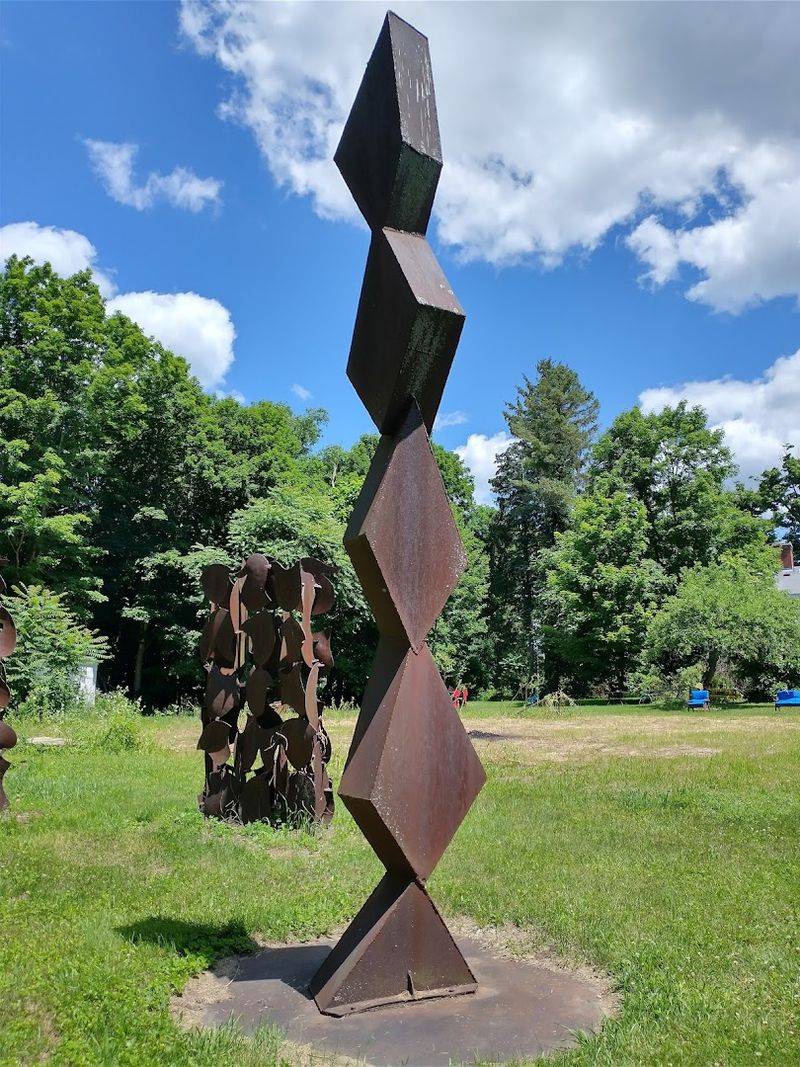
Steel and iron take on unexpected shapes at the David Hayes Sculpture Fields, where bold geometric forms lean, curve, and reach in ways that feel both deliberate and surprising.
The sculptures were created by David Hayes, an American artist whose career spanned several decades and whose work is represented in major museum collections across the country.
Seeing the pieces outdoors and at full scale adds a dimension that photographs simply cannot capture.
One of the most talked-about qualities of the work is how the sculptures change shape depending on where you stand. Walking around a single piece can reveal entirely different silhouettes, angles, and shadows that shift with the light.
That kind of visual layering keeps the walk interesting from start to finish.
Many of the sculptures have been on display in these fields since 1972, which means some carry visible signs of age and weathering. Donations left at the on-site lockbox go directly toward maintenance costs including primer, paint, sandblasting, and brushes.
The pieces feel lived-in rather than pristine, and that honest quality gives the collection a sense of real artistic history rather than a polished gallery presentation.
3. How The Open Landscape Shapes The Experience
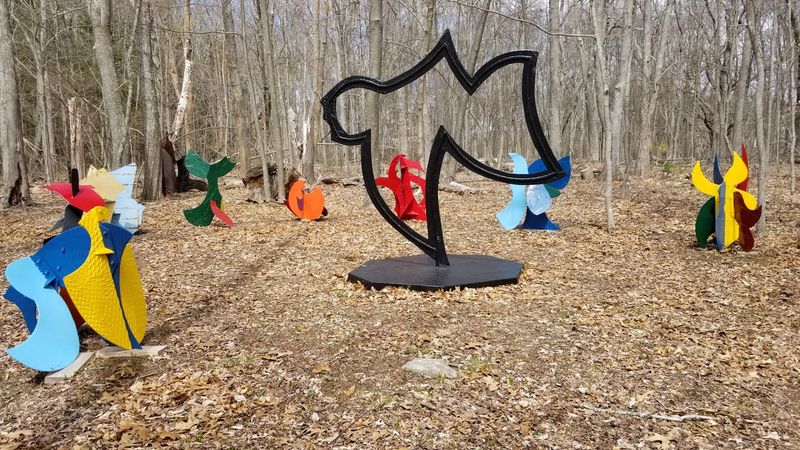
There are no walls here, no ceilings, and no climate control. The landscape itself becomes part of the art, with sculptures placed across meadows, along stone walls, and near a quiet pond that sits toward the back of the property.
The natural setting shifts constantly depending on the season, the weather, and the time of day.
On a clear morning, light catches the metal surfaces and throws long shadows across the grass. On an overcast afternoon, the same sculptures look heavier and more grounded against the muted sky.
That relationship between the artwork and the surrounding environment is something that changes every single visit.
Wildlife is part of the experience too, and white-tailed deer have been spotted moving through the fields on quieter days. The property covers more than a mile of walking along old farm trails, which means there is real ground to cover and genuine variety in what visitors encounter along the way.
The open air and the natural pacing of the walk give the whole experience a calm, unhurried rhythm that feels very different from a traditional indoor gallery. Spending an hour or two here tends to feel more like a nature walk with art woven through it than a formal museum visit.
4. Where To Find This Creative Coventry Escape
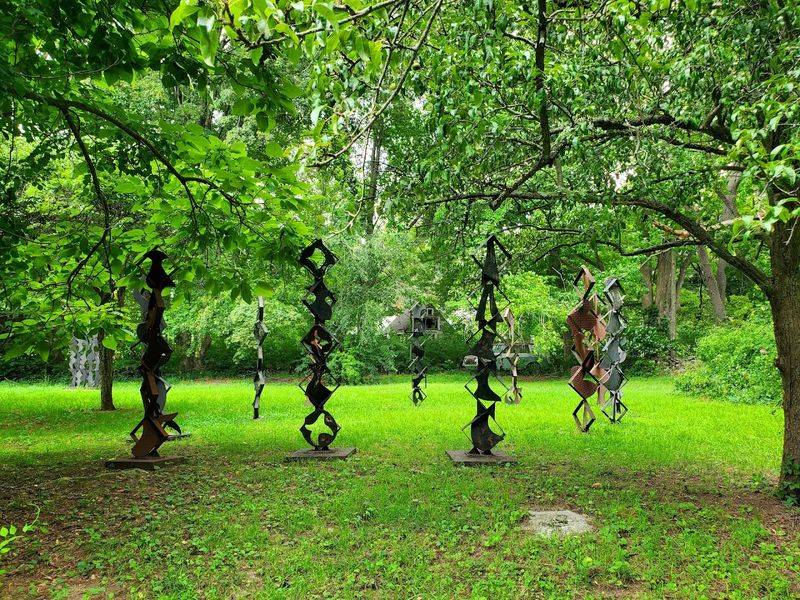
Finding the David Hayes Sculpture Fields for the first time can take a little patience since signage along the road is minimal. The location at 905 South St in Coventry sits on a property that blends into the surrounding rural landscape, which means GPS is genuinely helpful here.
Visitors are welcome to park in the driveway, and the path to the sculpture fields begins around the back of the property.
The grounds are open every day of the year from 9 AM to 5 PM, which makes planning a visit fairly flexible. Admission is free, though donations are strongly encouraged and a lockbox is available on-site for that purpose.
A printed map is also available near the entrance so visitors can get a sense of the full layout before heading out into the fields.
For anyone coming from outside of Coventry, the drive through the countryside adds to the overall experience. The area around Coventry has a quiet, rural character that fits well with the unhurried tone of the sculpture fields themselves.
5. Why It Is More Than A Typical Art Walk
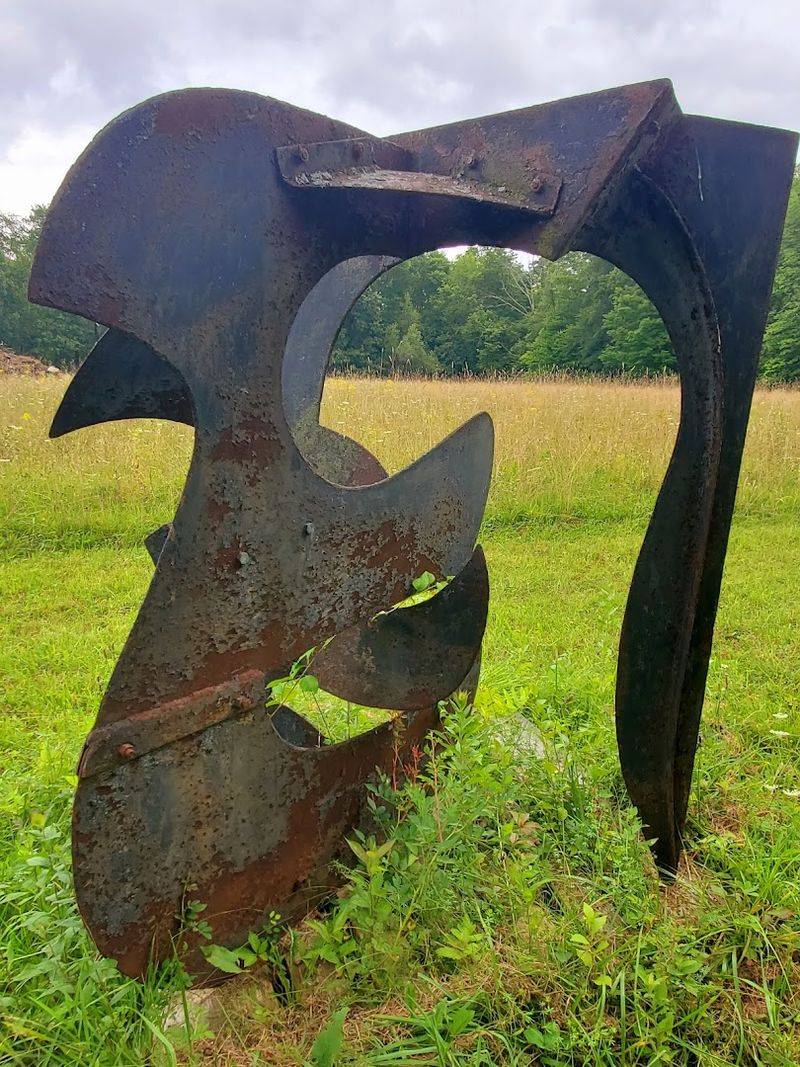
Most art walks follow a predictable format with labeled plaques, guided routes, and timed entry windows. The David Hayes Sculpture Fields skips all of that and offers something much more personal instead.
Visitors move through the property at their own pace, choosing which paths to follow and which sculptures to spend more time with.
The grounds include more than a mile of walking trails along old farm paths and beside stone walls that have been part of the property for generations. That combination of art history and agricultural history gives the place a layered quality that goes beyond what most outdoor galleries offer.
Some sculptures stand alone in the middle of a field while others appear unexpectedly around a bend in the trail.
There is also a pond on the property where visitors can stop and rest, and the spot has been described as a good place for a quiet picnic. The setting encourages lingering rather than rushing, which is a quality that feels increasingly rare in public spaces.
Families, solo walkers, and anyone who enjoys a slow and thoughtful outdoor experience tend to find that the sculpture fields offer something they were not fully expecting when they arrived. That element of genuine surprise is hard to replicate.
6. Best Times To See The Sculptures Outdoors
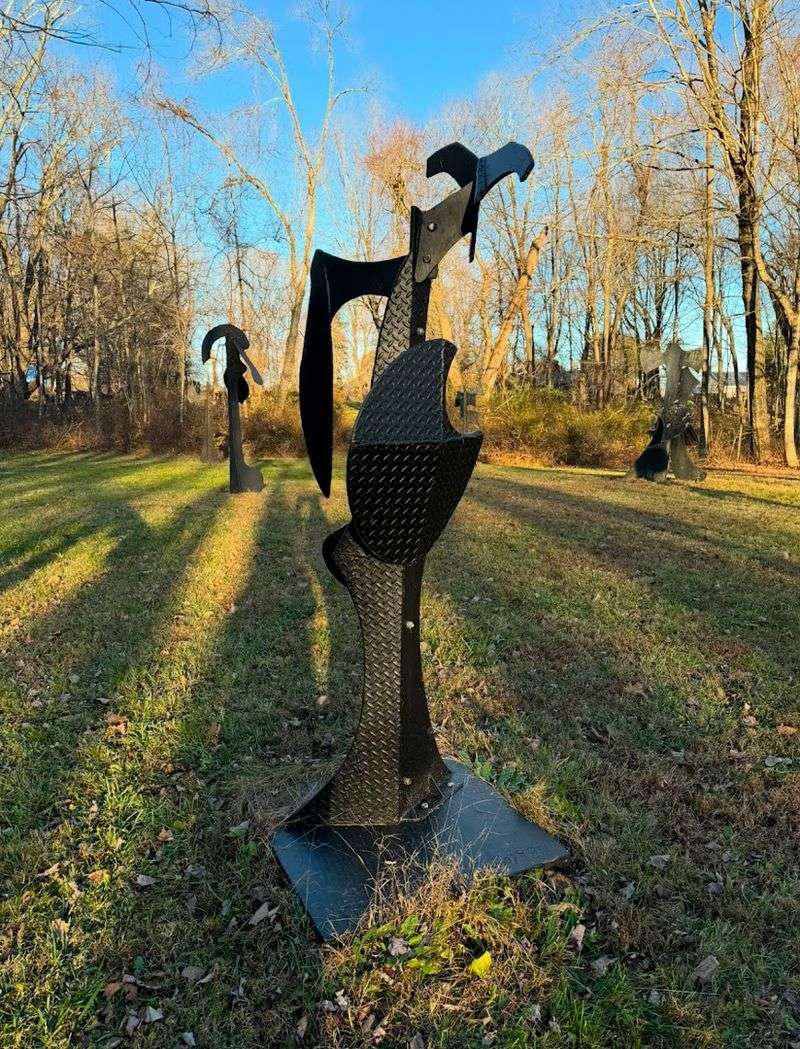
Morning hours tend to offer softer light that brings out texture and shadow across the metal surfaces in a way that midday sun does not. Arriving closer to the 9 AM opening time on a weekday also tends to mean fewer other visitors, which adds to the sense of quiet discovery.
Spring and early fall are particularly good seasons to visit because the fields are green and manageable without the full heat of summer. Late summer can bring taller grass throughout parts of the property, which changes how some sculptures sit within the landscape.
Winter visits are possible since the grounds are open year-round, and the bare trees and open sky can give the metal forms a strikingly different presence.
Weather conditions do affect the walkability of the trails, especially after heavy rain when some low-lying areas of the property may become wet or muddy. Wearing comfortable walking shoes with some grip is a practical choice regardless of the season.
The overall walk covers more than a mile, so allowing at least an hour and a half gives enough time to move through the fields without feeling rushed.
7. What Makes It Fun For A Slow Stroll
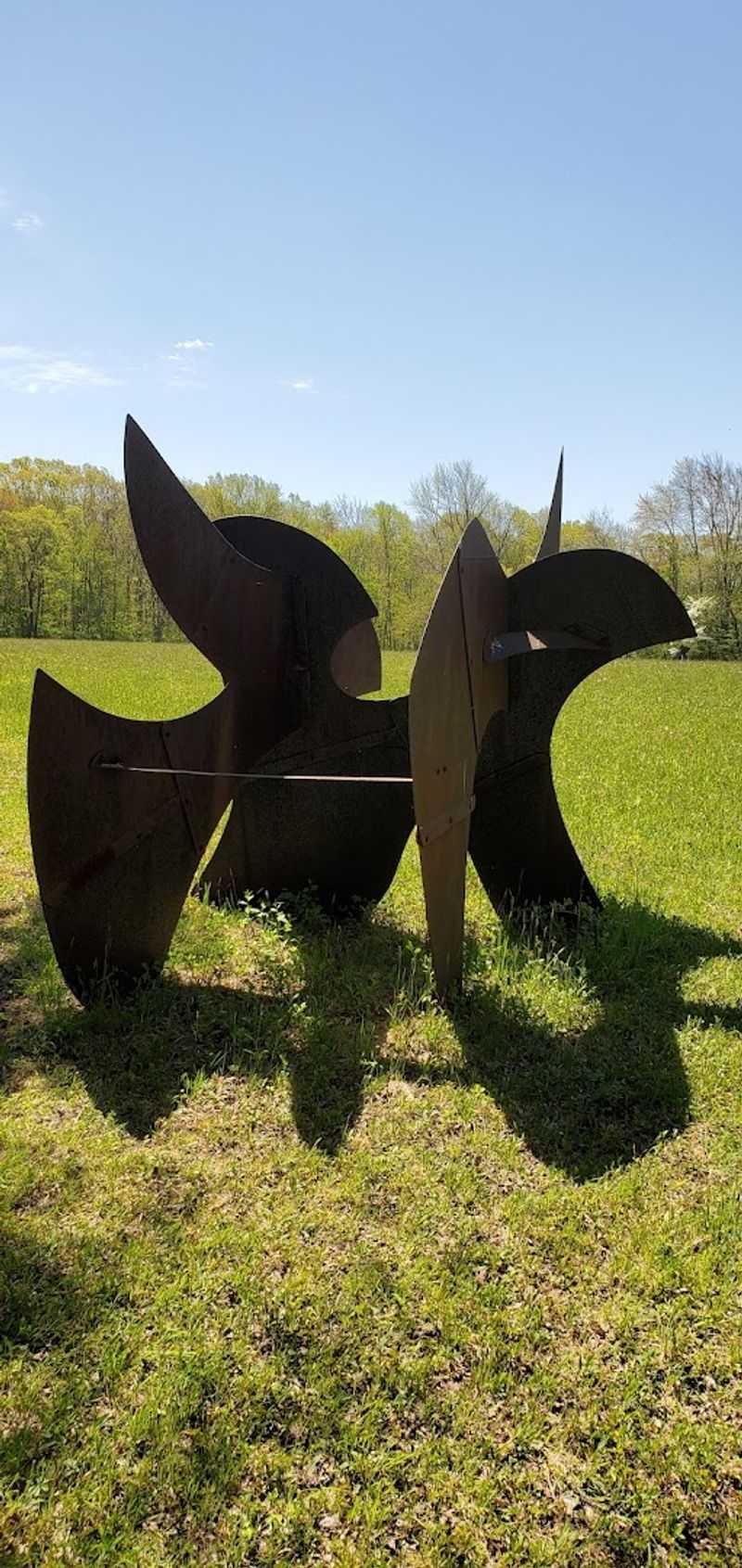
The sculptures are placed throughout the property in a way that encourages exploration rather than a single straight-line path, and the trails wind through different types of terrain including open fields, tree-lined sections, and areas near the pond.
Each sculpture tends to reveal something new when approached from a different angle, which makes backtracking or circling back feel worthwhile rather than repetitive.
Some pieces are large enough to walk around several times and still notice new details in the metalwork or the way the form catches the light.
That kind of visual engagement keeps the walk feeling active even when the pace is relaxed.
The property has a comfortable, unhurried atmosphere that makes it easy to stop, sit, or simply stand and look without feeling any pressure to keep moving. Benches or natural resting spots along the trail offer places to pause and take in the surroundings.
For anyone who enjoys the combination of light exercise and genuine visual interest, the sculpture fields offer a satisfying mix that does not require any special knowledge of art to appreciate fully. Curiosity is the only real requirement for a good visit here.
8. How Nature And Art Come Together Here
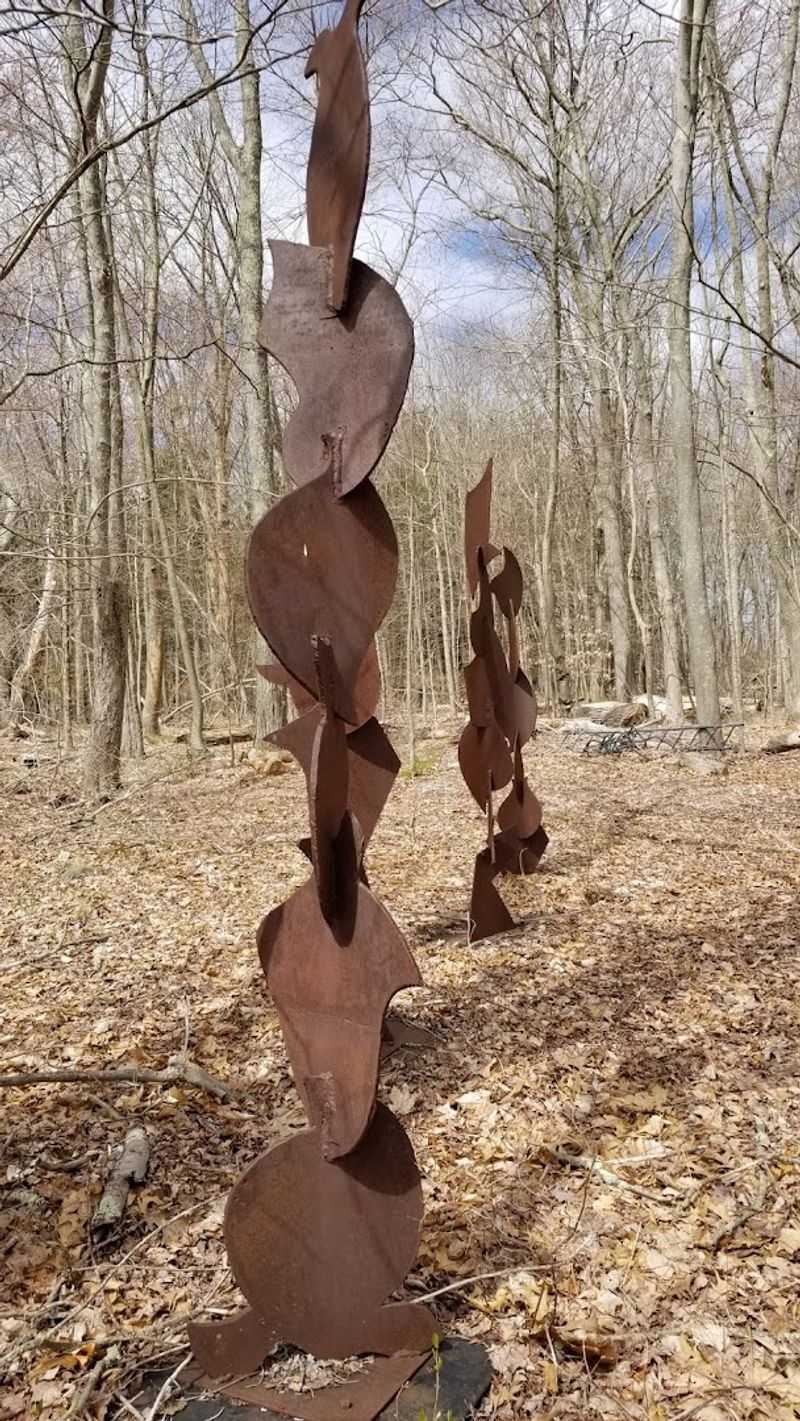
Placing large steel sculptures in the middle of working meadows and old farmland creates a kind of conversation between human creativity and the natural world that feels genuinely thoughtful. At the David Hayes Sculpture Fields, that relationship is not just decorative.
The land itself has a history, and the sculptures have been part of it since 1972, meaning they have weathered seasons, storms, and the slow changes of the landscape alongside the fields they occupy.
Grasses grow tall around the base of some pieces during warmer months, and wildflowers sometimes push up close to the metal forms in ways that look almost deliberate.
Birds and deer move through the property regularly, and the presence of wildlife adds an unpredictable, living quality to the experience that no indoor gallery could replicate.
The pond at the back of the property is one of the quieter spots on the grounds and offers a good place to stop and take in the surrounding scenery before heading back through the fields. The sound of wind moving through the grass and trees is a constant companion along the trails.
That combination of natural sound, open sky, and handmade metal forms gives the sculpture fields a sensory richness that builds slowly over the course of a visit rather than arriving all at once.
9. Why This Spot Still Surprises Connecticut Visitors
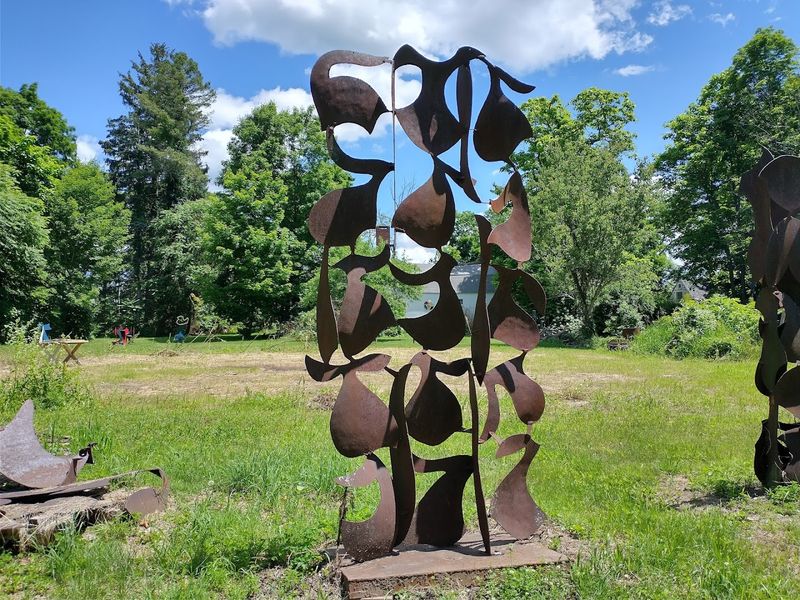
Even people who have lived in Connecticut for years often have no idea that a free outdoor sculpture park with decades of history exists in Coventry.
The David Hayes Sculpture Fields has been open to the public since 1972 and has never charged admission, yet it remains largely unknown outside of a small circle of art enthusiasts and local visitors.
That combination of longevity and obscurity is genuinely unusual.
Part of what keeps the place surprising is how much there is to see once visitors actually walk the full property.
The collection is large enough that a single visit may not cover every piece, and the changing seasons mean that returning in a different month can feel like a different experience altogether.
The informal setup also means that each visit has a slightly unpredictable quality.
For residents looking for a destination that feels genuinely off the beaten path, the sculpture fields offer something that few other public spaces in the state can match. There are no crowds to navigate, no timed entry slots to book, and no admission fee to budget for.
Just open fields, bold artwork, and the kind of quiet that makes it easy to slow down and actually pay attention. That combination tends to stay with people long after they have driven home.