10 Historic Connecticut Buildings That Transport You Back In Time
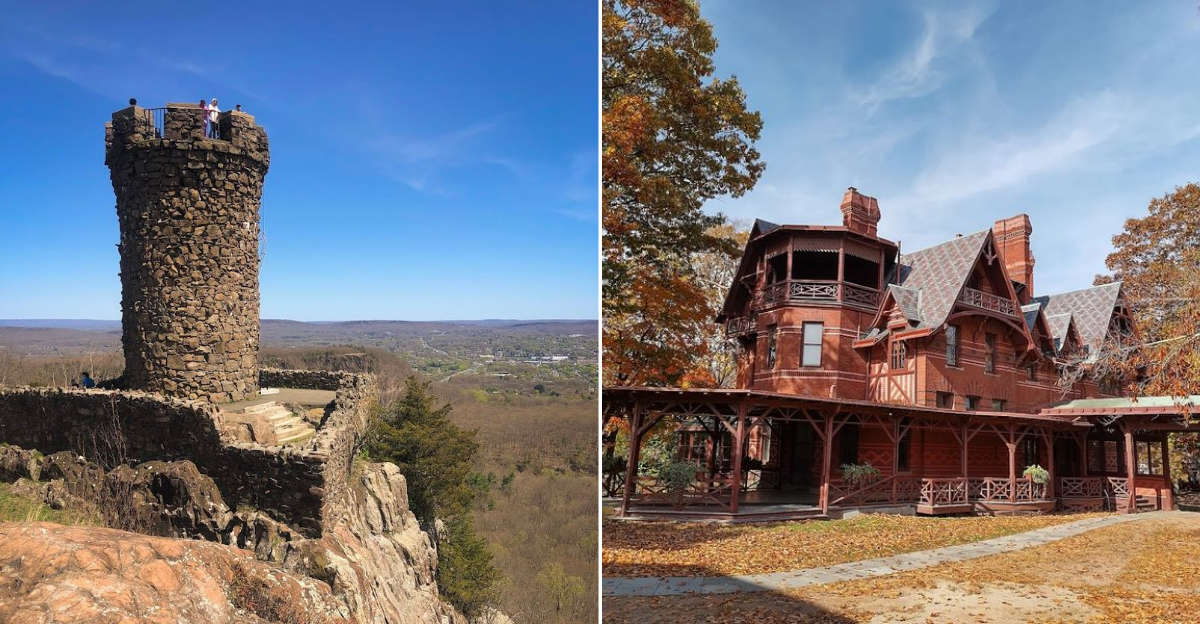
Step back in time and explore the captivating history of Connecticut through its stunning historic buildings. Each structure tells a story, from colonial-era homes to grand mansions that once hosted the state’s most influential figures.
As you wander through these architectural gems, you’ll be transported to another era, where every brick and beam holds a piece of the past. Whether you’re marveling at the intricate details of a 17th-century home or standing inside a grand, well-preserved mansion, these buildings offer a glimpse into Connecticut’s rich heritage.
Perfect for history buffs or anyone looking to experience the charm of yesteryear, these landmarks invite you to step into the past and experience the timeless beauty of Connecticut’s architectural history.
Ready to take a journey through time? These historic buildings are waiting to tell their stories.
1. Connecticut’s Old State House, Hartford

Few buildings in New England carry as much civic weight as this one. The Old State House, dating back to 1796, is the oldest state house in the country.
Designed by Charles Bulfinch, the same architect behind the U.S. Capitol, the building has an unmistakable presence along Main Street.
Stepping inside feels like walking into a civics lesson that actually holds your attention. The restored Senate Chamber and the Council Chamber both retain period furnishings that give a real sense of how early American government operated.
A Gilbert Stuart portrait of George Washington hangs prominently inside, adding to the historical weight of the space.
The building is open to the public and offers guided tours that go deep into Connecticut’s legal and political history. Weekday visits tend to be quieter, which allows for a more relaxed pace through the exhibits and rooms.
The Old State House stands at 800 Main St, Hartford, CT 06103, and the surrounding plaza makes for a pleasant stop before or after exploring downtown Hartford.
2. Nathan Hale Homestead Museum, Coventry
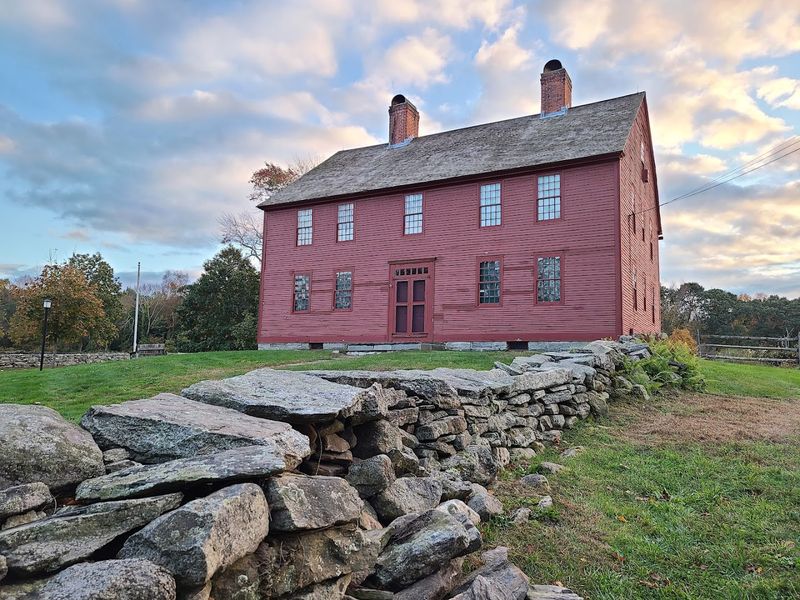
Standing quietly on a rural stretch of Coventry, this homestead carries the kind of calm that makes it easy to forget how dramatic its history really is. The address is 2299 South St, Coventry, CT 06238, and the property sits on land that belonged to the Hale family during the Revolutionary War era.
Nathan Hale, the American patriot executed by the British in 1776, grew up in a home on this very land.
The current structure was built in 1776 by his father, Deacon Richard Hale, and it reflects the practical, no-frills sensibility of colonial New England. Ten fireplaces warm the house, and the original woodwork and period furnishings throughout each room tell the story of daily life in 18th-century Connecticut.
The property is managed by the Antiquarian and Landmarks Society and is open seasonally for guided tours.
The surrounding grounds include gardens and outbuildings that round out the experience nicely. A visit here pairs well with a drive through the quiet countryside of Tolland County.
The atmosphere is unhurried, and the guides tend to share stories that go well beyond what is printed on any placard.
3. Bush‑Holley House, Cos Cob
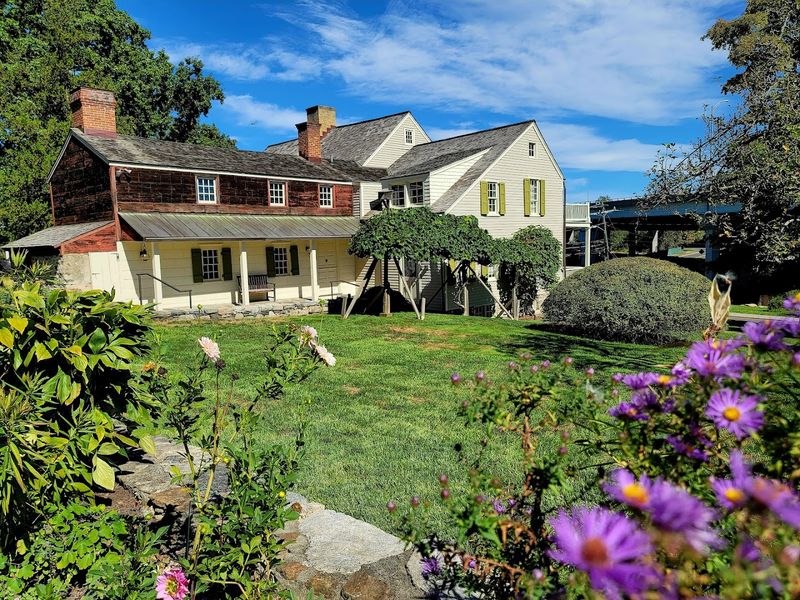
Art history and colonial architecture meet in a surprisingly compact package at this landmark along the Mianus River. The Bush-Holley House dates back to the late 1600s and served as a boarding house for American Impressionist painters around the turn of the 20th century.
Artists including Childe Hassam spent time here, making it one of the earliest American Impressionist art colonies in the country.
The house itself is a classic saltbox structure with weathered shingles and low ceilings that speak to its age. Inside, the rooms contain period furnishings alongside rotating exhibits that connect the building’s colonial roots to its later artistic legacy.
The blend of domestic history and fine arts history makes this site genuinely different from most historic houses in Connecticut.
The Greenwich Historical Society manages the property and offers guided tours that cover both the architectural and artistic significance of the site. The adjacent grounds slope gently toward the river and provide a peaceful setting for a short walk after the tour.
The Bush-Holley House is at 47 Strickland Rd, Cos Cob, CT 06807, and seasonal programming and special exhibitions are offered throughout the year, so checking ahead before visiting is a good idea.
4. Amos Bull House, Hartford
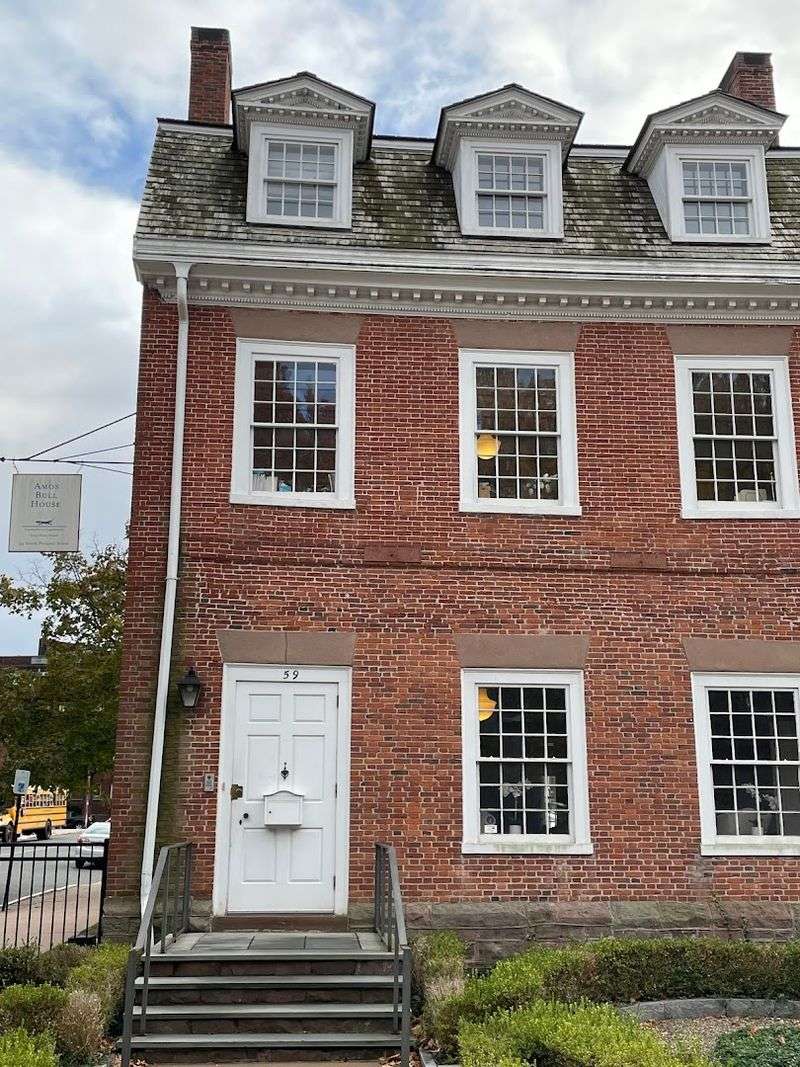
The Amos Bull House stands as one of Hartford’s older surviving residential structures, dating back to the late 18th century. Its Federal-style architecture reflects the refined sensibility that wealthy Hartford merchants brought to their homes during the post-Revolutionary period.
The house is associated with Amos Bull, a prominent Hartford merchant and civic figure of his era. The exterior retains much of its original character, with brick detailing and proportions that feel quietly dignified rather than showy.
Preservation efforts over the years have kept the structure in solid condition despite the pressures of urban development surrounding it. Visitors interested in Hartford’s architectural heritage often include this stop as part of a broader walking tour of the city’s historic districts.
The surrounding South Prospect Street area contains other period buildings that add context to the neighborhood’s layered history. The Amos Bull House is at 59 S Prospect St, Hartford, CT 06106.
Checking with local historic preservation organizations before visiting is recommended to confirm current access and tour availability.
5. Fort Nathan Hale, New Haven
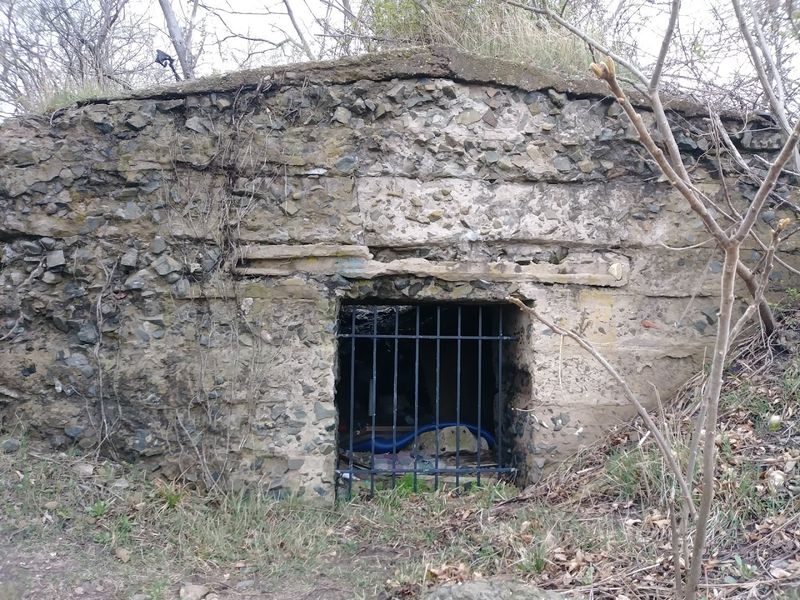
Overlooking New Haven Harbor from a grassy point, this fort offers one of the more dramatic outdoor history experiences in the state. Situated at 36 Woodward Ave, New Haven, CT 06512, Fort Nathan Hale is a reconstructed Civil War-era earthwork fort built on the site of an original Revolutionary War fortification.
The combination of layered military history and open waterfront views makes it a compelling destination for history enthusiasts and families alike.
The reconstructed fort includes wooden palisade walls, cannon emplacements, and period signage that explains how the site was used to defend New Haven Harbor during multiple conflicts. Walking through the earthworks gives a tangible sense of how soldiers lived and worked in field fortifications during the 1800s.
The adjacent Black Rock Fort site adds another layer of Revolutionary War history to the visit.
Admission is free, and the park is open seasonally during warmer months. The grounds are largely flat and easy to walk, making it accessible for most visitors.
Picnic areas nearby make it a natural choice for a longer afternoon outing. Arriving on a clear day rewards visitors with sweeping views across the harbor toward Long Island Sound.
6. Buttolph‑Williams House, Wethersfield
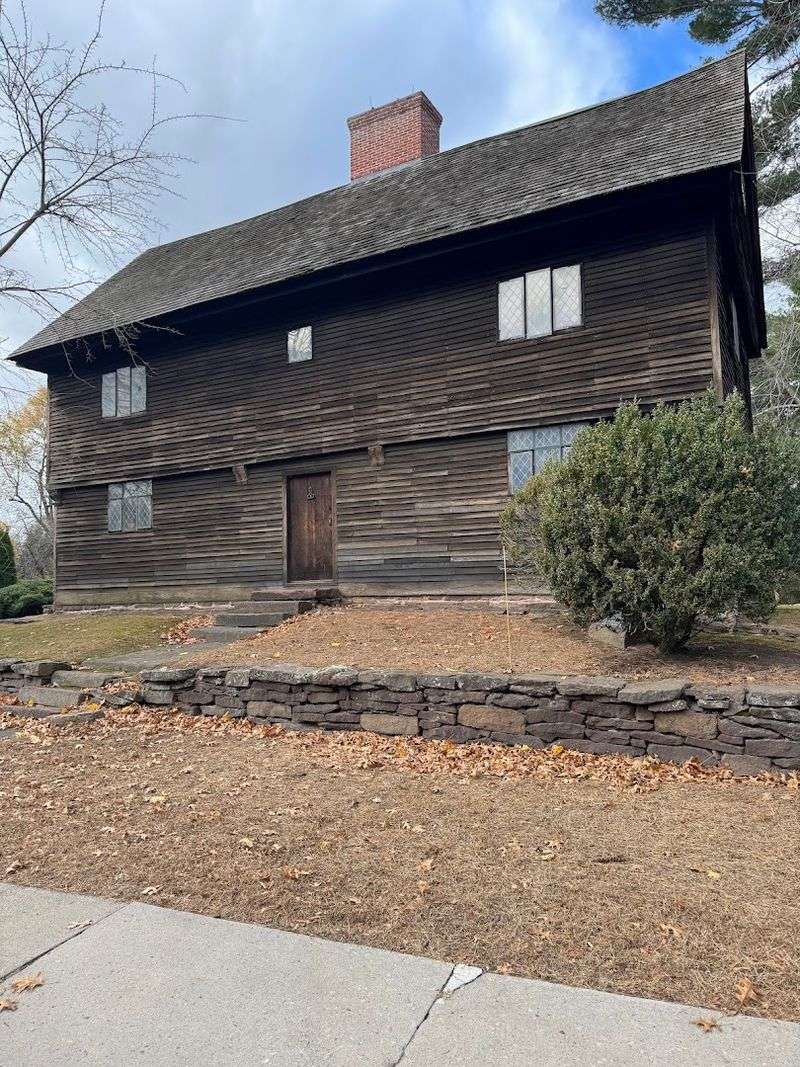
Among the oldest surviving houses in Connecticut, this one has a presence that feels genuinely ancient compared to most colonial-era buildings. Located at 249 Broad St, Wethersfield, CT 06109, the Buttolph-Williams House was built around 1711 and stands as one of the best-preserved examples of early 18th-century New England domestic architecture in existence.
Its dark clapboard exterior, massive central chimney, and steeply pitched roof give it a brooding, austere quality that is instantly striking.
The interior has been carefully restored to reflect life in early colonial Connecticut, with period furnishings, cooking implements, and textiles that bring the era to life in concrete, tactile ways. The great hall and the keeping room feel particularly authentic, with low ceilings and wide plank floors that creak underfoot.
Young readers may recognize the house from the novel The Witch of Blackbird Pond by Elizabeth George Speare, which is set partly in Wethersfield.
The house is managed by Connecticut Landmarks and is open for guided tours during select seasons. Wethersfield itself is one of the oldest towns in Connecticut, so the surrounding historic district offers plenty of additional walking and exploration after the tour concludes.
7. Weir Farm National Historical Park, Wilton
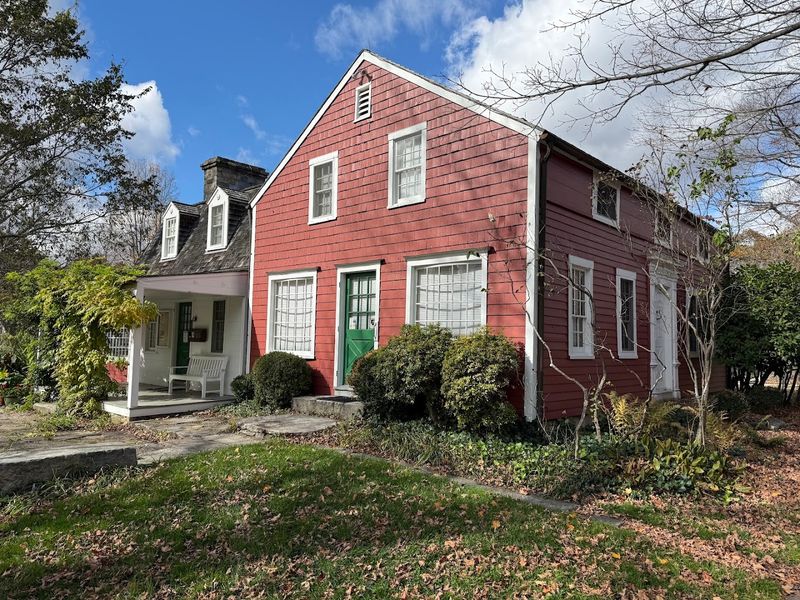
Art, nature, and history blend together at this unique national park in a way that feels genuinely unhurried and restorative. It preserves the working farm and studios of American Impressionist painter J.
Alden Weir, who used the landscape here as inspiration for decades of painting. The park is the only national park in the United States dedicated to American painting.
The property includes the original farmhouse, several historic outbuildings, and Weir’s painting studios, all of which are open to visitors during park hours. Walking the grounds with a trail map in hand reveals many of the same views that appear in Weir’s canvases, creating a rewarding connection between the landscape and the artwork.
The terrain is gently rolling and well-suited to a leisurely walk of an hour or two.
Ranger-led tours and self-guided options are both available, and the visitor center provides helpful context before setting out on the grounds. The park is open year-round, though some buildings have seasonal hours.
Visiting in late spring or early fall tends to offer the most comfortable walking conditions and the most visually striking light across the meadows. The park is at 735 Nod Hill Rd, Wilton, CT 06897.
8. Castle Craig, Meriden
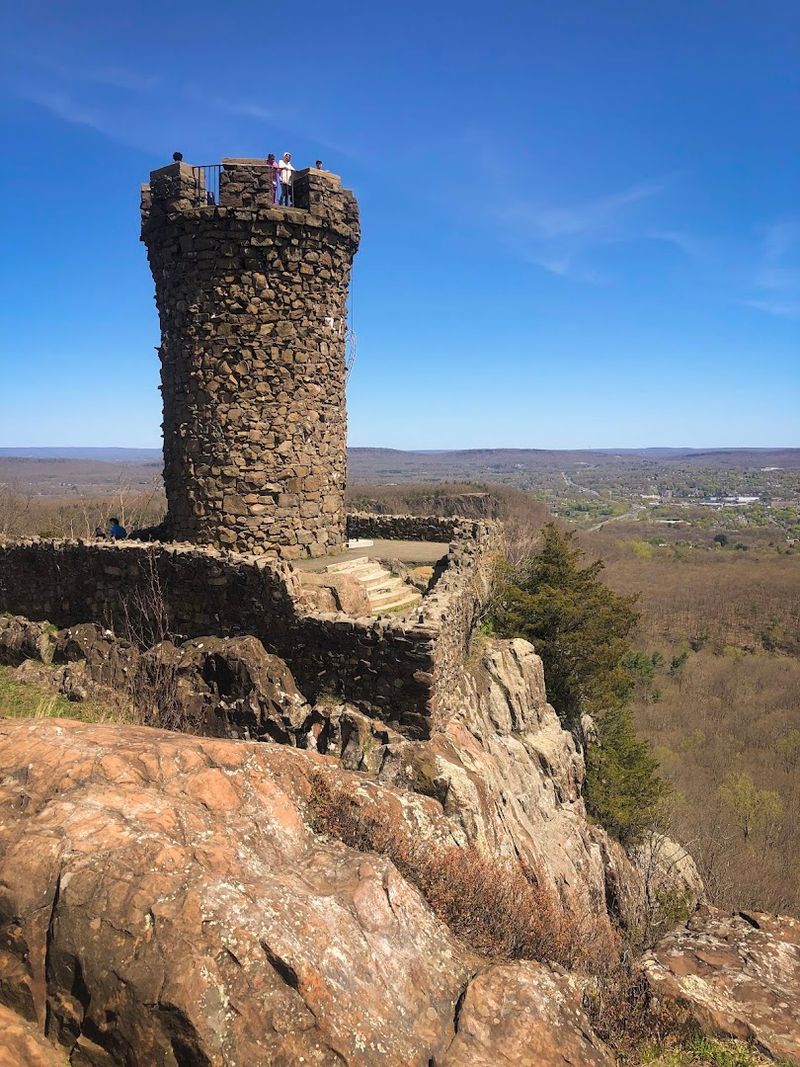
Perched on the summit of East Peak in the Hanging Hills of Meriden, Castle Craig is one of those landmarks that manages to feel both medieval and quintessentially New England at the same time. The tower stands at W Peak Dr, Meriden, CT 06450, and was built in 1900 by industrialist Walter Hubbard, who donated it and the surrounding land to the city of Meriden as a public gift.
At an elevation of roughly 1,000 feet above sea level, the views from the top stretch across the Connecticut River Valley on clear days.
The tower itself is built from local trap rock and rises about 32 feet, with an interior staircase that leads to an open observation platform at the top. The climb is short but the payoff is substantial, with sweeping vistas that extend toward Long Island Sound on exceptionally clear days.
The surrounding Hubbard Park offers picnic areas, a pond, and miles of hiking trails that make for a full day of outdoor exploration.
The road to the summit is open seasonally, typically from April through November, with specific hours that vary by time of year. Foot traffic tends to be heaviest on weekend afternoons, so arriving earlier in the day allows for a more peaceful experience at the top.
9. Hyland‑Wildman House Museum, Guilford
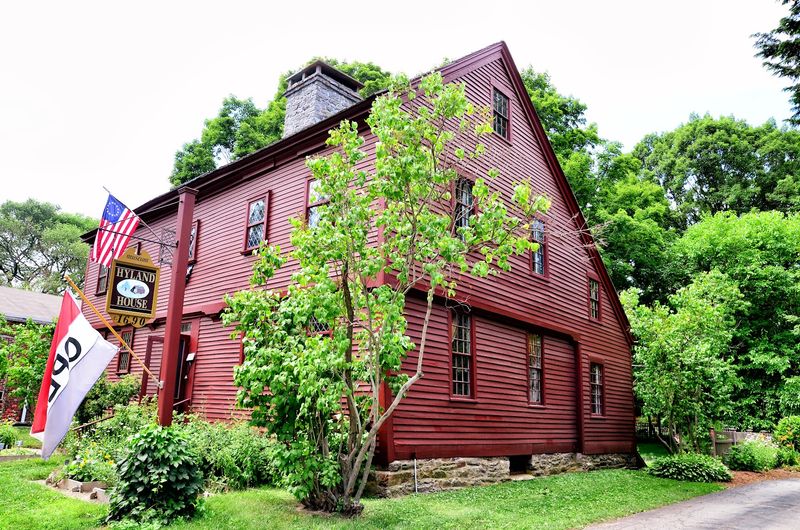
One of the oldest surviving wooden structures in the United States sits quietly on a residential street in Guilford, looking almost unchanged from the day it was built. Constructed around 1660, the Hyland-Wildman House is one of the earliest examples of New England saltbox architecture still standing.
Its dark, weathered exterior and sharply sloping rear roofline are immediately recognizable as classic 17th-century construction.
Inside, the rooms are spare and low, with wide plank floors and massive structural beams that speak to the craftsmanship and resourcefulness of early settlers. The original casement windows, with their small leaded panes, let in a filtered, amber-toned light, adding an almost atmospheric quality to the interior.
Period furnishings throughout reflect the modest yet functional domestic life of colonial Guilford.
The house is managed by the Guilford Keeping Society and is open for tours during the summer and early fall months. The historic town green of Guilford is just a short walk away, making it easy to combine this visit with a broader exploration of the town’s colonial heritage.
The pace here is slow and contemplative, which suits the age and character of the building perfectly. The house stands at 84 Boston St, Guilford, CT 06437.
10. The Mark Twain House & Museum, Hartford
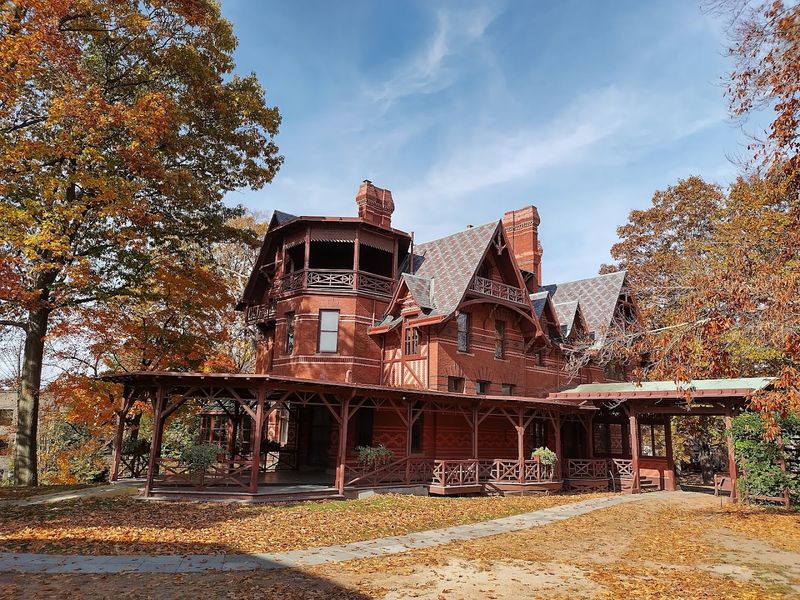
There is something undeniably theatrical about the house that Samuel Clemens built for his family in 1874. Situated at 351 Farmington Ave, Hartford, CT 06105, the Mark Twain House is a stunning example of High Victorian Gothic architecture that looks more like a stage set than a family home.
The ornate brick exterior with its decorative porch and patterned roof tiles makes an immediate impression.
Inside, the rooms feel lived-in and personal rather than stiff or museum-like. The original interiors were designed by Louis Comfort Tiffany and his associates, so the decorative details throughout the house are genuinely extraordinary.
The library, the billiard room, and the children’s nursery all speak to a family that valued beauty, creativity, and comfort in equal measure.
Tours are available most days and typically last around an hour. The adjacent museum building provides deeper context about the author’s life and the era in which he lived.
Parking is available on-site, and the grounds are walkable and well-maintained. Visiting on a weekday morning tends to offer a calmer experience before larger group tours arrive later in the day.