The Huge Thrift Store In Connecticut With Countless Finds For Less Than $40
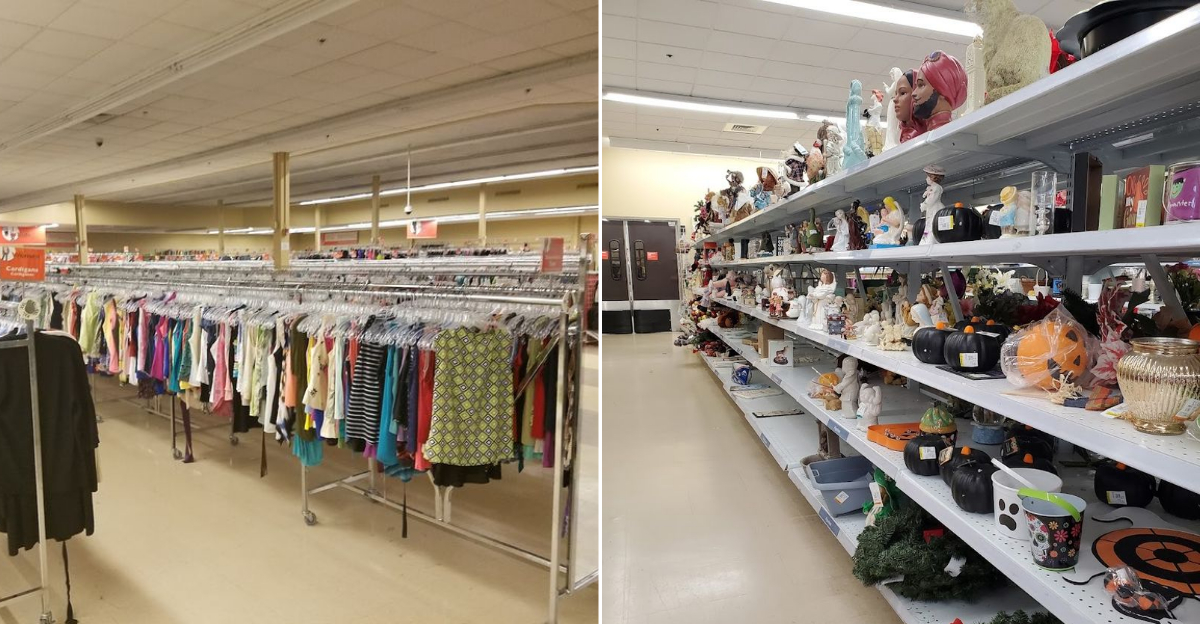
Okay forty dollars walking into this place feels like a completely different amount of money than it does anywhere else and that is the honest truth.
The size of this thrift store hits you immediately and then you start browsing and suddenly it is an hour later and your arms are full of things you weren’t expecting to love this much.
The inventory is constantly rotating which means every single visit has this genuinely exciting unpredictability to it that keeps people coming back way more than they planned to.
Finding something incredible for next to nothing never loses its appeal and this store delivers that feeling on a very reliable basis.
This huge Connecticut thrift store is packed with countless finds for under forty dollars and the deals here are genuinely hard to believe until you see them yourself. Walking out empty handed is technically possible but nobody ever actually pulls it off.
1. Where This Giant Route 1 Thrift Stop Sits In Orange
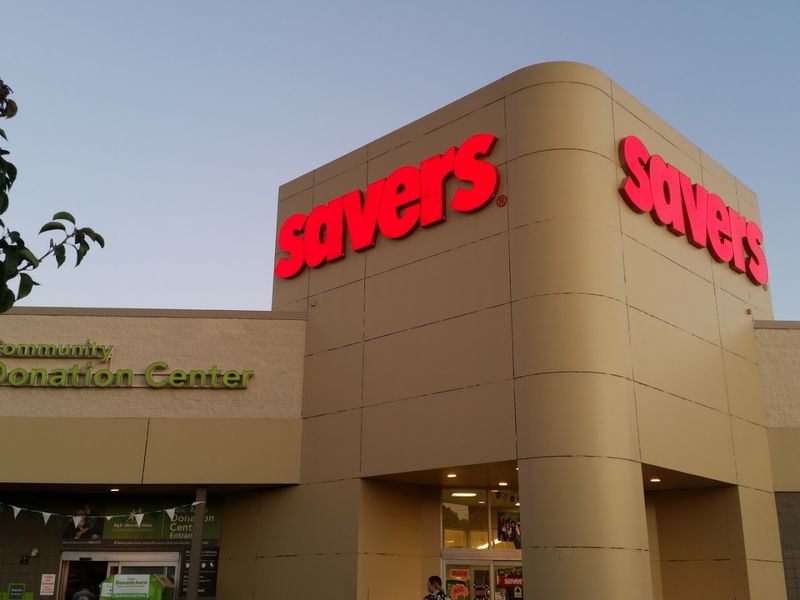
Along one of the state’s busiest commercial corridors, this large thrift store makes bargain hunting easy to fit into almost any errand run. Route 1 connects several surrounding towns, which makes the shop accessible from places like West Haven, Milford, and Derby without requiring highway travel.
Retail stores line both sides of the road here, creating a dense stretch of shops and plazas that already draws steady traffic throughout the week.
The store occupies a large standalone space that is easy to spot from the road, and the parking lot out front gives shoppers room to pull in without much hassle during off-peak hours.
Hours are generous too, with the shop open Monday through Saturday from 9 AM to 9 PM and on Sundays from 10 AM to 7 PM, giving shoppers a solid window of time to visit on almost any day of the week.
The surrounding area has plenty of other stops nearby, so combining a thrift run with other Route 1 errands makes for an efficient outing. Savers is at 130 Boston Post Rd, Orange, 06477, right on Route 1.
That easy access is part of what makes this location such a practical stop for a big treasure hunt.
2. Why The Aisles Feel Like A Full Treasure Hunt
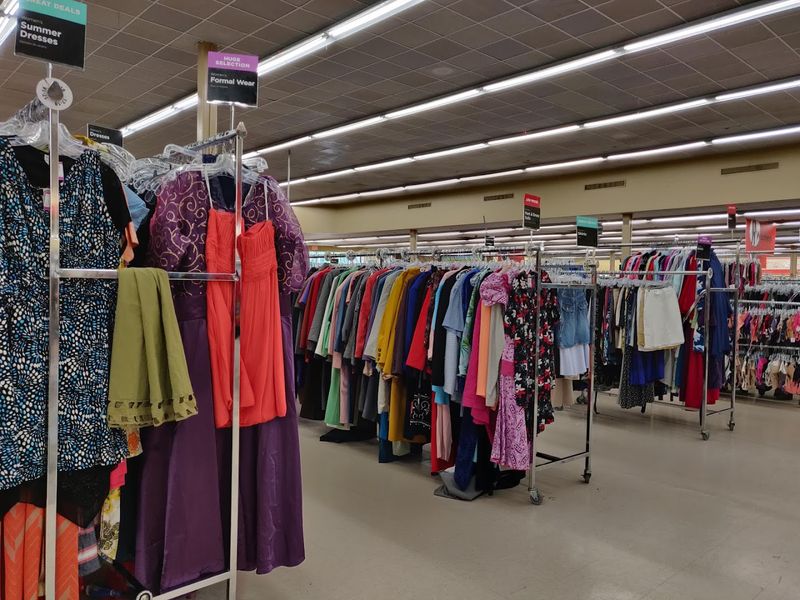
The first look inside brings that classic thrift-store rush, where every aisle feels full of possibilities and the sheer amount of merchandise is exciting in the best way.
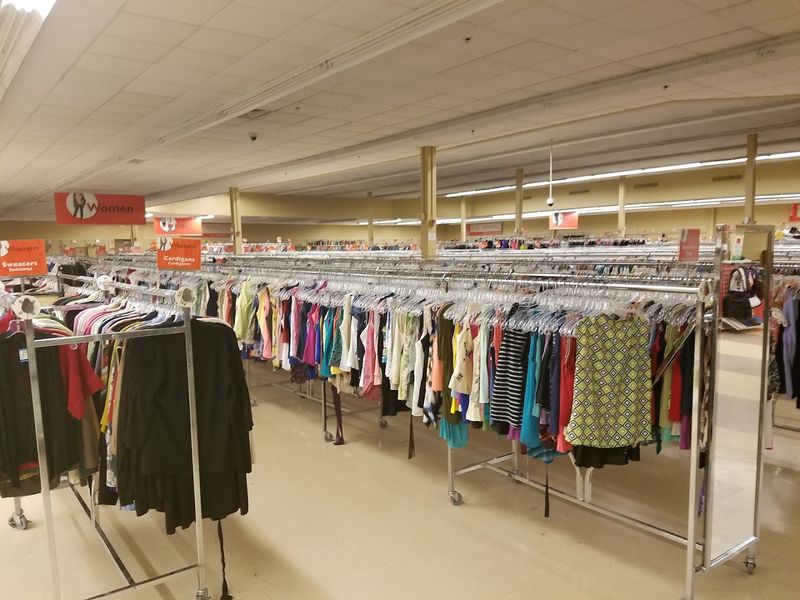
Racks of clothing stretch in long rows sorted loosely by category and color, while shelves along the walls hold everything from ceramic mugs to board games with all the pieces still inside.
The layout rewards shoppers who slow down rather than rush, because items are rotated frequently and the stock shifts from visit to visit.
Finding something genuinely useful or surprisingly cool here tends to happen when a shopper gives the aisles a full pass rather than scanning quickly from the end of a row.
Housewares sit in a different zone from clothing and books, so moving through each section with fresh eyes keeps the experience from feeling repetitive.
The unpredictability is honestly part of the appeal, since no two visits tend to look the same.
Shoppers who enjoy the hunt more than a guaranteed find tend to leave the most satisfied, because the store rewards patience and a loose plan rather than a rigid shopping list.
3. What To Check First For Under-$40 Finds
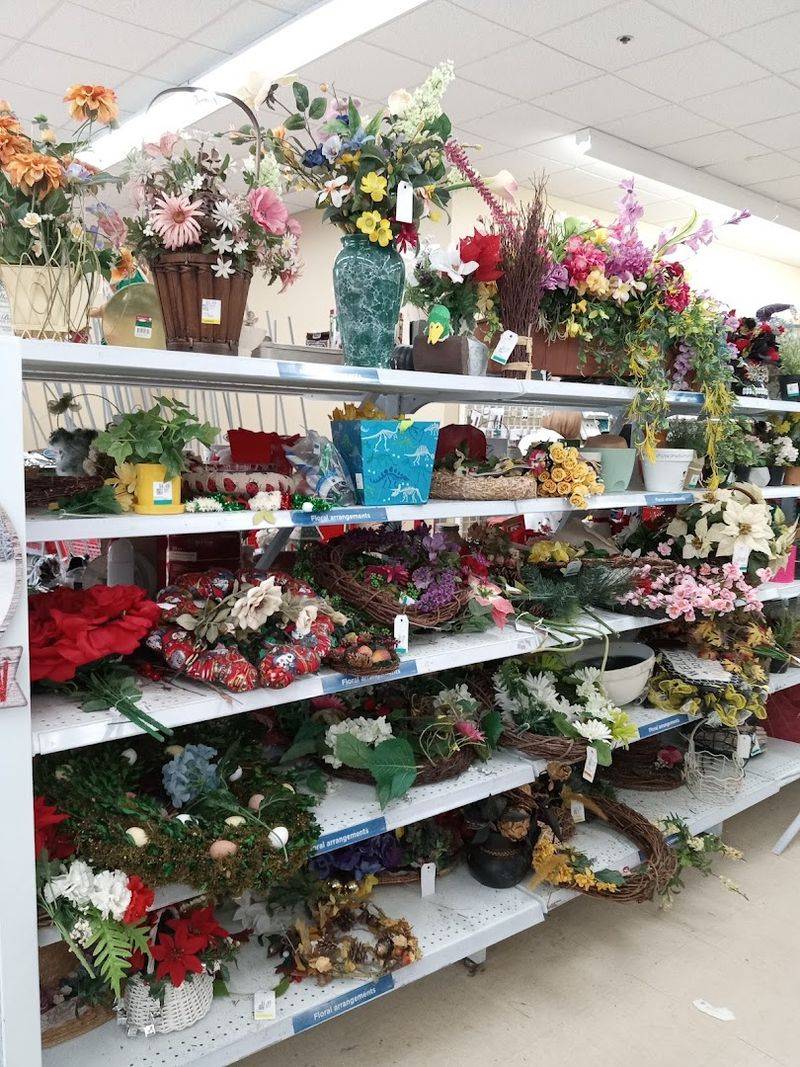
The front counter area near the entrance tends to hold some of the more curated items in the store, including things like brass decorative pieces and small collectibles that staff have set aside.
Checking that display case early in a visit can turn up items that might otherwise get overlooked deeper in the store.
Prices in that section tend to run a bit higher than the general floor, but many pieces still land well under the $40 mark depending on what is currently on display.
For clothing, the color-coded tag system at Savers can work in a shopper’s favor when certain colors are marked down for the week.
Checking the posted sign near the entrance or asking a staff member which tag color is currently discounted can shave a few dollars off an already low price.
Tops and bottoms in the clothing section regularly fall between $4 and $12, making it easy to build a full cart without crossing the $40 threshold.
Housewares and kitchen items also tend to offer strong value, with mugs, plates, and small appliances often priced between $2 and $15. Browsing those shelves early in the visit before the best pieces get picked up makes a practical difference.
4. How Clothing, Books, Housewares, And Décor Fill The Store
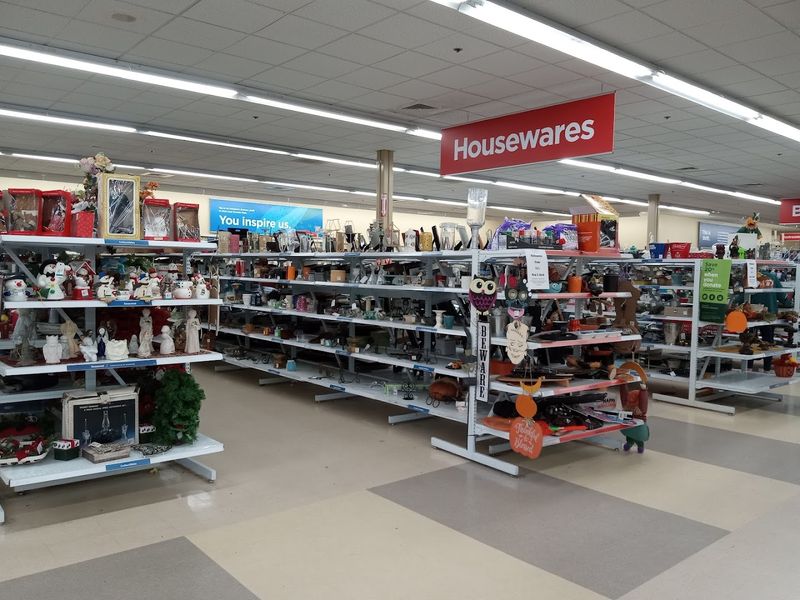
Clothing takes up the largest footprint inside the store, with sections split between men’s, women’s, and children’s items sorted by size and type.
Tops, pants, jackets, and even formal wear all have dedicated racks, which makes it easier to zero in on a specific category rather than sorting through everything at once.
The selection changes regularly as new donations come in and older items cycle out.
Books occupy their own shelving area and tend to include a mix of paperback fiction, hardcovers, children’s books, and the occasional reference title. Prices on books usually run between $1 and $3, making it one of the most budget-friendly corners of the store.
Shoppers who read regularly often find that a single pass through the book section pays off without much effort.
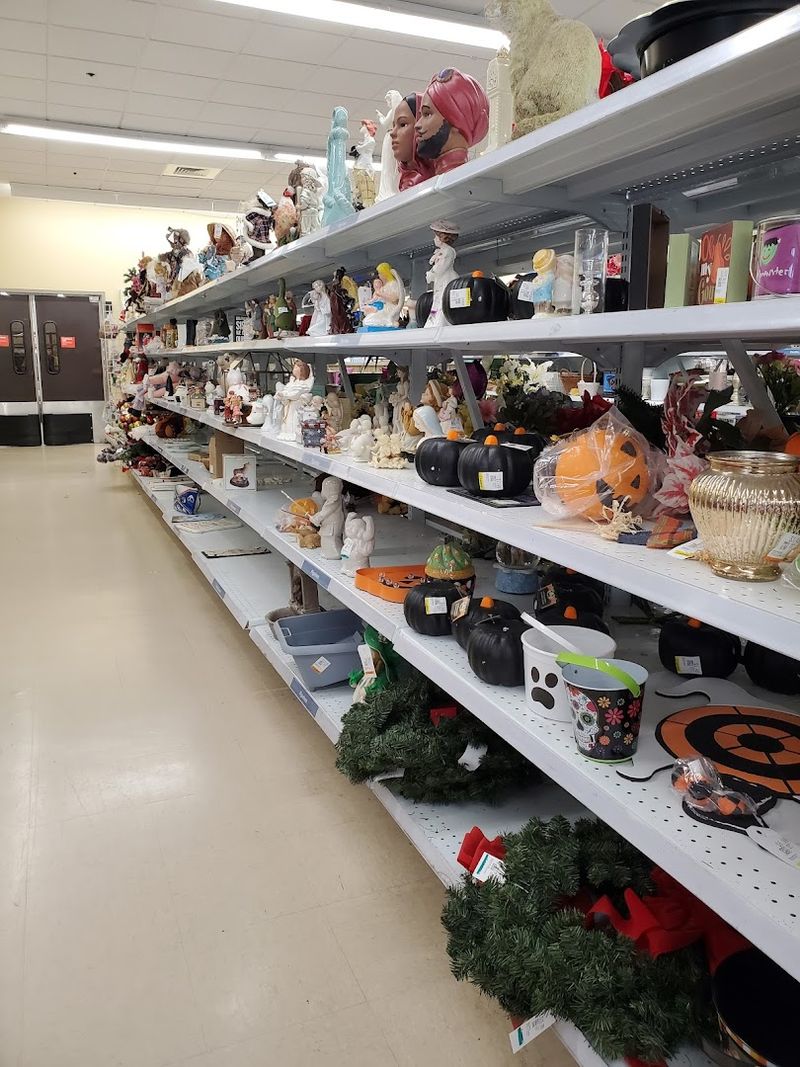
Home décor and housewares fill out the back sections of the store with items like picture frames, vases, candles, small furniture pieces, and kitchen tools. The décor section in particular can turn up interesting finds for people who enjoy styling a space on a tight budget.
Furniture and larger items appear occasionally but availability varies, so those pieces tend to move quickly when they do show up on the floor.
5. When To Visit For The Best Browsing Time
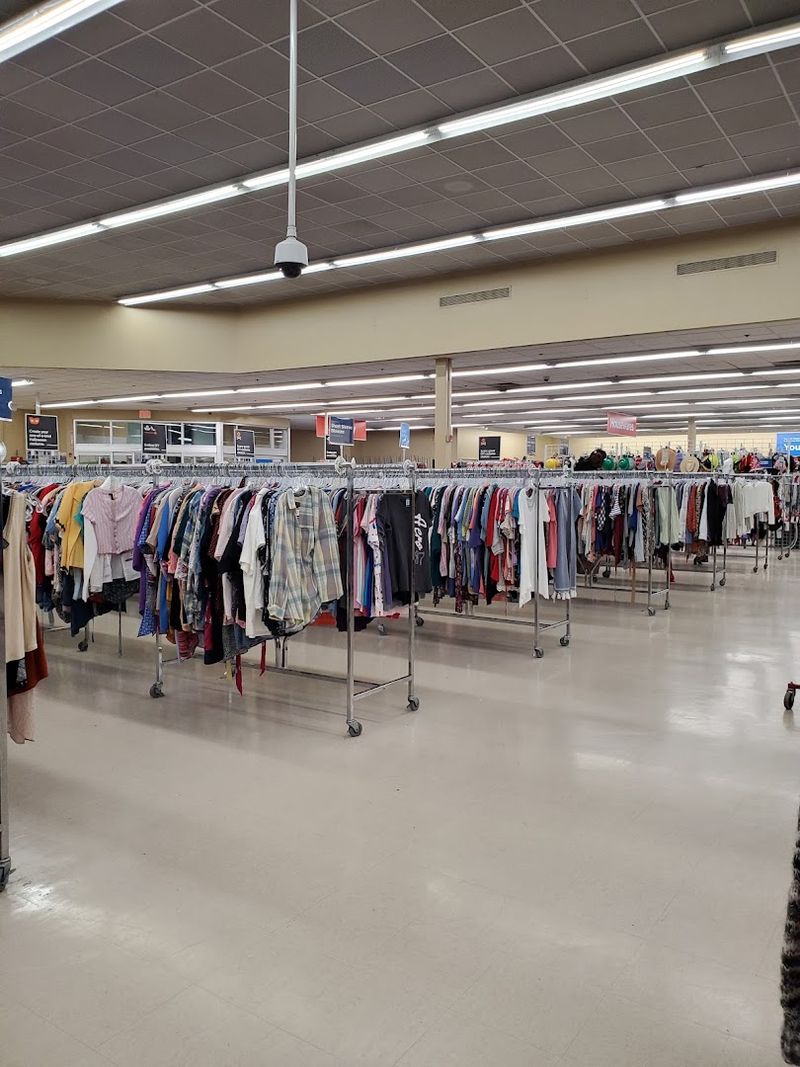
Weekday mornings tend to offer the most comfortable browsing experience at this location, with fewer shoppers in the aisles and more room to move through sections at a relaxed pace.
The store opens at 9 AM Monday through Saturday, which means arriving close to opening time gives shoppers the first look at whatever has been put out on the floor since the previous day.
Early visits also mean less competition for the better pieces before other regulars have a chance to pick through the racks.
Saturday mornings can get noticeably busier as the weekend draws more foot traffic from surrounding towns. The parking lot tends to fill up faster on weekends, and the aisles near clothing and housewares can feel tighter during peak afternoon hours.
Shoppers who prefer a quieter experience may find that a Tuesday or Wednesday morning visit hits the right balance of fresh stock and manageable crowds.
Tuesdays are also worth noting for shoppers aged 55 and older, as the store has offered a senior discount on that day, though confirming the current discount details at checkout before shopping is always a smart move.
Arriving with a flexible schedule rather than a strict time limit tends to make the whole visit feel more enjoyable and less rushed.
6. Why Vintage Lovers Should Slow Down Here
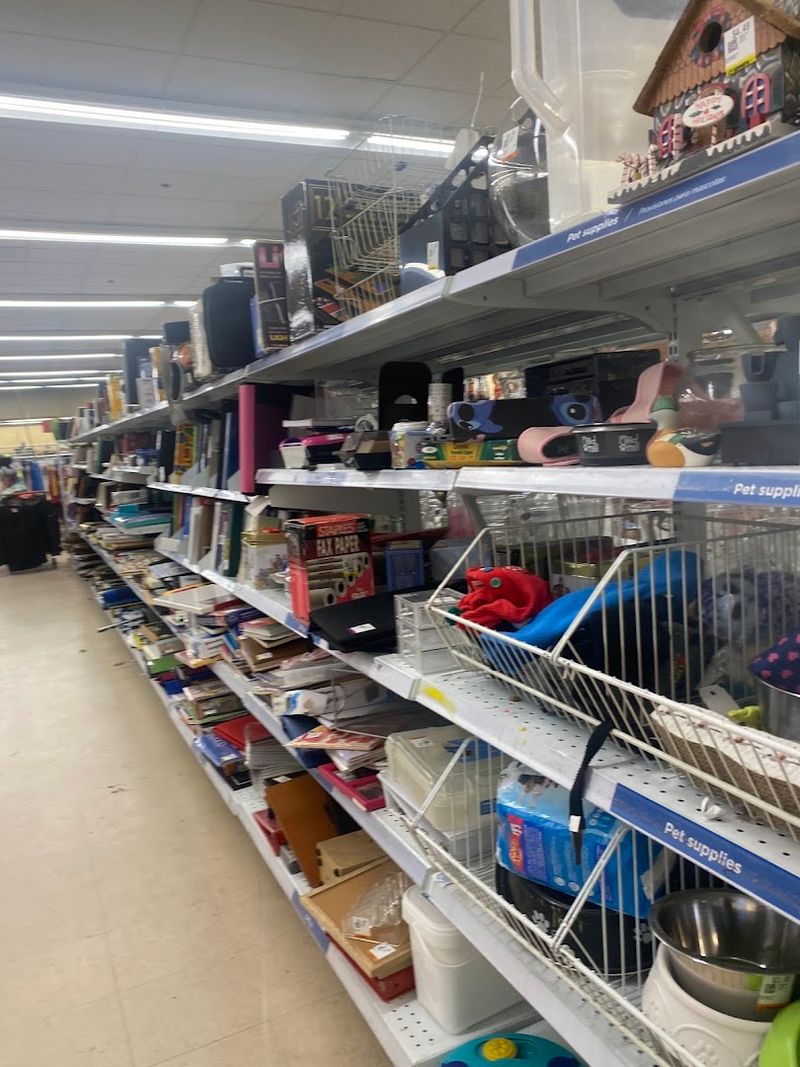
For shoppers with an eye for older styles and retro pieces, slowing down in the clothing section tends to pay off more than a quick pass through.
Vintage denim, patterned button-downs, and older brand labels occasionally turn up mixed in with more recent donations, and those pieces are easy to miss if a shopper moves too fast through the racks.
Taking the time to flip through hangers rather than scanning from the front of a rack is often where the better finds hide.
The housewares and décor sections can also hold older pieces worth a second look, including ceramic dishware with retro patterns, glass serving pieces, and small decorative items that date back several decades.
Not every visit turns up a standout vintage item, but the rotation of donations means that the inventory genuinely shifts from week to week.
Shoppers who visit regularly tend to have better luck than those who come once and expect a guaranteed score.
Funny graphic tees and novelty shirts seem to show up with some regularity in the men’s and unisex sections, which appeals to shoppers who collect statement pieces or quirky wardrobe additions. Checking those racks during each visit tends to surface at least a few items worth considering.
7. Where Donation Drop-Offs Add To The Constant Turnover
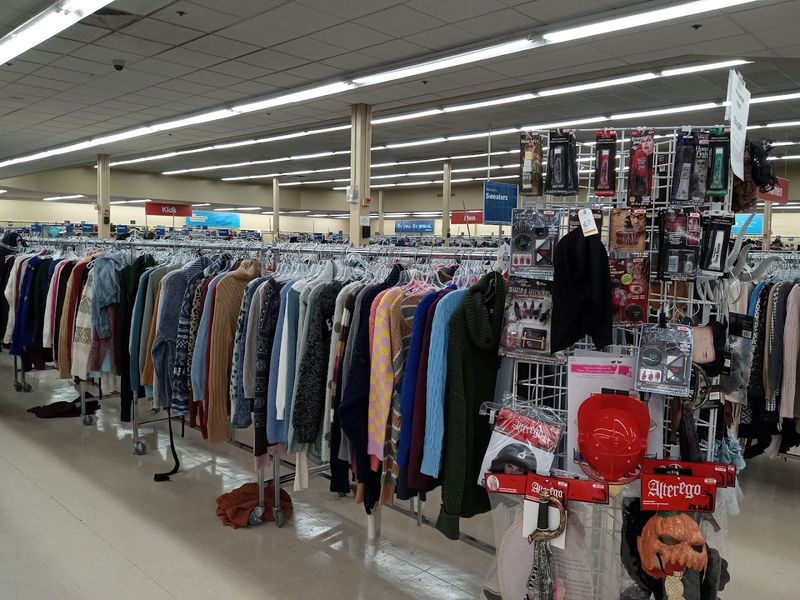
Savers operates as a for-profit company that accepts donated goods from the public and resells them in-store, which means the inventory is driven almost entirely by what local donors bring in.
The Orange location benefits from being situated in a densely populated part of the state where residents regularly donate clothing, housewares, books, and furniture as they downsize or clear out storage spaces.
That steady flow of incoming donations is part of what keeps the shelves and racks looking relatively full on most days.
Donation drop-offs happen at the store itself, and the process is generally straightforward for donors who want to bring items in person.
The turnover created by regular donations means that a shopper who visits every few weeks could find a completely different selection each time compared to their last trip.
Stock does not stay static for long, which is one of the reasons regular visitors tend to build a habit of stopping in rather than treating it as a one-time destination.
Understanding that the inventory is donation-driven also helps set realistic expectations, since availability of specific items or sizes cannot be guaranteed. Approaching each visit with an open mind rather than a firm checklist tends to lead to a more satisfying experience overall.
8. How To Shop Smart Without Overspending
Going in with a loose budget in mind rather than an unlimited one makes a noticeable difference when shopping at a large thrift store like this.
The sheer volume of items available can make it easy to toss things into a cart without tracking the total, and prices at this location tend to be higher than some competing thrift stores in the area.
Setting a soft limit before walking in and sticking to it keeps the outing from turning into an impulse-heavy trip.
Checking the color-coded tag discount system near the entrance is one of the easiest ways to stretch a budget further. Certain tag colors rotate on discount each week, and grabbing items with the discounted tag color can bring prices down meaningfully without requiring any coupons or apps.
Asking a staff member which color is currently on sale takes only a moment and can save a few dollars per item.
Since fitting-room and return/exchange policies can vary or change, shoppers should check the store’s posted policy before buying clothing.
Holding items up for size or checking measurements against known fit preferences helps avoid bringing home pieces that do not actually work, which keeps the overall value of each visit higher.
9. What Makes This Savers Worth A Second Lap
Large thrift stores reward shoppers who do a second pass through the floor before heading to checkout.
Items that did not register on the first walk-through often catch the eye on a second look, especially in sections like décor or books where things can be stacked or partially hidden behind other pieces.
Taking an extra ten minutes to loop back through the aisles before leaving tends to surface at least one or two things that got missed the first time.
The store’s size is genuinely one of its strongest qualities, offering a depth of selection that smaller thrift shops in the area simply cannot match.
Shirts, pants, jackets, shoes, kitchen items, frames, games, and small furniture all share the same floor, which means a single visit can cover multiple shopping needs without requiring stops at different stores.
That convenience adds real value for shoppers who want to handle several categories in one outing.
Visiting with a bit of time to spare rather than squeezing it between other commitments tends to make the experience noticeably more enjoyable.
The store at 130 Boston Post Rd in Orange, has enough variety to fill a leisurely hour, and shoppers who give it that time consistently seem to leave with something worth the trip.