This Idaho Bird Center Lets You Get Surprisingly Close To Owls And Hawks
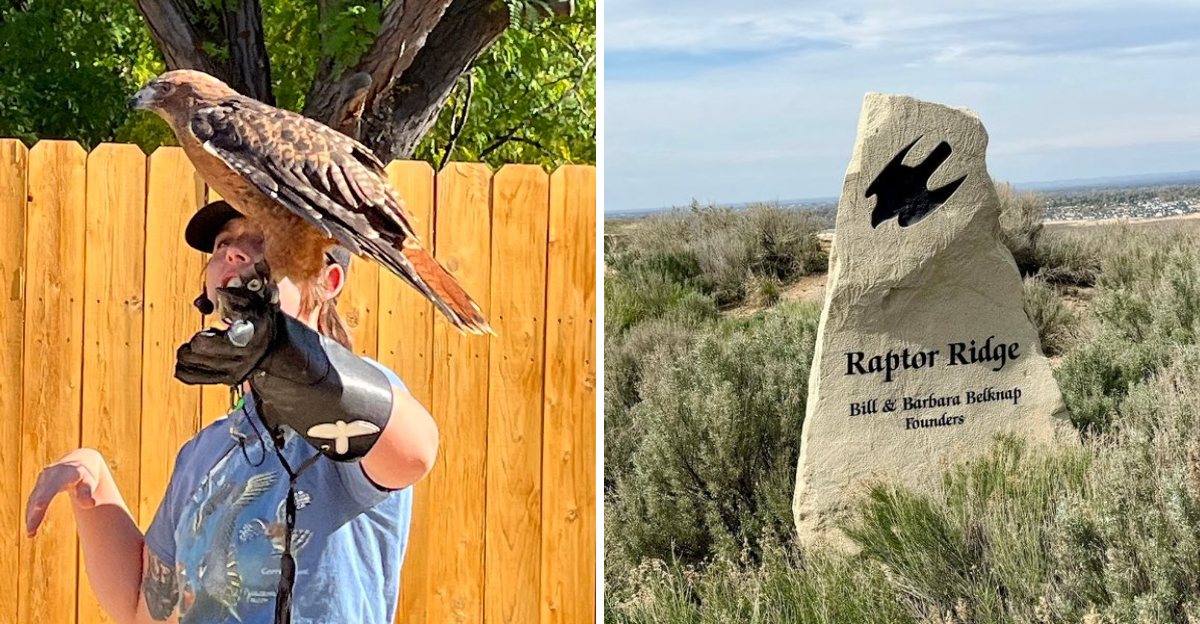
My first close-up look at a raptor feels less like sightseeing and more like being silently judged by a feathered professor with excellent posture.
Standing this close in Idaho changes the whole mood fast, because an owl can stare across the room and somehow make me want to apologize for things I have not done.
Falcons bring a sharper kind of energy, like tiny athletes with wings and absolutely no patience for human speed.
During a live flight moment, the air shifts so suddenly that everyone around me seems to forget how breathing works.
A massive wingspan passing nearby makes the whole experience feel less like a regular attraction and more like nature briefly reminding me who has better instincts.
Being that close to such power feels thrilling, humbling, and strangely personal.
Photos help later, but they still cannot capture the stare.
Boise’s Raptor Center With Nose-To-Beak Encounters
Few wildlife stops in Idaho make raptors feel this immediate. On elevated ground at 5668 W Flying Hawk Lane, Boise, ID 83709, World Center for Birds of Prey uses exhibits and presentations to bring visitors close enough to notice feather texture, posture, eye movement, and the quiet confidence these birds carry.
Instead of rushing guests through a quick display, educators encourage people to slow down and actually observe. Indoor viewing areas work well for children because the birds remain easy to see without a crowded scramble for space.
Staff members help explain what makes each species powerful, vulnerable, and worth protecting. Hours can change by season or special event, so checking the center’s official schedule before visiting is smart.
Raptor encounters feel memorable because these birds do not behave like background scenery. Their stare lands.
Their posture shifts. Their presence fills the room.
Close viewing turns a simple Boise outing into something sharper, calmer, and far more impressive than expected. A short stop can feel like a real meeting.
Every glance makes the encounter feel less distant and more alive.
Owls, Hawks, Falcons, Eagles, And Condors In One Stop
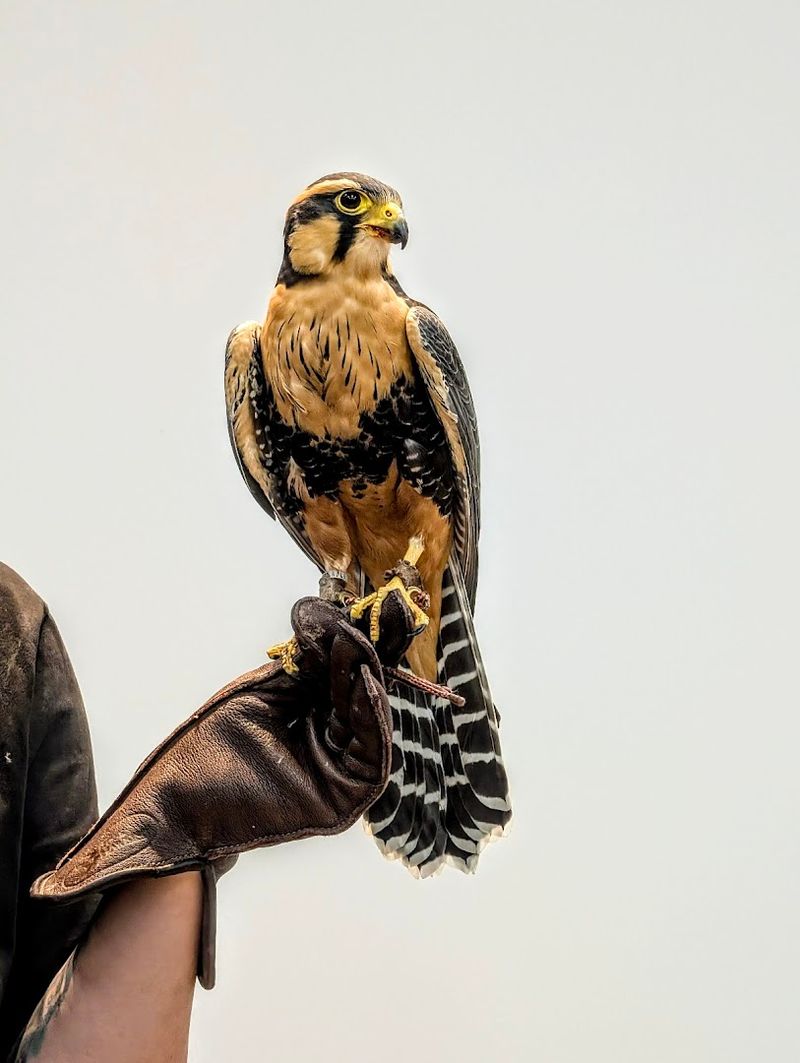
Variety gives this center much of its wow factor. One visit can introduce guests to owls, hawks, falcons, eagles, vultures, and California condors, creating a raptor lineup that feels far bigger than a local nature stop.
Each bird type brings a different kind of presence. Owls feel watchful and mysterious, hawks look alert and focused, falcons seem built for speed, and eagles carry the heavy confidence of top predators.
California condors add a conservation story with enormous emotional weight because their survival depends on long-term recovery work. Exhibits help visitors connect those differences to habitat, hunting style, flight shape, and ecological role.
Kids may come in hoping to see something cool, but they often leave remembering names, wingspans, and unexpected facts. Adults tend to be just as captivated.
Staff care keeps the experience focused and respectful instead of chaotic. The center works because it offers more than a checklist of species.
It lets each bird feel distinct, memorable, and connected to a larger story about raptors across the world. Every room adds another lesson on strength.
Daily Presentations That Bring Raptors Closer
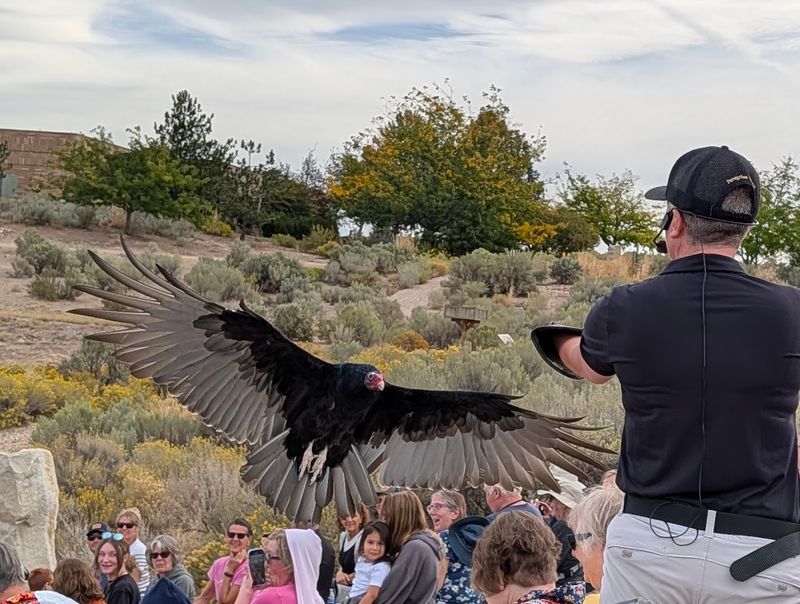
Live presentations often become the moment visitors talk about later. Educators introduce ambassador birds, explain natural behaviors, and help audiences understand how raptors hunt, communicate, fly, and survive.
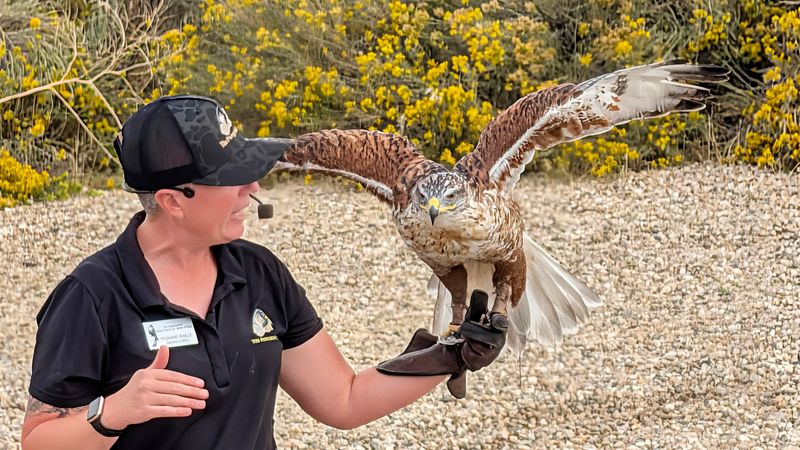
A bird moving through the air can change the entire mood of the group, especially when wings pass close enough for people to feel the speed rather than simply hear about it.
Seasonal programs, including outdoor flight demonstrations when offered, use the open Boise landscape as a dramatic backdrop.
Those sessions depend on weather, staffing, bird readiness, and event schedules, so checking daily programming before arrival is worth the extra minute. Information stays accessible throughout the presentation.
Children can follow along, adults still learn something new, and nobody needs a science background to appreciate what is happening. A raptor presentation works because the bird does not need tricks to impress anyone.
Its body, movement, focus, and natural power are already enough to hold the whole crowd still. Moments like that make the center feel alive, not static, and give every visit its own rhythm and memory for families here of all ages.
California Condors Viewed Up Close In Boise
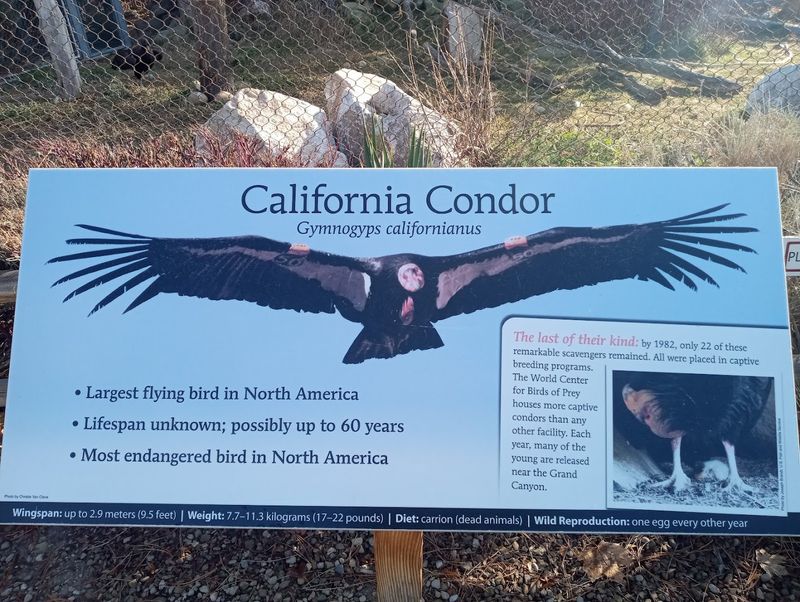
California condors give the center one of its most powerful conservation stories. These enormous birds, known for wingspans that can reach nearly ten feet, once came dangerously close to disappearing from the wild.
The Peregrine Fund helped drive condor recovery through breeding, care, release support, and education, making Boise an important place to learn about a species many never expect to see in person.
Dedicated viewing areas allow guests to observe condors with a sense of scale that photos rarely capture.
Their size feels prehistoric, but their survival story feels very current. Exhibits explain ongoing threats, including lead exposure, and show why recovery work remains necessary even after major progress.
Seeing a condor up close can shift the visit from exciting to humbling. It reminds guests that conservation is not an abstract idea.
It is daily work, patient science, and a long commitment to keeping one remarkable species in the sky. For many visitors, that realization becomes the most unforgettable part of the entire Boise experience by the end for thoughtful guests visiting today.
Sagebrush Trails With A Big Boise Overlook
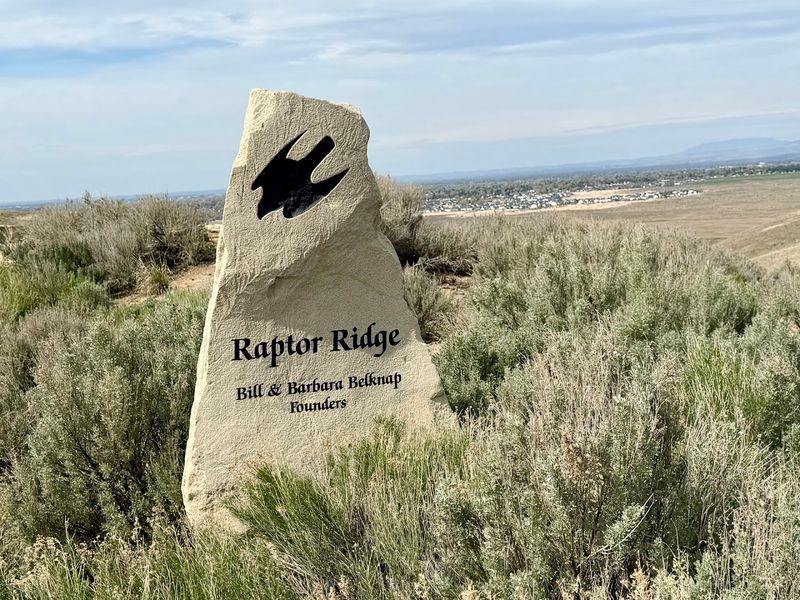
Open sagebrush around the center adds a distinctly Idaho layer to the visit. Before or after the exhibits, guests can spend time outside with native plants, broad skies, and wide views across the Boise Valley.
That setting matters because raptors belong to landscapes as much as display spaces. The high-desert terrain helps visitors imagine why hawks, falcons, and other birds of prey thrive in open country where air, distance, and visibility shape survival.
Trails and outdoor areas offer a quieter pause between indoor exhibits and presentations. Families can stretch their legs, photographers can look for valley light, and patient visitors may spot wild birds moving overhead.
Weather can change the comfort level quickly, so water, sun protection, and sensible shoes make the walk better. The overlook also gives the center a strong sense of place.
This is not just a bird facility in Boise. It is a raptor center connected visually and ecologically to the wide Idaho landscape around it.
A short outdoor walk can make the indoor encounters feel even more grounded in the real world nearby today too.
Conservation Work Led By The Peregrine Fund
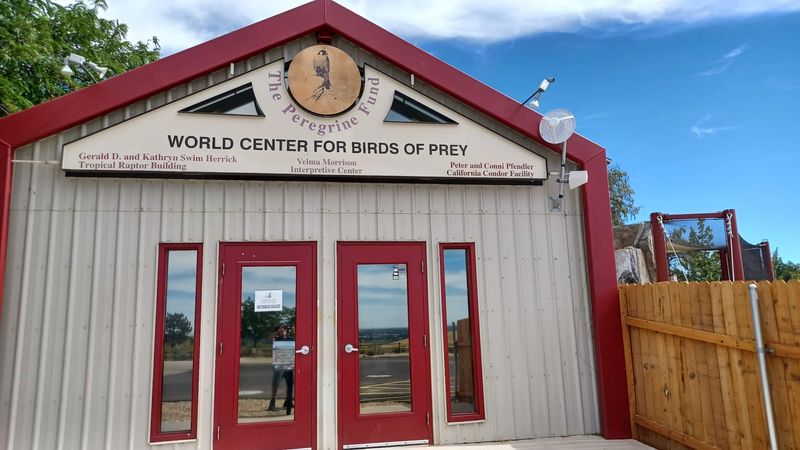
The story behind this center is as compelling as the birds themselves. The Peregrine Fund was founded in 1970 when the peregrine falcon was rapidly disappearing due to the widespread use of the pesticide DDT.
Through decades of dedicated breeding, research, and release programs, the organization helped bring the species back from near extinction, earning global recognition for one of conservation’s greatest success stories.
Today, the Fund’s work extends far beyond falcons, covering endangered raptor species on multiple continents. Visitors to the center in Boise, Idaho, can explore detailed exhibits that trace this remarkable journey from crisis to recovery.
The educational content is presented in a way that feels inspiring rather than overwhelming, striking a balance that resonates with both adults and younger visitors.
Every ticket purchased directly supports ongoing field research and wildlife protection programs worldwide. Learning that your admission fee contributes to real conservation outcomes makes the visit feel meaningful in a way that goes beyond simple sightseeing or entertainment.
The Archives Of Falconry Inside The Center
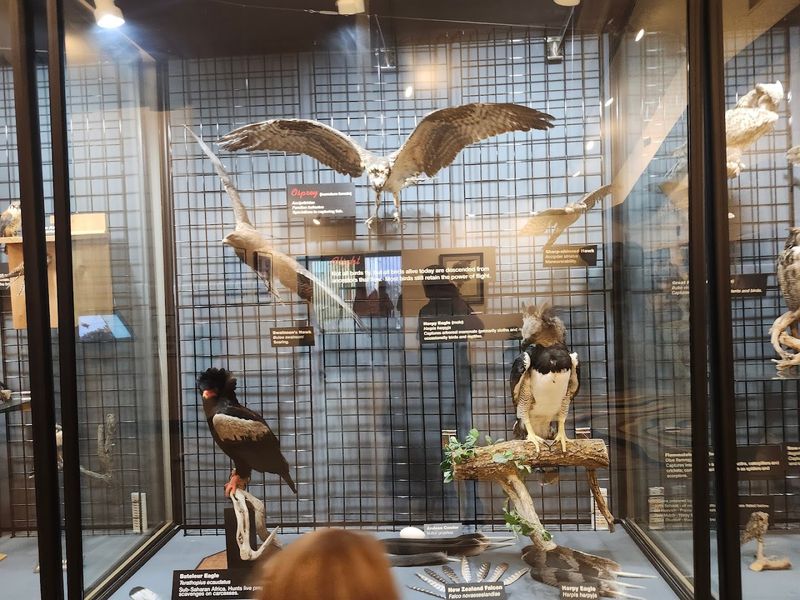
History lovers get an unexpected bonus inside the center through The Archives of Falconry. This collection explores one of humanity’s oldest relationships with birds of prey, tracing falconry across cultures, centuries, tools, artwork, books, and personal stories.
Even visitors who arrive mainly for live birds may find themselves drawn into this quieter side of the building. Falconry shows how people have studied, trained, admired, and depended on raptors long before modern conservation centers existed.
Artifacts and displays add depth to the visit because they place today’s birds within a much longer human story. The archive also helps explain why raptors have inspired so much respect across time.
Their speed, sight, power, and independence made them symbols as well as partners. A stop here slows the pace in a good way.
After the intensity of watching living birds, the historical material gives visitors another lens for understanding why these creatures have fascinated people for generations and still do today.
Its quieter exhibits make the center feel broader, richer, and more layered than most first-time visitors expect during their visit in Boise.
Live Bird Ambassadors With Real Educational Value
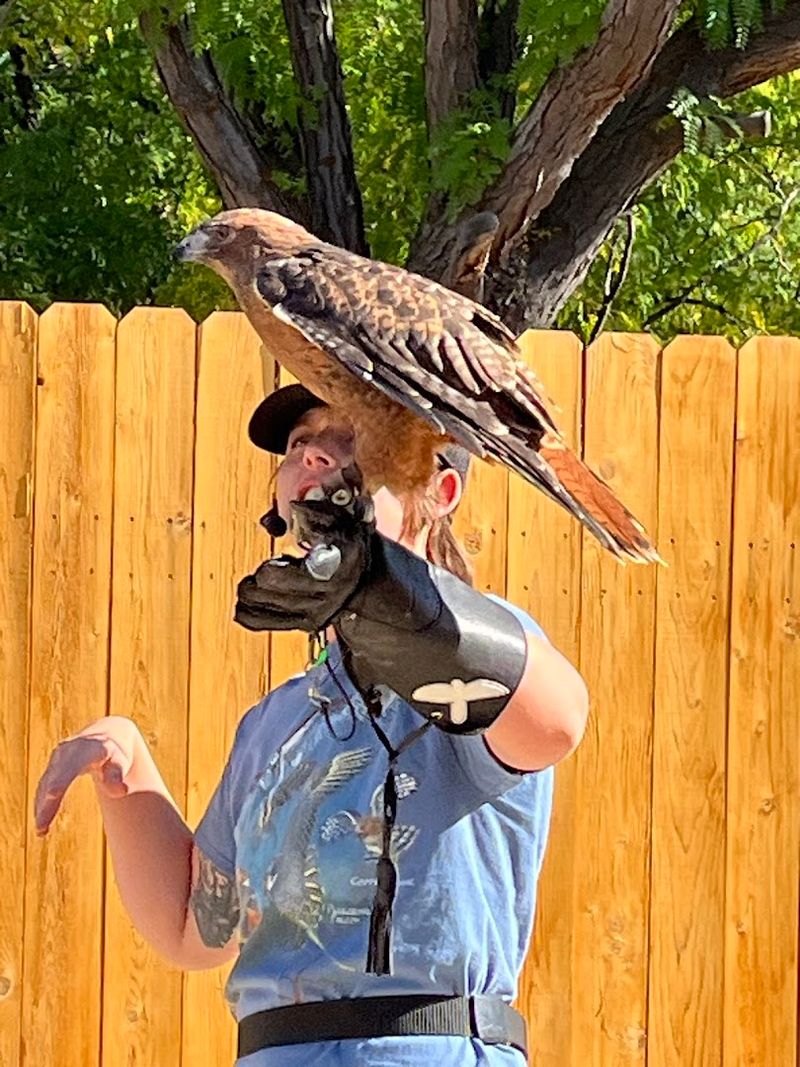
Ambassador birds make the center’s education feel personal. These individual raptors help visitors understand biology, behavior, and conservation through close observation rather than distant facts on a sign.
Some ambassador birds cannot live safely in the wild because of injury, imprinting, or other circumstances, so public education becomes an important role for them. Staff members introduce each bird with care, explaining its species, personality, adaptations, and story.
That approach helps guests see more than a beautiful animal. They begin to understand how talons work, why eye placement matters, what wing shape reveals, and how human choices affect wild populations.
Children often respond strongly because a live bird makes science feel immediate. Adults do too, especially when an owl or falcon holds steady eye contact from just a few feet away.
These encounters are memorable because they balance wonder with respect. The birds are not performers in costume.
They are teachers with feathers, presence, and serious educational value. A close ambassador moment can change how someone sees raptors long after leaving the building and returning home for everyone nearby each visit.