12 California Places Where Soup Has A Cult Following For Obvious Reason
Soup loyalty gets personal fast. People remember the bowl. The steam. The first spoonful that makes every rushed lunch nearby seem deeply confused.
A place does not build a following around soup by accident.
It has to be rich enough and memorable enough to make regulars sound almost protective when they recommend it.
Across California, certain soup spots have turned simple bowls into serious local obsessions.
Maybe the broth takes hours. Or perhaps the noodles make the whole table quiet.
Good soup only needs warmth and enough personality to make people crave it long after the weather changes.
Once a bowl reaches that level, “just soup” stops being a fair description.
1. Pea Soup Andersen’s, Santa Nella
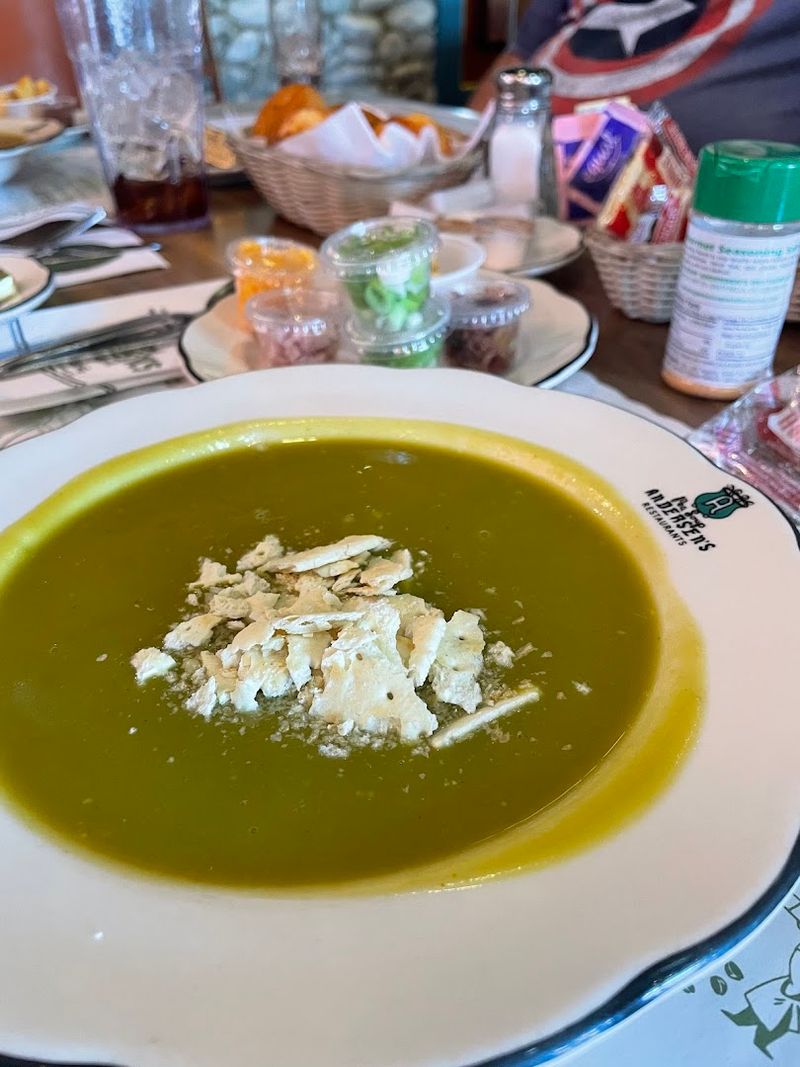
Few roadside stops in California have earned the kind of loyalty that comes from a single recipe served for a century.
At 12411 South Highway 33, Santa Nella, CA 95322, Pea Soup Andersen’s sits right along Interstate 5 and has been pulling over road-trippers since the brand’s origins in 1924.
The split pea soup here is thick, rich, and deeply savory, made from a family recipe that has barely changed over the decades.
The Santa Nella location is currently open and operating, offering the same all-you-can-eat Traveler’s Special that has made the stop a multi-generational tradition for families crossing the Central Valley.
The soup is naturally vegetarian and gluten-free, which makes it a practical choice for a wide range of travelers.
Seating is spacious and comfortable, with a diner feel that leans into the nostalgia of classic California highway culture.
Stopping here tends to feel less like a food errand and more like a small ritual, especially for those who grew up making the drive between Northern and Southern California.
The portions are generous and the pacing is relaxed, making it a satisfying midway break on a long road trip.
2. Boudin Bakery, San Francisco
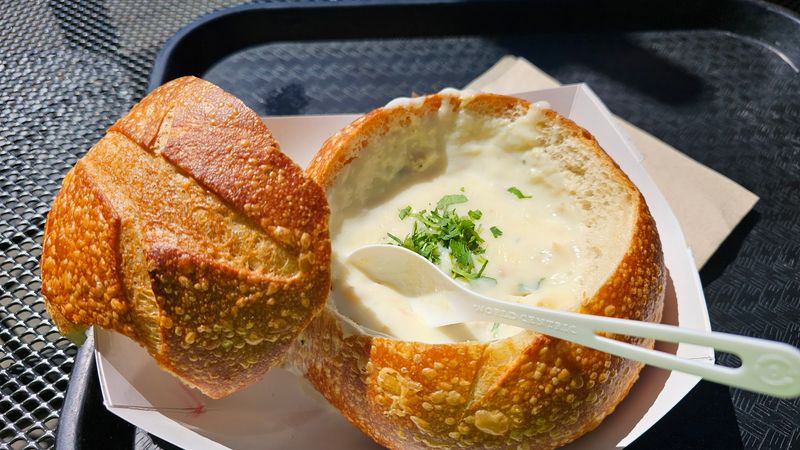
There is something deeply satisfying about eating the bowl along with the soup, and at Boudin Bakery, that combination has become one of the most recognized food orders in all of California.
The restaurant at 160 Jefferson St, San Francisco, CA 94133 sits right on Fisherman’s Wharf, where the smell of fresh-baked sourdough and briny chowder tends to pull people in before they even decide they are hungry.
Boudin has been baking sourdough in San Francisco since 1849, which gives the bread bowl an authenticity that is hard to match.
The clam chowder is creamy and well-seasoned, and it pairs naturally with the tang of the sourdough crust.
As the chowder soaks into the bread walls during the meal, the last bites of the bowl become some of the most flavorful.
The Wharf location is busy most days, so arriving earlier in the morning or just after the lunch rush tends to offer a calmer experience.
There is also a bakery tour and museum element at this location, which makes it a practical stop for visitors who want context along with their meal.
The menu extends beyond chowder, but the bread bowl remains the clear draw for most guests.
3. Sotto Mare, San Francisco
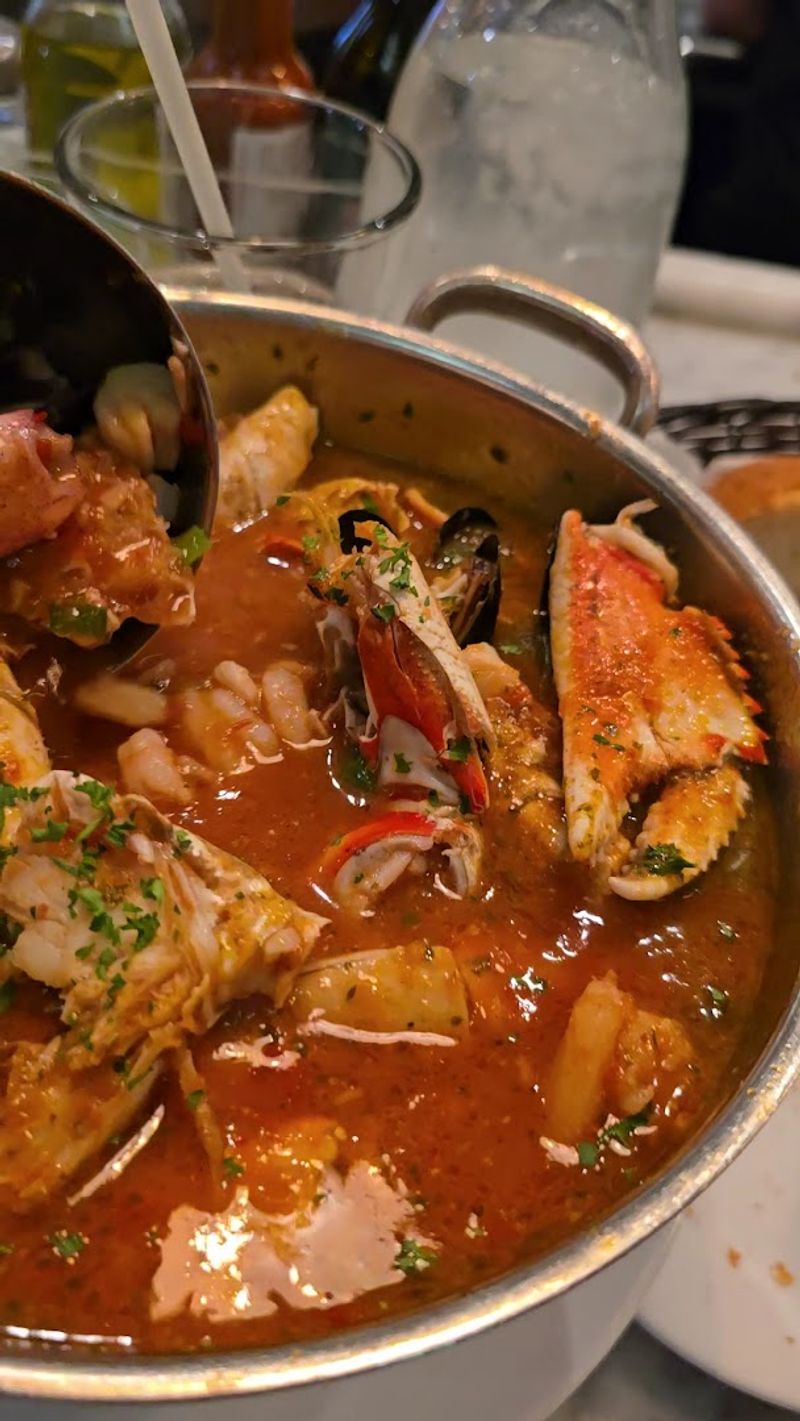
Ordering the crab cioppino at Sotto Mare is the kind of decision that tends to rearrange a person’s expectations for seafood stew.
The restaurant at 552 Green St, San Francisco, CA 94133 is tucked into North Beach and has the kind of intimate, slightly cramped energy that signals a place more focused on the food than the decor.
Cioppino itself is a San Francisco original, born from Italian immigrant fishermen who simmered the day’s leftover catch in tomatoes, herbs, and broth along the Embarcadero waterfront.
Sotto Mare’s version features Dungeness crab, clams, mussels, and shrimp in a deeply flavored tomato base that manages to be both light and intensely savory at the same time.
The portion is large enough to justify planning the meal around it, and the restaurant has been recognized by food media as one of the top cioppino destinations in the city.
Bibs are typically provided because eating the whole crab is part of the experience.
Tables fill up quickly, especially on weekends, so arriving early or making a reservation ahead of time is a practical move.
The noise level is lively rather than quiet, which fits the communal spirit of a dish that was always meant to be shared.
4. Scoma’s Restaurant, San Francisco
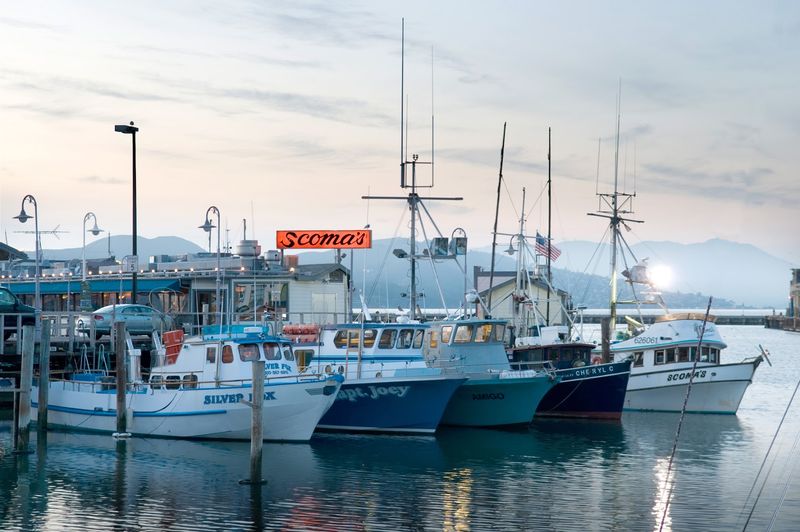
Founded in 1965, Scoma’s has been serving cioppino and clam chowder from its spot on the water long enough to become part of the Fisherman’s Wharf identity rather than just a stop along it.
The restaurant at 1965 Al Scoma Way, San Francisco, CA 94133 sits directly over the water on a working pier, and the views from inside the dining room reinforce the connection between the food and the bay it came from.
Few dining rooms in the city offer that kind of direct relationship between the setting and the menu.
The cioppino here is considered one of the restaurant’s signature dishes, built around local Dungeness crab and a broth that has been refined over decades of service.
The clam chowder is also a consistent favorite, with a creamy base and a generous amount of clam throughout.
The menu is broad enough to accommodate different preferences, but the soup and stew options are clearly the emotional core of the experience.
Scoma’s tends to feel like a classic San Francisco meal in the most grounded sense, without trying too hard to modernize or reinvent itself.
The pace of service is attentive and unhurried, and the dining room has a warmth that suits a long, comfortable lunch or dinner by the water.
5. Pho 79, Garden Grove
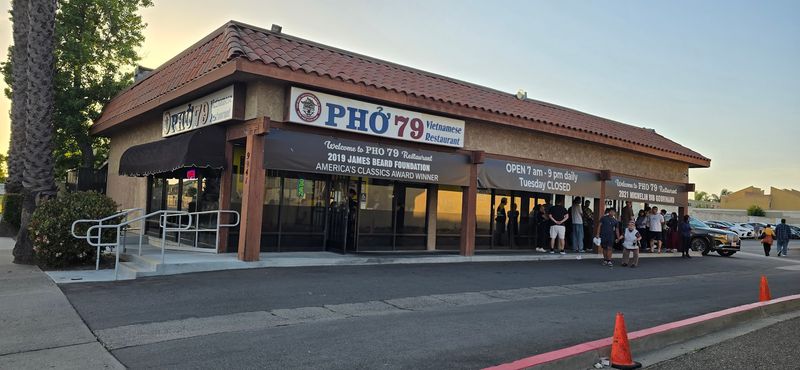
A bowl of pho at Pho 79 in Garden Grove has the kind of clarity that comes from decades of doing one thing with full commitment.
The restaurant at 9941 Hazard Ave, Garden Grove, CA 92844 sits in the heart of Little Saigon, one of the largest Vietnamese communities outside of Vietnam.
The broth here is built on long hours of simmering beef bones with charred onion and ginger, producing a clean and deeply aromatic base.
Michelin has described Pho 79 as widely considered to serve some of the best pho in Southern California, which reflects the kind of consistent quality that earns a loyal crowd rather than just a passing trend.
The menu focuses on pho variations rather than sprawling across multiple cuisines, and that focus shows in every bowl.
Noodles arrive at the right texture, the beef is thinly sliced and tender, and the condiment tray gives each person control over how the final bowl tastes.
The dining room is casual and efficient, with tables turning at a steady pace during peak hours.
Arriving slightly before the lunch rush or after dinner service begins tends to mean a shorter wait for a seat.
6. Turtle Tower, San Francisco
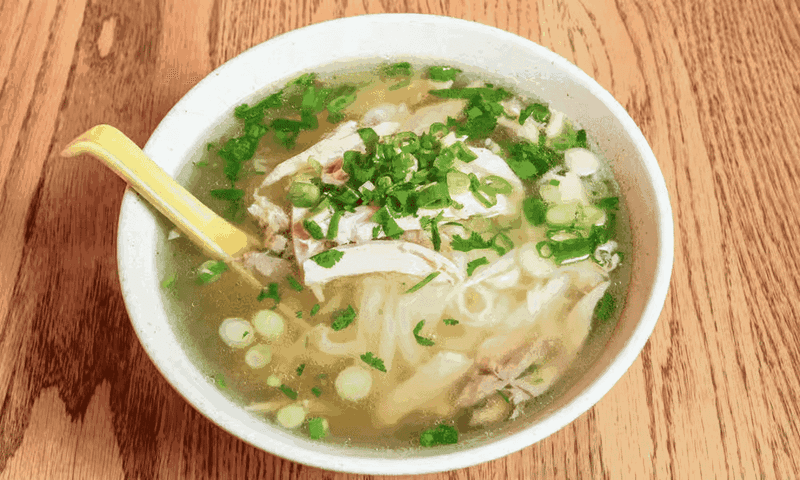
Northern Vietnamese pho has a quieter character than its Southern counterpart, and Turtle Tower has built a devoted following in San Francisco around exactly that restraint.
One of the restaurant’s active locations sits at 3145 Fillmore St, San Francisco, CA 94123, and the menu centers on pho with a clear, clean broth that lets the quality of the ingredients speak without heavy seasoning.
The pho ga, which uses chicken rather than beef, has become especially well-regarded among regulars who appreciate its delicate and comforting depth.
The Northern-style approach means there are no bean sprouts or hoisin sauce on the table, which can feel surprising at first but quickly feels intentional once the broth hits.
The simplicity is the point, and the bowl is designed to be experienced as it arrives rather than heavily customized.
Turtle Tower has also received attention for its comeback after reopening, which speaks to how much the restaurant means to the communities that rallied around it.
The dining room is modest and unpretentious, with a steady rhythm of regular customers who know exactly what they are ordering before they sit down.
For anyone curious about how Northern Vietnamese pho differs from the more widely familiar Southern style, this restaurant offers one of the most direct and honest comparisons available in California.
7. Daikokuya, Los Angeles
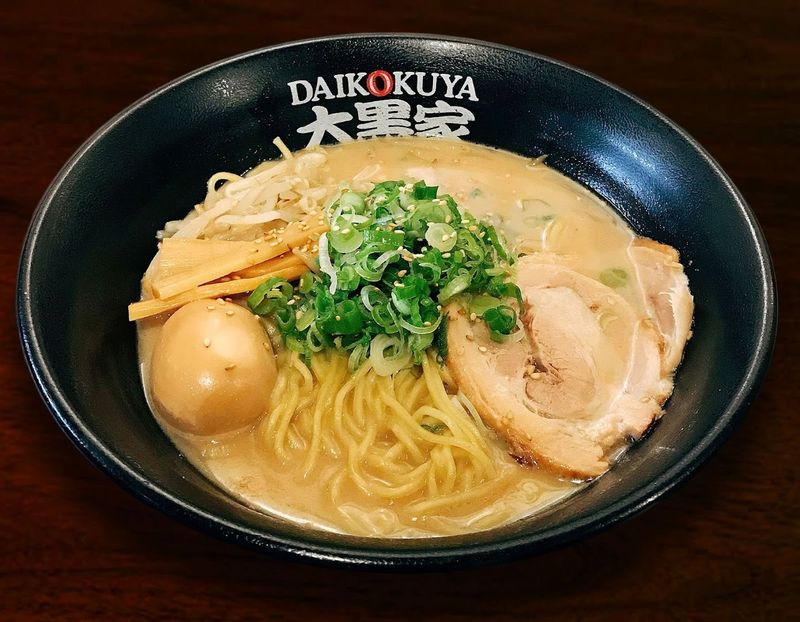
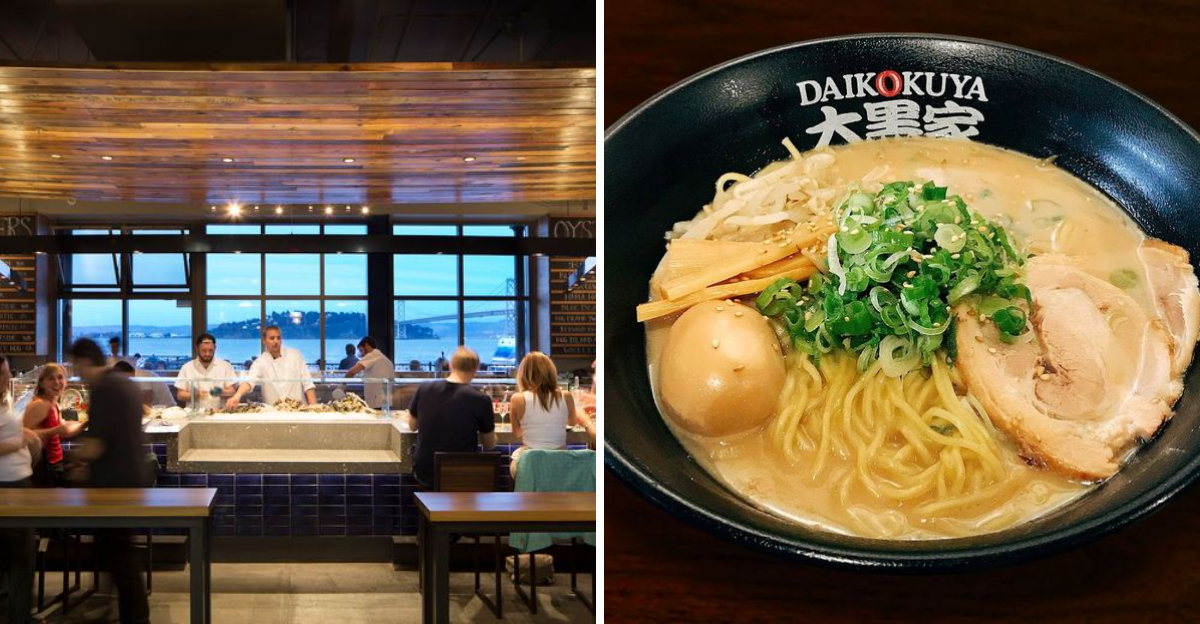
Tonkotsu ramen has a cult following across California, and Daikokuya in Los Angeles has been one of the restaurants fueling that devotion for years.
Found at 327 E 1st St, Los Angeles, CA 90012 in Little Tokyo, the restaurant built its reputation on the Daikoku Ramen, which the official menu identifies as the number one top seller.
The broth is a blended tonkotsu and soy base that is simultaneously rich and balanced, with a depth that takes hours of cooking to develop.
The bowl arrives with chashu pork, a soft-boiled marinated egg, bamboo shoots, and green onions arranged over a tangle of noodles.
Each component is made with enough care that the bowl holds together as a unified experience rather than a collection of toppings.
The dining room in Little Tokyo has a compact, energetic feel that suits the neighborhood’s identity as one of the most culturally significant Japanese communities on the West Coast.
Wait times can stretch during peak hours, especially on weekends, so a weekday visit tends to be more relaxed.
The menu offers additional ramen variations for those who want to explore beyond the signature bowl, but most regulars circle back to the same order every time they return.
8. Marufuku Ramen, San Francisco
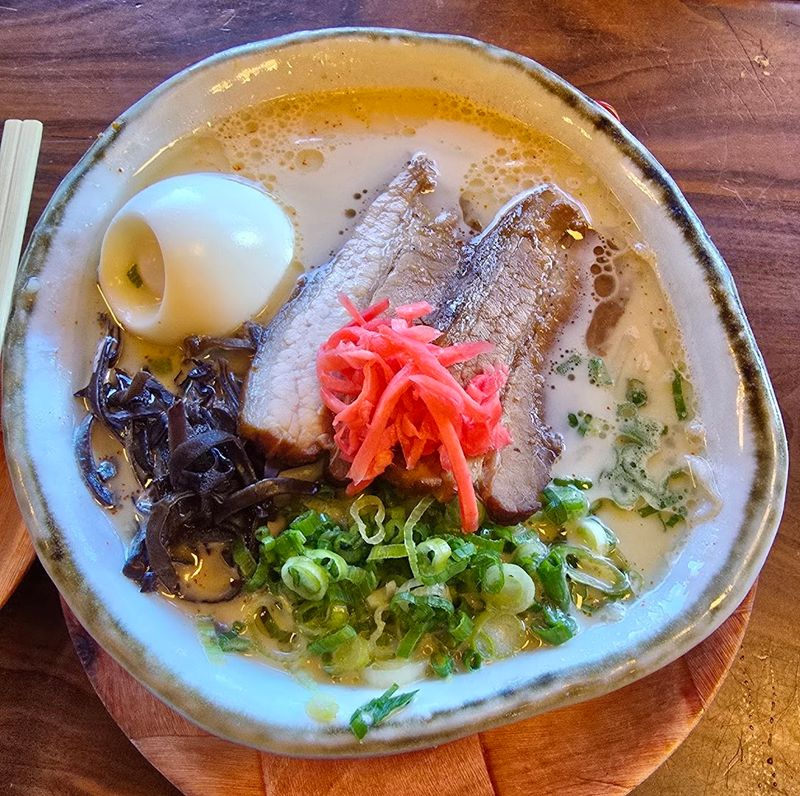
Hakata-style tonkotsu ramen is defined by its broth, and at Marufuku Ramen in San Francisco, that broth is the entire foundation of the experience.
The restaurant at 1581 Webster St, San Francisco, CA 94115 sits in Japantown and draws a consistent crowd for its milky, umami-rich pork bone broth that is boiled for long hours to develop its signature creamy texture.
The restaurant has been open since 2017 and has maintained steady enthusiasm from both the neighborhood and visitors making a specific trip for the bowl.
The noodles used here are thin and firm, which is characteristic of Hakata ramen and allows the broth to remain the dominant flavor rather than the noodle itself.
Toppings are thoughtfully selected and complement the richness of the broth without overwhelming it.
The dining room has a clean and modern feel that contrasts pleasantly with the deeply traditional approach to the soup itself.
Lines form outside during peak hours, particularly on weekends, and the wait is considered worth it by most who make the trip.
For ramen that prioritizes the craft of the broth above everything else, Marufuku offers one of the most focused and rewarding bowls available in Northern California.
9. Ramen Nagi, Palo Alto
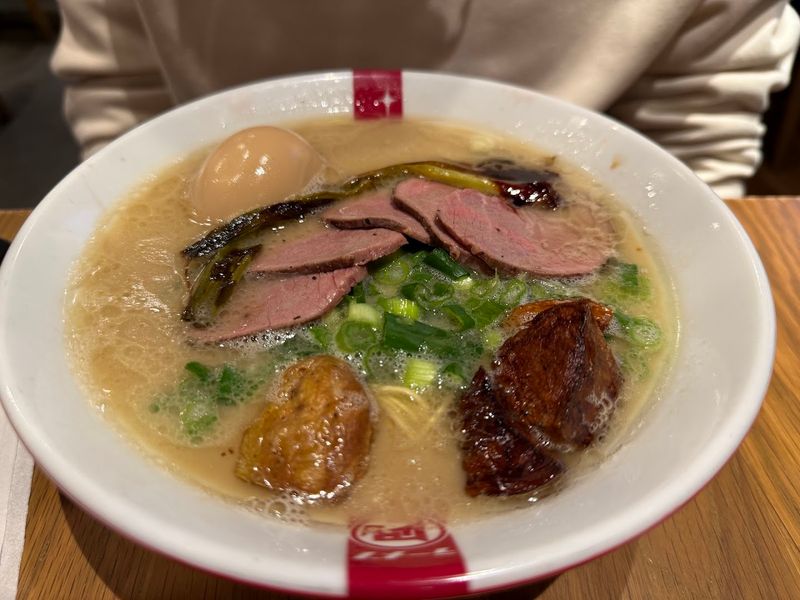
Customizable ramen has a particular appeal for people who want the experience tailored to exactly how they like it, and Ramen Nagi in Palo Alto has built a following around that flexibility.
The restaurant at 541 Bryant St, Palo Alto, CA 94301 is part of a Japanese ramen brand with a strong California presence.
The signature bowls are built on a tonkotsu base that can be adjusted for richness, spice level, and noodle firmness.
The ordering process involves a small form where each guest specifies their preferences before the bowl is prepared.
That level of personalization makes the meal feel interactive in a way that most ramen restaurants do not offer, and it tends to reward repeat visits because the bowl can be slightly different each time.
The broth is rich and porky in the classic Hakata tradition, and the toppings are generous without feeling excessive.
The Palo Alto location has benefited from being in a tech-savvy community that appreciates both quality and the novelty of a system-driven dining experience.
The space has a sleek, modern interior that fits the surrounding neighborhood’s aesthetic.
Weekday lunches tend to be more manageable than weekend evenings, and the menu also includes limited seasonal or specialty bowls that rotate periodically for guests who visit regularly.
10. Hog Island Oyster Co., San Francisco
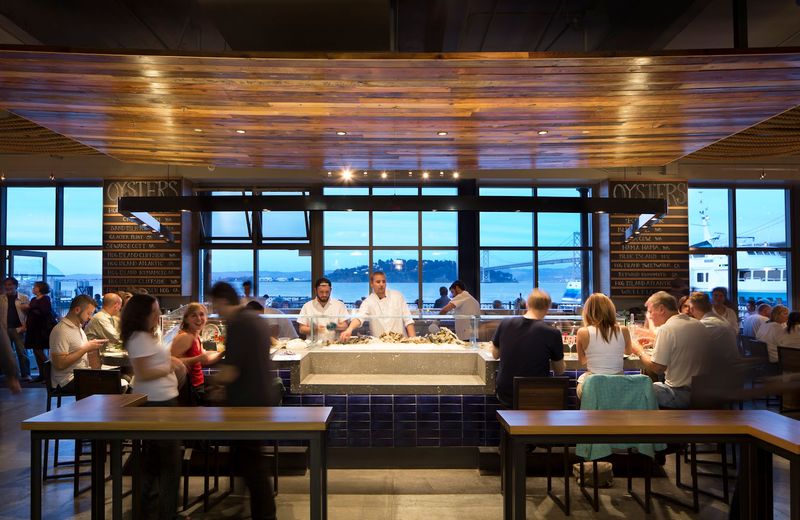
Clam chowder at Hog Island Oyster Co. carries a different kind of credibility because the restaurant is connected directly to a working oyster farm in Tomales Bay.
The space at 1 Ferry Building #11, San Francisco, CA 94111 occupies a prime spot inside the historic Ferry Building, where the combination of the waterfront setting and the freshness of the seafood makes the chowder feel grounded.
The Ferry Building location functions as both an oyster bar and a full restaurant, and the chowder tends to reflect the same sourcing philosophy that drives the rest of the menu.
The broth is creamy and clean rather than heavy, and the clams used are handled with the same care applied to the oysters the restaurant is most famous for.
Sitting at the bar or near the windows offers views of the bay, which adds a sensory layer to the meal that is hard to replicate at an inland restaurant.
Michelin has listed the San Francisco location, which reflects the consistent quality that keeps a loyal crowd returning.
The Ferry Building itself is a destination on its own, surrounded by a farmers market on select mornings and a variety of food vendors throughout the week.
11. Tacos y Birria La Unica, Los Angeles
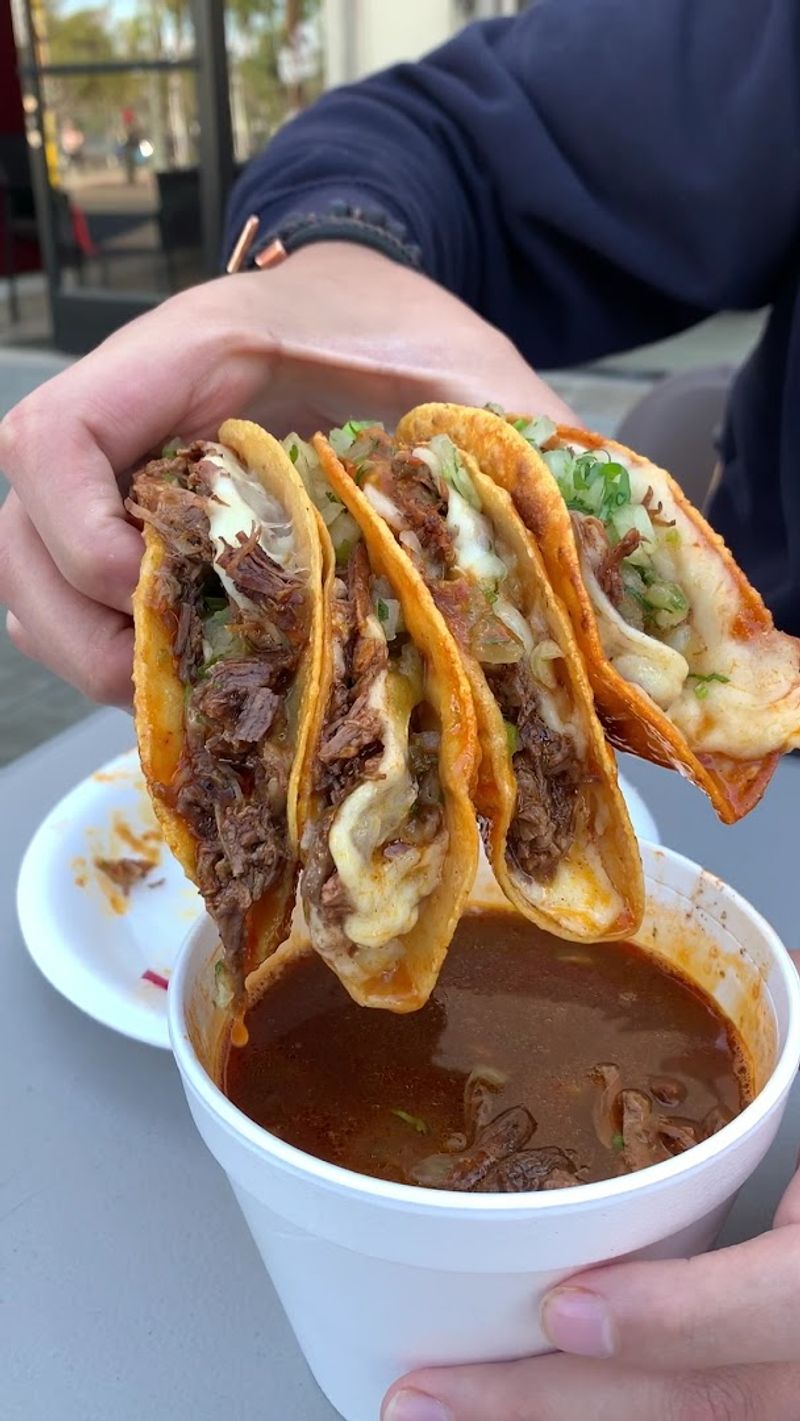
Birria consommé has crossed over from a traditional Mexican broth into something people crave on its own, and Tacos y Birria La Unica in Los Angeles has become one of the go-to spots for exactly that experience.
Operating across East Los Angeles and Mid-City, the restaurant serves goat birria with steaming cups of consommé alongside the tacos, and the broth alone has developed a following among people who order extra cups.
The deep red color and layered spice of the consommé come from dried chiles, slow-cooked meat, and a long simmering process that builds complexity over hours.
The menu also includes birria ramen, which takes the same rich broth and pairs it with ramen noodles, blending two soup traditions into a single bowl that has become a popular order in its own right.
The combination speaks to the creative energy around birria in Los Angeles, where the dish has evolved well beyond its regional origins while still honoring the flavors that made it beloved in the first place.
The atmosphere at La Unica is casual and fast-moving, with a street-food energy that feels authentic rather than staged.
12. Jun Won Dak, Los Angeles
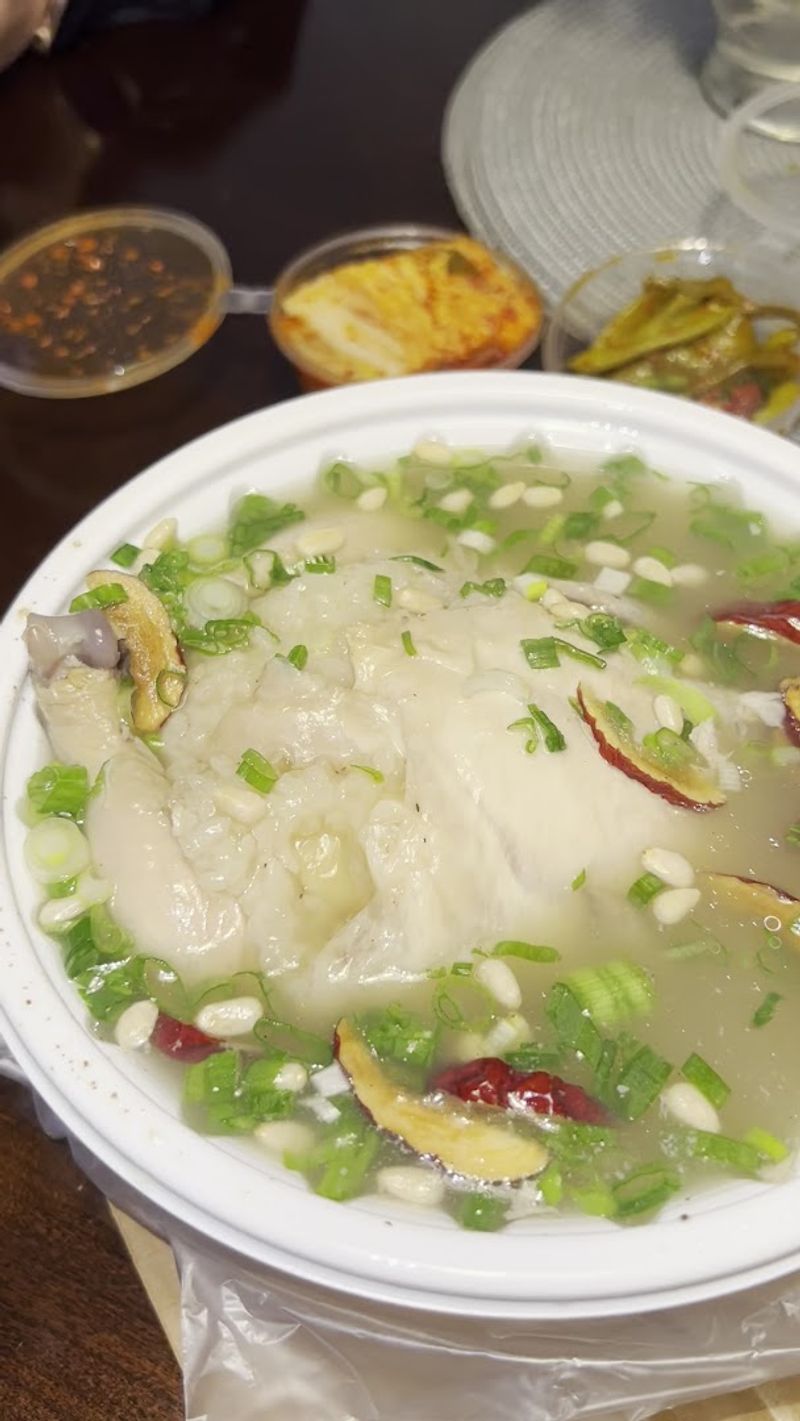
Samgyetang is a Korean chicken soup that has been trusted as a restorative meal for generations, and Jun Won Dak in Koreatown, Los Angeles, brings that tradition to one of the most vibrant Korean communities in North America.
The soup arrives as a whole small chicken stuffed with glutinous rice, garlic, jujube, and ginseng, simmered in a pale and deeply nourishing broth that feels medicinal in the best possible way.
The dish is served piping hot in a stone or clay vessel, and the act of pulling the tender chicken apart at the table is part of what makes the meal feel communal and unhurried.
Koreatown in Los Angeles has no shortage of Korean restaurants, but Jun Won Dak has earned its place as a comfort-soup destination for a specific kind of craving.
The broth is subtle rather than bold, relying on the natural richness of the chicken and the earthy warmth of the ginseng to carry the flavor.
Side dishes arrive alongside the soup, adding variety without distracting from the main bowl.
The dining room has a straightforward and welcoming feel that suits the simplicity of the food being served.