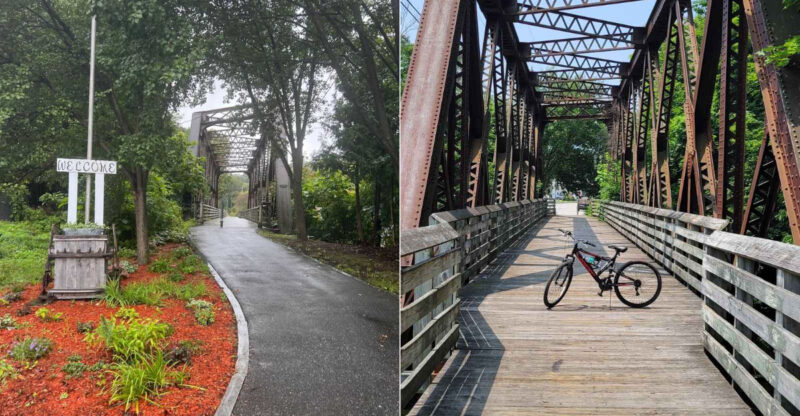
A Forgotten Connecticut Town That Whispers Stories Of Long Ago
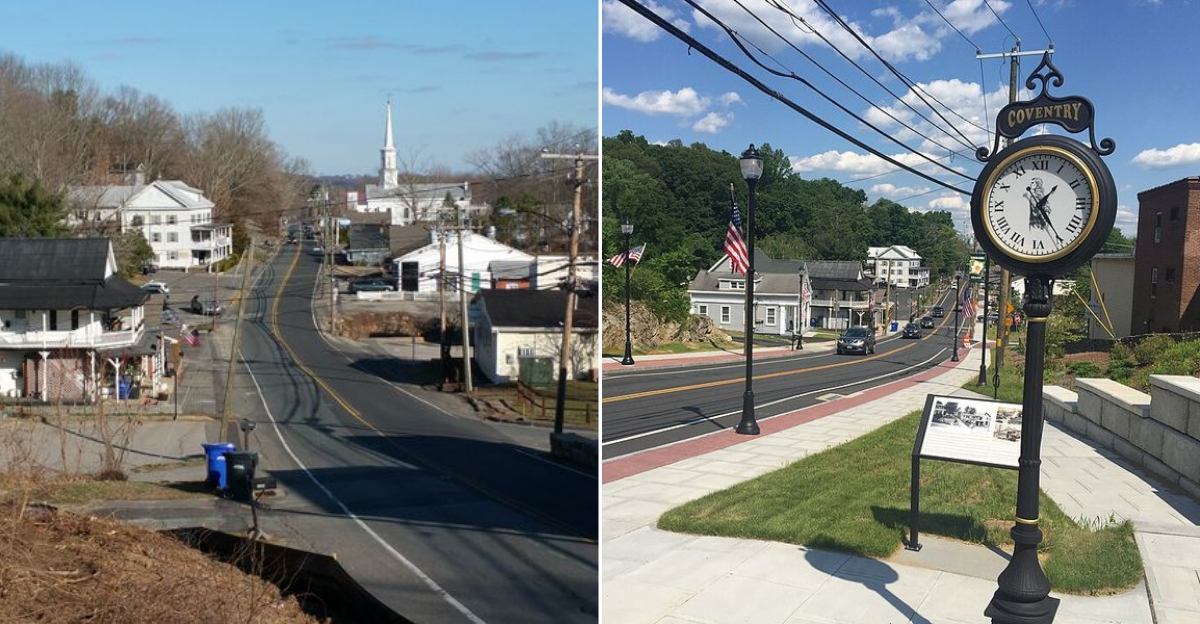
There are towns that feel like they’ve been quietly holding onto something for a very long time.
The kind of place where old stone walls line the roads, historic buildings still stand like they have something left to say, and the whole atmosphere feels like time slowed down and never quite sped back up.
This one sits with a certain stillness that’s hard to find anywhere else, and people who stumble onto it tend to leave feeling like they found something genuinely special.
The history runs deep here, from Revolutionary War roots to preserved homesteads that tell the story of early American life in a way that textbooks never really capture.
This forgotten Connecticut town that whispers stories of long ago is exactly the kind of place history lovers and slow travel fans add straight to their list.
1. Where This Quiet Town Sits
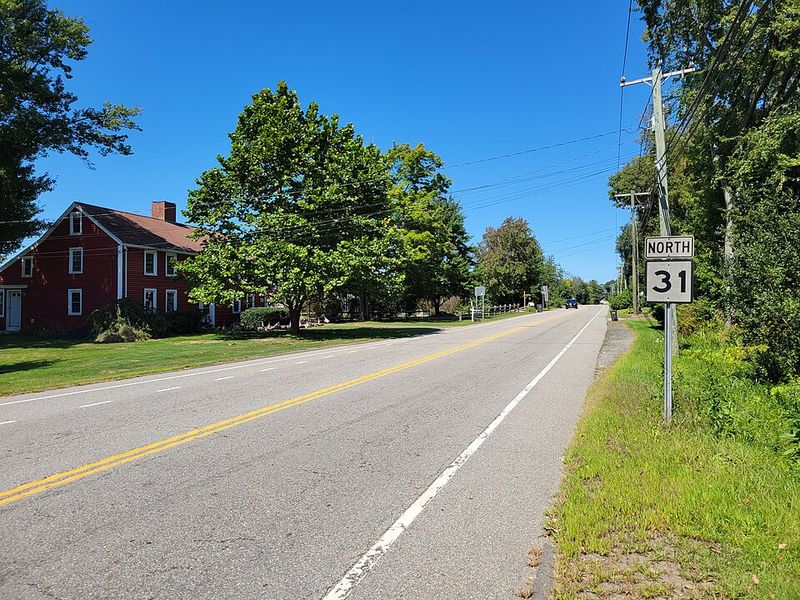
Rolling hills, quiet roads, and a strong rural feel give this part of northeastern New England an atmosphere that feels removed from the rush of city life without being difficult to reach.
Tolland County surrounds Coventry with similarly small communities, which helps the whole region feel consistent, grounded, and genuinely country rather than staged for visitors.
A day trip still feels practical because the town sits roughly between Hartford and the Rhode Island border. Route 44 and Route 31 run through and near the area, so getting there by car is simple without making the drive feel overly busy or commercial.
The scenery keeps changing as the roads move from open farmland into dense woodland, giving even a casual drive through town a little sense of discovery. Elevation shifts add extra drama to certain stretches, especially in fall when the trees turn vivid shades of orange and red.
Major commercial corridors do not clutter the views, which helps preserve the feeling that Coventry exists on its own quiet terms. That slower, more spacious quality is exactly what makes the town feel worth lingering in instead of just passing through.
2. Why Coventry Feels Rich With Old Stories
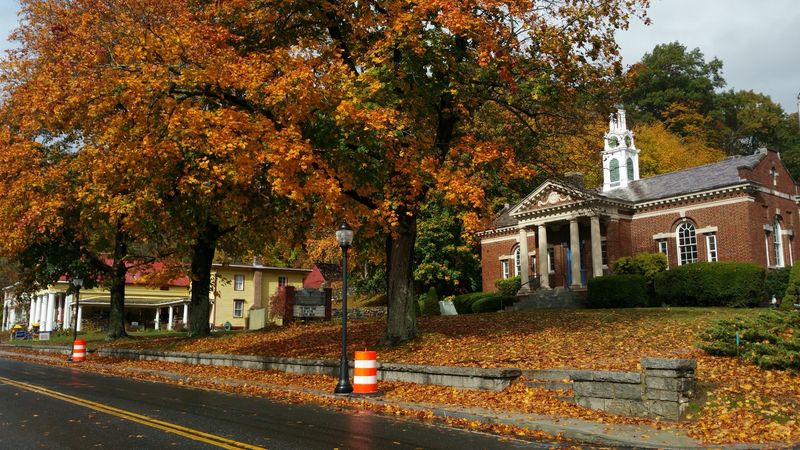
Coventry carries its history in a way that feels woven into the landscape, from the old stone walls still tracing former farm fields to roads that have followed familiar paths for more than two centuries.
That connection to the past shows up quietly across town, not through flashy attractions, but through details that still shape how the place looks and feels today.
The town was officially incorporated in 1712, which places it among the older communities in the state. That age shows not just in written records but in the physical landscape, where older homes and structures sit close to the road in the manner typical of early New England settlement patterns.
What makes Coventry feel especially layered is that it never underwent the kind of rapid commercial development that erased history in other towns nearby. Growth here was slow and modest, which meant that older buildings and open land survived longer than they might have elsewhere.
Residents today tend to be aware of that heritage, and there is a visible effort to maintain rather than replace what remains from earlier eras. That sense of preservation gives the town a quiet depth that takes a little time to fully appreciate.
3. How The Nathan Hale Homestead Shapes Its History
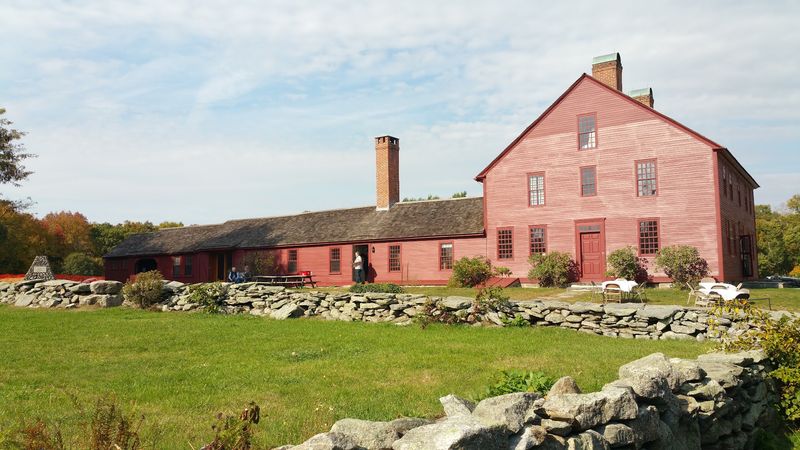
Standing as one of the most significant historic sites in all of the state, the Nathan Hale Homestead draws visitors who want to connect with the story of one of the most recognized figures from the American Revolution.
Nathan Hale, who famously became a martyr for the colonial cause, was born in Coventry in 1755, and the current homestead on his family’s property still stands today.
The Nathan Hale Homestead is located at 2299 South Street, Coventry, CT 06238, and it operates as a museum open to the public during scheduled seasons. The property is managed by Connecticut Landmarks, and guided tours offer a look inside the house and across the surrounding grounds.
Inside, period furnishings and historical objects help visitors understand what daily life looked like for a farming family in colonial New England.
Walking the grounds feels unhurried and grounded, with open fields and old trees framing the view in a way that makes the history feel close rather than distant.
Checking ahead for current seasonal hours before visiting is recommended.
4. What Makes The Town Green Worth Seeing
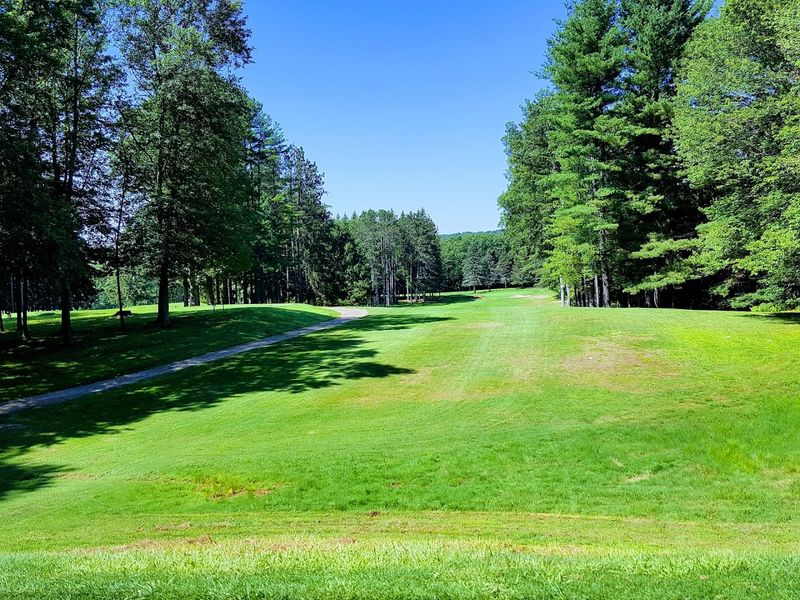
At the center of many classic New England towns sits a green, and Coventry’s version of this tradition holds a quiet charm that rewards those who take a few minutes to stop and look around.
The open space gives the surrounding buildings room to be seen properly, and the scale of everything feels human rather than imposing.
Historic homes, old stone walls, and open green space give the area a preserved New England character, reflecting an architectural style common to colonial-era town centers. The proportions are modest and honest, which fits Coventry’s overall character well.
Visiting the town green is the kind of experience that does not demand much planning or effort, making it an easy stop during a longer day of exploration.
The pace around the green tends to be slow, especially on weekday mornings when foot traffic is light and the sounds of the surrounding town are minimal.
Benches and open grass make it a comfortable place to pause and get a sense of the town’s rhythm before moving on.
There is no admission, no schedule to follow, and no pressure to rush, which is part of what makes a stop here feel genuinely restful rather than like an obligation on a sightseeing checklist.
5. Where To Find Scenic Small-Town Views
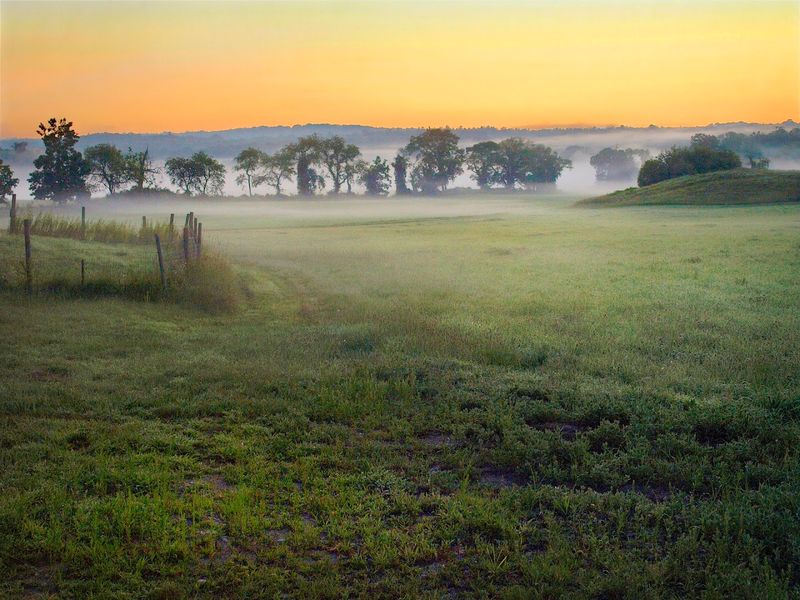
The best views in Coventry often appear along the town’s back roads rather than at marked overlooks, with farmland opening up unexpectedly and the sky feeling wider than it does in more developed areas.
Taking a slow drive through roads like South Street or Cross Street reveals stretches of landscape that feel genuinely undisturbed.
Coventry Lake, also known as Wangumbaug Lake, adds a water element to the scenery and can be viewed from several points around its shoreline. The lake has a calm, unhurried quality that matches the overall tone of the town.
Autumn is when the visual appeal of Coventry reaches its peak, with the tree cover along rural roads turning into a dense corridor of orange, yellow, and red. Even outside of fall, the combination of open fields, old farmhouses, and wooded hillsides keeps the scenery from feeling flat or repetitive.
Visitors who are willing to drive slowly and stop occasionally will find that the town reveals itself gradually rather than all at once, which makes the experience feel more like discovery than tourism. Comfortable walking shoes are useful for anyone who wants to step out and explore on foot.
6. How To Pair The Trip With A Slow Afternoon

After spending time at the homestead or wandering the town green, slowing the pace further with a relaxed afternoon stop can round out a visit to Coventry in a satisfying way.
The town and its immediately surrounding area have small local establishments that fit the unhurried character of the day without pulling attention away from the historic atmosphere.
Bringing a packed lunch to enjoy near Coventry Lake is a practical and pleasant option that requires no reservations and no schedule. The water and surrounding trees create a comfortable setting for sitting quietly before heading back toward the main roads.
Nearby towns like Willimantic and Storrs, both within a short drive, offer additional dining and coffee options for visitors who want to extend the outing into the early evening.
Storrs is home to the University of Connecticut, which brings a slightly different energy to that area while still remaining close to Coventry’s rural character.
Planning the afternoon loosely rather than tightly is the approach that tends to feel best in this part of the state, where the value of the experience comes from slowing down rather than checking off a list of destinations. Flexibility makes the day feel more like a genuine escape.
7. Why History Lovers Should Take Their Time
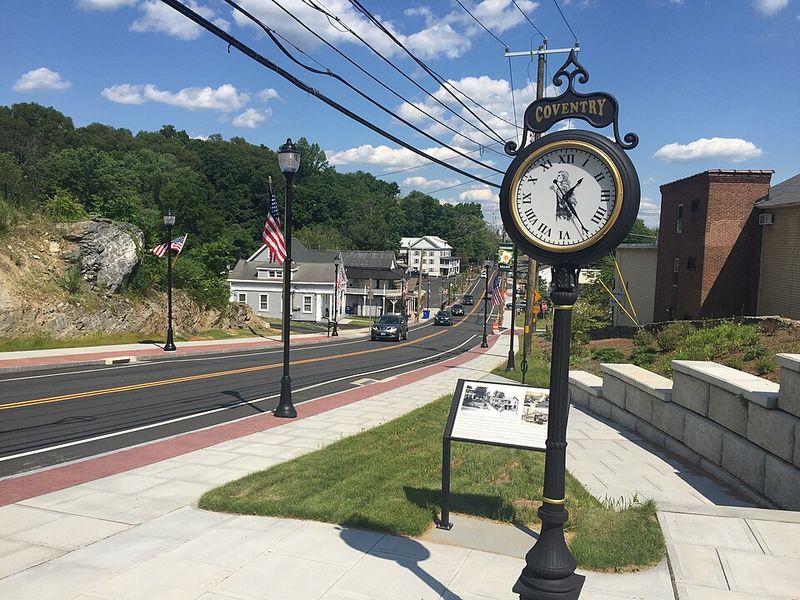
Rushing through Coventry would mean missing most of what makes it worth visiting in the first place.
The town does not announce itself loudly, and its historical layers tend to surface gradually as attention is paid to details like roadside markers, old cemetery inscriptions, and the placement of structures relative to the landscape around them.
The South Coventry Historic District and surrounding areas contain architecture and land patterns that reflect centuries of incremental change rather than sudden development.
That layered quality takes time to read properly, and visitors who allow themselves an unhurried pace tend to leave with a stronger sense of place.
Old cemeteries in the area, some dating back to the 1700s, offer a quietly sobering way to engage with the town’s past. Reading the dates and names on weathered stones gives a tangible sense of how long people have been living and working in this particular corner of the state.
History lovers who appreciate context over spectacle will find Coventry genuinely satisfying, because the town rewards curiosity and patience rather than passive observation.
Bringing a notebook or camera helps capture details that might otherwise blur together after a long day of exploring.
8. When To Visit For The Best Atmosphere
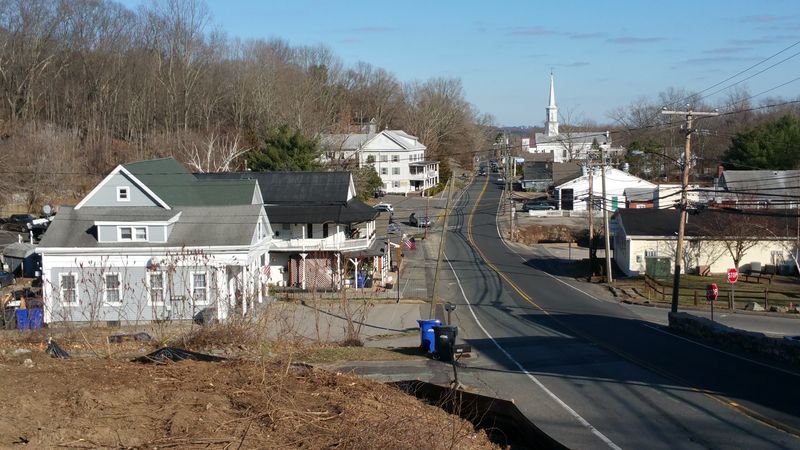
The best views in Coventry often appear along the town’s back roads rather than at marked overlooks, with farmland opening up unexpectedly and the sky feeling wider than it does in more developed areas.
Spring and early summer bring a different but equally appealing quality, with green fields returning after winter and the roads feeling fresh and open.
The Nathan Hale Homestead and other seasonal attractions tend to resume their public schedules in spring, making those months practical for visitors who want access to the town’s historic sites.
Weekdays are generally quieter than weekends throughout the year, which suits the town’s character well.
Crowds here are modest even at peak times, but arriving on a Tuesday or Wednesday morning rather than a Saturday afternoon means encountering even fewer distractions and a more genuine sense of the town’s everyday pace.
Winter visits are possible and can feel beautifully still, though some outdoor attractions lose accessibility in snow and ice. Checking the current operating schedules for any specific sites before planning a trip is always a practical step regardless of the season chosen.
9. What Gives Coventry Its Forgotten Charm
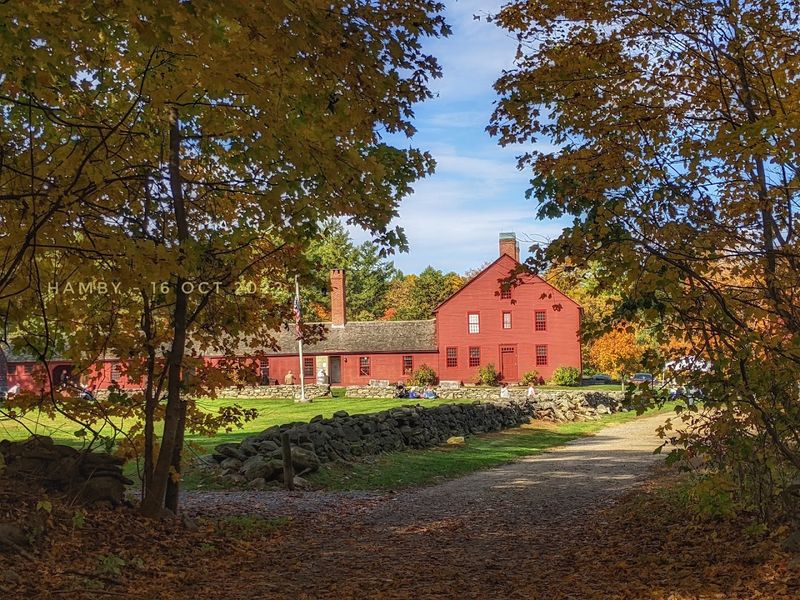
Part of what makes Coventry feel so distinct is the very fact that it has not tried to reinvent itself for the sake of attracting attention. There are no manufactured tourist corridors here, no themed shopping districts, and no aggressive signage pointing visitors toward curated experiences.
What remains is simply the town as it has grown and aged over time.
That honesty is rare in places that have any connection to significant history, and Coventry wears its age without apology.
The imperfections in old buildings, the uneven edges of stone walls, and the slightly faded quality of certain structures all contribute to an atmosphere that feels real rather than restored for show.
Visitors who come expecting dramatic spectacle may find the town underwhelming at first glance, but those who arrive with patience and genuine curiosity tend to leave with something harder to define and easier to remember.
The forgotten quality is not a flaw but a feature, one that keeps the town from feeling like a performance of its own history.
Coventry simply exists as it always has, quietly and without fanfare, and that is precisely what makes it worth the detour for anyone who values authenticity over polish.