The Gorgeous Small Town In Nebraska Where You Can Live Large On Social Security
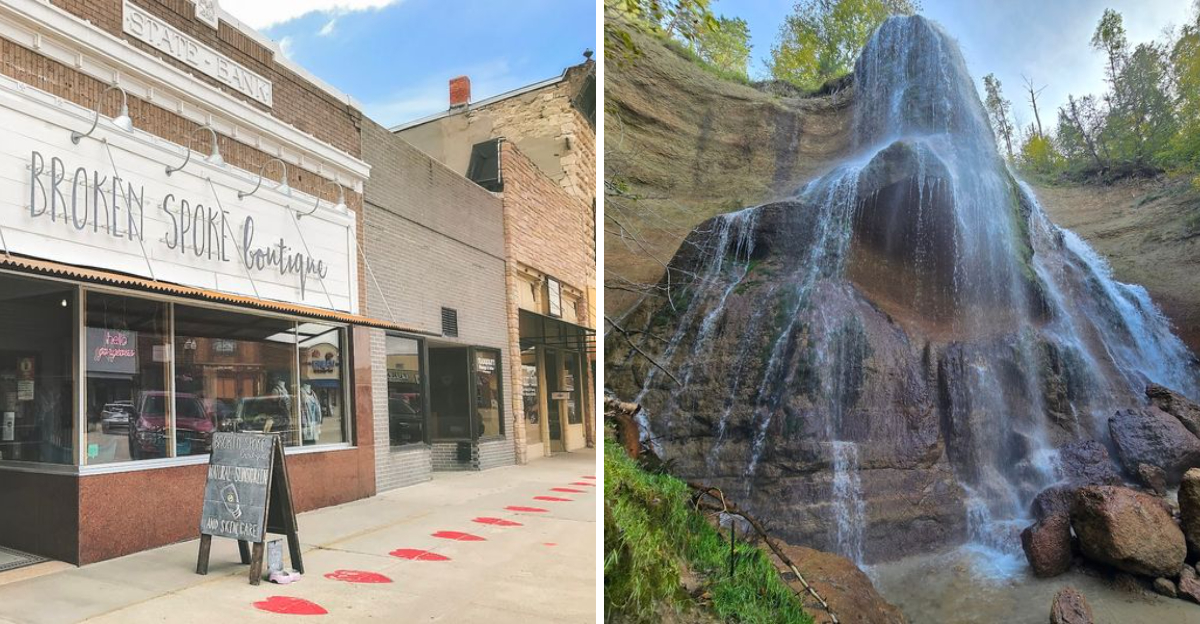
Stretching a fixed income sounds easier when the town itself feels generous.
Pretty streets help. Low everyday costs help more.
A quiet routine can start feeling surprisingly rich when life stops asking for big-city prices.
One gorgeous small town can make Nebraska feel like retirement found a little extra room in the budget.
That is the kind of place people notice fast.
Living large does not have to mean luxury. Sometimes it means a comfortable home, easy errands, and enough charm outside the window.
Social Security alone can be tight in many places. Here, the appeal comes from balance.
Costs feel more manageable and the setting still gives residents something beautiful to enjoy without spending much at all.
Lower Living Costs Make The Budget Stretch
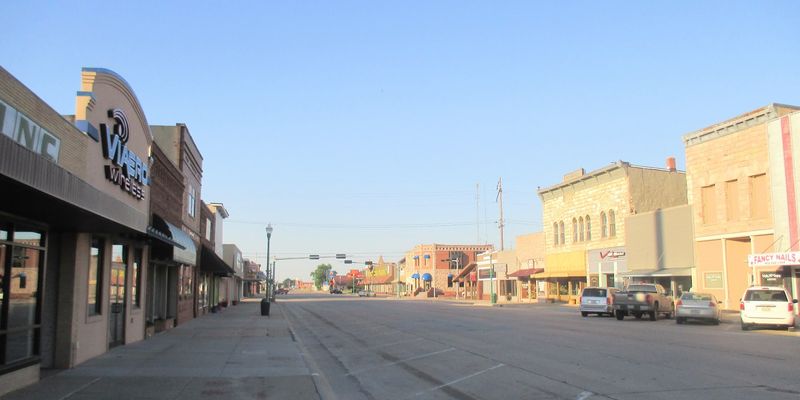
Spending less while still living comfortably sounds like a dream, but in Valentine it tends to be a daily reality for many residents.
The overall cost of living here runs between 6 and 15 percent below the national average, and it also comes in lower than most other cities across Nebraska.
For someone relying primarily on Social Security, that kind of gap makes a real and measurable difference every single month.
Food and transportation expenses both trend more affordable than what most Americans pay elsewhere in the country.
Estimated monthly living costs for a single person fall somewhere between $1,942 and $2,325, which keeps things manageable on a fixed income.
Healthcare costs in the area are roughly comparable to the national average, so there are no major surprises on that front.
The town does not feel cheap in the negative sense of the word.
Everyday life here simply costs less without sacrificing the basics, and that steady financial breathing room adds up to something genuinely meaningful over time.
For retirees watching every dollar carefully, that consistent affordability can reduce stress and allow for small pleasures that tighter budgets elsewhere might not allow.
Housing Prices Stay More Manageable Than Big Cities
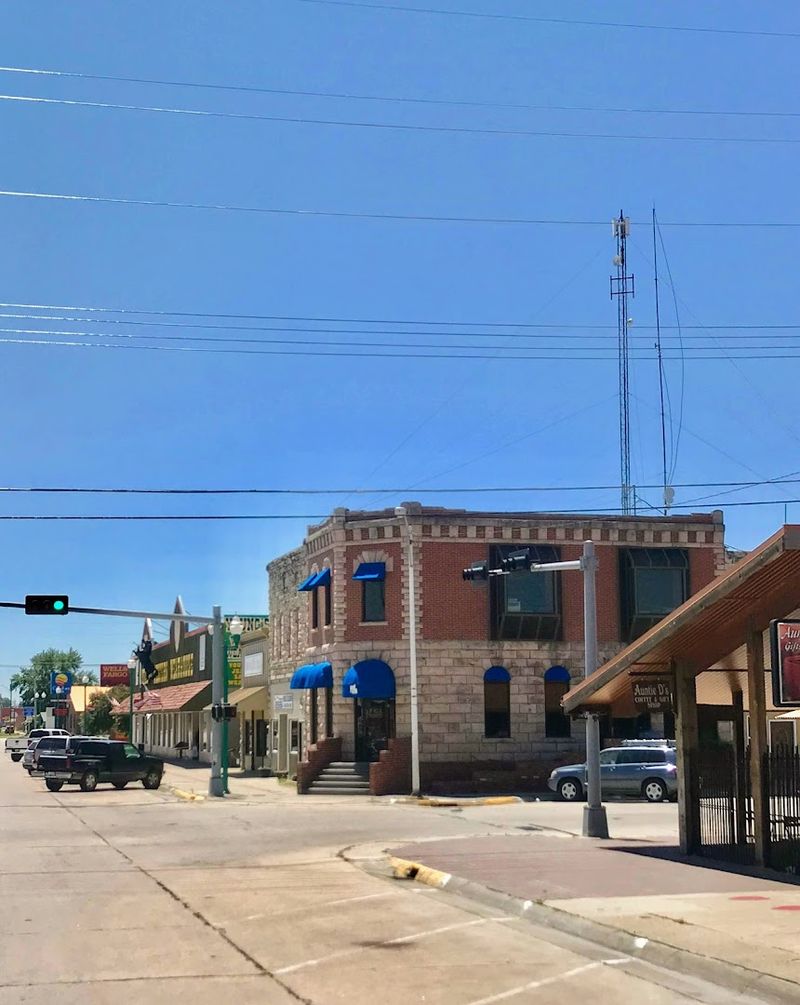
Owning a home in Valentine costs dramatically less than it does in most American cities, and the numbers back that up clearly.
The median property value here was around $148,600 in 2024, compared to the national median of roughly $332,700.
Some estimates place the median even lower, closer to $124,700, which puts homeownership within reach for people who might have been priced out elsewhere.
Most residents in Valentine own their homes rather than renting, which reflects both the affordability and the long-term stability the town tends to offer.
Median monthly housing costs run around $853, and median gross rent for those who do choose to rent sits near $892 per month.
Those figures are significantly lower than what renters pay in larger Nebraska cities like Lincoln or Omaha.
Senior living options also exist within the community for those who want extra support.
Assisted living facilities such as Cherry Hills Estates and Good Samaritan Society – Valentine provide care-oriented housing, with assisted living costs starting around $3,500 per month and independent living averaging closer to $500 monthly.
Having that range of options makes Valentine a practical long-term choice for retirees at different stages of life.
Small-Town Errands Stay Close To Home
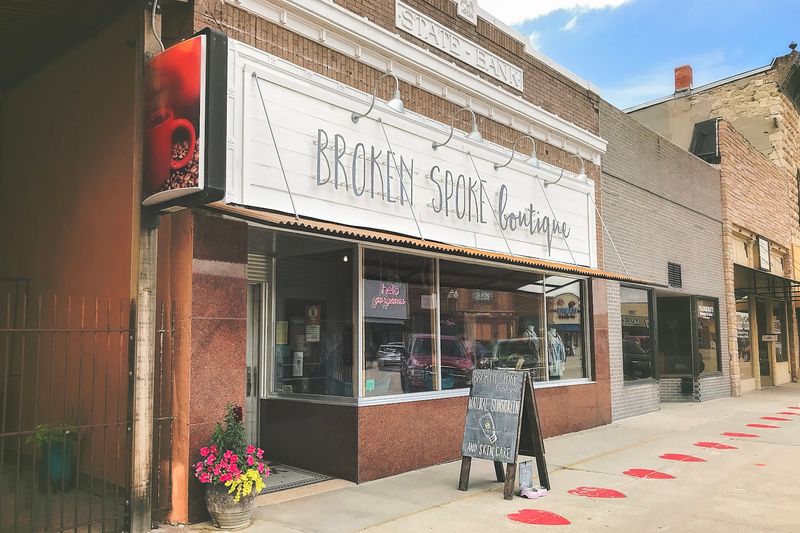
Getting around Valentine does not require a long drive or heavy traffic navigation, which makes daily life noticeably less tiring for older residents.
The town is compact enough that most essential errands stay within a short distance, and the layout of the community keeps grocery runs, pharmacy visits, and quick stops feeling low-effort rather than exhausting.
That kind of everyday ease is something that gets overlooked until it is gone.
Local shops and services line the main commercial areas, giving residents access to what they need without heading to a distant city.
The town also has a bike share program available for those who enjoy getting around without a car on pleasant days.
Sandhills geography keeps the surrounding roads relatively straightforward compared to the dense urban grids that frustrate drivers in bigger places.
For retirees who no longer want to deal with hour-long commutes or multi-lane highways just to pick up groceries, the proximity of Valentine’s everyday services feels like a genuine quality-of-life upgrade.
Running errands here tends to be quick and low-stress, leaving more time and energy for the outdoor activities and community connections that make retirement feel worth it in the first place.
Outdoor Beauty Comes Without Big-City Prices
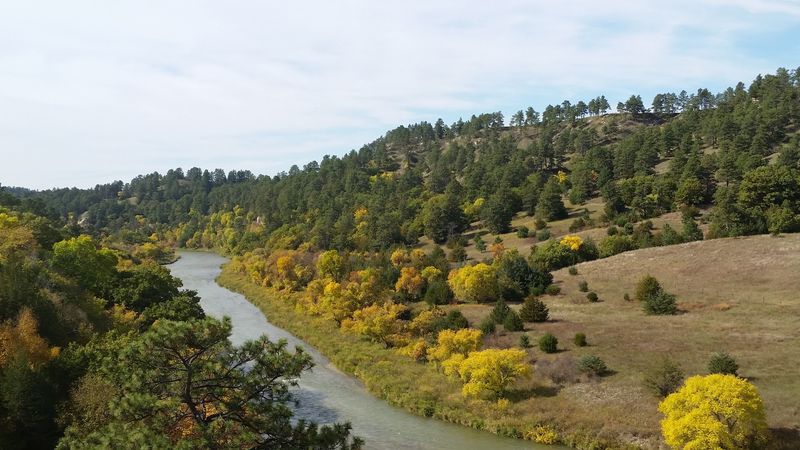
Natural beauty surrounds Valentine in every direction, and most of it costs nothing to enjoy.
The town sits within Nebraska’s Sandhills region, a landscape of grass-covered dunes, clear-water lakes, and open skies that stretches for miles without interruption.
Spending time outdoors here does not require an entrance fee, a reservation, or a long drive to find something worth looking at.
National Geographic Adventure magazine listed Valentine as one of the best 100 adventure towns and cities back in 2007, a recognition that still holds up.
From wildlife refuges to river corridors to hiking trails, the options are genuinely broad for a town of this size.
Fort Niobrara National Wildlife Refuge alone covers 77,000 acres and shelters bison, elk, deer, and more than 230 bird species.
For retirees who enjoy being outside but cannot afford expensive resort towns or coastal destinations, Valentine offers something rare: scenery that rivals far pricier places without the matching price tag.
Walks, wildlife watching, and quiet time in nature are all accessible without spending much, and that combination of beauty and affordability is harder to find than most people expect.
Smith Falls Brings A Major Scenic Perk Nearby

Nebraska’s tallest waterfall is located just a short drive from Valentine, and that alone makes the town feel like a genuinely special place to live.
Smith Falls State Park is home to Smith Falls, a striking cascade that drops through a wooded canyon and flows into the Niobrara River below.
The sight and sound of falling water in the middle of the Great Plains carries a surprising emotional impact for first-time visitors.
Smith Falls State Park is located at 26967 Smith Falls Rd, Sparks, NE 69220, and the park draws visitors from across the state throughout the warmer months.
Getting there from Valentine involves a scenic drive through Cherry County’s open terrain, which is pleasant in its own right.
The park offers trails, picnic areas, and access to the Niobrara River corridor for those who want to extend their visit.
For residents of Valentine, having a destination like this within easy reach adds a recurring source of enjoyment that never really gets old.
Seasons change the park’s appearance noticeably, with spring bringing lush greenery and autumn shifting the palette toward warm reds and golds.
Living close to a place this beautiful, without paying resort-town prices, is one of the quiet advantages of calling Valentine home.
The Niobrara River Keeps Weekends Interesting
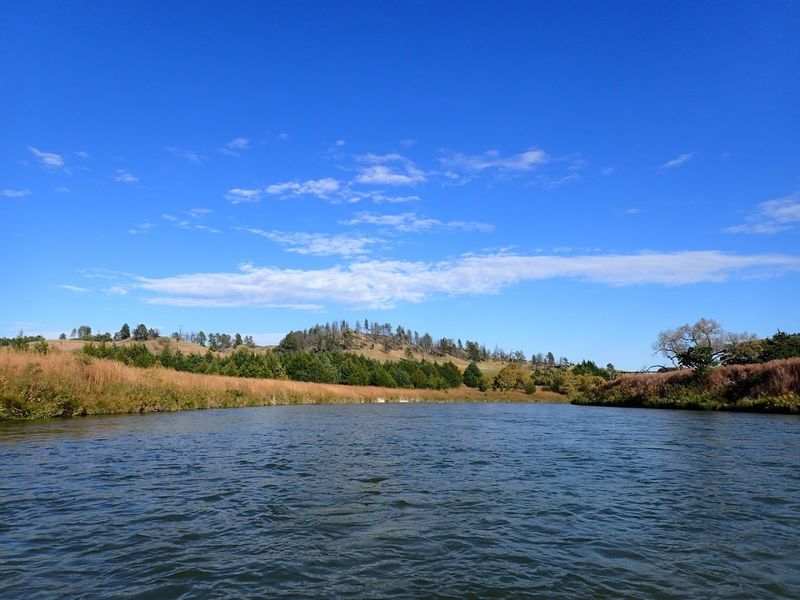
Running just south of Valentine, the Niobrara River offers one of the most accessible and enjoyable outdoor experiences in the entire state.
Designated as a National Scenic River, it provides opportunities for canoeing, kayaking, tubing, and tanking along stretches of clear water bordered by limestone cliffs, small waterfalls, and dense tree canopy.
The river moves at a pace that feels relaxed rather than intense, making it a great fit for older adults who enjoy being on the water without extreme physical demands.
The Niobrara also holds the distinction of being North America’s first International Quiet Trail, a recognition that reflects the calm, unhurried character of the experience it offers.
That quietness is part of what makes the river so appealing for people who have spent decades in noisy, fast-paced environments.
Weekends on the Niobrara tend to feel restorative in a way that is hard to replicate in a gym or a shopping mall.
Rental outfitters operate along the river during the warmer months, making access easy even for those who do not own their own equipment.
The combination of natural beauty, gentle current, and affordable access keeps the Niobrara a consistent draw for Valentine residents throughout the spring and summer seasons.
Local Shops Give Main Street Real Usefulness
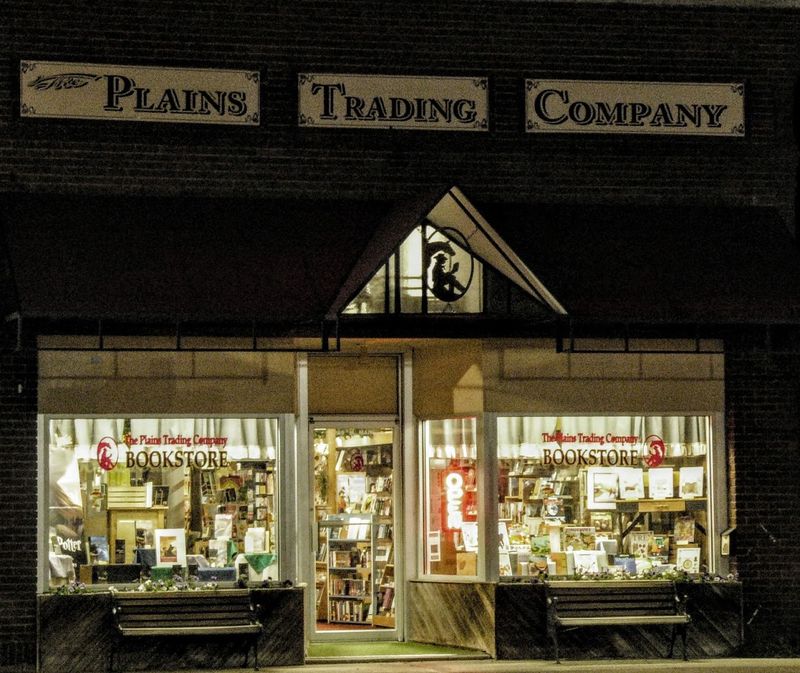
A main street that actually functions as a main street is rarer than it should be in American small towns, but Valentine holds onto that quality with genuine consistency.
Local businesses here cover a practical range of everyday needs, from hardware and clothing to food and personal services, keeping residents from having to drive hours just to handle routine purchases.
That functional variety is something retirees on fixed budgets genuinely appreciate.
Shopping local in a town this size also means that store owners often know their customers by face, if not by name.
Transactions feel more like exchanges between neighbors than anonymous commercial interactions, and that difference in tone adds a warmth to everyday errands that is difficult to quantify but easy to notice.
The absence of large-box retail domination keeps the downtown area feeling lived-in and human-scaled.
Supporting local businesses also tends to circulate money back through the community in ways that benefit everyone who lives there.
For retirees who care about the long-term health of their town, spending at local shops feels like a meaningful contribution rather than just a purchase.
Valentine’s main street reflects a community that has worked to keep its commercial core alive, and that effort shows in the variety and character of what remains open.
Medical Access Helps The Town Feel Practical
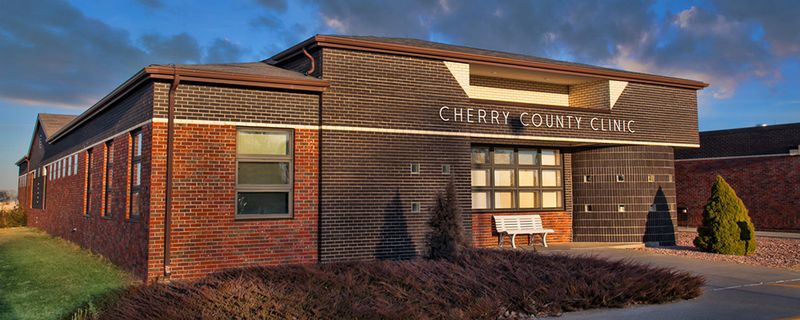
Access to healthcare is one of the most practical concerns for anyone considering retirement in a rural area, and Valentine addresses that concern with more substance than many small towns its size.
Cherry County Hospital is a 25-bed critical access hospital that provides emergency care, surgical services, rehabilitation, home health support, and specialized services.
Having that range of services available locally removes a significant layer of anxiety for older residents managing ongoing health needs.
Cherry County Hospital is located at 510 N Green St, Valentine, NE 69201, and the facility serves as the primary medical anchor for the surrounding region.
Primary care is available through the Cherry County Clinic and the Valentine Medical Clinic Family Practice, both of which offer wellness checks, immunizations, and minor procedures for routine health maintenance.
Medical specialists also visit the hospital on a scheduled rotating basis, expanding the range of care accessible without leaving the area.
For retirees who worry about being too far from medical help, Valentine’s healthcare infrastructure offers meaningful reassurance.
The town is not a major medical hub, but it covers the essential bases with a level of competence and accessibility that makes everyday health management feel workable rather than stressful.
A Slower Pace Makes Retirement Feel Easier
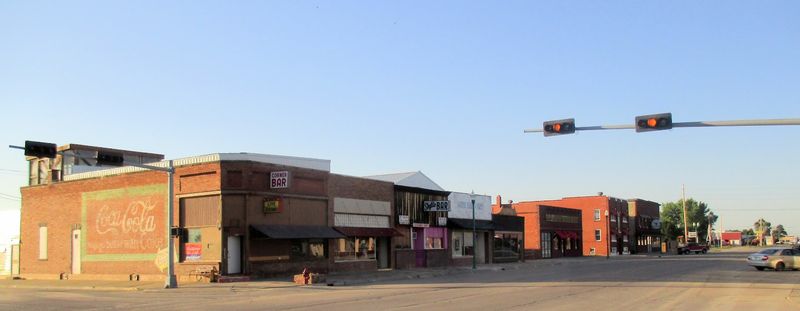
Retirement is supposed to feel like a release from constant pressure, but that feeling can be hard to find in places where traffic, noise, and social busyness follow people everywhere.
Valentine operates at a different rhythm, one where mornings feel unhurried and afternoons carry a kind of easiness that busy cities rarely allow.
That slower pace is not just a vague lifestyle preference but a practical daily reality that affects mood, sleep, and overall wellbeing.
The town’s compact size means that social interactions tend to be genuine rather than transactional.
Running into a neighbor at the post office or chatting with someone at a local diner feels natural rather than awkward, and those small moments of human connection add up over time into something that feels like real community.
For retirees who moved away from places where everyone seemed too busy to notice each other, that shift in social texture can be quietly profound.
Valentine’s median age of 37.2 years reflects a community that includes working families alongside older residents, which keeps the town feeling balanced and alive rather than stagnant.
Retirees here are not segregated into a retirement bubble but woven into a functioning community where different generations share the same streets, parks, and gathering spaces.
That integration tends to make retirement feel more purposeful and less like a withdrawal from the world.