This North Carolina Museum Is Where Fashion History And Runway Drama Come To Life
Fashion does not usually whisper, but in this North Carolina museum, it practically clears its throat and asks everyone to pay attention.
One minute, clothing feels like something people wear, and the next, it becomes drama, history, personality, and art with better posture than most of us on a Monday.
Galleries turn fabric into storytelling, showing how a sleeve, a silhouette, or a bold design can say more than an entire speech.
Even someone who only came in “just to look around” may suddenly start judging seams with the confidence of a runway critic.
Anna Wintour would probably adore this place, then quietly approve from behind sunglasses without giving anyone the satisfaction of knowing it.
For anyone who loves fashion with substance, beauty with a backstory, and museum rooms that feel secretly glamorous, this Charlotte stop knows exactly how to make style feel unforgettable.
Charlotte Puts Fashion On Display
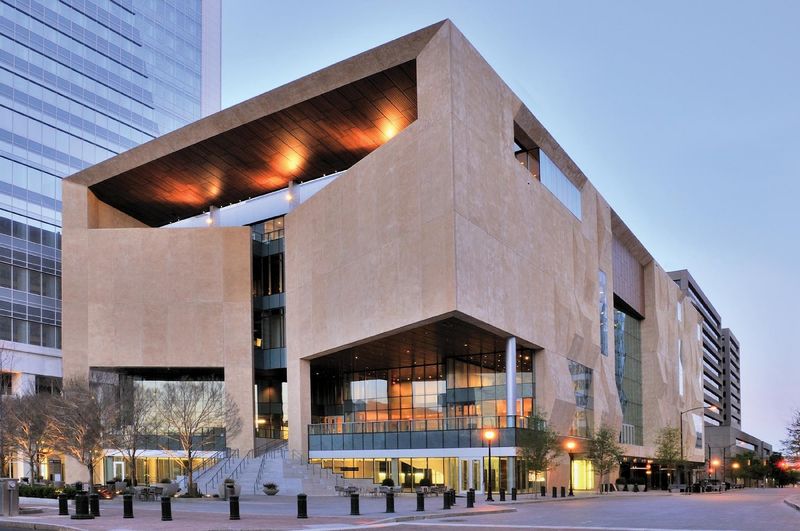
Uptown’s polished museum district gives The Mint Museum Uptown a fitting stage for fashion, design, and art history. That setting helps the museum feel energetic before anyone reaches the galleries.
Inside, fashion appears not as a shopping fantasy but as a serious design language shaped by labor, materials, social rules, and creative risk.
The museum’s official visitor information lists Mint Museum Uptown as home to Craft + Design, American, Modern, and Contemporary collections. Fashion-related displays gain room to speak beside other forms of visual culture throughout the museum.
Hours currently run Tuesday through Sunday, with Uptown open until 9 PM on Wednesdays and Fridays, while general admission covers both Mint locations for two consecutive days. That practical detail helps visitors build a fuller art day instead of rushing through one stop.
Charlotte may be known for finance and skyline views, yet this museum shows how much cultural depth sits right downtown.
The Mint Museum Turns Clothing Into Art
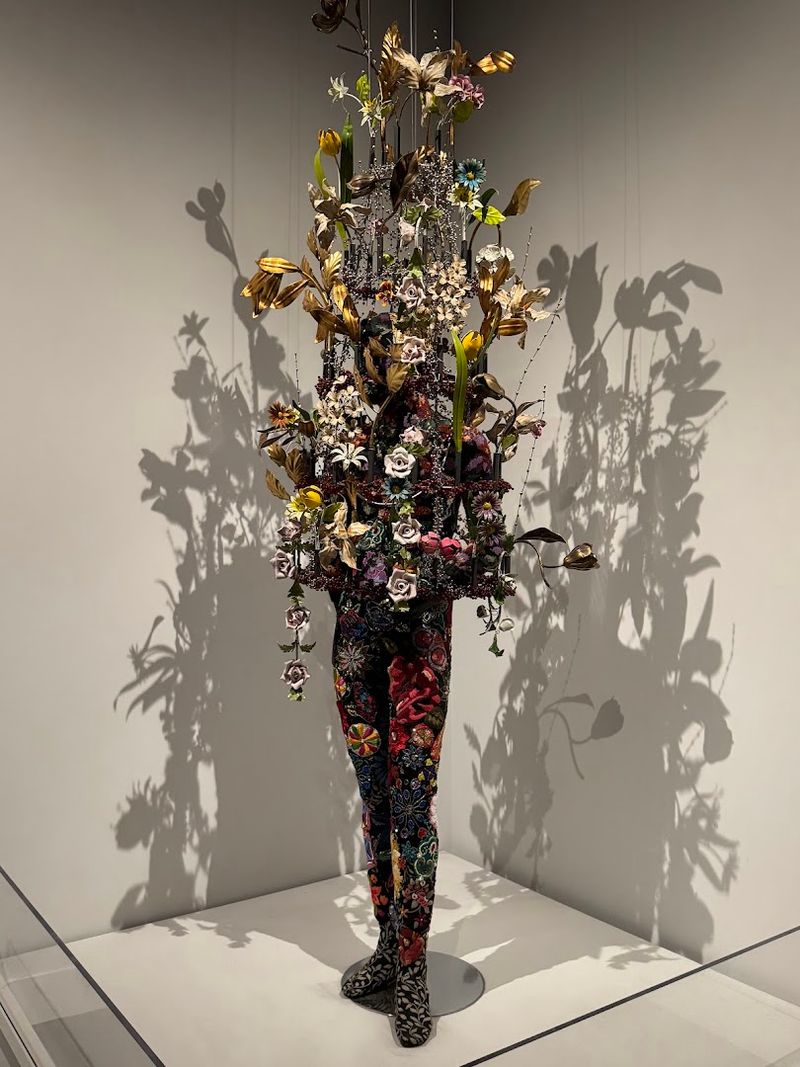
Clothing becomes much more interesting when a museum treats it as design, history, and human expression all at once.
The Mint Museum’s fashion collection was founded in 1972 by the Mint Museum Auxiliary. Later exhibitions draw from its permanent holdings to show how silhouettes, surface design, materials, and ideas about the body have changed across centuries.
That context matters because a gown, suit, handbag, textile, or accessory can reveal far more than taste. Garments can reflect technology, trade, class, gender expectations, cultural exchange, and the skill of makers whose names were not always preserved.
The best fashion displays slow visitors down, asking them to notice seams, structure, fabric choices, and the way a garment shapes movement. At The Mint, wearable objects sit within a broader museum conversation about craft and design rather than floating as decoration.
Even visitors who arrive without a fashion background can follow the story because the pieces connect to familiar questions: how people present themselves, how beauty standards shift, and how clothing can carry memory long after its original wearer is gone.
Historic Dress Gives The Galleries Drama
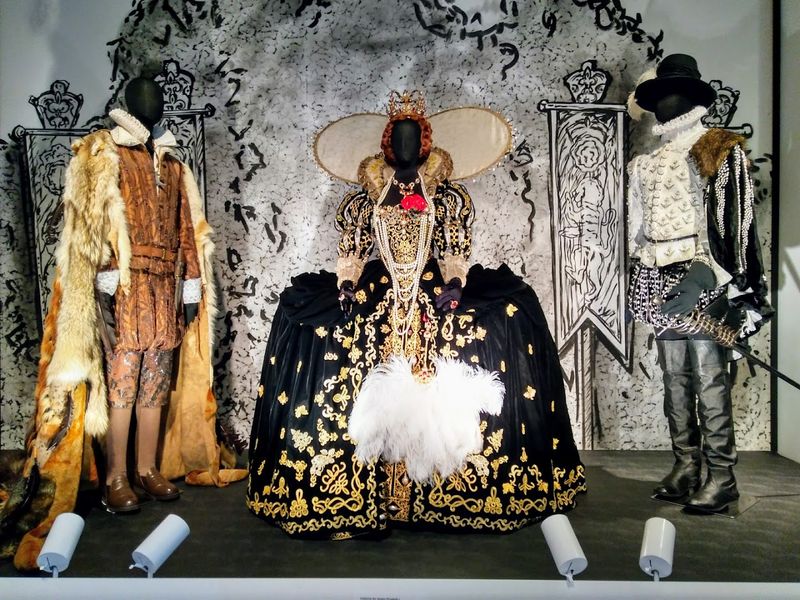
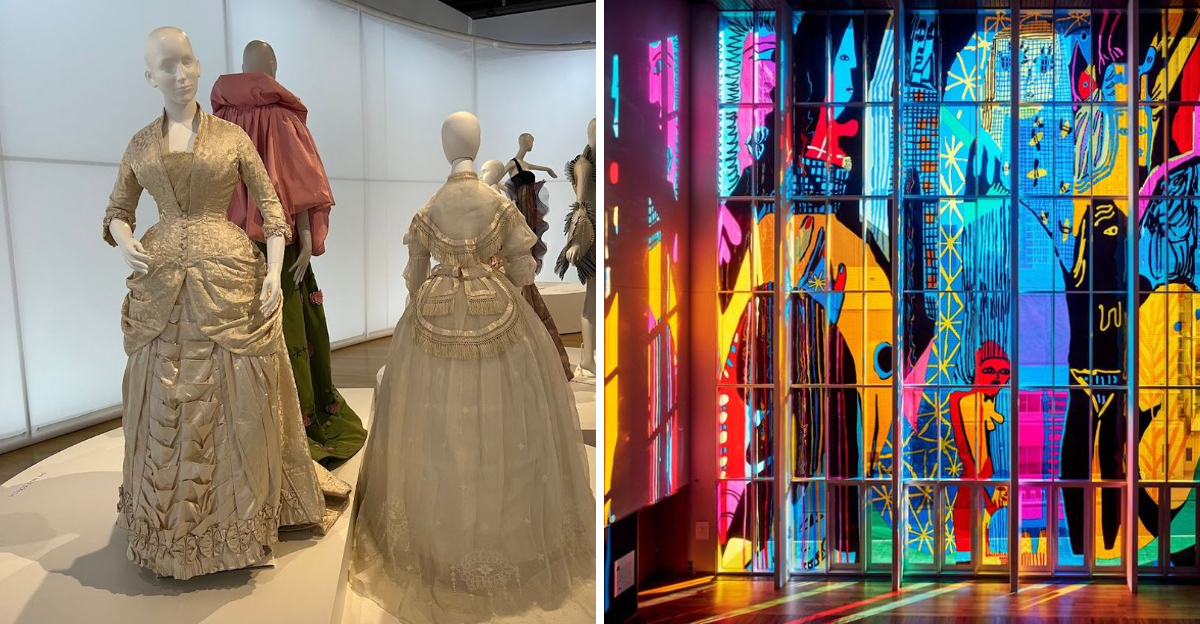
Standing near historic dress can feel surprisingly theatrical because old garments bring vanished social worlds into view.
The Mint’s fashion holdings have been described as containing around 10,000 historic articles of clothing, and past exhibitions have included men’s and women’s fashion from 1760 into the present day.
That range gives curators a wide field for exploring changing silhouettes, from structured 18th-century forms to modern pieces built around entirely different ideas of the body. Historic clothing does not need exaggerated language to feel dramatic.
A carefully shaped sleeve, an embroidered surface, a courtly suit, a wedding ensemble, or an unusual evening garment can carry the pressures and pleasures of its era. Because textiles are fragile, not every treasure can be on view at all times, so current displays should be confirmed before visiting.
Still, the museum’s fashion history has enough depth to make the subject feel substantial. Each preserved garment acts almost like a time capsule, showing how style once managed status, movement, beauty, modesty, and ambition.
Inside a gallery, those choices feel remarkably alive.
Runway Style Meets Museum Storytelling
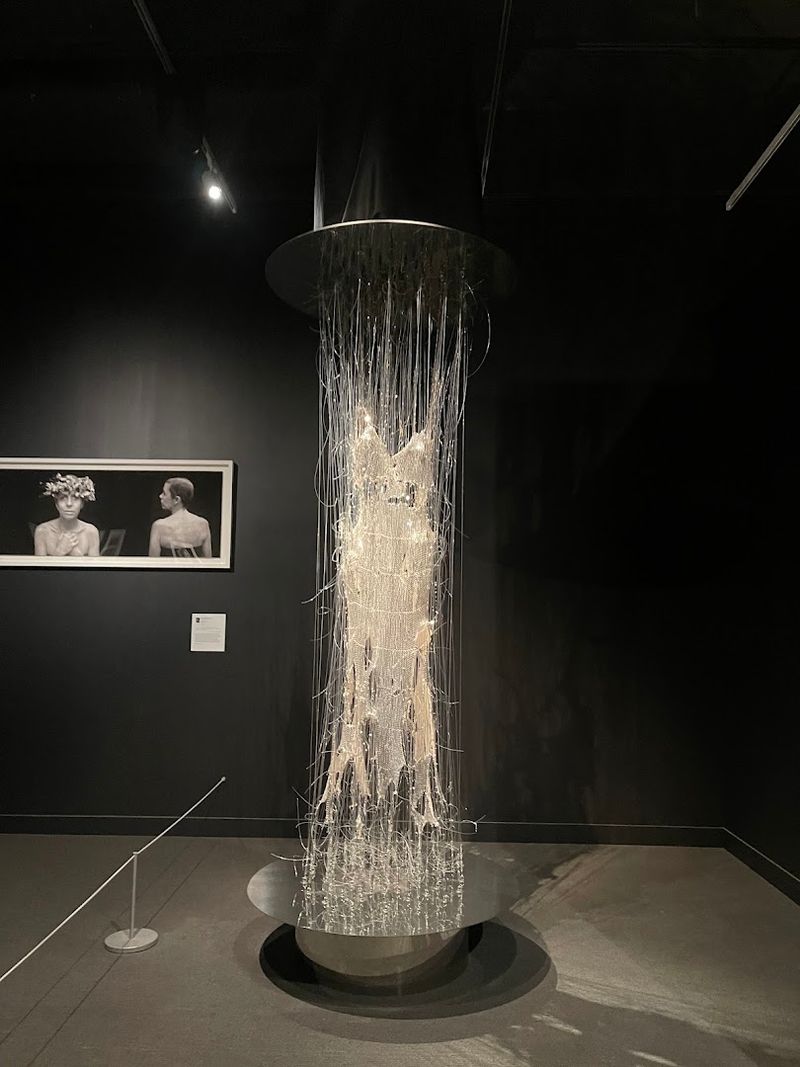
Runway energy works best in a museum when it helps explain a garment rather than distracting from it.
Fashion at the Mint appears through thematic exhibitions that connect clothing to ideas such as minimalism, pattern, decoration, and changing concepts of the body. Curated displays allow visitors to see style as part of a larger cultural conversation.
That approach gives fashion displays a narrative pulse. Instead of arranging garments only by date or designer, strong museum storytelling can show how one visual idea echoes across decades or how a silhouette reflects a specific moment.
Lighting, spacing, mannequin presentation, and wall text all matter because they shape how the eye moves from one piece to the next. The result can feel a little like a runway slowed down for closer study.
Visitors get the excitement of bold design without losing the historical context behind it. Anyone hoping for live fashion events or special programs should check the museum’s current calendar, since event schedules change throughout the year.
Even without an event, the galleries can still make clothing feel staged, intentional, and full of movement.
Couture Adds A High-Fashion Spark
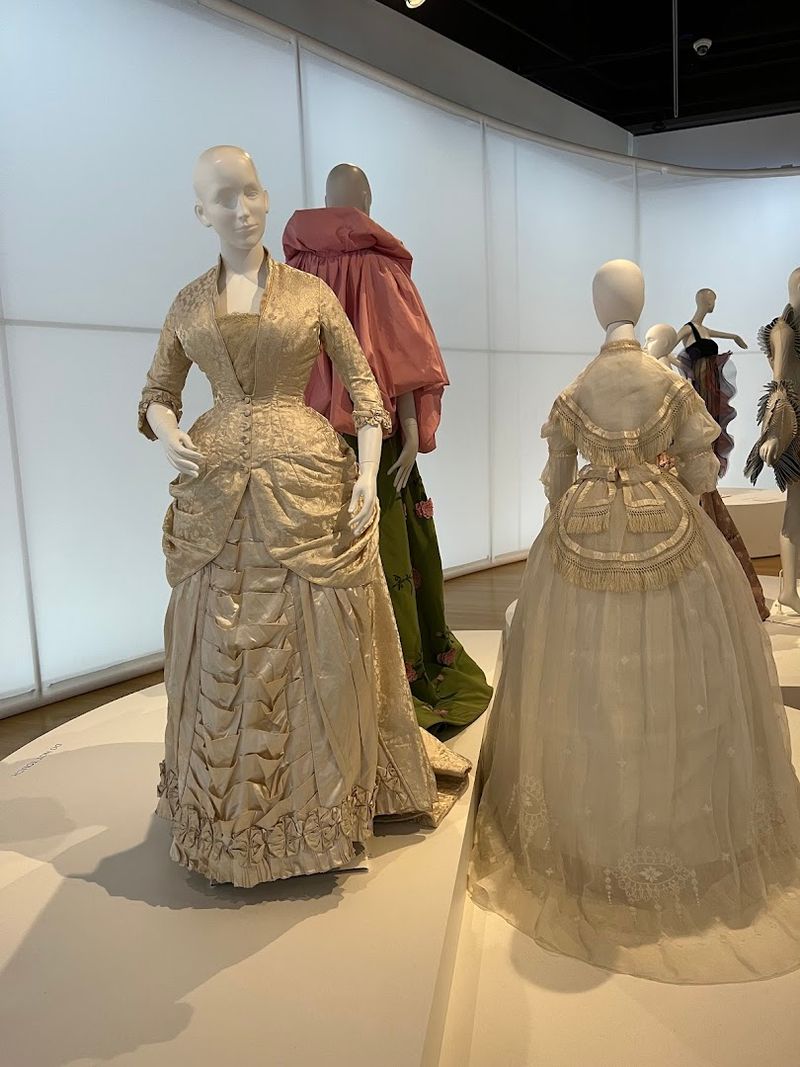
Designer fashion brings a different kind of electricity to a museum gallery because the workmanship often borders on sculpture.
Past Mint fashion exhibitions have included historic and contemporary designer pieces, with garments used to explore silhouette, pattern, decoration, and changing ideas about the body.
That range matters because couture and high-fashion pieces can reveal how clothing pushes beyond everyday use into architecture, performance, fantasy, and cultural commentary.
Up close, a structured bodice, sculptural sleeve, handworked surface, or daring textile choice can explain why certain garments belong in an art museum rather than a closet.
Photographs rarely capture the full effect because scale, texture, and construction become clearer in person. The Mint’s strongest fashion moments help admiration turn into understanding.
Visitors can enjoy the glamour, but they also see the labor and ideas holding it together. For anyone who loves runway drama, the museum offers a grounded version of it: polished, contextual, and focused on why ambitious clothing continues to matter.
Design Details Make Every Piece Speak
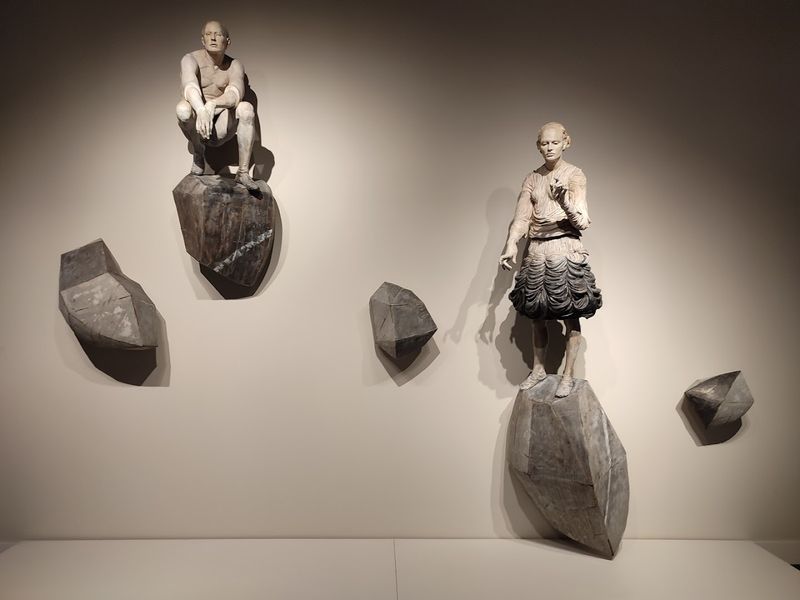
Close looking is where fashion starts telling its best stories. A museum garment may catch attention with shape or color first, but the smaller details often carry the most meaning.
Stitching, buttons, closures, embroidery, beadwork, pleating, printed surfaces, linings, and fabric weight can reveal how an item was made and how it was meant to move.
The Mint’s fashion-related interpretation has emphasized silhouette, surface design, and the body, giving visitors a useful way to study clothing beyond first impressions.
That kind of framing turns a gallery visit into a slow reveal. A visitor might notice how a sleeve changes posture, how a pattern directs attention, or how a textile choice suggests wealth, restraint, rebellion, or practicality.
Careful display is especially important because fragile garments cannot be handled like everyday clothes. Instead, lighting, spacing, and labels have to do the educational work.
When those elements come together, every piece feels less like an object trapped in a case and more like a voice from another moment explaining itself through craft.
Textiles Bring History Into View
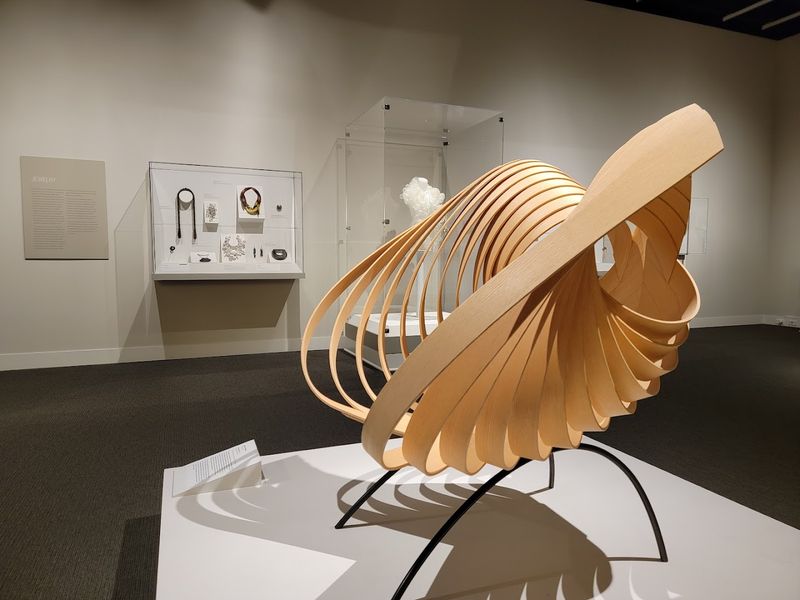
Fabric carries history before it ever becomes a finished garment. The Mint’s broader commitment to craft and design makes textiles feel especially important, because woven, printed, embroidered, and embellished surfaces can point toward trade, labor, technology, taste, and cultural exchange.
Clothing often gets the spotlight, but cloth itself holds the deeper foundation. A visitor looking closely at textile displays can begin to understand how material choices shape status, movement, comfort, and meaning.
North Carolina’s own textile history also gives the subject local resonance, even when a piece comes from far beyond the state.
Museum programming for 2026 includes “Designing Dynamism: Kuba Textiles from the DR Congo” at Mint Museum Randolph. The exhibition shows how textile study can extend well beyond fashion into pattern, prestige, and cultural expression.
That context strengthens a visit to either Mint location because the general admission ticket covers both sites for two consecutive days. Fashion history feels richer when visitors remember that every silhouette begins with material, and every material carries a story of makers, movement, and use.
Uptown Charlotte Sets The Stage
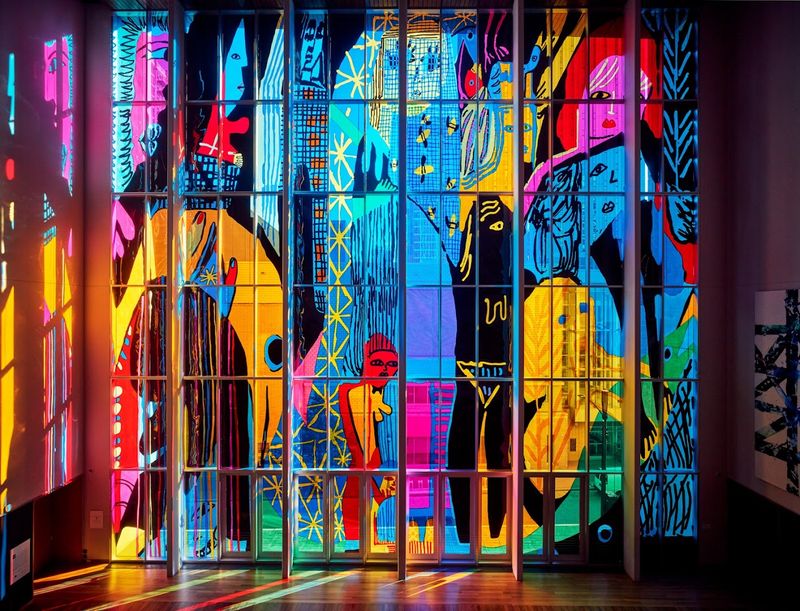
Few museum visits benefit from their surroundings as naturally as The Mint Museum Uptown does. The building’s address at 500 South Tryon Street places it in the Levine Center for the Arts, close to other cultural venues, restaurants, cafés, parking options, and walkable city streets.
That makes it easy to turn a fashion-focused visit into a fuller Charlotte outing without treating the museum like an isolated stop.
Current Mint hours list Uptown as closed on Mondays, open 11 AM to 6 PM on Tuesday, Thursday, and Saturday, open 11 AM to 9 PM on Wednesday and Friday, and open 1 PM to 5 PM on Sunday.
Wednesday evening also includes free admission from 5 PM to 9 PM, according to the museum’s visitor information. Calling 704-337-2000 or checking the museum website before visiting is still smart because exhibitions, programs, and holiday closures can change.
Once those details are set, the experience feels simple: arrive downtown, step into a major art space, and let fashion history become part of Charlotte’s cultural skyline.