This Tiny North Carolina Island Has A 1.1-Mile Trail Through Wild Horse Country
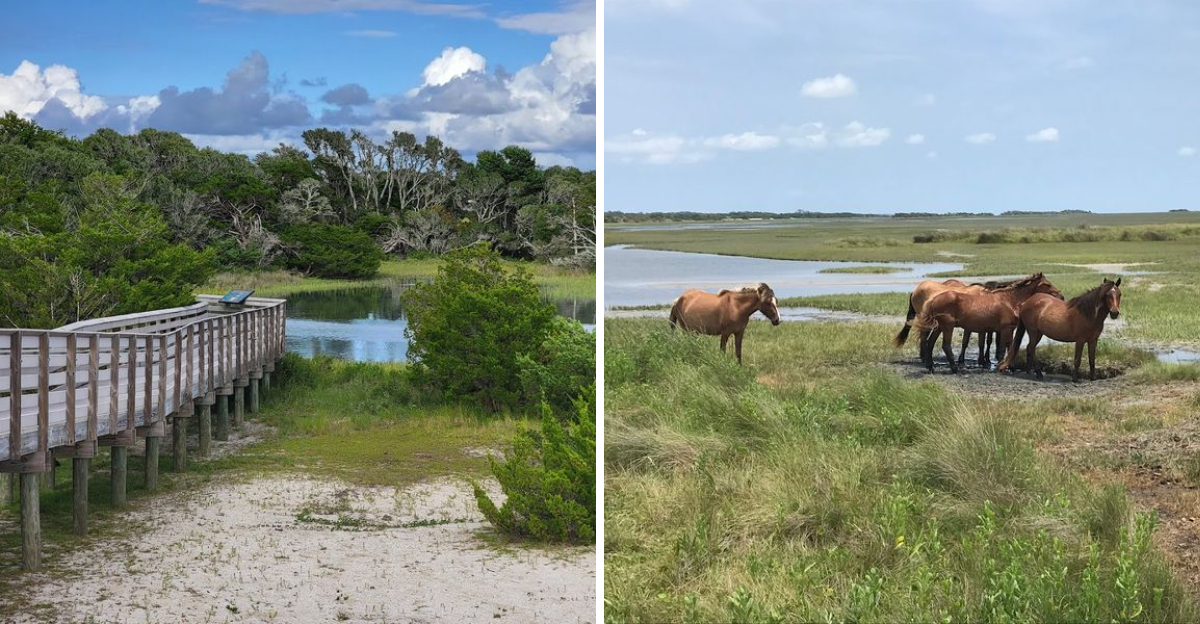
Wild horses make any walk feel instantly more important, mostly because they look like they know ancient coastal secrets and have no plans to share them.
Just across the water from Beaufort, this tiny North Carolina island turns a short trail into something that feels much bigger than its 1.1 miles.
Part of the Rachel Carson Reserve, the route moves through marsh edges, muddy stretches, sandy ground, and open coastal scenery where the landscape still feels wonderfully untamed.
Reaching it by boat only adds to the feeling that the mainland has been left behind on purpose.
No crowded boardwalk energy takes over here, and no flashy attraction has to beg for attention. Wild horses do the dramatic work just by existing.
By the time the trail opens toward the water, even a casual stroll starts feeling like a small adventure with hooves, salt air, and serious storybook behavior.
A Tiny Island Trail Runs Straight Through Wild Horse Country
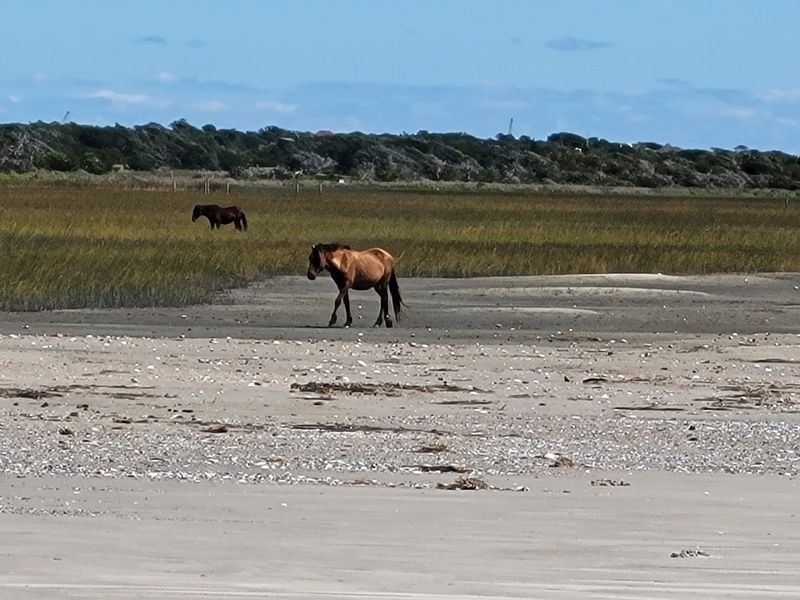
Few short trails make the first steps feel as unusual as Carrot Island does. The 1.1-mile outer loop through the Rachel Carson Reserve moves through open coastal habitat where wild horses may be visible across marsh edges, sandy paths, and grassier stretches.
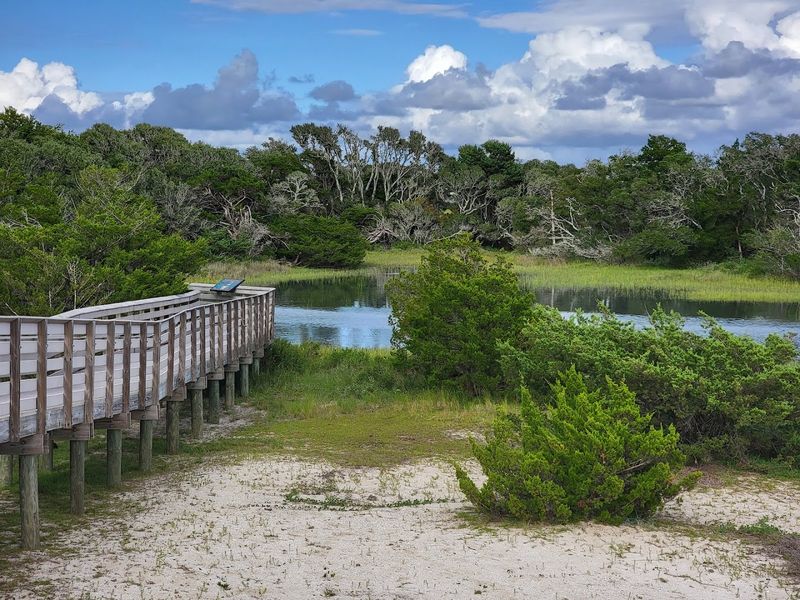
Nothing about the route feels polished, which is part of its appeal. Packed sand, mud, shells, low vegetation, and changing tide conditions create a walk that feels tied to the island rather than built over it.
Visitors should expect natural surfaces instead of a manicured park path, and waterproof shoes are a smart choice when the tide or recent rain leaves sections soft. The horses are not props or petting-zoo animals; they are protected wild animals that share the landscape on their own terms.
A quiet, patient walker has the best chance of spotting them behaving naturally. Even without a close sighting, the trail still feels memorable because the setting remains raw, open, and full of movement.
Wind moves through the marsh, birds lift from the flats, and downtown Beaufort feels much farther away than it actually is.
Carrot Island Feels Remote Even From Downtown Beaufort
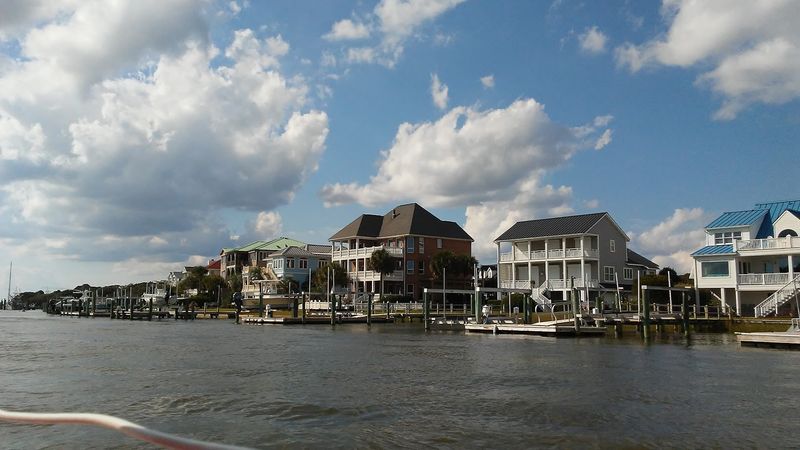
Standing along the Beaufort waterfront, Carrot Island seems close enough to make the trip feel almost casual. That illusion disappears quickly once the boat crosses Taylor Creek and the town’s sounds begin to fade behind the water.
The Rachel Carson Reserve is accessible only by boat, kayak, or ferry, which means the island keeps a natural separation from cars, sidewalks, storefronts, and the usual downtown rhythm. A short crossing creates a surprisingly strong shift in atmosphere.
On the island, open marsh and low coastal vegetation take over, while Beaufort’s waterfront becomes a backdrop instead of the center of attention. That contrast is one of the preserve’s best qualities.
Visitors do not have to travel far to feel removed from town, but they do have to leave pavement behind. Even on busier days, the broad open space helps the reserve absorb people without immediately feeling crowded.
The result is a rare kind of coastal access: close to restaurants, shops, and ferries, yet still shaped by tides, wildlife, and quiet rather than development.
The 1.1-Mile Outer Loop Turns Low Tide Into The Main Event
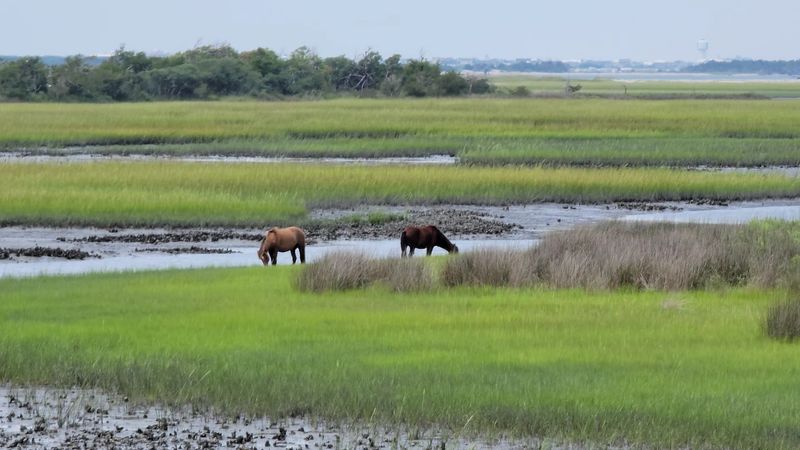
Low tide can change the entire personality of a Carrot Island visit. The outer loop is commonly described as a 1.1-mile route, but the best version of the walk depends on water levels, mud exposure, and safe footing.
When the tide drops, mudflats widen, marsh edges become easier to read, and nearby Bird Shoal can feel more connected to the island experience. Higher water can cover or complicate some areas, so checking tide charts before crossing is not just a nice extra; it can shape the day.
The landscape opens differently at low tide, revealing feeding grounds for birds, wet sand, shallow channels, and traces of movement across the flats. Horses may also be seen in wider open areas, though sightings are never guaranteed and should never be forced by approaching them.
Practical visitors bring shoes that can handle mud, sun protection, water, and patience. The trail may be short, but the tide gives it a moving schedule.
Arriving in the right window can make the difference between a simple walk and a fuller coastal encounter.
Marsh Grass, Mudflats, And Open Sky Shape The Whole Walk
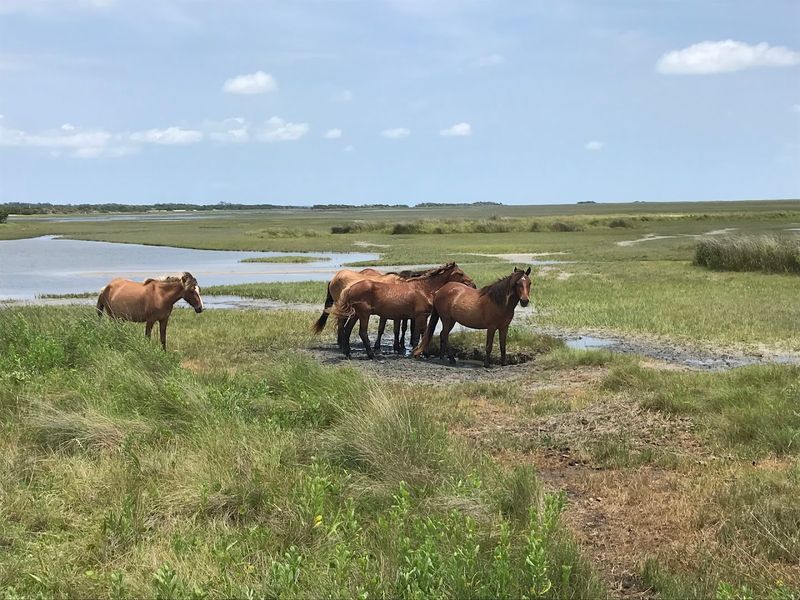
Wide sky does a lot of the work on Carrot Island. The landscape stays low and exposed, which makes every patch of marsh grass, every glimmer of mudflat, and every shift in wind feel more noticeable.
Salt marsh plants anchor the island visually and ecologically, while exposed flats at lower tides give shorebirds and other wildlife room to feed. This is not a shaded woodland hike or a manicured garden path.
The beauty comes from open space, salt air, soft ground, and the sense that the island is constantly being rewritten by water. Fiddler crabs, shells, grasses, birds, and shallow channels can all become part of the walk when visitors slow down enough to notice.
Sun can be intense because shade is limited, so a hat, water, and weather awareness matter. The short distance feels larger because there is so much happening at ground level and along the horizon.
Every step seems connected to tide, wind, and habitat, giving the trail a living quality that feels much bigger than its mileage.
Wild Horses Make The Short Trail Feel Larger Than It Is
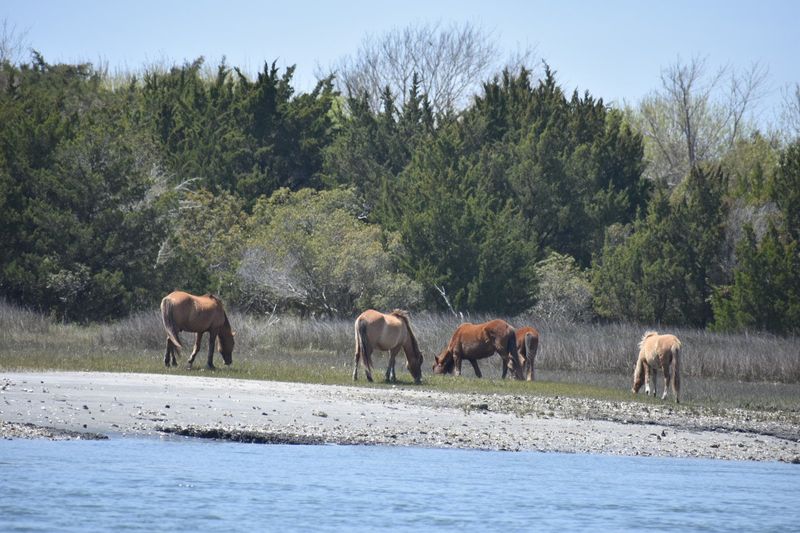
Seeing wild horses on Carrot Island can make a 1.1-mile walk feel like a much bigger journey.
The Rachel Carson Reserve herd is protected and managed by the North Carolina Coastal Reserve. The horses survive in a harsh coastal environment by grazing primarily on saltmarsh cordgrass and digging for fresh water.
Legends about shipwrecked horses are often repeated along the North Carolina coast, but official and educational sources treat those stories carefully because the exact origins of the reserve’s horses are more complex. That nuance makes the animals no less remarkable.
They are part of the island’s current ecosystem and cultural identity, and their presence changes the mood of the trail immediately. A horse grazing across the marsh or moving slowly through open grass can stop everyone in place without anyone needing to say much.
Sightings are never guaranteed, which helps keep the experience honest. The best approach is to walk quietly, keep distance, and let the island decide what it shows.
When a horse does appear, the whole preserve suddenly feels larger, older, and more alive.
Coastal Birds Give Every Quiet Stretch More Movement
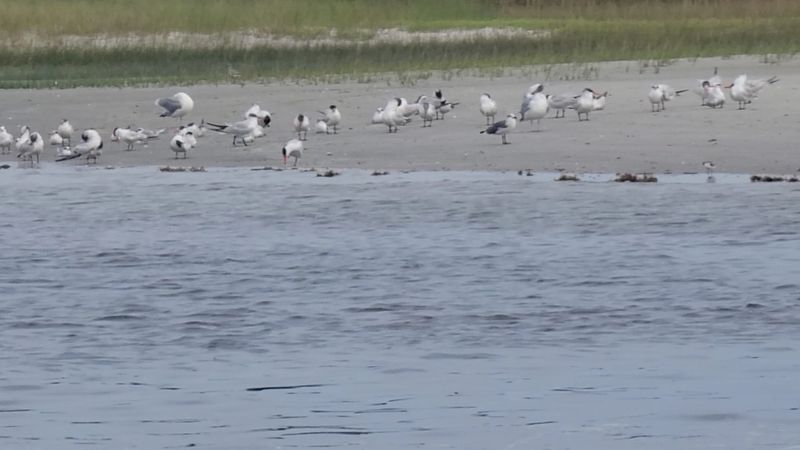
Birdlife keeps Carrot Island active even when the horses stay hidden. The Rachel Carson Reserve protects a mix of salt marshes, tidal flats, islands, and surrounding waters, creating habitat for many species that feed, rest, nest, or migrate through the area.
Wading birds can appear in the shallows, shorebirds work the mudflats, pelicans may pass low over the water, and smaller marsh birds often make themselves heard before they are seen. Spring and fall migration can add variety, while quieter mornings often bring more noticeable activity.
Binoculars help, but they are not required to appreciate the movement. Even casual visitors can enjoy watching birds probe the flats, lift from the grasses, or trace the shoreline in loose groups.
The reserve’s open layout makes the sky feel like part of the habitat, not just a backdrop. Staying quiet is useful because birds respond quickly to noise and movement.
A patient visitor may start the walk hoping only for horses and leave just as impressed by how many birds gave the island its constant motion.
Bird Shoal Adds A Beach Reward Beyond The Trail
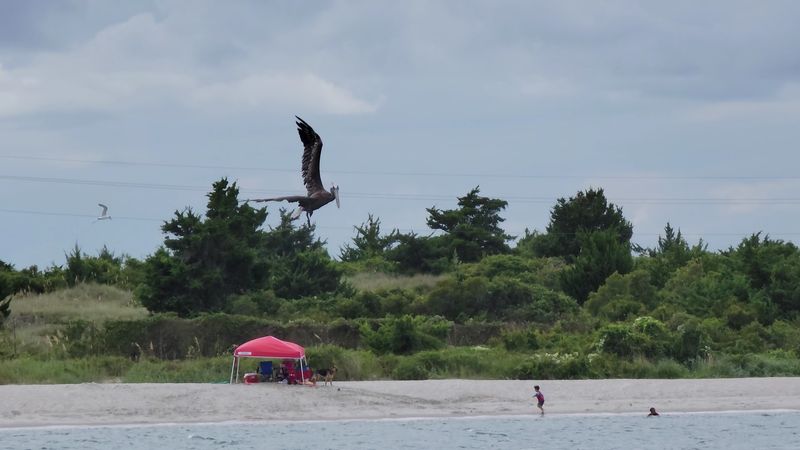
Just beyond the main trail on Carrot Island lies Bird Shoal, a wide sandy stretch that feels like a bonus destination most visitors did not know to expect. Wading across from the island at low tide is entirely doable, though the water depth and footing vary, so it is worth watching where you step.
The transition from marsh trail to open beach happens quickly and the change of scenery is genuinely refreshing.
Bird Shoal is known for its shells, and collectors will find no shortage of interesting finds scattered along the waterline. Sand dollars, whelks, and clam shells appear in good numbers, especially after a storm has turned the seafloor over.
The beach also hosts nesting shorebirds during certain seasons, so posted signs marking protected areas should always be respected without question.
Cacti and sand spurs grow along the edges of the shoal, so wearing sturdy shoes and long pants is genuinely useful advice rather than just a precaution.
Bringing tweezers along is a tip passed down from experienced visitors, and it turns out to be surprisingly practical advice once you are actually out there exploring.
Respectful Distance Keeps The Horses Wild And The Visit Special
Responsible behavior is what keeps the Rachel Carson Reserve experience special. State officials remind visitors to stay at least 50 feet away from the wild horses, and greater distance is recommended when a foal is present or when horses are behaving naturally nearby.
Feeding, touching, chasing, crowding, or trying to pose with them can stress the animals and create safety risks for people. A zoom lens or binoculars gives visitors a better look without disrupting the herd.
The same care should extend to birds, nesting areas, marsh plants, mudflats, shells, and any posted sensitive habitat.
Access usually begins from the Beaufort waterfront by ferry, kayak, or private boat, with local ferry operators serving the Rachel Carson Reserve and Bird Shoal from downtown Beaufort, NC 28516.
Once on the island, the best visit is quiet, patient, and low-impact. The wild horses are the reason many people come, but respectful distance is the reason future visitors may still find them living freely in the same remarkable coastal landscape.