This 245-Acre State Park Is One Of Florida’s Most Rewarding Outdoor Destinations
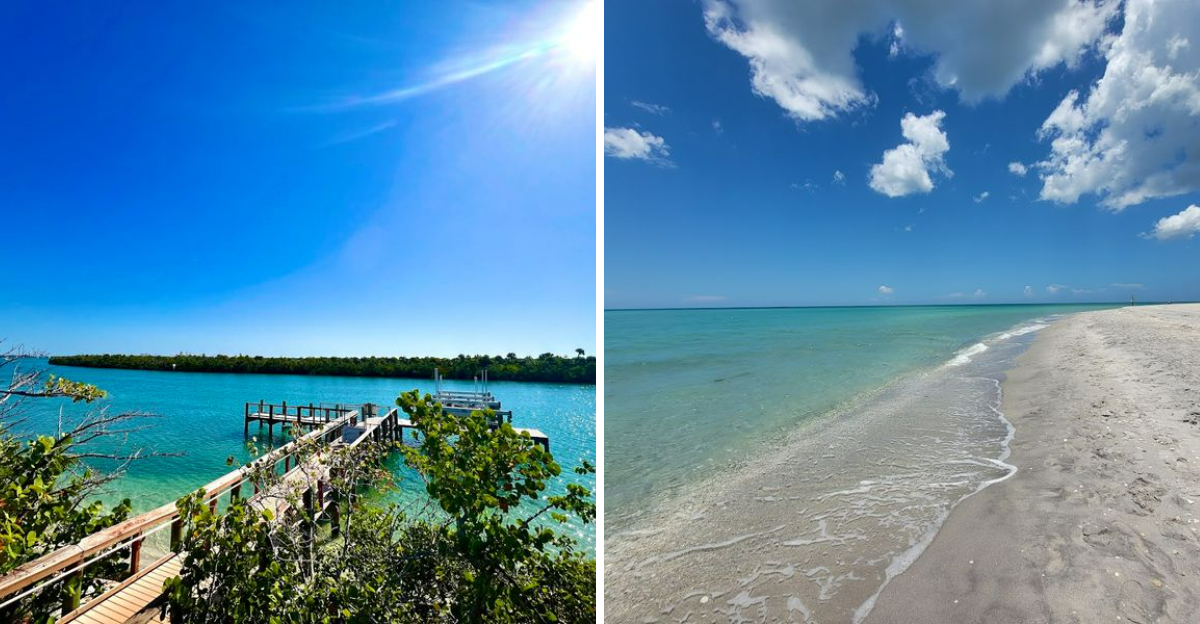
Some places earn their reputation the hard way. Not through Instagram filters or tourist brochures, but through shark teeth crunching under your feet and salt air that follows you home.
I came for a casual afternoon and ended up staying until the rangers practically shooed me out. This 245-acre state park delivers the kind of raw, unhurried Florida that most people have stopped believing still exists.
The state park packs more natural variety into a single afternoon than most destinations manage in a full weekend. Mangrove trails, untouched shoreline, fossilized finds hiding in plain sight.
No crowds fighting over the same patch of sand. Just you, the Gulf, and a list of reasons to return.
If you only visit one state park in Florida this year, make it this one.
A Mile Of Undeveloped Shoreline That Feels Like A Different Era
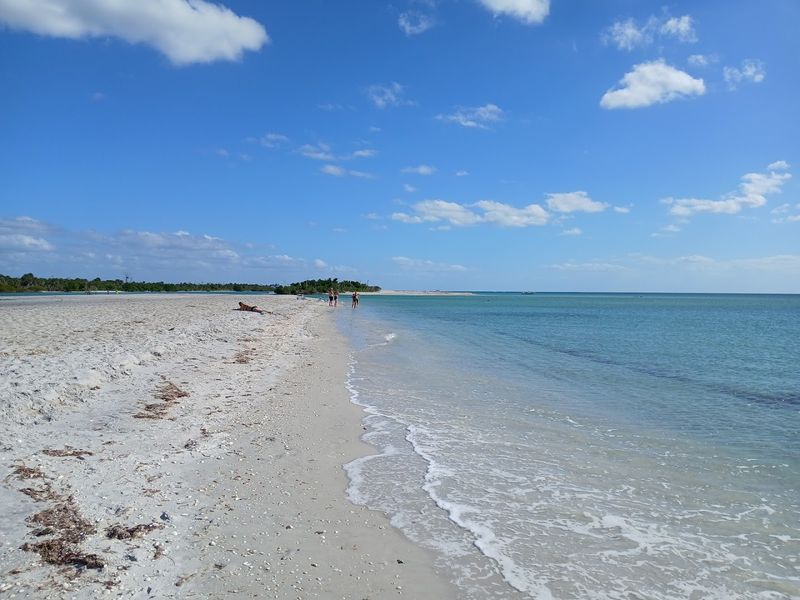
Not every beach can make you forget what year it is. This one does.
The shoreline stretches for a full mile without a single hotel, souvenir shop, or beach umbrella rental in sight.
The Gulf of Mexico meets Lemon Bay right here through a natural pass, creating a dynamic stretch of coast that constantly shifts. Driftwood lines the shore.
Native vegetation edges the dunes. The whole scene feels raw and honest in a way that manicured beaches simply cannot replicate.
I walked the full length of the beach on my first visit and barely passed ten people. The water is clear enough to see your feet well past waist depth.
Snorkeling is genuinely rewarding here, even without gear rental because you bring your own.
The park sits at 900 Gulf Blvd, Englewood, FL 34223, and opens daily at 8 AM until sunset. Entry is just three dollars per vehicle.
That price for this much shoreline feels almost unreasonably good. Arrive early because the roughly 50-space parking lot fills fast, especially on weekends and during peak season.
Shell Hunting And Shark Tooth Finds Worth Slowing Down For
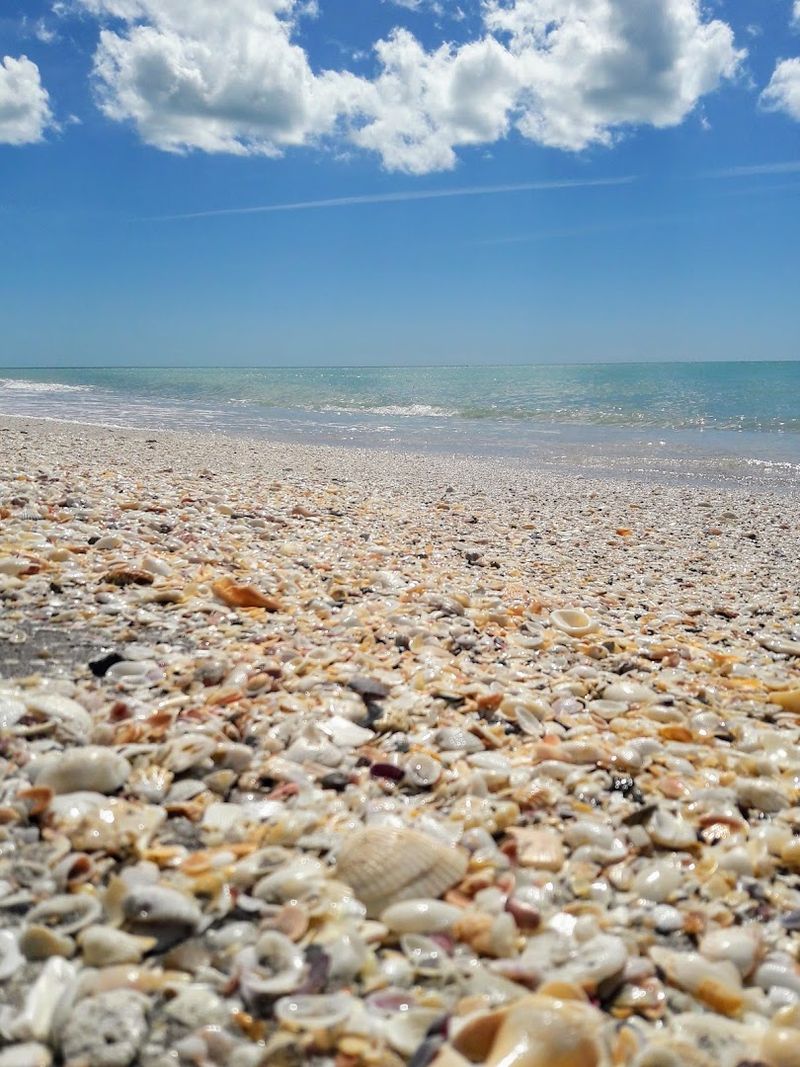
Finding a fossilized shark tooth on the beach feels like winning a small lottery. At Stump Pass, the odds are genuinely in your favor.
Visitors regularly walk away with handfuls of teeth after a single morning session.
The best time to search is right after a high tide or following a storm. The tidal action pulls shells and teeth up from the seafloor and deposits them along the waterline.
Sand dollars, conchs, whelks, scallops, and whelks appear in quantities that make you question why you ever visited a busier beach.
Shark teeth here are fossilized, which means they are dark brown or black rather than white. That detail alone helps beginners spot them faster.
Once you train your eye, the beach practically glows with finds.
One visitor reported collecting around 50 small shark teeth in a single hour. That number sounds exaggerated until you experience it yourself.
The variety of shells is equally impressive. This park has earned a genuine reputation as one of the best shelling spots in the entire region, and the numbers back that claim up completely.
The 1.3-Mile Nature Trail Through Five Distinct Ecosystems
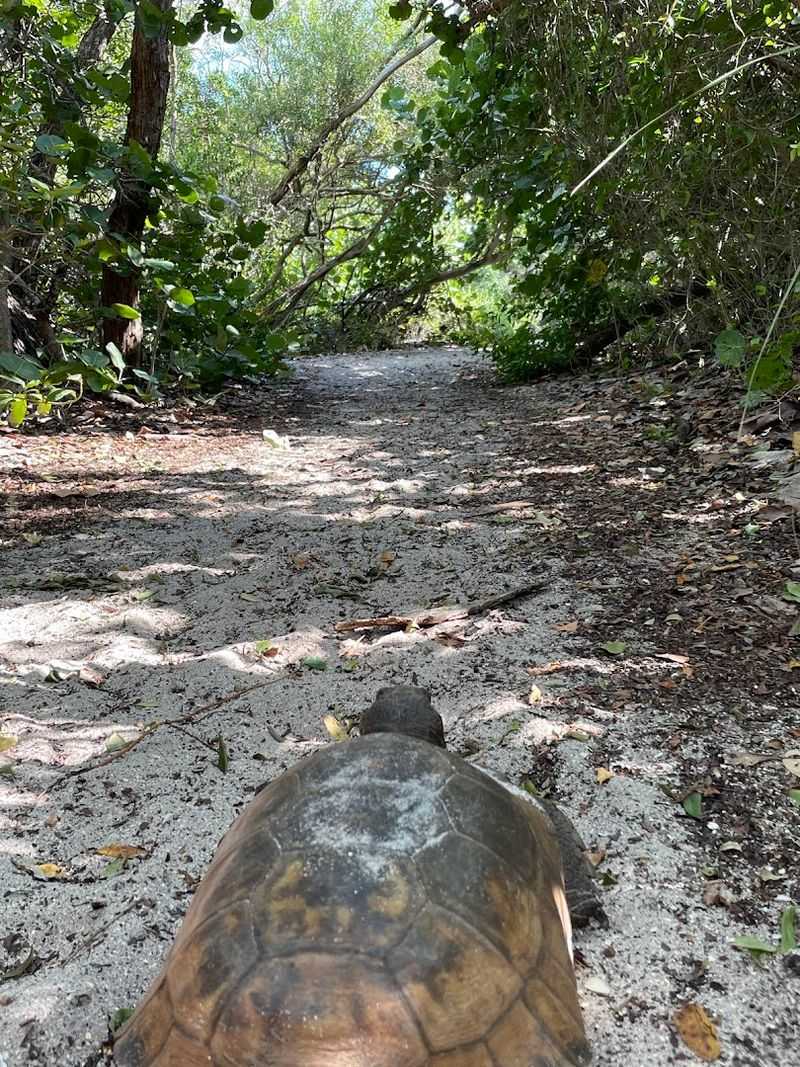
Most beach parks offer sand and water. This one throws in a full nature trail that cuts through five completely different ecosystems.
That kind of variety in such a compact space is genuinely rare.
The 1.3-mile sand trail winds through coastal scrub, mangrove forests, coastal hammocks, and beach dunes before ending at the actual Stump Pass where the Intracoastal Waterway meets the Gulf. The walk takes about 45 minutes at a relaxed pace.
Covered picnic tables are placed along the route, which makes a midway break feel like a deliberate reward.
Gopher tortoises are frequent trail companions. They wander the scrub with zero concern for hikers, which makes for excellent close-up photos.
Dogs are welcome on the trail as long as they stay leashed. They are not permitted on the beach, so plan accordingly.
The trail is flat and sandy, making it accessible for most fitness levels. Kids especially love the variety of terrain and the chance to spot wildlife at nearly every turn.
Ranger-led nature hikes run during winter months, and those guided walks add serious depth to what you notice along the way.
Wildlife Viewing That Rivals Any Nature Reserve In The Region
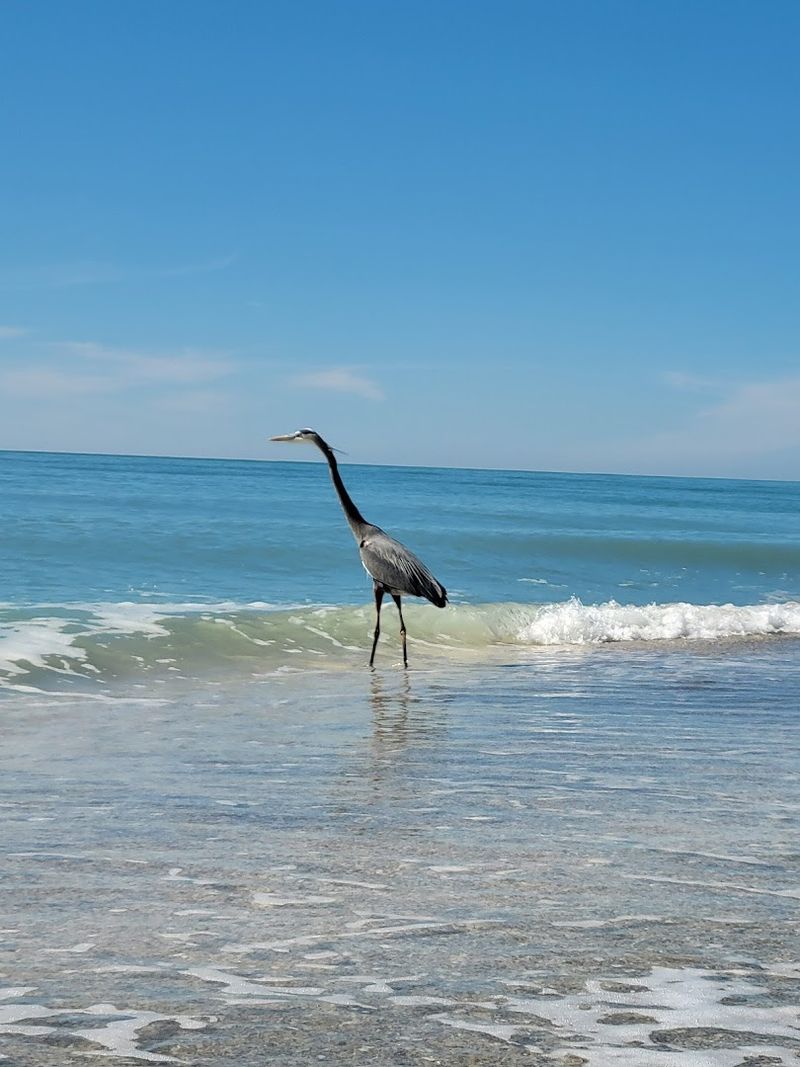
Spotting a bald eagle before 9 AM does something to your morning that no cup of coffee can match. At Stump Pass, that kind of sighting is not unusual.
The park hosts a remarkable range of wildlife across its diverse habitats.
Ospreys, snowy egrets, black skimmers, least terns, magnificent frigatebirds, and great blue herons are all regular visitors. Bald eagles have been spotted here too.
The mix of beach, scrub, mangrove, and bay environments means the bird diversity is genuinely exceptional throughout the year.
On the bay side, West Indian manatees appear in the calmer waters, particularly during cooler months. Dolphins also cruise the pass area with enough regularity that multiple visitors mention them in their accounts.
Seeing a dolphin from a public beach without paying for a boat tour still feels like a small miracle.
Sea turtles nest on the beach from May through October. Rangers lead turtle walks during summer, giving visitors a rare and structured opportunity to observe nesting activity responsibly.
The park encompasses not just the main peninsula but also Whidden Key and Peterson Key, two small islands that add even more habitat variety to the mix.
Kayaking And Paddleboarding On The Protected Waters Of Lemon Bay
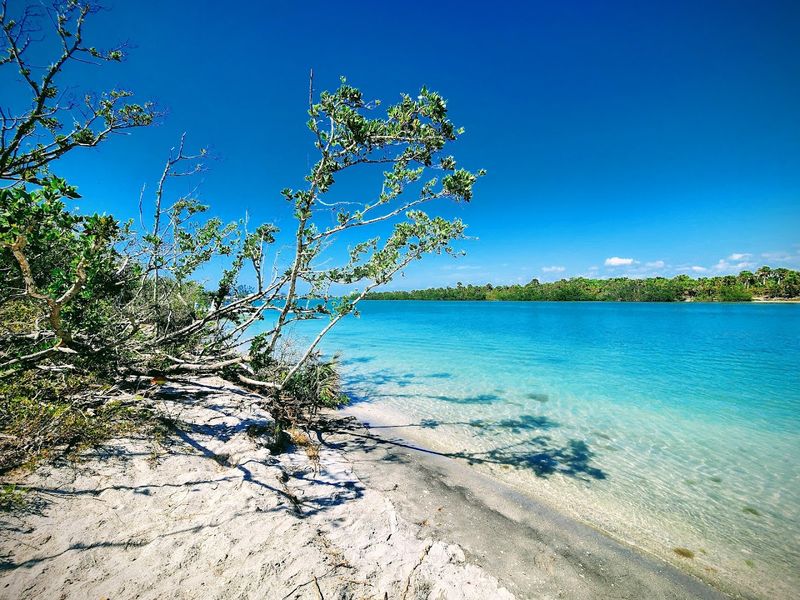
Calm water and a kayak launch right next to the parking lot is a combination that should not be taken for granted. Lemon Bay offers some of the most protected paddling conditions on this stretch of coast.
The bay-side waters are shallow, clear, and sheltered from open Gulf swells. That makes them ideal for beginners who want to explore without fighting chop or current.
More experienced paddlers can push further into the grass flats, where fishing from a kayak becomes a serious option.
The launch site is conveniently located near the main lot, so getting in the water requires almost no effort. Paddleboarders use the same area and report excellent visibility down to the sandy bottom.
Seeing a manatee glide beneath your board is exactly the kind of moment that makes this park unforgettable.
Bring your own equipment or rent before you arrive, as there are no rentals on site. The park does not charge a separate launch fee beyond the standard entry.
Kayaks, canoes, and paddleboards all pay two dollars for access. That entry fee for a full day of paddling in protected, wildlife-rich water is genuinely hard to beat anywhere in this part of the state.
Why Anglers Keep Coming Back To Stump Pass
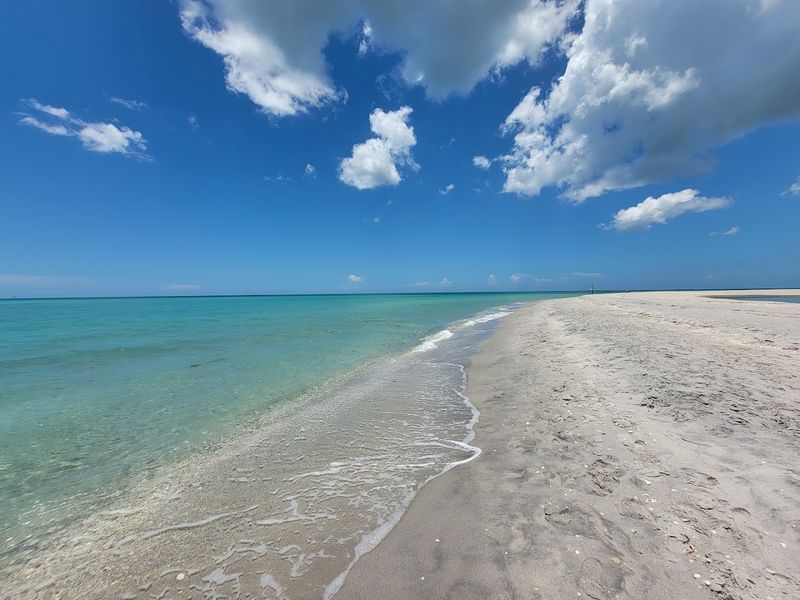
Few fishing spots combine this many target species in one location without requiring a boat. Stump Pass delivers flounder, snook, trout, redfish, snapper, whiting, sheepshead, and tarpon all within reach of a basic cast.
The pass itself is a natural funnel that concentrates baitfish and the predators that follow them. Fishing from the beach near the pass during moving tides produces consistent results.
The grass flats on the bay side are equally productive, especially from a kayak where you can position quietly over structure.
Snook and redfish are the prizes that keep serious anglers coming back. Both species use the mangrove edges and grass flats extensively.
Tarpon roll through the pass during warmer months, and hooking one from the shore is a story worth telling for years.
Florida requires a valid fishing license for anyone 16 and older. You can purchase one online before your visit, which takes about five minutes and saves you from scrambling at the last moment.
Early morning and late afternoon are the most productive windows. Bringing a light spinning rod with live shrimp or soft plastics covers most situations you will encounter at this park effectively.
The Shell Trees That Have Become A Local Tradition
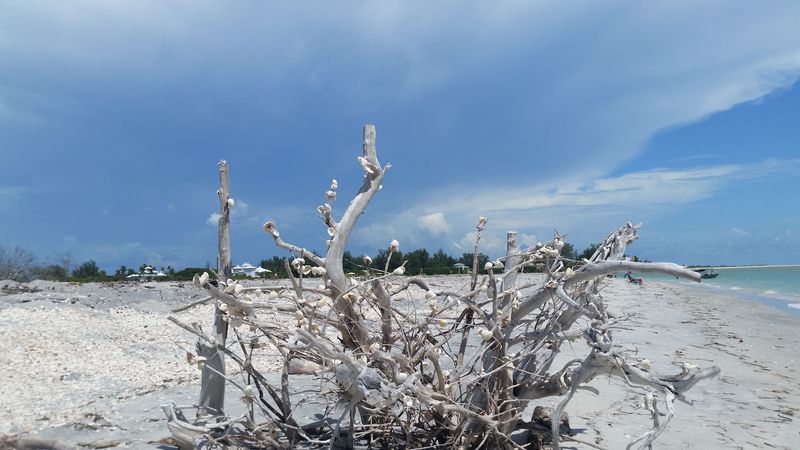
There is something quietly magical about a tree decorated entirely with shells collected from the same beach you are standing on. Shell trees at Stump Pass have become one of the park’s most talked-about features, even though no official sign points you toward them.
The tradition involves visitors hanging shells in the branches of trees near the trail and the beach edge. Some people tie them with string.
Others balance them in the bark. The idea is to hang a shell and make a wish, which is exactly the kind of simple ritual that sticks with you long after you leave.
Children absolutely love participating. It gives them a creative, low-impact way to connect with the environment without taking anything home.
Adults seem equally drawn to it, perhaps because it feels like leaving a small piece of yourself behind in a place that genuinely deserves to be remembered.
The shell trees grow more elaborate after busy weekends and storm seasons when the beach deposits generous piles of material. You will find sand dollars, whelks, conchs, and fragments of all shapes and colors woven into the branches.
It is one of those small details that elevates a beach visit into something closer to an experience.
Sea Turtle Nesting Season And Ranger-Led Walks On The Beach
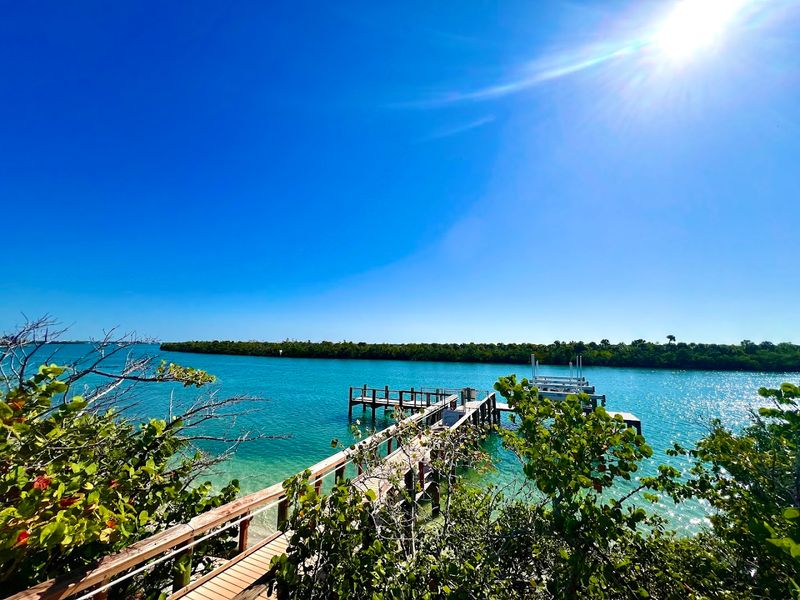
Watching a sea turtle nest on a natural beach is one of those experiences that recalibrates your sense of what matters. Stump Pass offers a structured way to witness it without disturbing the animals or stumbling around in the dark unsupervised.
Sea turtles nest on the beach from May through October. Rangers lead organized turtle walks during summer, guiding small groups to active nesting sites with care and expertise.
These walks are not guaranteed sightings, but the naturalist knowledge shared along the way makes the outing worthwhile regardless of outcome.
The undeveloped nature of this shoreline is precisely what makes it attractive to nesting turtles. No artificial lighting, no heavy foot traffic at night, and no beach furniture left out overnight.
The park actively manages the beach to support successful nesting seasons.
Ranger-led nature hikes also run during winter months, covering the trail ecosystems and resident wildlife in detail. Checking the park’s schedule before your visit is worth the two minutes it takes.