Why Food Critics Keep Coming Back To This Florida Italian Spot
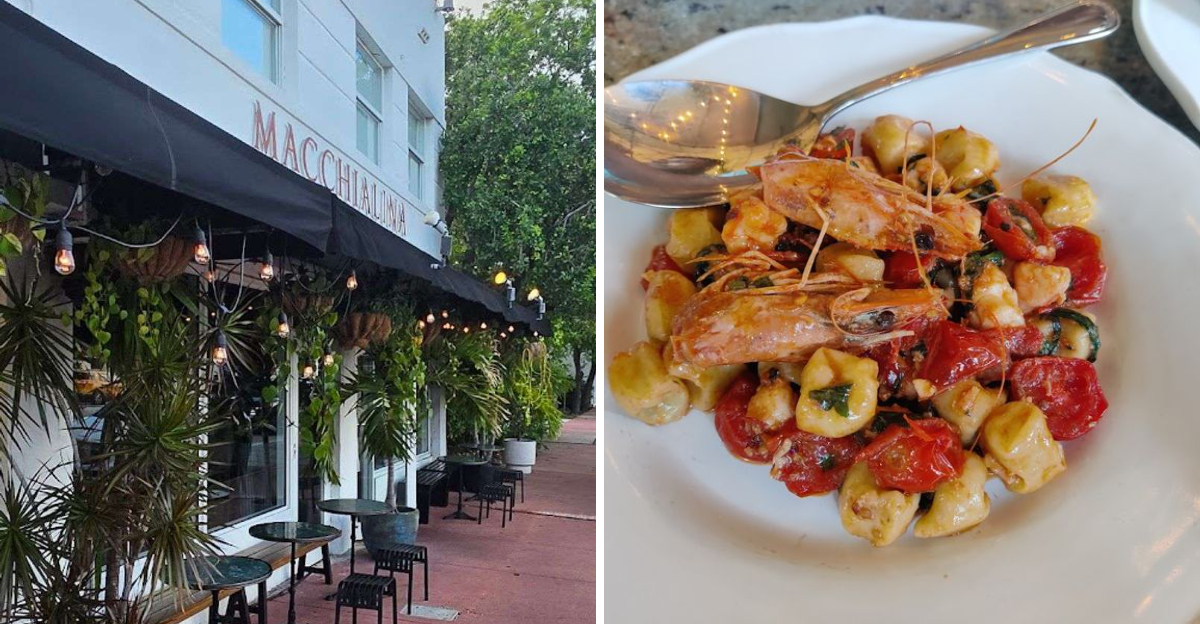
Italy does not have a monopoly on great pasta, and Florida is living proof of that statement.
The best Italian restaurants in this state operate with a quiet confidence that does not need to announce itself.
There are no murals of the Amalfi Coast on the walls and no accordion music piped through the speakers.
What you can find there is just exceptional food made by people who clearly grew up arguing about the right way to do things at a very loud dinner table.
I walked into this place with the energy of someone who wanted something warm and uncomplicated, and I left two hours later having completely lost track of time.
The pasta arrived and everything else stopped mattering. That is a specific kind of restaurant power that very few places actually possess, and this one wields it with impressive consistency every single service.
The Kind Of Italian Cooking That Tastes Like Italy
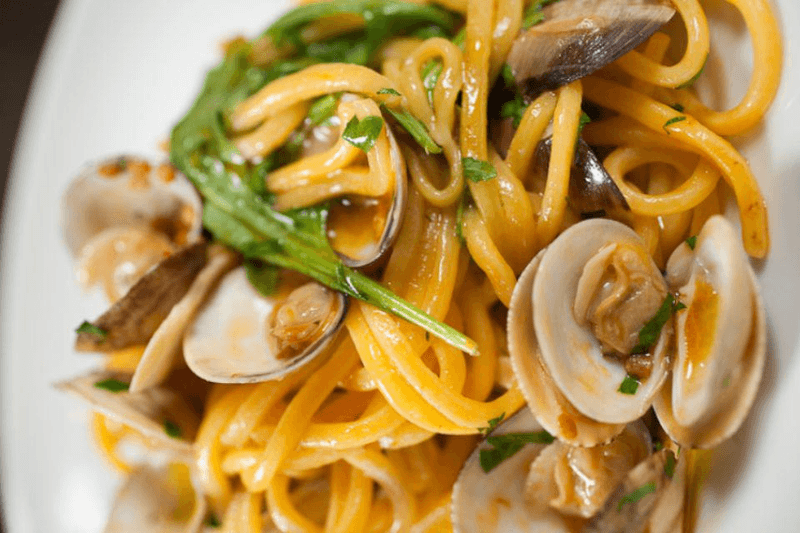
Macchialina is the kind of Italian restaurant that makes you question every other Italian restaurant you have ever loved.
The food here is rooted in old-school Italian tradition, not the watered-down version most people accept as the real thing.
Chef Michael Pirolo trained seriously before opening this spot, and that background shows in every plate. The pasta is made fresh, the sauces are built slowly, and nothing tastes rushed or reheated.
You can feel the care before you even take a second bite.
Critics keep circling back because the cooking is consistent. That is actually rare.
A great meal once is luck. A great meal every single visit is skill.
The menu leans into simplicity, letting quality ingredients do the heavy lifting instead of drowning everything in cream or novelty. It works beautifully.
You can find it at 810 Alton Rd, Miami Beach, Florida.
Pasta That Critics Describe As A Religious Experience
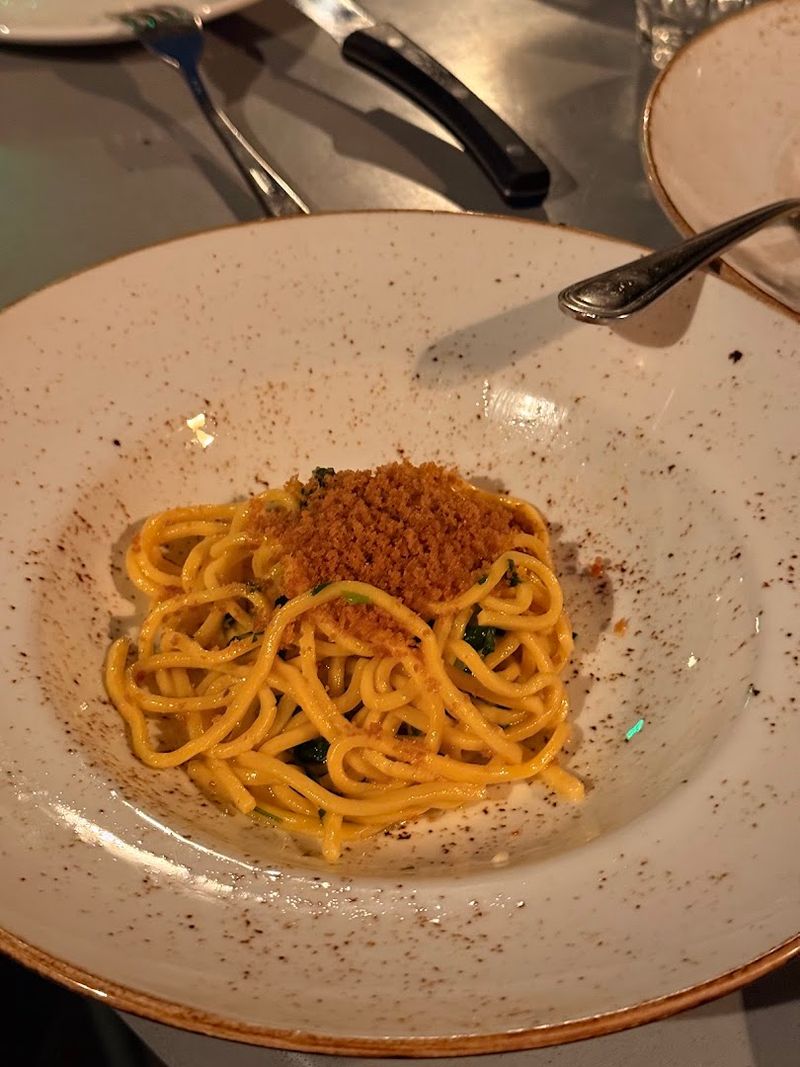
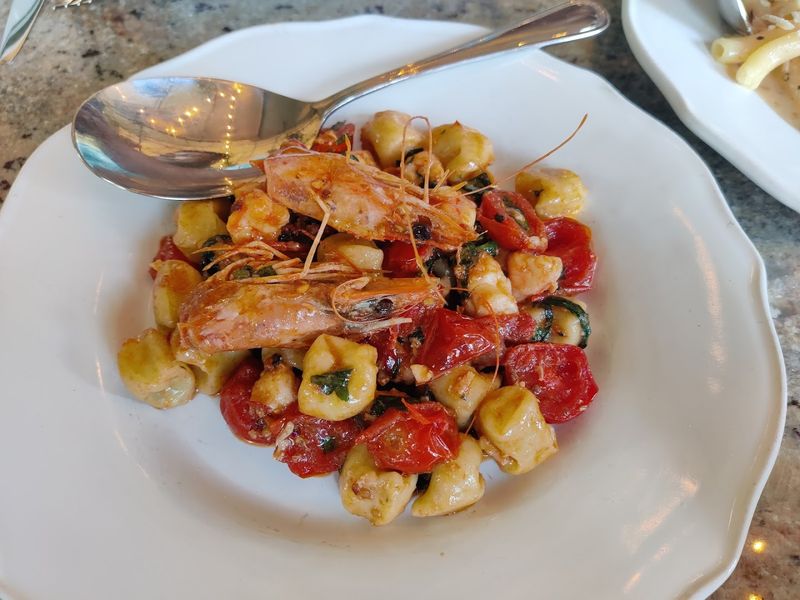
Nobody casually mentions pasta in a review unless it genuinely stopped them mid-sentence. At Macchialina, the handmade pasta dishes have earned that kind of attention from serious food writers more than once.
The bucatini cacio e pepe is one of those plates that sounds simple and then completely floors you. Just pasta, cheese, and pepper.
No tricks.
But the execution is so precise that it becomes something almost philosophical. You start wondering how three ingredients can create that much depth.
What separates this pasta from the rest is texture. The noodles have a real bite, a chew that tells you they were made that day.
Sauces cling instead of pooling at the bottom. Each portion feels intentional rather than generous just for the sake of it.
Food critics are trained to notice the difference between a cook who follows a recipe and one who actually understands it. Here, the pasta makes the argument clearly and without any need for explanation.
A Room That Feels Like A Neighborhood Restaurant
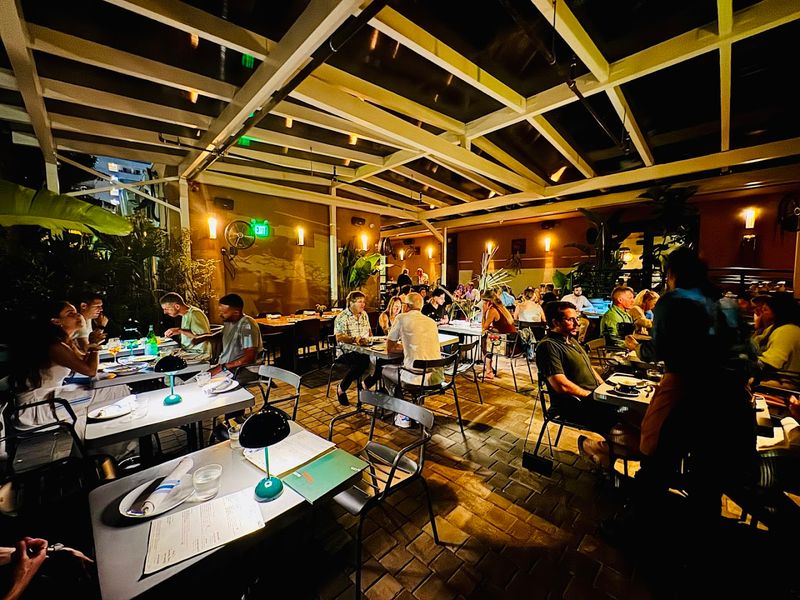
The room at Macchialina, Florida, is not trying to impress you. That is exactly why it does.
No flashy design statement, no rooftop bar, no Instagram installation piece glowing in the corner.
Just a genuinely comfortable dining room that feels like it belongs to the neighborhood.
Small tables sit close enough together that you occasionally overhear someone at the next table ordering the same thing you just ordered, which is oddly reassuring. The lighting is warm without being dim.
The noise level lets you have an actual conversation without leaning across the table like you are sharing secrets.
Miami Beach has no shortage of loud, expensive, look-at-me restaurants. Finding one that simply wants to feed you well and send you home happy is a different kind of discovery.
Food critics who cover the Miami dining scene regularly note that the atmosphere here supports the food rather than competing with it.
That balance is harder to pull off than most people realize, and it contributes directly to why this address keeps showing up in serious food writing.
Seasonal Menus That Give Critics A Reason To Return
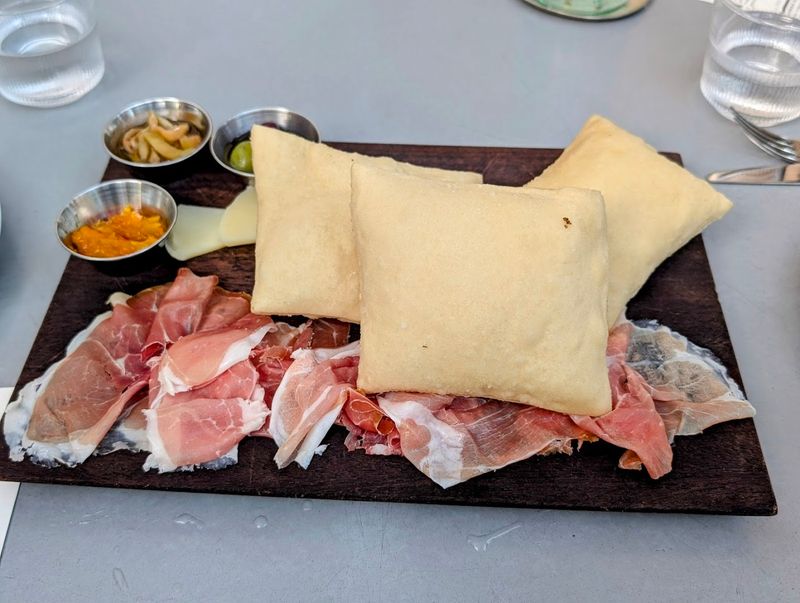
A menu that never changes is a menu that stops being interesting.
Macchialina rotates its offerings with the seasons, which gives food writers a legitimate reason to book a table again before their last review has even been published.
Returning to a restaurant and finding something new alongside the beloved classics is a specific kind of joy. It means the kitchen is still thinking, still sourcing, still curious.
That energy comes through on the plate in ways that are hard to fake. You taste attention.
Seasonal cooking also means the ingredients are at their best when they arrive on your table.
A tomato in peak summer and a tomato in February are not the same ingredient, and a kitchen that respects that distinction earns a different level of trust.
Critics who have visited multiple times across different seasons have noted that the menu evolves thoughtfully rather than randomly.
Each new dish feels like it belongs rather than like it was added to justify a menu reprint. That editorial instinct in the kitchen is genuinely impressive.
The Crudo And Antipasti Section Deserves Its Own Article
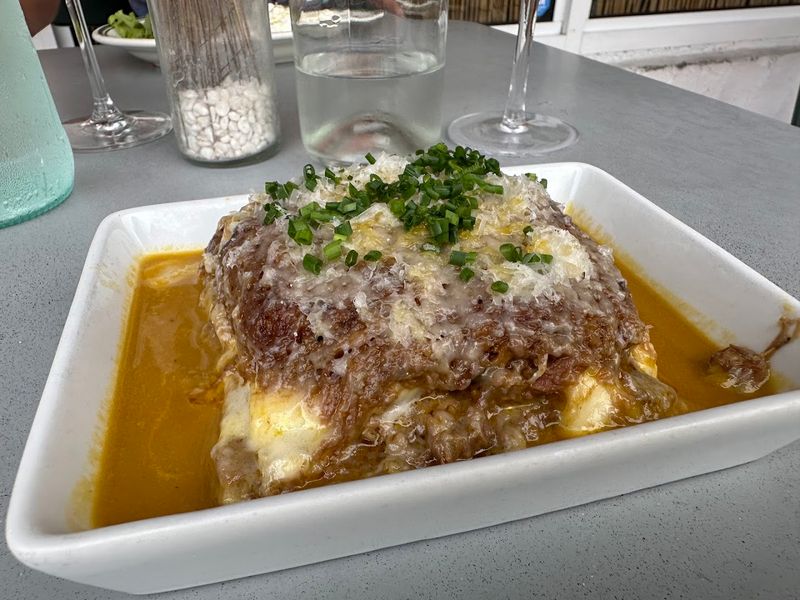
Most people come for the pasta and leave talking about the crudo. That says something.
The raw fish preparations at Macchialina are clean, bright, and genuinely exciting without being theatrical about it.
The antipasti section reads like a short story about restraint. Each dish uses just enough components to create something interesting without tipping into chaos.
A squeeze of citrus here, a drizzle of good olive oil there, and suddenly a simple plate becomes a conversation starter. I ordered two antipasti intending to share them and then quietly ate both myself.
Food critics pay close attention to the beginning of a meal because it sets expectations for everything that follows. When the first few bites are this considered and this well-executed, confidence builds fast.
The crudo at Macchialina, Florida, specifically has been called out in multiple reviews as a standout, not because it is showy, but because it demonstrates real technique applied to excellent ingredients.
Starting strong is a skill. Sustaining that quality through every course is what separates a good restaurant from a great one.
Cooking Philosophy Is The Secret Ingredient
Behind every consistently excellent restaurant is someone with a clear point of view. Chef Michael Pirolo has one.
His approach to Italian cooking is grounded in respect for the source material rather than a desire to reinvent it for applause.
Pirolo has spoken about wanting to cook food that tastes honest. That word, honest, keeps coming up when critics describe what makes Macchialina different.
Honest food means nothing is there to hide something else. The flavors are direct, the portions are sensible, and the techniques serve the dish rather than showing off.
That philosophy trickles down through the entire kitchen. The consistency that critics praise so often is not accidental.
It comes from a team that understands what the restaurant is trying to do and executes it with discipline every service.
Pirolo also has a talent for knowing when not to add more to a dish, which is arguably the harder skill to develop.
Subtraction requires confidence. His food has it in every bite, and food writers notice that kind of quiet authority immediately.
Service That Feels Warm Without Being Scripted
There is a specific kind of restaurant service that feels like a performance, and then there is the kind that feels like someone actually wants you to have a good time.
Macchialina falls firmly into the second category, and it is noticeable from the moment you sit down.
The staff knows the menu well enough to give real recommendations rather than defaulting to whatever the chef wants to move that night. When you ask about a dish, you get a genuine answer.
That level of knowledge takes training and care, and it reflects how seriously the front of house takes its role in the overall experience.
Food critics often spend a significant portion of their reviews discussing service, because a flawless plate delivered badly still leaves a bad impression.
Here the service amplifies the food rather than creating friction around it. Tables are not rushed.
Questions are welcomed. The pacing feels natural rather than managed.
Several critics have specifically noted that the hospitality at this address on Alton Road contributes meaningfully to why the restaurant earns repeat visits and continued praise from people who eat professionally for a living.
Why It Keeps Earning A Spot On Best-Of Lists Year After Year
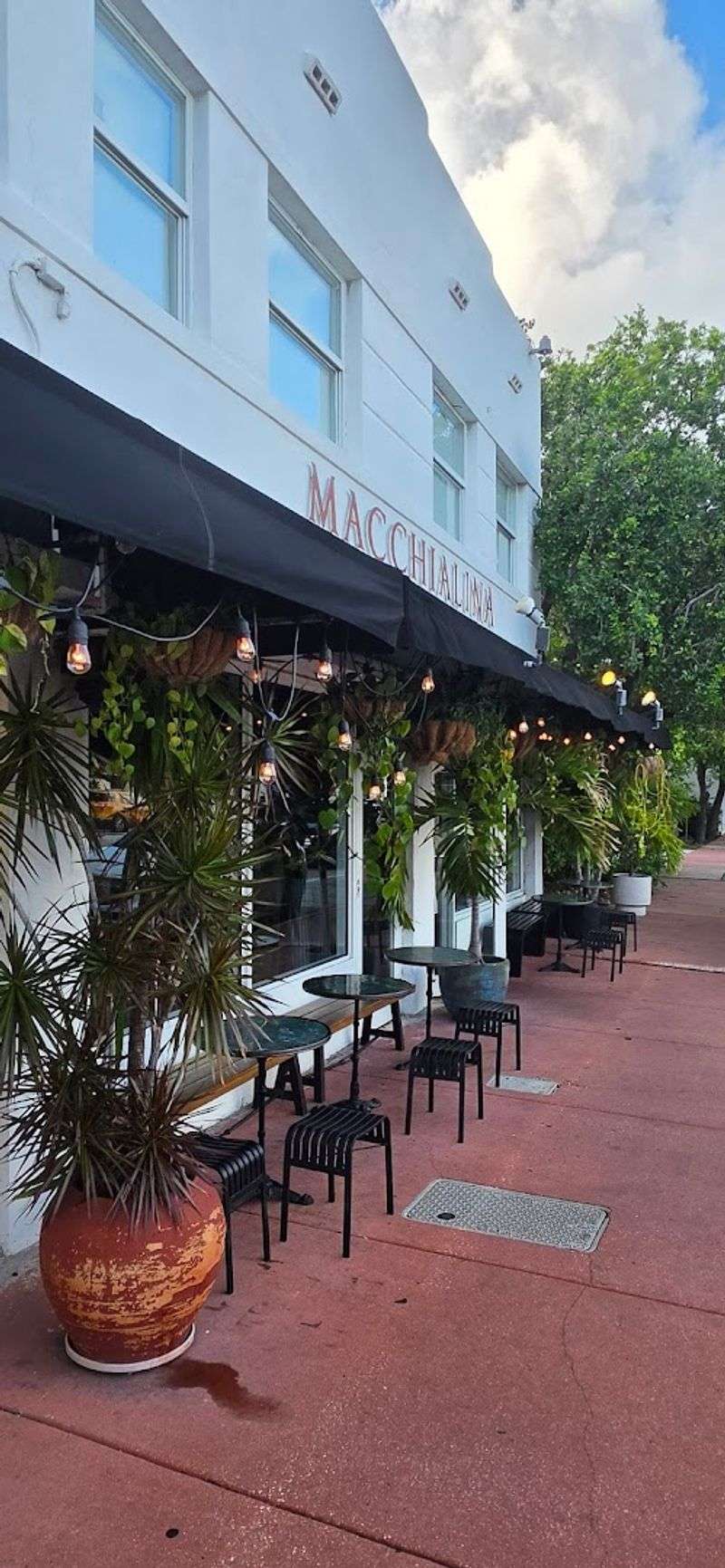
Staying relevant in Miami Beach’s dining scene is genuinely difficult. Trends move fast, new openings arrive constantly, and the city has a short attention span for anything that does not keep reinventing itself.
Macchialina has somehow managed to stay essential without chasing any of that noise.
The restaurant has appeared on best-of lists from major food publications consistently since it opened.
That kind of longevity is not marketing. It is the result of a kitchen that keeps its standards high and a dining room that keeps its regulars loyal.
Both are harder than they look.
What makes a restaurant worth returning to, year after year, is the feeling that it knows exactly what it is.
Macchialina knows what it is. It is a serious neighborhood Italian restaurant that respects its craft, feeds people beautifully, and does not need a celebrity endorsement or a neon sign to fill its tables.
Food critics come back because the food earns it every single time. And honestly, once you have eaten here, you will completely understand why.