10 Florida Barrier Islands Only Reachable By Boat Where Things Still Move Slowly
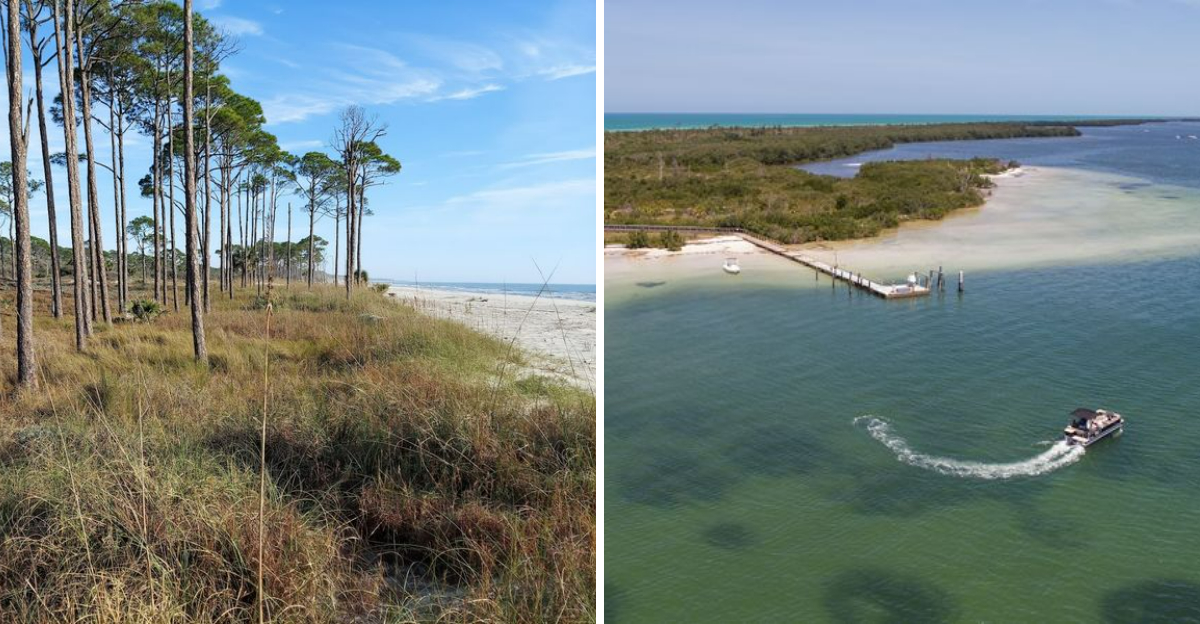
I have a rule: if you need a boat to get there, it is probably worth the trip. Florida hides its best secrets just past the shoreline, on barrier islands the state never fully handed over to developers and crowds.
These communities still run on their own terms. No bridges.
No traffic. No one hurrying anywhere.
The state left these places gloriously alone, and the people who found them intend to keep it that way. Tides set the schedule here.
Neighbors wave from porches without knowing your name yet. Kids still catch fish the same way their grandparents did, in the same water, off the same docks.
If modern life has started to feel like too much noise and not enough living, these Florida communities are the quiet you forgot existed.
1. Little Gasparilla Island
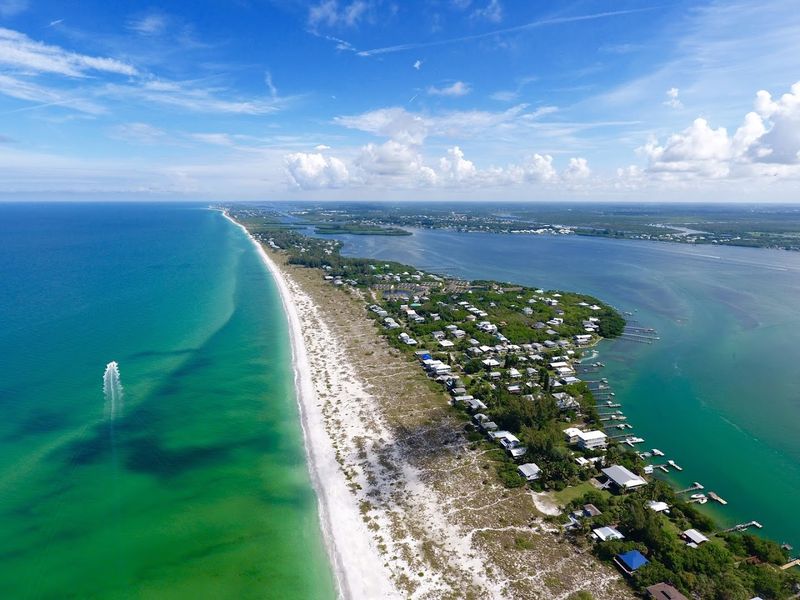
Nobody talks about this island, and the people who live there prefer it that way. Little Gasparilla Island sits just north of Boca Grande, off Charlotte County, and has zero roads, zero cars, and zero bridges.
You reach it by private boat or water taxi from Eldred’s Marina in Placida. That one detail changes everything about who shows up.
The island stretches narrow and quiet, with wooden homes built on stilts and paths worn into the sand. Neighbors actually know each other here.
No chain stores, no parking lots, no noise. Just the sound of water and the occasional pelican making a loud entrance.
What makes Little Gasparilla special is its stubborn refusal to modernize. The water taxi runs on its own schedule.
Residents haul groceries in by boat. Kids ride bikes on sand paths.
It sounds inconvenient until you realize it is actually the whole point. The Gulf of Mexico laps at the western shore while Lemon Bay sits calm on the east.
Sitting between both, this island feels like a secret that geography has been protecting for decades. Once you visit, you will completely understand why nobody talks about it.
2. Cabbage Key
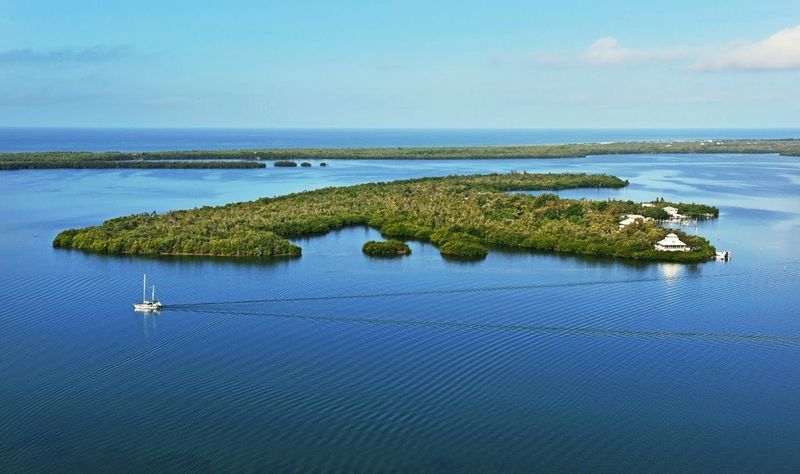
Somewhere between Pine Island and Captiva, a tiny island sits in the middle of Pine Island Sound with a story worth hearing. Cabbage Key spans just 100 acres and is famous for something wonderfully odd.
Its historic inn is wallpapered with thousands of signed dollar bills left by sailors, fishermen, and curious visitors across many decades. That alone earns it a visit.
Some people believe Jimmy Buffett visited in the 1970s and left inspired to write his legendary song about a cheeseburger paradise. Nobody has ever confirmed it.
The inn does serve a cheeseburger worth talking about, and at this point the rumor is half the charm. The bar opens when it opens.
Clocks are genuinely optional here.
Accessible only by ferry from Captiva, Pine Island, or Punta Gorda, the island has no paved roads and no cars. The pace is so slow that it almost feels theatrical, like the whole island is performing a version of life that the rest of us forgot.
Walking the nature trails under the old gumbo limbo trees, you start to wonder why you ever needed to move faster. Cabbage Key is a mood, and it is a very good one.
3. Useppa Island
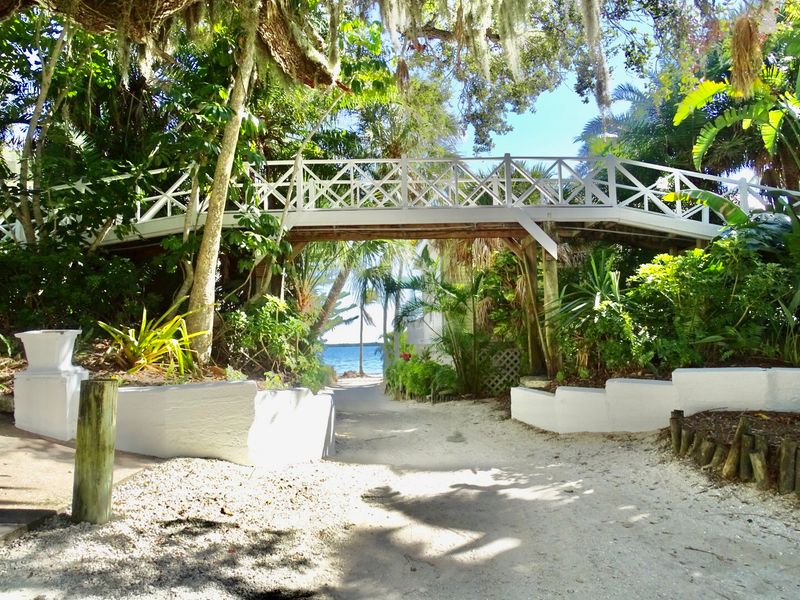
Eighty acres of peace, perfectly placed in the middle of Pine Island Sound. Useppa Island has no bridges and no cars, which makes arriving here feel genuinely ceremonial.
You come by private boat or water taxi from Pine Island or Captiva, and the moment you step onto the dock, the island makes its intentions very clear. Slow down.
Stay a while.
About 70 private homes in Old Florida style dot the island, painted in soft pastels and shaded by tropical trees. The 1912 Collier Inn anchors the community and carries the kind of history you can actually feel.
Archaeologists have found evidence of Calusa Indian habitation here stretching back 10,000 years. That long view puts your daily schedule in perspective rather quickly.
Everyone on Useppa knows everyone else. The community is small enough that anonymity is simply not available.
Residents get around by foot, bike, or golf cart on winding shell paths. The sailing waters surrounding the island are genuinely world-class.
Tarpon fishing here has drawn visitors for over a century. Useppa is the kind of place that rewards people who are willing to leave the car behind and embrace a pace that the modern world mostly forgot how to maintain.
4. North Captiva Island
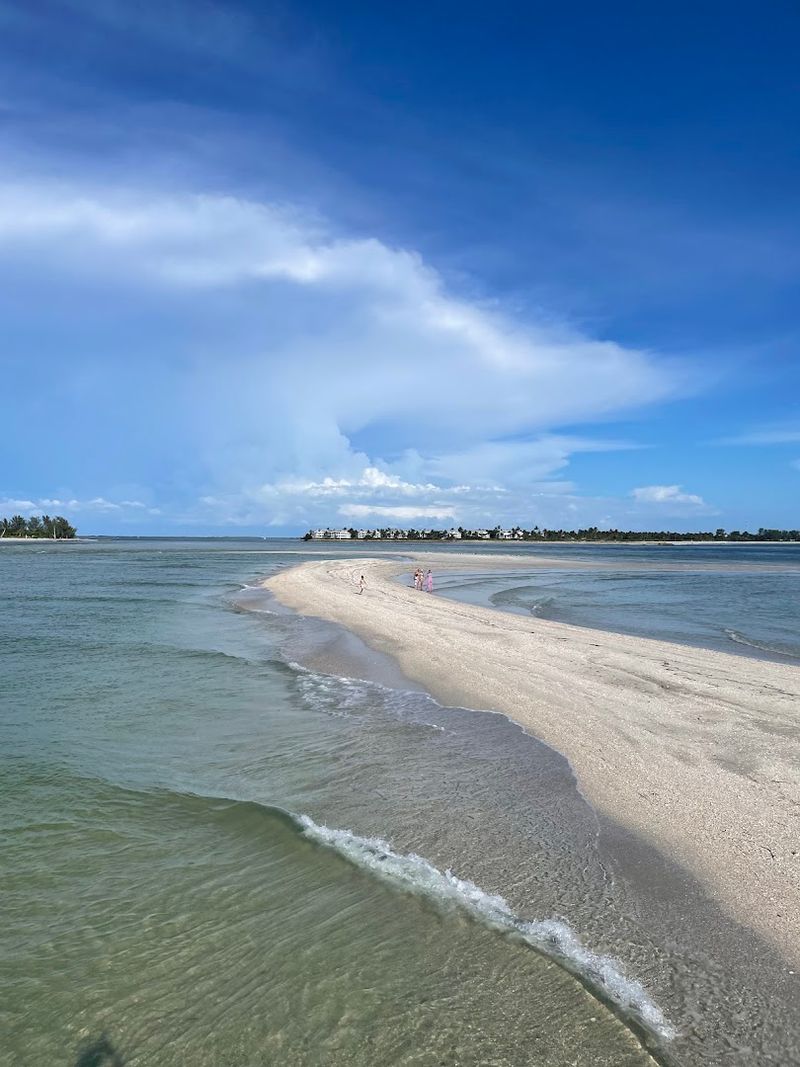
A hurricane changed everything for North Captiva, and the island has never looked back. A powerful storm carved a channel between Captiva and what is now called North Captiva, or Upper Captiva, about a century ago.
No bridge ever followed. The slower half of the island won by default, and it has been winning ever since.
This island offers miles of beaches, hundreds of acres of state-owned nature preserve, and a permanent population so small that most residents know each other by name. Dozens of homes sit scattered across the island, most owned by people who wanted a real escape.
You get here by ferry or private boat, and the trip across the water already starts doing something good to your nervous system.
No roads connect North Captiva to anything. Golf carts handle most transportation.
The island has a small airstrip for emergencies, but the vibe remains deeply unhurried regardless. Shelling along the undeveloped shoreline turns up impressive finds because foot traffic stays low.
The state preserve protects the northern portion from future development, which means this quiet arrangement is not going anywhere. Rumor has it the legendary Spanish pirate Jose Gaspar once used this island as a hideaway.
Looking around, it is not hard to see why he picked it.
5. Cayo Costa
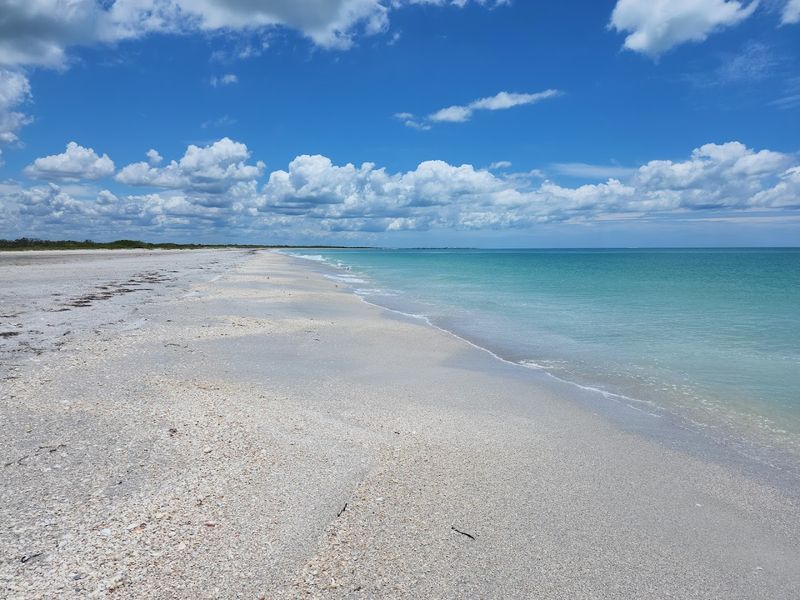
Nine miles of shoreline and almost no footprints. Cayo Costa is the kind of island that rewards serious effort to reach it.
Located off the Gulf Coast near Fort Myers, it is almost entirely protected as a state park, which means the beaches here look essentially the same as they did centuries ago. That is a rare thing in this part of the world.
Accessible only by boat, with no roads, no bridges, no convenience stores, and no souvenir shops greeting you on arrival. Just beach, scrub, and the sound of birds.
Primitive camping is available for those who want the full experience of waking up somewhere genuinely quiet.
The shelling on Cayo Costa is considered world-class by people who take shelling seriously. Because access requires a real commitment, the beaches stay clean and the shells stay plentiful.
Ospreys, roseate spoonbills, and bald eagles all call the island home. Loggerhead sea turtles nest along the shore each summer.
The island does not bend to convenience. It simply exists on its own terms, and visitors who accept that arrangement tend to leave feeling like they found something most people never will.
6. Keewaydin Island
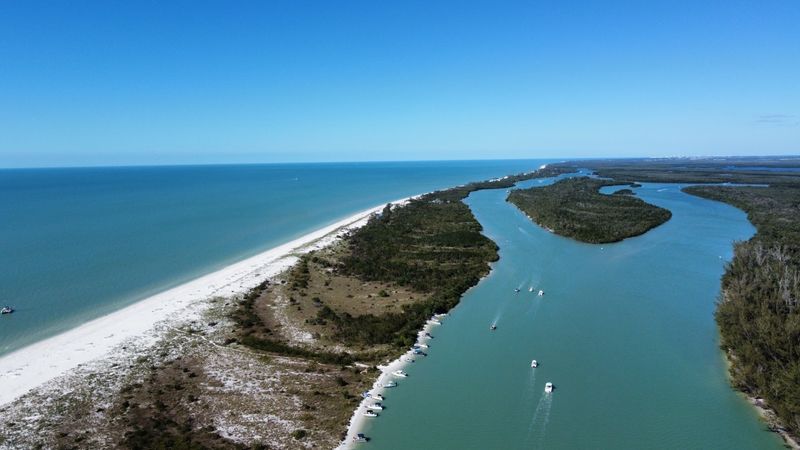
Most people driving between Naples and Marco Island have no idea this place even exists. Keewaydin Island stretches eight miles of undeveloped coastline just offshore, reachable only by private boat or shuttle.
A significant portion of the island falls within the Rookery Bay National Estuarine Research Reserve, protecting habitat that looks nothing like the developed coast nearby.
A small number of private homes and lots sit on the island, many with gulf-to-bay rights that make them among the most coveted quiet addresses in all of the state. Owners here live without roads, without cars, and without the noise that comes with both.
The contrast to nearby Naples is so extreme it almost feels surreal.
Keewaydin draws day visitors too, mostly arriving by boat to walk the beach and collect shells in relative solitude. The reserve protects mangroves, nesting shorebirds, and a coastal ecosystem that stays genuinely healthy because development never came for it.
Dolphins cruise the shallow bay side regularly. The Gulf side offers clean, clear water and wide beaches that stay empty on most days.
For a place this close to a major city, the quiet here is almost suspicious. Keewaydin keeps its profile low and its beaches pristine.
7. Dog Island
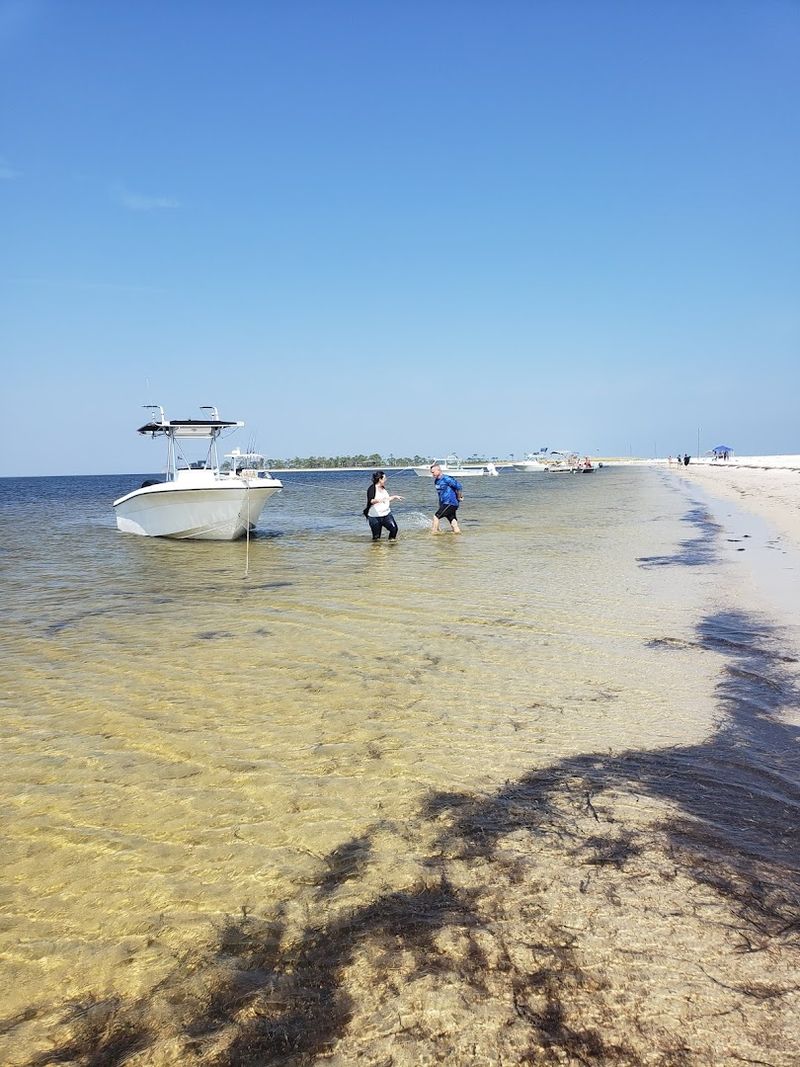
The ferry from Carrabelle costs about $15 each way. That sentence tells you everything you need to know about the social contract on Dog Island.
This is not a place that markets itself. It is a place that quietly exists about 3.5 miles offshore from the northwestern Panhandle, doing exactly what it wants.
Seven miles long and slender, the island has no paved roads, no restaurants, no shops, and no resorts. The Nature Conservancy owns most of the land, which means the landscape stays wild and the beaches stay empty.
Nearly 100 residents live here in privately owned beach cottages, and the community operates on a level of self-sufficiency that most people would find both impressive and slightly intimidating.
Locals call it The Dog, which sounds casual but carries real affection. The island sits in Franklin County, sharing a coastline tradition with nearby Apalachicola and its fishing heritage.
Shorebirds work the tideline in huge numbers. The Gulf here runs clear and shallow for long stretches.
No music thumps from beach bars. No jet skis buzz across the water.
Dog Island simply refuses to perform for tourists, and somehow that makes it far more interesting than any place that does.
8. St. Vincent Island
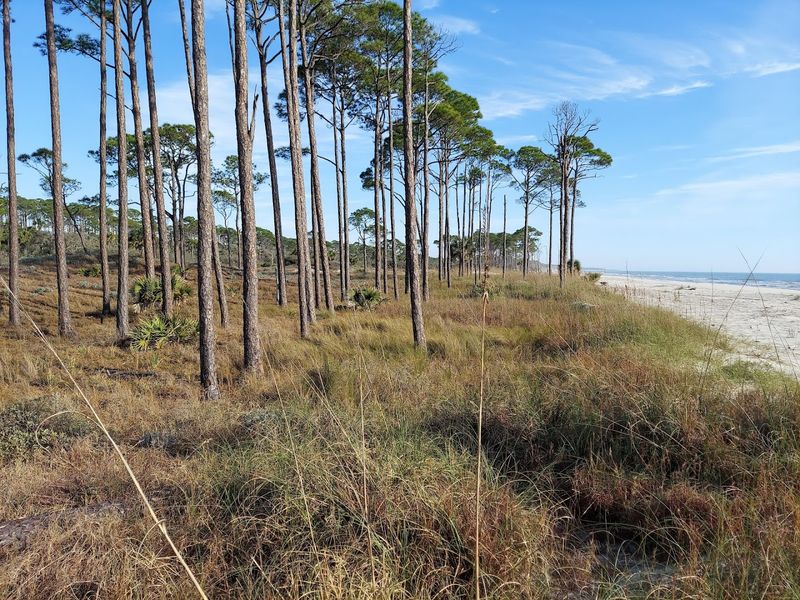
Thousands of acres of complete silence. St. Vincent Island forms the vast majority of the St. Vincent National Wildlife Refuge in Franklin County, and arriving here by private boat or shuttle from Indian Pass near Apalachicola feels less like a day trip and more like stepping into a different century.
Development here is virtually nonexistent, and nothing on the island caters to tourists.
The trails here are sand, wide enough for a bicycle or a long walk, and they wind through a landscape that includes freshwater lakes, pine flatwoods, and coastal marshes. Bald eagles nest on the island.
Loggerhead sea turtles nest along the shore. Sambar deer, an Asian species introduced decades ago, roam the interior alongside white-tailed deer and wild turkey.
Fishing, kayaking, hiking, and cycling are the main activities, and all of them happen at a pace set by the island rather than the visitor. The refuge is managed by the U.S.
Fish and Wildlife Service, which keeps access intentionally limited. That limit is a gift.
The Gulf waters surrounding St. Vincent run exceptionally clear, and the sense of separation from daily life begins the moment the boat pulls away from the mainland dock. Some places earn their reputation through marketing.
This one earns it through sheer, undiluted wildness.
9. Anclote Key
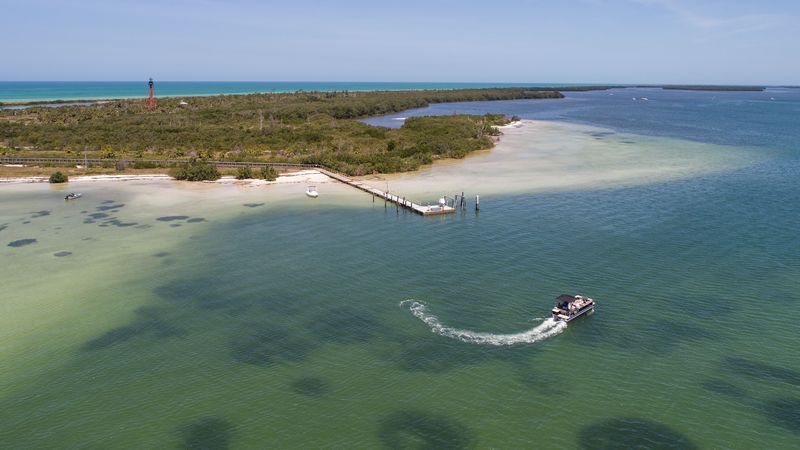
Three miles offshore from Tarpon Springs sits a four-mile-long barrier island with a 19th-century lighthouse at its southern tip and absolutely nothing else built by modern hands.
Anclote Key Preserve State Park is one of those places that rewards the small effort of chartering a boat from the Tarpon Springs waterfront.
The lighthouse, now tended only by nesting birds, has stood since 1887.
Five miles of white sand beach curve along the Gulf side, and the water stays shallow and clear for a good distance out. You bring what you need and carry out what you brought.
That arrangement keeps the beach clean and the crowd small.
Anclote Key sits within Pasco County and shares its waters with the Anclote National Wildlife Reserve, which protects the northern portion of the island. The name itself comes from the Spanish word for anchor, which tells you something about how long mariners have been stopping here.
Shorebirds and wading birds work the beach and tidal flats in impressive numbers. The Greek community of Tarpon Springs, known for its sponge-diving heritage, adds a cultural layer to the whole experience.
The island is the quiet reward at the end of a very short boat ride.
10. Don Pedro Island
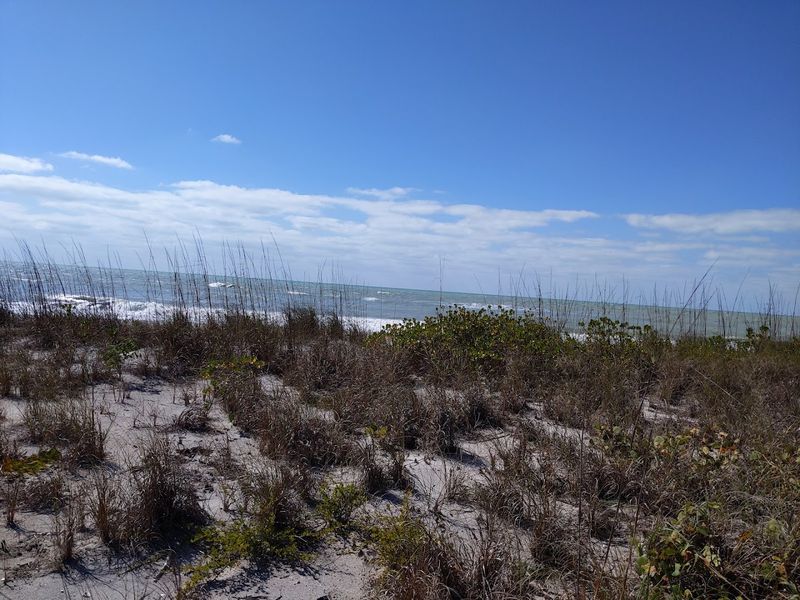
One boat ride stands between the mainland and a barrier island that most of the world has completely overlooked. Don Pedro Island sits between Lemon Bay and the Gulf of Mexico in Charlotte County, reachable by private boat or water taxi from Placida.
No roads exist here. No bridges.
Just a state park protecting a thin strip of sand and scrub that time appears to have misplaced.
The island connects to Knight Island and Palm Island at low tide, creating a longer stretch of quiet shoreline to wander without making a single decision. That kind of unstructured wandering is harder to find than it sounds.
The state park status keeps development away permanently, which means this arrangement is not a temporary condition.
Shelling draws many visitors who arrive by boat and spend hours working the shoreline. Ospreys and roseate spoonbills are common sights.
The Gulf side delivers clean swimming water and wide open views. The Lemon Bay side offers calmer water and excellent kayaking through mangrove edges.
Getting here takes a little planning, but that planning is exactly what keeps the island feeling earned rather than crowded. Don Pedro rewards the curious and the patient, two qualities that tend to travel well together on a slow day at the water’s edge.