How This Tiny Southern California Logging Town Became A Mountain Escape For Food And Art
Tiny mountain towns rarely reinvent themselves politely.
Old cabins stay. Pines keep watch.
Then the cafés get better and galleries start glowing. Suddenly, former logging town feels like it learned a second language in food, art, and fresh mountain air.
Southern California does not usually get credit for this kind of alpine weirdness.
That is what makes the story interesting.
A place built around timber found a new rhythm without sanding off all its character.
Creative people moved in. Visitors followed slowly.
Now the draw is part mountain hideaway, part food stop, part artsy weekend reset. The best part is how unexpected it feels.
Nobody drives into a small former logging town assuming it will have this much personality waiting between the trees. That surprise is the whole reason to keep reading.
A Timber Past Gives The Town Its Backstory
Long before gallery owners hung paintings on pine-paneled walls, the San Jacinto Mountains were valued for something far more industrial: timber.
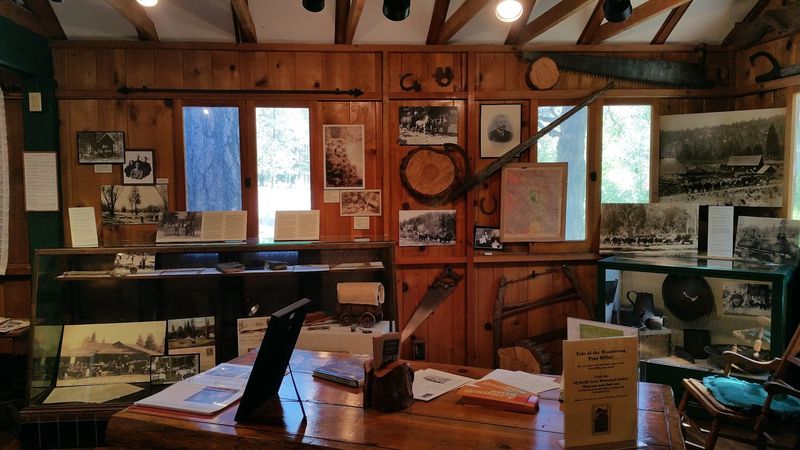
Logging crews moved into the forest in the 1870s, and by 1889 George and Sarah Hannahs had established Camp Idyllwilde next to their working sawmill, which became one of the earliest anchors of permanent settlement.
A toll road built from Hemet in the 1890s opened the mountains further, bringing in more settlers, more logging activity, and eventually the first curious tourists.
Sawmills in the area were capable of producing substantial amounts of lumber daily, feeding the railroad construction boom that was pushing through Southern California at the time.
The town was initially named Rayneta in 1893 before officially becoming Idyllwild in 1901.
Commercial logging continued until around 1922, and from the 1930s through the 1950s the area shifted toward producing knotty pine furniture in the Arts and Crafts style.
That furniture chapter is easy to overlook, but it planted an early seed of craft-based identity that would eventually grow into something much larger.
The logging roots are not a footnote here; they are the foundation everything else was built on top of.
Forest Protection Changed The Town’s Direction
President Grover Cleveland’s establishment of the San Jacinto Forest Reserve in 1897 effectively closed the logging chapter in the mountains surrounding the small settlement.
Commercial timber cutting was no longer permitted, which meant the town could no longer rely on the industry that had driven its earliest growth.
That restriction, which might have felt like a setback at the time, turned out to be the most important thing that ever happened to the place.
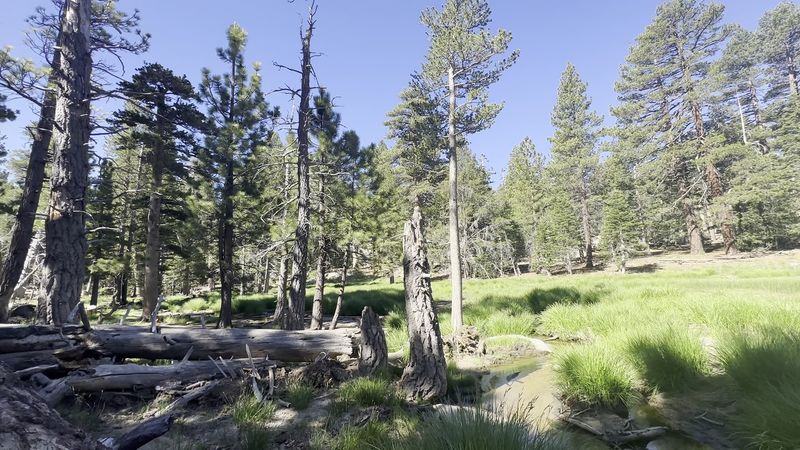
With logging gone, the forest was left to grow undisturbed, and the landscape slowly became the town’s most valuable asset.
Visitors arriving by automobile in the early twentieth century found pine-covered trails, granite rock formations, and mountain air that felt nothing like the growing cities down below.
The rise of car culture in Southern California made weekend mountain escapes newly accessible to a broad range of people.
Federal forest protection essentially redirected the town’s economic energy away from extraction and toward experience. That shift was gradual rather than sudden, but its effects compounded over decades.
Today the surrounding San Bernardino National Forest frames almost every view from town, and that preserved landscape is a direct result of the federal decision made over a century ago.
Mountain Scenery Became Part Of The Comeback
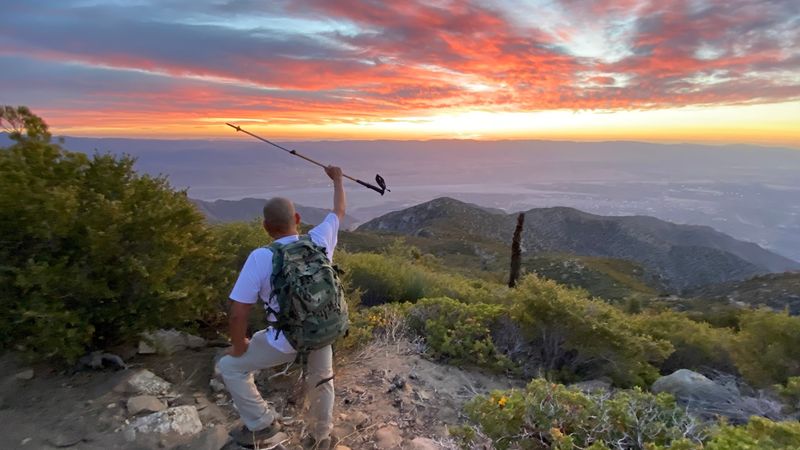
Few places in Southern California offer the combination of elevation, forest cover, and granite scenery that the San Jacinto Mountains provide.
Sitting above 5,000 feet, the town experiences four distinct seasons, which is unusual for a region where most communities stay warm year-round.
Snow dusts the rooftops in winter, wildflowers push through in spring, and the summer air stays cool enough to walk comfortably when the coast is sweltering.
Famous climbing destinations draw serious climbers from across the country, while the network of hiking trails through the surrounding national forest brings casual day-trippers and backpackers alike.
The scenery is not just a backdrop for the town; it actively pulls people in and gives them a reason to slow down and stay longer than planned.
Unlike nearby mountain communities that leaned into ski resort development, Idyllwild kept its identity rooted in the natural landscape rather than built infrastructure.
There are no gondolas, no ski lifts, and no sprawling resort complexes interrupting the treeline.
That restraint created a different kind of appeal, one built around the pace of a walk through the forest rather than the rush of a crowded slope. The mountains here feel genuinely close, not just decorative.
Art Became One Of The Town’s New Anchors
Creative energy did not arrive in Idyllwild overnight, but it found unusually fertile ground there.
The town was recognized as one of the 100 Best Small Art Towns in America back in 1998, and that recognition reflected something already well established rather than something newly invented.
Art had been woven into the community’s identity for decades before that acknowledgment arrived.
More than 15 galleries representing over 200 artists currently operate in and around the downtown area, which is a remarkable concentration for a town of this size.
The galleries cover a wide range of styles and media, from traditional landscape painting to contemporary mixed-media work, and many of the artists represented actually live in the surrounding mountain community.
That local connection gives the gallery scene a grounded quality that distinguishes it from resort-town art markets.
The Art Alliance of Idyllwild, founded in the late 1990s by local gallery owners, provides organizational support for artists and helps coordinate events that bring the broader community into contact with the work.
Art also spills beyond gallery walls into local restaurants and shops, so even a casual walk through town tends to involve encountering original work.
That integration between art and everyday commercial life gives the whole place a quietly creative atmosphere.
Galleries Give Downtown Its Browsing Power
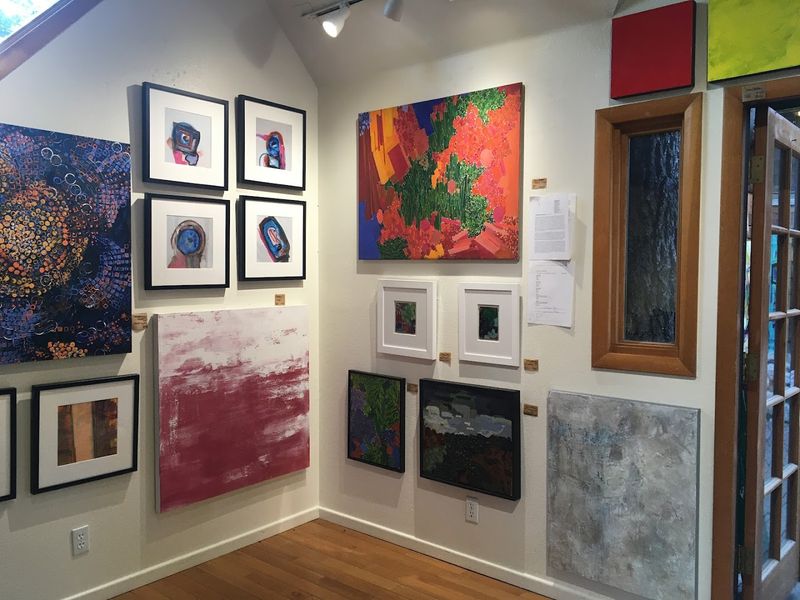
Walking through downtown Idyllwild feels different from most small mountain towns because the storefronts are doing real work.
Galleries sit alongside specialty shops and locally owned restaurants in a compact arrangement that rewards slow walking and unplanned stops.
There are no chain stores breaking up the rhythm, and no fast food signs competing with hand-painted window displays.
The public art installation known as Idyllwild Deer Sightings adds a playful layer to the browsing experience.
Since 2015, 22 life-size aluminum deer painted by local artists have been installed at various points around town, turning a simple walk into a kind of casual scavenger hunt.
Each deer carries a distinct design, and finding them while moving between galleries and shops gives visitors something to talk about beyond what they purchased.
The compact size of downtown actually works in the town’s favor here. Everything is reachable on foot, so there is no need to move a car between stops or navigate a confusing parking structure.
A morning can fill itself naturally with gallery browsing, a coffee stop, a look through a handcraft shop, and a long lunch without any particular plan driving the schedule.
That easy, unhurried rhythm is a large part of what keeps people coming back on repeat visits.
Idyllwild Arts Keeps The Creative Reputation Alive

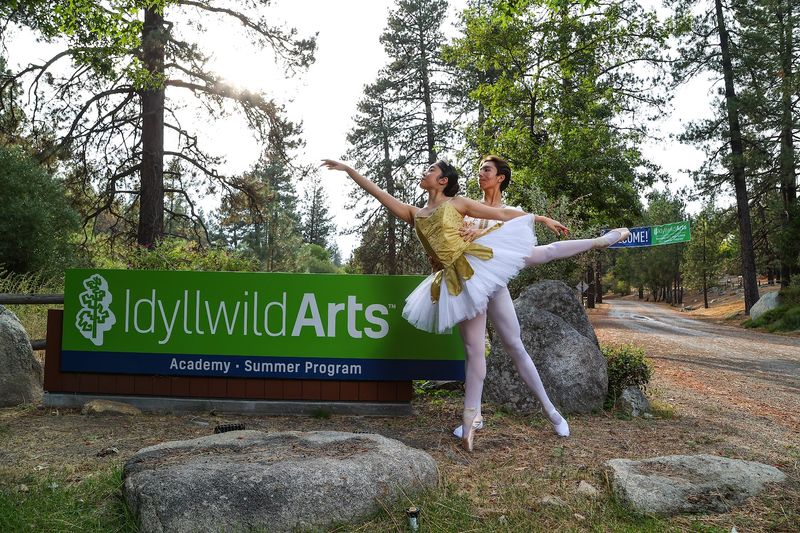
Founded in 1950, the Idyllwild Arts Foundation has grown from a summer arts program into one of the most respected residential arts high schools in the country.
The academy offers pre-professional training across disciplines including music, dance, theater, creative writing, and visual arts, combined with college-preparatory academics.
Students come from across the United States and internationally to attend, which means the town regularly hosts a population of serious young artists.
The summer program extends the academy’s reach considerably, bringing workshops to a wider mix of students and adults across age groups and skill levels.
Classes in ceramics, painting, filmmaking, and performing arts run through the summer months, and public performances and exhibitions give the broader community access to the work being made on campus.
That opening toward the public keeps the academy from feeling like a closed institution separate from the town.
In 2022 the Native American Arts Center opened within Idyllwild Arts, expanding year-round programming and reinforcing the institution’s leadership in Indigenous artistic expression.
The center reflects a commitment to cultural breadth that goes beyond standard arts curriculum.
For a mountain town of a few thousand residents, having an institution of this caliber operating continuously in the community provides a creative infrastructure that most comparable towns simply do not have.
Food Helps Turn A Day Trip Into A Weekend
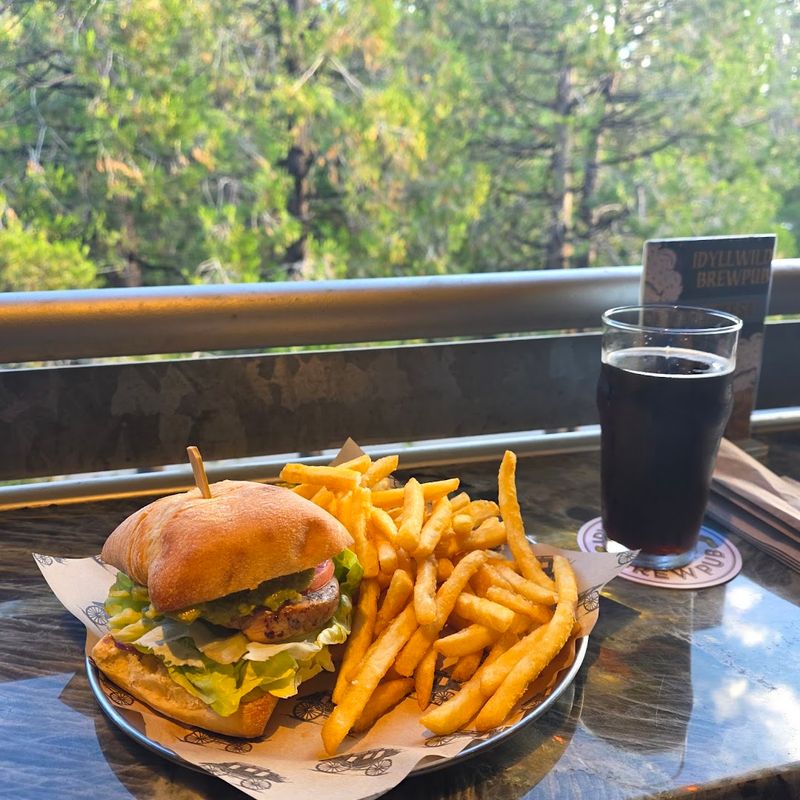
A mountain town with strong scenery but weak food options tends to attract day-trippers rather than overnight guests, and Idyllwild has clearly figured that out.
The dining scene here leans heavily on locally owned establishments that bring intentional, community-rooted cooking to a setting most people associate with trail mix and granola bars.
The range runs from casual breakfast cafes to destination dinner spots serious enough to justify the mountain drive on their own.
Cafe Aroma, located at 54750 N Circle Dr, Idyllwild, CA 92549, is one of the town’s most recognized dining spots, known for Italian-inspired dishes and a relaxed atmosphere that sometimes includes live music.
The Gastrognome at 54381 Ridgeview Dr, Idyllwild, CA 92549 offers New American cuisine in a setting that feels both comfortable and considered.
La Casita at 26140 Hwy 243, Idyllwild, CA 92549 rounds out the mix with authentic Mexican food that has built a loyal following among both locals and visitors.
Beyond sit-down restaurants, the town also supports vegan-friendly options and weekend markets featuring local produce, which means dietary variety is genuinely available rather than just theoretically possible.
Food here feels like a reflection of the community that makes it rather than a service designed for maximum turnover. That difference in intention tends to show up clearly on the plate.
The Old Lumber Town Found A Softer Second Act
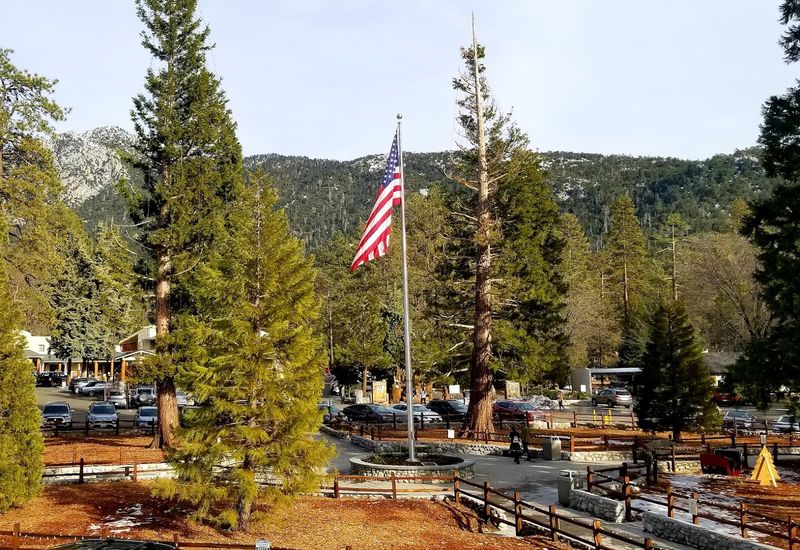
Very few places manage a transition as complete as the one Idyllwild pulled off over the course of a century.
A settlement built around sawmills and timber output is now best known for galleries, creative education, hiking trails, and a food scene that draws people from the cities below on a regular basis.
That kind of reinvention does not happen through a single decision but through decades of small choices that collectively add up to a distinct character.
The absence of traffic lights, chain stores, and fast food is not accidental.
The community has consistently prioritized a certain kind of experience over the convenience of familiar commercial development, and that restraint has preserved an atmosphere that feels genuinely different from the mountain towns that leaned into resort infrastructure.
Visitors notice the difference almost immediately, even if they cannot always name exactly what they are responding to.
What makes the story worth telling is that the shift was driven by protection rather than promotion. The forest reserve that ended logging also preserved the landscape that made the town worth visiting.
The arts institution that started as a summer program became a permanent creative engine. The locally owned restaurants that chose quality over speed became reasons to stay an extra night.