11 Underrated Idaho Attractions Perfect For A Saturday Adventure
Weekend plans get suspiciously better when Idaho starts hiding waterfalls and strange rock formations like little rewards for people who actually leave the couch.
A regular Saturday can turn into a “wait, how did we not know this existed?” adventure before the camera battery even gets nervous.
The best spots are not always the loud ones with giant crowds and dramatic parking lots.
Sometimes they are quiet trails, overlooked landmarks, and places that make travelers feel oddly smug for finding them.
Nature lovers get scenery with a surprise factor. History fans get stories put into the landscape.
Everyone else gets a better excuse than scrolling through lunch options again. These underrated stops make staying home look deeply unambitious.
1. Box Canyon Springs Nature Preserve
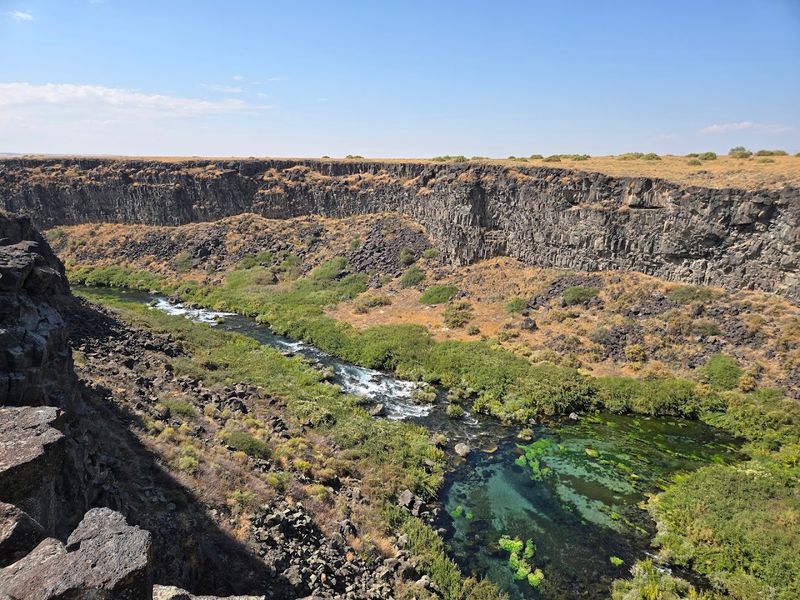
Blue water at the bottom of a basalt canyon makes Box Canyon Springs feel almost unreal, especially when the surrounding Magic Valley landscape looks so dry above it.
This preserve is part of Thousand Springs State Park near Wendell, with access from W Point Road and a trailhead parking area south of town.
Visit South Idaho places Box Canyon State Park and Nature Preserve on W Point Road near Wendell, while the Thousand Springs complex is managed by Idaho Parks and Recreation. The draw is the water itself.
Springs pour out from the canyon walls and create a vivid, cold, clear stream that looks more tropical than high desert.
A rim walk gives visitors dramatic views from above, while the descent into the canyon offers a closer look at the spring-fed water and rocky terrain.
Sturdy shoes matter because the route can be uneven, especially when moving closer to the water. Mornings are a smart choice for cooler temperatures, quieter trails, and better light on the blue water.
For a Saturday adventure that feels short, scenic, and surprisingly powerful, Box Canyon delivers a big payoff without requiring an all-day expedition.
2. Ritter Island
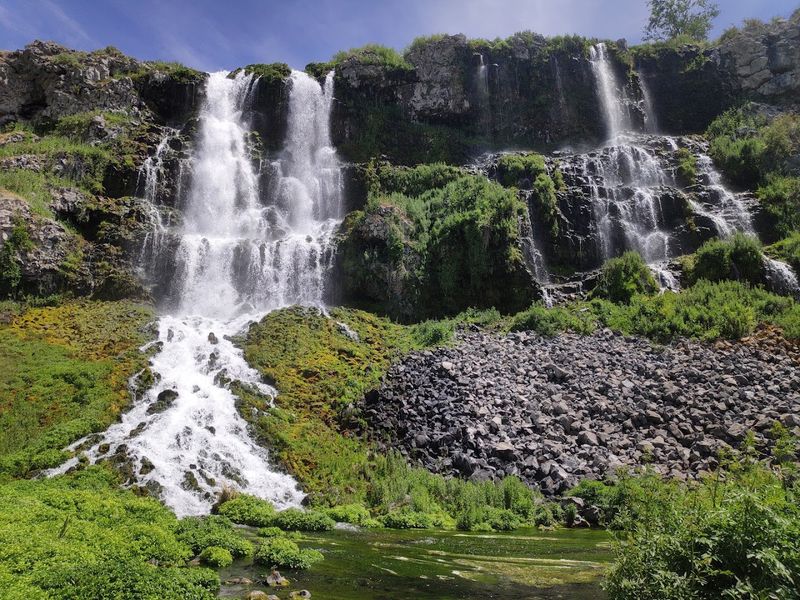
Waterfalls, old farm buildings, clear spring water, and Snake River scenery give Ritter Island a peaceful kind of adventure.
This unit of Thousand Springs State Park sits near Hagerman and Wendell, with heritage directions noting access from I-84 Exit 155 near Wendell, then local roads toward the island.
Regional travel information describes Ritter Island as a more than 100-year-old Snake River destination with waterfall views and historic character. Off-season visitors can still view the island from the parking area and walk the canyon wall to see Lemon Falls.
That seasonal detail is important because a Saturday trip here should start with current park access information.
During open season, the island feels like an easygoing mix of nature walk and living history stop.
Meadows, water channels, old structures, and spring-fed scenery make it pleasant for slow wandering rather than strenuous hiking.
Picnic time fits naturally here, especially for visitors who want a gentle outdoor day instead of a steep trail.
Ritter Island works because it does not need a dramatic itinerary.
Clear water, farmstead atmosphere, canyon views, and quiet paths do most of the work.
3. Castle Rocks State Park
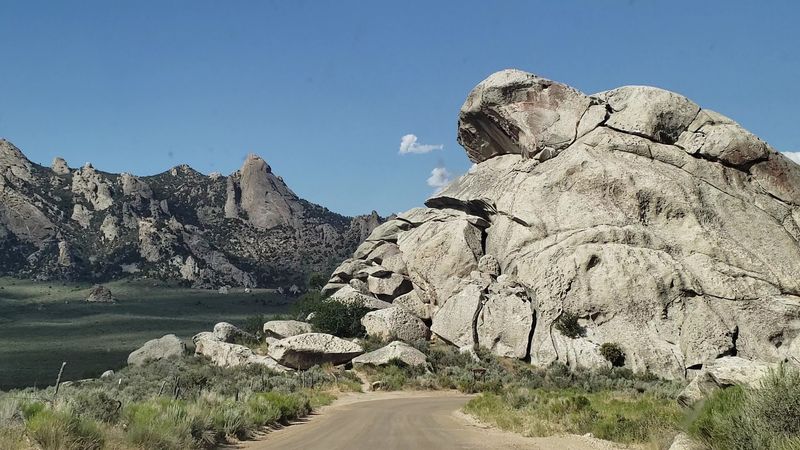
Granite formations rise around Castle Rocks State Park with enough drama to make the name feel completely earned.
The park’s official recreation listing gives the street address as 3035 S Elba-Almo Road, also shown as Highway 77 Spur, Almo, ID 83312, and notes day-use hours within state parks generally run from 7 a.m. to 10 p.m., subject to park manager discretion.
Southern scenery surrounds the park near City of Rocks National Reserve, making it ideal for a Saturday built around hiking, photography, climbing, and wide-open views.
Visit South Idaho describes Castle Rocks as being two miles northwest of Almo, at the base of 10,339-foot Cache Peak, with recreation shaped by solitude, natural beauty, and ranching heritage.
Climbers come for the rock, but non-climbers still get plenty from the trails and viewpoints.
Massive forms, open sky, foothill scenery, and wildlife make the landscape feel bigger than a quick stop.
A camera is worth bringing because the granite changes personality with the light, especially early or late in the day.
Castle Rocks is underrated because nearby City of Rocks often gets more attention, but this state park has enough scenery and trail time to carry a Saturday on its own.
4. City Of Rocks National Reserve
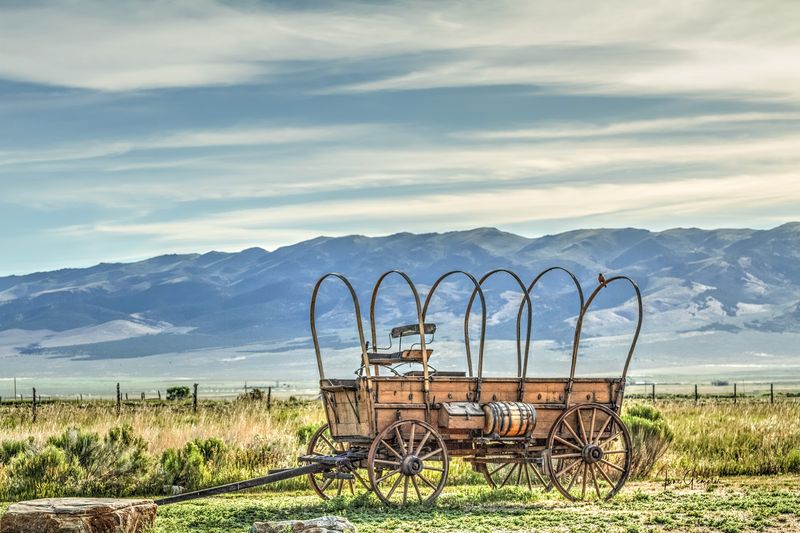
Pioneer history and strange granite scenery collide at City of Rocks National Reserve, creating one of Idaho’s most memorable outdoor landscapes.
The Idaho Parks and Recreation page lists the visitor contact address as 3035 S Elba-Almo Road, Almo, ID 83312, near the Castle Rocks visitor center area. Meanwhile, the National Park Service describes the reserve as the “Silent City” of Rocks, a landscape California Trail emigrants compared to tall spires and steeple rocks.
That historic description still makes sense today. The formations look like a natural stone settlement rising from the high desert, with trails, climbing routes, campsites, and pullouts scattered through the reserve.
Rock climbers know the area well, but casual visitors can enjoy it without touching a rope. Short walks, roadside viewpoints, emigrant history, signatures on rock faces, and wide views make the reserve surprisingly flexible for different ages and energy levels.
Families can treat the formations like a natural scavenger hunt, while photographers can spend hours working with the shapes, shadows, and huge sky. City of Rocks is not underrated among climbers, but it remains easy for general road-trippers to overlook.
A Saturday here feels like stepping into a landscape where geology and westward migration left their marks in the same unforgettable place.
5. Lower Cedar Creek Trail
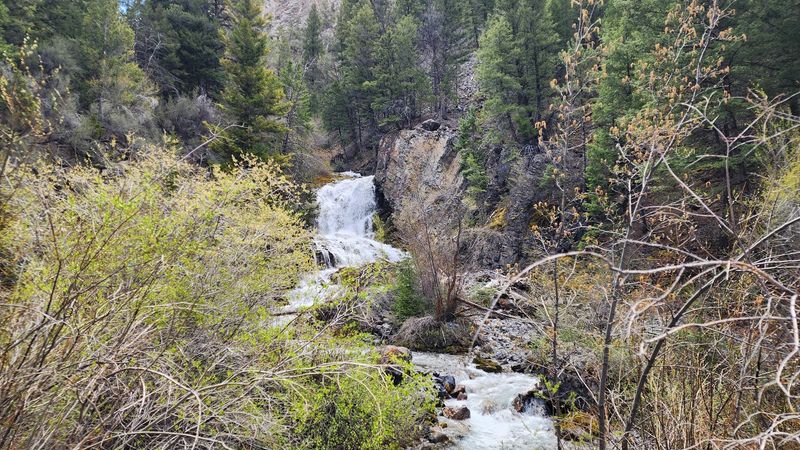
Mountain water gives Lower Cedar Creek Trail its best kind of Saturday reward. The U.S.
The Forest Service identifies Lower Cedar Creek Trail #4382 as being 4 miles northeast of Mackay. Access follows Main Street, which becomes Bench Road, then Lower Cedar Creek Road to the trailhead parking area.
The trail ends at Hole in the Rock Waterfall, giving hikers a clear destination rather than just a turnaround guess.
Visit Idaho describes the route as a three-mile out-and-back hike near Mackay, with a mountain stream and waterfall overlook in central Idaho’s Lost River Range. That makes it a strong pick for people who want a real hike without committing to a punishing all-day climb.
The scenery shifts between creekside movement, forested stretches, mountain views, and the payoff of falling water. Early summer can be especially appealing because snowmelt helps feed the flow, though trail conditions can also become muddy or slick after rain.
Good shoes, water, and a snack belong in the pack. This is not a polished roadside attraction, which is part of the appeal.
Lower Cedar Creek Trail feels like the kind of place locals mention carefully, hoping visitors enjoy it without loving it too loudly.
6. Harriman State Park
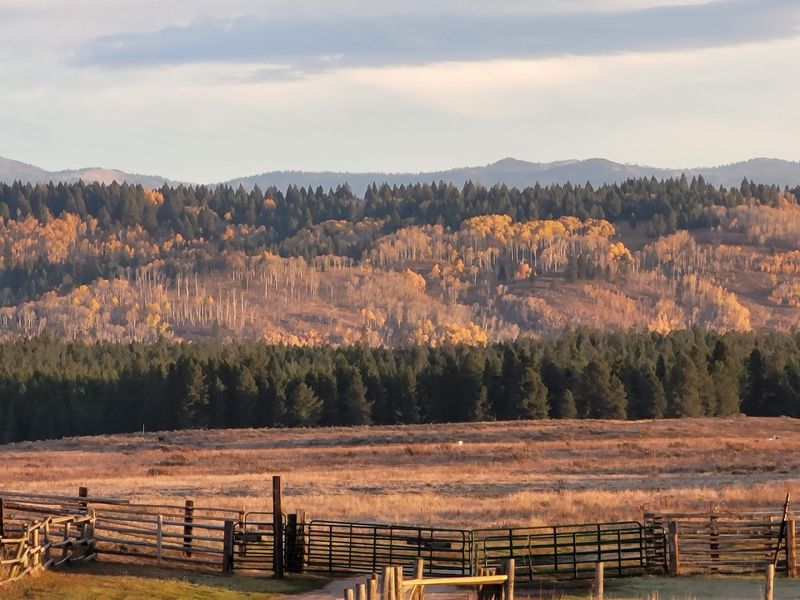
Open meadows, slow river bends, and ranch history make Harriman State Park feel much calmer than its famous Yellowstone-area neighbors.
Idaho Parks and Recreation lists Harriman as a state park in Island Park. Visit Idaho describes it as part of a 16,000-acre wildlife refuge in the Greater Yellowstone Ecosystem, with 22 miles of trails for hiking, mountain biking, and horseback riding.
That trail network gives a Saturday visit several possible shapes. Some visitors come for a gentle walk along the Henrys Fork, while others bring bikes, binoculars, fishing gear, or winter skis depending on the season.
The park’s ranch history adds character, with historic buildings and open land creating a quieter atmosphere than many heavily trafficked mountain destinations. Wildlife is another reason to slow down.
Moose, elk, sandhill cranes, trumpeter swans, osprey, and other animals may appear in the broader ecosystem, though sightings always depend on season and timing. A Saturday at Harriman works best without trying to pack in too much.
Walk slowly, watch the river, read the light on the meadows, and let the park’s unhurried pace become the main attraction. It is underrated because it feels spacious, calm, and deeply scenic without needing spectacle.
7. Upper Mesa Falls
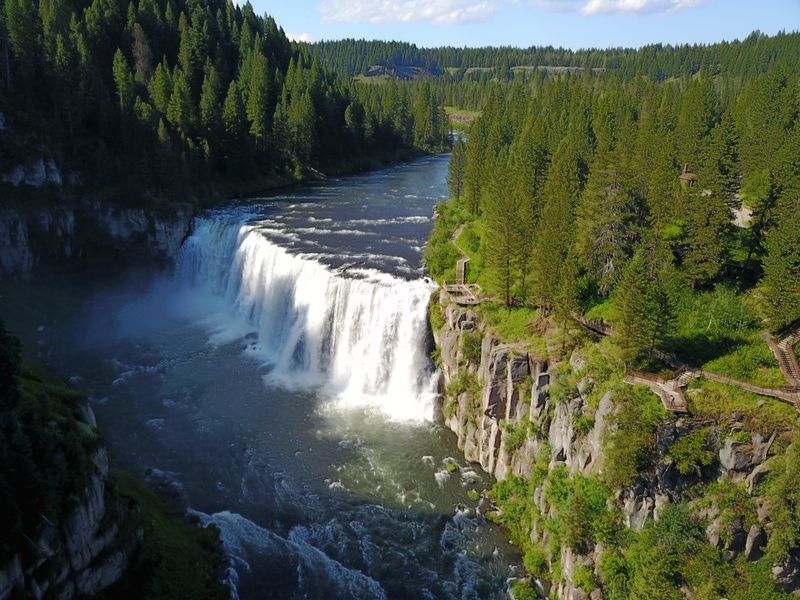
Mist, forest, and a 114-foot plunge make Upper Mesa Falls one of eastern Idaho’s easiest big-scenery wins.
The waterfall sits along the Mesa Falls Scenic Byway near Ashton. Local byway information describes Upper Mesa Falls as 114 feet high, with pathways, stairs, and viewing platforms that bring visitors close to the rushing water.
That accessibility makes it ideal for a Saturday adventure when the goal is maximum payoff without a long hike.
The route itself adds to the experience. Forested scenery between Ashton and Island Park gives the drive a slower, more relaxed feel than a straight highway sprint.
Upper Mesa Falls is often paired with Lower Mesa Falls, which drops 65 feet and can be viewed from a more distant overlook. Visitors should check current access before going, especially because the area can be affected by seasonal conditions or maintenance projects.
Late spring and early summer often bring stronger water flow from snowmelt, while fall can add beautiful color to the surrounding trees. Upper Mesa Falls earns a spot here because it feels grand, yet still easy enough for families, photographers, and road-trippers to fold into a single Saturday.
8. Kootenai National Wildlife Refuge
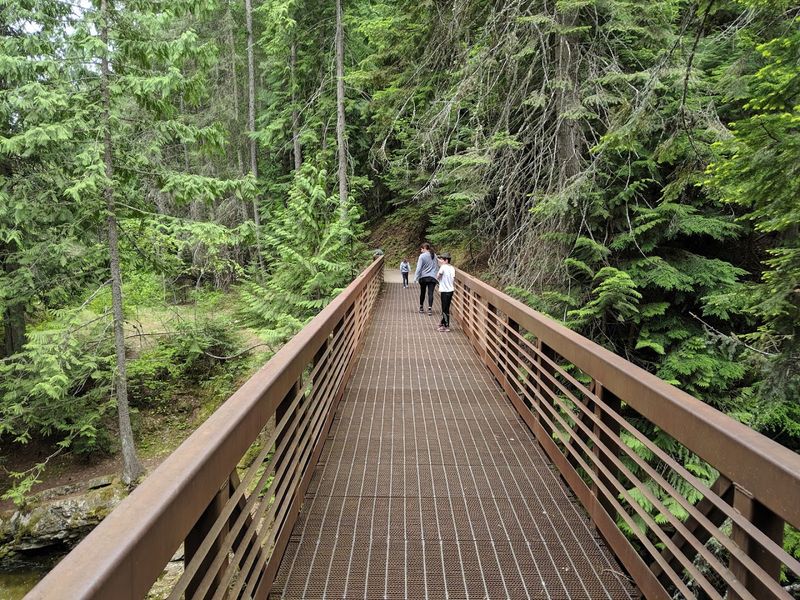
Wetlands beside the Selkirk Mountains make Kootenai National Wildlife Refuge one of northern Idaho’s most rewarding quiet stops. The U.S.
Fish and Wildlife Service describes the refuge near Bonners Ferry as a 2,774-acre landscape of wetlands, meadows, riparian areas, and forest that supports a wide variety of wildlife.
Its auto tour route is a 4.5-mile one-way gravel road, and the refuge notes that visitors may drive, walk, bike, snowshoe, or cross-country ski the route depending on conditions.
That flexibility makes it especially useful for a Saturday when weather, energy, or group needs vary. Birdwatchers may look for waterfowl, raptors, songbirds, and seasonal migrants, while patient visitors may also spot deer or other wildlife along habitat edges.
Binoculars are the best upgrade here because much of the action happens across wetlands or fields rather than beside the road. The setting is peaceful rather than flashy, which is exactly why it works.
Visitors should check current refuge updates before going because habitat projects, road closures, or seasonal access changes can affect the route. Kootenai National Wildlife Refuge is underrated because it asks people to slow down and watch.
Those who do are rewarded with a calmer, wilder version of Idaho.
9. Snow Creek Falls
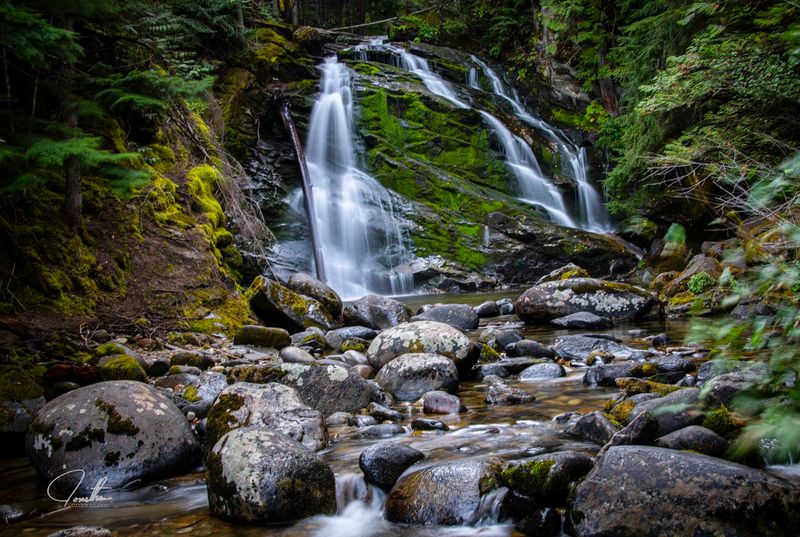
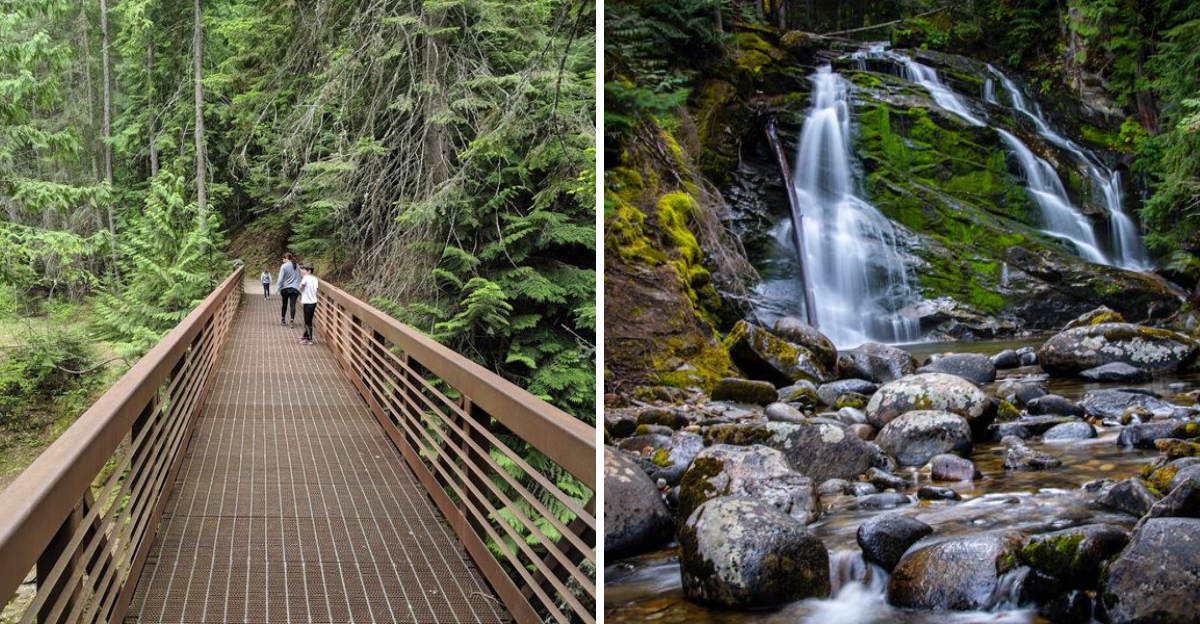
Forest shade and two waterfall viewpoints make Snow Creek Falls feel like a North Idaho secret with a very manageable effort level. The U.S.
Forest Service routes visitors from Bonners Ferry south on US 95, then onto Deep Creek Loop, Lions Den Road, and Snow Creek Road #402, with the trailhead on the left after about 1.2 miles.
Visit Bonners Ferry notes a 1.4-mile round trip hike with a split to upper and lower falls and an overlook view above the waterfall.
That makes expectations important. This is a forest waterfall hike with overlooks, not a flat stroll to a splash pool.
Still, the payoff is excellent for the distance. Cedar and fir forest, creek sounds, mossy rock, benches, and short side options create a satisfying outing without overwhelming the day.
Spring and early summer can bring stronger flow, while warmer months make the shaded trail especially welcome. Waterproof or grippy footwear helps after rain because roots and soil can get slick.
Snow Creek Falls belongs on a Saturday list because it feels quiet, scenic, and accessible enough to recommend without draining the whole weekend.
10. World Center For Birds Of Prey
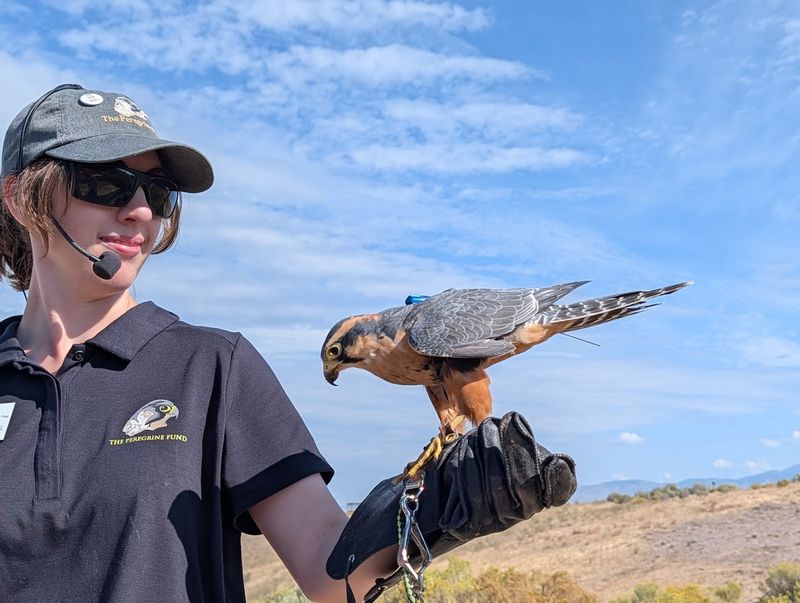
Close-up raptor encounters give the World Center for Birds of Prey a completely different kind of Idaho adventure.
The Peregrine Fund’s visitor page lists regular hours from Tuesday through Sunday, 10 a.m. to 5 p.m., with last entry and trail closure at 4:15 p.m., plus Monday openings from Memorial Day through Labor Day.
The center is in Boise at 5668 W Flying Hawk Lane, Boise, ID 83709, on a ridge south of the city. Live bird programs are a major reason to go, with the center listing daily presentations at 11 a.m., 1 p.m., and 3 p.m.
For families, photographers, bird lovers, and curious visitors, seeing raptors up close can be more memorable than another standard museum stop.
The center connects the experience to real conservation work by The Peregrine Fund, whose efforts with endangered raptors are central to its mission.
Exhibits, outdoor views, interpretive spaces, and staff knowledge help turn the visit into more than a quick look at birds. Plan for at least a couple of hours if you want to attend a presentation and explore without rushing.
This Boise attraction is underrated because it is educational, dramatic, family-friendly, and easy to pair with other nearby stops on a Saturday.
11. Old Idaho Penitentiary
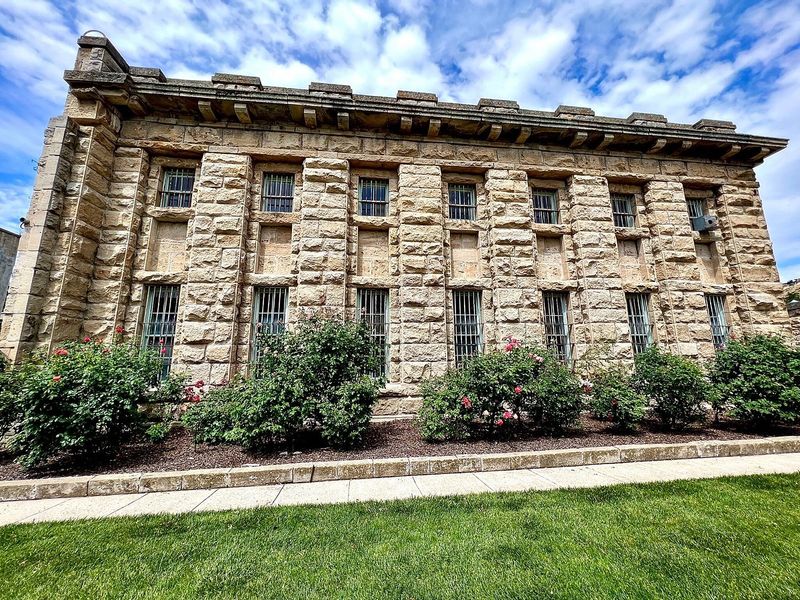
Historic stone walls give the Old Penitentiary a heavy sense of place before the first exhibit appears.
The State Historical Society manages the site, and its official page notes that self-guided tours are available during operating hours, with guided tours available most days for an additional fee depending on weather and staff availability.
Preservation information lists the address as 2445 Old Penitentiary Road, Boise, ID 83712, and identifies daily public hours as 12 p.m. to 5 p.m.
The site opened as a territorial prison in 1872 and closed in 1973, leaving behind cell houses, yards, exhibits, and layered architecture that show how the complex changed across more than a century.
Because the subject matter is serious, the best visit balances curiosity with respect.
Visitors can explore regional history, correctional life, architecture, and preservation without turning the place into a cheap scare stop.
Photography is compelling here because sandstone walls, barred windows, narrow corridors, and open yards create strong visual contrast.
Budget enough time to move slowly because the details are what make the site memorable.
The Old Penitentiary fits a Saturday adventure because it offers history with atmosphere, right in Boise, and pairs easily with the nearby Botanical Garden or Warm Springs area.