These 12 Idaho Museums And Cultural Spots With Free Admission Worth Visiting In 2026
Free museums are basically the universe whispering, “Go learn something interesting and keep your wallet out of this.”
Idaho makes that invitation hard to ignore in 2026, with no-cost cultural stops that turn an ordinary afternoon into something smarter, stranger, and way more memorable than another scroll session.
Bring the family, go solo, or drag along the friend who claims museums are “not their thing” and watch that confidence collapse near the first great exhibit.
The best part is how easy it all feels.
No ticket stress. No budget guilt.
Just fascinating stories, quiet surprises, and places that deserve more attention than they get.
Consider this your sign to actually go see them.
1. Idaho Museum Of Mining And Geology
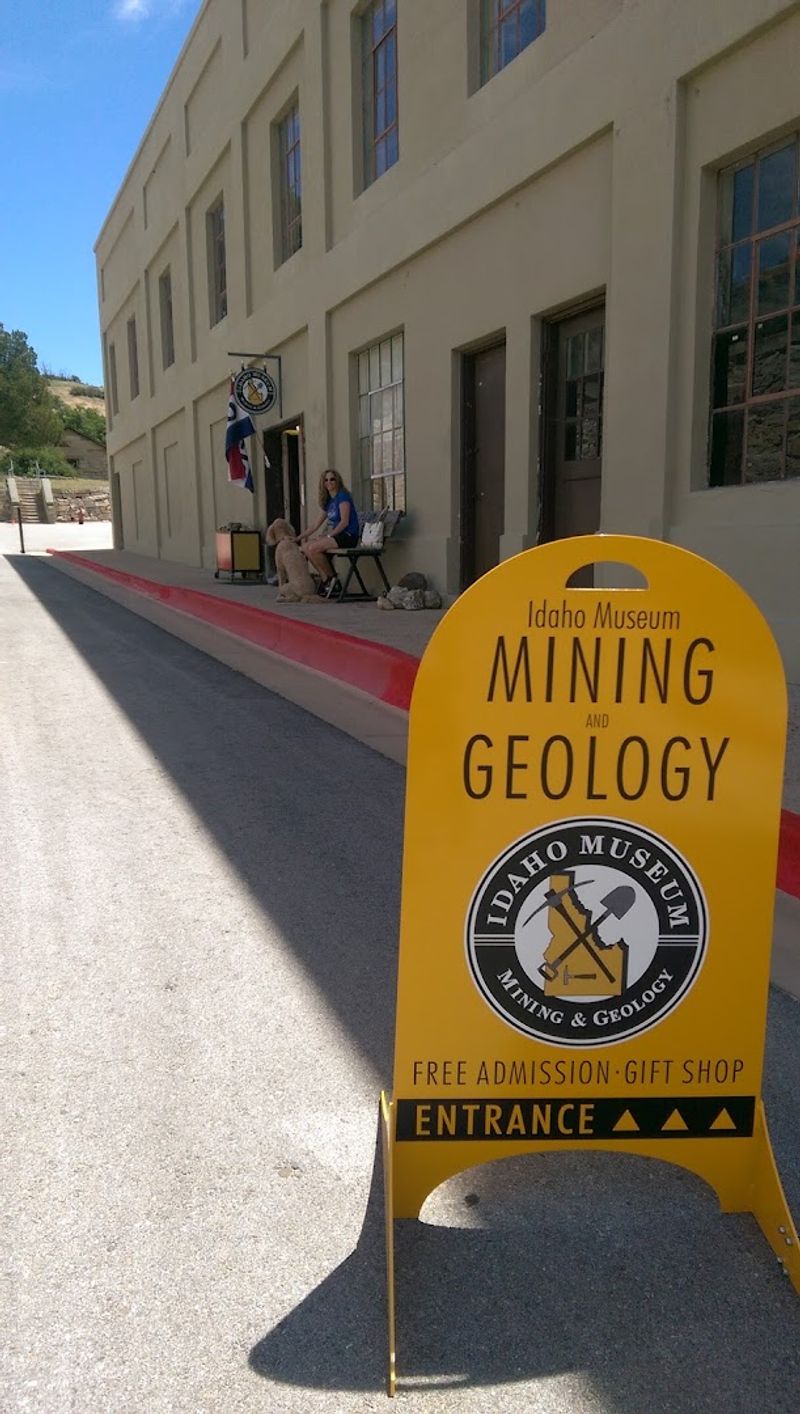
Sparkling minerals, mining tools, and a deep geologic story make this Boise museum feel like a treasure hunt with better labels.
The Museum of Mining and Geology sits at 2455 Old Penitentiary Road, Boise, ID 83712, next to the Old Penitentiary area, and its official site lists free admission with donations welcomed.
Current posted hours are Friday and Saturday from noon to 5 p.m. and Sunday from 12:30 p.m. to 3:30 p.m., with holiday closures noted on the museum site, so this is definitely a check-before-you-go stop.
Exhibits focus on mining heritage, rocks, minerals, fossils, gemstones, and the natural forces that shaped the region’s mountains, valleys, and ore-rich landscapes.
Kids can enjoy the colorful displays without needing to understand every geologic term, while adults get a clearer sense of why mining became so central to local history.
Its location near other historic Boise attractions also makes it easy to pair with a broader day around the Old Penitentiary district.
For anyone who likes shiny rocks, old tools, or the idea that the landscape has been telling stories for millions of years, this free museum is a small but worthwhile stop.
2. The WaterShed
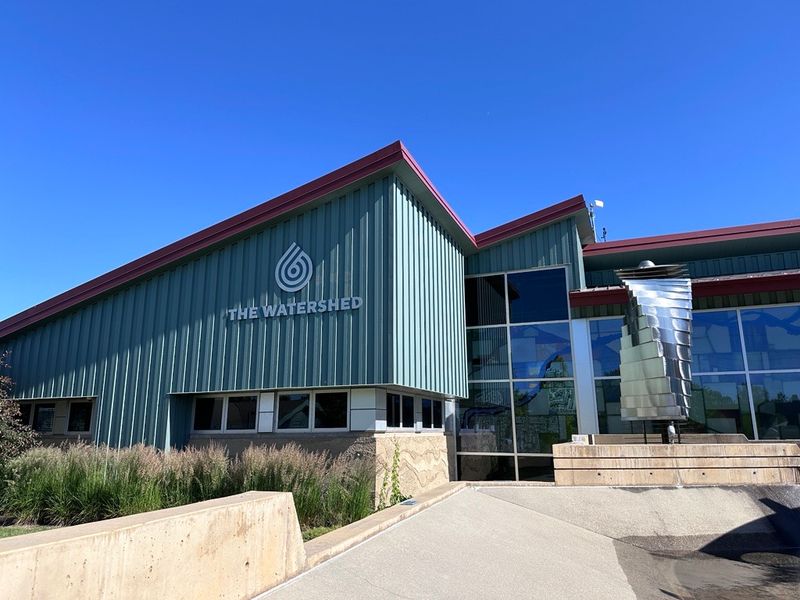
Hands-on water science gives The WaterShed a practical kind of magic, especially in a region where every drop matters. Boise WaterShed is found at 6411 N.
Ancell Avenue, Boise, ID 83714, and its official visit page lists hours Monday through Saturday from 9:30 a.m. to 4:30 p.m. Admission is always free for both the indoor exhibit hall and the outdoor river campus.
That two-part setup makes the visit feel more varied than a standard exhibit room. Inside, interactive displays explain water, climate, wastewater, river systems, and the way Boise’s environment depends on careful resource management.
Outside, the river campus gives visitors space to connect those lessons to the surrounding landscape. Families benefit because the material is educational without feeling stiff, and kids can learn by touching, exploring, and moving instead of quietly reading every panel.
The WaterShed also recommends weekday afternoons or Saturdays for the best experience because school groups often visit on weekday mornings.
A stop here works especially well for curious families, homeschool groups, science-minded travelers, or anyone who wants a free Boise activity with substance.
Water may sound ordinary, but this place makes it feel central, fragile, and genuinely fascinating.
3. Idaho Military History Museum
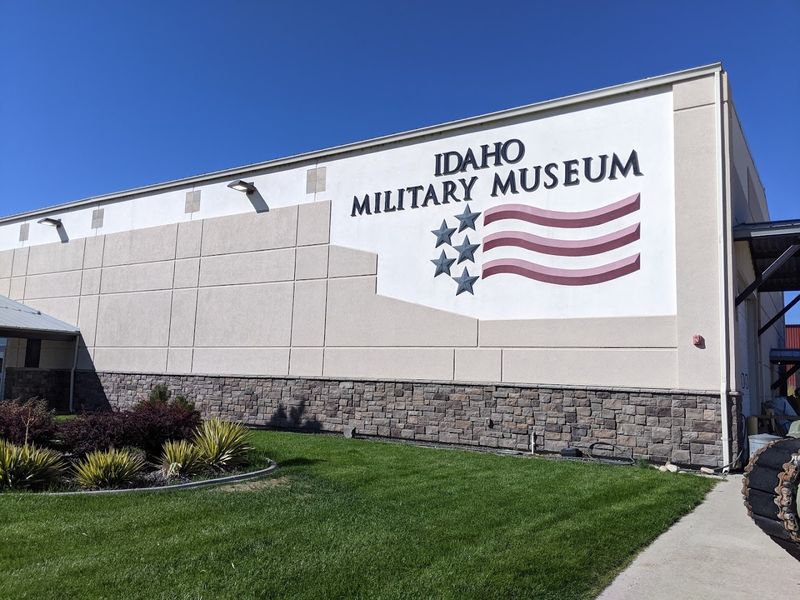
Uniforms, medals, photographs, and personal military stories give this Boise museum a serious but accessible purpose.
The Military History Museum is placed at 4692 W. Harvard Street, Boise, ID 83705, next to Gowen Field, and its official site lists hours Tuesday through Friday from 10 a.m. to 4 p.m. and Saturday from noon to 4 p.m., with most federal holidays closed.
Admission is free, with donations accepted, making it an easy addition to a history-focused Boise day.
The museum covers the state’s military history across multiple eras, using artifacts and exhibits to connect large conflicts with the individual people who served.
That local angle matters because military history can sometimes feel distant until a uniform, letter, photo, or personal object brings it back to one person’s experience.
Visitors with family service connections may find the exhibits especially meaningful, while general history fans can learn how residents participated in national and global events.
The museum is not flashy, and that restraint suits the subject.
It works best when visitors slow down and give the displays time to build a fuller picture.
For a free cultural stop with weight, context, and local pride, this museum deserves more attention.
4. Erma Hayman House
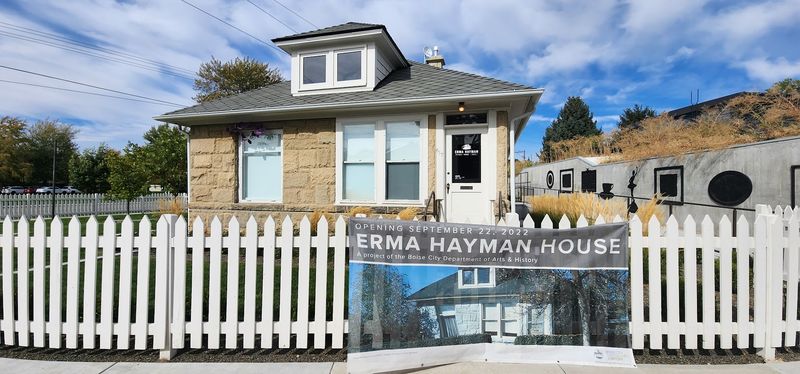
River Street history feels personal at the Erma Hayman House, where one preserved Boise home opens into a much larger community story.
This historic site and cultural center is at 617 Ash Street, Boise, ID 83702. Boise Museums lists free public hours as Tuesday and Thursday from 11 a.m. to 3 p.m., with Monday, Wednesday, and Friday visits available by appointment.
The house preserves, contextualizes, and interprets the history of Boise’s River Street Neighborhood. It also highlights stories of historically underrepresented communities through public programs and exhibits.
Erma Hayman herself was an important figure connected to this neighborhood, and the site helps visitors understand Boise history beyond the more familiar downtown and statehouse narratives.
The experience feels quieter than a large museum, but that intimacy is part of its strength. A house can make history feel close because rooms, photographs, public art, and neighborhood interpretation all carry a human scale.
Visitors should check the current calendar before going because programs and open hours may vary, but free public access makes the site an important cultural stop in 2026.
For anyone interested in local history, Black history, neighborhood change, and preservation, the Erma Hayman House offers a thoughtful visit that stays with people after they leave.
5. James Castle House
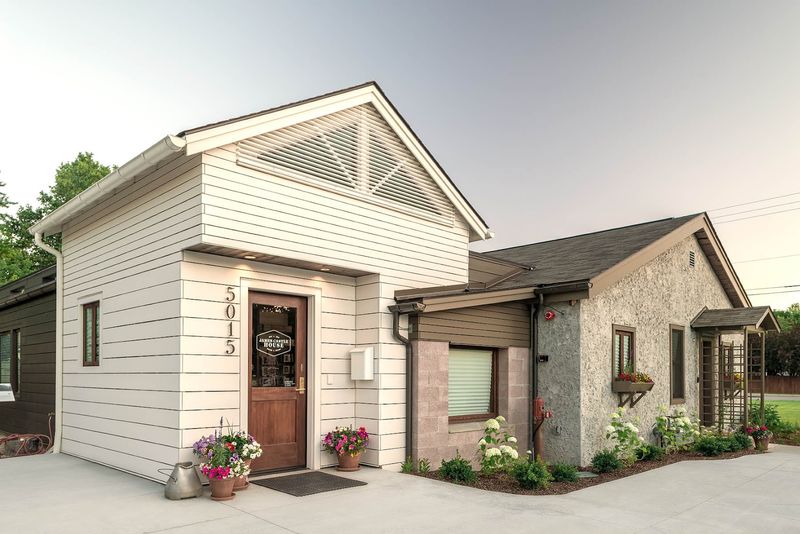
Art feels especially intimate when visitors can stand inside the place where an artist lived and worked.
James Castle House is based at 5015 Eugene Street, Boise, ID 83703, and the official site describes it as a historic site and museum dedicated to the legacy of self-taught artist James Castle.
Castle, who was deaf from birth, created a remarkable body of work using found materials, soot, saliva, and other unconventional media, and his preserved home gives that creativity a powerful setting.
The house functions as both museum and cultural site, offering exhibitions, tours, residency programming, and public engagement tied to Castle’s life and work.
Unlike a traditional gallery where art may feel separated from the person who made it, this site lets the environment add meaning. The rooms, architecture, and creative spaces help visitors understand how place shaped Castle’s output.
Free public events and exhibitions are part of the site’s programming. Visitors should confirm tour availability and admission details before arriving.
For Boise travelers who want a quieter art stop with real emotional texture, James Castle House is one of Idaho’s most distinctive cultural places.
6. Idaho Black History Museum
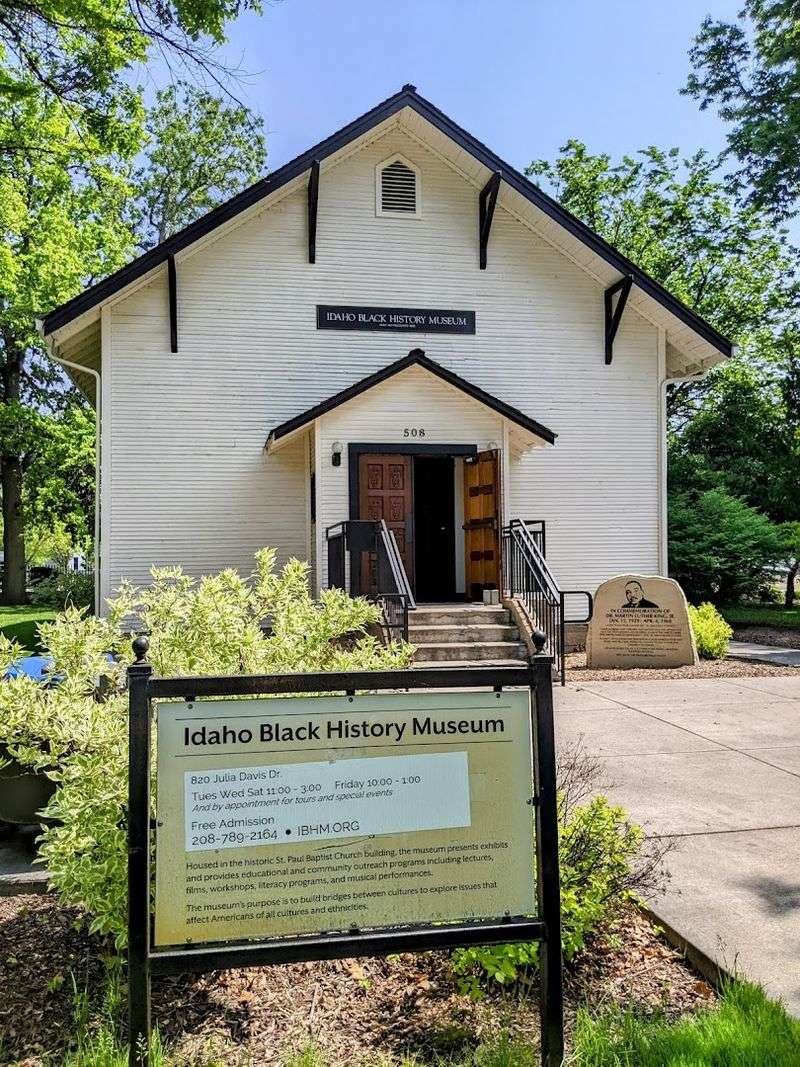
Julia Davis Park holds one of the region’s most important cultural stops within a small historic building with a large story to tell.
The Black History Museum is found at 508 Julia Davis Drive, Boise, ID 83702, and Boise Museums lists current hours as Tuesday, Wednesday, and Saturday from 11 a.m. to 3 p.m. and Friday from 10 a.m. to 1 p.m.
The museum is widely described as free to visit, though donations and support help keep its work moving forward.
Its exhibits focus on Black history across the state, highlighting people, communities, struggles, achievements, and contributions often left out of broader regional narratives.
The setting adds meaning because the museum occupies the former St. Paul Baptist Church building, a historic structure connected to Boise’s Black community.
Visitors can pair a stop here with a walk through Julia Davis Park, the Boise Art Museum area, or nearby downtown attractions, but the museum itself deserves focused time.
The experience is not only about learning dates or names.
It asks visitors to widen their understanding of local identity and recognize how Black residents have shaped the state’s story.
For a free museum with civic importance, this one should not be treated as optional.
7. Crane House Museum
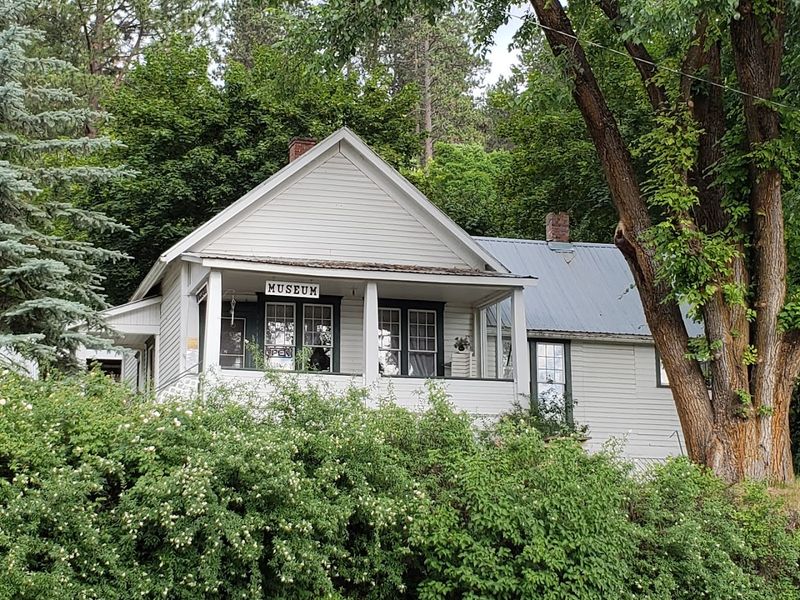
Lakeside Harrison adds extra charm to a small museum that preserves early northern life.
Crane House Museum is set at 201 S. Coeur d’Alene Avenue, Harrison, ID 83833, and regional tourism information lists it as open from Memorial Day to Labor Day, sometimes beyond, on Saturdays and Sundays from noon to 4 p.m.
There is no admission fee, though donations are accepted.
Heritage preservation information identifies the Crane House as the first house built in Harrison and connects it to the Silas Crane family, who established the town.
That origin gives the museum more than a pretty old-house atmosphere.
It helps visitors understand the community’s early settlement, local families, domestic life, and the stories preserved by the Crane Historical Society.
Artifacts and memorabilia give a closer look at the people who shaped Harrison and the surrounding area.
The museum works especially well as part of a summer visit because Harrison’s lakefront setting, relaxed pace, and small-town streets make the history feel connected to the place outside the door.
Free admission makes it an easy stop, but seasonal hours mean visitors should confirm before driving.
For a quieter cultural outing near the lake, Crane House Museum offers local history without big-museum crowds.
8. EBR-I Atomic Museum
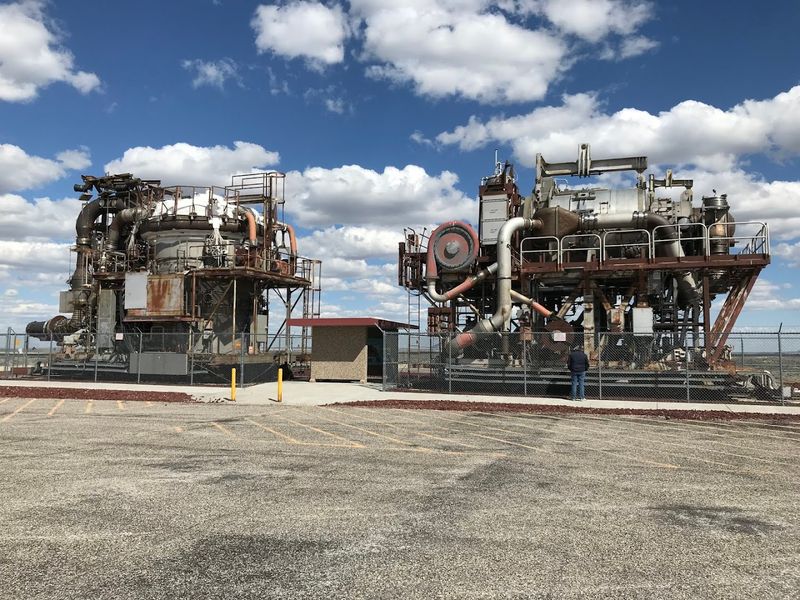
Desert silence makes EBR-I Atomic Museum feel even more striking because the story preserved there changed the modern world.
Experimental Breeder Reactor-I opens for the 2026 season on May 22, according to the national laboratory that oversees the site, with free admission, no reservation required, and daily hours from 9 a.m. to 5 p.m.
The museum sits along U.S. Highway 20/26 between Arco and the larger city to the east, about 50 miles west of that regional hub, in a landscape that makes the historic reactor feel wonderfully remote.
EBR-I became the first nuclear reactor to generate usable electricity, lighting four bulbs on December 20, 1951, and the preserved site now lets visitors explore that scientific milestone up close.
Exhibits include historic equipment, reactor spaces, interpretive displays, and the broader context of nuclear research in the region.
Science enthusiasts will obviously love it, but the museum is also compelling for road-trippers who simply enjoy strange, specific, only-in-this-place stops.
Free admission makes it easy to add to a route between Arco, Craters of the Moon, or other eastern destinations.
EBR-I works because it combines national scientific significance with a setting that feels almost cinematic.
9. Hagerman Fossil Beds Visitor Center
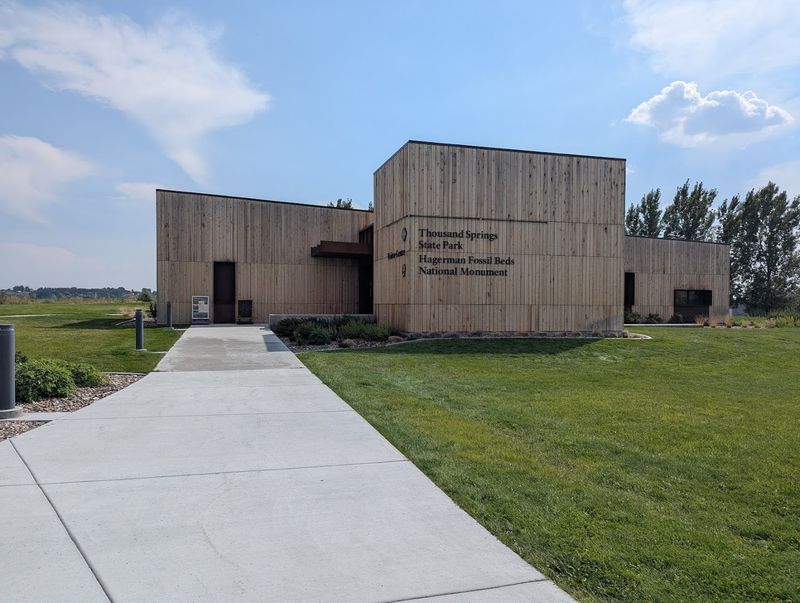
Ancient horses give Hagerman Fossil Beds National Monument a prehistoric hook that is easy for all ages to understand. The Thousand Springs Visitor Center, shared by Hagerman Fossil Beds National Monument and Thousand Springs State Park, is thriving at 17970 U.S.
Highway 30, Hagerman, ID 83332. National Park Service information lists summer 2026 visitor center hours from May 21 to September 7 as open seven days a week from 9 a.m. to 5 p.m.
The visitor center is also the only place to see fossils at the monument, which makes it the essential first stop. Exhibits explain the Pliocene-era landscape, the famous Hagerman Horse, and the fossil record preserved in this part of southern Idaho.
A visit here pairs well with nearby Thousand Springs State Park units, Snake River overlooks, and scenic drives through the Hagerman Valley. The experience is free to enter, and it works especially well for families because fossils make deep time feel tangible.
Instead of asking visitors to imagine ancient life from scratch, the center gives them bones, reconstructions, maps, and ranger information that bring the landscape into focus. For a free stop that connects science, scenery, and Idaho’s ancient past, Hagerman is an easy recommendation.
10. Nez Perce National Historical Park Visitor Center
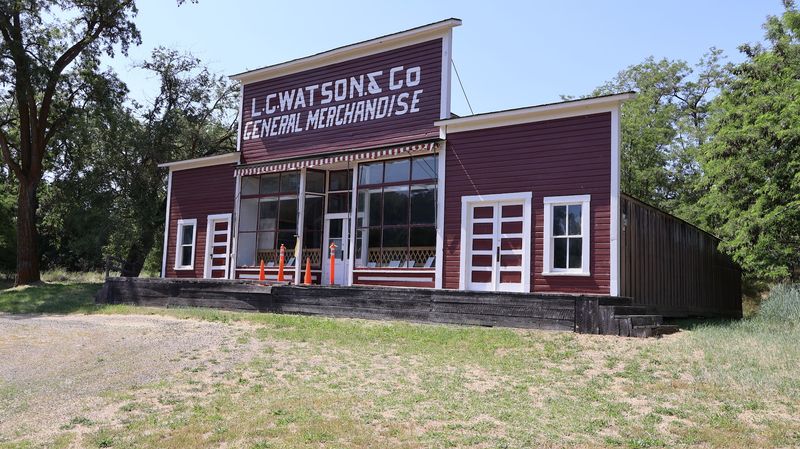
Nimiipuu history deserves time, respect, and attention, and the visitor center near Lapwai gives travelers an important place to begin. Nez Perce National Historical Park Visitor Center is based at 39063 U.S.
Highway 95, Lapwai, ID 83540-9715, about 10 miles east of Lewiston and 3 miles north of Lapwai, according to the National Park Service.
The park preserves sites connected to the Nez Perce people across Idaho and other states. The Spalding visitor center serves as the main orientation point with exhibits, cultural interpretation, and information for exploring other sites.
Admission to national historical park visitor centers is free, and this stop offers far more than a quick roadside lesson. Exhibits help visitors understand the long history, homelands, lifeways, resilience, and continuing presence of the Nez Perce people.
The experience can be emotional because it includes both cultural richness and difficult chapters involving federal policy and displacement. Visitors should approach the site as learners, not casual checklist travelers.
Spending time here adds depth to any northern Idaho trip, especially for those exploring the Lewiston, Lapwai, and Clearwater River region. This is one of Idaho’s most important free cultural sites because it centers stories that are inseparable from the land itself.
11. Minidoka National Historic Site Visitor Center
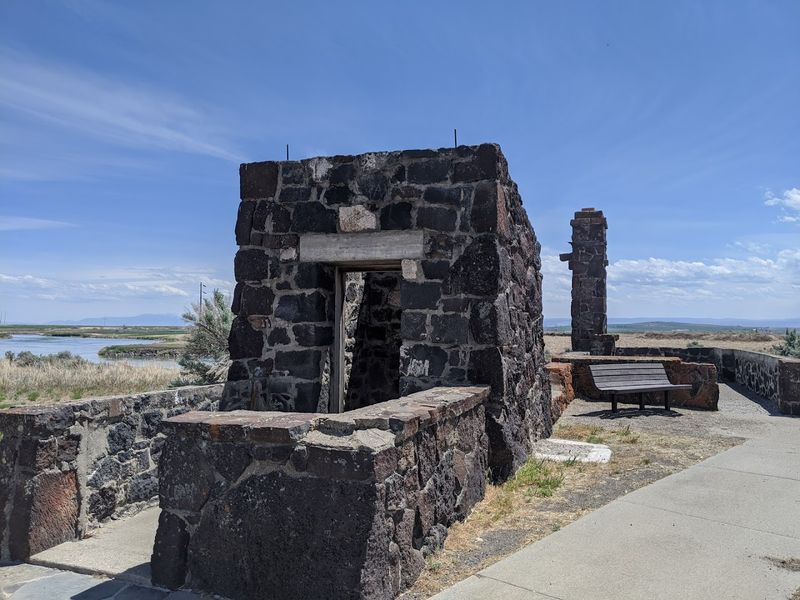
Quiet roads near Jerome lead to one of Idaho’s most sobering historic sites. Minidoka National Historic Site is found at 1428 Hunt Road, Jerome, ID 83338, and the National Park Service confirms the address and phone number on its official site.
NPS lists the visitor center as seasonally open Fridays through Sundays from Memorial Day to Labor Day. The grounds are generally open daily from sunrise to sunset.
This site preserves the history of the World War II incarceration of Japanese Americans, thousands of whom were forcibly removed from their homes and confined at Minidoka.
The visitor center, outdoor exhibits, reconstructed guard tower, walking areas, and remaining landscape all work together to tell a difficult story with care. This is not a lighthearted museum stop, and it should not be framed as one.
Its value comes from honesty, reflection, and the responsibility of remembering what happened here. Families, students, and individual travelers can learn through personal stories, photographs, documents, and the stark physical setting.
Visitors should check current hours before driving because seasonal operations can change. For 2026, Minidoka remains one of Idaho’s most meaningful free historic sites, especially for anyone who believes travel should include hard history as well as beautiful scenery.
12. Blaine County Historical Museum
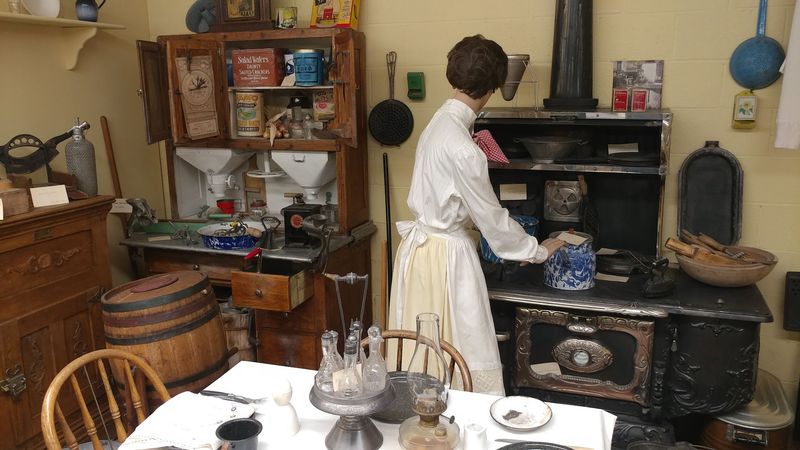
Wood River Valley history feels approachable at the Blaine County Historical Museum in downtown Hailey. The museum’s official site lists the address as 218 N.
Main Street, Hailey, Idaho, while its social updates note always-free admission and posted hours that include Monday through Saturday and Sunday afternoon openings. Because hours can shift around events and seasons, checking before visiting is still a smart 2026 habit.
The museum preserves the history of Blaine County, including mining, ranching, early settlement, community life, ski culture, and notable local figures.
Older listings mention exhibits such as the Ezra Pound collection, historic clothing, schoolroom displays, WWI uniforms, ski memorabilia, tools, photos, and early telephone history.
That range makes the museum feel personal rather than overly broad. It is the kind of place where small objects help explain how a mountain valley changed over time.
Its Main Street location also helps because visitors can step outside and continue the historical mood through Hailey’s walkable downtown.
For travelers heading toward Sun Valley or exploring central Idaho, this free museum offers a grounded reminder that the region’s story is bigger than resort scenery.
A short stop can make the whole valley feel more layered.