This Northern Idaho River Is So Untamed It Feels Like A Hidden Paradise
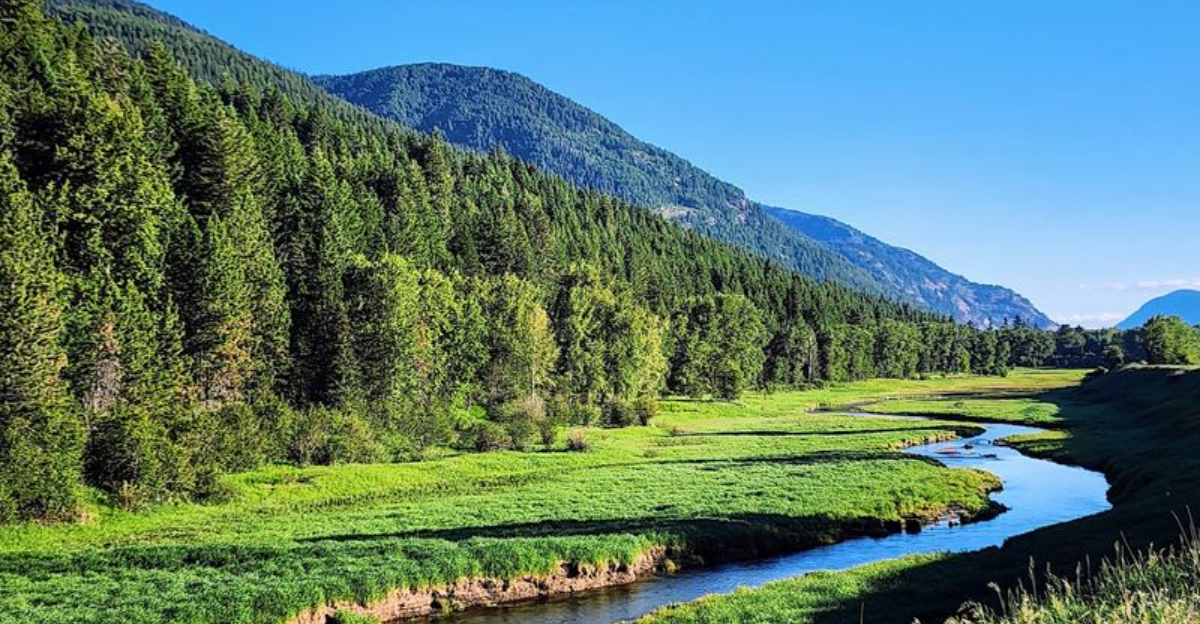
Far northern Idaho has a river that seems deeply uninterested in becoming famous, which somehow makes it more suspicious.
Forested valleys crowd the banks, canyon walls add the drama, and the water keeps moving toward Canada like it has private business across the border.
Peaceful floats feel easy here, while fishing trips come with the kind of mountain scenery that makes every quiet moment look expensive.
Crowds can keep fighting over the obvious spots. This wild northern waterway has cleaner air, sharper views, and the calm confidence of a place that knows it was stunning before anyone found the map.
Floating The River
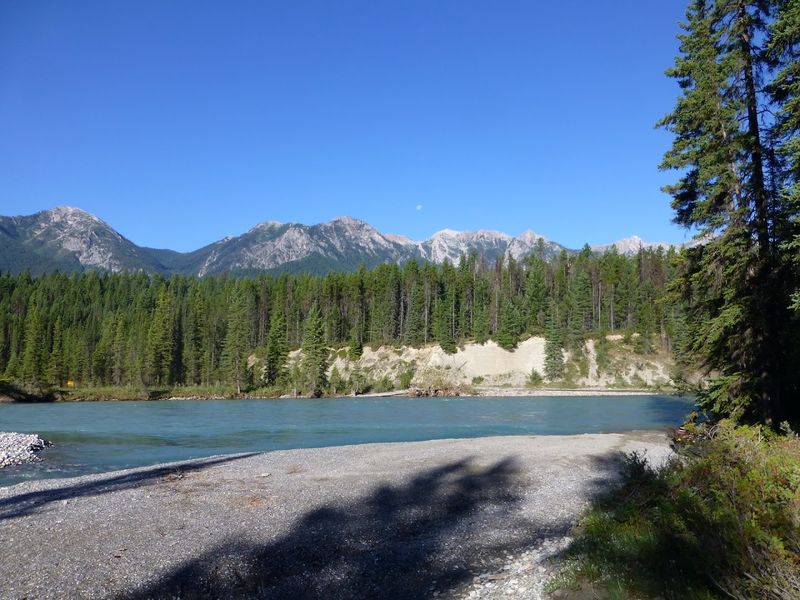
Moving water gives the Kootenai River its strongest sense of adventure, but this is not a river to treat casually. Idaho Fish and Game describes the canyon section between Montana’s Libby Dam and Bonners Ferry as a beautiful float with riffles and small Class II rapids, which makes it appealing for prepared paddlers while still requiring real respect for cold water, changing flows, and river hazards.
Downstream of Bonners Ferry, the river changes character into a wider, slower-moving reach shaped by floodplain and dike systems, so floating conditions can feel very different depending on where you launch. North Idaho’s tourism information notes that Idaho’s 66 river miles include 19 canyon miles upstream from Bonners Ferry and 47 slower miles between Bonners Ferry and Porthill.
That variety is exactly why planning matters. Local guidance, current flows, life jackets, shuttle logistics, and weather checks should come before any put-in.
The reward is a northern Idaho river experience with forested banks, mountain distance, gravel bars, birdlife, and a feeling of space that crowded recreation areas rarely deliver. For paddlers who like scenic movement without resort polish, the Kootenai feels rugged, quiet, and deeply memorable.
World-Class Fishing Spots
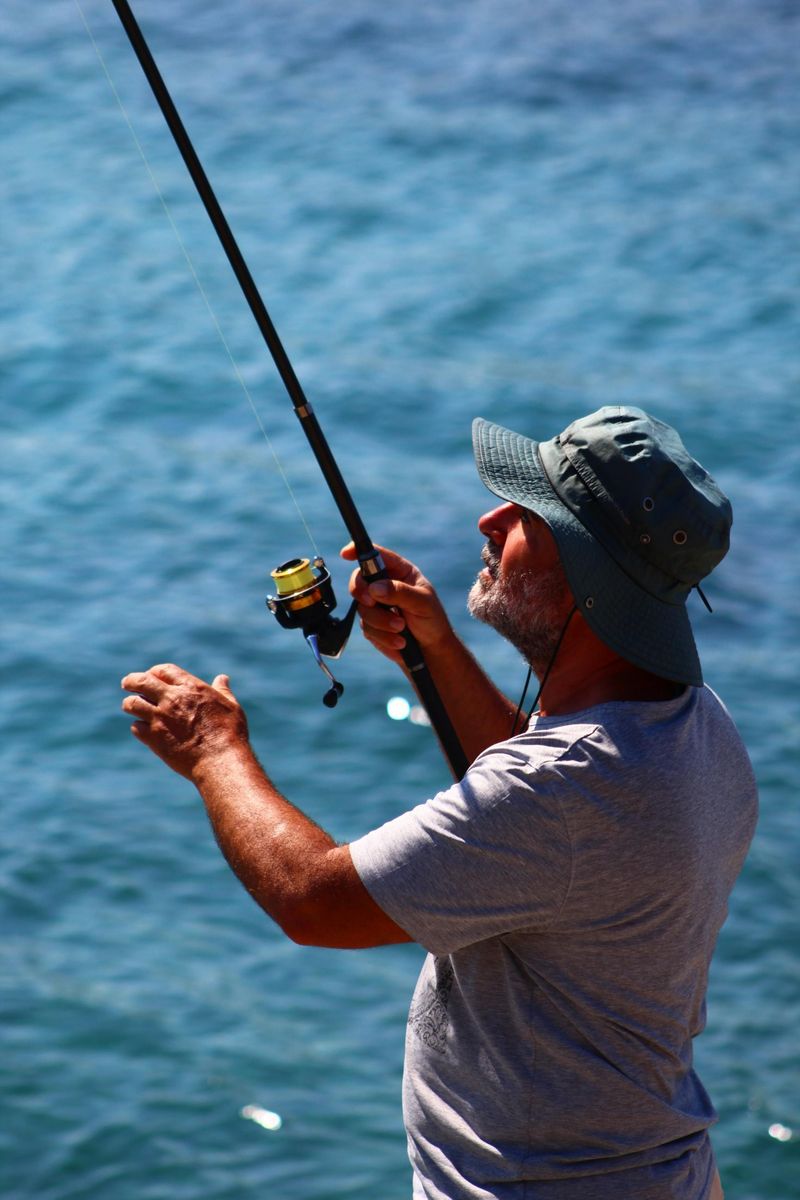
Cold-water fishing gives the Kootenai River much of its outdoor reputation, but the sturgeon claim needs careful wording. Idaho Fish and Game’s fishing planner lists trout regulations for the Kootenai River and clearly states that fishing for sturgeon in the Kootenai River is illegal.
That does not make the river less fascinating. It makes it more important to understand.
The Kootenai supports rare native fish, including white sturgeon and Kootenai River burbot, and restoration work connected to the Kootenai Tribe of Idaho has helped bring attention to the river’s ecological importance. North Idaho tourism notes the river’s rare-species fisheries and also highlights rainbow trout, cutthroat trout, bull trout, brook trout, and mountain whitefish for anglers.
Anyone planning to fish should buy a current Idaho license, read the latest Idaho Fish and Game rules, and pay close attention to species-specific restrictions before casting. The Bonners Ferry area offers broad river views, banks, and guided possibilities, but responsible fishing is part of the experience here.
The Kootenai is not just a pretty river with fish in it. It is a working, recovering, carefully managed ecosystem where recreation and conservation have to share the same current.
Kootenai National Wildlife Refuge
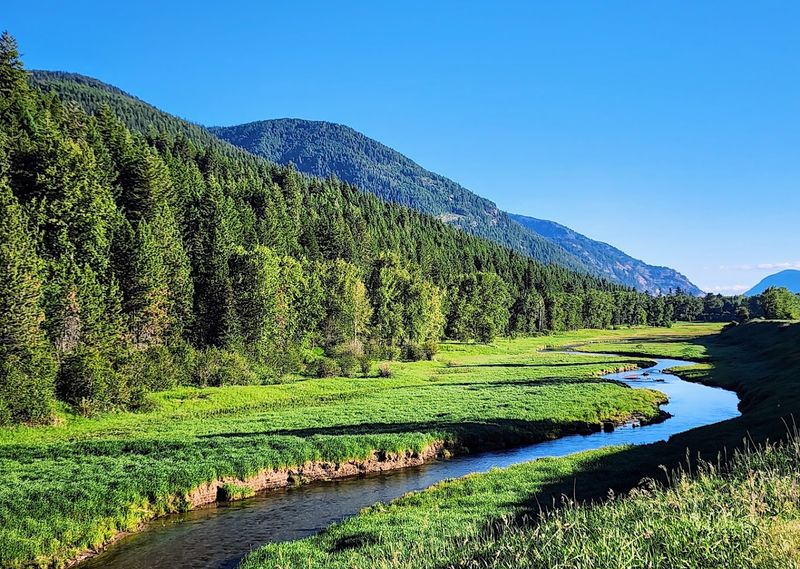
Wildlife watching becomes remarkably easy once the Kootenai River trip includes Kootenai National Wildlife Refuge. The U.S.
Fish and Wildlife Service describes the refuge as a 2,774-acre protected area beside the Selkirk Mountains of northern Idaho, with wetlands, meadows, riparian habitat, and other landscapes supporting a large variety of wildlife. Official refuge information places it about five miles west of Bonners Ferry and about 20 miles south of the Canadian border, which makes it a practical stop rather than a distant side quest.
Migratory waterfowl, bald eagles, deer, elk, moose, otters, and other animals may use the habitat, though sightings always depend on season, time of day, weather, and patience. Early mornings often feel especially rewarding because the light softens across wetlands and birds become easier to spot before midday activity picks up.
Trails and an auto-tour route give visitors multiple ways to experience the refuge without needing a strenuous hike. Binoculars help, and quiet movement matters.
The refuge adds depth to the river corridor because it shows how water, mountains, wetlands, and wildlife all connect. A Kootenai River outing feels far richer when this protected landscape becomes part of the day.
Scenic Drive Along The River
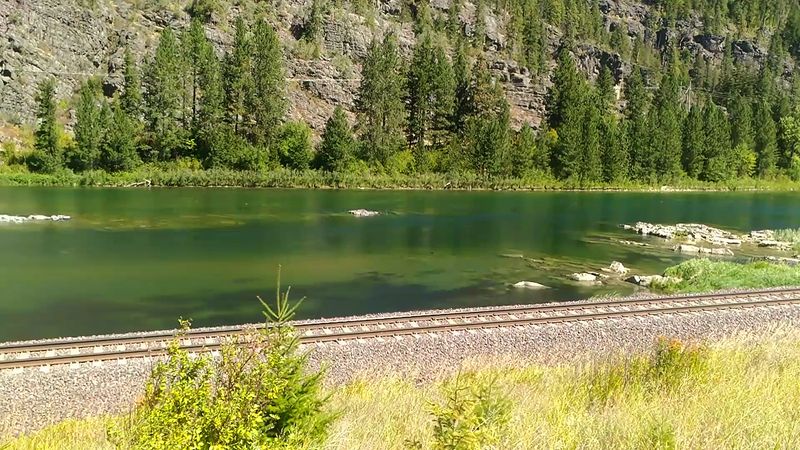
Roadside scenery makes the Kootenai River easy to appreciate even without a paddle, rod, or full hiking plan. North Idaho tourism describes Bonners Ferry as nestled between the Selkirk and Cabinet Mountains on the banks of the Kootenai River, which explains why the drive around town already feels dramatic before the route stretches farther east or west.
Highway corridors near the river reveal several versions of northern Idaho in quick succession: open valley, forested slopes, river bends, farms, mountain views, and occasional pullouts where the landscape feels worth a pause. Drivers heading east toward Montana can connect with the upstream canyon character of the river, while the area west and north of Bonners Ferry opens toward refuge habitat and slower water.
This is not a drive that needs constant attractions to stay interesting. Its strength comes from the way the river keeps appearing beside the road, disappearing behind trees, then returning with a new shape.
Bring a camera, but do not turn the trip into a frantic photo chase. Give the road time to work.
The Kootenai’s scenic appeal is steady rather than staged, making the drive feel like one long introduction to northern Idaho’s quieter side.
Canyon Section Adventure
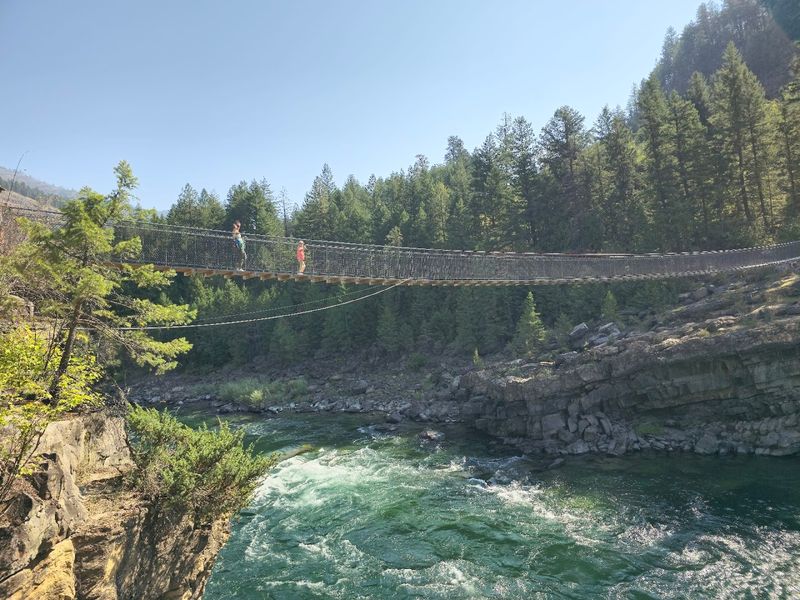
Rugged canyon water gives the upstream Kootenai a stronger pulse than the broad valley reach near Bonners Ferry. Idaho Fish and Game identifies the canyon section as the stretch between Montana’s Libby Dam and Bonners Ferry, with riffles and small Class II rapids.
North Idaho tourism also separates the Idaho river into 19 canyon miles upstream from Bonners Ferry and 47 wide, slow-moving miles from Bonners Ferry to Porthill. That distinction matters because the canyon is not just a prettier name for the same river.
It is a different experience, with faster water, steeper scenery, and more need for preparation. Experienced paddlers may find the section rewarding, while casual visitors can still enjoy canyon atmosphere by seeking safe viewpoints, roadside scenery, or guided local advice instead of attempting water they are not ready for.
Farther upstream in Montana, Kootenai Falls shows how powerful this river system can become, with the U.S. Forest Service noting that the river drops 90 feet in less than a mile around the falls area.
Around the Idaho canyon, the feeling is less polished and more elemental, shaped by water, rock, forest, and the scale of a river that refuses to feel tame.
Picnicking And Relaxing Riverside
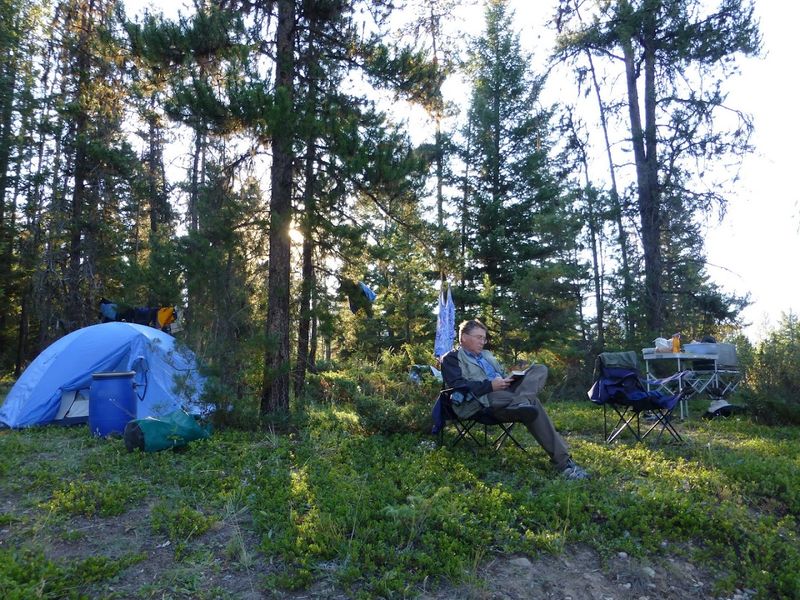
Quiet riverside time may be the most underrated way to experience the Kootenai. Not every visit needs a raft, fishing setup, or ambitious itinerary.
Around Bonners Ferry and the broader river corridor, the simple combination of moving water, mountain air, trees, and open sky can be enough. The city’s Gateway Visitors Center is a helpful planning stop downtown, offering travel information, public restrooms, and visitor support staffed by the Bonners Ferry Chamber of Commerce, according to the city.
From there, travelers can ask about current access points, local conditions, and easy scenic stops before heading toward the river or refuge. Responsible picnicking matters because riverside areas can be sensitive and access varies by land ownership, season, and posted rules.
Pack out trash, avoid trampling vegetation, and choose established public areas rather than pulling into private or fragile spaces. The payoff is the kind of stillness that makes northern Idaho feel restorative.
Water moves steadily, birds cross the sky, and the surrounding valley seems to lower the volume on everything else. A casual lunch beside the Kootenai can feel more memorable than a complicated outing because the setting does not need much help to feel special.
Wildlife Viewing Along The Corridor
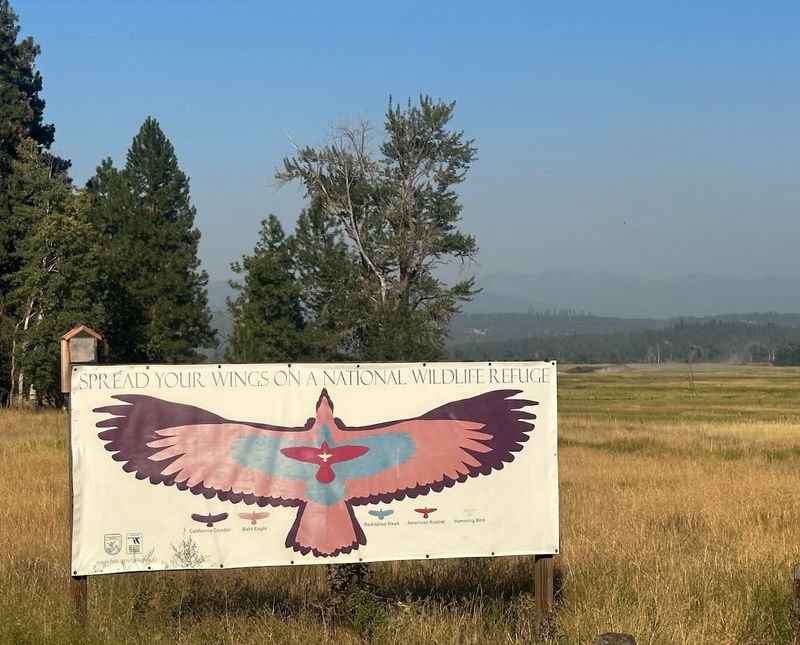
Patience turns the Kootenai River corridor into a strong wildlife-watching route. The refuge, riverbanks, wetlands, forest edges, and agricultural valley all create different viewing possibilities within a compact region.
U.S. Fish and Wildlife Service information highlights Kootenai National Wildlife Refuge’s diverse habitats, including wetlands, meadows, riparian areas, and forested landscapes, along with wildlife such as moose, elk, deer, bear, otter, bald eagles, and migratory waterfowl.
Visit Idaho also notes the refuge’s location five miles west of Bonners Ferry and its role as habitat for migratory birds such as swans, mallards, and teal. Along the river itself, osprey, eagles, deer, and water birds may appear, especially during quieter parts of the day.
Mountain sheep should not be treated as a guaranteed Kootenai River sighting without a current local source, so the safer focus stays on birds, mammals, and wetland species documented by the refuge. Binoculars make a major difference because the best moments often happen across water or along distant tree lines.
Early morning and late afternoon usually bring softer light and better odds. The Kootenai rewards quiet travelers, not rushed ones.
Moyie River Confluence
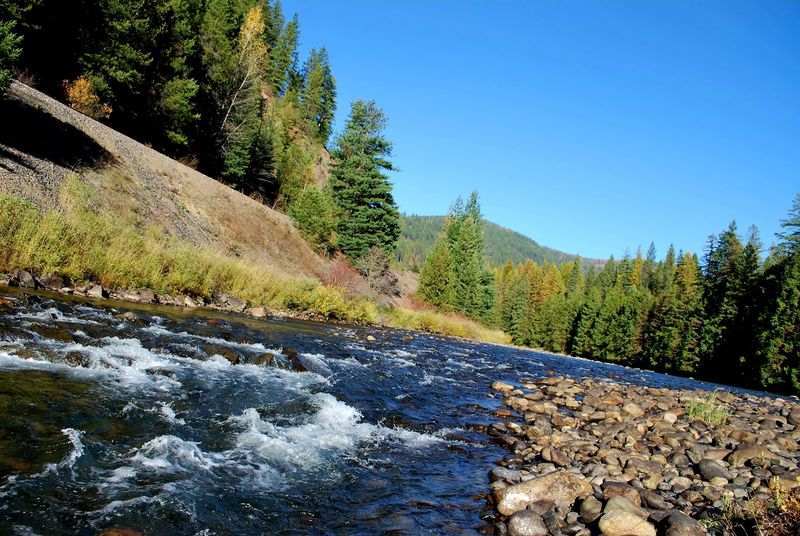
Two-river geography adds another layer to the Kootenai story near Bonners Ferry. The Moyie River, a tributary of the Kootenai, flows south from British Columbia into Idaho and meets the Kootenai near Moyie Springs, several miles east of Bonners Ferry.
City of Bonners Ferry materials for the Moyie River Hydroelectric Project describe the project as being about 1.5 miles upstream from the confluence of the Moyie River and Kootenai River, confirming how close this meeting point sits to local infrastructure and regional history. The confluence area is less of a polished attraction and more of a scenic feature for travelers who enjoy understanding how a watershed comes together.
Water from the Moyie adds to the Kootenai before the river continues its larger journey north toward Canada. Nearby, the Moyie River itself has a rugged identity, with the hydroelectric project, canyon country, and recreation access helping shape the landscape.
Visitors should respect posted areas, private property, and safety rules near dams or riverbanks. What makes the confluence appealing is the sense of connection.
Standing near where two waterways meet gives the Kootenai’s scale a clearer meaning, turning a scenic river drive into a fuller northern Idaho watershed story.