These 10 Hidden Washington Beaches Feel Like Secret Summer Escapes Worth Packing Sunscreen For
Washington State has been quietly sitting on some of the most beautiful beaches in the country, and the best part is that most people have absolutely no idea.
While the crowds pile onto the same handful of well-known spots every summer, a collection of genuinely stunning beaches sits along this state’s coastline.
They are waiting for the people curious enough to go looking.
Some of them require a bit of a hike. Some need a ferry ride.
Some just need you to drive past the obvious exit and trust that something better is around the corner.
What they all have in common is that breathless feeling you get when you arrive somewhere beautiful and realize you practically have it to yourself.
Washington rewards the explorers, the early risers, and the people willing to pack a bag without knowing exactly what they are going to find. These beaches are exactly why.
1. Shi Shi Beach
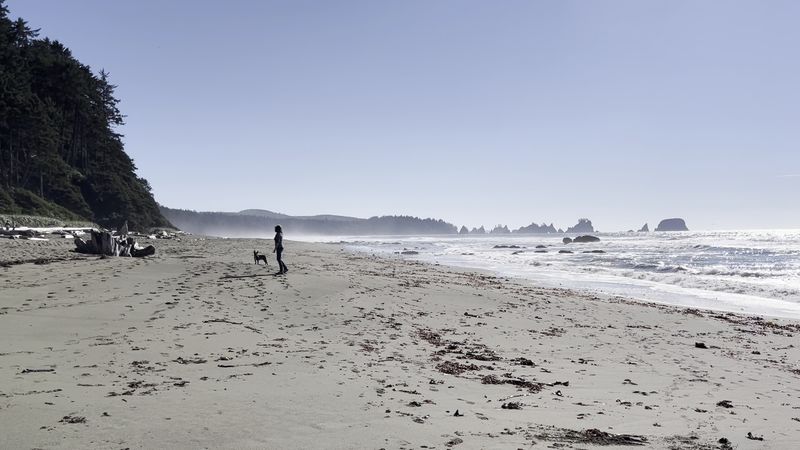
Getting to Shi Shi Beach feels like earning a reward. The trailhead sits inside the Makah Reservation, so you need a Makah Recreation Pass before you even lace up your boots.
A two-mile hike through old-growth forest drops you onto one of the most dramatic stretches of coastline in the Pacific Northwest.
The sea stacks here are enormous. Point of the Arches, a cluster of rock formations at the southern end, looks like something a fantasy novelist dreamed up.
Tidal pools crowd the base of those rocks and hold sea urchins, anemones, and the occasional surprised crab.
Camping is allowed, and staying overnight changes everything. When the crowds hike back out, the beach becomes almost completely yours.
The sound of waves hitting those rocks at dusk is genuinely unforgettable. Bring a bear canister, a good rain layer, and enough food because there are no services anywhere near here.
This is the kind of place that resets your brain after a long stretch of ordinary days.
2. Ruby Beach
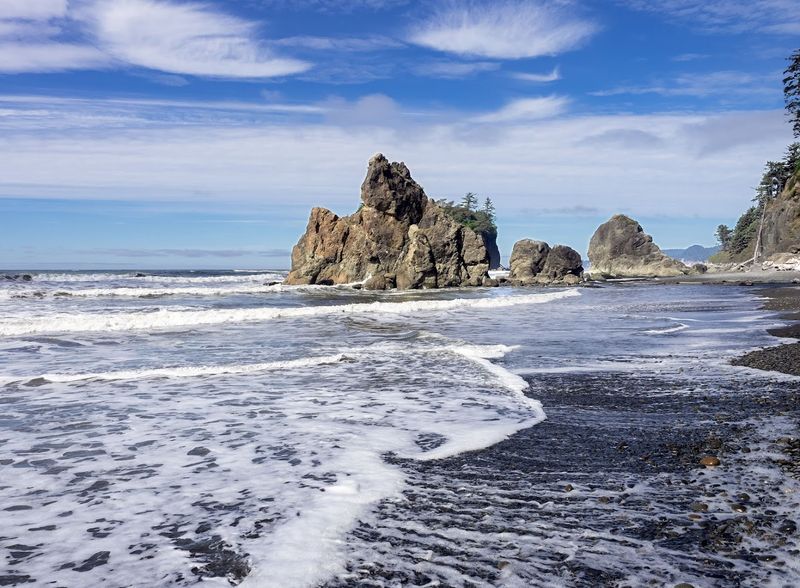
Ruby Beach gets its name from the garnet crystals that occasionally wash up in the sand, giving the shoreline a faint reddish tint in certain light.
It sits just off Highway 101 inside Olympic National Park, which makes it one of the more accessible wild beaches on this list. Accessible, though, does not mean crowded in the way most beaches are.
The beach is covered in massive driftwood logs that look like they were dropped there by a giant. They make excellent windbreaks and surprisingly comfortable backrests.
The sea stacks offshore are constantly changing shape depending on the tide and fog, which means no two visits ever look quite the same.
Sunset here is worth planning your entire day around. The sky turns colors that feel almost too saturated to be real, and the silhouettes of the rock formations make every photo look effortless.
Parking is right off the highway, and the walk down to the water is short. Bring a jacket regardless of the forecast because the wind off the Pacific has its own opinion about what temperature it should be.
3. Rialto Beach
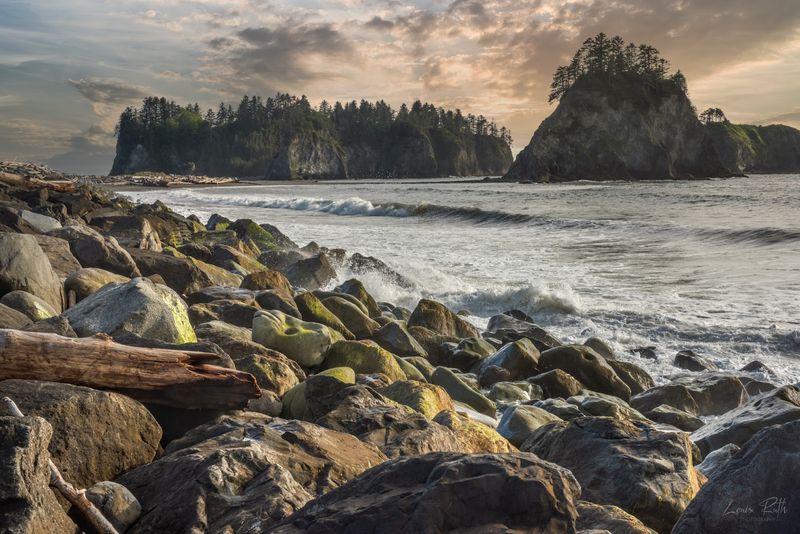
This beach is where the Pacific shows off. The beach stretches north from the mouth of the Quillayute River, and the first thing you notice is the sheer volume of driftwood.
Not scattered pieces but enormous tangled piles of logs that have been tossed around by winter storms like they weigh nothing.
About 1.5 miles north of the parking area sits Hole-in-the-Wall, a natural arch carved through a headland by centuries of wave action.
You can walk through it at low tide, which feels surprisingly thrilling for something that takes about four seconds. Check the tide chart before you go because the route becomes impassable at high tide.
The beach itself is wide, grey-pebbled, and moody in the best possible way. Bald eagles are a common sight overhead, and the river mouth attracts shorebirds worth watching even if you are not a birder.
The La Push area nearby has a small store if you need supplies. Rialto rewards people who walk farther than the first hundred yards, so stretch your legs and keep moving north.
The payoff gets better with every step.
4. Second Beach
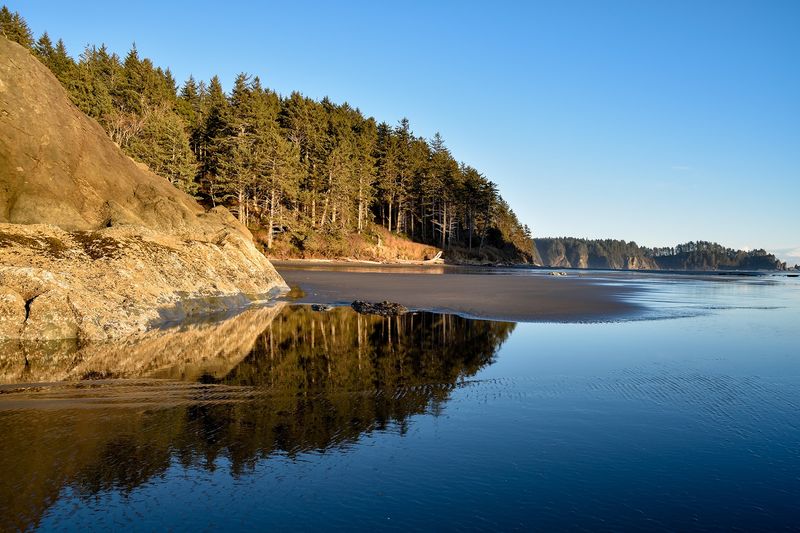
It sits near La Push on the Quileute tribal lands, and reaching it requires a 0,7 mile trail through a dense Sitka spruce forest. That trail is part of the experience.
The trees are old and enormous, draped in moss, and the light filters through in a way that makes the whole walk feel slightly otherworldly.
When the forest opens onto the beach, the view is immediate and stunning. Sea stacks dot the water close to shore, and the sand is dark and wide.
At low tide, the exposed rocks reveal tidal pools packed with life.
The beach faces southwest, which means afternoon light hits it beautifully.
Camping is permitted here, and the designated sites sit just above the high tide line near the forest edge.
Waking up to the sound of the Pacific with no cell service and no noise except birds and waves is the kind of morning that makes you question your regular schedule.
The Quileute tribe manages access to some areas, so check current regulations before visiting. Second Beach consistently impresses people who have already seen a lot of coastline, which is saying something.
5. Dungeness Spit
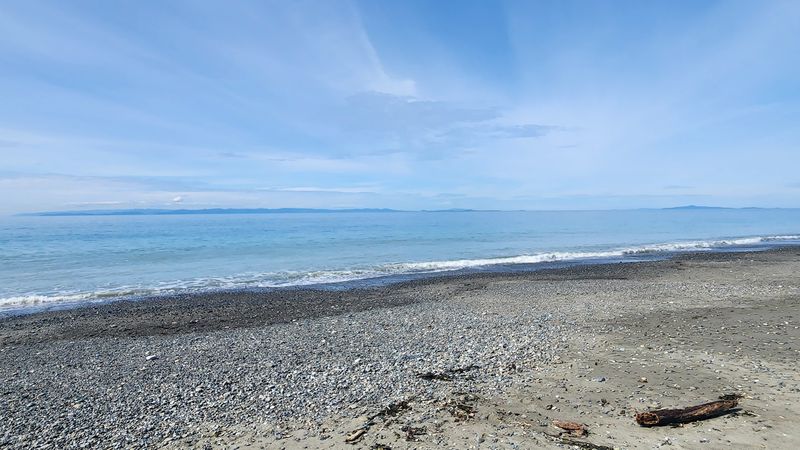
Dungeness Spit is the longest natural sand spit in the United States, stretching nearly six miles into the Strait of Juan de Fuca.
That fact alone makes it worth visiting, but the experience of walking it is what actually sticks with you.
The narrow strip of sand has Dungeness Bay on one side and the open Strait on the other, and the contrast between those two bodies of water is striking.
The walk to the lighthouse at the tip is about five miles each way, so plan accordingly. Most people do not make it all the way, which means the farther you go, the more solitude you find.
Harbor seals rest on the spit regularly, and the bird watching here is exceptional. Over 250 species have been recorded in the area.
The Dungeness National Wildlife Refuge manages the spit, and there is a small day-use fee. Dogs are not permitted beyond the refuge boundary.
The Olympic Mountains frame the view to the south on clear days, creating a backdrop that looks almost digitally enhanced.
Bring plenty of water because the walk back always feels longer than the walk out. Start early and stay as long as your legs allow.
6. Rosario Beach
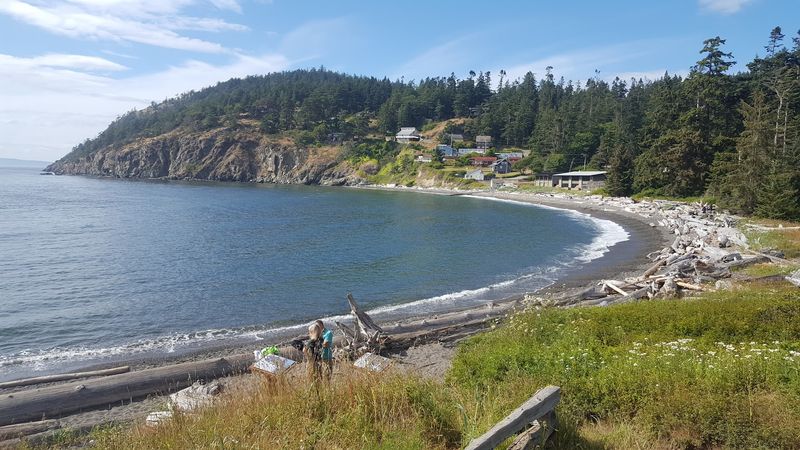
This spot sits inside Deception Pass State Park on Fidalgo Island, and it packs a remarkable amount of variety into a small area.
The beach is rocky and dramatic, with tidal pools that are among the most accessible and well-stocked in the state. Sea stars, hermit crabs, chitons, and anemones are easy to find without needing to scramble over difficult terrain.
The Maiden of Deception Pass totem pole stands near the beach and tells a Samish tribal story about a young woman who married a sea spirit. It is worth reading before you explore.
The story adds a layer of meaning to a place that already feels quietly sacred.
Deception Pass Bridge is visible from parts of the beach, and the views across Bowman Bay are genuinely beautiful.
The park gets busy in summer, but Rosario Beach tends to draw a slightly different crowd than the main bridge viewpoints.
Families with younger kids love the tidal pools, and the calm cove on the north side of the beach makes it easy to wade without battling surf.
Parking fills fast on weekends, so arriving before 9 a.m. is a strategy worth following.
7. Kalaloch Beach
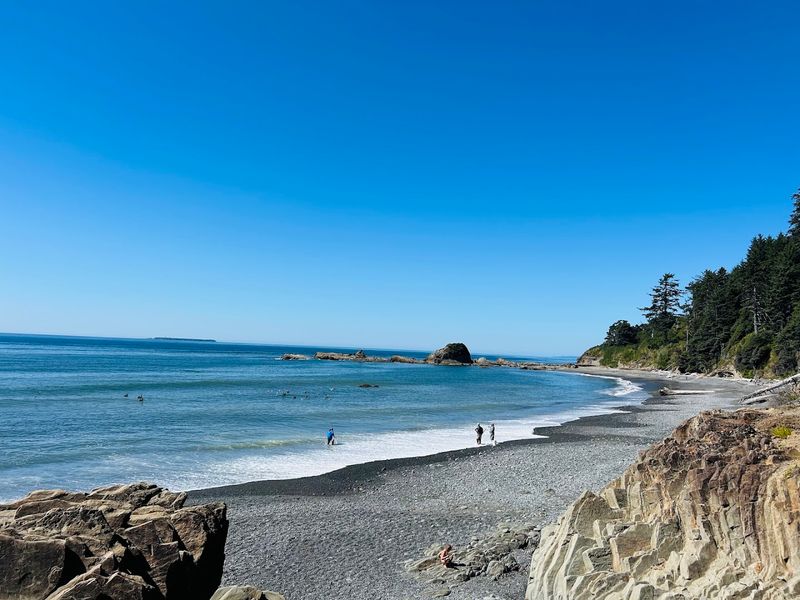
Kalaloch Beach is one of several numbered beaches along the Olympic Peninsula coast, but it stands out because of its accessibility and its mood.
The beach stretches wide and flat, backed by low bluffs covered in coastal scrub. The waves here are consistent and powerful, which makes it a favorite spot for watching the ocean do what the ocean does best.
The famous Kalaloch Tree of Life clings to the edge of a bluff just north of the beach, its roots suspended over a small creek with almost no visible soil holding it in place.
Scientists are not entirely sure how it keeps standing. Seeing it in person feels like a quiet lesson in persistence.
Kalaloch Lodge sits just above the beach and offers rooms with direct ocean views, making this one of the few spots on this list where you can sleep with the sound of waves without camping.
The lodge restaurant serves meals using local ingredients, and the dining room windows face the Pacific. Razor clam season brings dedicated diggers to this stretch of coast when the tides align.
Even outside of clam season, Kalaloch delivers the kind of raw coastal beauty that makes the drive out here completely worth it.
8. Copalis Beach
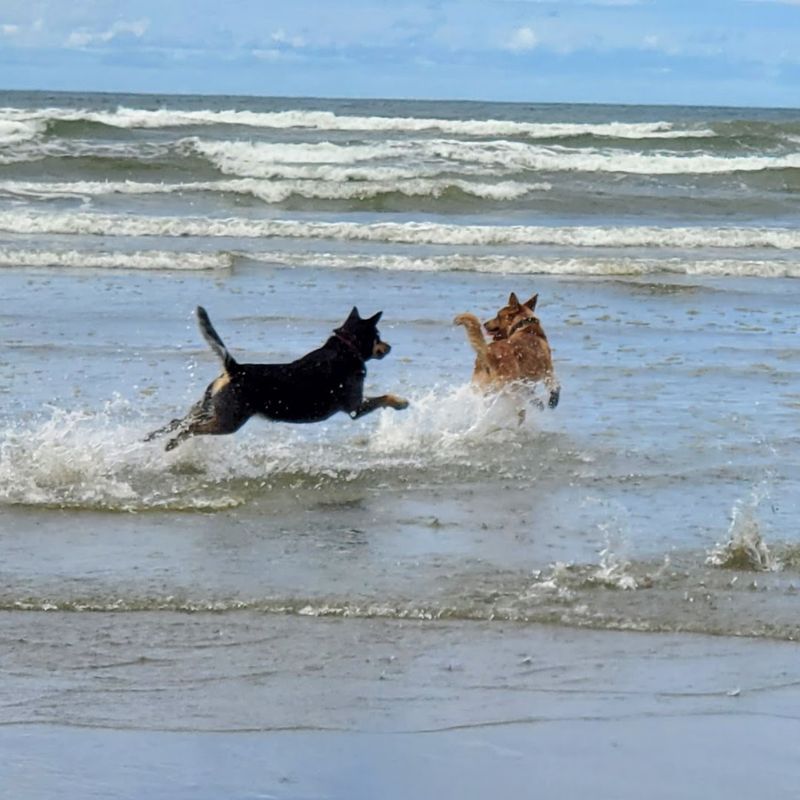
This beach is the kind of place that does not try to impress you and ends up doing exactly that.
The town is small and unpretentious, the beach is wide and flat, and the whole scene has a relaxed, slightly weathered quality that feels genuinely welcoming.
It is also one of the best razor clamming beaches on the Washington coast, which gives it a seasonal energy unlike anywhere else on this list.
During approved clamming seasons, the beach fills with people carrying lanterns and shovels at low tide, digging for razor clams in the wet sand.
It looks chaotic from a distance but is actually quite organized once you get the rhythm of it. First-timers pick it up fast, and the Washington Department of Fish and Wildlife posts clear guidelines online.
Outside of clamming season, Copalis Beach is peaceful and wide open. Agate hunting is a popular low-tide activity, and the flat beach makes it an easy walk for all fitness levels.
The nearby Griffiths-Priday Ocean State Park protects a stretch of dunes and the Copalis River estuary, which adds a nature reserve quality to the area. This beach rewards repeat visits across different seasons.
9. Cape Disappointment Beach
The name Cape Disappointment comes from a British fur trader who arrived in 1788 expecting to find the Columbia River and missed it entirely.
That story sets the tone perfectly for a place that consistently surprises people who arrive with low expectations.
The cape sits at the southwestern tip of Washington where the Columbia River meets the Pacific Ocean, and the energy here is raw and powerful.
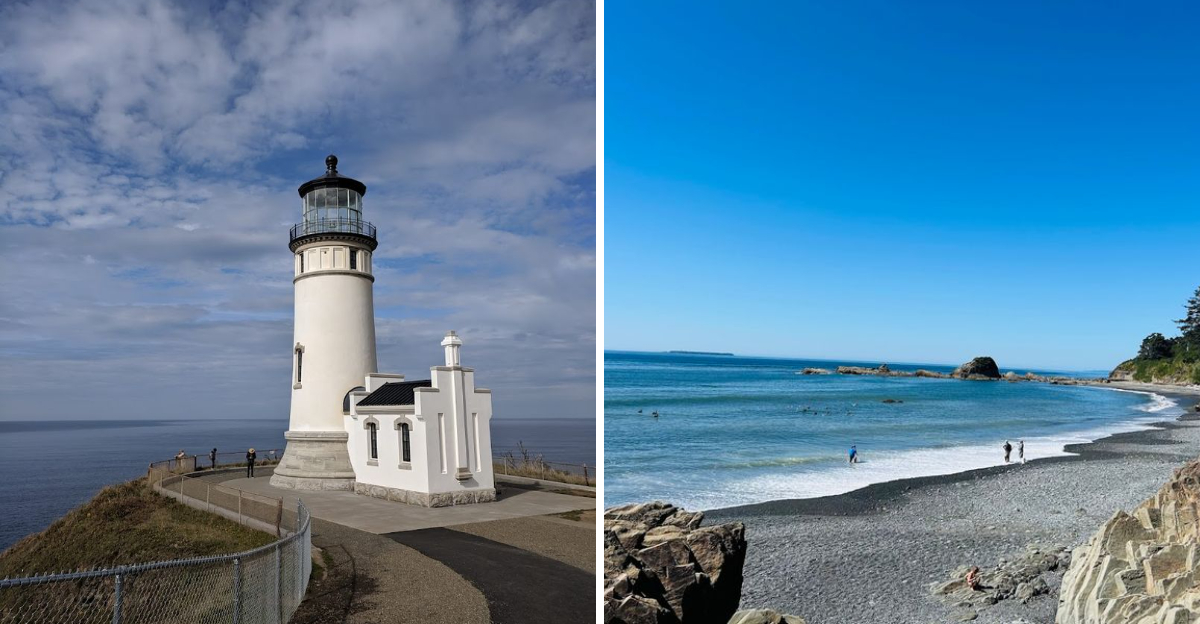
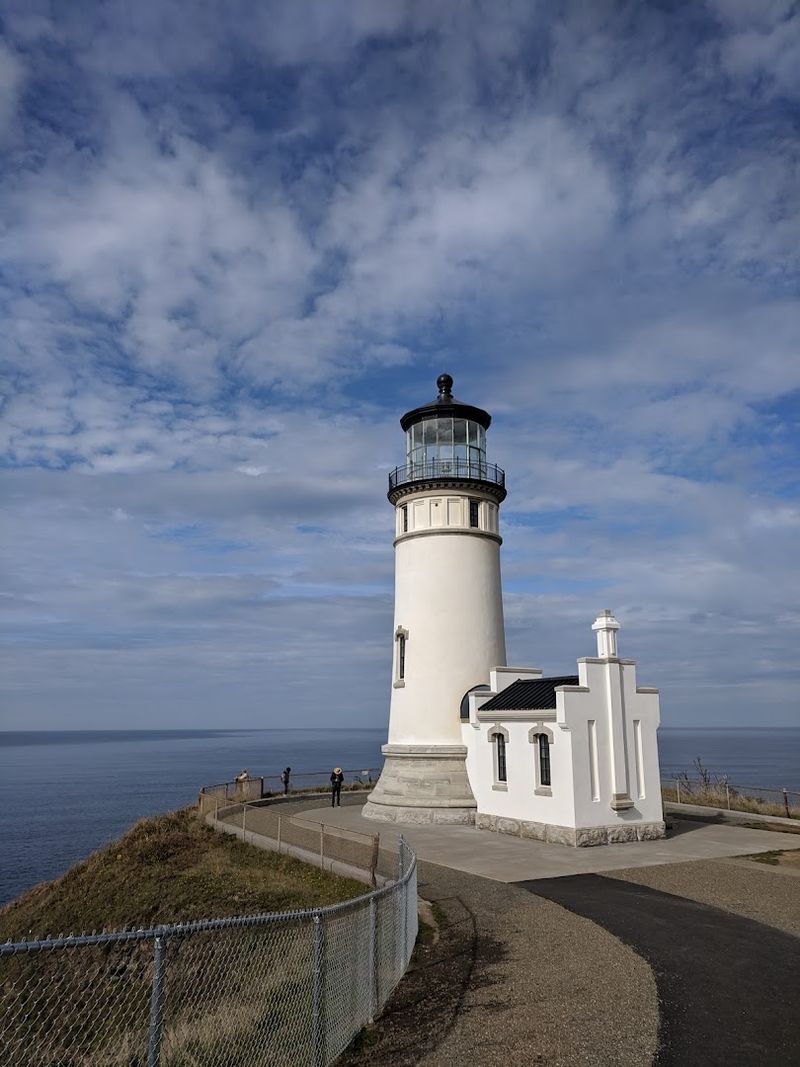
Two lighthouses operate within the state park, making it the only place in Washington where you can see two lighthouses from a single trail.
The North Head Lighthouse sits on a headland battered by some of the strongest winds on the Pacific Coast. The Cape Disappointment Lighthouse is the oldest operating lighthouse on the West Coast, built in 1856.
The Lewis and Clark Interpretive Center inside the park tells the story of the Corps of Discovery reaching the Pacific in 1805. The exhibits are genuinely well done and worth an hour of your time.
The beach below the headland is wild and difficult to access, which keeps it quiet. Waves at the river mouth are notoriously unpredictable, so stay back from the water’s edge.
Everything about this place earns a second visit before you have even finished the first one.
10. Tongue Point At Salt Creek Recreation Area
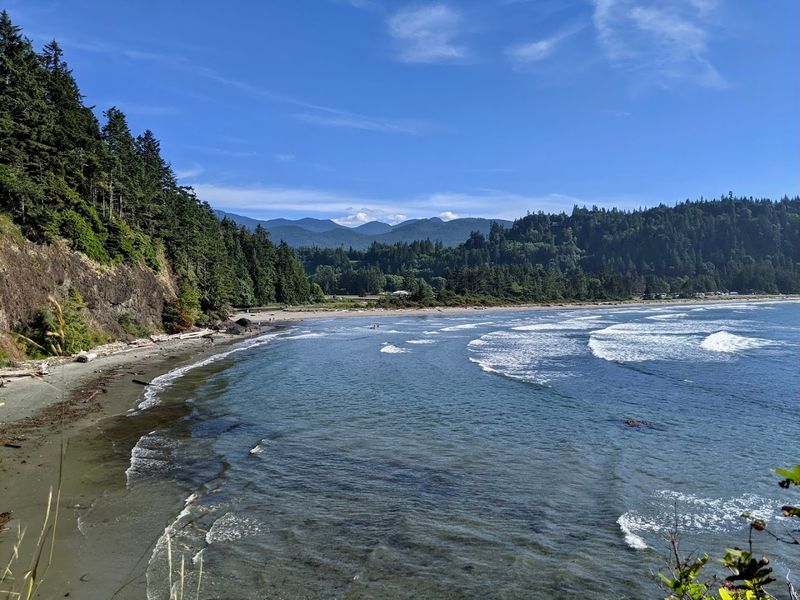
Tongue Point at Salt Creek Recreation Area feels like the kind of Washington beach you find once and immediately want to keep to yourself.
Set along the Strait of Juan de Fuca near Port Angeles, this rocky shoreline trades soft sand for something far more dramatic.
Waves roll in against dark stone, tide pools shimmer between the rocks, and the Olympic Mountains sit close enough to make the whole scene feel cinematic.
The best time to visit is low tide, when the shoreline opens into a natural aquarium. Sea stars, anemones, crabs, limpets, and tiny fish can appear in the pools, turning a simple beach walk into a slow treasure hunt.
It is the kind of place where kids crouch for a closer look and adults forget they were only planning to stay a few minutes.
Tongue Point is also easier to reach than many remote Olympic Peninsula beaches, which makes it perfect for travelers who want wild coastal beauty without a long hike.
Bring sturdy shoes, check the tide chart, and move carefully across the rocks. This is not a beach for rushing.
It is a place to wander slowly, watch the water, and let Washington’s coast do what it does best.