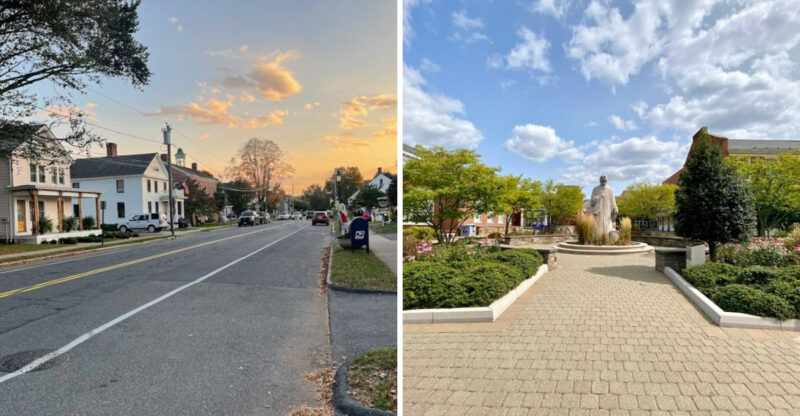
8 Coolest Small Towns In Connecticut That You’ve Likely Never Heard Of
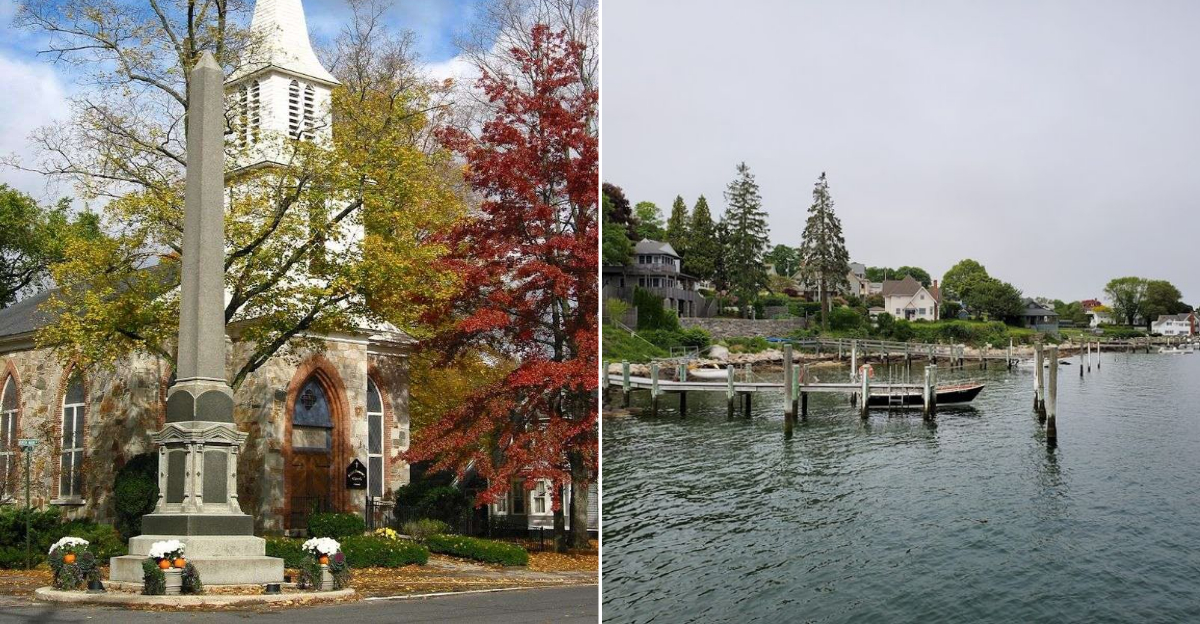
The best small town discoveries are always the ones nobody told you about and this state is full of them if you know where to look. Places with real personality and a community feel that makes you want to pull over and spend the afternoon wandering around with no particular agenda.
These are not the towns showing up on every weekend getaway roundup and that is honestly a big part of what makes them so worth finding.
Stumbling onto one of the coolest small Connecticut towns that has never crossed your radar feels like a genuinely lucky day and that feeling never really gets old.
Locals are proud of what they have built and visitors leave wishing they had found it sooner. Small town charm hits completely different when almost nobody else knows about it yet and these towns have that quality in abundance.
The ones worth finding are always the ones that found you first.
1. Chester
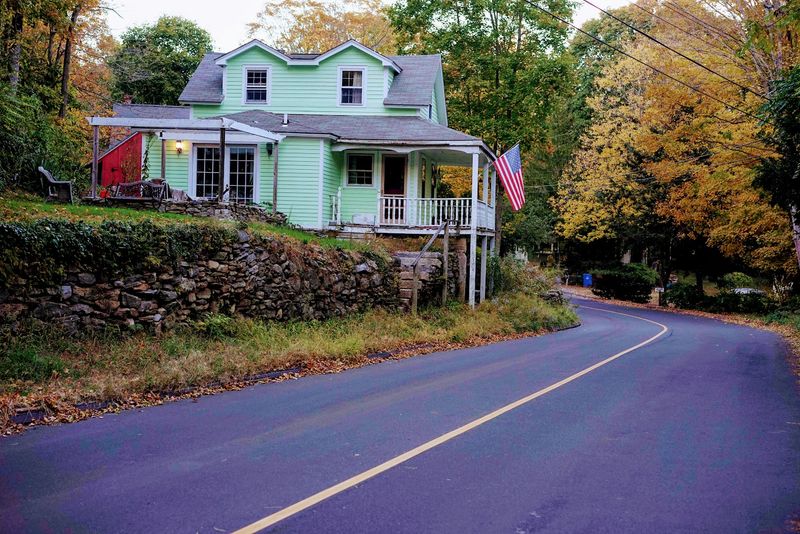
A quiet lower river valley setting gives this town the kind of calm energy that can make a Saturday afternoon feel genuinely restful.
The compact town center is easy to explore on foot, with Main Street lined by independent shops, art galleries, and small cafes that feel personal rather than overly polished.
Visitors who enjoy browsing without a strict plan tend to find this place especially satisfying. The river is only a short distance away, and the nearby ferry crossing to Hadlyme ranks among the oldest continuously operating ferries in the country.
That low-key historical detail makes Chester worth slowing down for, especially as part of a broader day trip through the valley. Gillette Castle State Park is also close by, giving travelers another easy reason to spend more time in the area.
The Chester-Hadlyme Ferry also gives the visit a memorable old-fashioned element, especially when paired with river views and the short ride across the water.
A small but genuine arts community adds extra character, and the local theater scene often surprises first-time visitors. The town’s creative personality also shows up in its galleries, seasonal events, and small businesses that feel closely tied to the community.
Parking is generally easy to find on weekends, and the town rarely feels overwhelmed with crowds. Readers looking for a relaxed, grounded experience in the state will find that this town delivers without any fuss.
2. Putnam
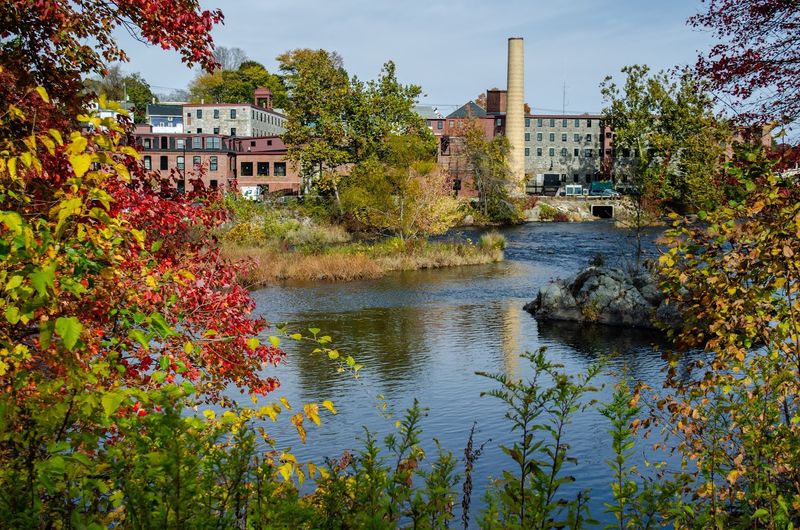
Antique hunters from across New England have quietly known about Putnam for years, but the town still manages to feel undiscovered by the broader traveling public.
The downtown area has been thoughtfully revitalized around its antiques and arts identity, turning what was once an industrial mill town into something genuinely worth the drive.
The brick storefronts and wide sidewalks give the place a comfortable, unhurried pace.
Putnam is often called the antiques capital of Connecticut, and the sheer concentration of dealers and shops in a small area makes it easy to spend several hours browsing without covering much ground.
The Antiques Marketplace on Main Street is one of the largest multi-dealer shops in the region, housing hundreds of vendors under one roof.
Prices tend to be reasonable compared to similar markets in more tourist-heavy areas.
The Quinebaug River runs through town and adds a natural element to the urban fabric, with a small riverwalk area that offers a pleasant break between shops. Putnam also has a growing food scene with a handful of independent restaurants that cater to both locals and weekend visitors.
Arriving on a Saturday morning tends to offer the best combination of open shops and a lively but manageable atmosphere.
3. Hebron
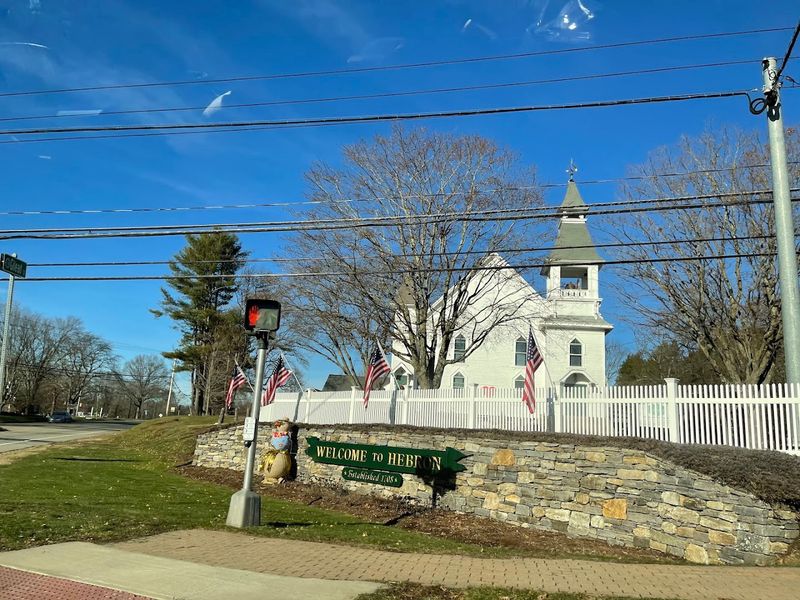
A quiet position in the middle of the eastern part of the state keeps this town away from the usual interstate road trip routes. That distance helps shape its character, giving visitors a calmer sense of place than they might expect from a quick map search.
The town green has a classic New England look, with white churches, shade trees, and open lawn that feels genuinely historic rather than staged. Grayville Falls adds a lovely natural escape nearby, with a small waterfall and easy wooded trails that work well for families and casual walkers.
The falls are gentle rather than dramatic, but their mossy charm makes the short hike feel satisfying. Spring and early summer bring seasonal wildflowers along the trail, adding extra color to the walk.
The surrounding rural roads also add to the appeal, with old farm properties, stone walls, and quiet stretches that make the area feel connected to its agricultural roots.
Each fall, the Hebron Harvest Fair brings one of the larger agricultural celebrations in the state, with livestock exhibits, local produce, and traditional fair games rooted in the town’s farming heritage. Outside fair season, a visit offers a quieter and more intimate look at everyday life in Hebron.
Local farms, roadside scenery, and the slower pace around the green help the town feel welcoming without needing a packed itinerary.
4. Deep River
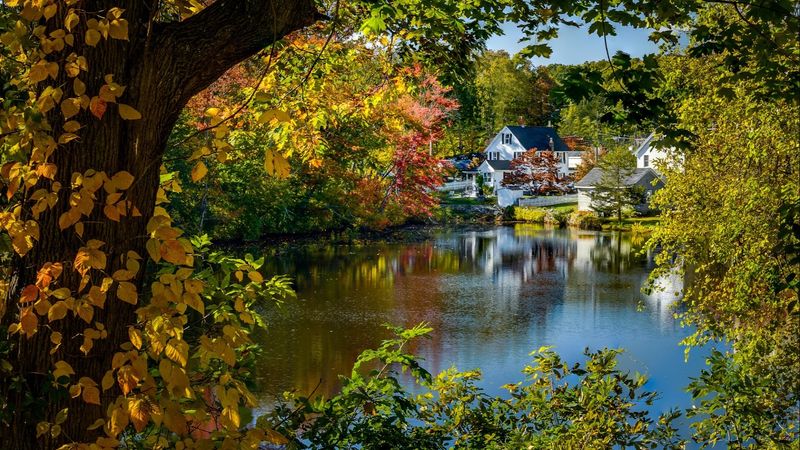
A western riverbank setting gives this town a quiet sense of presence, with the water close enough to feel like part of the experience rather than a distant backdrop. Slow travel works especially well here, since the residential streets carry a quiet dignity shaped by generations of careful upkeep.
Local history adds real depth to a walk through town. Deep River has a notable past tied to the ivory trade and piano key manufacturing, which shaped much of its nineteenth-century economy.
The local historical society preserves that story with care, making the town feel more layered than it first appears. Historic homes, old civic buildings, and quiet streets help that past feel visible without turning the town into a staged attraction.
Each July, the Deep River Ancient Muster brings thousands of visitors for music and pageantry rooted in colonial military tradition. The event is considered one of the largest gatherings of fife and drum corps in the world, giving this otherwise quiet town a very different energy for one weekend.
Beyond the festival, the surrounding river valley offers easy access to scenic drives, small-town stops, and nearby outdoor areas.
Outside that annual event, the town feels calm and genuinely residential. Travelers who prefer texture over spectacle on their state road trips will find Deep River especially rewarding.
5. East Haddam
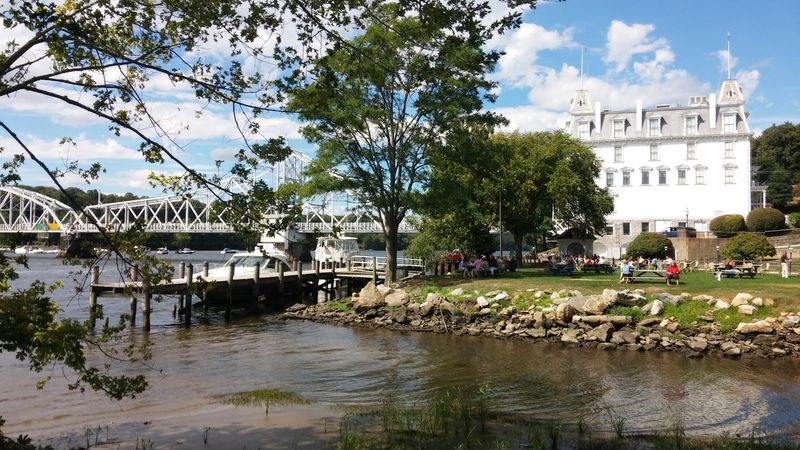
A theatrical spirit runs through this river town, which feels fitting given its most famous landmark.
Rising several stories above the eastern bank of the river, the Goodspeed Opera House has a grand Victorian-era look, with white clapboard, ornate trim, and a wedding-cake shape that makes it memorable from the first glance.
Productions from this small-town stage have gone on to Broadway, which says something real about the quality connected to the venue. The building itself is worth seeing even from outside, especially at dusk when low river light reaches the facade.
Performances follow a seasonal schedule, so checking ahead before visiting is strongly recommended. The Goodspeed Opera House is at 6 Main Street in East Haddam, and occasional guided tours offer a closer look at the historic architecture and backstage spaces.
The nearby swing bridge over the river adds another memorable visual detail, linking the town’s compact center with the opposite riverbank and giving the area a classic valley feel.
Gillette Castle State Park adds another major reason to visit, with a rocky hilltop setting high above the river and views that stretch for miles on clear days.
Built by actor William Gillette in the early twentieth century, the castle has a genuinely eccentric design that makes it one of the more unusual historic sites in the state.
Trails, river overlooks, and picnic areas around the park help turn the
6. Stonington Borough
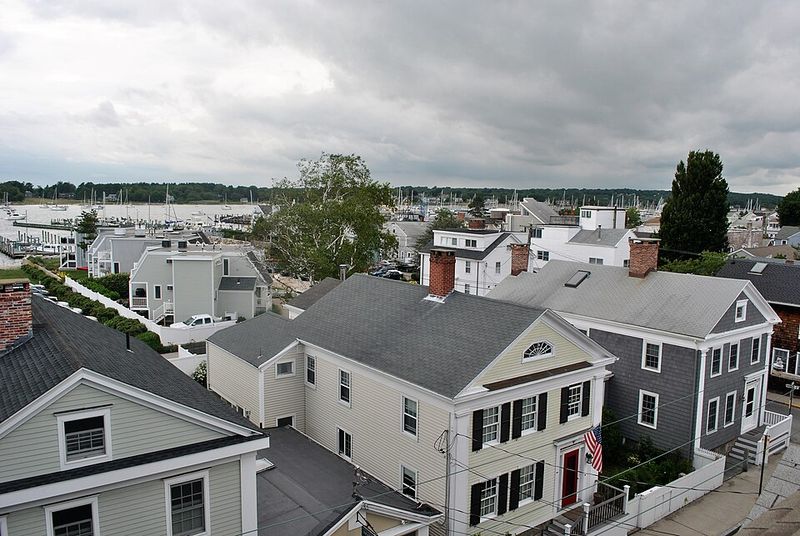
At the far southeastern tip of Connecticut, Stonington Borough juts into the water like a narrow finger pointing toward the Atlantic, and the feeling of being surrounded by the sea on three sides is something that hits almost immediately upon arrival.
The borough is technically a village within the town of Stonington, but it has its own distinct identity shaped by centuries of maritime history.
Walking the length of Water Street from one end to the other is one of the finest short strolls in all of New England.
The architecture here is remarkably well-preserved, with Federal and Greek Revival homes lining the streets in a way that reflects the prosperity of the town’s nineteenth-century fishing and sealing industries.
The Old Lighthouse Museum, located at 7 Water Street in Stonington, occupies the borough’s original lighthouse and offers a compact but genuinely engaging look at the area’s seafaring past.
The views from the top of the lighthouse tower on a clear day stretch across the sound toward Rhode Island.
Stonington Borough has a handful of excellent independent restaurants and a small commercial fishing fleet that still operates out of the harbor, giving the place a working-waterfront energy that feels rare along the shoreline.
Visiting on a quiet weekday morning allows for an unhurried appreciation of the streets, the harbor, and the light off the water.
7. Kent
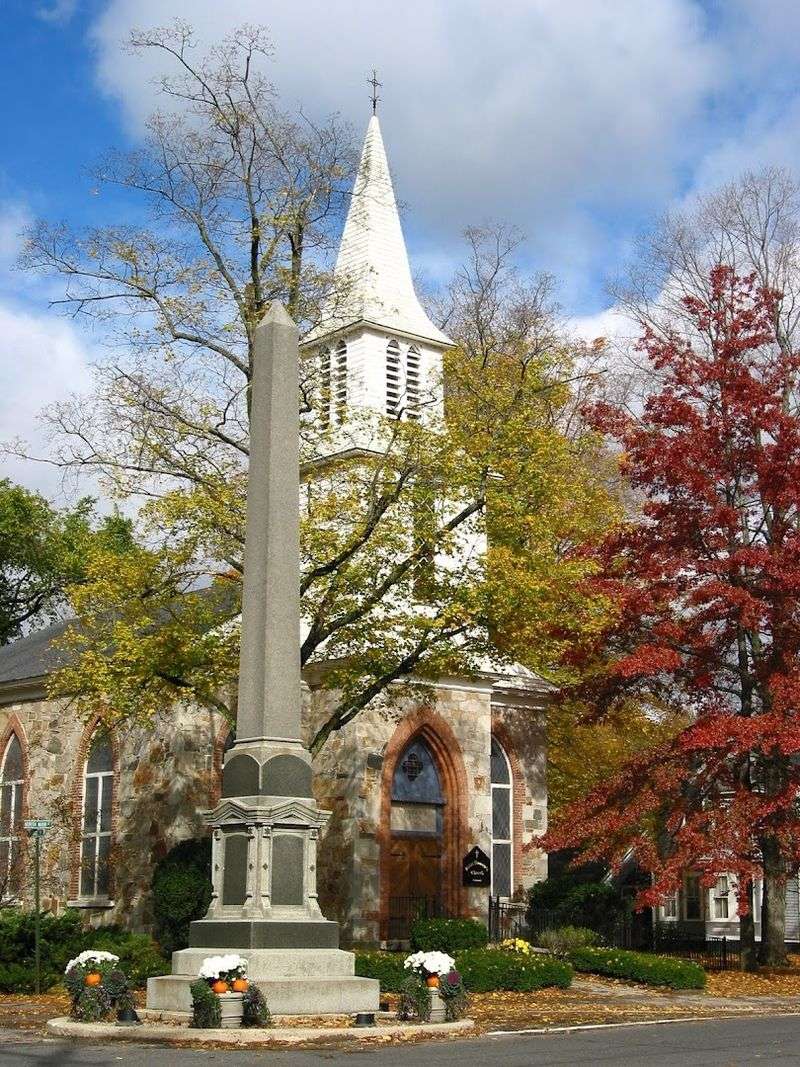
A dramatic Litchfield Hills backdrop gives this small town a creative, unhurried feel that changes beautifully with each season. Artists and weekend visitors from New York City have long been drawn here, yet the pace still feels genuinely calm and easy to enjoy.
The main street has a thoughtful mix of galleries, bookshops, and independent cafes that reflect the creative community shaped over many decades. That slower rhythm is one of the details visitors tend to remember most.
Just north of town, Kent Falls State Park features one of the most accessible and visually satisfying waterfalls in the state. A short trail follows the cascades up through a wooded hillside, and spring can be especially striking when snowmelt brings stronger water flow.
Families with young children often find the park enjoyable because the terrain feels manageable without becoming dull. Nearby Macedonia Brook State Park offers more challenging hiking, with elevation and ridge-line views across the Housatonic Valley.
A covered bridge and a stretch of the Appalachian Trail also make Kent a natural hub for outdoor exploration in the northwest corner of the state. The area also works well for a slow scenic drive, especially along rural roads where farms, forests, and river views appear between town stops.
Weekdays offer noticeably more breathing room than busy fall weekends when leaf-peepers fill the roads.
8. Noank
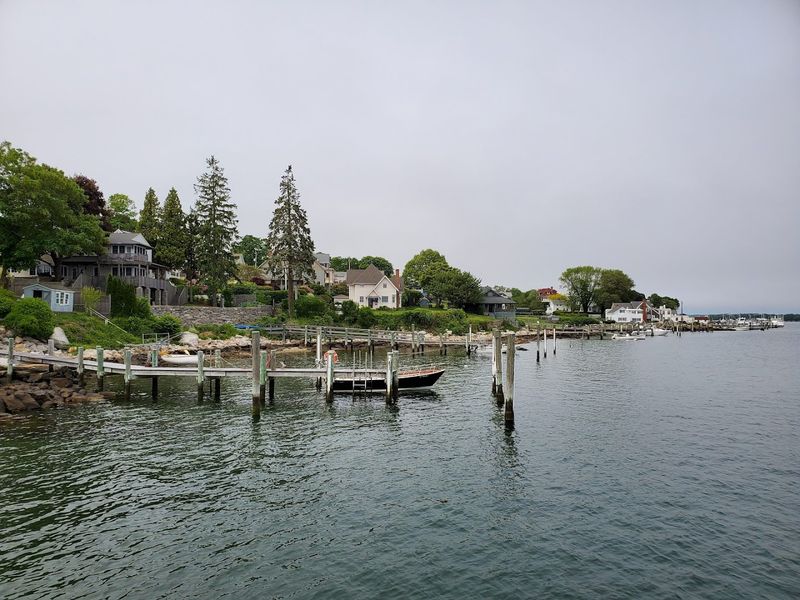
A small coastal village with a working harbor can feel more memorable than a busier waterfront built mainly around visitors. Noank has that lived-in quality, with narrow streets, close-set houses, and a harbor that keeps the village feeling honest.
Many people drive through Groton without realizing this little gem exists just off the main road.
The waterfront offers some of the most relaxed shoreline views in the area, with lobster boats and small sailboats moving through the harbor on many days.
Abbott’s Lobster in the Rough, at 117 Pearl Street in Noank, is a seasonal seafood spot that draws a loyal crowd for its straightforward, no-frills approach to fresh lobster and shellfish.
The outdoor seating and harbor views make the experience feel casual and genuinely connected to the place.
A walk through the residential streets can be a surprisingly enjoyable way to spend an hour, as Victorian-era homes and well-kept yards reflect a community that takes pride in its surroundings.
The village also has easy access to nearby coastal scenery, making it a strong stop before or after time in Mystic.
Its calm rhythm creates a pleasant contrast to the busier tourist areas nearby, especially for travelers who prefer quiet harbor character over heavy crowds.
The small scale also makes Noank easy to enjoy without a strict plan, whether visitors stop for lunch, watch boats in the harbor, or simply take in the quiet coastal streets.