This Overlooked Ancient Site In Connecticut Feels Like It Belongs To Another World
Not many people know this exists and honestly that makes discovering it feel like one of the better surprises this state has to offer. The atmosphere here is genuinely hard to put into words, the kind that stops you completely and makes the rest of the world feel very far away.
An overlooked ancient Connecticut site that feels like it belongs to another world entirely is sitting right here and most people have absolutely no idea. The age of what you are looking at starts to sink in slowly and when it does the whole experience takes on a completely different weight.
Historians get obsessed with it and curious visitors leave unable to stop thinking about what they just walked through. This place has a way of quietly rewiring how you think about the landscape around you and that is a genuinely rare thing to experience.
Some discoveries stay with you and this is absolutely one of them.
1. Why This Ancient Site Feels So Mysterious
A cool, hushed forest atmosphere gives this ancient site its strange pull before the stone structures even come into view.
As the trees close in around the trail, outside noise fades quickly, and the mix of dense woodland, moss-covered stones, and old formations makes the whole visit feel genuinely otherworldly.
Stone chambers, double stone circles, and unusual rock formations have all been studied here, but researchers have not reached one single agreed-upon conclusion. That unresolved mystery is a huge part of the fascination, giving visitors plenty to think about long after they leave.
Some structures are said to align with solar events, which deepens the intrigue for those who notice those details during a guided walk. The land has been used and modified over many centuries, creating layers of possible history that make the site difficult to categorize.
Whether the structures are pre-Columbian, colonial, or something in between, the atmosphere alone makes this one of the most unusual outdoor destinations in the state. The site is in Groton, and its mystery-filled setting rewards visitors who enjoy places that refuse to be easily explained.
2. Where The Wooded Trail Begins
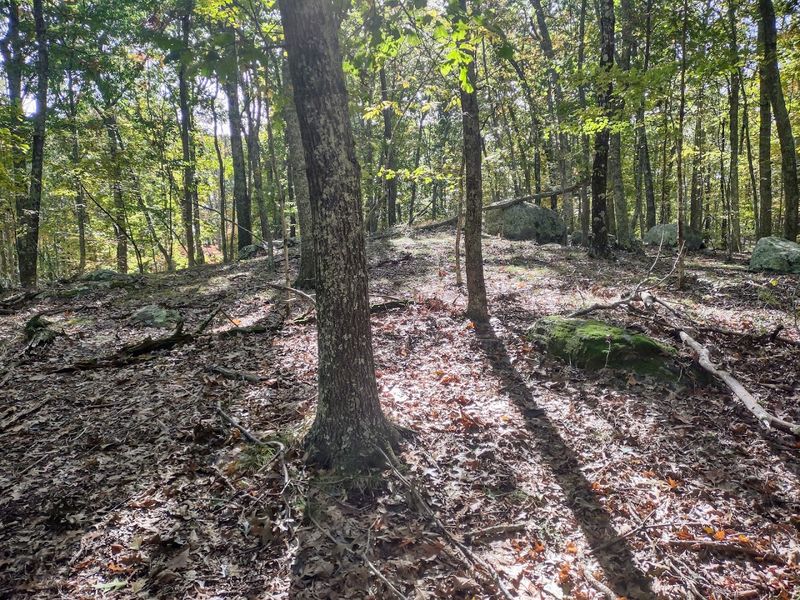
Getting to Gungywamp requires more than just pulling into a parking lot and following signs. Access to the site runs through private property, which means visitors must arrange a guided tour before arriving.
The Denison Pequotsepos Nature Center coordinates access and tours, so contacting them in advance is the most reliable way to plan a visit.
Once the walk begins, the trail moves through typical eastern woodland, with tall trees, rocky soil underfoot, and the occasional sound of birds overhead. The path is not heavily developed or marked like a state park trail, which adds to the raw, exploratory feeling of the experience.
Visitors should wear sturdy footwear since the terrain can be uneven and roots are common along the route.
The walk itself takes time, and a few wrong turns are reportedly easy to make without a guide leading the way. That sense of navigating through a landscape that has not been overly managed or manicured makes the approach to the site feel like a genuine discovery.
Arriving at the stone structures after walking through the quiet woods creates a moment of arrival that feels earned rather than handed to the visitor on a paved path.
3. What Makes The Stone Chambers So Unusual
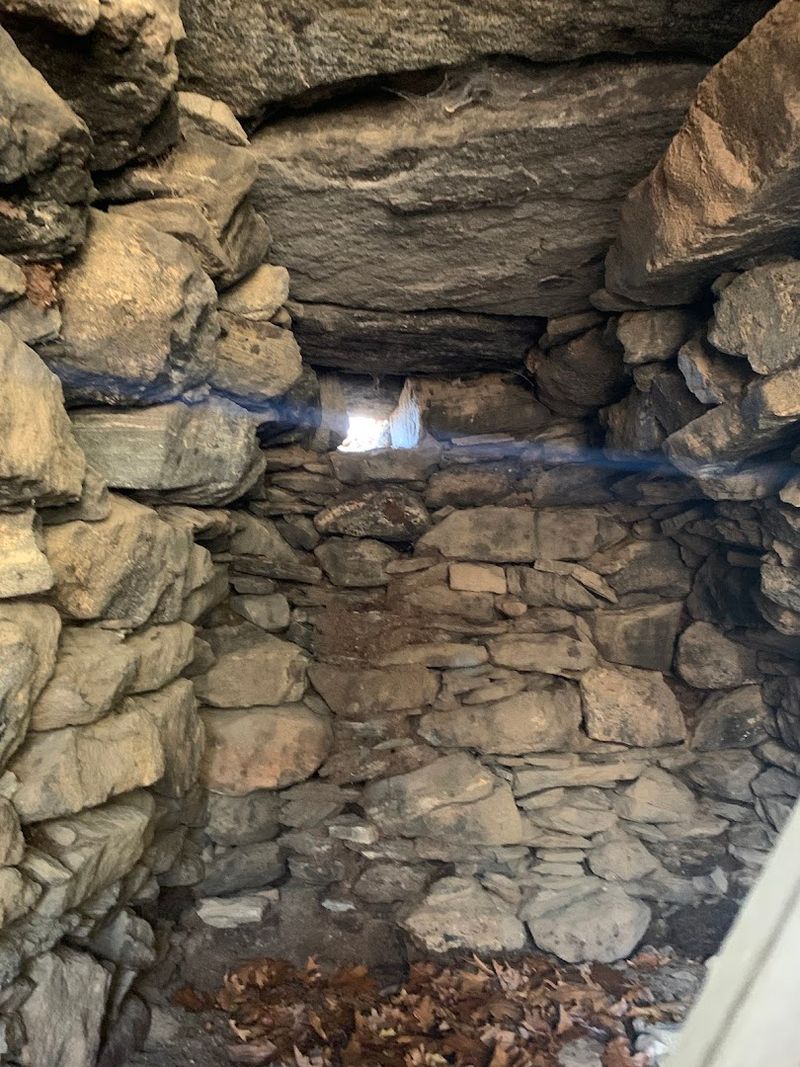
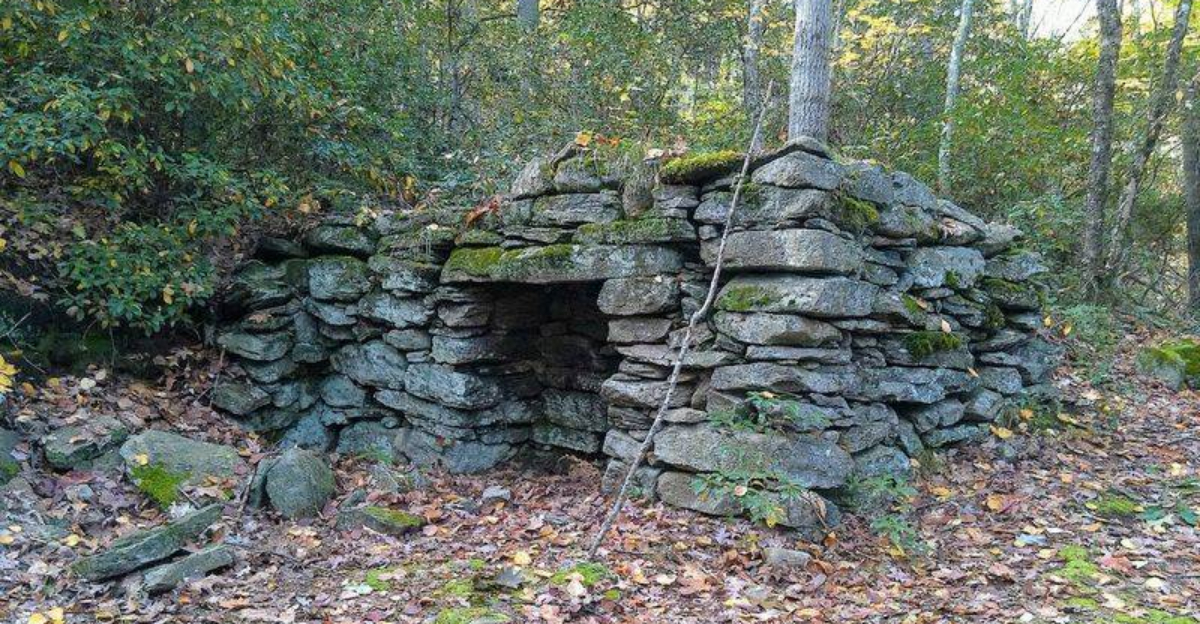
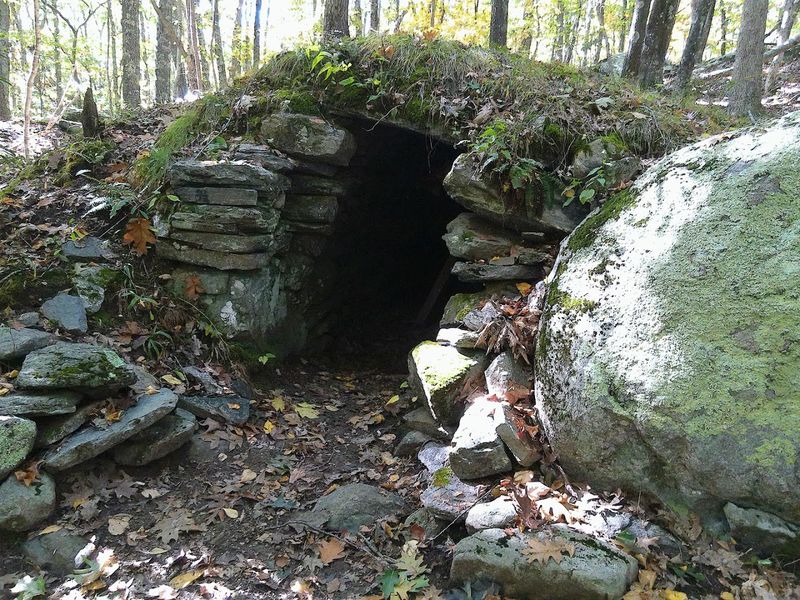
Stone chambers are the most talked-about feature at Gungywamp, and standing in front of one for the first time tends to produce a long pause. The chambers are built using large, flat stones stacked and positioned to create low, enclosed spaces that a person could crouch or crawl inside.
The construction method raises questions because it does not obviously match the techniques typically associated with colonial root cellars or farm storage structures.
Some researchers have pointed out that certain chambers appear to align with the rising sun during the equinoxes, which would suggest intentional astronomical positioning.
That kind of alignment is more commonly associated with ancient ceremonial or calendar-based construction rather than practical agricultural storage.
Whether that interpretation holds up under rigorous archaeological scrutiny is still a matter of ongoing discussion among experts.
The stones themselves are heavy and were clearly placed with intention, even if the purpose behind that intention remains debated. Lichen and moss have grown thickly over many surfaces, giving the chambers a texture and color that blends almost seamlessly into the surrounding forest floor.
Up close, the craftsmanship feels deliberate and careful, which only makes the question of who built them and why feel more pressing and genuinely unresolved.
4. Look For Foundations Hidden In The Forest
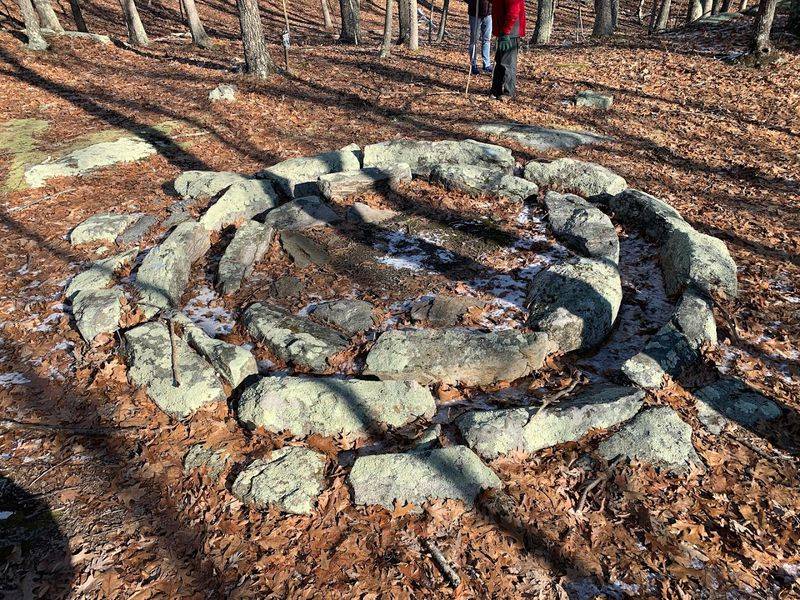
Beyond the stone chambers, Gungywamp contains what appear to be the foundations of structures that have long since collapsed or disappeared above ground. These low stone outlines emerge from the forest floor in a way that is easy to miss if a person is not actively looking for them.
A knowledgeable guide can point them out and explain the different theories about what they may once have supported.
Some of these foundations are consistent with colonial-era building patterns found throughout the state’s southeastern region, while others are harder to classify with confidence.
The coexistence of multiple types of stone construction within the same forested area is part of what makes Gungywamp so layered and interesting as a site.
It may represent centuries of different groups using the same landscape for different purposes at different times.
Walking past these remnants gives the experience a slower, more observational quality that rewards patience. Visitors who take time to crouch down and look closely at how the stones are arranged tend to come away with more questions than answers, which is honestly part of the appeal.
The forest has reclaimed much of what was once built here, and seeing how nature and history overlap in this quiet corner is quietly compelling.
5. Follow A Guided Walk Through The Landscape
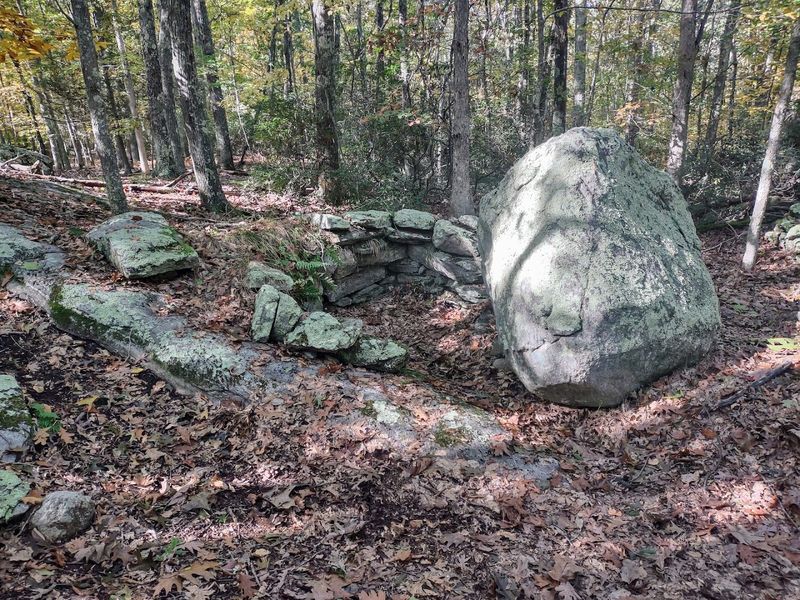
Guided tours at Gungywamp are not just a logistical requirement but genuinely add value to the experience. A knowledgeable guide can distinguish between the different types of stone structures on the property and explain the competing theories that surround each one.
Without that context, many of the formations would simply look like random piles of rock half-buried in the leaf litter.
Tours can be arranged through the Denison Pequotsepos Nature Center, which manages access to the site. The center is located at 109 Pequotsepos Road in Mystic.
The guided walk tends to move at a comfortable pace, allowing time to stop, look closely, and ask questions along the way. Groups are typically small, which creates a more personal and conversational atmosphere than a large organized tour might offer.
For visitors who enjoy learning while walking, the format suits the site well and makes the experience feel more like a genuine exploration than a scripted presentation.
6. Visit When The Woods Feel Quiet And Moody
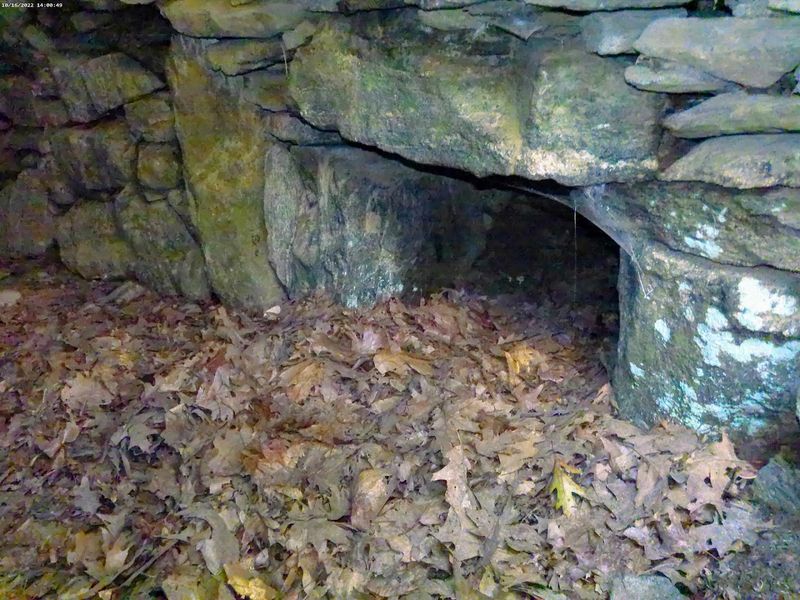
The site sits inside a dense forest that responds dramatically to seasonal change, and certain times of year bring a mood to the landscape that genuinely enhances the sense of mystery.
Early spring and late autumn tend to offer the most atmospheric conditions, with bare trees allowing longer sightlines and cooler air keeping the woods quiet.
Weekday visits tend to be calmer than weekend outings, though the limited access structure means crowd size is generally modest regardless of the day. Morning hours can bring soft light and mist through the trees, which adds a layer of atmosphere that afternoon visits do not always provide.
Since the site opens at 9 AM most days and closes at 4 PM, arriving earlier in the day allows more time to explore without feeling rushed.
Summer visits are certainly possible but the dense leaf cover reduces visibility into the forest, and insects can be persistent depending on recent rainfall. Regardless of the season, dressing in layers and wearing shoes with good ankle support makes the walk more comfortable.
The site does not have restroom facilities or food vendors on location, so preparing accordingly before arriving is a practical consideration worth keeping in mind.
7. Why The History Still Sparks Debate
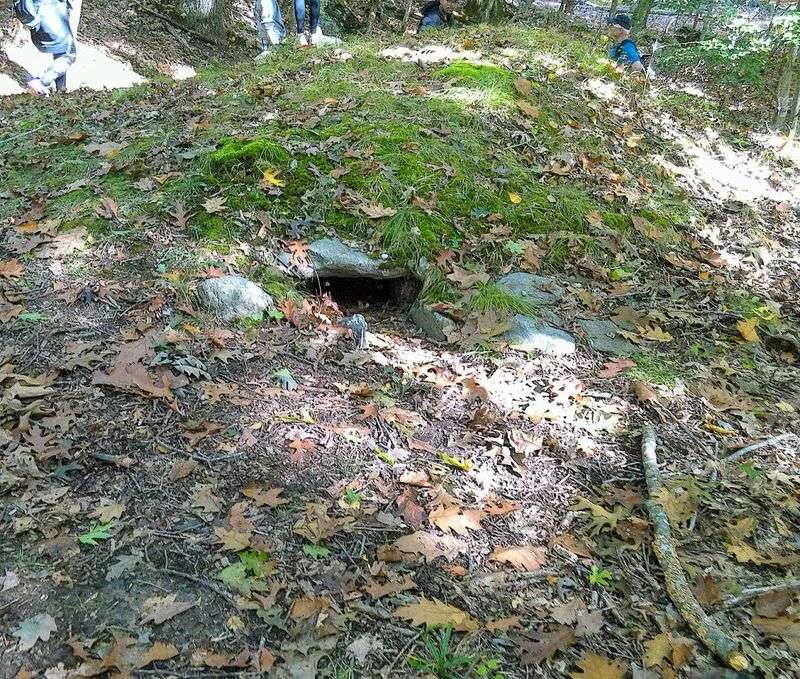
Scholars and researchers have long disagreed over the origins of this unusual archaeological site. The central debate focuses on who built the stone chambers and when, with no single explanation accepted by everyone who has studied the landscape.
Some interpretations suggest the structures may predate European contact and could have been built by Indigenous peoples or earlier cultures, while more speculative theories point to possible transatlantic connections.
Other researchers argue the chambers are colonial-era storage structures, consistent with regional building traditions found across southeastern New England.
The alignment of certain features with solar events has fueled speculation about ceremonial or calendrical use, a theory that tends to attract significant public interest.
Mainstream archaeologists generally approach such claims cautiously, emphasizing the need for rigorous excavation and documentation before drawing firm conclusions.
That tension between popular interpretation and academic caution is part of what keeps the conversation around Gungywamp alive and ongoing.
Adding to the complexity is the fact that the site contains multiple types of construction that may not all date from the same period.
Some features may genuinely be ancient while others could be much more recent, and untangling those layers requires careful work that has not yet been fully completed.
For visitors who enjoy history that resists easy answers, Gungywamp offers a rare opportunity to stand inside a genuine, unresolved archaeological puzzle.
8. How To Explore With Respect For The Site
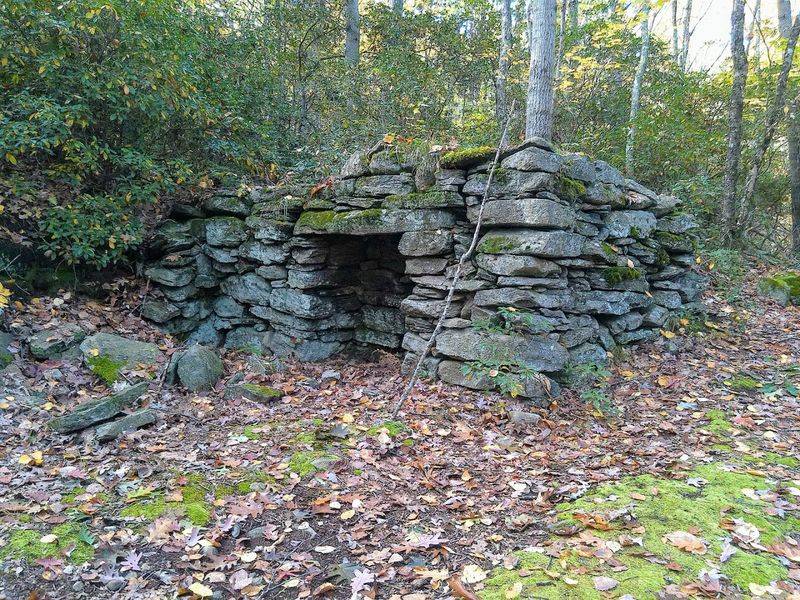
Visiting an archaeological site carries a responsibility that a trip to a typical park or trail does not always require. Gungywamp contains structures that are fragile, historically significant, and not fully understood, which means how visitors behave during their time there genuinely matters.
Staying on designated paths and avoiding climbing on or touching the stone structures helps preserve them for future researchers and visitors alike.
Nothing should be moved, removed, or rearranged during a visit, including small stones, fallen branches, or soil near the foundations. Even well-intentioned adjustments can disturb context that archaeologists rely on when studying a site.
Keeping the landscape exactly as it is found shows respect for the work that goes into studying and protecting places like this one.
Photography is a great way to document the visit without leaving any impact behind. Bringing a field notebook to jot down observations or sketch what the structures look like can make the experience feel more engaged and personal.
The site benefits from visitors who treat it with curiosity and care rather than casual indifference, and approaching it that way tends to make the experience more meaningful anyway. Gungywamp rewards those who show up prepared to pay attention.