17 Colorado Towns Where Art And Creativity Take Center Stage
I pulled over in a town I almost skipped entirely. The main street looked ordinary from the highway, but up close it was anything but.
A massive mural covered the side of a hardware store. A sculpture sat in front of the post office.
A tiny gallery had a line out the door on a Tuesday afternoon. That moment changed how I travel through this state.
Colorado does not advertise its art scene loudly, but the state has quietly built something remarkable across dozens of small towns. You just have to know where to look.
Some of these places have been drawing artists for generations. Others discovered their creative identity more recently.
All of them have something genuinely worth seeing. This list exists because too many of these towns fly under the radar, and that is a real shame.
1. Salida
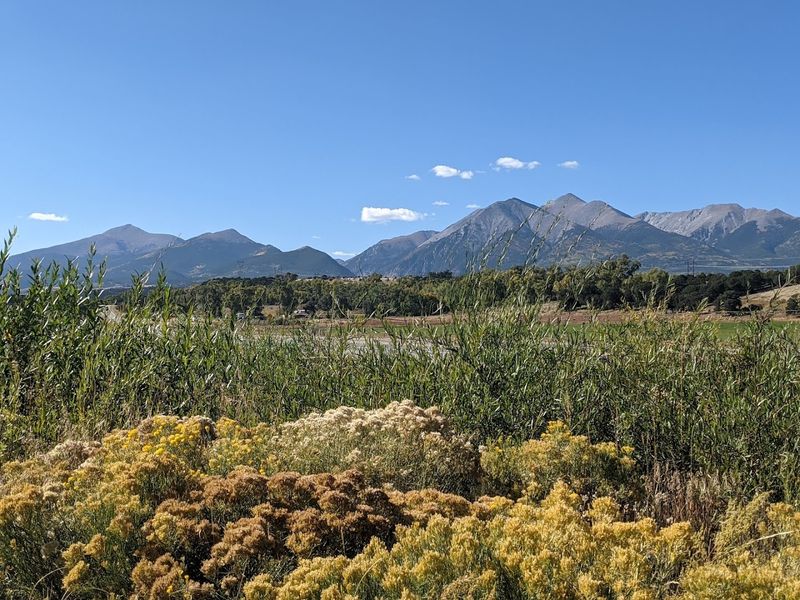
Few towns wear their creative soul as openly as this one. Salida holds the title of Colorado’s largest creative district, and it earns that reputation every single day.
Over 100 working artists maintain studios here, drawn by affordable spaces and jaw-dropping mountain scenery.
The historic downtown is packed with galleries showing everything from bold Western paintings to avant-garde installations. Every corner feels intentional, like the whole town agreed to make art its identity.
The annual Art Walk brings even more energy to streets already buzzing with creativity. Salida sits along the Arkansas River, and that landscape bleeds right into the work displayed in every studio window.
This is one of those towns that genuinely rewards slow, curious walking.
2. Manitou Springs
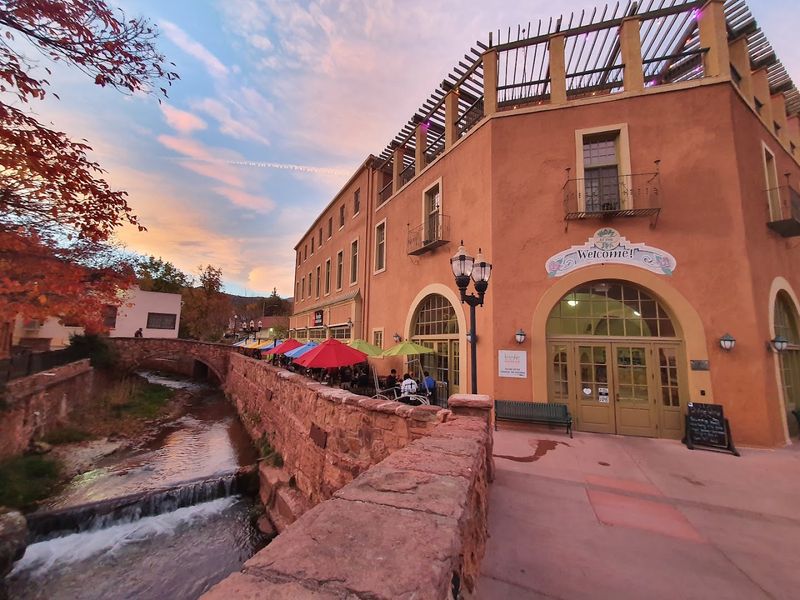
The slogan here is “Keep Manitou Weird,” and honestly, that tells you everything you need to know. Sitting at the base of Pikes Peak, Manitou Springs pulses with an energy that feels both ancient and completely alive.
Victorian architecture houses dozens of galleries, working studios, and artisan shops.
Indigenous artistic traditions mix naturally with bold contemporary expressions throughout the town. The Commonwheel Artists Co-op and the Manitou Art Center anchor a scene that goes far deeper than window shopping.
Every first Friday, the famous Art Walk takes over the streets in the best possible way. Thousands of visitors pour through galleries, studios, and pop-up shows.
The creative community here is tight-knit but genuinely welcoming to curious outsiders. Manitou Springs feels like a town that chose art as its heartbeat a very long time ago.
3. Telluride
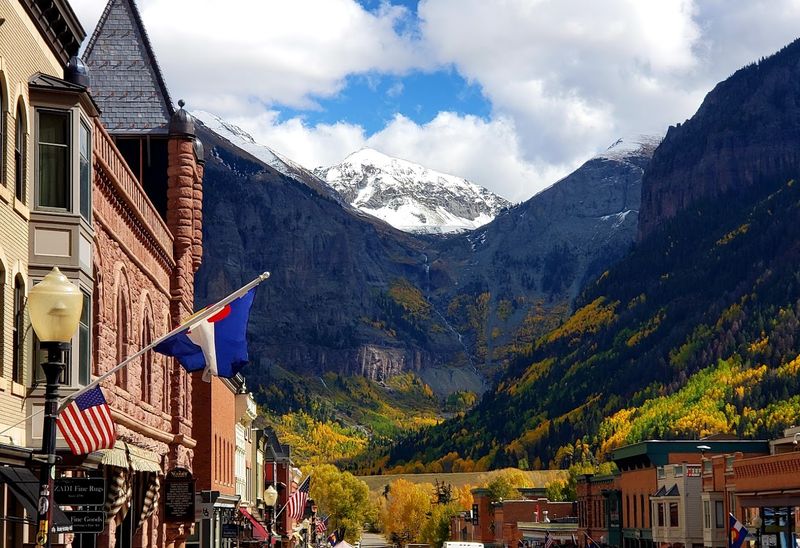
Winning a Governor’s Arts Award is not something every mountain town can claim. Telluride engages over 1,600 artists in its Creative District activities, drawing more than 255,000 participants each year.
Those numbers are staggering for a town this size.
The Stronghouse Studios, Ah Haa Ceramics Studio, and the American Academy of Bookbinding all call Telluride home. Visual artists, ceramicists, and bookbinders work alongside each other in a town framed by some of the most dramatic mountain scenery anywhere.
The Telluride Film Festival alone puts this place on a global cultural map. But the creativity here runs year-round, not just during festival season.
Galleries feature work from both local talent and world-renowned artists. The combination of natural beauty and serious artistic ambition makes Telluride genuinely hard to forget after you leave.
4. Crested Butte
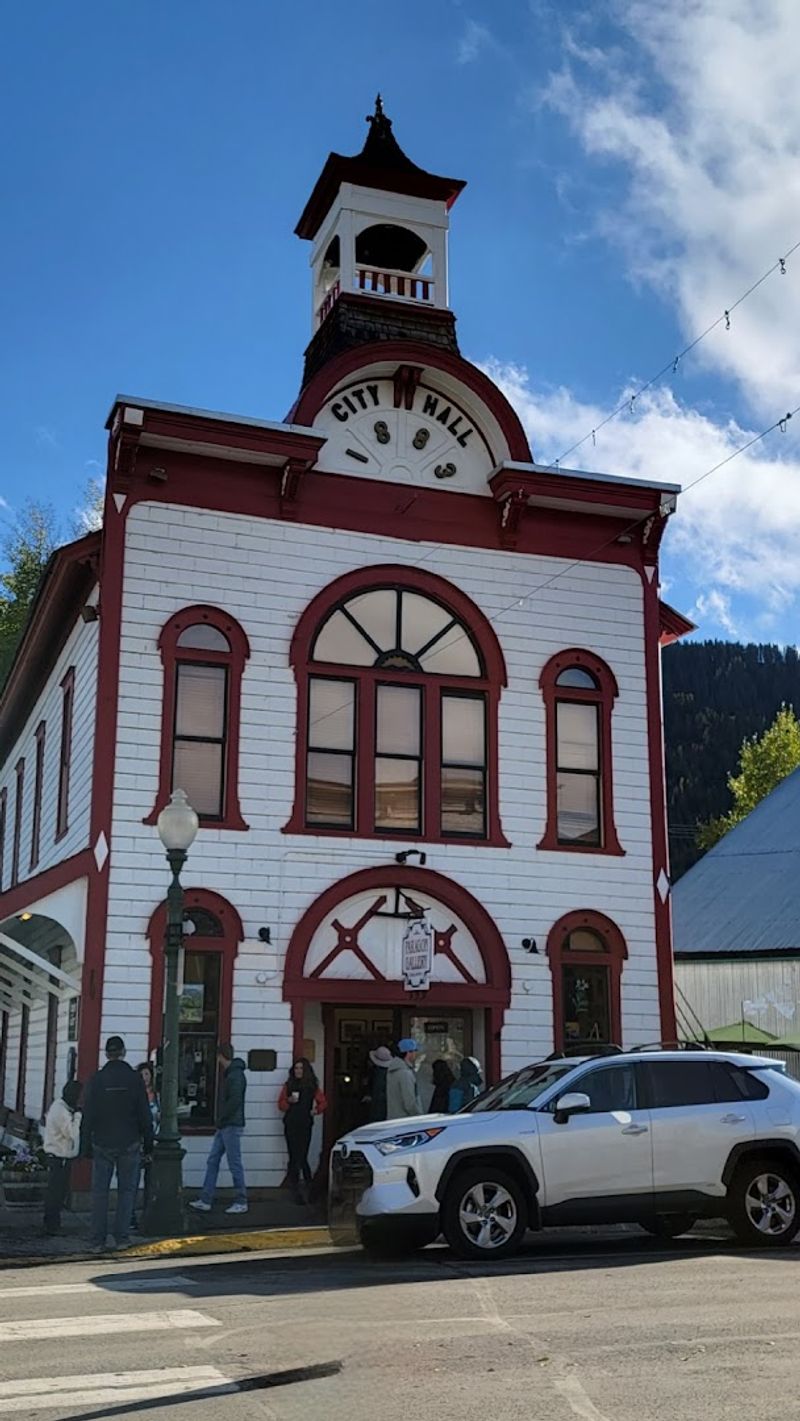
Mountain towns and art scenes do not always mix this well. Crested Butte’s Creative District feels genuinely woven into the town’s identity rather than bolted on as an attraction.
The Center for the Arts anchors a network of artist-owned studios, co-op galleries, and performance venues.
Year-round art walks keep the creative calendar full even during shoulder seasons. The beloved August arts festival draws artists and visitors from across the region.
A September film festival adds another dimension to an already packed cultural schedule.
Crested Butte sits in a valley surrounded by wildflower-covered mountains, and that landscape absolutely influences the work made here. Painters, photographers, and ceramicists all draw from the same breathtaking source material.
The town has a population of just over 1,500 people, which makes the density of creative activity here even more impressive. Small town, enormous artistic output.
5. Breckenridge
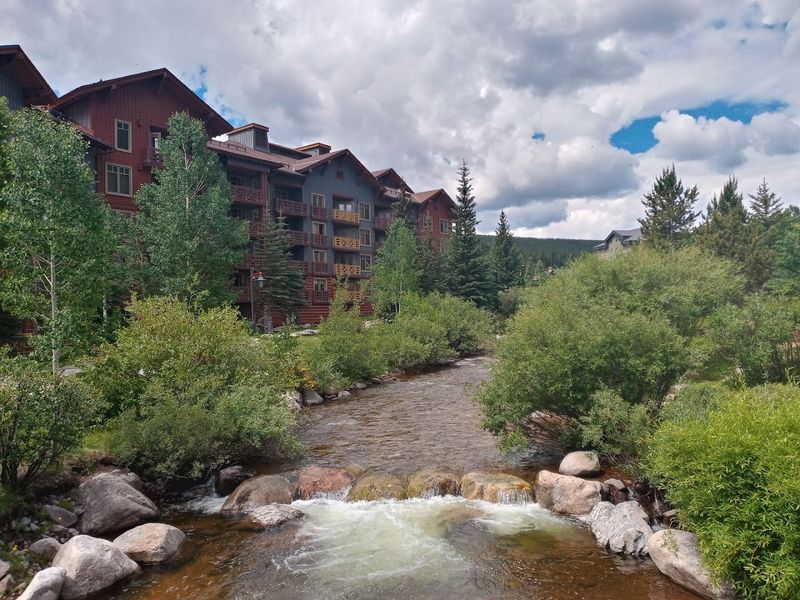
Most people come to Breckenridge for skiing. Many of them leave surprised by the arts scene waiting right downtown.
The Breckenridge Arts District frames a mountain-view-filled historic downtown with serious cultural infrastructure. Breckenridge Backstage Theatre and the National Repertory Orchestra have both operated here for decades.
Sculpture gardens and decorative plazas sit between studios and galleries throughout the walkable downtown area. A multi-facility arts campus hosts workshops, rotating exhibits, and an active artists-in-residence program.
The Breckenridge International Festival of Arts draws performers and visual artists from around the world each summer. That event alone signals how seriously this ski town takes its creative identity.
The arts campus includes renovated historic structures that blend beautifully with the surrounding mountain architecture. Breckenridge proves that a world-famous resort town can also be a genuine creative community, not just a backdrop for vacation photos.
6. Carbondale
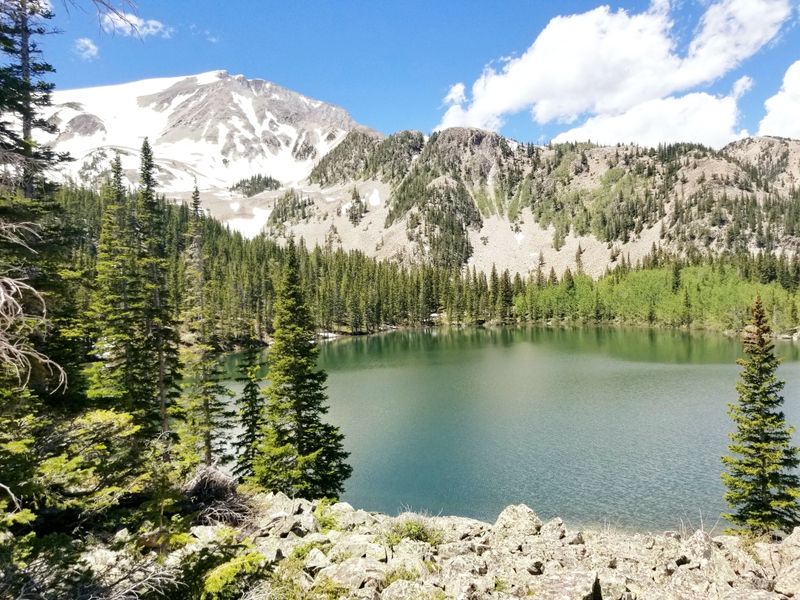
Every July, over 20,000 people descend on this small mountain town for the Carbondale Mountain Fair. That kind of turnout says a lot about how deeply the community values its creative spirit.
Carbondale’s Creative District is fueled by a rich Western heritage and a remarkably energetic artist community.
The Third Street Center houses grassroots art galleries alongside dance studios and performing arts venues. It functions as a true community hub, not just a building with art on the walls.
Carbondale sits in the Crystal River Valley between Aspen and Glenwood Springs, giving it a geographic identity all its own. Affordable living compared to nearby resort towns has attracted a steady stream of working artists over the years.
Painters, sculptors, dancers, and musicians all contribute to a scene that punches well above its weight. This town rewards anyone willing to wander off the main highway.
7. Trinidad
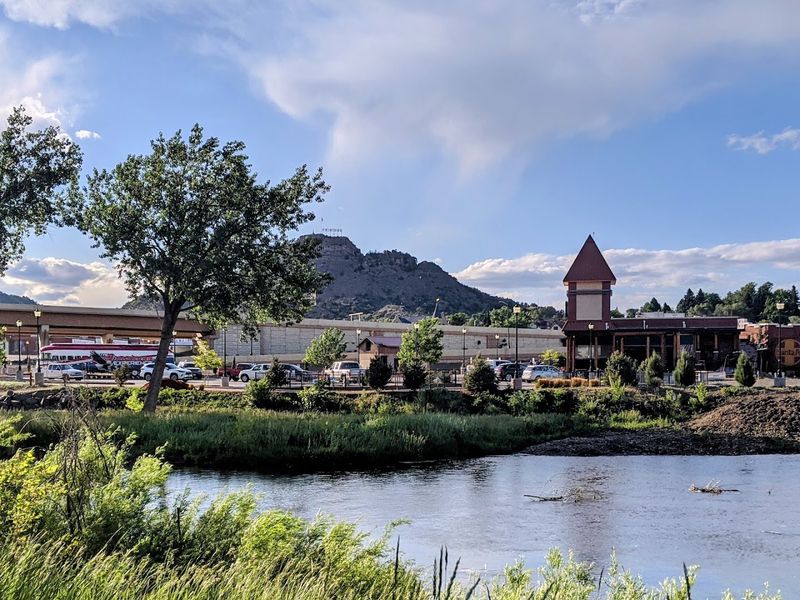
Southern Trinidad does not always get the arts attention it deserves. Trinidad is quietly changing that.
As part of the state’s Space to Create program, Trinidad has grown into one of the most imaginative art districts in the entire region. Affordable living drew artists here, and they stayed.
The Corazon de Trinidad Creative District is the beating heart of this effort. Gallery Main, the A.R.
Mitchell Museum of Western Art, and the Trinidad Opera House all anchor a scene rich with color and history. Street art covers buildings throughout the compact historic downtown.
Trinidad sits near the New Mexico border, giving it a cultural identity that blends Southern grit with Southwest artistic tradition. Drum circles, art cars, and rotating gallery shows keep the creative calendar active year-round.
This town is proof that great art does not require a big budget or a famous zip code.
8. Pueblo
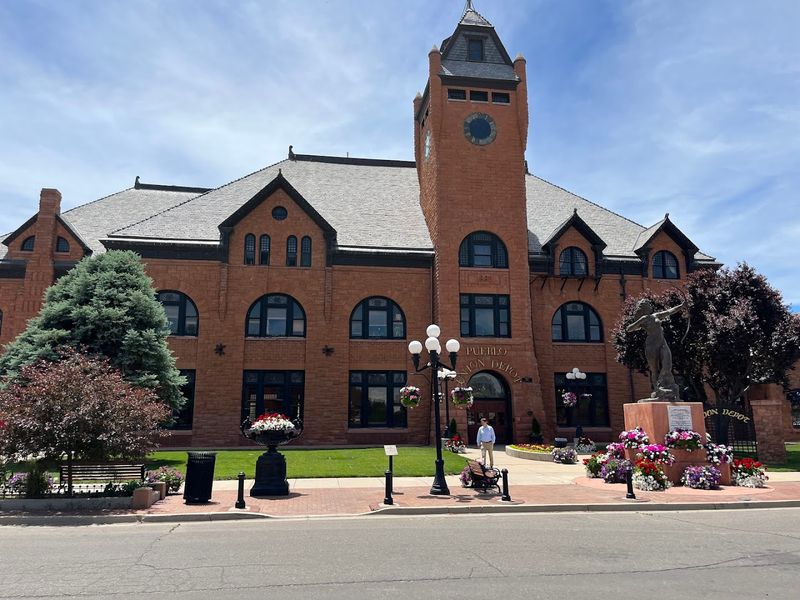
Twenty-plus years of First Friday Artwalks is not an accident. Pueblo’s Creative Corridor has built one of the most consistent and beloved arts traditions in the state.
Historic buildings along the main corridor house boutiques, galleries, studios, and sidewalk cafes that make the whole area feel alive.
The Sangre de Cristo Arts Center anchors the district with a strong permanent collection and rotating exhibitions that draw visitors from across the region. It also runs arts education programs that connect the community to the creative work happening around them.
Pueblo sits on the Arkansas River in southern Colorado, and its blue-collar history gives the art scene a grounded, unpretentious character. The Cottonwood Center for the Arts adds another layer to a district that keeps growing.
Pueblo is not trying to be Aspen. It is doing something more interesting: building an arts culture that belongs entirely to its own people.
9. Paonia
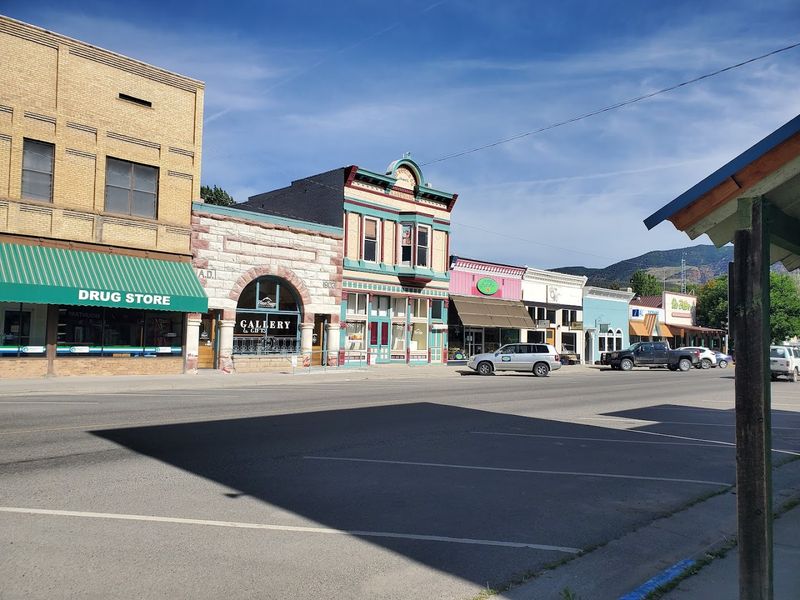
The North Fork Valley is one of those places that inspires creativity just by existing. Paonia, Hotchkiss, and Crawford together form the North Fork Valley Creative District, officially recognized for its remarkable concentration of artists and makers.
Fine artists, writers, musicians, and filmmakers all work from this quiet corner of the state.
Home workshops and open studios dot the valley, where the surrounding farmland and orchard landscapes feed directly into the creative work being produced.
Paonia itself hosts galleries and regular arts events that draw visitors who appreciate a slower, more intentional pace. This is not a town trying to compete with Denver or Aspen.
It offers something different: a deeply rooted creative community connected to land, seasons, and craft. The North Fork Valley rewards travelers who are willing to take the scenic route and stay awhile.
10. Steamboat Springs
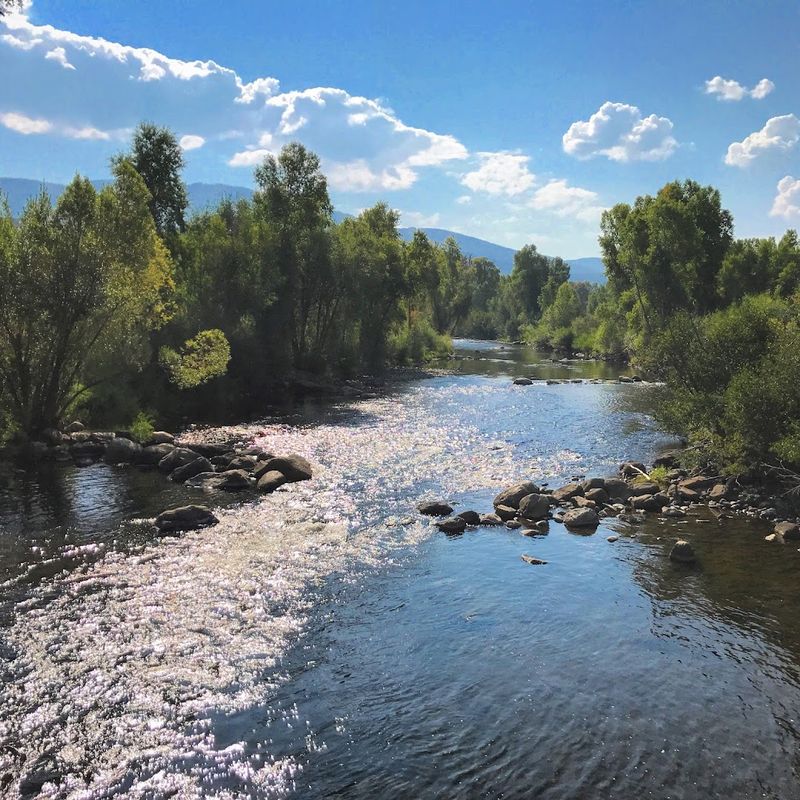
Steamboat Springs is best known for champagne powder snow. But warm months reveal a completely different personality.
The Creative District comes alive with street art, pop-up performances, and hands-on creative experiences that surprise first-time visitors expecting nothing more than a ski resort town off-season.
Local galleries showcase work by regional artists who draw inspiration from the Yampa Valley’s sweeping ranch landscapes and river corridors. The creative community here tends to be outdoorsy, practical, and deeply connected to the natural world around them.
Steamboat’s downtown sits along Lincoln Avenue, where galleries and studios sit comfortably beside outfitters and restaurants. The combination gives the town a relaxed creative energy that never feels forced.
Summer brings outdoor art installations and performances that use the streets as a stage. Steamboat Springs proves that a town can love both powder days and opening night with equal enthusiasm.
Both identities fit here perfectly.
11. Fort Collins
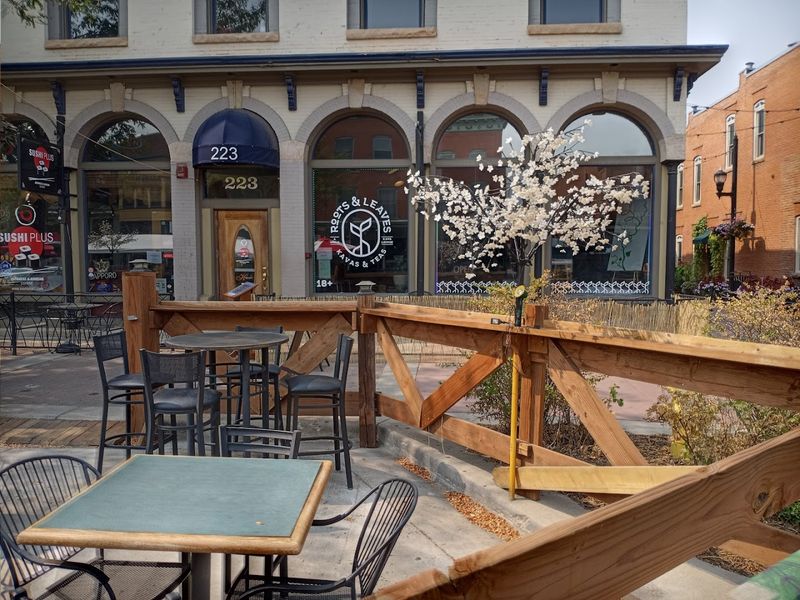
The Front Range has a lot going for it, but Fort Collins brings something specific to the table. The Downtown Fort Collins Creative District celebrates the outdoor beauty of the region through art that is as varied as the landscape itself.
Over 20 galleries, museums, and specialized creative spaces fill the historic downtown.
Monthly art walks draw steady crowds through streets decorated with public murals and installations like the beloved Pianos About Town program. That program alone says a lot about how Fort Collins thinks about public creative space.
Local artisans work across disciplines here, from ceramics and painting to textile arts and printmaking. Colorado State University adds a steady flow of young creative energy to a community that was already artistically engaged.
Fort Collins is the kind of town where public art is not a novelty. It is simply part of how the city chooses to present itself to the world every single day.
12. Durango
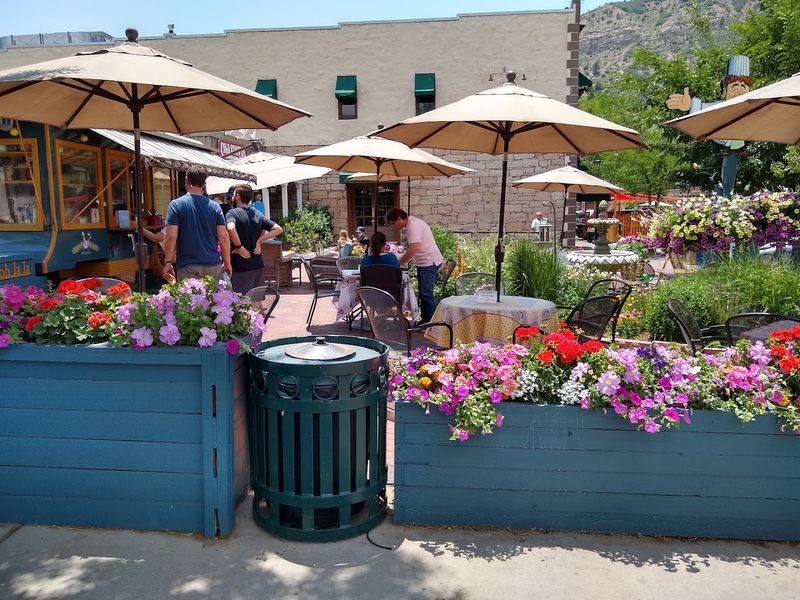
Native American heritage, Western history, and a lively contemporary arts scene do not always coexist this gracefully. Durango manages that balance with real confidence.
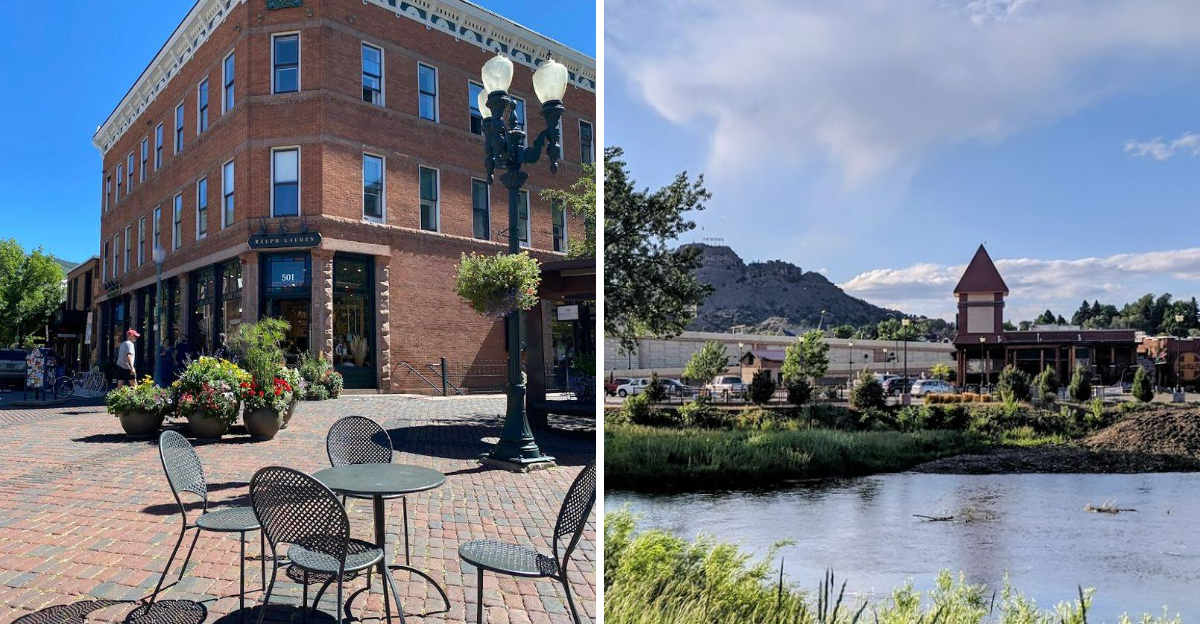
The officially certified Durango Creative District stretches along Victorian-era Main Avenue, where galleries fill beautifully preserved historic storefronts.
The Durango Arts Center anchors the district with exhibitions, performances, and community programs that connect residents and visitors alike. A monthly gallery walk gives people a regular reason to explore new work throughout the year.
This southwestern town is surrounded by canyon country and the San Juan Mountains, and that dramatic landscape shows up repeatedly in the art produced and displayed here. Durango blends cultures and time periods in a way that feels completely natural.
The farm-to-table culinary scene adds another dimension to a town that takes quality seriously across the board. The Durango Arts Center is located at 802 East Second Avenue, while the larger creative district stretches through downtown Durango.
13. Grand Junction
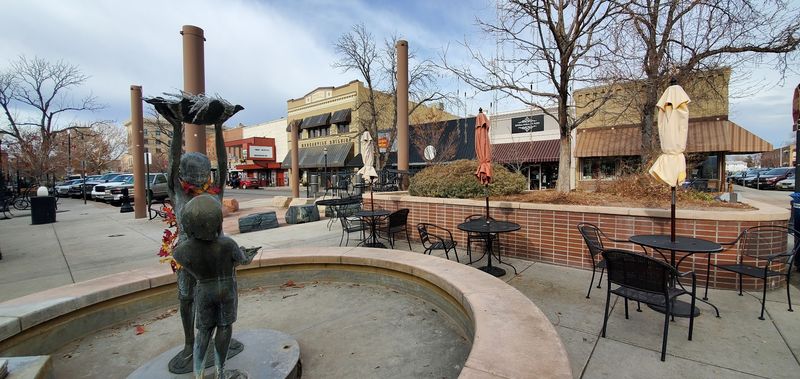
The Western Slope needed an arts anchor, and Grand Junction stepped up. The Downtown Arts District here is one of the state’s officially certified creative districts, bringing public sculptures, galleries, and cultural institutions to a city that many travelers pass through without stopping.
That is a mistake worth correcting.
The Museum of the West is a standout attraction, offering a deep look at the history and culture of the Colorado Plateau region. Public art installations throughout downtown make the whole area feel like an open-air gallery.
Grand Junction sits near the Utah border, surrounded by red rock canyons and mesa landscapes that feed directly into the visual art produced here. The downtown is walkable and genuinely pleasant to explore on foot.
Local galleries rotate exhibitions regularly, giving repeat visitors something new to discover. Grand Junction is the kind of arts city that surprises people, and those surprised people tend to come back.
14. Ridgway
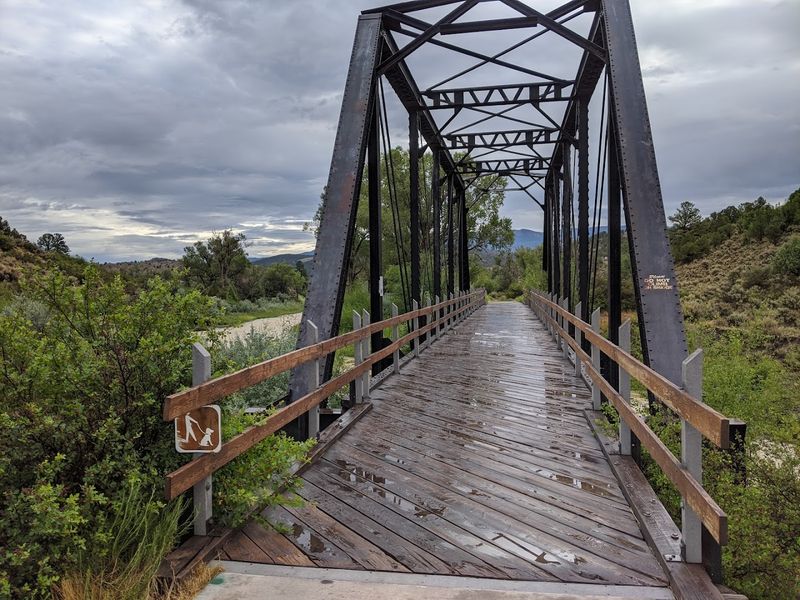
When more than 10 percent of a town’s 900 residents are working artisans, something special is clearly happening. Ridgway’s arts community spans visual arts, design, performance, textiles, culinary arts, and even publishing.
That range of creative disciplines in a town this small is genuinely remarkable.
Ridgway sits beneath the Cimarron Mountains in the Uncompahgre Valley, and that setting inspires the kind of work you find in its studios and galleries. The Ridgway FUSE initiative connects artists with the broader Colorado Creative Corridor.
Western heritage runs deep here, and contemporary artists work alongside that history rather than against it. The town is compact and easy to explore, with studios and galleries spread through a relaxed downtown that feels nothing like a tourist trap.
Ridgway rewards slow visits. The more time you spend here, the more layers of creativity you find waiting behind quiet storefronts and workshop doors.
15. Mancos
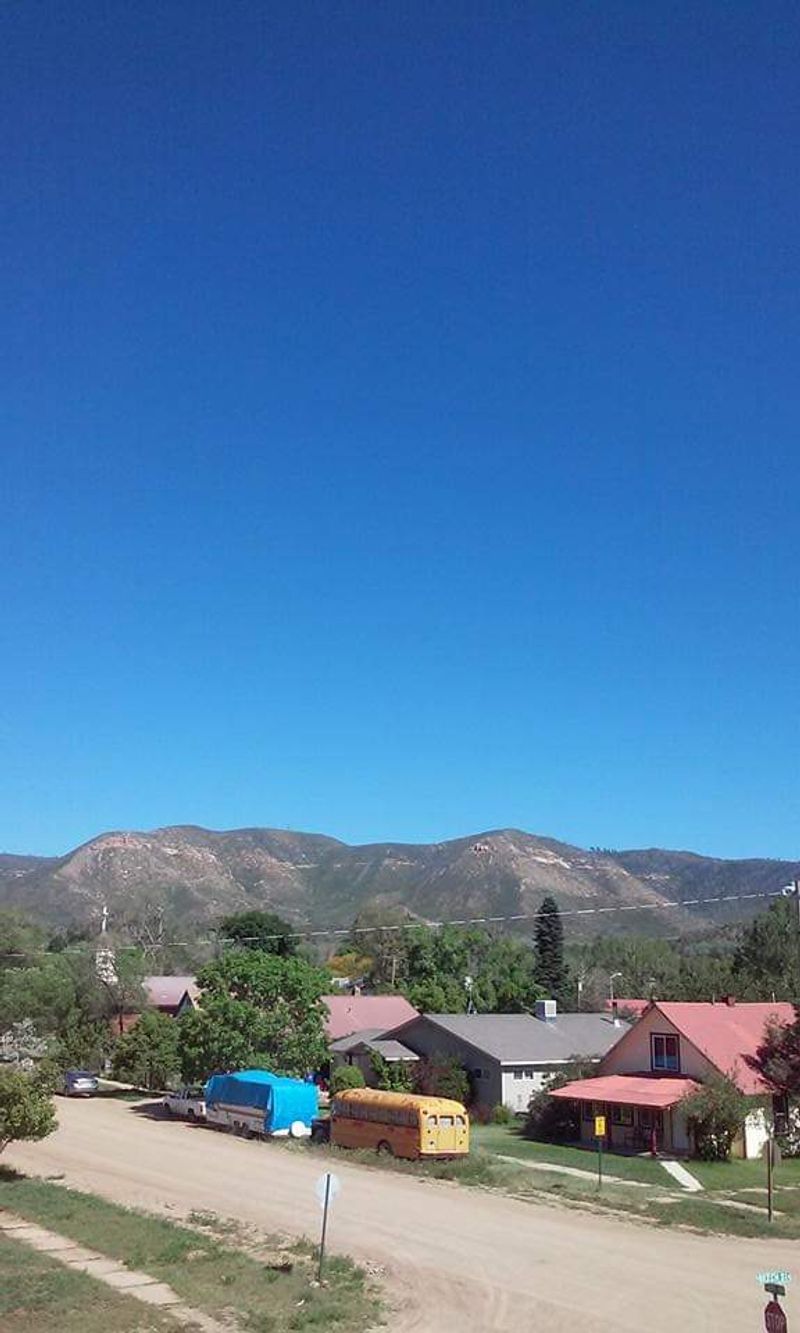
Not every art town announces itself loudly. Mancos has grown into a genuine art colony at its own quiet pace, drawing painters, potters, and craftspeople who value solitude and stunning scenery in equal measure.
The proximity to Mesa Verde National Park gives this town a cultural depth that goes back centuries.
The officially certified Mancos Creative District supports sculptors, mural designers, writers, and cowboy poets who make this small western town their permanent home. A historical opera house adds a surprising touch of grandeur to the compact downtown.
Mancos sits in the foothills between Durango and Cortez, making it an easy and rewarding detour for travelers exploring the Four Corners region. Studios and galleries here operate at a slower rhythm than larger art towns.
That pace is part of the appeal. Mancos is the kind of place where you can actually talk to the artist who made the piece you are holding.
16. Aspen
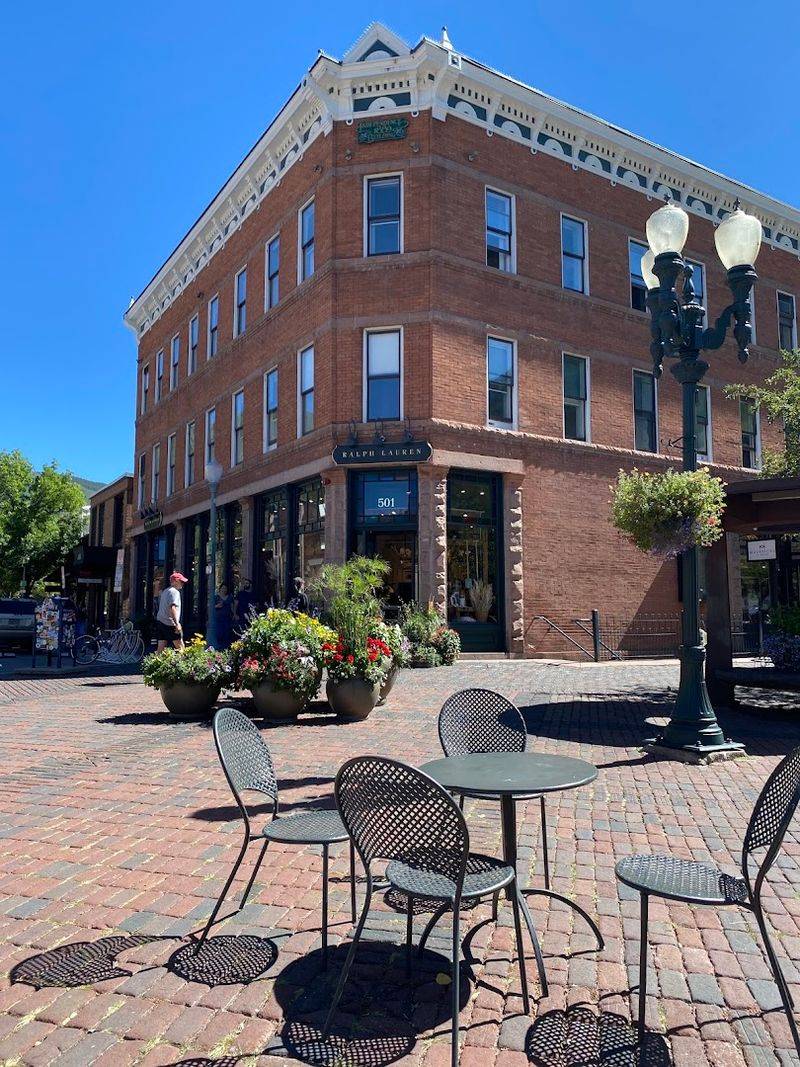
Architecture as art is a concept the Aspen Art Museum takes completely seriously. The building itself is a sculptural statement, wrapped in a woven screen facade that filters light in endlessly changing ways.
Inside, the museum focuses exclusively on new evolutions in international contemporary art, with no permanent collection to speak of.
Every exhibition is current, rotating, and deliberately challenging. That curatorial philosophy keeps the museum feeling fresh no matter how many times you visit.
The views from the rooftop terrace are nearly as striking as anything hanging on the walls inside.
Aspen’s broader arts scene extends well beyond the museum. Galleries line the downtown streets, and cultural festivals fill the calendar across multiple seasons.
The Aspen Music Festival brings world-class performances every summer. This mountain town operates at a high creative altitude year-round.
For anyone who thinks ski resorts are purely recreational destinations, Aspen makes a compelling and beautiful counter-argument.
17. Colorado Springs
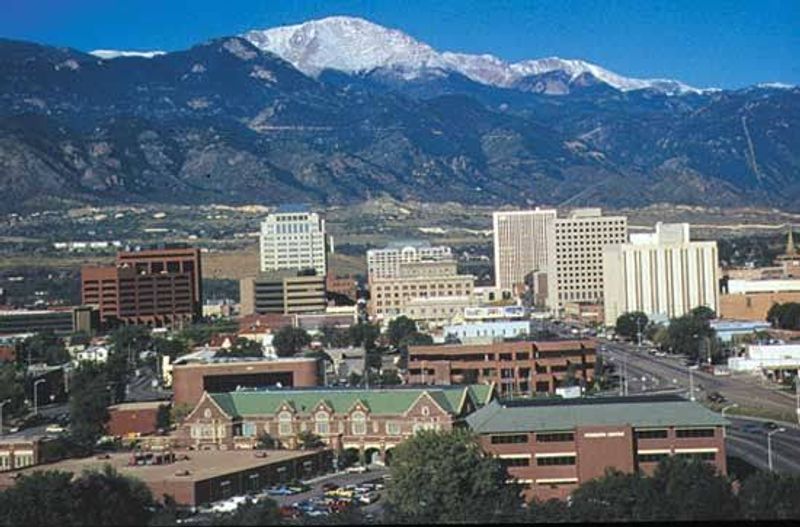
World-class concert halls and museums sharing a zip code with over 50 permanent public art displays is not something every city can claim. The Downtown Springs Creative District delivers exactly that combination, making it one of the most fully realized arts ecosystems in the entire state.
The schedule of events here runs year-round without slowing down.
The Springs Fine Arts Center functions simultaneously as a museum, art school, and theater, which makes it one of the most versatile cultural institutions anywhere in the region. The Cottonwood Center for the Arts adds community-driven studio and gallery space to the mix.
Springs sits at the base of Pikes Peak, and that dramatic backdrop influences everything from the public sculptures to the paintings displayed in local galleries. The creative district here is walkable, accessible, and genuinely welcoming to first-time visitors.
Springs rewards everyone who assumes a military town cannot also be a serious arts destination.