North Carolina’s Most Beautiful Hydrangea Gardens Are Blooming Right Now
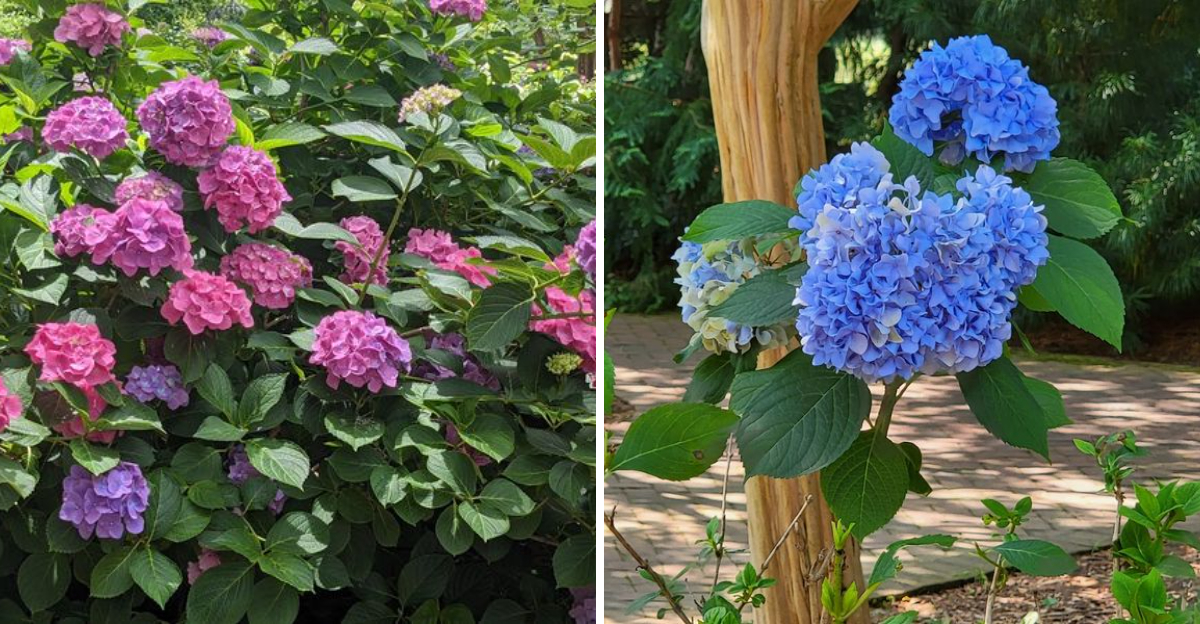
Hydrangea season does not politely tap North Carolina on the shoulder.
Instead, it arrives like the garden decided to throw a color party and forgot to warn anyone with a camera roll.
One week, everything looks calm.
Then the blooms show up acting like they own the entire path.
Anyone who waits too long can miss the best part, because peak color does not hang around forever.
Weather can speed things up, slow them down, or make every garden follow its own confusing schedule.
Different hydrangea types also bloom on their own timeline, which makes the season feel like a very pretty guessing game.
That is why these gardens deserve attention now, not later.
Summer gives North Carolina a short window for those big, fluffy, stop-and-stare blooms, and missing them would feel like skipping the main event.
1. Airlie Gardens
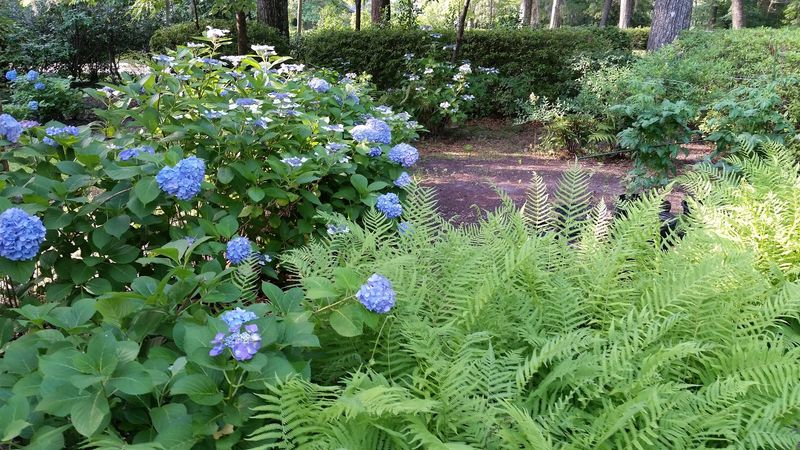
Coastal air gives Airlie Gardens a softer kind of hydrangea magic, especially when summer blooms appear beneath live oaks and along shaded garden paths.
At 300 Airlie Road, Wilmington, NC 28403, the garden showcases a current bloom list that includes hydrangea, oak leaf hydrangea, lacecap hydrangea, and climbing hydrangea. That seasonal display makes it a strong choice for a June flower outing.
That variety gives visitors more than one version of the classic hydrangea moment.
Mophead-style blooms bring rounded color, oakleaf hydrangeas add cone-shaped white flowers and bold foliage, lacecaps feel airy and delicate, and climbing hydrangeas give vertical structure to the landscape.
Airlie’s coastal setting makes the whole experience feel especially layered because the flowers share space with Spanish moss, water views, old trees, and garden rooms that reward slow wandering.
Instead of feeling like a single flower display, the hydrangeas become part of a much larger Southern garden scene.
A visit here works well for people who want hydrangeas, but also want atmosphere, shade, paths, and a sense of place. Wilmington’s summer heat can be real, so morning visits are usually the easiest way to enjoy the blooms without rushing through the prettiest sections.
2. Daniel Stowe Conservancy / Gardens At Stowe
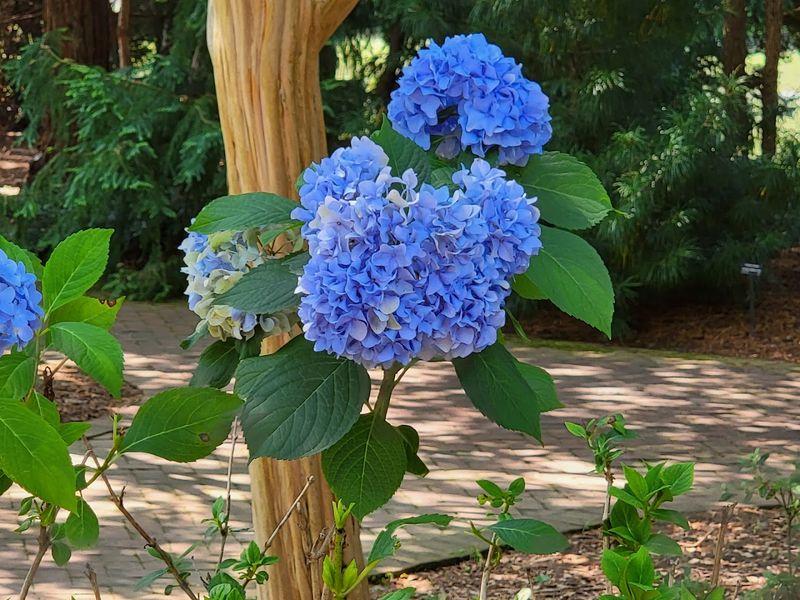
Wide paths and big seasonal displays make Daniel Stowe Conservancy a strong hydrangea stop near Charlotte.
The garden is at 6500 South New Hope Road, Belmont, NC 28012, and its current “What’s in Bloom” information lists smooth hydrangea and bigleaf hydrangea among the plants visitors can see.
That combination gives the garden two very different hydrangea looks.
Smooth hydrangeas typically produce rounded white flower heads that give off a relaxed cottage-garden feel. Bigleaf hydrangeas, on the other hand, are better known for fuller blue, pink, or purple clusters that many people picture first.
Stowe’s layout also helps the visit feel relaxed because the grounds offer room to walk, pause, compare plantings, and enjoy seasonal color without feeling crowded into one narrow display. Families, photographers, and plant lovers can all get something different from the same stop.
A casual visitor may simply enjoy the color, while a gardener may pay closer attention to how hydrangeas are worked into beds, paths, and broader design. Summer bloom lists can shift as heat and weather change, so checking the garden’s current update before going is smart.
Still, with smooth and bigleaf hydrangeas specifically listed, this Belmont garden earns its place on a North Carolina hydrangea route.
3. Tryon Palace Gardens
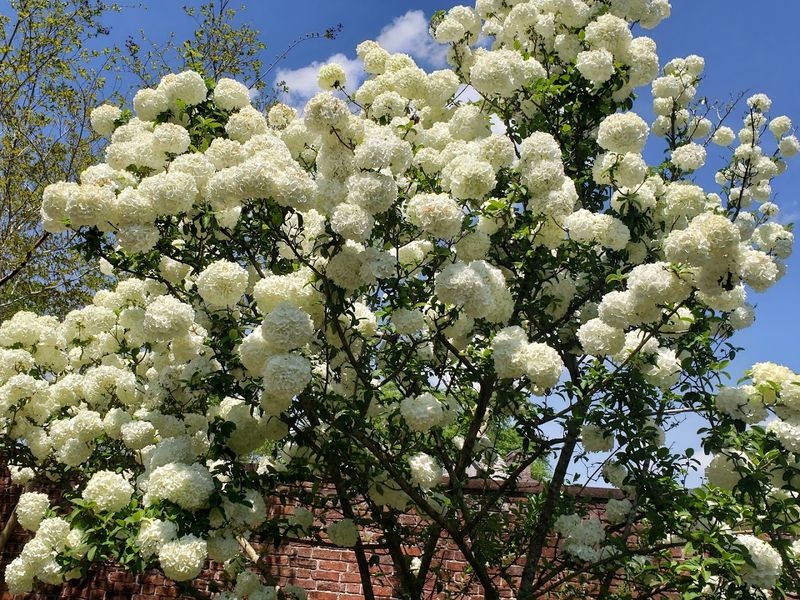
History gives Tryon Palace Gardens a different kind of hydrangea backdrop than most flower destinations.
The gardens are at 529 South Front Street, New Bern, NC 28562, where restored formal spaces, historic architecture, and seasonal plantings create a setting that feels polished without losing its warmth.
Tryon Palace’s June bloom information includes lacecap hydrangea in pink and blue, standard hydrangea in blue and pink, variegated hydrangea in white-pink, and oakleaf hydrangea. That variety makes it a strong stop for seeing multiple hydrangea forms in one historic landscape.
Blue and pink bigleaf blooms soften the formal garden lines, while lacecap flowers add a lighter, more detailed look.
Variegated hydrangeas bring interest beyond the bloom itself because the foliage adds pattern and contrast. Oakleaf hydrangeas add height, texture, and white summer flowers with a more woodland edge.
Walking these gardens in June feels like seeing color layered over history, with flowers acting as part of the story rather than simple decoration. New Bern’s summer humidity can make a slow pace essential, but that pace suits the grounds well.
Visitors who enjoy both gardens and historic settings will find this one especially satisfying because the hydrangeas sit within a much fuller cultural experience.
4. Biltmore Gardens
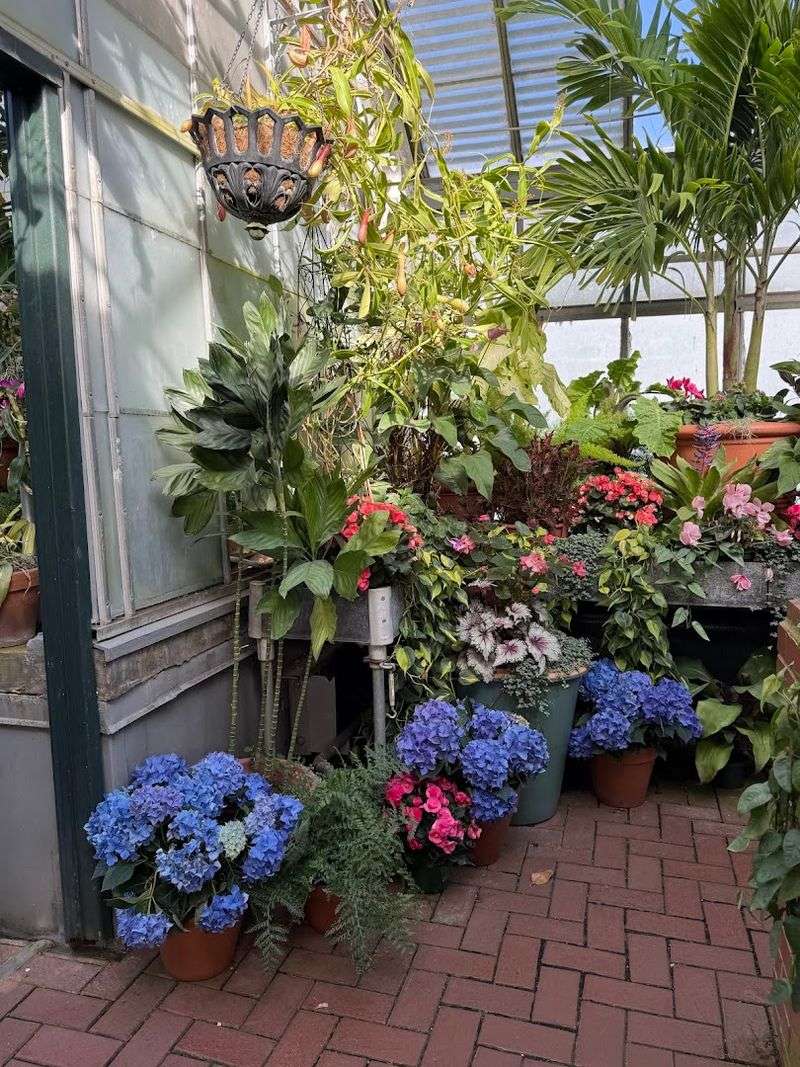
Scale makes Biltmore Gardens feel different the moment summer color starts filling the estate. The gardens are at 15 The Glen Rd, Asheville, NC 28803, and Biltmore’s June 2026 bloom report says the gardens embrace summer with lush seasonal displays that evolve throughout the month.
While the current bloom report is broad rather than a hydrangea-by-hydrangea checklist, summer visits to Biltmore are still a strong choice for gardeners who want hydrangeas as part of a larger estate-garden experience. The appeal here is not only one shrub or one path.
It is the feeling of walking through formal and informal garden spaces with the Blue Ridge Mountains nearby and the house creating a dramatic architectural backdrop. Hydrangeas feel especially at home in that setting because their rounded blooms soften stone, walls, paths, and shaded borders.
A visit can easily stretch beyond flowers into the Conservatory, Walled Garden, Shrub Garden, woodland paths, and wider grounds. Timed admission and advance planning matter during busy summer periods, but the payoff can be huge for anyone who loves grand garden scenery.
Biltmore is best framed as a full estate outing where hydrangeas add to the seasonal beauty rather than serving as the only reason to go.
5. JC Raulston Arboretum
Plant labels make JC Raulston Arboretum one of the best stops for people who want to do more than admire pretty blooms.
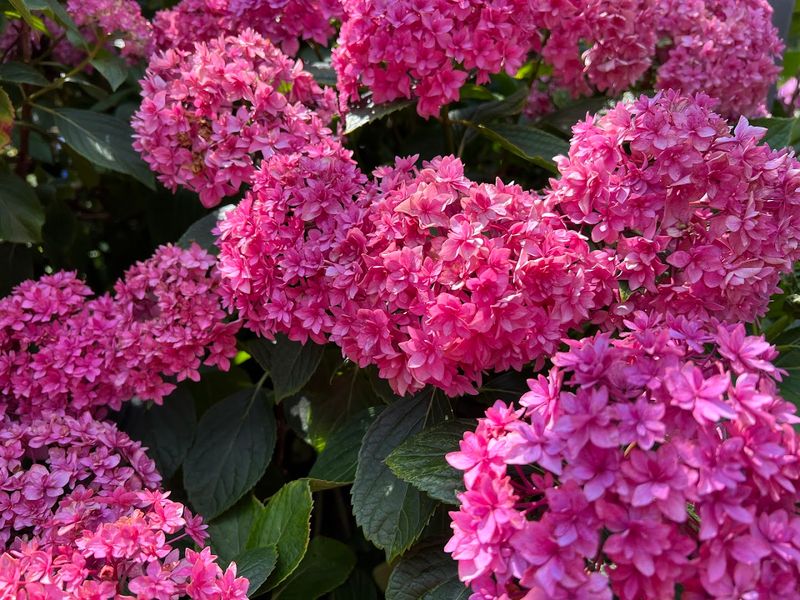
At 4415 Beryl Road, Raleigh, NC 27606, the arboretum maintains extensive living collections. Its plant database lists 15 Hydrangea serrata taxa, offering a focused look at mountain hydrangeas in an educational setting.
That matters because hydrangeas are not all the same, even when casual garden photos make them look interchangeable.
Hydrangea serrata tends to have a finer, more delicate appearance than many bigleaf hydrangeas. In a curated arboretum setting, different taxa make it easier to notice differences in flower shape, foliage, size, and growth habit.
JC Raulston also serves as a research and display garden connected with NC State University, so the experience feels especially useful for home gardeners looking for ideas that may work in central North Carolina.
Instead of a single showy hydrangea hedge, this is the place to slow down, read labels, compare plants, and learn what makes each type distinct.
Admission is free, which makes the arboretum an easy Raleigh garden stop during June. For plant people, that combination of access, variety, and botanical detail is hard to beat.
6. Cape Fear Botanical Garden
Garden layers make Cape Fear Botanical Garden a rewarding Fayetteville stop for hydrangea lovers who want more than one flower moment.
At 536 North Eastern Boulevard, Fayetteville, NC 28301, Cape Fear Botanical Garden features layered garden spaces and shaded plantings. Visitors should confirm current hydrangea displays before planning a trip specifically around those blooms.
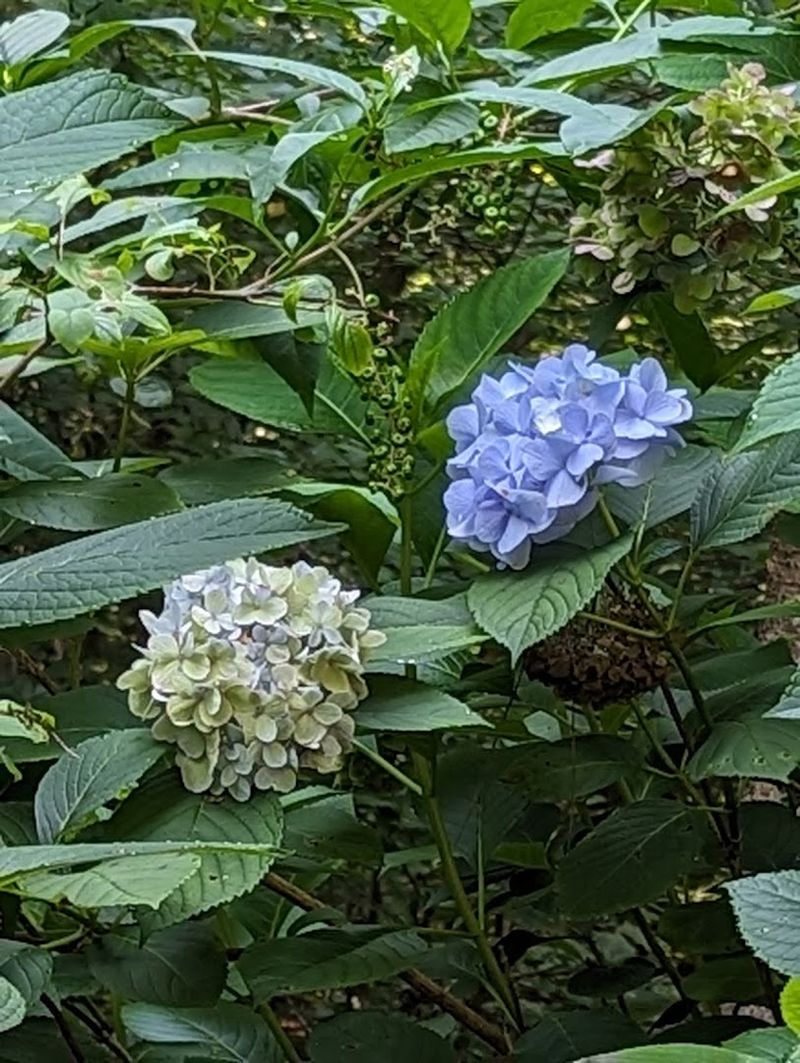
That pairing gives visitors two classic summer hydrangea personalities in one area. Mophead hydrangeas bring the rounded, full flower clusters many people love for color and softness, while oakleaf hydrangeas offer a more textured look with white panicles and distinctive lobed leaves.
The camellia garden setting adds even more interest because hydrangeas are woven into a broader planting design rather than isolated as a single display. That makes the visit feel natural and relaxed, especially for people who prefer gardens that unfold gradually.
Cape Fear Botanical Garden also includes other seasonal plantings, a children’s garden, trails, and a restored historic farmstead, so hydrangeas become part of a larger afternoon outing. Visitors can move from shaded areas to open garden spaces and enjoy a range of textures beyond the blooms.
For anyone in central or eastern North Carolina, this garden offers an accessible, family-friendly way to enjoy hydrangeas within a broader botanical setting.
7. Reynolda Gardens
Old-estate character makes Reynolda Gardens feel especially graceful during summer bloom season. The gardens are part of the historic Reynolda landscape in Winston-Salem, with Reynolda’s main visitor information listing the estate at 100 Reynolda Vlg Wy, Winston-Salem, NC 27106.
Reynolda’s official materials describe the property as a 1917 estate with American art, an heirloom landscape, boutiques, and garden experiences, which gives a hydrangea visit more context than a simple flower stop.
The appeal here comes from the way formal beds, historic structures, paths, and estate history work together.
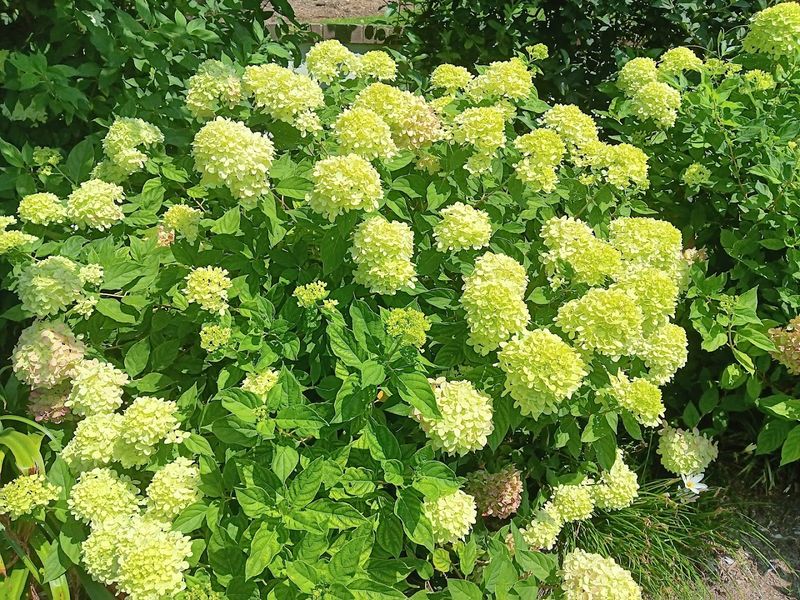
Hydrangeas feel right in this kind of setting because they bring softness and volume to garden edges without overpowering the architecture.
Summer color can make the formal spaces feel especially lush, while nearby Reynolda Village gives visitors a place to extend the outing with shops or food before or after a garden walk.
Unlike a purely botanical research garden, Reynolda feels more like a preserved living landscape tied to family, design, and local history. That atmosphere matters.
A hydrangea bloom is beautiful anywhere, but seeing it within an old estate garden gives the flower a more romantic, layered setting. For Winston-Salem visitors, Reynolda is one of the most charming places to pair summer blooms with historic scenery.
8. The Elizabethan Gardens
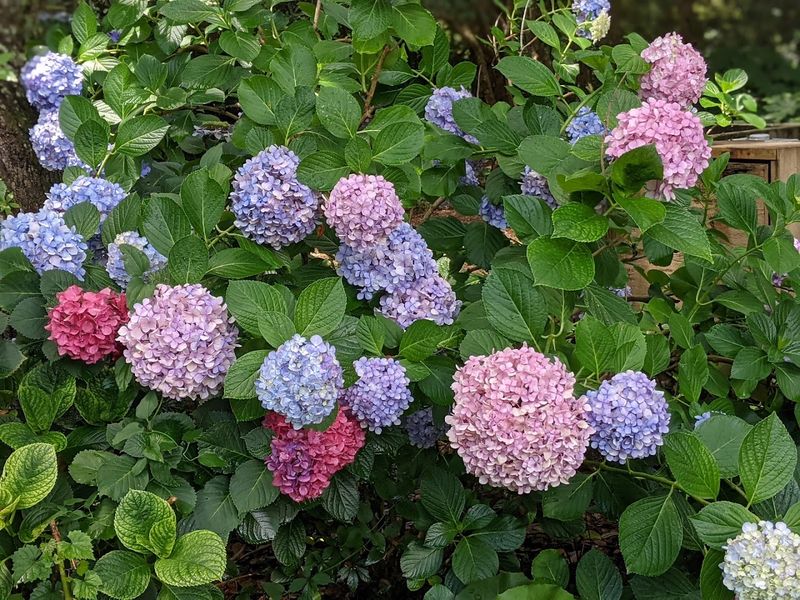
Outer Banks atmosphere gives The Elizabethan Gardens one of the most distinctive hydrangea settings in North Carolina.
The gardens are at 1411 National Park Drive, Manteo, NC 27954, and an official Outer Banks listing notes hydrangeas, conifers, and seasonal blooms among the garden’s features.
Even better for hydrangea-focused visitors, the garden map identifies hydrangea path areas, giving the flowers a named place within the grounds. That makes the stop feel especially intentional for anyone visiting during summer bloom season.
Roanoke Island’s coastal light, mature trees, shaded paths, statuary, and Renaissance-inspired design create a softer, moodier setting than many inland gardens. Hydrangeas fit that atmosphere beautifully because their rounded blooms and lacecap forms feel both lush and old-fashioned.
A walk here can feel slower and more immersive, especially when sea air and shade make the garden feel removed from beach traffic nearby. The Elizabethan Gardens also works well as an Outer Banks detour because it offers a completely different pace from sand, surf, and boardwalk energy.
Visitors can enjoy seasonal color, history, quiet paths, and a strong sense of place in one stop. For hydrangea fans heading toward Manteo, this garden deserves a place near the top of the route.
9. New Hanover County Arboretum
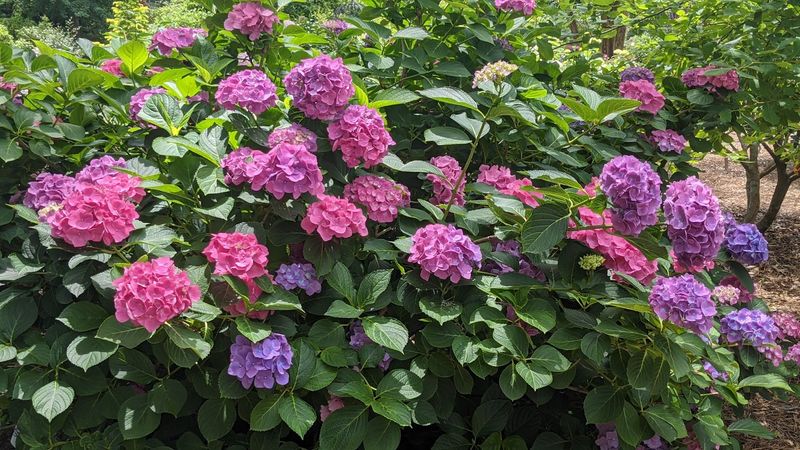
Free admission makes New Hanover County Arboretum one of Wilmington’s easiest garden additions, especially for visitors already chasing hydrangeas near the coast.
The arboretum is at 6206 Oleander Drive, Wilmington, NC 28403, and New Hanover County lists it as the home of the Arboretum and NC Cooperative Extension.
NC State’s public garden database also identifies its shade garden at that address and confirms it is open to the public.
Official hydrangea bloom details are less specific here than at Airlie Gardens. The arboretum still works well as a companion stop, offering seven acres of maintained demonstration gardens, seasonal plantings, and labeled landscapes in the same city.
Wilmington garden lovers can easily pair it with Airlie for a fuller coastal garden day. The arboretum’s value comes from being approachable, educational, and easy to explore without the pressure of a timed attraction.
Visitors can wander paved paths, study plantings, and get ideas for shade, coastal conditions, and home landscapes. For hydrangea-focused travelers, this stop works best as a broader garden experience rather than a guaranteed hydrangea showpiece.
Still, its access, location, and public-garden feel make it a useful addition to any Wilmington flower outing.
10. Sarah P. Duke Gardens
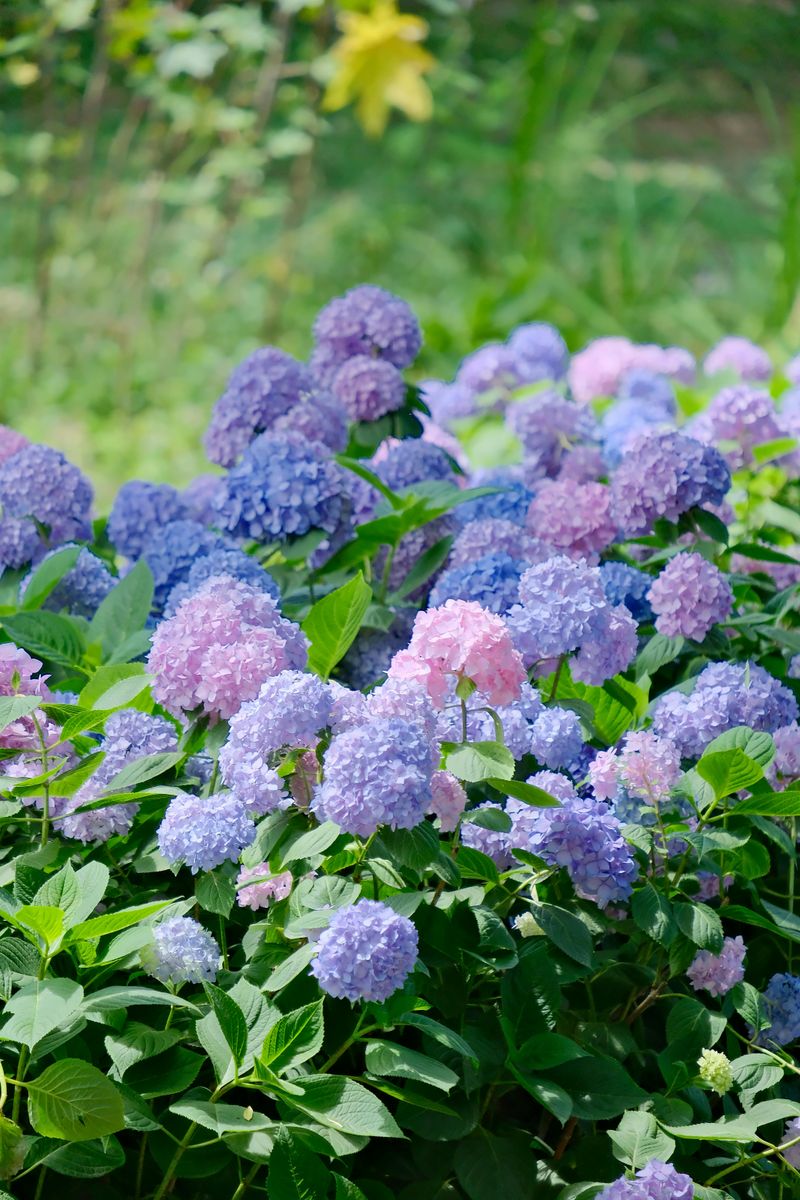
Durham turns June hydrangeas into a polished garden walk at Sarah P. Duke Gardens.
The garden is at 420 Anderson Street, Durham, NC 27705, and Discover Durham describes it as a 55-acre botanical garden with free admission and daily grounds access.
Duke Gardens notes June as peak hydrangea season, including bigleaf hydrangea in the Culberson Asiatic Arboretum. That makes it one of the strongest Triangle-area choices for a hydrangea-focused visit.
Bigleaf hydrangeas bring the familiar rounded clusters and rich summer color that make the season feel so photogenic. The garden’s broader layout adds even more appeal because hydrangeas can be folded into a walk through terraces, shaded paths, water features, and carefully layered plantings.
Visitors can keep the outing casual or turn it into a more intentional plant-spotting trip, especially if they enjoy comparing garden rooms and how different plantings shift across sun and shade.
Parking can be the main planning issue, so checking visitor guidance before leaving helps keep the day smoother.
Once inside, the garden rewards patience. Hydrangeas are only one part of the experience, but in June they can become the floral headline that makes the whole Durham stop feel perfectly timed.