The Mysterious Bridge In North Carolina You Shouldn’t Visit After Dark
Ghost stories become extra rude when they do not bother hiding in the woods.
One minute, a road looks completely ordinary.
Then the legend catches up, and suddenly every shadow under the bridge starts acting employed.
Along a busy stretch in North Carolina, this quiet underpass has the kind of reputation people explain with a nervous laugh before quickly adding, “I mean, I’m not saying I believe it.”
Sure. Totally convincing. For decades, locals have passed around the story of a mysterious figure near the road, and the tale has only gotten stranger with age.
Daylight makes the spot look simple enough, but after dark, the whole mood changes fast.
Even skeptics may find themselves sitting a little straighter, locking the doors for no reason, and deciding some legends are best enjoyed from a moving vehicle.
A Haunted Bridge Legend With A Century Of Local Whispers
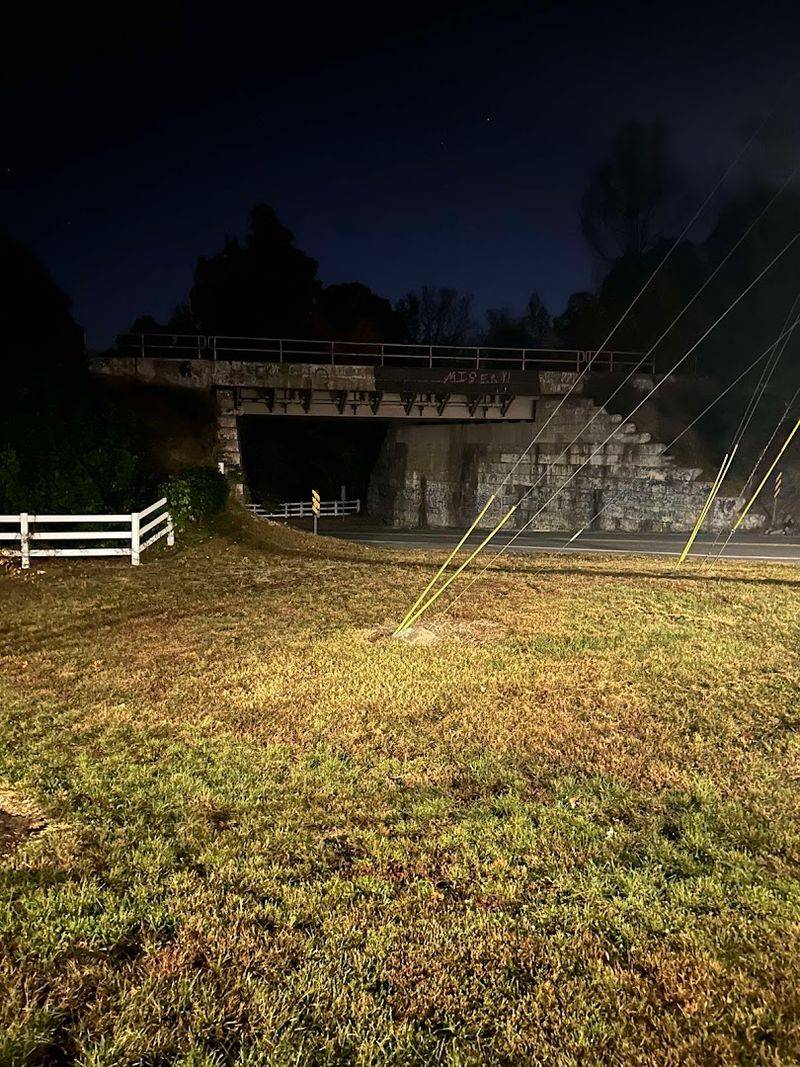
Local folklore gives Lydia’s Bridge its pull, but the setting keeps the story from feeling like a made-up attraction.
The bridge is tied to East Main Street in Jamestown, where Visit North Carolina lists Lydia’s Bridge at 430 E Main Street and describes it as a roadside stop connected to one of the state’s most familiar ghost stories.
The legend has circulated for decades, usually centered on a young woman who appears near the road and accepts help before vanishing.
What makes the story linger is not only the supernatural claim, but the way it has stayed attached to a specific bridge, a specific town, and a specific roadside atmosphere.
This is not a polished haunted house with actors, props, and timed tickets. It is a quiet place where folklore, local memory, and passing traffic overlap in a way that feels oddly believable even to skeptics.
The story works because it has a sorrowful tone beneath the mystery. Visitors should approach it with that in mind, especially because local researchers have connected the legend to a real woman’s story from the early 20th century.
Lydia’s Bridge is spooky, but it is also a reminder that folklore often grows around places where communities are still trying to explain what they remember.
Jamestown Gives The Story Its Quiet Roadside Setting
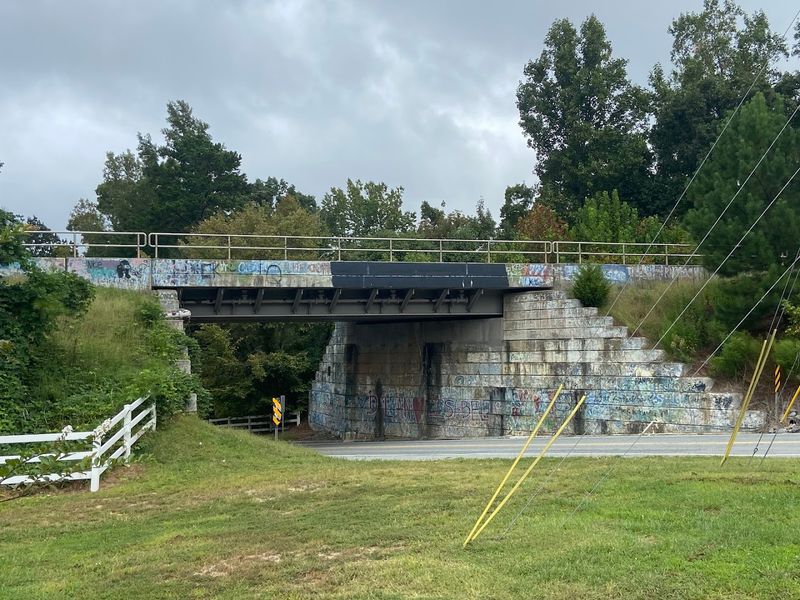
Small-town surroundings make Lydia’s Bridge feel stranger because the area can look so ordinary by daylight.
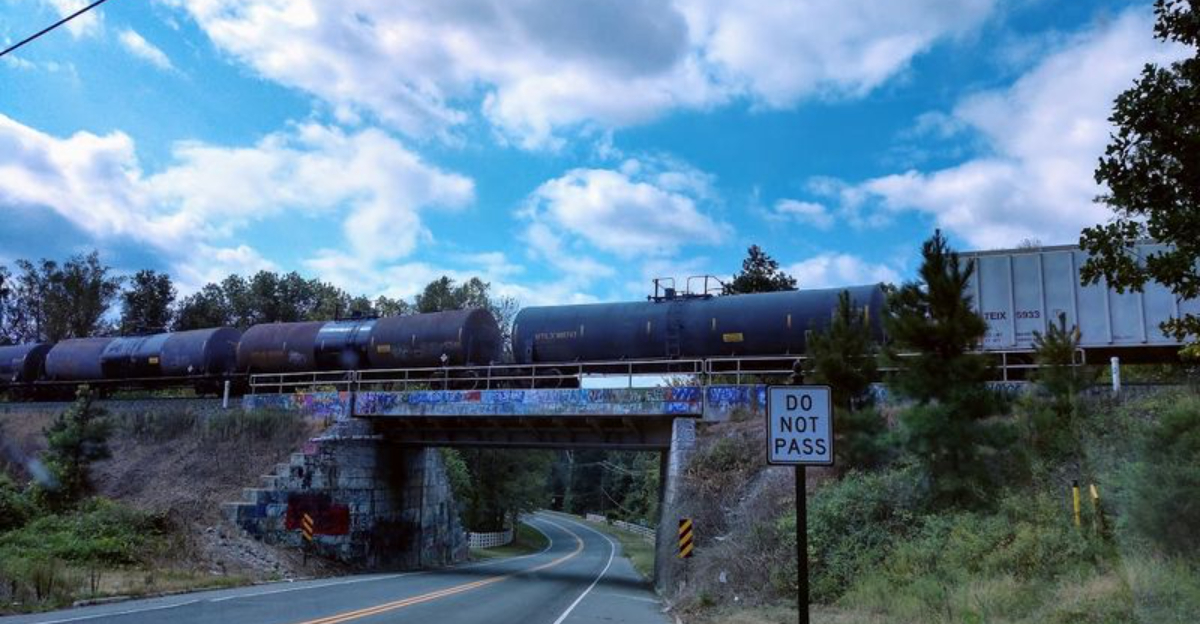
Jamestown sits in Guilford County, and NCpedia places the legend around the underpasses of two bridges near East Main Street: an active railroad bridge over the road and an abandoned nearby bridge.
That geography matters because first-time visitors often expect one obvious cinematic landmark, then find a more complicated roadside scene instead. Cars pass, businesses sit nearby, and the bridge area does not announce itself with dramatic theatrical flair.
The ordinary setting is part of the reason the legend feels so persistent. During the day, it can seem like a curious folklore stop.
After dark, the same underpass, shadows, traffic sounds, and isolation can feel much less inviting. That does not mean visitors should test the legend at night.
Visit North Carolina specifically cautions that the area can be desolate and potentially hazardous after dark, so daylight is the smarter choice for anyone interested in the history.
Jamestown shapes the story’s atmosphere not through a staged backdrop, but because the landmark stands in a living town. The tale has been repeated there for so long that it has become part of the local identity.
The Lady In White Makes This More Than A Regular Underpass
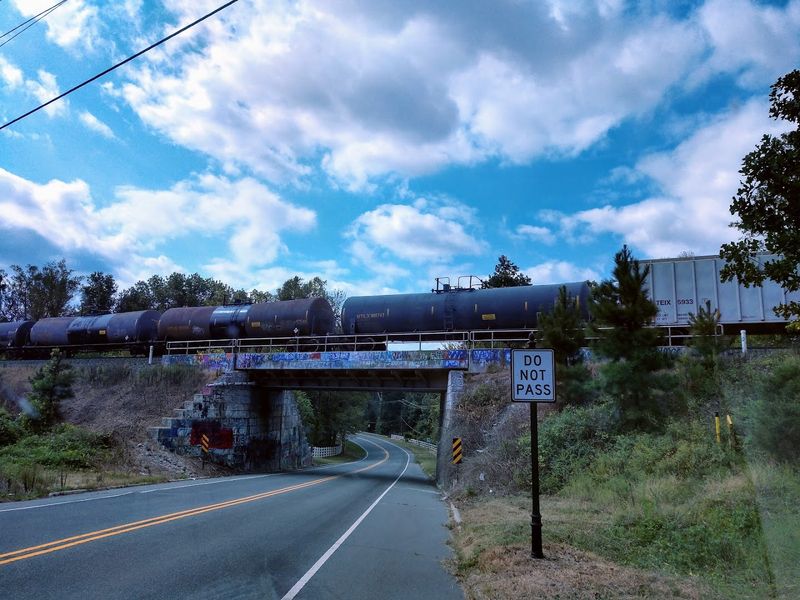
Lydia’s story belongs to the familiar “vanishing hitchhiker” tradition, but the Jamestown version has enough local detail to feel distinct. The William G.
Pomeroy Foundation marker says an apparition of a young woman has been seen hitchhiking at the site since the 1920s, only to disappear when drivers come to her aid.
Visit North Carolina’s version describes Lydia as a young woman connected to a rainy-night crash, while NCpedia notes that the spirit is believed to haunt bridge underpasses near East Main Street.
In many retellings, she wears white, appears wet from the rain, asks for help, and gives an address before vanishing. Those details are exactly what make the tale memorable.
A nameless shape by the road would be easier to forget, but a young woman trying to get home gives the story a human center. The white dress, roadside setting, and sudden disappearance turn a simple underpass into a place people talk about for generations.
It is important, though, not to present every part of the story as confirmed fact. The sighting claims belong to folklore, while the marker documents the legend’s long public life.
That distinction makes the story more interesting because it lets readers appreciate the mystery without overstating proof.
Rainy Nights Give The Legend Its Spookiest Detail
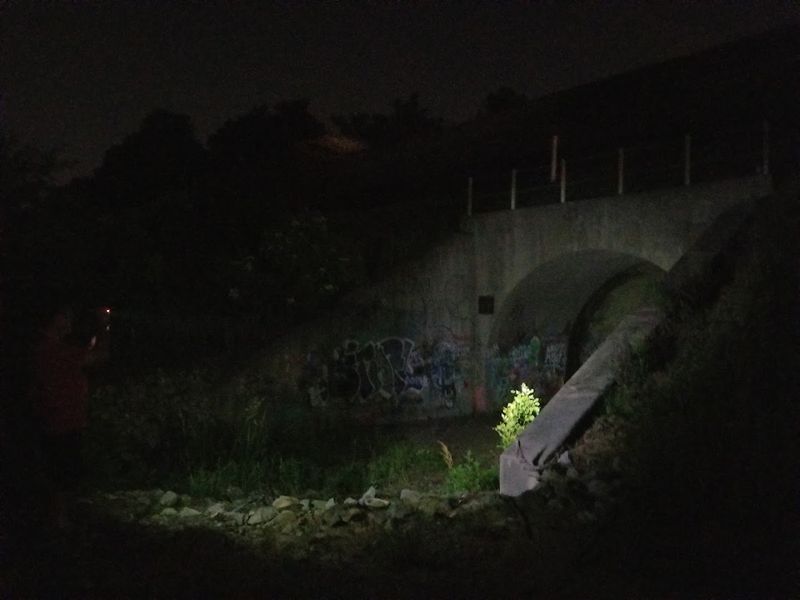
Rain gives the Lydia’s Bridge story its strongest mood, which is why so many retellings place the encounter during stormy weather.
Visit North Carolina says that visiting at night, especially during inclement weather, is believed to increase the chances of an encounter. The same guidance also warns visitors to use caution, since the area can be desolate and potentially hazardous after dark.
That caution should stay front and center. Rainy pavement, low visibility, traffic, and uneven roadside areas are practical reasons to avoid turning the legend into a late-night dare.
Still, as a storytelling detail, the rain matters. It explains why Lydia is often described as wet, why a driver would stop to help, and why the whole scene feels urgent rather than random.
Weather makes the story sensory. People can hear the tires on wet road, see the shine of headlights, and feel the chill of someone standing alone near a bridge.
That is why the rainy-night detail survives so well. It gives the legend a setting people can feel, not just imagine.
For an article, the better angle is not to encourage readers to go at night, but to explain why the legend sounds darker after sunset and why daylight remains the safer way to visit.
The Vanishing Hitchhiker Story Has Deep Folklore Roots
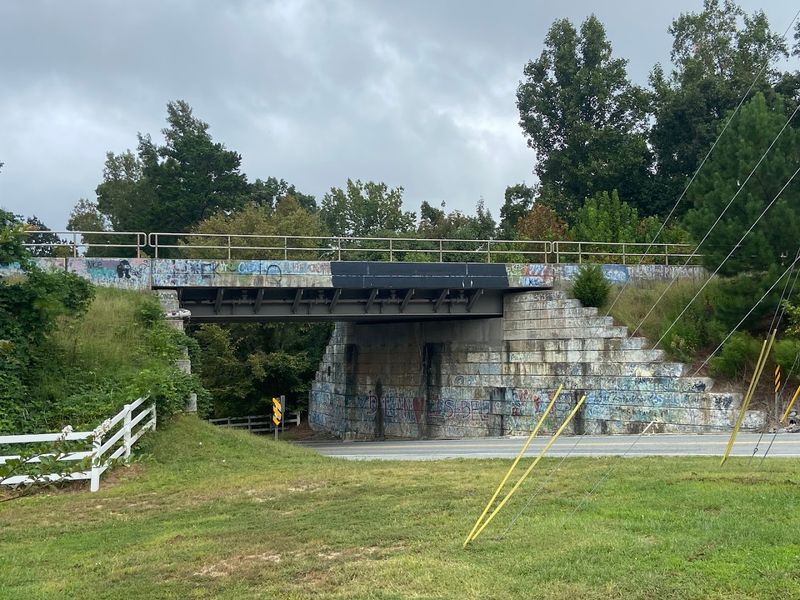
Folklore gives Lydia’s Bridge a wider meaning beyond one North Carolina roadside. NCpedia describes Lydia’s tale as one of the state’s supernatural stories and connects it to Jamestown’s bridge underpasses, while the Pomeroy marker identifies the site under its Legends & Lore program.
That matters because Lydia’s story fits a larger pattern found in many places: a traveler sees a person in distress, offers a ride, and later learns the passenger could not have been an ordinary living hitchhiker.
What makes Jamestown’s version stand out is the level of place-specific detail attached to it.
The story has a named figure, a named bridge, a historic marker, and decades of local repetition. Many vanishing-hitchhiker tales remain vague enough to drift between highways, but Lydia stayed rooted to East Main Street.
That rootedness is why researchers, writers, and visitors continue returning to it. The bridge gives the story a physical anchor, and the town gives it a community memory.
Even people who do not believe in apparitions can appreciate how folklore works here. A local event, a roadside setting, a memorable bridge, and repeated storytelling gradually created a legend that feels larger than the facts alone.
Lydia’s Bridge survives because people keep retelling it in a way that makes the place feel charged with meaning.
Annie L. Jackson May Be The Real Story Behind Lydia
Historical research gives the Lydia legend a more serious layer. WRAL reported that researchers Michael Renegar and Amy Greer connected the story to Annie L.
Jackson, a real woman involved in a 1920 crash near the bridge area, based on newspaper research discussed in their work on the legend.
Visit North Carolina also notes that newer research has identified the “real Lydia” as Annie L. Jackson, placing the legend in the context of a specific local history. The same coverage frames the folklore as part of a broader tragic story rooted in the area.
Annie’s story should not be treated as entertainment fuel only. It gives the legend emotional weight and explains why the site has drawn more than casual ghost-story interest.
The possible connection turns the bridge from a spooky roadside stop into a place where local memory, family history, traffic history, and folklore meet.
The details have been reshaped through decades of retelling, as happens with urban legends, but the research gives readers a reason to take the story seriously as cultural history.
Visitors who stop by should remember that behind the nickname “Lydia” may be a real person whose story was absorbed into legend. That makes respectful daylight visiting, quiet curiosity, and accurate storytelling much better than thrill-seeking.
The Original Bridge Is Not The One Most Drivers Notice First
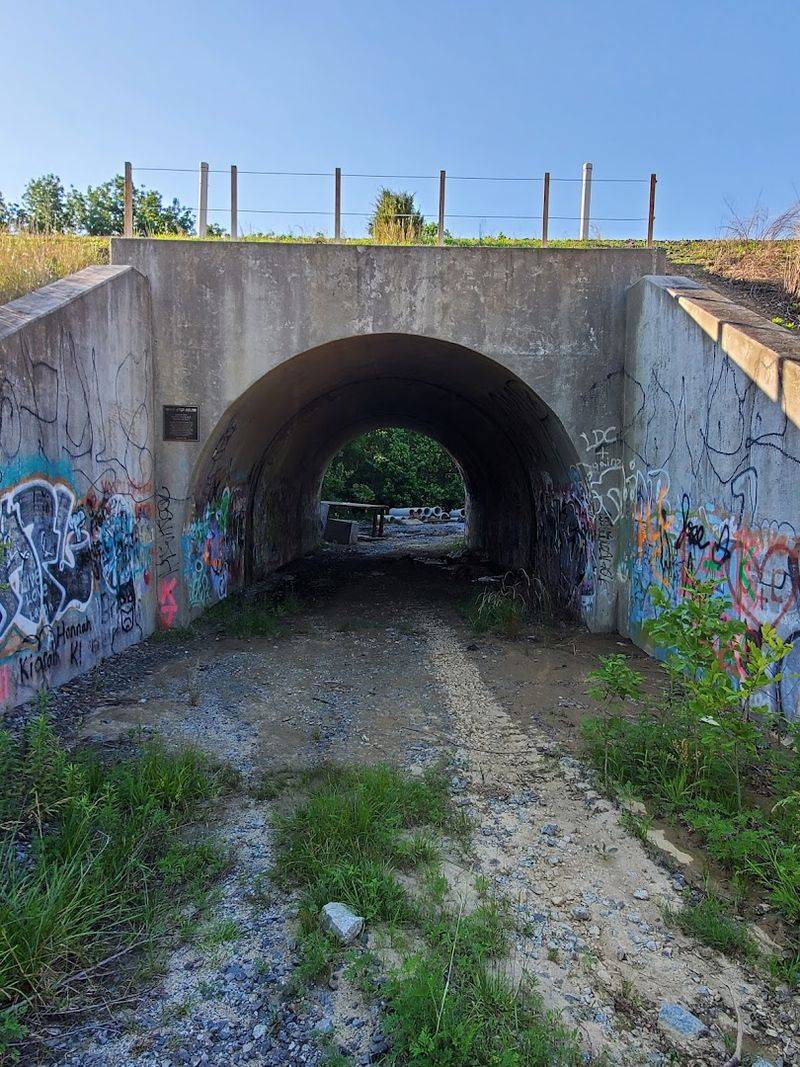
Bridge geography can confuse visitors, and understanding it makes the story clearer. NCpedia explains that Lydia is said to haunt the underpasses of two bridges near East Main Street: an active railroad bridge over the road and an abandoned nearby bridge.
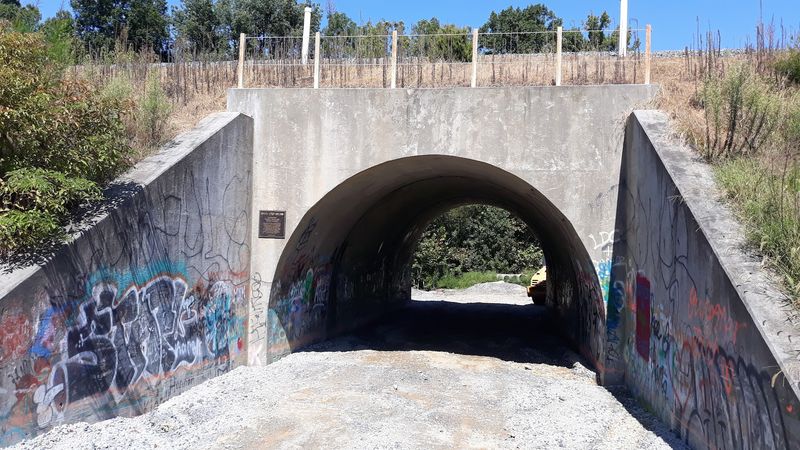
WRAL reported that the original Lydia’s Bridge was built in 1916, later abandoned after a newer bridge was created nearby, and eventually became hidden by overgrowth for years.
That means the most obvious road feature may not be the exact piece of infrastructure that carries the strongest folklore association.
The older structure and its underpass atmosphere are what many people connect most closely with the legend. This distinction matters because the site can look less dramatic than visitors expect if they arrive without background.
Folklore often depends on precise geography, and Lydia’s Bridge is a perfect example. Where headlights once hit, where the old road ran, where the abandoned bridge sat, and how the route later changed all affect how people understand the sightings.
Some modern visitors may be looking at the general landmark area rather than the exact historical configuration from earlier decades. That does not weaken the legend.
It actually makes it more interesting, because the landscape itself has changed while the story kept circulating.
Graffiti And Overgrowth Add To The Eerie Roadside Mood
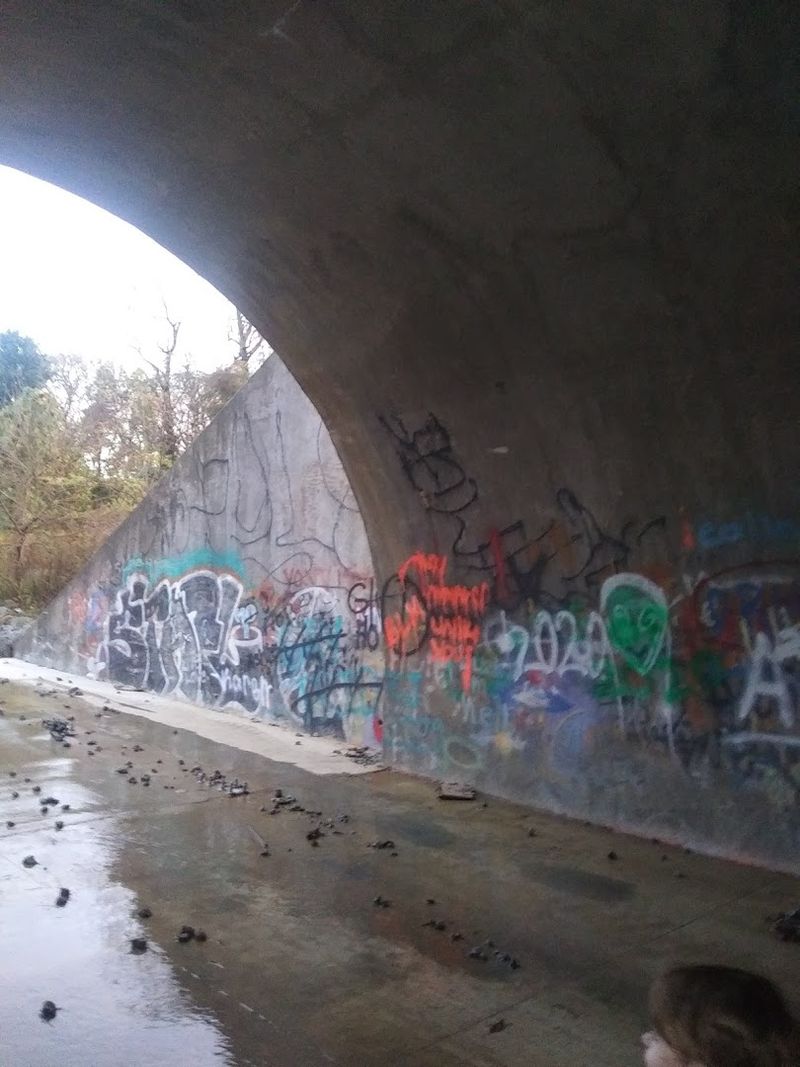
Recent preservation efforts have made Lydia’s Bridge easier to recognize as a folklore landmark, but the site still keeps a rough roadside atmosphere. The William G.
Pomeroy Foundation lists a 2023 Legends & Lore marker at 430 E Main Street, installed through Carolina Haints, Inc., and the inscription documents the long-running hitchhiker apparition story.
WRAL also reported that the original bridge had been hidden by overgrowth for decades before restoration plans brought new attention to the site.
Those changes matter because they move Lydia’s Bridge from half-hidden local legend toward a marked piece of North Carolina folklore. At the same time, the underpass setting, graffiti, traffic nearby, and older stonework keep the place from feeling overly polished.
It still has the uneasy quality people expect from a haunted-roadside story, especially because it is not isolated inside a museum or visitor center. That mix of recognition and roughness is part of the appeal.
The marker tells visitors the story has cultural value, while the bridge itself still feels like a place shaped by weather, cars, vines, and decades of rumor. Anyone visiting should stay on safe public areas, avoid blocking roads, respect posted signs, and skip nighttime exploring.
Lydia’s Bridge is most interesting when treated as folklore history, not a challenge.