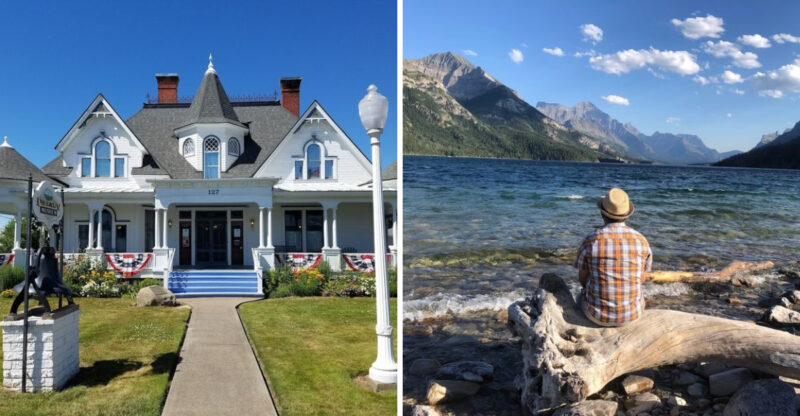
10 Minnesota Small Towns Where You Can Slow Down Without Spending Big
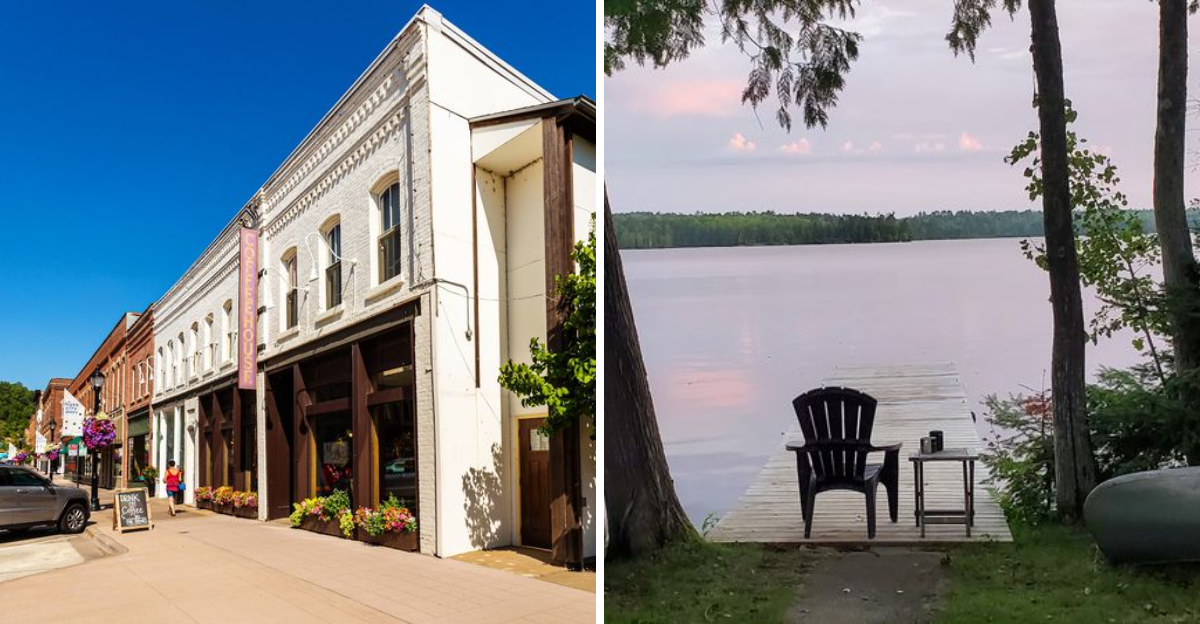
Some of the best trips I have ever taken started with absolutely no plan and ended somewhere I never expected to love as much as I did.
A random exit off the highway, a coffee shop someone mentioned once, a main street that turned out to be worth an entire afternoon.
Minnesota has this quiet superpower that not enough people talk about.
Its small towns pull you in with genuinely good food, honest charm, and scenery that has a way of making you put your phone down without anyone asking you to.
The best part is that none of it requires a big budget, a long drive, or a carefully researched itinerary.
Some of the most satisfying weekends I have spent in this state cost almost nothing and delivered everything.
These towns are proof that slowing down is not just good for your soul. It is also, as it turns out, one of the smartest and most rewarding things you can do with a free weekend and a full tank of gas.
1. Stillwater
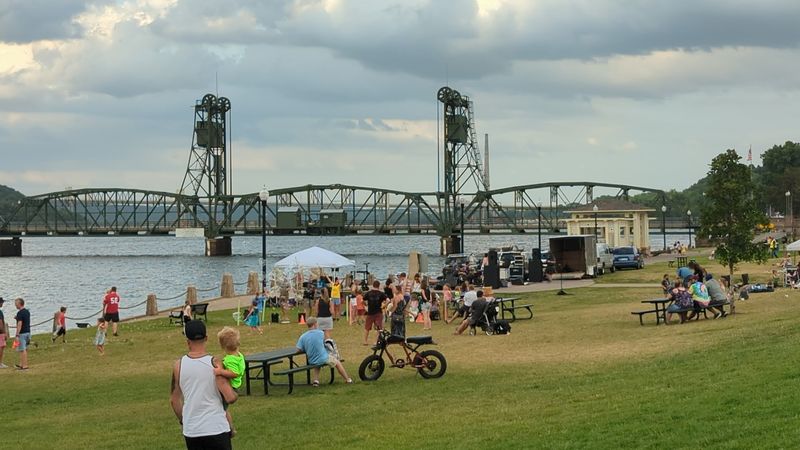
Stillwater sits along the St. Croix River like it has been waiting for you to show up and stay awhile.
The downtown strip is lined with red brick buildings that date back to the 1800s, and somehow it all still feels lived-in rather than preserved behind glass.
Bookstores, coffee shops, and boutiques fill those old walls without charging city prices.
I wandered in on a Tuesday morning and found a used bookstore with creaky floors and a cat sleeping on a stack of paperbacks. That alone made the trip worth it.
The bluffs above the river give you views that feel genuinely earned when you hike up to them.
Stillwater was once the lumber capital of Minnesota, and that history shows in the architecture. The Lift Bridge connecting it to Wisconsin is a real landmark and completely free to walk across.
Budget-friendly diners and bakeries are easy to find, and the farmers market runs on Saturdays through the warmer months. You can spend a full day here without spending much at all, which is honestly the best kind of day.
2. Lanesboro
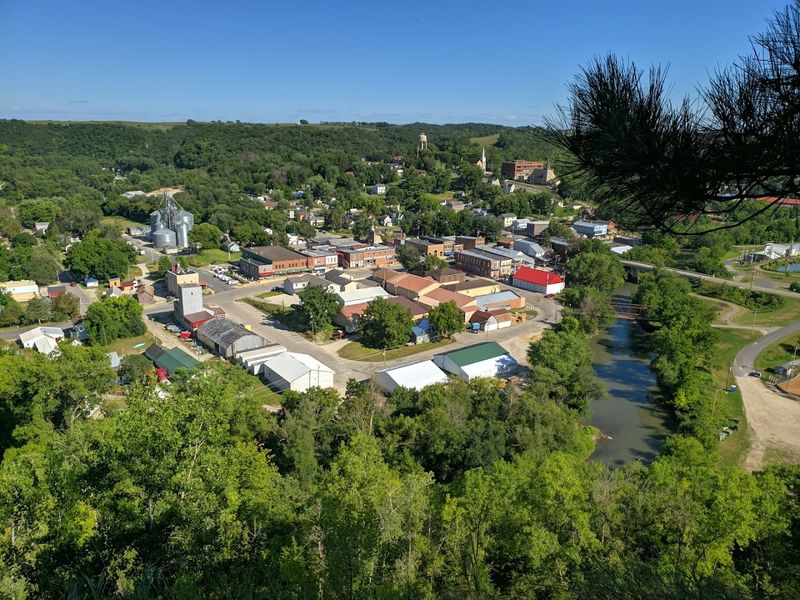
Lanesboro is the kind of place that makes you wonder why you ever pay for a gym membership.
The Root River State Trail runs right through town, offering over forty miles of paved trail through bluffs and valleys that look like someone painted them specifically for postcards.
Renting a bike here costs less than a movie ticket.
The town itself has maybe nine hundred people, which means traffic is not a thing you will ever worry about. What it lacks in size it makes up for in personality.
There is a genuine arts scene here, with a professional theater company that has been running for decades and puts on surprisingly polished productions.
Farmers market finds, local bakeries, and a main street with real character make Lanesboro feel like a reward rather than a compromise.
The campgrounds along the river are affordable and scenic, and the fishing is excellent if that is your thing. I once ate the best cinnamon roll of my life at a tiny shop here and still think about it.
Lanesboro does not try to impress you. It just does, quietly and without any fuss.
3. Grand Marais
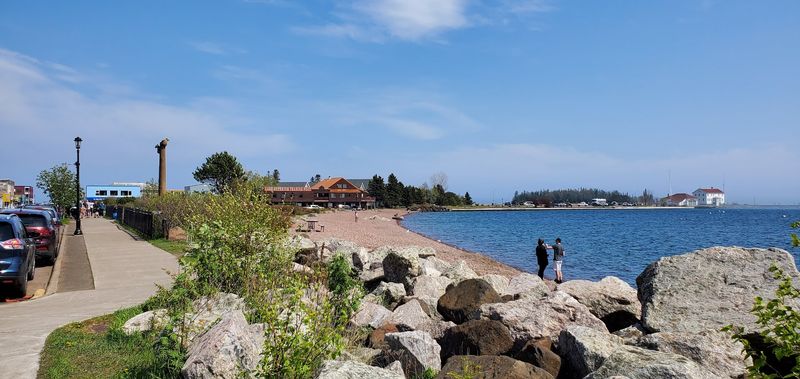
Standing at the edge of Lake Superior in Grand Marais feels like the world just got bigger and quieter at the same time.
The harbor is small but genuinely beautiful, with fishing boats bobbing and the Sawtooth Mountains sitting behind town like a painted backdrop.
This is the last real town before the Boundary Waters Canoe Area, and it carries that edge-of-the-wilderness energy seriously well.
Grand Marais has a strong arts community, a beloved folk school, and coffee shops where the locals actually talk to strangers.
The North House Folk School offers affordable workshops in traditional crafts year-round, and just walking around the campus is worth the trip. Free hiking trails start practically from the center of town.
Camping at Judge C.R. Magney State Park or Artist Point is affordable and staggeringly scenic.
The town has a co-op grocery, a handful of restaurants with reasonable prices, and galleries that let you browse without pressure.
I watched a sunrise over the lake from Artist Point and understood immediately why people move here and never leave. Grand Marais earns every good thing said about it, and it charges you almost nothing for the best parts.
4. Lindström
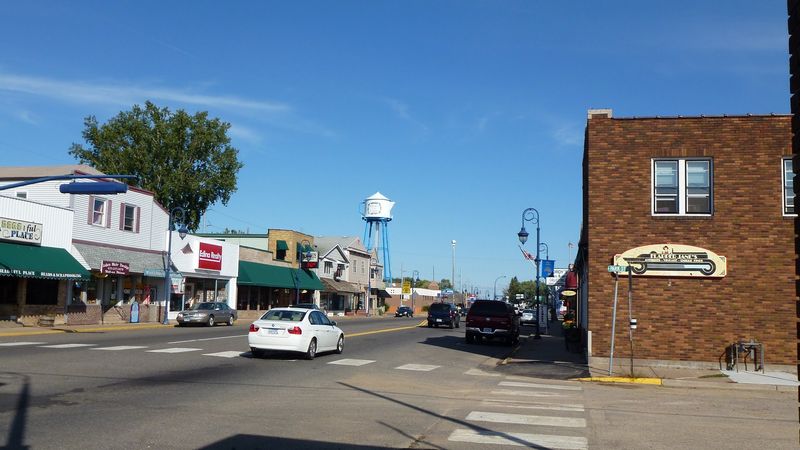
Lindström has a giant decorative coffee pot as its water tower, and honestly that tells you everything you need to know about the town’s sense of humor and self-awareness.
This small city in Chisago County proudly calls itself the Swedish Capital of the USA, and it backs that claim up with Swedish architecture, street signs in Swedish, and a Midsommar festival that draws crowds every June.
The downtown is walkable and genuinely charming. Swedish bakeries sell cardamom rolls and pastries that taste like they were made by someone who actually cares, which is a refreshing change from chain bakery mediocrity.
Local shops carry Scandinavian goods without the markup you would find in a city boutique.
Chi-Chi Park on the shores of South Lindström Lake is free to visit and makes for a lovely afternoon picnic spot. The nearby chain of lakes offers fishing, kayaking, and peaceful walks without any entrance fees.
Lindström is only about an hour from Minneapolis, making it one of the easiest budget escapes in the state.
The town feels genuinely proud of its roots, and spending time here feels like a small cultural adventure that costs almost nothing beyond snacks.
5. New Ulm
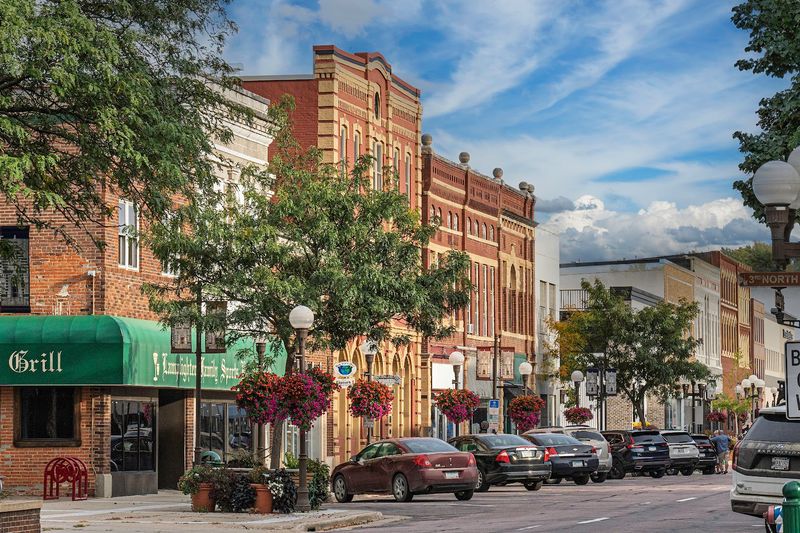
New Ulm is the most German city in Minnesota, and it commits to that identity with an enthusiasm that is genuinely contagious.
The Glockenspiel in the center of town performs three times a day, with animated figures that pop out and do their thing while a crowd gathers below. It is free, it is charming, and it is absolutely worth timing your visit around.
The Hermann Monument sits on a hilltop at the edge of town and offers a panoramic view of the Minnesota River Valley that would cost you a lot more to see anywhere else.
Herman the German, as locals call the statue, has been watching over the town since 1897. The climb up is short and the view is long.
New Ulm’s Schell’s Brewery has been operating since 1860 and offers tours for a small fee, making it one of the oldest family-owned breweries in the country.
The town also has a strong music culture, with local bands and events throughout the year. Bakeries, German delis, and family-run restaurants keep the food scene honest and affordable.
New Ulm is the rare town where history, culture, and a good meal all show up together without a premium price tag.
6. Red Wing
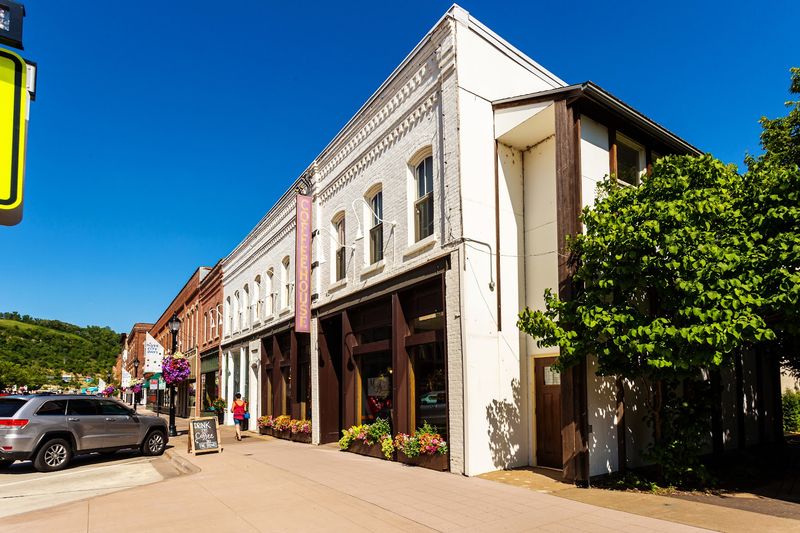
This town has one of those downtowns that makes you slow your car down involuntarily.
Barn Bluff rises dramatically behind the city, and the Mississippi River rolls past the front of it, and somehow a small town of about sixteen thousand people managed to plant itself in the middle of all that scenery and make it look effortless.
The view from the top of Barn Bluff is free and absolutely worth the hike.
The historic Sheldon Theatre is one of the oldest municipally owned performing arts venues in the country, and it still puts on affordable shows throughout the year.
Red Wing is also famous for its pottery and its boots, both of which have been made here for well over a century. The Red Wing Shoe Museum is free to enter and surprisingly interesting.
Downtown has excellent coffee shops, a solid bookstore, and restaurants that feel local rather than corporate. The Pottery District just outside the main drag is a good browse even if you are not buying.
I grabbed a sandwich from a deli near the river and ate it on a bench overlooking the water, and it was one of those simple moments that sticks with you. Red Wing delivers a full day without emptying your wallet.
7. Excelsior
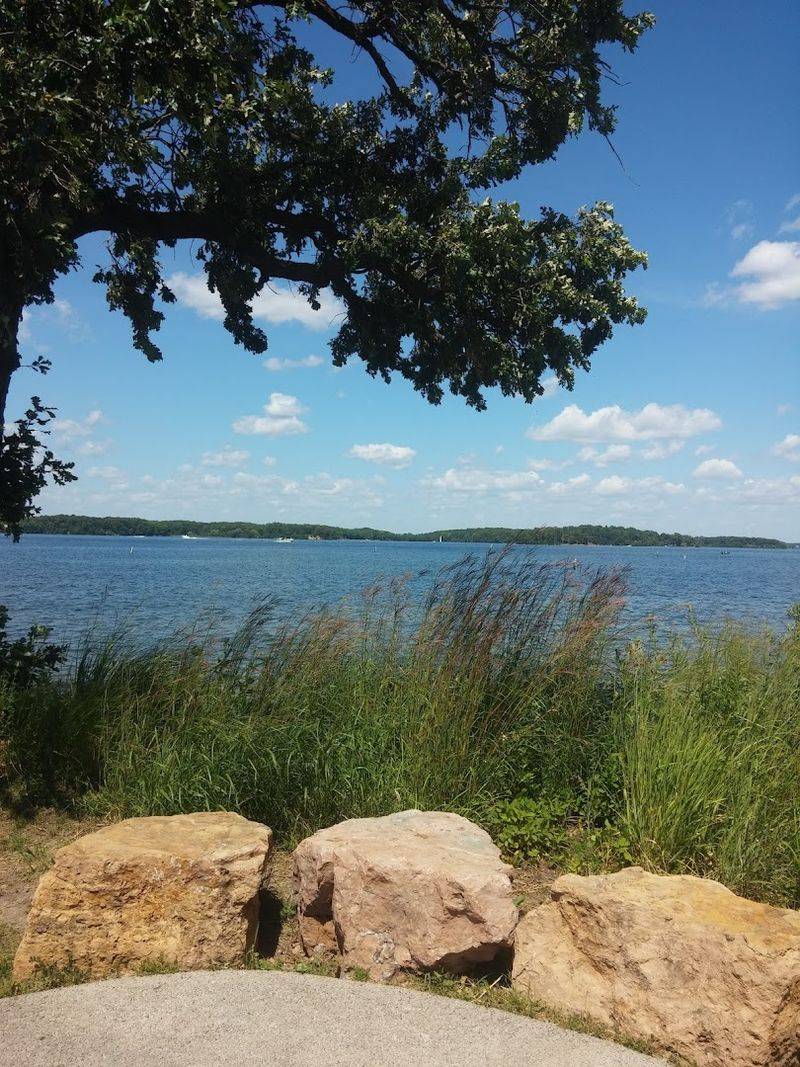
It sits on the southern shore of Lake Minnetonka and manages to feel like a resort town without the resort town attitude or prices.
The main street is short, sweet, and full of independent shops and restaurants that have real personality. On a warm afternoon, the whole place hums with a relaxed energy that is hard to find this close to a major metro area.
The lake is the obvious star. Free public access points let you sit by the water, watch boats go by, or launch a kayak without spending anything significant.
The Excelsior Commons is a lovely waterfront park where families spread out on the grass and nobody seems to be in a hurry. Summer concerts happen here regularly and are free to attend.
Excelsior is only about twenty miles from Minneapolis, which makes it the easiest possible escape when the city feels like too much.
The Old Excelsior Amusement Park is long gone, but the nostalgia for it still floats around town in stories and old photographs.
Ice cream shops, lakeside benches, and a genuinely friendly small-town feel make this one of the most accessible slow-down destinations in Minnesota. You do not need a full weekend here.
An afternoon is enough to feel recharged.
8. Wabasha
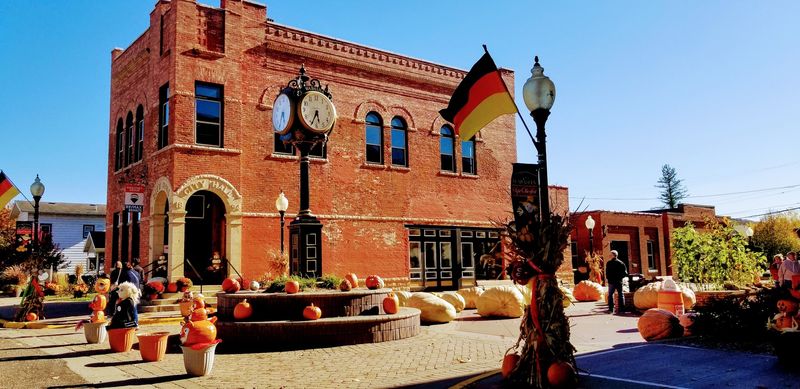
This is a town where bald eagles are so common that locals barely look up anymore.
Sitting along the Mississippi River at the base of dramatic limestone bluffs, Wabasha is one of the best places in the country to spot bald eagles in the wild, especially during winter months when they gather near the open water.
The National Eagle Center downtown is affordable, educational, and genuinely moving.
The Anderson House Hotel has been operating since 1856, making it the oldest continuously operating hotel in Minnesota.
You do not have to stay there to appreciate the history, but the rates are reasonable and the building is worth seeing. The town itself has a quiet, unhurried pace that feels like a deliberate choice rather than an accident.
Wabasha has a strong outdoor scene with access to hiking, fishing, and birdwatching right from the center of town.
The YMCA Camp Manitou just outside town offers seasonal programming, and the Great River Road runs directly through, making it an easy stop on a longer scenic drive.
Small restaurants and a local bakery keep the food options honest and filling. Wabasha rewards slow travelers who want scenery, history, and wildlife without burning through their budget before lunch.
9. Northfield
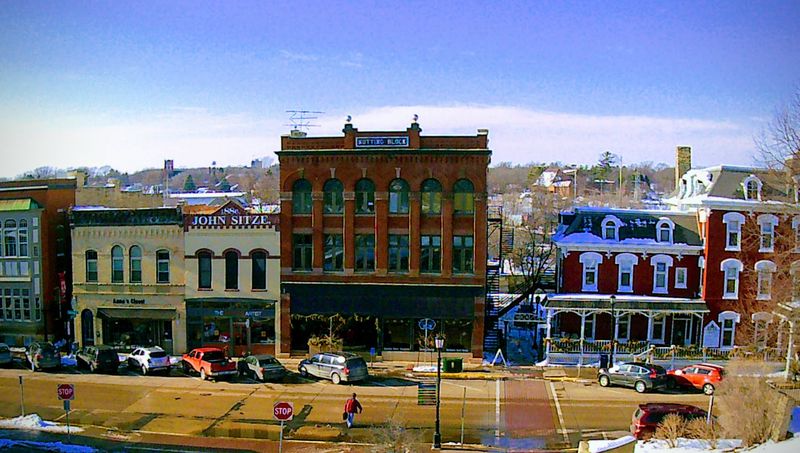
A college town with two colleges, which means the coffee is always good and there is almost always something interesting happening somewhere on a Tuesday in Northfield.
Carleton College and St. Olaf College both sit here, giving the town an intellectual energy that punches well above its weight for a city of around twenty thousand people.
The campuses are free to walk through and genuinely beautiful.
The Cannon River runs through town and offers great trails for walking and biking that connect to a longer regional trail system.
Riverside Lions Park is a free and lovely spot for a picnic or an afternoon of doing absolutely nothing productive. The river itself is calm and pretty, especially in fall when the trees do their thing.
Northfield is also famous for the 1876 raid by the Jesse James gang, which the town has turned into a genuinely fun annual festival every September.
The Northfield Historical Society Museum tells the story well and costs very little to visit.
Downtown has independent bookstores, a co-op market, and cafes where you can sit for an hour without anyone making you feel guilty about it.
Northfield is the kind of town that makes you want to enroll in something, even if you graduated years ago.
10. Ely
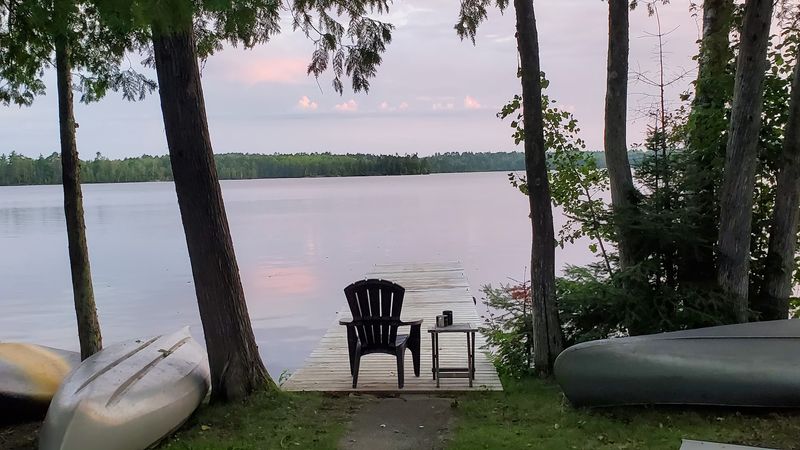
Ely is the gateway to the Boundary Waters Canoe Area Wilderness, and even if you never paddle a single stroke, being in this town makes you feel like you are at the edge of something wild and important.
The main street is lined with outfitters, local restaurants, and shops that sell things people actually use rather than just collect. The whole town smells faintly like pine and lake water, which is not a complaint.
The International Wolf Center and the North American Bear Center are both here and both worth visiting for a modest fee. They are not zoos.
They are research and education facilities that happen to let you get very close to animals you would never otherwise see in person.
I watched a wolf pace along a ridge through a viewing window and felt genuinely small in the best possible way.
Camping in the surrounding Superior National Forest is affordable and stunning. Free hiking trails start close to town and lead into landscapes that look untouched because, mostly, they are.
Ely has a strong local food scene for its size, with restaurants serving hearty meals at prices that reflect the town rather than the tourism.
If you want to feel genuinely far from everything without actually driving forever, Ely is your answer.