This Relaxing Train Ride Through Nebraska Might Be The Easiest Way To See The State
Train windows do something road trips cannot. They let the scenery move while everyone else stays comfortable.
A relaxing ride like this lets Nebraska unfold slowly without asking travelers to do much more than look up.
That is the easy magic of it.
The route turns plains, small towns, and long quiet stretches into a moving postcard with better legroom.
You can read for a while. Watch the horizon. Sip coffee. Lose track of the exact county line.
Then look outside again and realize the state has been showing off in a quieter way than expected.
Some trips make people work for the view. This one lets the view come to them.
Omaha Starts The Nebraska Stretch With City Energy
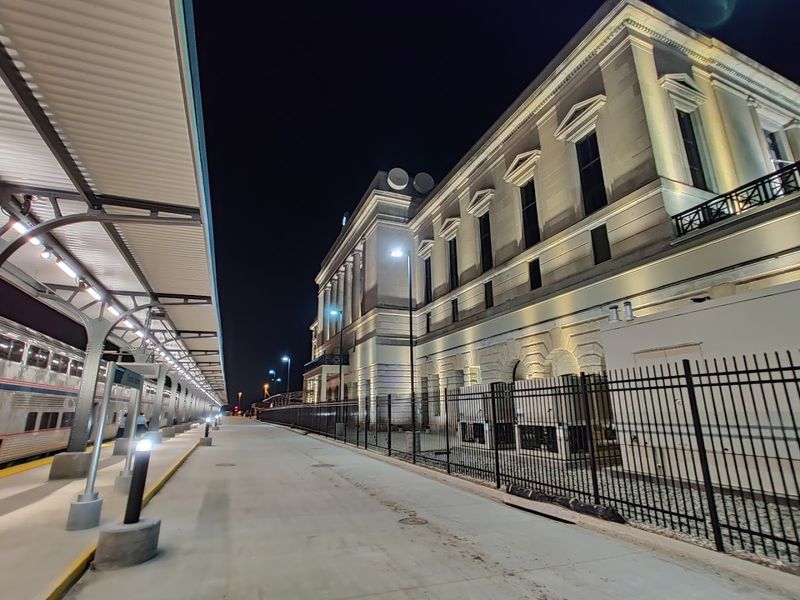
Pulling into Omaha marks the beginning of the Nebraska portion of the California Zephyr route, and the city delivers a solid first impression for rail travelers.
Omaha’s station connects passengers to one of Nebraska’s most walkable urban areas, where historic neighborhoods and cultural sites sit within reasonable reach of the platform.
The Durham Museum, located inside a beautifully restored Art Deco train station is one of the most accessible cultural stops near the rail line.
Travelers using this stop as their starting point can settle into the city’s pace before boarding for the rest of the journey.
Omaha has a compact downtown area where lodging options tend to cluster near the river, making it practical for an overnight stay before or after the train.
The station itself serves as a logical base for anyone building a car-free Nebraska itinerary.
Visit Nebraska promotes Omaha as the anchor for a five-day rail trip through the state, which gives the stop extra credibility as a genuine travel destination rather than just a pass-through point.
Arriving here by train feels grounded and unhurried from the very start.
Lincoln Adds A Capital City Stop To The Route
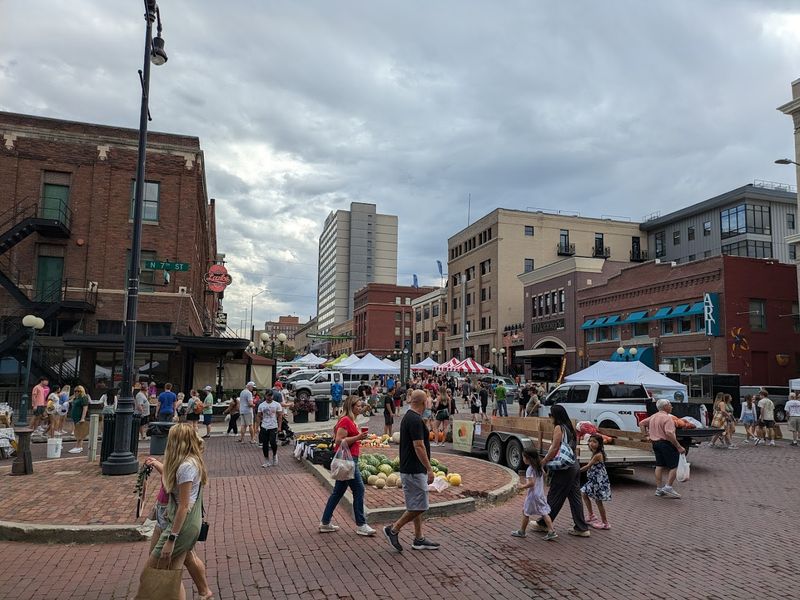
Not every train route through a state includes its capital city, but the California Zephyr does pass through Lincoln, giving riders a chance to step off in Nebraska’s second-largest city.
The Haymarket District sits close to the station and offers a walkable stretch of shops, restaurants, and historic brick buildings that feel easy to explore without a car.
Lincoln has a quieter energy compared to Omaha, which makes it a natural second stop for travelers who want a calmer city experience after the busier first leg.
The Nebraska State Capitol building is one of the most visually striking landmarks in the region, and it stands within reasonable distance from the downtown core.
Lincoln’s layout tends to be manageable on foot, especially around the university area and the Haymarket, which keeps the car-free angle of this rail trip feeling realistic rather than aspirational.
Spending even a short layover in Lincoln adds meaningful depth to the Nebraska rail experience.
Rather than watching the capital pass by as a blur of rooftops, stopping here turns the ride into something that genuinely connects travelers to the places between the train’s windows.
The slower pace suits the city’s character well.
Hastings Brings The Route Into The Heart Of Central Nebraska
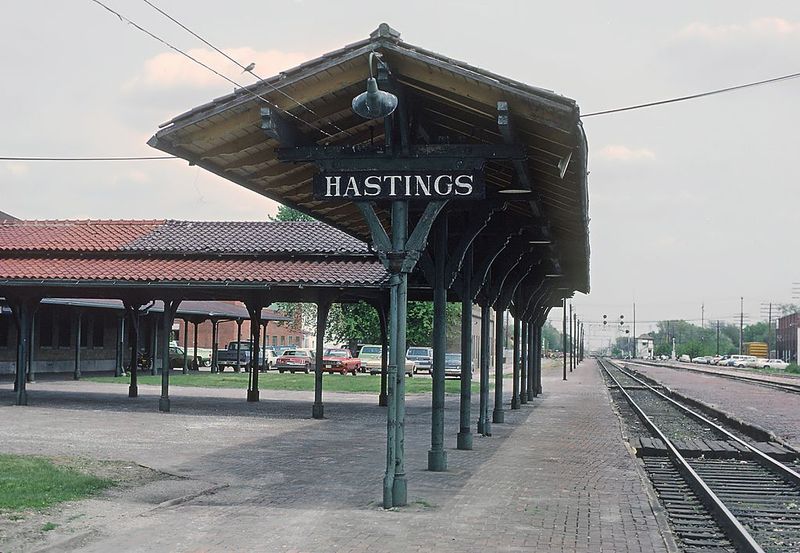
Crossing into central Nebraska by rail feels different from driving through it.
The flatness of the landscape becomes something to appreciate rather than something to push past, especially from the California Zephyr’s Sightseer Lounge car, which features floor-to-ceiling windows.
Hastings sits comfortably along this stretch and gives the route a genuine mid-state stop that helps the journey feel like a real cross-state experience.
Visit Nebraska includes Hastings in its five-day Amtrak itinerary, which signals that the city has enough to offer rail travelers to justify a stop rather than just a glance from a passing window.
The city has a modest but approachable downtown area, and the Adams County area surrounding it carries a quiet agricultural character that feels distinctly Nebraskan.
Arriving here by train rather than by highway gives that character a chance to register more slowly.
For travelers who have only experienced Nebraska from an interstate, Hastings by rail offers a noticeably different perspective.
The rhythm of the train slows the mental pace as well, making details like grain elevators, open fields, and small-town water towers register in a way that a fast drive rarely allows.
Holdrege Gives The Trip A Quieter Small-Town Dimension
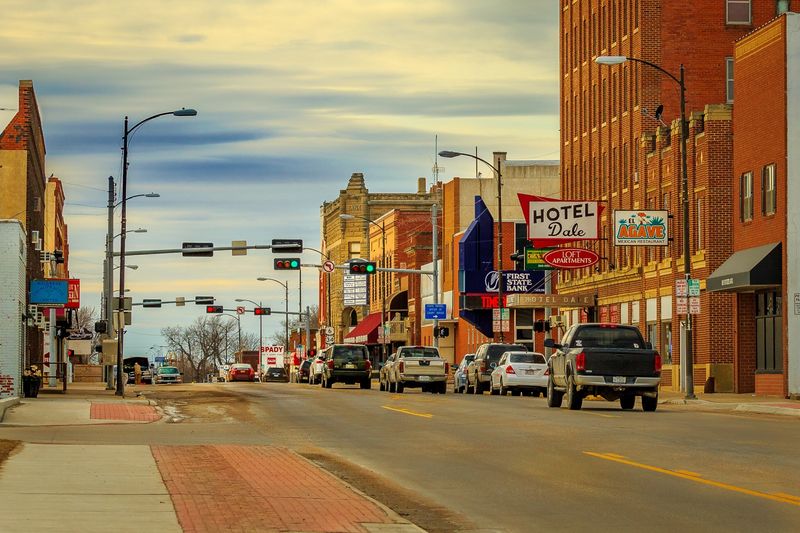
There is something satisfying about a train route that includes smaller communities alongside the bigger cities, and Holdrege does exactly that for the California Zephyr’s Nebraska stretch.
The Rail Passengers Association lists California Zephyr service at Holdrege, and Visit Nebraska includes it in the state’s rail itinerary, which confirms the stop carries real travel value rather than just a technical pause on the timetable.
Holdrege has a population of a few thousand people, giving it a distinctly different feel from Omaha or Lincoln.
Stepping off at a stop like Holdrege shifts the tone of the trip in a way that feels honest about what Nebraska actually looks like beyond its major cities.
The surrounding landscape is open and unhurried, and the town itself reflects a straightforward Plains character that can feel refreshing after busier urban stops.
Travelers who appreciate slower, more grounded experiences tend to find this kind of stop meaningful rather than uneventful.
Onboard comfort between stops remains consistent, with coach class seats offering generous legroom and the option to move freely through the train.
Cafe service is available to all passengers, which makes the stretches between smaller stops easy to manage. Holdrege adds texture to the route without asking much from the traveler.
McCook Marks The Western Nebraska Finish Before Colorado
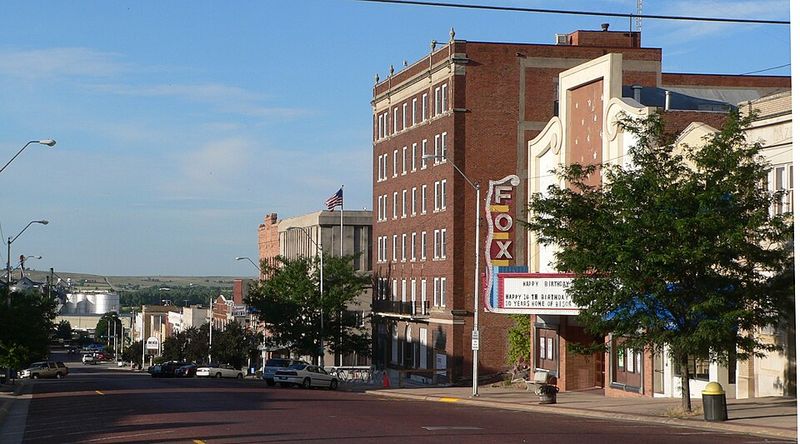
McCook sits at the western end of Nebraska’s California Zephyr stops, and reaching it by train feels like arriving at a natural conclusion to the state’s portion of the journey.
The Amtrak timetable lists McCook along the route, and Visit Nebraska includes it as the final Nebraska stop in its rail itinerary, giving the city a confirmed place in the state’s car-free travel story.
From here, the train continues toward Colorado, where the scenery shifts dramatically as the Rockies begin to rise.
That contrast actually enhances the Nebraska experience rather than diminishing it.
Knowing that mountain scenery follows makes the wide, flat approach to McCook feel like the last quiet breath before a bigger visual moment.
The Great Plains character of western Nebraska is most pronounced around this stretch, with open fields and long sight lines that the Sightseer Lounge car frames particularly well.
McCook as a travel stop carries a low-key appeal that suits the overall pace of a rail trip.
The town has a functional downtown area and a relaxed atmosphere that fits naturally with the unhurried rhythm of train travel.
Ending the Nebraska portion here gives the journey a satisfying sense of geographic progression without feeling rushed or incomplete.
The Sightseer Lounge Makes Nebraska’s Plains Worth Watching
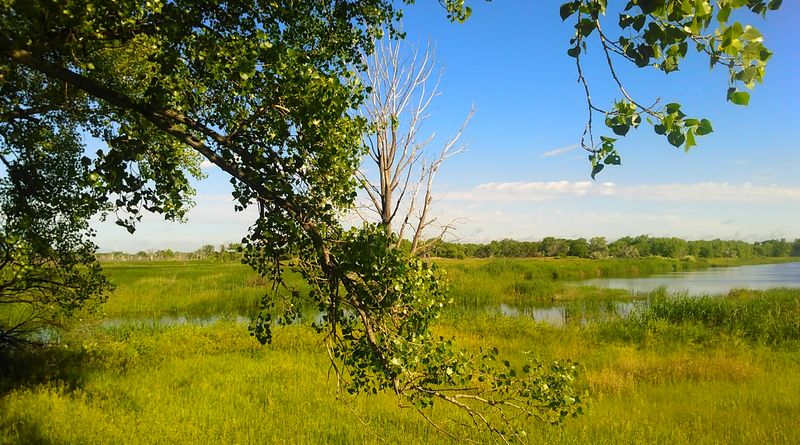
One of the most practical features of the California Zephyr for a Nebraska journey is the Sightseer Lounge car, which Amtrak includes on this route specifically to enhance the scenic experience.
Floor-to-ceiling windows wrap around the upper level of the car, giving passengers a panoramic view of the landscape on both sides of the track.
Nebraska’s Great Plains may not look like the Rockies, but they have a wide, atmospheric quality that the lounge car frames in a way that a car window simply cannot match.
Amtrak describes the California Zephyr as one of its scenic routes, and the Nebraska stretch is specifically mentioned as part of the plains experience that sets the stage for the mountain scenery ahead.
Sitting in the lounge car through this portion of the journey tends to shift how travelers perceive the flatness of the landscape.
The scale of the sky and the openness of the terrain become genuinely compelling when viewed through large glass panels at a comfortable seated height.
Coach class passengers have full access to the lounge car, which means the scenic benefit is not limited to sleeper car ticket holders.
Moving between the lounge and the coach seats allows for a flexible, low-pressure way to experience the Nebraska portion of the ride.
The Slower Pace Is What Makes This A Real Travel Experience
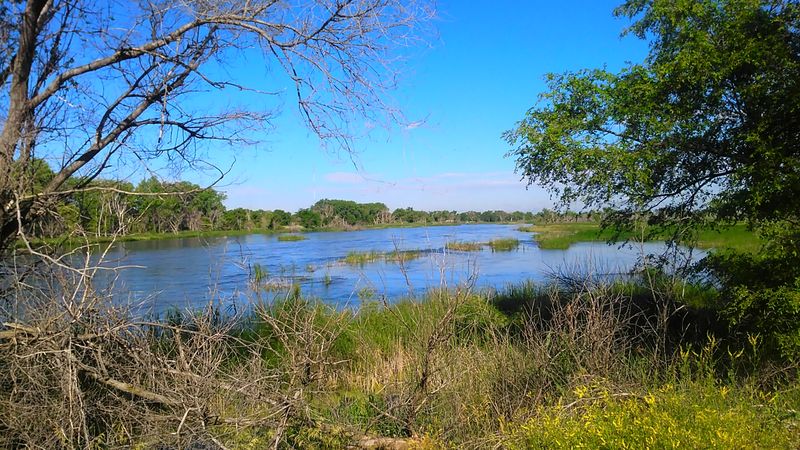
Long-distance train travel operates on a fundamentally different schedule than flying or driving, and that difference is precisely what makes the California Zephyr through Nebraska worth considering as a travel format.
Amtrak describes the route as a long-distance service running between Chicago and the San Francisco Bay Area, which means Nebraska is one chapter in a much larger journey rather than a quick commuter connection.
That built-in slowness gives travelers time to actually register what they are passing through.
Accommodation options on the train range from coach class seats with generous legroom to private Superliner rooms including Roomettes and Bedrooms, some of which include private restrooms and dedicated staff service.
Sleeper passengers have access to Traditional Dining with chef-prepared meals, while Cafe Service is available to everyone on board.
Those options make even a full day of travel through Nebraska feel manageable and comfortable rather than exhausting.
Nebraska experienced from a moving train, with time to look and think and settle, tends to leave a quieter and more lasting impression than a fast road trip ever could.
A Rail Trip Lets The Small Details Do The Work
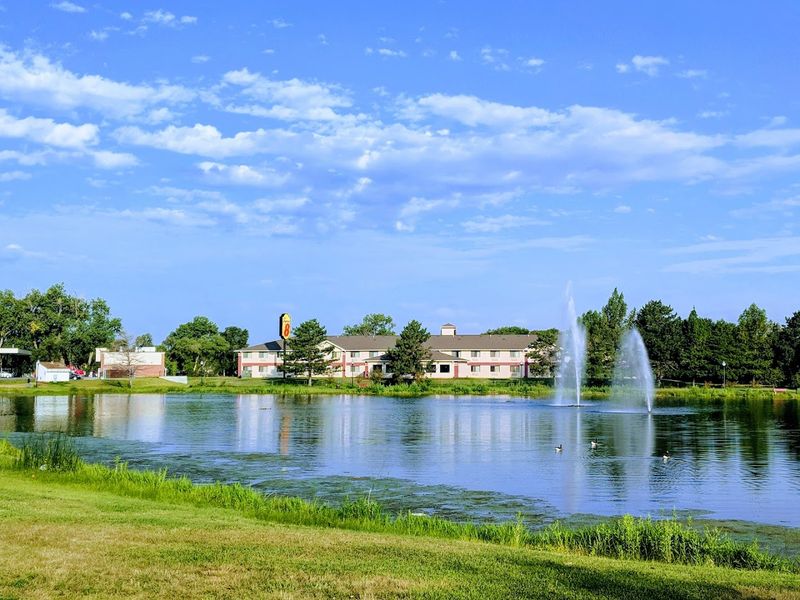
Small moments often become the best part of a route like this, especially because train travel gives passengers room to notice things that usually disappear behind a windshield.
A quiet station platform, a conductor’s call, the soft movement between cars, and the steady rhythm of the tracks all add texture to the journey before the scenery even enters the picture.
Nebraska’s portion of the California Zephyr works because it does not need constant spectacle to feel worthwhile.
Instead, the appeal comes through slowly, in the changing light over farm fields, the shape of old depots, the distance between towns, and the way each stop feels connected to the next by more than a road sign.
Riders can read, talk, stretch their legs, or simply let the view take over without needing to navigate traffic or plan every mile.
That freedom gives the trip a gentler kind of satisfaction.
By the time the train reaches the western edge of the state, Nebraska feels less like territory crossed and more like a place experienced at a pace that finally matches its landscape.