This Nebraska Literary Center Opens The Door To The Real Places That Shaped Willa Cather’s Books
Read the novels first if you want, but save a little curiosity for the streets outside the pages. This is where the landscape starts answering back.
Walk through the exhibits, then step outside and notice how quickly names, prairie views, and small-town details begin connecting to stories you may already know.
Just like that, a literary visit feels like following clues the author left behind.
Nebraska’s connection to Willa Cather becomes much more vivid when you can stand in the places that helped shape her imagination.
Do not rush the history. Look closely at the rooms. Pay attention to the ordinary details. Then wander farther and let the town itself continue the story beyond the center’s doors.
Even readers who arrive knowing only a title or two can find plenty to latch onto.
Start Inside A Restored 1886 Downtown Landmark
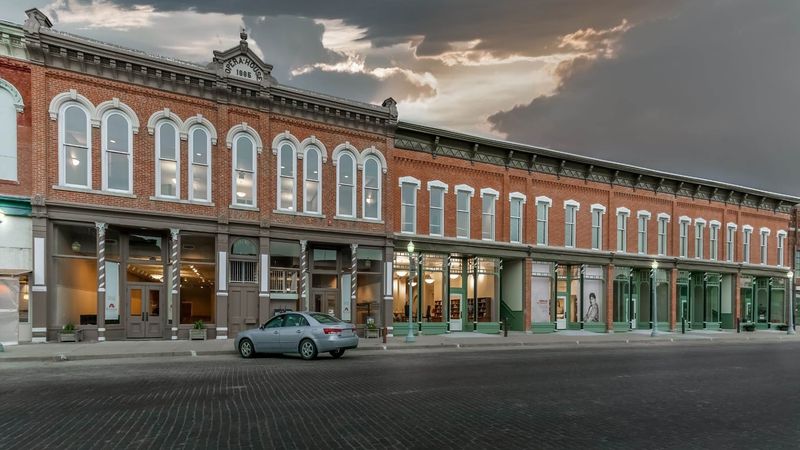
Going through the front doors of the National Willa Cather Center feels like crossing into a carefully preserved chapter of American history.
The center is situated at 413 N Webster St, Red Cloud, NE 68970, housed inside the historic Moon Block, a structure that dates back to the late 1800s and has been restored and adapted into a nearly 20,000-square-foot literary destination.
The building officially opened as the center in 2017 and carries the kind of architectural character that newer construction simply cannot replicate.
Original details from the building’s earlier life blend with thoughtfully designed exhibit spaces throughout the interior.
The scale of the facility is genuinely impressive for a small-town setting, with multiple rooms and areas devoted to different aspects of Cather’s life and legacy.
Visitors arriving for the first time often remark on how much there is to take in before the formal tour even begins.
The center is open Monday through Saturday from 9 AM to 5 PM and is closed on Sundays.
Reaching it requires a drive into south-central Nebraska, but the journey itself offers a preview of the wide, rolling landscape that appears so often in Cather’s novels.
Explore The Permanent American Bittersweet Exhibit
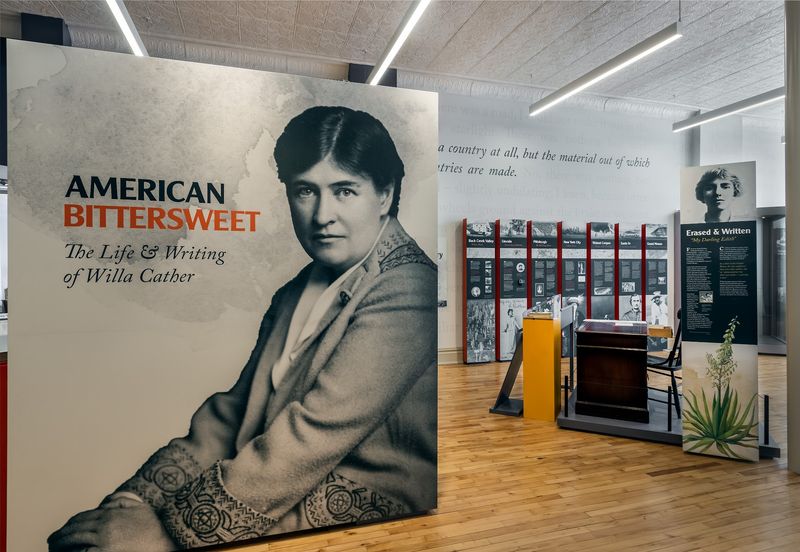
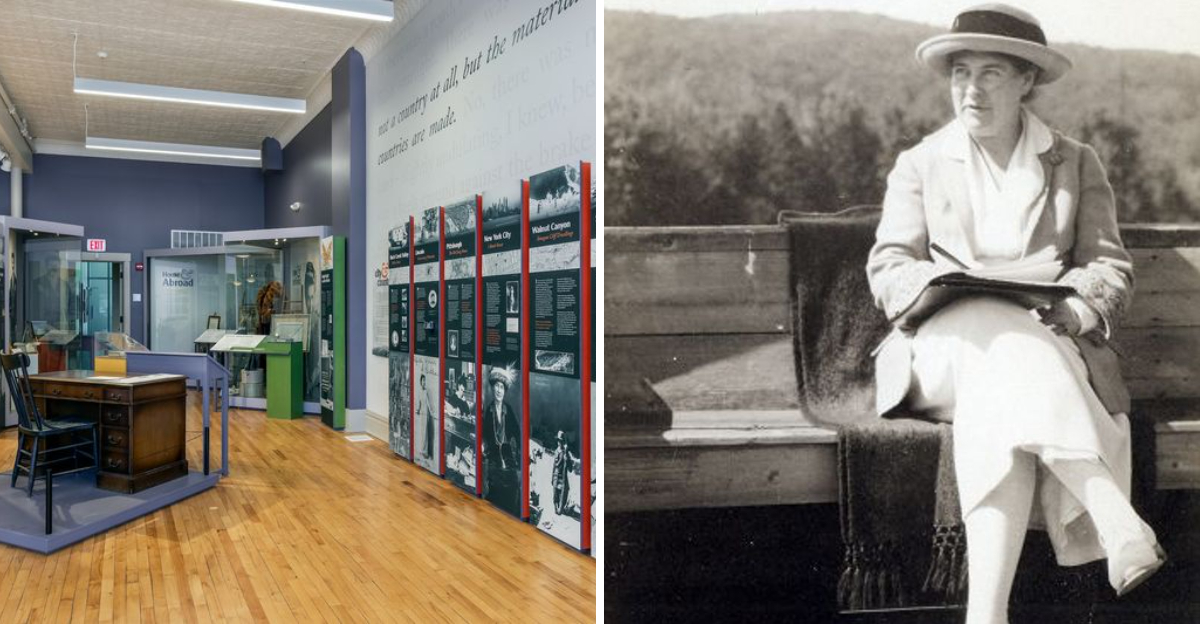
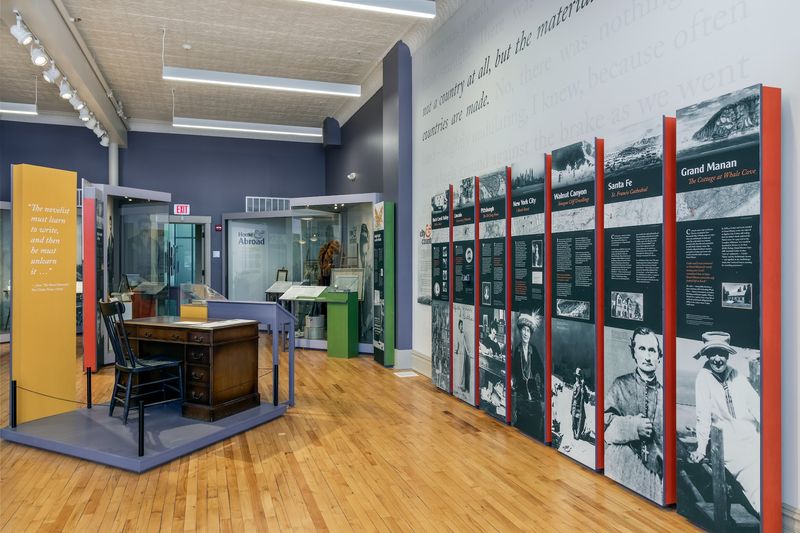
The American Bittersweet exhibit is the kind of permanent installation that rewards a slow, unhurried visit.
Organized around the arc of Cather’s life and career, the exhibit moves through her Nebraska years, her time as a journalist and editor, and the novels that eventually earned her a Pulitzer Prize for fiction in 1923.
Display panels, photographs, and artifacts work together to build a portrait that feels genuinely human rather than overly formal.
What makes the exhibit particularly effective is how it connects biography to landscape.
Visitors begin to understand not just what Cather wrote but why the land around Red Cloud mattered so deeply to her creative process.
The exhibit traces how specific places, seasons, and community figures from Webster County filtered into her fiction over decades of writing.
Video elements are woven into the experience and add another layer of context that purely text-based displays sometimes miss.
The pacing of the exhibit suits visitors of different levels of familiarity with Cather’s work, so someone encountering her writing for the first time can follow along just as comfortably as a longtime reader.
Spending at least an hour here before moving on to the rest of the center is a reasonable approach for most visitors.
Dig Deeper Inside A Serious Literary Archive
Behind the public exhibits, the National Willa Cather Center maintains a climate-controlled archive and research facility that holds documents, photographs, artifacts, and scholarly materials connected to Cather’s life and work.
The archive serves researchers, academics, and serious readers who want to go beyond what a standard museum visit provides.
Access to the archive is typically arranged in advance, so reaching out to the center before arriving is the most reliable approach.
The collection includes materials that span Cather’s personal correspondence, her professional career, and the community and landscape that shaped her writing.
For anyone working on a research project or simply wanting a deeper understanding of the primary sources behind her novels, the archive offers a level of access that few literary centers of this size can match.
The staff overseeing the archive are knowledgeable and have been noted for their generosity with their time and expertise.
Even visitors who are not conducting formal research may find a guided tour of the archive space illuminating.
Seeing the physical materials that underpin a literary legacy, actual letters, photographs, and handwritten notes, adds a texture to the experience that digital access alone cannot replicate.
The archive reinforces the center’s role as a serious institution rather than simply a regional attraction.
Tour The Restored Childhood Home Where She Lived As A Girl
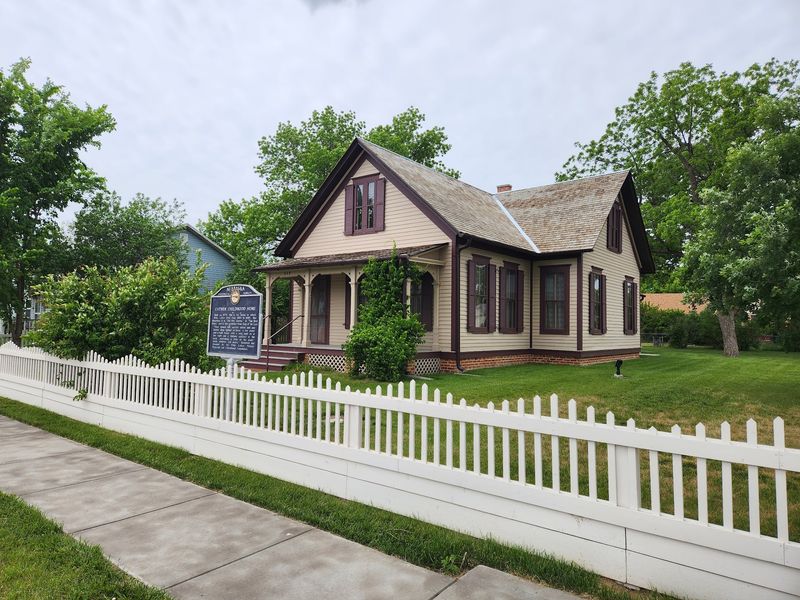
The house where Cather lived from roughly age ten to sixteen sits within walking distance of the main center building and carries a quiet, lived-in quality that larger historic homes sometimes lack.
Following a major restoration effort, the National Historic Landmark reopened for tours in December 2023, and the work done to bring it back to its period appearance is evident throughout.
The rooms are modest in scale, which only adds to the sense of authenticity.
Tours of the childhood home are guided experiences rather than self-directed walks, which means visitors benefit from context and storytelling that bring the spaces to life.
A guide can point out details that would be easy to overlook and connect specific rooms to passages in Cather’s writing in ways that feel genuinely illuminating rather than scripted.
The experience tends to be particularly absorbing for visitors who have read at least one of her novels before arriving.
Because the home is a National Historic Landmark, the restoration was held to careful standards aimed at preserving its original character.
The result feels respectful rather than over-polished, with the kind of honest presentation that lets the place speak for itself.
Checking the center’s current tour schedule in advance helps ensure a spot during busier visiting seasons.
Discover A Remarkable Collection Of Cather-Related Historic Sites
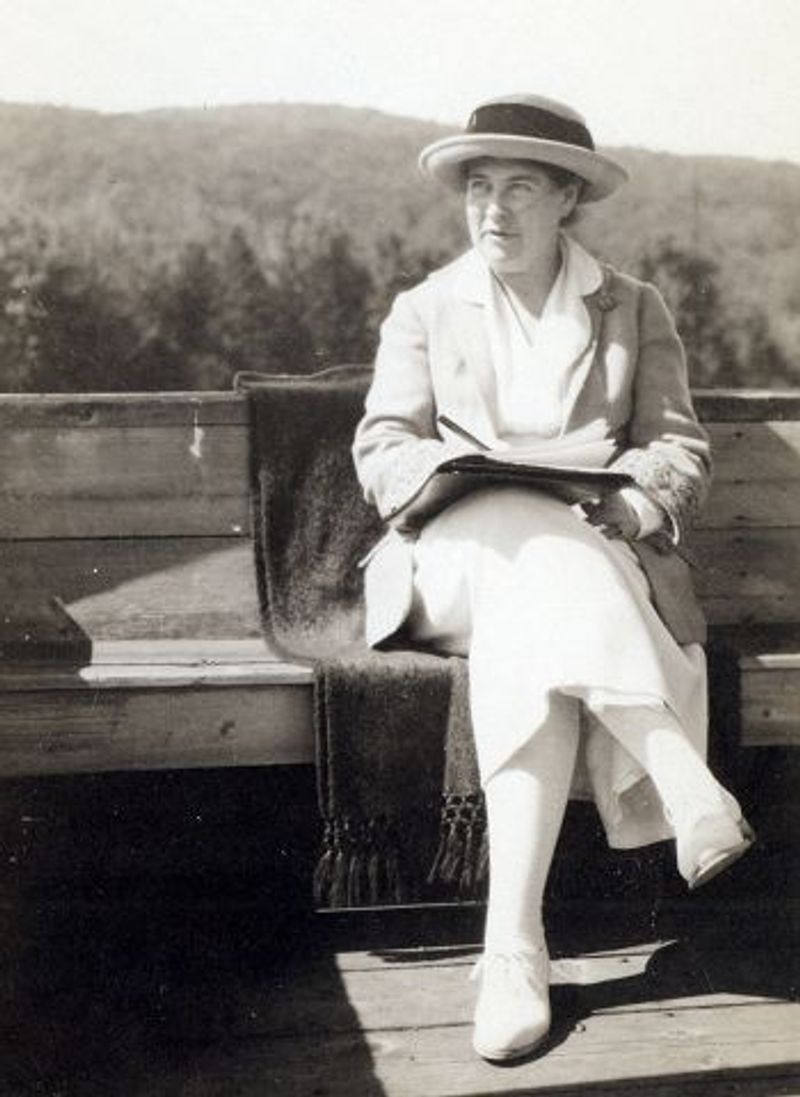
Red Cloud holds what the Willa Cather Foundation describes as the largest collection of nationally designated historic buildings and sites devoted to a single American author.
That claim gives some sense of the scope of what exists here beyond the main center building.
The sites are spread across the town and the surrounding county, connected by the common thread of Cather’s presence and the fiction she produced.
Among the sites connected to the broader network are the Farmers and Merchants Bank exhibit space across the street from the center and the Pavelka Farmstead located in the rural countryside outside of town.
Each location adds a different dimension to the overall picture, and the center provides guide materials that help visitors navigate between them independently or as part of a structured tour.
The concentration of nationally recognized sites in such a small geographic area is genuinely unusual, and it reflects decades of preservation work by the Willa Cather Foundation.
For visitors interested in American literary history more broadly, the depth of what Red Cloud offers is worth planning around rather than treating as a brief stop.
Picking up a site map at the center before heading out makes the self-guided portions of the visit considerably easier to navigate.
Drive Out To The Prairie That Makes Her Books Feel Different
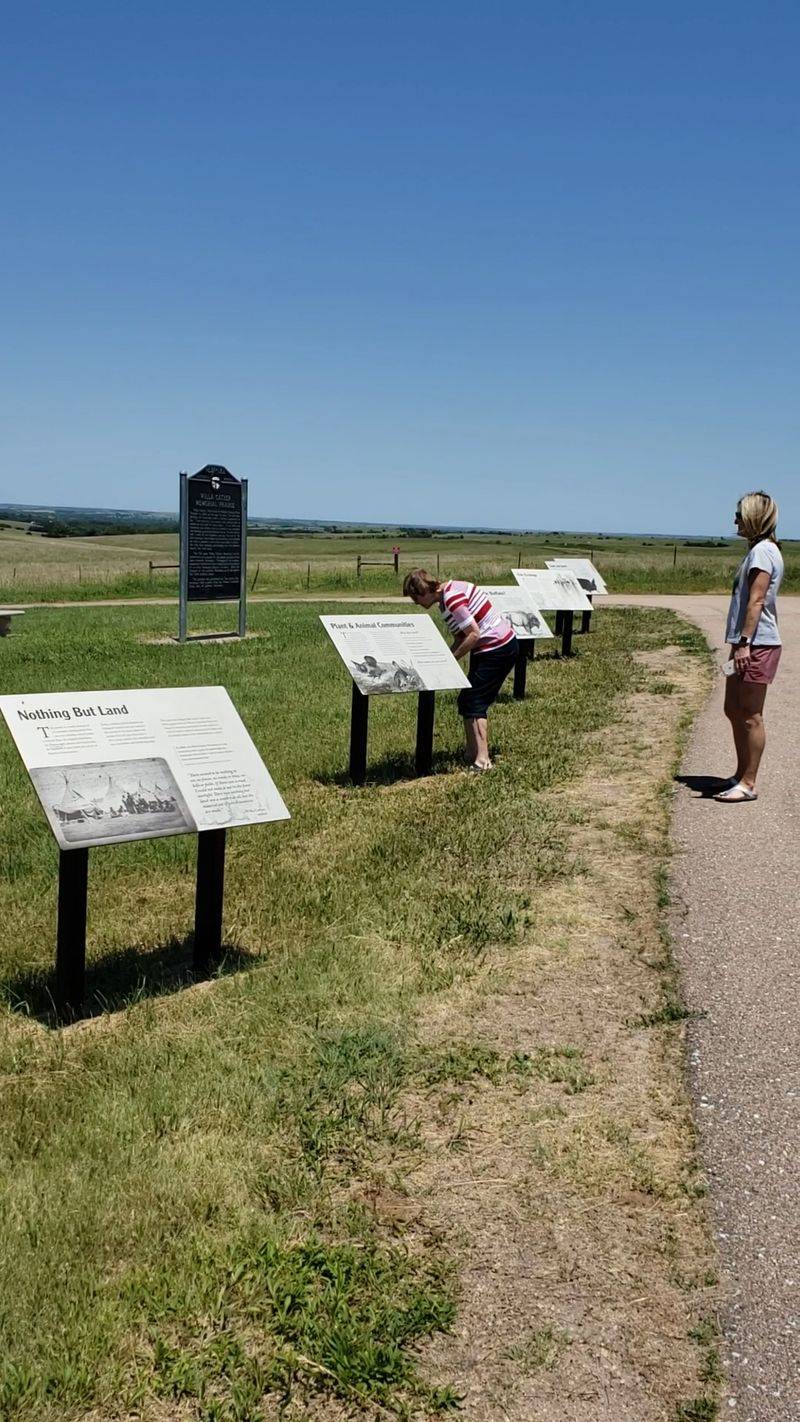
About five miles south of Red Cloud lies the Willa Cather Memorial Prairie, a stretch of native grassland that gives visitors a direct encounter with the landscape type that runs through so much of her fiction.
The prairie is managed to preserve its natural character, and the experience of standing in open grassland under a wide Nebraska sky has a way of reframing the novels in a very physical sense.
Descriptions of the land in her writing that might have seemed like literary flourishes begin to feel like straightforward observation.
The drive out to the prairie is short but worthwhile, and the transition from the small-town streets of Red Cloud to the open countryside happens quickly.
The memorial prairie is not a manicured park but a functioning piece of native landscape, which means the experience varies with the season.
Spring and early summer tend to offer the most active wildflower and wildlife presence, while late summer and fall bring a different, quieter kind of beauty.
Visiting the prairie after spending time at the center and the childhood home creates a natural progression from the interior world of the museum to the exterior world that inspired it.
The contrast between the two experiences reinforces how closely Cather’s writing was tied to specific, real places rather than imagined ones.
See Why Red Cloud Appears Again And Again In Her Writing
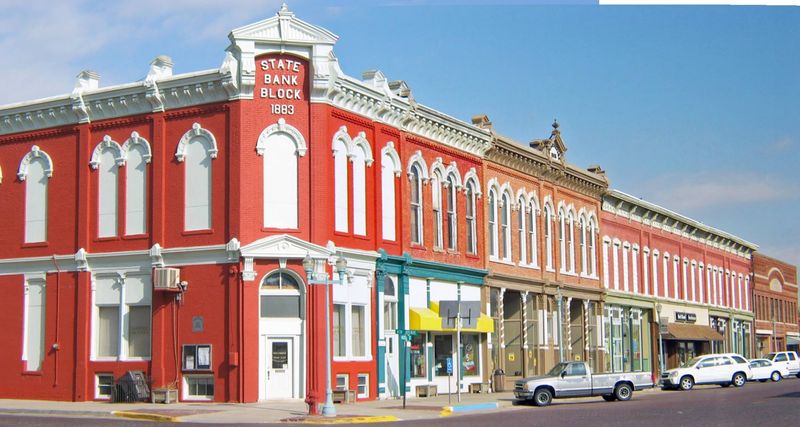
Red Cloud is a small town in Webster County, Nebraska, that sits close to the Kansas border amid a landscape of wide skies and open grassland.
Cather arrived here as a child in the early 1880s and spent her formative teenage years absorbing the rhythms of prairie life, the immigrant communities settling the surrounding farmland, and the social texture of a small frontier town.
Those years left a lasting impression that surfaced repeatedly throughout her fiction.
Readers familiar with novels like “O Pioneers!”, “My Antonia”, and “The Song of the Lark” will recognize echoes of the Red Cloud area in the fictional towns and landscapes Cather created.
The center helps visitors make those connections explicitly, with exhibits and guided materials that map real places onto the settings described in her books.
Standing on a downtown street and recognizing a building from a novel description carries a particular kind of quiet thrill.
The town itself is walkable in many areas, and the historic downtown district retains enough of its original character to feel genuinely connected to the era Cather wrote about.
Visiting on a weekday tends to offer a calmer experience, with fewer crowds and more space to move at an unhurried pace through the streets and sites.
Leave Time For The Bookstore Before Heading Home

The bookstore at the National Willa Cather Center has been described by visitors as one of the most extensive museum bookshops they have encountered, and the range of inventory supports that reputation.
Shelves carry Cather’s novels, short story collections, and poetry alongside scholarly works, literary journals, and books about the writers and landscapes connected to her world.
The selection reflects serious curatorial attention rather than a generic gift shop approach.
Beyond books, the store carries prints, notecards, and handcrafted items including tea towels hand-stitched by volunteers with scenes from Cather’s novels.
A particularly charming feature allows visitors to choose a postcard, write it at a desk inside the store, and have it mailed for a small fee.
These details give the bookstore a warm, participatory quality that sets it apart from a standard retail space.
Purchases made at the bookstore directly support the Willa Cather Foundation’s preservation and educational work, which adds a layer of meaning to what might otherwise be a simple shopping stop.
Browsing the shelves after a full day of tours and exhibits also provides a natural way to decompress and reflect on the visit before the drive home.
Allowing at least thirty minutes for the bookstore is a reasonable plan, especially for readers who tend to linger over titles.