This Small Nebraska Town Has A Park System That Feels Far Bigger Than The Town Itself
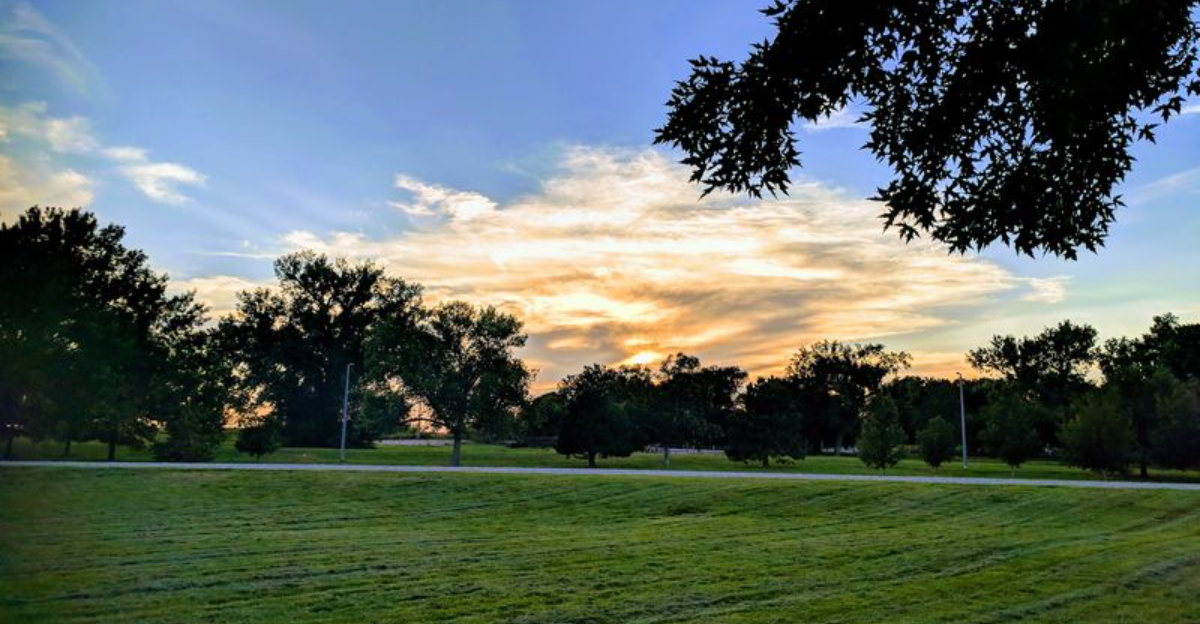
For a town this size, the amount of outdoor space feels almost excessive.
A lake anchors the scene, trails and open lawns spread out around it, and suddenly the map starts looking more like a recreation hub than a small-town park system.
You can walk, fish, picnic, watch the water, or simply disappear onto a quiet bench for a while.
This Nebraska community has managed to pack a surprisingly generous amount of green space into everyday life. That changes how the town feels.
Instead of one little park squeezed between streets, you get room to move and enough variety that the same afternoon can shift from a lakeside stroll to a picnic without needing to get back in the car.
Small towns are supposed to feel compact. This one somehow makes “small” feel much roomier.
Lake Helen Gives The Town Nearly 20 Acres Of Water To Play With
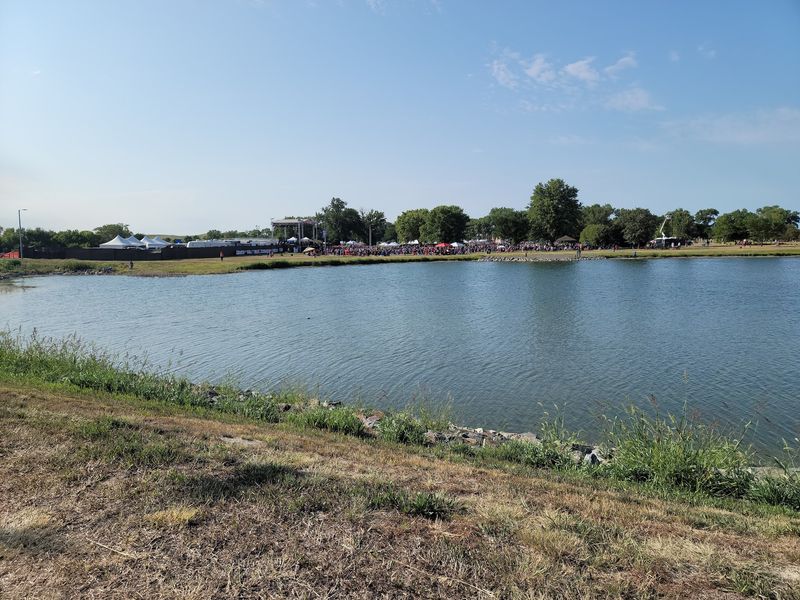
Nearly twenty acres of open water sit on the north edge of town, which is a lot of shoreline for a community of about 3,500 residents.
The Lake Helen Recreation Area serves as the centerpiece of the local park system, and the scale of it catches most first-time visitors off guard.
Water covers enough ground here that a slow walk along the bank takes real time rather than a couple of minutes.
A renovation completed in 2015 improved water quality and brought in updated amenities, so the setting today reflects fairly recent investment rather than decades of neglect.
Grass runs down toward the edges in most spots, and shade comes from scattered trees rather than dense woods.
Wind moves across open water in this part of Nebraska, so a light jacket often makes sense even on mild afternoons.
Picnic areas with grills sit near the shoreline, and some of those spaces are covered, which helps when the sun sits high.
Parking is available on site, and the recreation area is listed simply under Gothenburg, NE 69138 since it functions as a city park rather than a numbered address destination.
Anyone driving Interstate 80 across the state can reach the lake in a few minutes off the exit, making it a practical stretch-your-legs stop.
The Lake Started Working For Gothenburg Back In The 1890s
Long before anyone brought a kayak here, the water had a job to do.
Construction in the 1890s created the lake as a source of irrigation water and power for local factories, which was a practical decision rather than a recreational one.
Farming and small industry drove the local economy, and a reliable water supply mattered more than a place to fish.
Gothenburg adopted electricity unusually early, with most residents connected by 1892, making it one of the first towns in western Nebraska to have power.
Water and power went hand in hand during those years, and the lake played a part in that story.
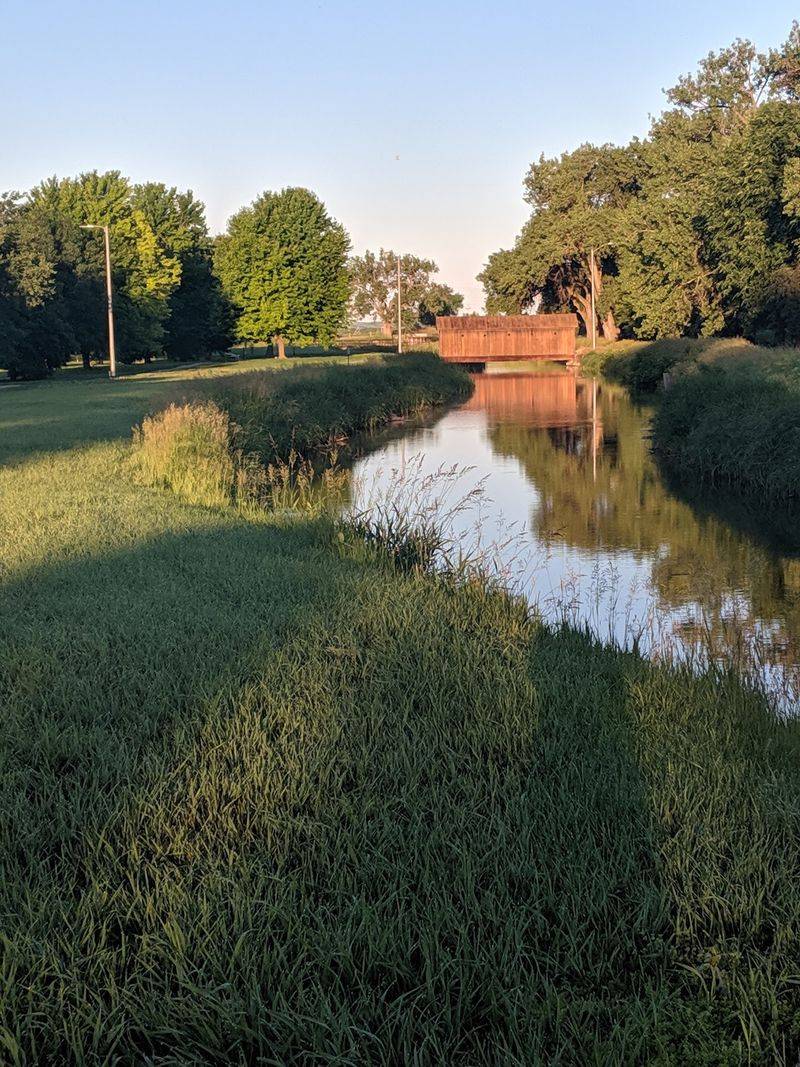
The canal system that fed the lake still cuts through the area, and the flowing channel remains visible today.
Industrial use faded over the decades, and the site gradually shifted into a full recreation area maintained by the city.
Knowing the backstory changes how the place feels while walking the bank, since the shoreline is shaped by engineering rather than nature.
Straighter edges and the canal connection make more sense once the original purpose is clear.
History buffs traveling the Platte Valley often appreciate that layer, especially since so much of central Nebraska’s development followed water routes and rail lines.
A Paved Exercise Trail Wraps Recreation Around The Water
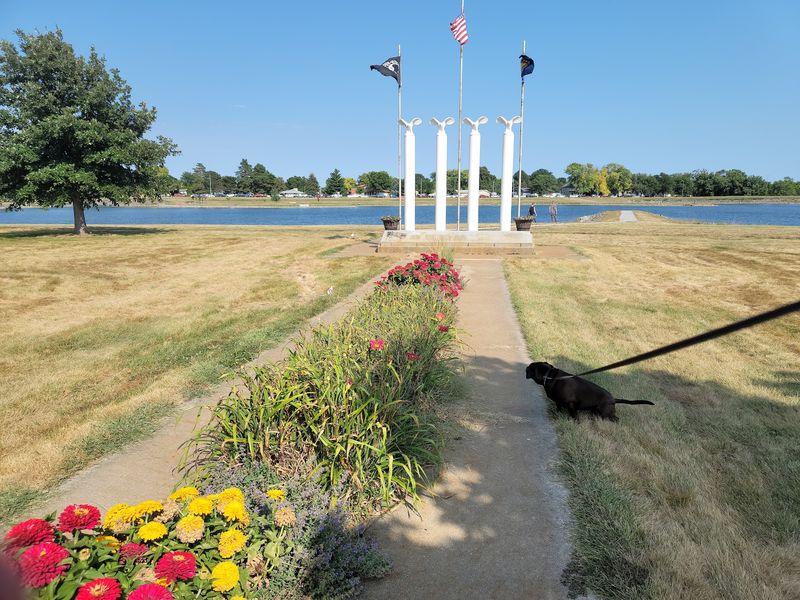
Walking here does not require hiking boots or any sense of adventure.
A paved hike and bike trail loops around the water and continues through the park, and the concrete exercise path was part of the 2015 renovation work.
Local promotional material describes a 2.5-mile exercise trail, while mapped trail listings show a shorter looped route of roughly 1.2 miles around the lake itself, so total distance depends on how much of the park network gets covered.
Either way, the surface is smooth and flat, which matters more than the exact mileage for most visitors. Strollers roll easily, and the path is described as wheelchair friendly.
Terrain in this part of the state stays gentle, so there are no steep climbs to plan around.
Early morning tends to bring calmer air and softer light, while evenings draw more local walkers and cyclists.
Benches and picnic spots along the way give plenty of reasons to pause, and the water stays in view for much of the loop.
Dogs are a common sight on the path, and leashes keep things comfortable for everyone sharing the route.
Anyone wanting a longer workout can simply repeat the loop rather than hunting for extra trail.
Fishing, Kayaking, And Canoeing All Fit Into This Little Lake
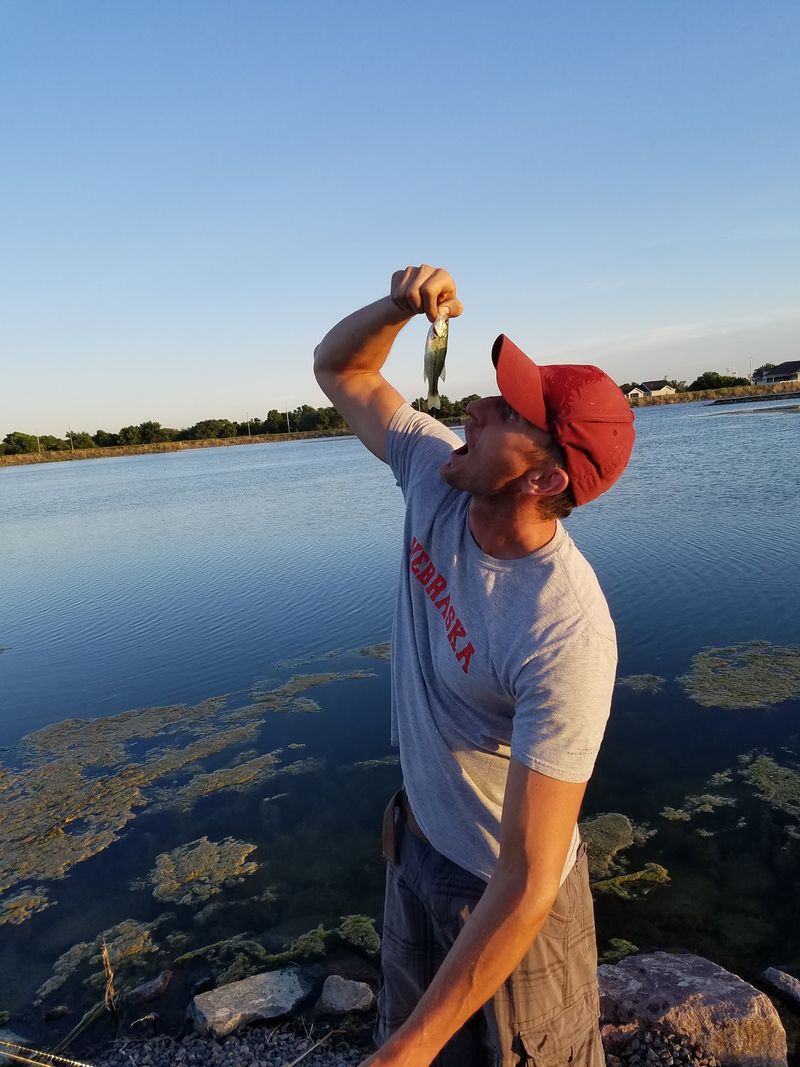
Quiet water changes the whole feel of a lake, and that quiet is part of the appeal here.
Fishing and non-motorized recreation take priority, with kayaking and canoeing regularly mentioned among the main activities.
Anglers show up often, and fishing comes up more than any other topic among visitors who share their experiences.
Calm conditions make the lake approachable for beginners and families still figuring out how a paddle works.
The Lake Helen Boat Ramp provides access for small craft, with a concrete boat dock, a floating dock, and an ADA-accessible parking area.
Loading a canoe here does not involve wrestling gear across long stretches of uneven ground.
Swimming is not permitted in Lake Helen, so plans should be built around paddling and fishing rather than a dip on a hot day.
A Nebraska fishing permit is required for anglers of applicable age, and regulations are worth checking before casting since rules can change.
Morning hours generally bring the stillest water, which helps both fishing and first-time paddlers.
Bringing sun protection matters more than expected, since shade along the open bank is limited in several spots.
Pack out whatever comes in, and the shoreline stays as clean as regular visitors describe it.
There Is Even A Nine-Hole Disc Golf Course Beside The Lake
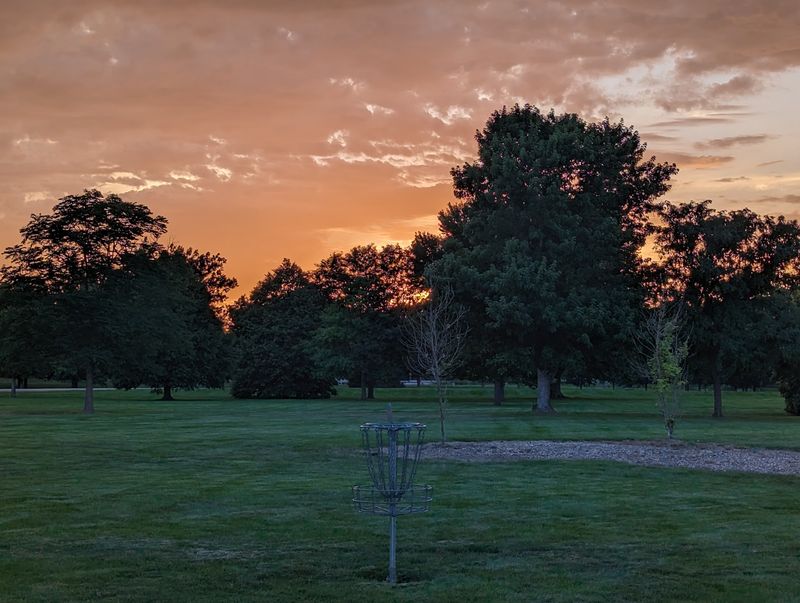
Nine baskets sit tucked into the same grounds as the lake, which is a nice bonus for a town this size.
The disc golf course was established in 2006 and stays within the recreation area, so no separate drive is needed.
Layout runs mostly flat, with scattered trees worked into the design as natural obstacles rather than heavy woods.
Grass tees and Mach V targets keep the setup straightforward, and a paved walking path follows most of the course, which makes it wheelchair accessible.
Beginners can play a full round without feeling overwhelmed, and experienced players can work on accuracy around the trees.
Nine holes usually move quickly, so a round fits into a short stop rather than eating up an entire afternoon.
Disc golf comes up frequently among people describing what they do here, alongside fishing.
Wind across open ground can affect throws more than the terrain does, so lighter discs may drift on breezy days. Bringing a spare disc is smart given the water nearby.
Families sometimes split up, with part of the group walking the loop while others play through, then meeting back at a picnic table.
Combining a round with a short paddle makes for a full outing without leaving the park.
A Covered Footbridge Leads Straight Into Another Park
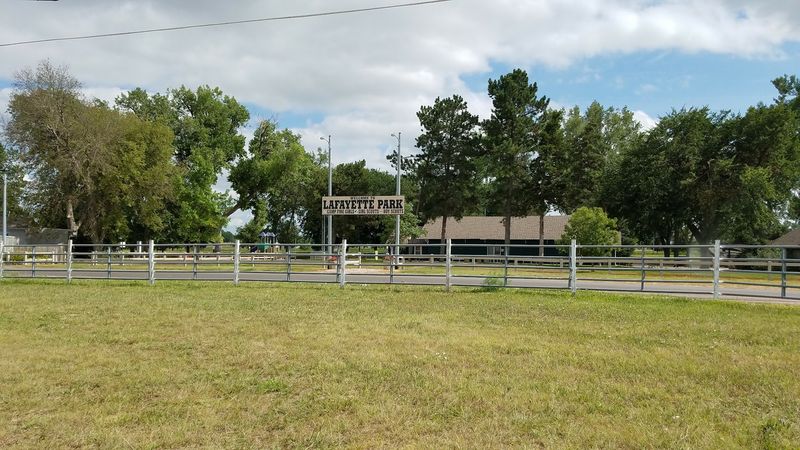
Covered bridges are not something most people expect on the Nebraska plains.
A covered pedestrian bridge crosses the canal between the recreation area and neighboring Lafayette Park, connecting the two spaces on foot.
Walking through it brings a short stretch of shade and the sound of water moving underneath.
The structure gives the park system a visual anchor that photographs well, and it also solves a real problem by letting walkers cross without heading back out to the road.
Kids tend to slow down here, partly because footsteps sound different inside a covered span.
Crossing takes only a moment, but the change in surroundings is noticeable. Open water and mown grass sit on one side, and campground trees and playground equipment sit on the other.
Two separate parks start to function like one larger green space because of the link.
Anyone staying at the campground can walk over to the lake for an evening loop without loading up the car.
Cyclists using the paved paths also benefit from the connection.
Details like a covered footbridge are the sort of thing that make a small-town park system feel considered rather than thrown together.
You Can Actually Camp Right Next Door
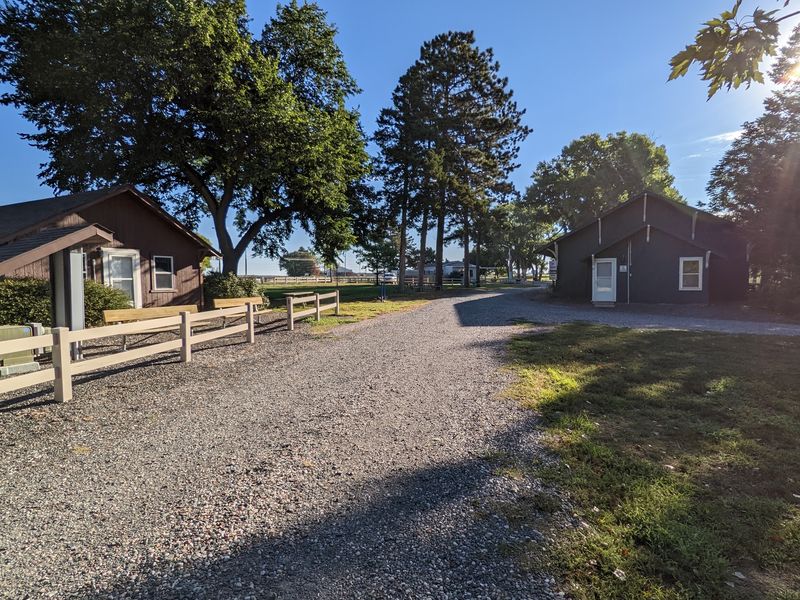
Staying overnight next to the lake is easier than most travelers assume. Lafayette Park Campground sits at 315 27th Street, Gothenburg, NE 69138, on the north edge of town along Highway 47.
Sites here are large, with 30 and 50 amp electric plus water hookups, shower facilities, and a dump station available.
Playground equipment and horseshoe courts round out the park, and walking access leads back toward the lake by way of the covered bridge.
The campground operates with full water service from April 1 through October 31. From November through March, only electric hookups are provided, and the site is open to self-contained campers during those colder months.
Travelers crossing Nebraska on Interstate 80 sometimes plan a stop here specifically because the setup is simple and the lake is within walking distance.
Rates and availability can change, so contacting the city parks department ahead of arrival is a reasonable step during busy travel weeks.
Waking up and walking a paved loop around the water before breakfast is a genuinely easy option from here, and that convenience is a large part of the appeal.
The Park System Goes Well Beyond Lake Helen
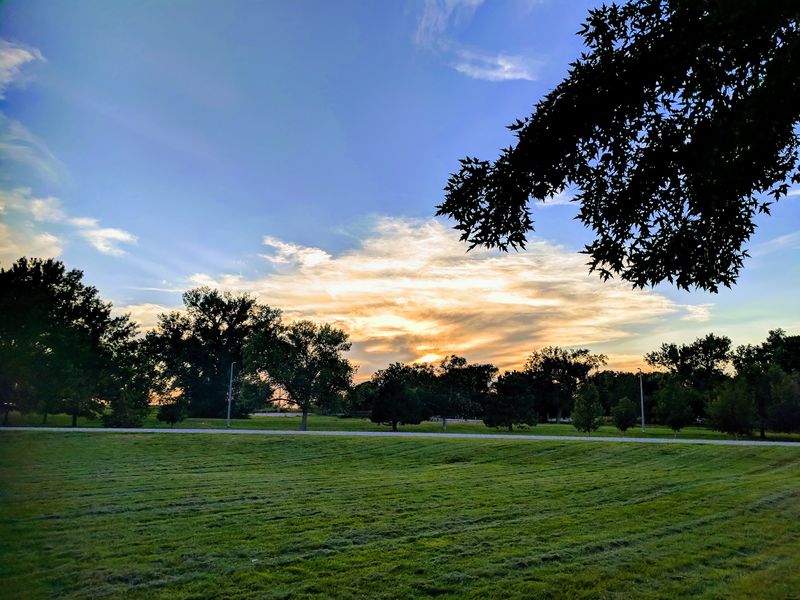
Four city parks operate under one small parks department, and together they cover more than 100 acres. That number lands well above what most communities of about 3,500 people manage to maintain.
Facilities across the system include picnic areas, athletic fields, playgrounds, camping areas, and a swimming pool.
The parks department also looks after additional recreation spaces such as the 4-plex ball fields, which host local games through the warmer months.
Spreading amenities across several parks means different neighborhoods get their own gathering spots rather than everything crowding into one location.
Visitors planning a day here can pair the lake with a downtown park stop without much driving, since the town itself is compact. Walking between parks is possible for anyone comfortable covering a mile or so on sidewalks.
Restrooms, hours, and seasonal openings vary by park and by time of year, and the pool in particular follows a summer schedule.
Checking the city parks and recreation page before a trip helps avoid surprises.
Maintenance shows in small ways, from mown grass to clean picnic shelters, and people who stop by frequently mention how tidy the grounds stay.