12 California Places With Names So Unusual They Already Sound Worth Visiting
A strange place name can do half the travel writing before anyone even gets there.
You hear it once and immediately want details. Who named it that? What happened there? Why does it sound like a dare, a joke, and a roadside legend at the same time?
California has map names that feel like they were invented by people who refused to be boring.
A sign can make drivers slow down before the scenery even gets a chance to help.
One unusual name can turn an ordinary dot on the map into a question worth following.
Maybe the place has Gold Rush roots. Maybe the story is stranger than expected. Maybe the name is simply so odd that curiosity does all the work.
Places like these prove travel does not always begin with a landmark.
Sometimes it begins with reading a sign and thinking, “Wait, what kind of place is this?”
1. Zzyzx, San Bernardino County
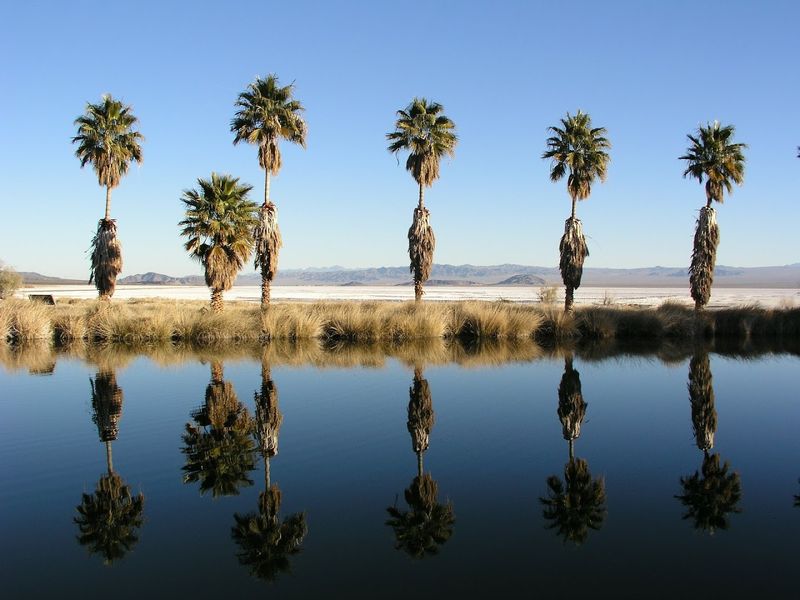
Few road signs in the country stop drivers in their tracks quite like the one pointing toward Zzyzx.
This oddly named spot sits near the edge of Soda Dry Lake and carries one of the most phonetically puzzling names in the United States.
The name was coined in 1944 by Curtis Howe Springer, a self-styled radio evangelist who wanted to give his desert health resort the last word in the dictionary.
Today the site is home to the Desert Studies Center, operated by California State University. It functions as a field research station open to visiting groups and educational programs.
The surrounding landscape is raw and quiet, with creosote flats and alkaline lake beds stretching out in every direction.
Getting there involves a short drive off Interstate 15, and the road leading in is actually named Zzyzx Road, which makes the detour feel like a small adventure on its own.
The area tends to be less crowded than other Mojave stops, so the sense of wide-open desert solitude is very real.
2. Rough and Ready, Nevada County
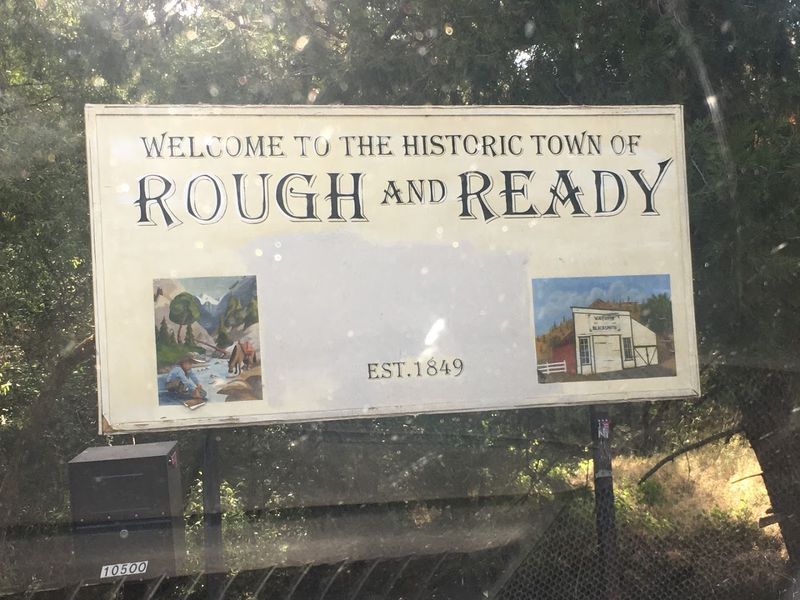
Back in 1849 a group of miners from Wisconsin arrived in the Sierra Nevada foothills and named their new camp after their favorite general, Zachary “Rough and Ready” Taylor.
That name stuck, and the small community of Rough and Ready in Nevada County still carries it proudly today.
The town made history in 1850 when it briefly seceded from the United States to avoid a mining tax, making it one of the few communities in California to have declared itself an independent republic.
The secession lasted only a few months before the town rejoined the Union, but the story has become a beloved piece of local folklore.
Each year the community holds a Secession Days celebration that draws visitors curious about this quirky chapter of Gold Rush history.
The surrounding area features rolling oak-covered hills and the kind of quiet country roads that feel made for a slow afternoon drive.
Small historic structures still dot the landscape, giving the place a weathered, time-capsule quality that history enthusiasts tend to appreciate.
There are no major theme parks or resort amenities here, just genuine Gold Rush character embedded in the land and the stories that come with it.
3. Cool, El Dorado County
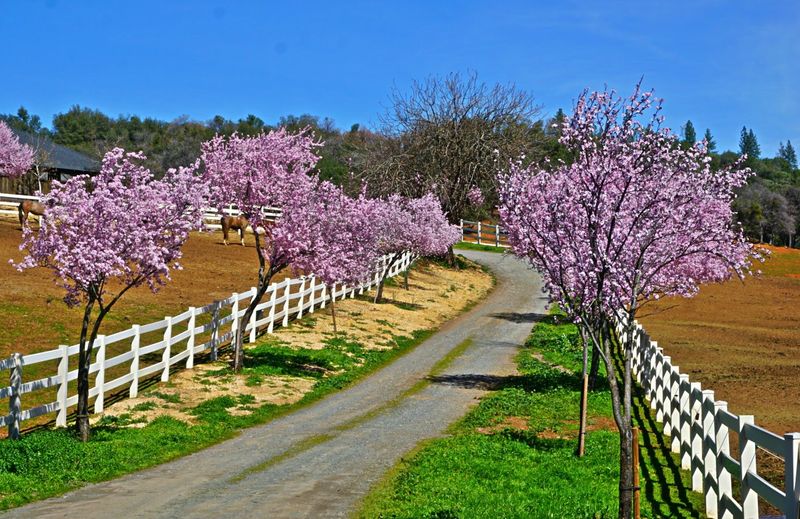
Not every place name comes with a dramatic backstory, and Cool in El Dorado County is a perfect example of a name that simply feels like a statement.
Nestled in the Sierra Nevada foothills, this small unincorporated community sits along State Route 193 between Auburn and Georgetown.
The name is believed to have come from a local postmaster named Aaron Cool who served the area in the 1850s during the Gold Rush era.
Outdoor recreation is the main draw here, and the nearby American River canyon offers some of the best whitewater rafting in the state.
Trails in the area wind through oak woodland and chaparral, giving hikers a genuinely wild foothill experience without requiring a long drive from Sacramento.
The Auburn State Recreation Area, which borders the community, draws mountain bikers, trail runners, and equestrians throughout the year.
Cool itself is modest in size, with no major commercial district to speak of, but that low-key character is part of its appeal.
The surrounding landscape shifts beautifully with the seasons, turning golden in summer and green after winter rains.
4. Volcano, Amador County
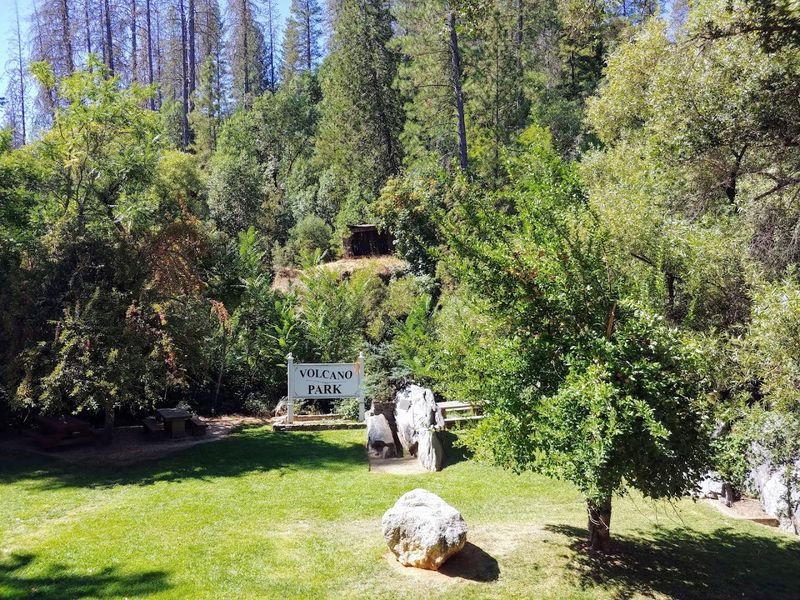
Early Gold Rush miners stumbled into a bowl-shaped valley in Amador County and assumed the unusual terrain must have been formed by volcanic activity.
They were wrong about the geology, but the name Volcano stuck anyway, and the town has been leaning into its dramatic identity ever since.
Despite the misnomer, Volcano turned out to be one of the more culturally significant Gold Rush settlements in California, reportedly home to the state’s first lending library and first astronomical observatory.
The town is remarkably well preserved, with stone and brick buildings from the 1850s still lining its quiet streets.
St. George Hotel, a historic lodging establishment in the center of town, has been welcoming guests for well over a century.
The surrounding landscape of rolling green hills and oak trees gives the area a peaceful, tucked-away quality that feels removed from modern bustle.
Daffodil Hill, a nearby privately operated farm, bursts into color each spring when thousands of daffodils bloom across its hillsides, drawing visitors from across the region.
Volcano sits along the Amador County wine trail, so the area surrounding the town sees steady visitor traffic during warmer months.
5. Happy Camp, Siskiyou County
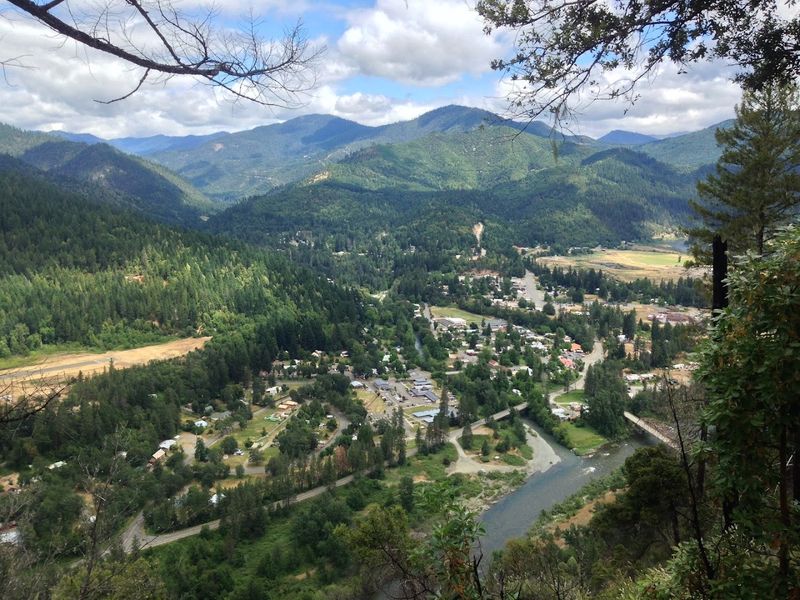
Along the banks of the Klamath River in the far reaches of Siskiyou County, Happy Camp is the kind of place that delivers exactly what its name implies for outdoor enthusiasts.
The town sits in a deep river canyon surrounded by the Klamath National Forest, and the setting is genuinely dramatic, with steep forested ridges rising on both sides of the valley.
The Klamath River here is known for excellent fishing, particularly for salmon and steelhead, which draws anglers from across the Pacific Northwest.
Happy Camp also holds deep cultural significance as a center of the Karuk Tribe, one of the largest Native American tribes in California.
The Karuk Tribe has maintained a strong presence in this region for thousands of years, and visitors can learn about their history and traditions through local cultural resources.
The surrounding wilderness includes sections of the Marble Mountain Wilderness and the Trinity Alps Wilderness, both offering serious backcountry hiking opportunities.
Getting to Happy Camp requires a winding drive along State Route 96, which itself is considered one of the more scenic byways in Northern California.
The town has basic amenities including lodging options and local eateries, making it a workable base for multi-day river and wilderness trips.
6. Chinese Camp, Tuolumne County
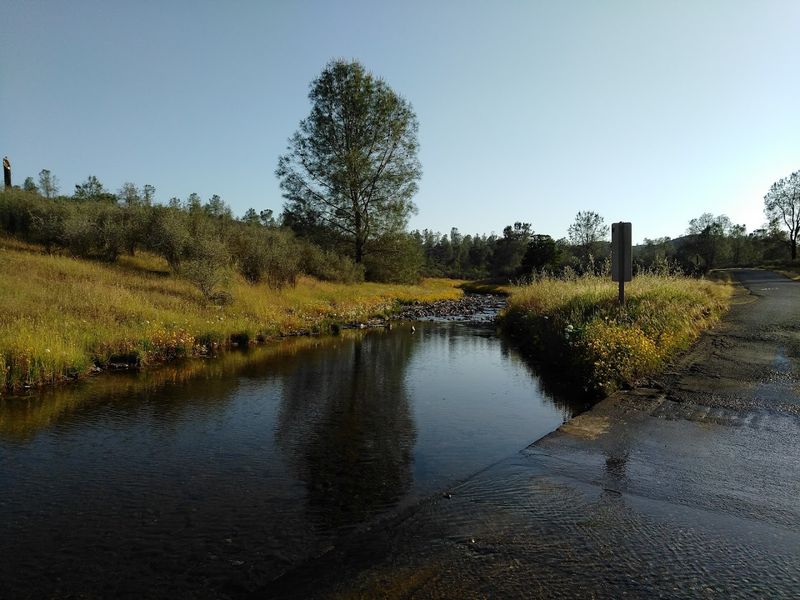
During the height of the California Gold Rush, thousands of Chinese immigrants arrived in the Sierra Nevada foothills seeking fortune, and Chinese Camp in Tuolumne County became one of their most significant settlements.
At its peak in the 1850s the town had a population of several thousand and served as a major commercial hub for Chinese miners working the surrounding hills.
Today it stands as a quiet, partially preserved ghost town that offers a rare window into an often-overlooked chapter of California history.
The remains of old stone buildings and adobe walls still dot the landscape, and a small historic cemetery reflects the multicultural layers of Gold Rush society.
Chinese Camp is listed on the National Register of Historic Places, which speaks to its documented significance.
The site is accessible off State Route 120, making it a natural stop for travelers heading toward Yosemite National Park.
The town is also historically notable as the site of one of the few large-scale tong wars fought on American soil in 1856, a conflict between rival Chinese fraternal organizations that drew national attention at the time.
Interpretive signage around the area helps visitors connect the physical remnants to the broader historical narrative.
7. Angels Camp, Calaveras County
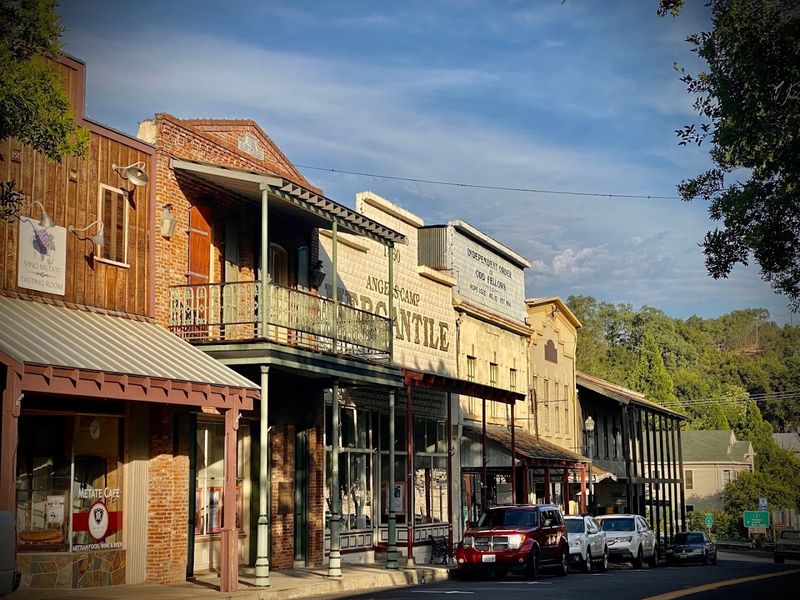
Named after George Angel, a merchant who set up a trading post here in 1848, Angels Camp in Calaveras County grew into one of the Gold Rush era’s most productive mining towns.
What truly put it on the cultural map, however, was a short story published in 1865 by a then-unknown writer who had spent time in the area listening to local tall tales.
That story, “The Celebrated Jumping Frog of Calaveras County,” launched the career of the writer who would become Mark Twain.
The town celebrates this literary legacy every year with the Calaveras County Fair and Jumping Frog Jubilee, a long-running event that draws competitors from around the world to enter their frogs in jumping contests.
Angels Camp Museum and Carriage House, located at 753 South Main Street, offers a well-curated look at Gold Rush life through mining equipment, carriages, and local artifacts.
The museum grounds are worth spending a couple of hours exploring at a relaxed pace.
Main Street retains much of its historic character, with brick facades and locally owned shops giving the downtown area a genuine Gold Country feel.
The surrounding landscape of rolling hills and seasonal wildflowers adds to the charm, particularly in spring.
8. Buttonwillow, Kern County
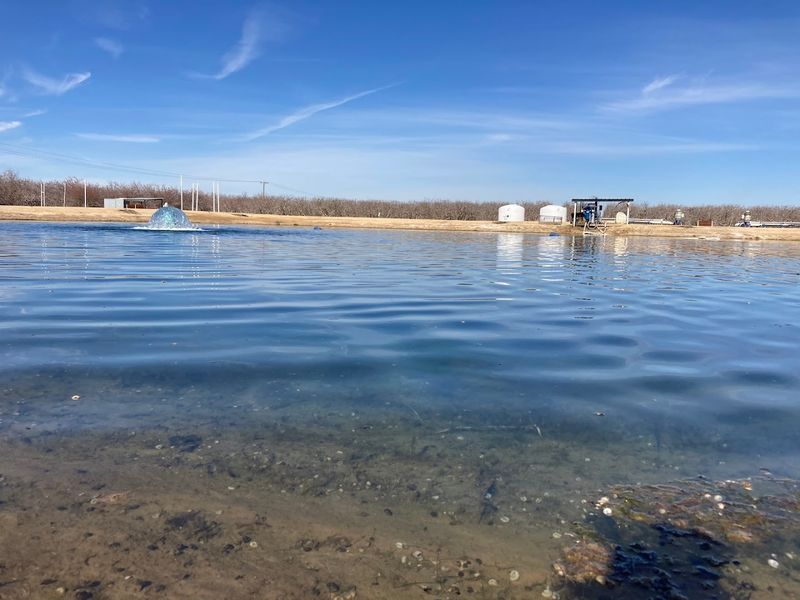
Sitting squarely in the middle of California’s vast San Joaquin Valley, Buttonwillow is the kind of town that most drivers see only as an exit sign on Interstate 5.
The name comes from a single willow tree that Native Americans and early settlers used as a landmark for generations, a tree so distinctive in the otherwise flat landscape that it became a reliable meeting and navigation point.
That one tree gave an entire community its identity, which is a quietly remarkable origin story.
Buttonwillow today is primarily an agricultural and trucking community, sitting at the intersection of major highways that move goods across California.
The town sees steady traffic from travelers making the long drive between Los Angeles and the Bay Area, and its gas stations and diners serve as welcome pit stops.
The flat, open landscape here has a stark visual quality that is genuinely different from the rest of California’s more celebrated scenery.
Buttonwillow Raceway Park draws motorsports enthusiasts from across the region, hosting amateur and professional racing events throughout the year on its road course.
The surrounding farmland produces cotton, pistachios, and almonds among other crops, reflecting the agricultural backbone of Kern County.
9. Coarsegold, Madera County
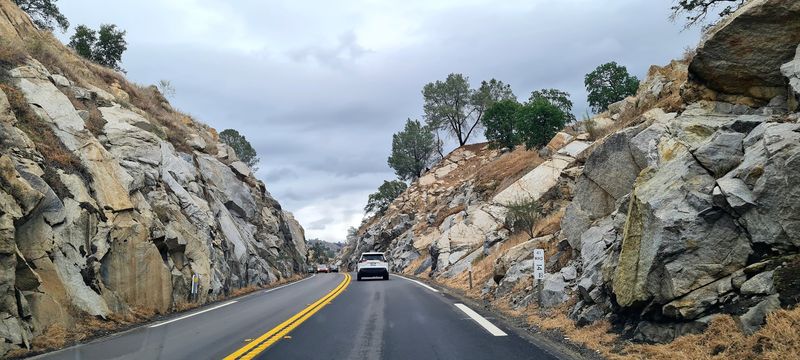
The name alone tells you what brought people here.
Coarsegold in Madera County earned its straightforward identity from the type of gold that miners pulled from the area’s streams and soil during the 1850s, large, rough nuggets rather than fine dust.
That practical, no-nonsense naming sensibility is very much in keeping with the Gold Rush spirit of the region, where places were labeled for what they offered rather than how they sounded.
Today Coarsegold is a small foothill community with a relaxed rural character and a growing reputation as a gateway to Yosemite National Park via Highway 41.
The Coarsegold Historic Village area features local shops, antiques, and artisan vendors that make for a pleasant browse on a weekend afternoon.
The surrounding oak woodland landscape shifts with the seasons, offering golden grasses in summer and green hillsides after winter rains.
The community sits at an elevation of around 2,000 feet, which keeps temperatures noticeably cooler than the San Joaquin Valley floor below.
The Fresno Flats Historical Park in nearby Oakhurst offers additional Gold Rush and pioneer history for those interested in digging deeper into the region’s past.
10. Fawnskin, San Bernardino County
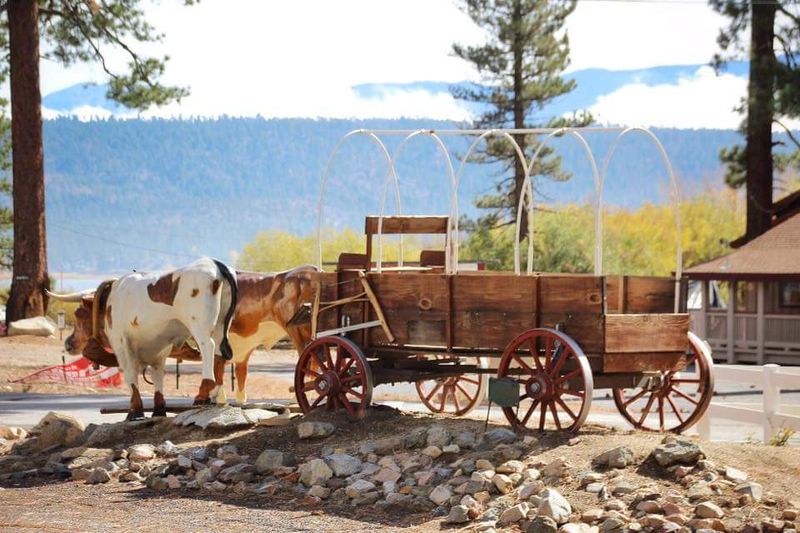
On the quieter north shore of Big Bear Lake in San Bernardino County sits a small mountain community with one of the most charming names in Southern California.
Fawnskin reportedly got its name from the soft, muted color of the surrounding hillsides in certain seasons, a hue said to resemble the coat of a young deer.
Whatever the precise origin, the name fits the gentle, unhurried personality of this lakeside village perfectly.
Fawnskin offers a noticeably calmer alternative to the busier south shore of Big Bear Lake, where most of the commercial activity is concentrated.
The pace here is slower, the streets are quieter, and the views across the water toward the surrounding San Bernardino Mountains tend to be unobstructed and beautiful.
The Big Bear Discovery Center, located in Fawnskin, serves as the main interpretive hub for the San Bernardino National Forest and offers exhibits on local wildlife and ecology.
Bald eagles winter near the north shore of Big Bear Lake, and the Discovery Center runs guided eagle tours during the season, typically from December through February.
Hiking trails accessible from Fawnskin wind through pine and cedar forest, offering peaceful alternatives to the crowded resort trails on the south shore.
11. Badwater Basin, Inyo County
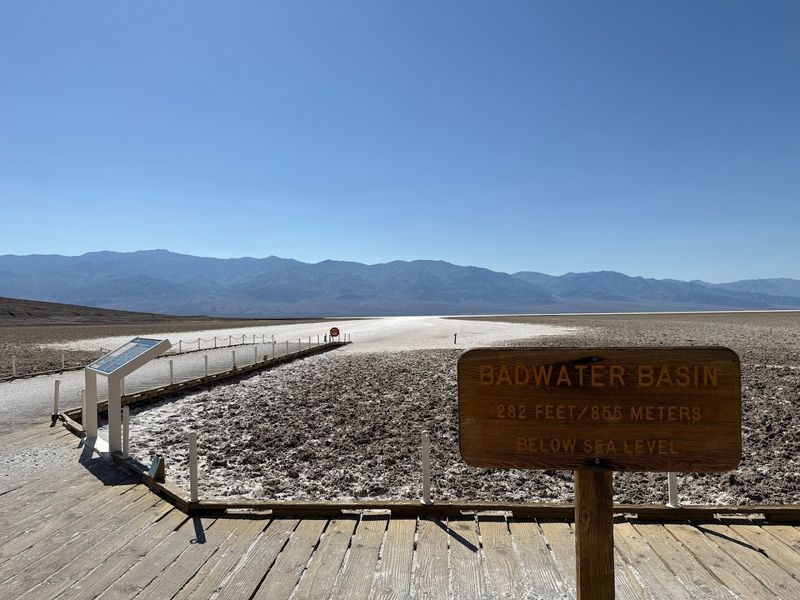
At 282 feet below sea level, Badwater Basin holds the distinction of being the lowest point in North America, and the name does nothing to soften that fact.
The basin is a vast expanse of salt flats that stretch across the valley floor in patterns of interlocking polygons formed by repeated cycles of flooding and evaporation.
The name reportedly came from an early surveyor whose mule refused to drink from the small pool of brine at the site, leading to a simple annotation on the map that read “bad water.”
Standing on the salt flat and looking up at the valley walls, where a small sign marks sea level hundreds of feet above, gives a powerful sense of just how deep this landscape actually is.
The white expanse reflects heat intensely, and summer temperatures regularly exceed 120 degrees Fahrenheit, making fall, winter, and early spring the practical visiting seasons.
Death Valley National Park entrance fees apply, and the road to Badwater Basin is paved and accessible to standard vehicles.
Early morning visits offer the most dramatic light, with the Panamint Mountains casting long shadows across the salt surface.
12. You Bet, Nevada County
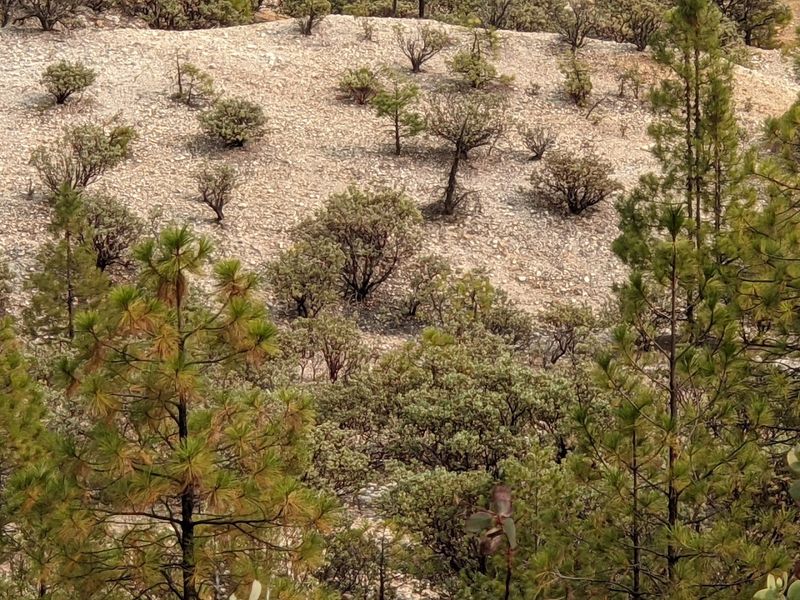
Few place names in California carry the confident swagger of You Bet, a small Gold Rush community tucked into the forested hills of Nevada County.
The name is believed to have originated during the mining era as a common expression of affirmation, essentially meaning “absolutely” or “without a doubt”.
It was apparently used so frequently at a local establishment that it became the de facto name of the settlement.
It’s the kind of origin story that feels entirely plausible given the colorful personalities that populated Gold Rush California.
You Bet sits in a heavily forested area near the town of Colfax, and the surrounding landscape still shows the physical marks of hydraulic mining operations that dramatically reshaped the terrain during the 19th century.
Malakoff Diggins State Historic Park, not far from the area, preserves one of the largest hydraulic mining sites in California history and offers trails through the carved landscape.
The region is listed among the most unusually named places in the state, and local pride in that distinction is evident.
The forested roads around You Bet are popular with cyclists and hikers who appreciate the elevation, the shade of the pines, and the sense of riding or walking through living history.