This Old-School California Steakhouse Serves A Ribeye Worth Planning Lunch Around
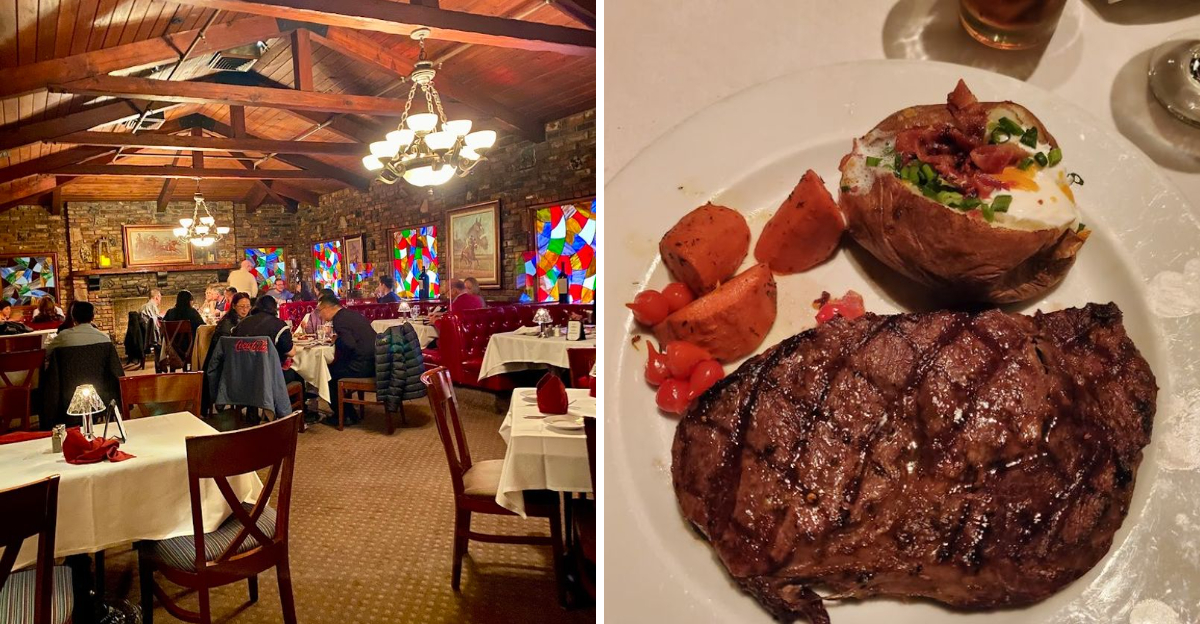
Lunch plans get serious when ribeye enters the room.
A salad can wait. Errands can wait longer. The whole afternoon suddenly has a much clearer purpose.
An old-school steakhouse in California can make noon feel like prime time for a plate that usually waits until dinner.
That is what makes this one tempting. The room does not need trendy drama when the steak already knows how to hold attention.
A proper ribeye brings its own confidence through a deep sear and the kind of juiciness that makes small talk lose momentum.
Places like this understand patience.
They understand that a great lunch can feel bigger than the time of day suggests.
One plate can turn a simple midday stop into the reason the rest of the schedule gets rearranged.
A Restaurant That Has Been Around Since 1922
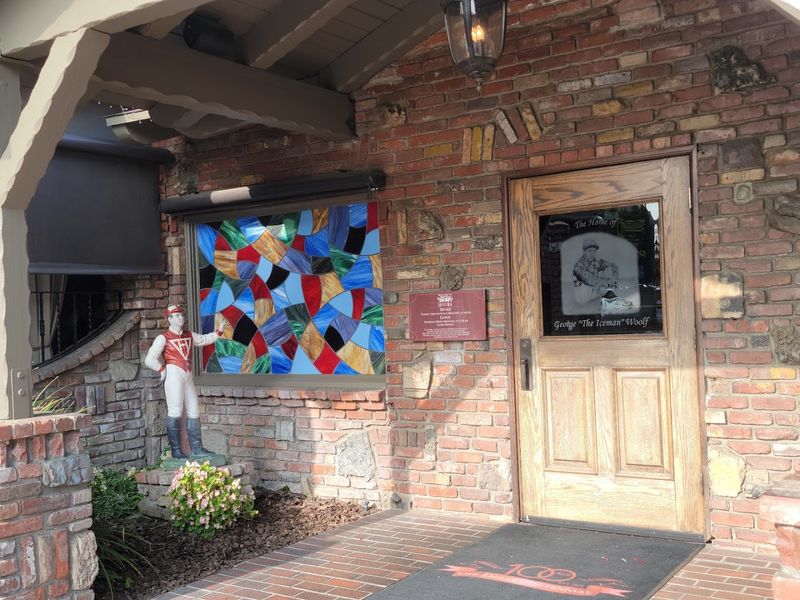
How many restaurants in Southern California do you know that can claim a history stretching back more than a hundred years? Not many, however The Derby is one of them.
Established in 1922, the Arcadia steakhouse holds a rare place among the oldest dining establishments in all of Los Angeles County.
The building at 233 E Huntington Dr, Arcadia, CA 91006 carries a sense of permanence that newer restaurants simply cannot manufacture.
The architecture and interior details feel rooted in a specific era, one where fine dining meant unhurried meals, attentive service, and food that was prepared with care rather than speed.
A century of operation means the kitchen has had time to refine its approach, and the dining rooms have developed a character that feels genuinely lived-in rather than designed to look vintage.
Regulars return for milestones like anniversaries and birthdays, and first-time visitors often leave with plans to come back.
That steady loyalty across generations says more about the quality of the experience than any single dish could on its own.
The Horse-Racing History Behind The Name
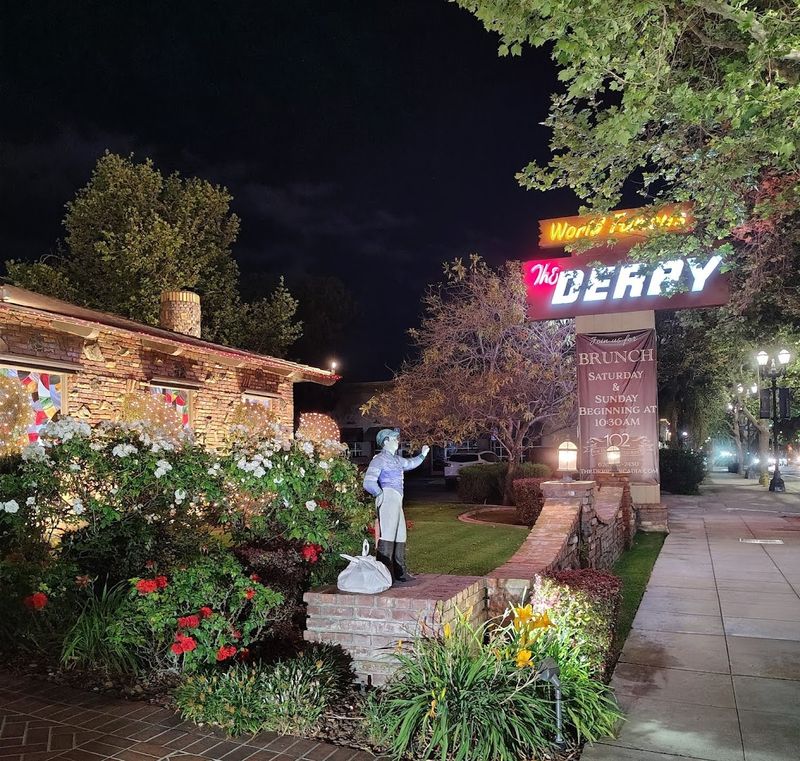
Behind the name and the atmosphere, there is a genuine sporting legacy that gives The Derby its identity.
A celebrated jockey connected to the famous racehorse Seabiscuit purchased the restaurant in 1938, envisioning it as a natural gathering spot for jockeys and racing fans who followed the Santa Anita racing scene nearby.
That vision shaped the physical space in ways that are still visible today.
The walls are covered in horse and racing memorabilia, including photographs and artifacts that trace the connection between the restaurant and the local racing world.
The George Woolf Room, named in honor of that original jockey owner, remains one of the most requested seating areas in the house.
Arcadia itself is not a random backdrop for this story. Santa Anita Park sits nearby, and the neighborhood has long carried a cultural connection to horse racing that few other communities in California can match.
The Derby leans into that identity without forcing it, letting the memorabilia and the history speak quietly from the walls while the food and service do the heavier lifting on any given visit.
The Ribeye That Makes Lunch Worth Planning Around
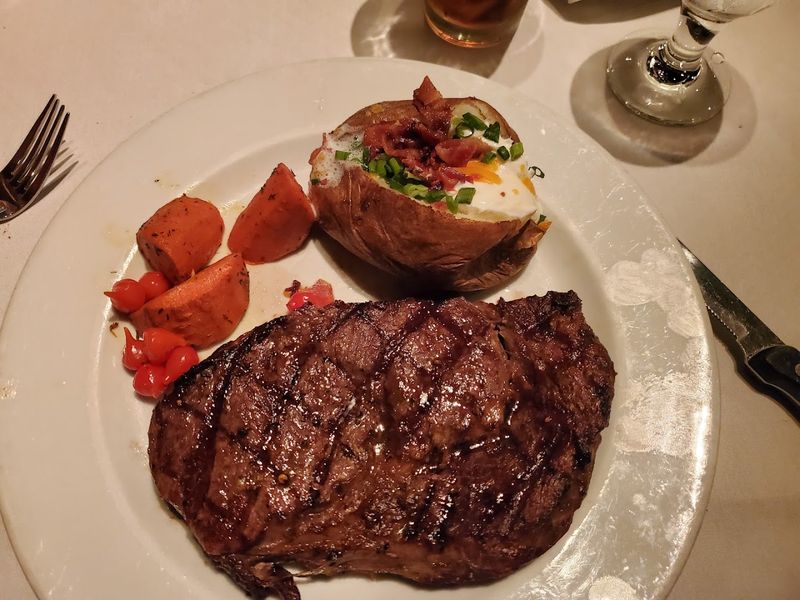
Not every steakhouse puts a serious bone-in ribeye on its lunch menu, which is exactly what makes The Derby stand out during midday hours.
The lunch ribeye is listed as 18 ounces of full-flavored prime beef served bone-in, which is a substantial cut by any standard and a genuinely rare find at lunchtime in the San Gabriel Valley.
Prime beef carries more marbling than choice-grade cuts, and that marbling is what delivers the rich, juicy texture that steak enthusiasts talk about.
A bone-in preparation tends to concentrate flavor during cooking, giving the meat a depth that boneless cuts sometimes lack.
The sear on a well-prepared ribeye creates a crust that contrasts with the tender interior in a way that makes each bite feel intentional.
Ordering a steak this size at lunch requires a bit of appetite planning, but the portion is generous enough that taking leftovers home is a realistic and satisfying outcome.
For anyone who has ever wished that lunch could feel as special as a dinner reservation, this ribeye makes a compelling case that midday meals do not have to be an afterthought.
The Menu Reaches Beyond Steak
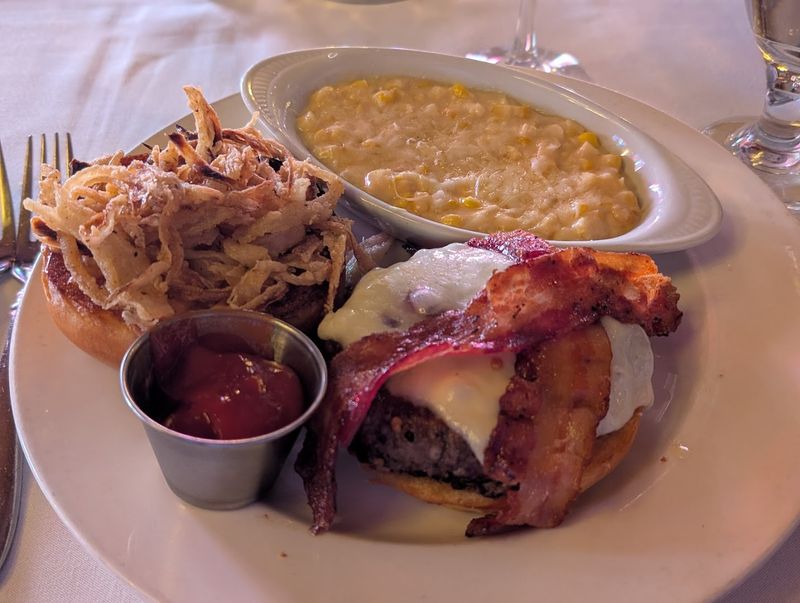
Calling The Derby a steakhouse is accurate, but the menu covers significantly more ground than beef alone.
Fresh seafood, crab cakes, lobster tail, and a bacon-wrapped filet mignon prepared Oscar style are among the options that give the menu range without losing its steakhouse identity.
The prime rib has its own devoted following and appears consistently in positive feedback from guests.
Appetizers like bone marrow, beef tartare, French onion soup, and bacon-wrapped dates round out the starter options in a way that rewards guests who arrive hungry and want to build toward the main course gradually.
Side dishes such as creamed corn, potatoes Romanoff, and green beans are prepared to complement the beef rather than compete with it.
Dessert at The Derby carries its own reputation, particularly the Baked Alaska, which is presented tableside with a dramatic flaming finish that tends to draw attention from surrounding tables.
The Derby cappuccino, made with a recipe the kitchen keeps private, has become something of a signature closer for regular guests.
For a steakhouse lunch visit, the menu offers enough variety that guests with different preferences can find something satisfying without defaulting to steak by necessity.
What Makes The Prime Rib A Separate Conversation
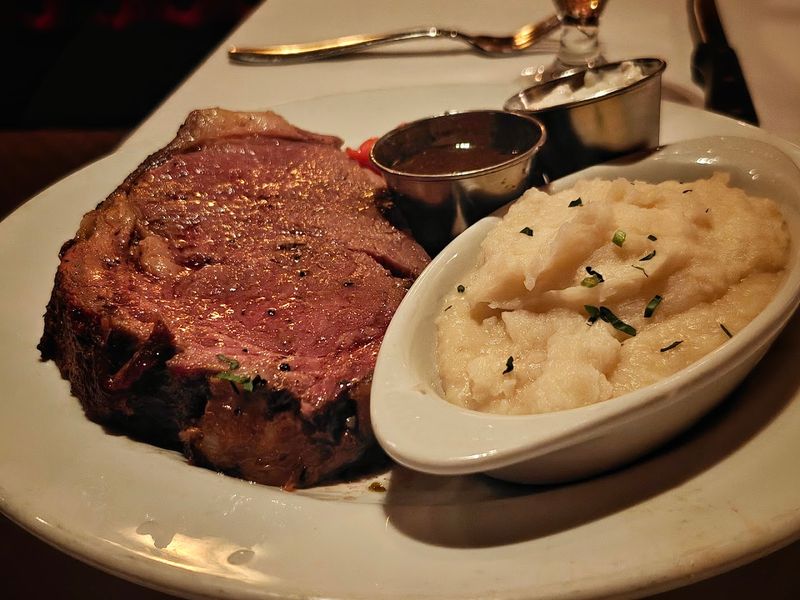
While the ribeye gets the spotlight in the lunch menu discussion, the prime rib at The Derby has earned its own loyal following over decades of service.
Guests consistently describe it as tender, juicy, and seasoned with a consistency that suggests the kitchen has refined the preparation over a very long time.
The 16-ounce option is frequently cited as a satisfying size that holds up even when reheated the next day.
Prime rib and ribeye come from the same primal cut of beef but are prepared differently, and that distinction matters for guests choosing between them.
Prime rib is slow-roasted as a large standing rib roast and carved to order, while the ribeye is cut and cooked individually.
Each method produces a different texture and flavor profile, giving guests a genuine choice rather than two versions of the same thing.
On busy evenings, prime rib can sell out, which is worth keeping in mind when planning a visit specifically for that cut.
Arriving earlier in the service window reduces the risk of missing out.
For a lunch visit, the ribeye remains the featured option under the dedicated lunch menu section, making it the more reliable choice when midday dining is the plan.
The Atmosphere Inside The Dining Room
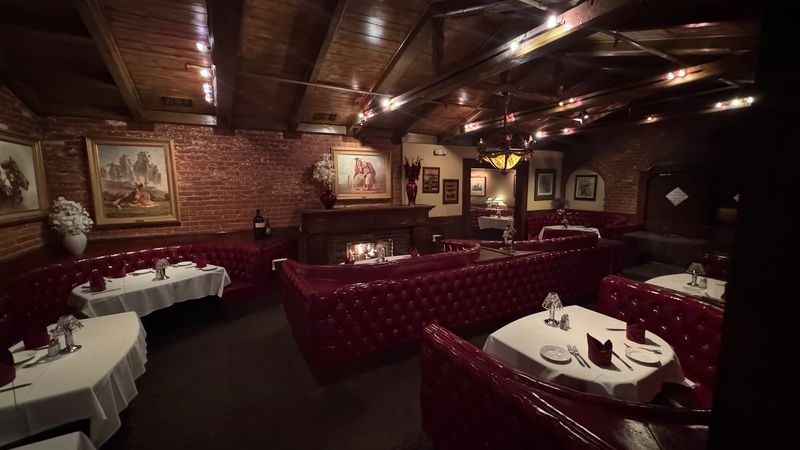
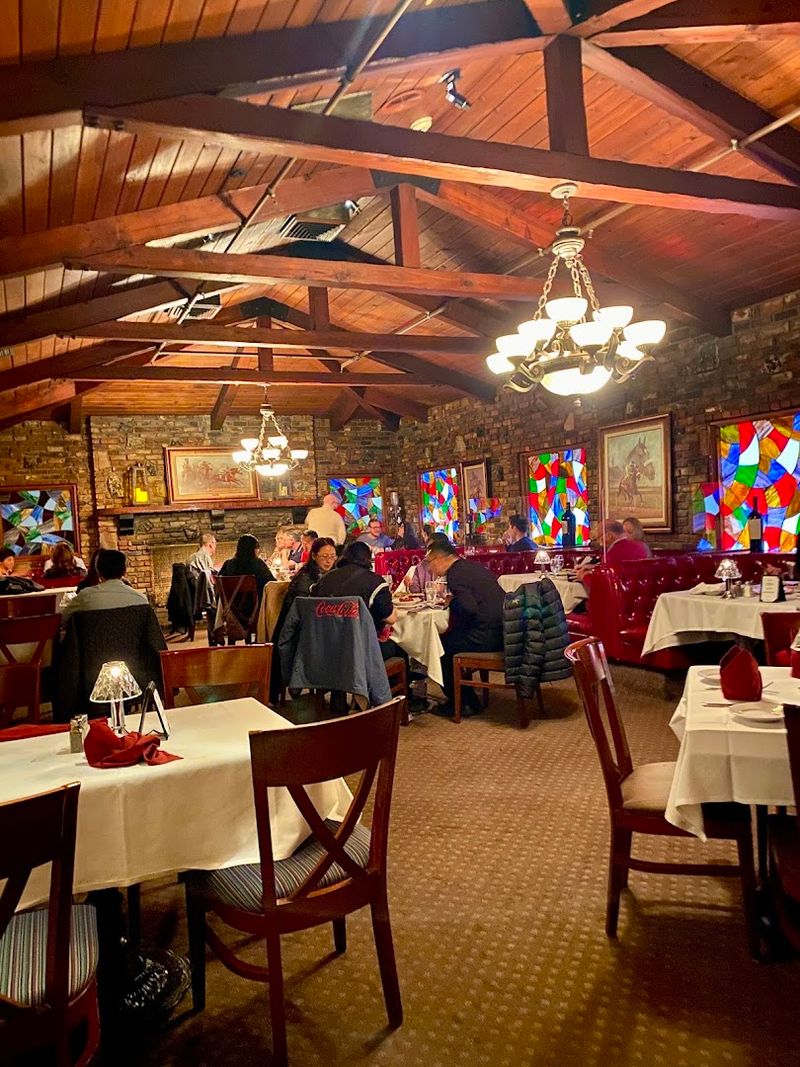
The interior feels like a different era of California dining, one where the lighting was intentionally low and the seating was built for comfort rather than efficiency.
Red leather booths line the rooms, and the warm glow from the lighting softens the space into something that feels cozy and unhurried rather than formal and stiff.
The horse-racing memorabilia on the walls adds texture to the visual experience without overwhelming it.
Framed photographs, historical artifacts, and artwork connected to the local racing world create a specific mood that reinforces the restaurant’s identity at every glance.
The George Woolf Room, in particular, carries a concentrated version of that atmosphere.
Noise levels at dinner can climb as the dining room fills, but the layout and the booth seating absorb some of that energy in a way that still allows for easy conversation.
At lunch, the same rooms tend to carry a calmer energy, which suits guests who want to spend time with the food rather than shout over background noise.
The fireplace adds warmth during cooler months, and the overall effect is a space that feels genuinely welcoming rather than designed to impress from a distance.
The Connection To Santa Anita And Arcadia
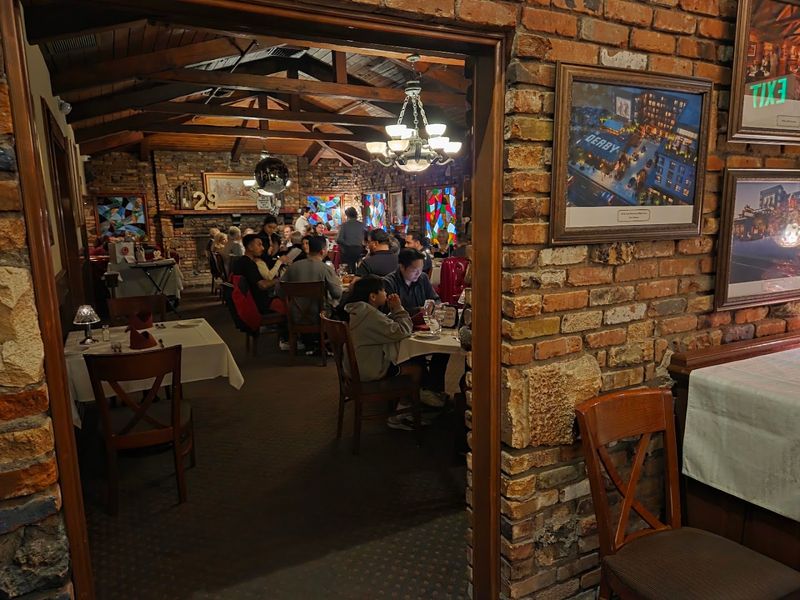
Location shapes identity for a restaurant in ways that are easy to overlook, and for The Derby, Arcadia is not just a zip code.
The proximity to Santa Anita Park, one of the most storied horse-racing venues in the United States, gives the restaurant a geographic context that makes its racing-themed decor feel earned rather than borrowed.
When the restaurant opened and later when it was purchased by a celebrated jockey in 1938, the Santa Anita racing scene was a central part of the local social world.
Jockeys, owners, trainers, and fans needed a place to gather, and The Derby filled that role in a way that left a lasting imprint on the restaurant’s personality.
That history is not just decorative; it shaped the clientele, the culture, and the sense of occasion that regulars still associate with a visit.
Arcadia today is part of the broader San Gabriel Valley, a diverse and active community east of Los Angeles.
Visitors coming from the greater LA area typically find the drive straightforward, and the restaurant’s address at 233 E Huntington Dr places it in a section of the city that is easy to navigate.
The setting adds to the overall experience rather than simply serving as a backdrop.
Practical Tips For Planning A Lunch Visit
A few practical details can make a lunch visit to The Derby smoother and more enjoyable.
Lunch service on Thursday and Friday starts at 11:30 a.m., and arriving close to opening time tends to offer the quietest seating window before the room fills.
Weekend brunch and lunch runs from 10:30 a.m. to 2:30 p.m. on Saturday and Sunday, which gives a slightly longer window for a relaxed midday meal.
The restaurant can be reached at 626-447-2430 for reservations or questions about current menu availability, which is useful for anyone traveling a significant distance specifically for the ribeye or prime rib.
Confirming availability in advance avoids the disappointment of arriving to find a specific cut has sold out or that hours have shifted.
Portions at The Derby run large, so arriving with a reasonable appetite rather than ordering multiple heavy courses from the start tends to produce a more satisfying experience.
The ribeye at lunch is substantial enough to be the centerpiece of the meal, with one or two sides rounding it out comfortably.
Parking options include valet, and the restaurant sits in an accessible part of Arcadia that is reachable from most parts of the greater Los Angeles area without significant difficulty.