The Florida Coastal Towns Where Life Moves Slow And Every View Feels Like A Postcard
There is a specific kind of pause that only happens in certain places.
Not the pause where you check your phone or remember something you forgot to do.
But the one where your brain genuinely goes quiet and you just stand there, looking at the water, completely unbothered by everything that felt urgent an hour ago.
Florida has a reputation for theme parks and spring break chaos, which is fair, but it also has a quieter side that most people speed right past on the way to somewhere louder.
A collection of small coastal towns where the pace is slower, the views are beautiful, and the locals have clearly figured out something the rest of us are still working on.
No packed itineraries, no entry fees, no crowds pushing you toward the exit. Just salt air, unhurried mornings, and that particular kind of light that makes everything look like it was meant to be photographed.
1. Apalachicola
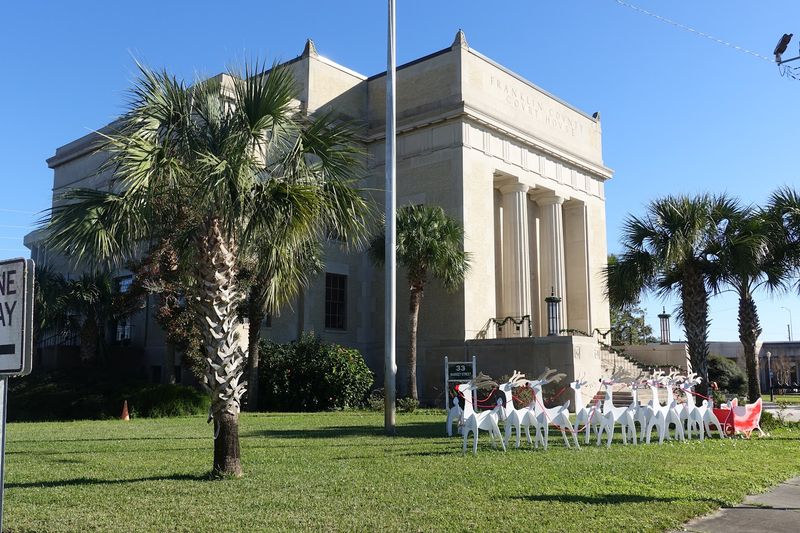
Nobody warns you about Apalachicola. You drive in expecting a quick stop and end up rearranging your entire weekend around it.
This small Panhandle town sits along the Apalachicola Bay, and the whole place feels like time forgot to keep moving here.
The downtown area is compact and walkable, lined with 19th-century buildings that have been quietly standing since the town was a booming cotton port.
Today, the streets are calm, the locals are friendly, and the seafood is outrageously fresh. The bay is one of the most productive estuaries in North America, which means the oysters are not just good, they are legendary.
Water Street runs right along the bay and gives you views that belong on a postcard nobody actually sends anymore.
The Apalachicola National Estuarine Research Reserve sits nearby, protecting miles of unspoiled wetlands and forest.
If you like history with your sunsets, the John Gorrie Museum State Park tells the story of the man who invented mechanical refrigeration right here in this little town. Apalachicola is the kind of address you bookmark and never delete.
2. Cedar Key
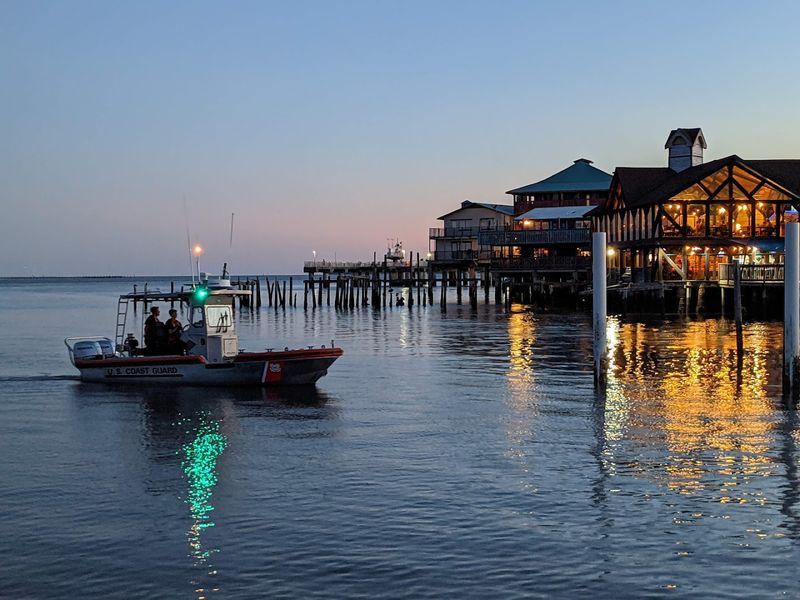
Cedar Key sits at the end of a road that feels intentional, like the highway itself is filtering out anyone who is not truly ready to unwind.
This tiny island community off Florida’s Gulf Coast is one of the least crowded and most genuinely charming spots in the entire state.
The town is built on a cluster of small islands connected by a causeway, and the whole vibe is unhurried in the best possible way.
Artists, fishermen, and retirees have been quietly coexisting here for decades. The Cedar Key National Wildlife Refuge surrounds the area, protecting nesting birds and coastal habitat that most tourists never see.
Second Street is the main drag, packed with small galleries, seafood shacks, and porches that seem designed specifically for staring at the Gulf.
The clam farming industry here is a real source of local pride, and you can taste that pride in every bowl of chowder served within city limits.
Cedar Key rewards the kind of traveler who drives past the obvious exits and keeps going. Once you arrive, you will completely understand why people come here once and then come back every single year.
3. Anna Maria Island
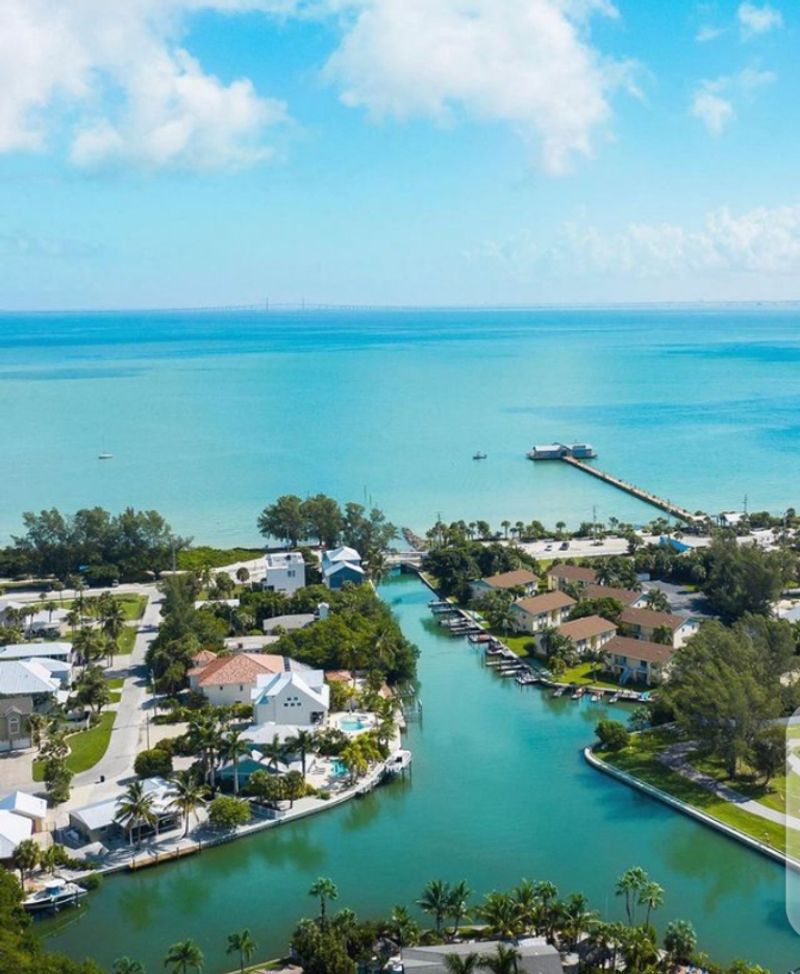
Anna Maria Island has seven miles of Gulf Coast shoreline.
It is a barrier island that feels genuinely personal rather than commercially packaged.
The three cities on the island, Anna Maria, Holmes Beach, and Bradenton Beach, each have their own personality.
Anna Maria City at the north end is the quietest, full of pastel-painted cottages and a fishing pier that dates back to 1911. Holmes Beach sits in the middle and buzzes a little more with restaurants and boutiques.
Bradenton Beach at the south end connects to the mainland and has a historic Bridge Street with shops and water views that draw crowds for good reason.
Pine Avenue in Anna Maria City is one of the most photogenic streets in Florida, lined with bougainvillea, old trees, and small local businesses that have been there long enough to feel permanent.
The sunsets here are competitive. Locals gather at the north pier with lawn chairs and genuine enthusiasm like they have never seen one before.
Anna Maria Island is the kind of place that makes you resent your return flight before you even unpack.
4. Seaside
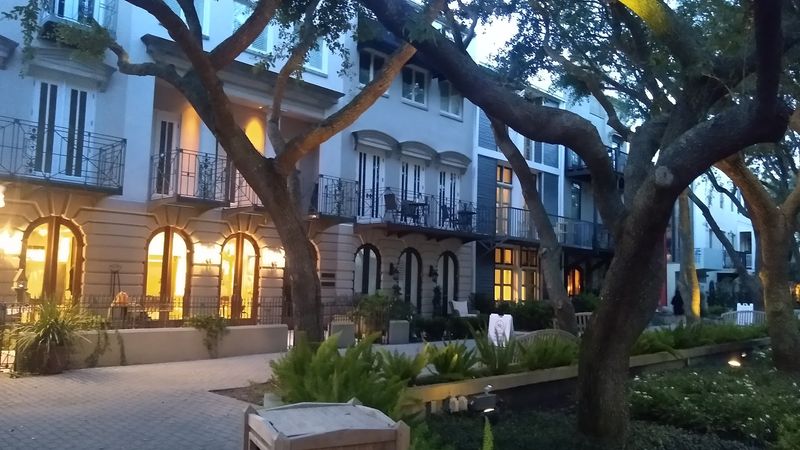
This town was literally designed to feel like a perfect town, and the slightly unsettling part is that it actually worked.
Built in the 1980s as a planned community in the Florida Panhandle, it became the filming location for The Truman Show, which tells you everything and nothing at the same time.
The architecture here is storybook, pastel houses with white picket fences, wide porches, and streets narrow enough to make cars feel like guests rather than residents.
The town sits along a stretch of the Emerald Coast where the water is genuinely the color of a swimming pool, only better because it is real. The sugar-white sand is the kind that squeaks when you walk on it.
Central Square is the social hub, ringed with local restaurants, a bookshop, and an open-air amphitheater that hosts events throughout the year.
The Airstream food trucks parked nearby have been a staple since the early days and serve everything from crepes to grilled fish.
Seaside is a small community, walkable from end to end in about twenty minutes, but it packs more charm per square foot than most Florida cities manage across entire zip codes. Plan to linger longer than you intended.
5. Venice
Venice calls itself the Shark Tooth Capital of the World, and unlike most self-appointed titles, this one is completely earned.
The beaches here are famous for washing up fossilized shark teeth by the thousands, a quirk of geology that turns every morning beach walk into a small treasure hunt.
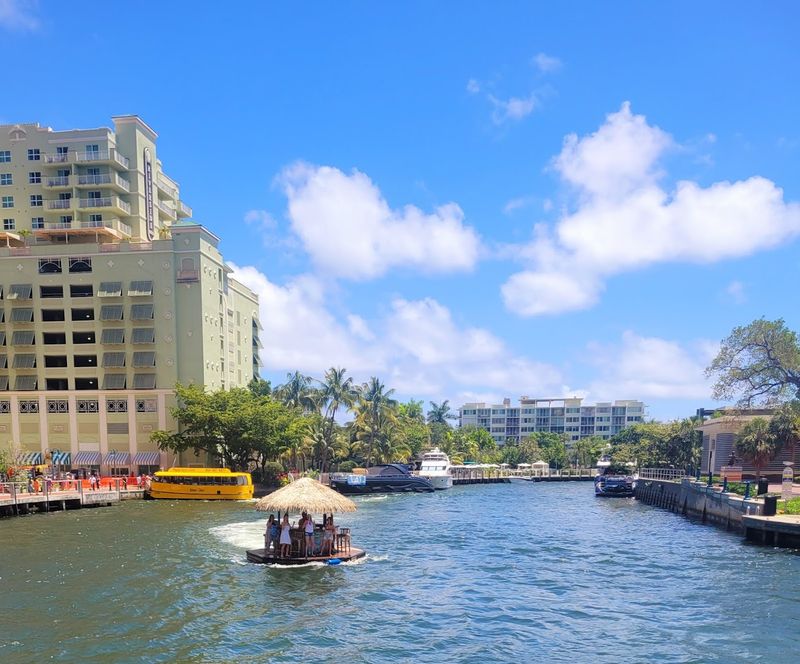
The town itself is thoughtfully designed, with a downtown that feels genuinely walkable and a canal system that earned it the nickname Little Venice.
The architecture along Venice Avenue has a Mediterranean Revival style that gives the streets a warmth and character rarely found in Florida beach towns.
The Intracoastal Waterway runs through the area and offers calm paddling routes that reward anyone who rents a kayak for a few hours.
Caspersen Beach is ground zero for shark tooth hunting and draws dedicated collectors from across the country every season.
The beach is less manicured than the main strand, which is exactly the point. Venice Theatre is worth a visit for anyone who wants more than sand and saltwater.
Venice moves at a pace that feels medically beneficial, the kind of slow that actually restores something in you.
6. New Smyrna Beach
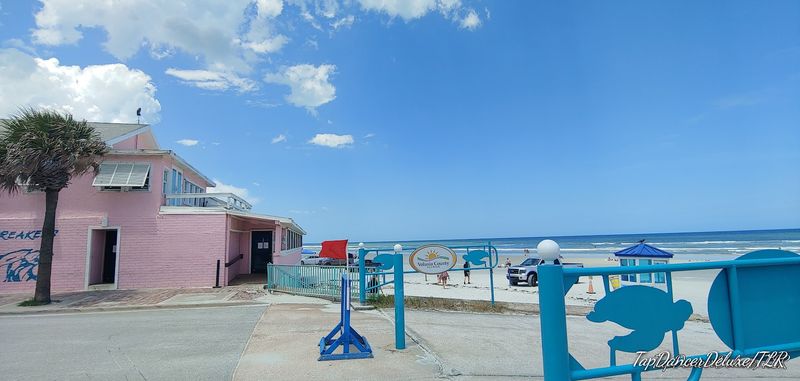
Surfers figured out New Smyrna Beach long before the lifestyle magazines did, and the locals are quietly grateful the secret stayed semi-contained.
This Atlantic Coast town has a consistent wave break that draws serious surfers from across the Southeast, but the town itself is far more layered than its surf reputation suggests.
Canal Street in the historic downtown is one of the most enjoyable streets in Florida for an afternoon wander.
Independent galleries, bookstores, coffee shops, and restaurants fill the blocks with a creative energy that feels organic rather than curated.
The Arts District has been growing for decades and gives New Smyrna Beach a cultural depth that surprises first-time visitors expecting just another beach town.
The Canaveral National Seashore begins just north of town, protecting over 24 miles of undeveloped Atlantic coastline that remains one of the most pristine stretches of beach in the entire state.
Turtle mound, a large shell midden built by the Timucua people, rises within the seashore and offers a rare elevated view across the barrier island.
New Smyrna Beach has the rare quality of feeling simultaneously easygoing and interesting. You come for the waves and stay for everything else that quietly reveals itself over a few unhurried days.
7. Matlacha
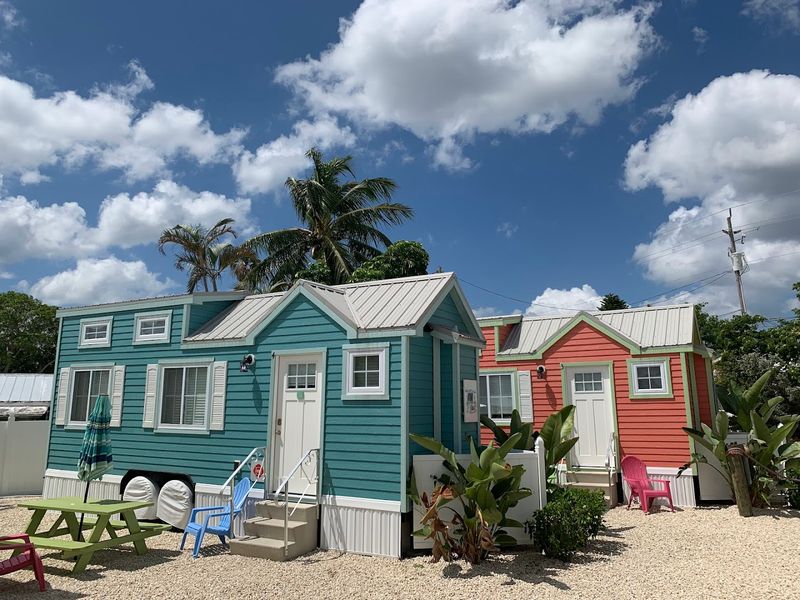
Matlacha looks like someone handed a paint set to an entire fishing village and said go wild.
Every building along the main strip is a different color, every dock has a story, and the whole place sits on a narrow island connected to Pine Island by a single bridge that feels like a portal into a different Florida entirely.
This community of about 700 residents has become a genuine arts destination without losing any of its working waterfront character. Galleries sit next to bait shops.
Artists live next to multigenerational fishing families. The mix is not manufactured, it just evolved that way, and it works beautifully.
The Matlacha Pass Aquatic Preserve surrounds the island with shallow, clear waters full of mangrove islands and wildlife.
Snook Inn is one of the most photographed waterfront restaurants in Southwest Florida, and the view from the dock explains exactly why.
Kayaking through the backwater channels here is a genuinely meditative experience, especially in the early morning when the water is flat and the herons are fishing alongside you.
Matlacha rewards slow travel. The more time you give it, the more it gives back, and the colors look better in person than any photograph can manage.
8. Vilano Beach
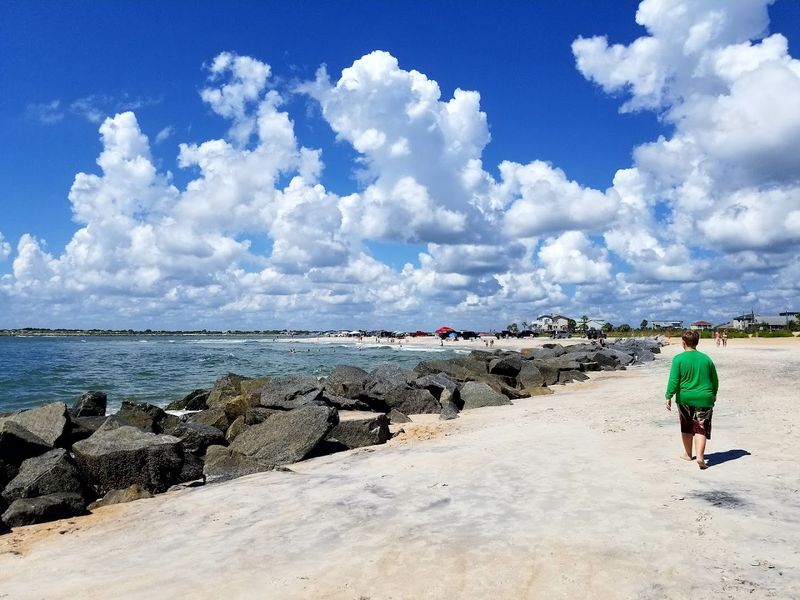
Vilano Beach sits just north of St. Augustine across the Bridge of Lions, and most tourists drive right past it chasing the more famous historic district. That is genuinely their loss and quietly your gain.
This small beach community has a relaxed, unassuming quality that makes it feel like a local secret operating in plain sight.
The beach itself is wide, uncrowded, and faces the Atlantic with the kind of openness that makes you feel small in the best possible way.
The Tolomato River runs along the back side of the community, creating a narrow barrier island setting with water views in almost every direction.
Kayaking the Tolomato at low tide is one of the better ways to spend a morning in Northeast Florida.
The Vilano Beach Town Center area has been developing gradually with small restaurants and shops that serve the neighborhood without overwhelming it.
Nearby Fort Mose Historic State Park is a genuinely important piece of American history that most visitors overlook entirely.
Vilano Beach earns its place on this list not by being flashy but by being real, the kind of real that feels increasingly rare along the Florida coast.
9. Vero Beach
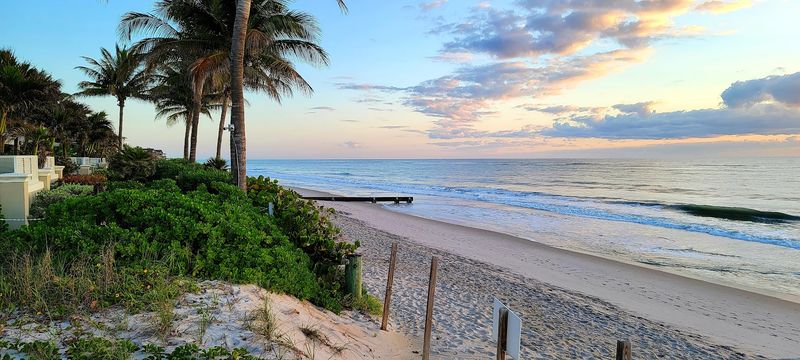
Vero Beach has a composure about it that most Florida beach towns never quite manage.
There is no desperation to impress, no neon signs competing for attention, just wide sandy beaches, well-kept streets, and a downtown that feels genuinely cared for by the people who actually live there.
Ocean Drive is the main coastal corridor, lined with boutiques, galleries, and restaurants that cater to residents as much as visitors.
The Vero Beach Museum of Art is one of the best regional art museums in Florida and consistently draws exhibitions that would feel at home in a much larger city.
The nearby McKee Botanical Garden is a lush, historic garden that has been quietly stunning visitors since 1929.
The beaches along South Ocean Drive are some of the least crowded and most naturally beautiful on the entire Atlantic Coast.
Sea turtle nesting season brings loggerheads and leatherbacks to these shores between May and October, making nighttime turtle walks one of the most memorable activities the area offers.
Vero Beach moves with a confidence that does not need to announce itself. It simply exists at a high standard and lets that do all the talking.
10. Stuart
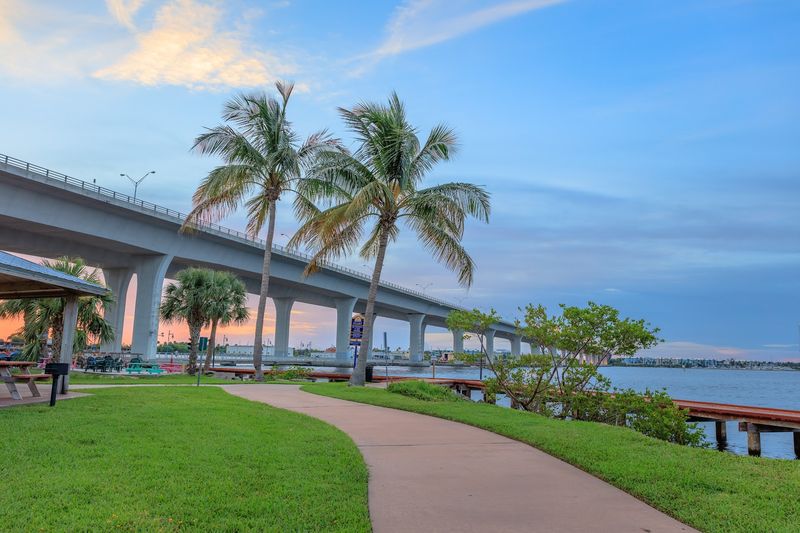
It calls itself the Sailfish Capital of the World, and the marina on any given weekend morning makes that claim feel entirely plausible.
This small city on Florida’s Treasure Coast sits where the St. Lucie River meets the Indian River Lagoon, and the result is a water-rich setting that draws boaters, anglers, and nature lovers in equal numbers.
The historic downtown along Osceola Street is one of the most genuinely charming main streets in South Florida.
Independent shops, murals, live music venues, and locally owned restaurants fill the blocks with an energy that feels earned rather than engineered.
The Lyric Theatre, which opened in 1926, still hosts performances and anchors the district with a sense of history that newer developments simply cannot replicate.
Bathtub Beach is one of the most unique swimming spots in Florida, a natural lagoon formed by a sandbar that creates calm, shallow water perfect for families and snorkelers.
The Indian River Lagoon running through the area supports over 4,300 species of plants and animals, making it the most biodiverse estuary in North America.
Stuart rewards anyone who slows down long enough to actually explore it, and the St. Lucie River at golden hour will absolutely make you reconsider your entire life plan.