This Underrated Florida State Park Is Stunning From Every Angle
State parks that earn the word stunning from every angle are rare. Florida has one where that description holds true no matter where you happen to stand.
This place has been hiding in plain sight and most visitors never find it. I came on a quiet weekday once and had the whole spectacular place entirely to myself.
Every direction rewards attention and every shift in the light changes what you see. Pack a full day and arrive without any fixed expectations whatsoever.
How does a park this beautiful stay this thoroughly underrated for this long? This park earns its beauty effortlessly and rewards everyone who actually shows up.
A Beach With Real Character
Not every beach earns its reputation honestly, but this one does.
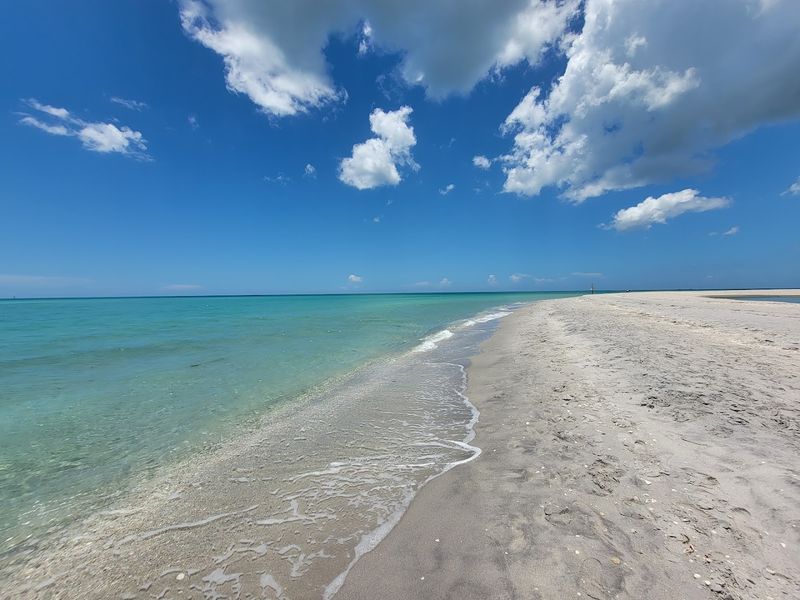
Stump Pass Beach State Park stretches for a full mile along the Gulf of Mexico, and the shoreline here feels nothing like the polished, overcrowded strips you find at more commercial Florida spots.
The sand is pale and soft, scattered with shells in every direction, and the water runs shallow and warm for a surprisingly long distance from shore.
The park sits on the southern tip of Manasota Key, a barrier island that has managed to hold onto its natural character. There are no towering condos blocking the horizon here.
No souvenir shops or food trucks cluttering the entrance. What you get instead is open sky, Gulf breeze, and the kind of quiet that actually lets you think.
I walked the full length of the beach on my first visit and came back the next morning just to do it again. The access point at 900 Gulf Blvd in Englewood is easy to find and straightforward to reach.
History Hidden In Plain Sight
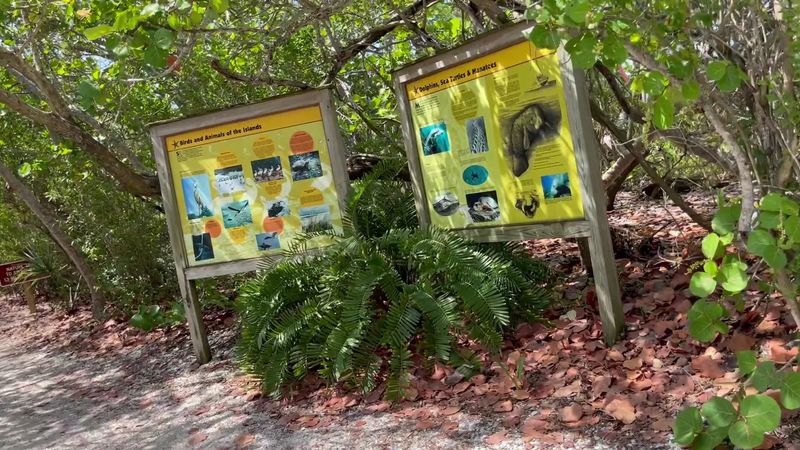
Manasota Key has a longer story than most visitors realize.
This stretch of barrier island was home to Indigenous peoples who left behind shell middens, ancient mounds of discarded shells that hint at thousands of years of human presence along this coastline.
The park itself was created to protect this rare coastal environment from development. Florida has lost enormous stretches of its natural shoreline to construction over the decades.
That makes protected places like this one precious.
The state made a smart call by preserving this particular spot. Stump Pass Beach State Park takes its name from the tidal pass at the park’s southern end, where the Gulf meets Charlotte Harbor.
That pass has shifted and changed over the years due to storms and natural erosion, reshaping the landscape in ways that keep every visit feeling slightly different from the last.
History here is not something locked behind glass. It is literally under your feet.
Five Ecosystems, One Trail
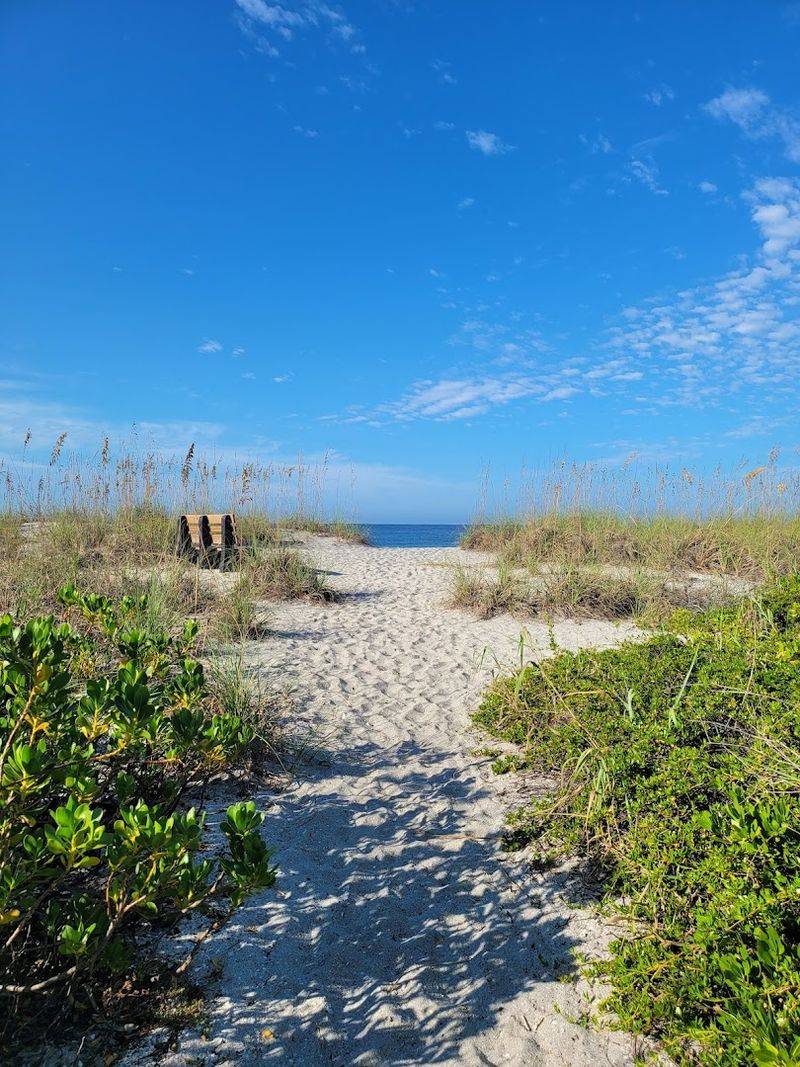
Most people come for the beach and never realize there is a trail running through the back of the park that quietly steals the show.
The hiking path at Stump Pass Beach State Park passes through five distinct natural communities, which is an impressive range for a park of this size.
You move from coastal strand to scrubby flatwoods to mesic flatwoods without walking very far at all.
I spotted gopher tortoises near the trailhead, which is always a good sign that the habitat is healthy. Scrub jays and ospreys appeared overhead as I moved deeper into the trail.
Florida scrub is one of the most endangered ecosystems in the entire state, so seeing it preserved here felt meaningful rather than just scenic.
The trail is not long or technically demanding, making it accessible for most ages and fitness levels. It winds through areas of saw palmetto and sand pine, offering shade and a completely different sensory experience from the open beach.
Shelling Like You Mean It
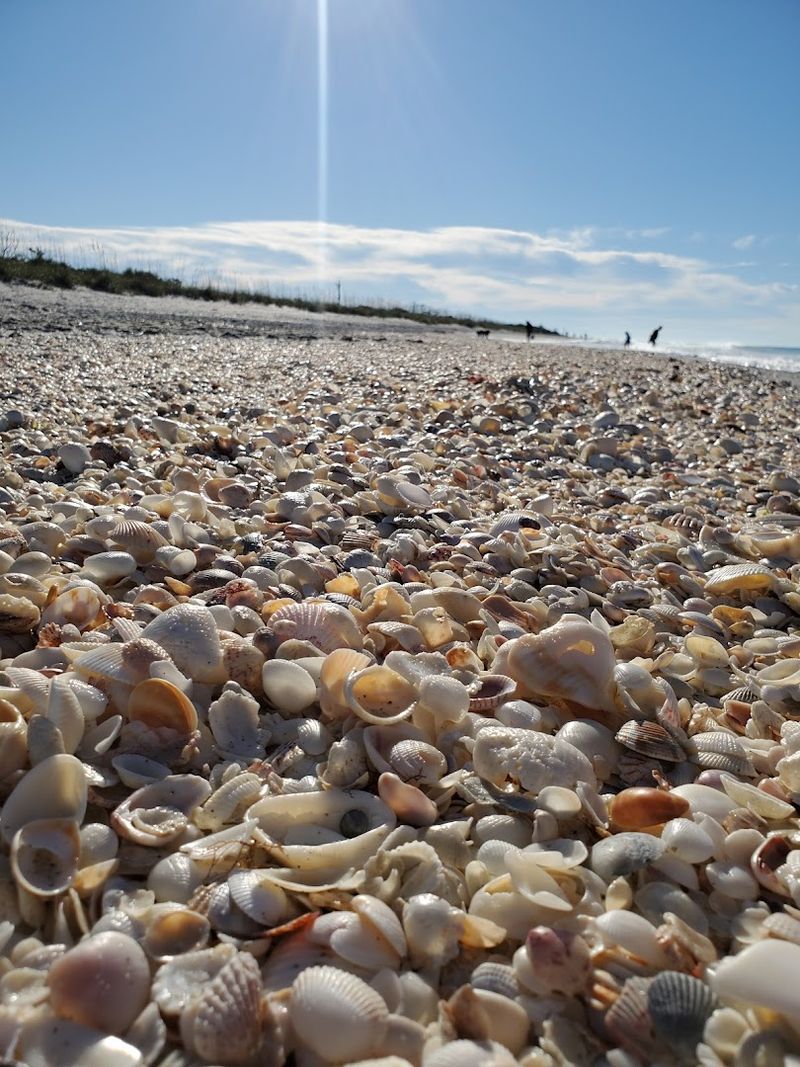
Few beaches in Florida can match what Stump Pass delivers when it comes to shelling.
The combination of tidal patterns, the nearby pass, and the park’s relatively low foot traffic means shells accumulate here in remarkable numbers. On my visit, I filled a small bag within the first twenty minutes without even trying particularly hard.
The real prize for many visitors is shark teeth. The dark, fossilized teeth wash up regularly along this stretch, especially in the morning after a high tide.
They are small, usually the size of a fingernail, and easy to miss if you do not know what to look for.
Once your eye adjusts to spotting that distinctive triangular shape against the sand, you start finding them everywhere.
Beyond shark teeth, the variety of shells here is impressive. Lightning whelks, fighting conchs, angel wings, and coquinas all appear with regularity.
After a major storm, the shell deposits can pile up several feet deep in certain spots, creating an almost surreal landscape of natural debris.
Swimming And Kayaking The Gulf
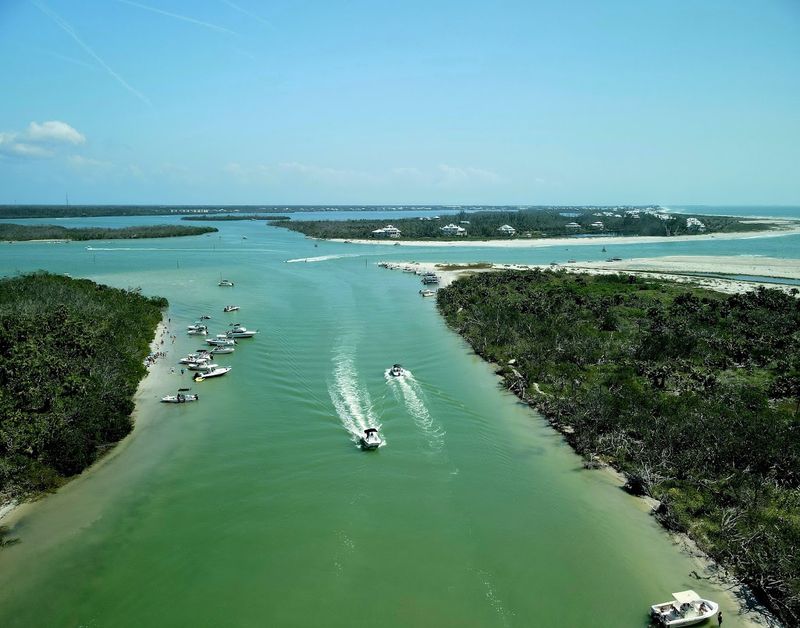
The Gulf of Mexico along this stretch of Florida is inviting for swimming.
The water runs clear and shallow for a long way out, warming quickly in the sun and staying calm on most days.
Low tide exposes wide sandbars that are perfect for wading, and the gentle slope of the bottom makes it comfortable for swimmers of all confidence levels.
Kayaking adds another dimension to the visit entirely. Paddling out through the pass and along the mangrove edges reveals parts of the park that you simply cannot reach on foot.
The water near the pass moves with more energy and tidal current, making it interesting for more experienced paddlers. Calmer areas closer to the beach are better suited for beginners or families with younger kids.
The combination of swimming and paddling in the same visit is hard to beat for a full day out. I rented a kayak and spent the better part of a morning exploring the waterway side of the park before switching to a lazy swim in the afternoon shallows.
The water temperature in the state makes this kind of extended water time comfortable for much of the year, which is one of the state’s more underrated advantages.
Wildlife Worth Watching
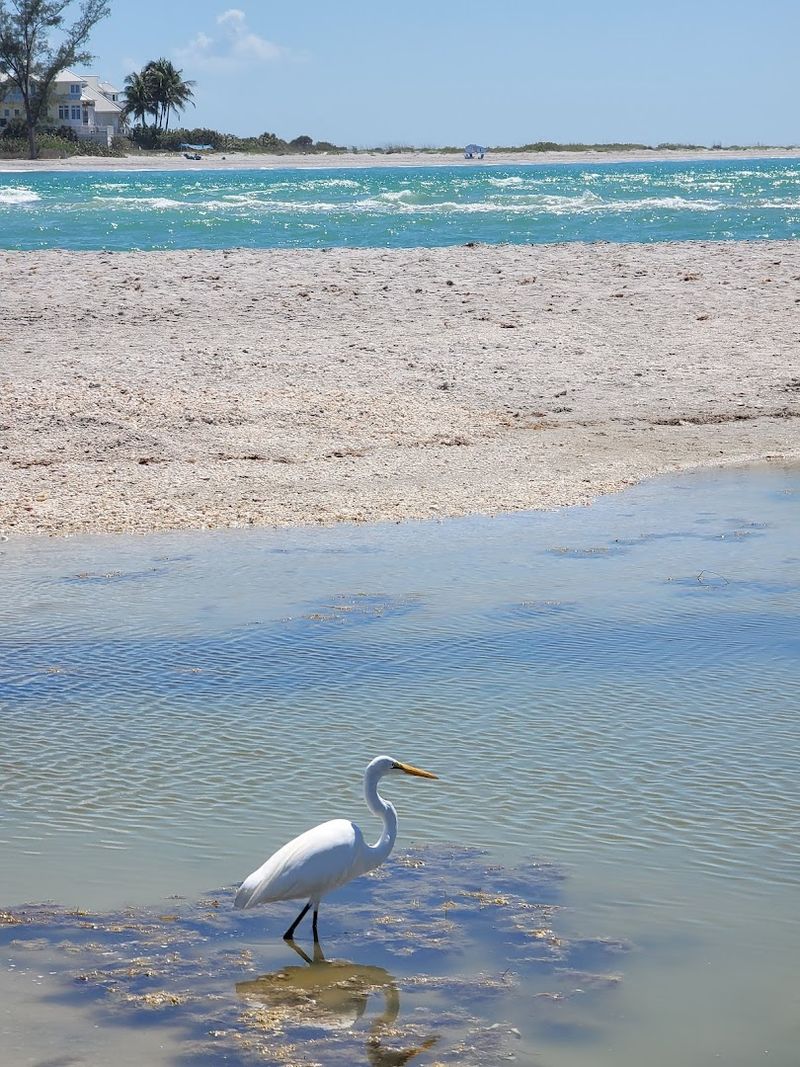
The wildlife here operates on its own schedule and does not particularly care whether you are watching. That indifference is part of what makes it so good.
Dolphins appear regularly just offshore, often close enough to the beach that you can hear them surface. On both of my mornings at the park, a small group worked the shallows within easy viewing distance.
Shorebirds are everywhere. Brown pelicans cruise low over the water in loose formations, while snowy egrets and great blue herons stalk the tide line with their signature slow-motion patience.
Ospreys nest in the taller trees near the trail and can often be spotted carrying fish back toward the canopy. Florida is one of the best states in the country for birdwatching, and this park punches well above its weight.
The shallow water near the pass also attracts rays and small sharks, which glide through the sandy flats at low tide.
Sea slugs, baby fish, and small crabs appear in the tide pools and along the shoreline, turning even a short walk into an impromptu wildlife survey.
The Atmosphere That Sets It Apart
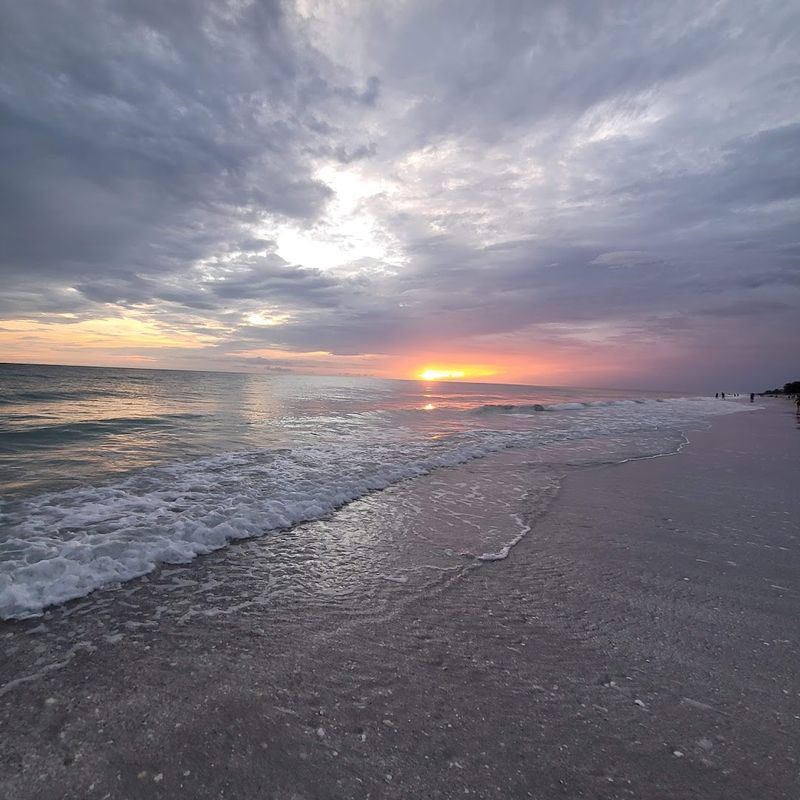
There is a specific kind of quiet that only comes from a place that has not been over-loved.
Stump Pass Beach State Park has it in full. The parking lot is intentionally small, which keeps visitor numbers manageable and ensures the beach never feels like a scene from a theme park.
Most days, the crowd is light enough that you can spread out and find your own corner of the shoreline.
The soundtrack is wind, water, and birds. That combination works remarkably well as a reset for anyone arriving from a noisy week.
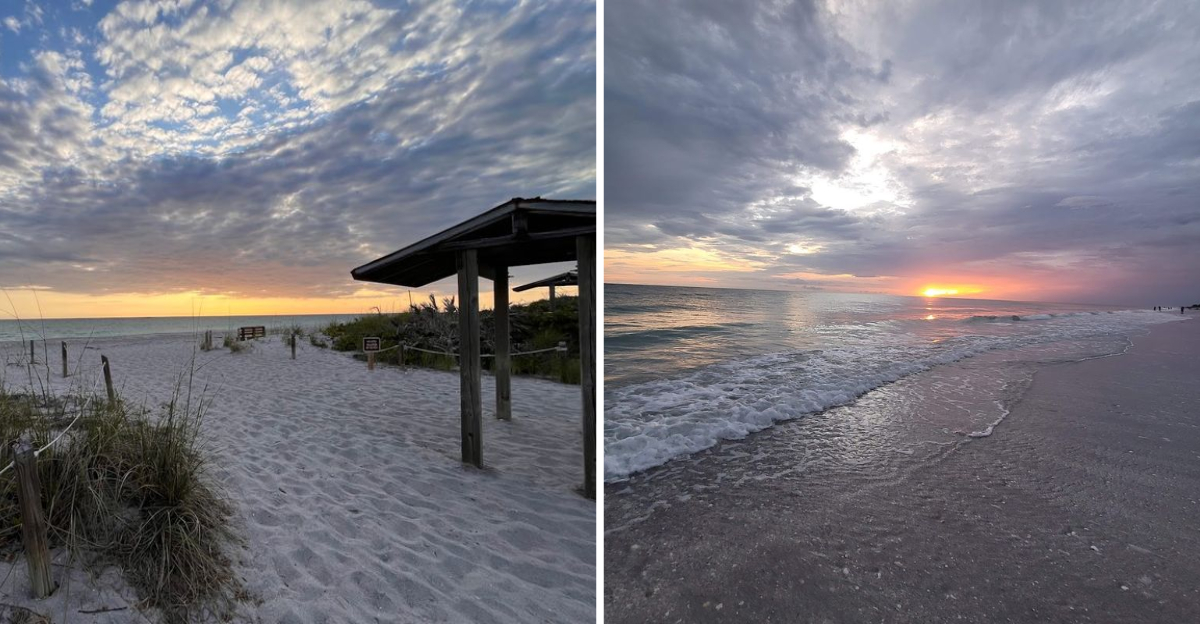
Sunset here is particularly worth staying for. The western exposure over the Gulf means the sky puts on a proper show most evenings, painting the water in shades of orange and pink that feel almost theatrical without actually trying.
I sat on the sand one evening long after I planned to leave, watching the light shift, and felt absolutely no urge to check my phone. That, more than anything, tells you what kind of place this is.
Smart Tips For Your Visit
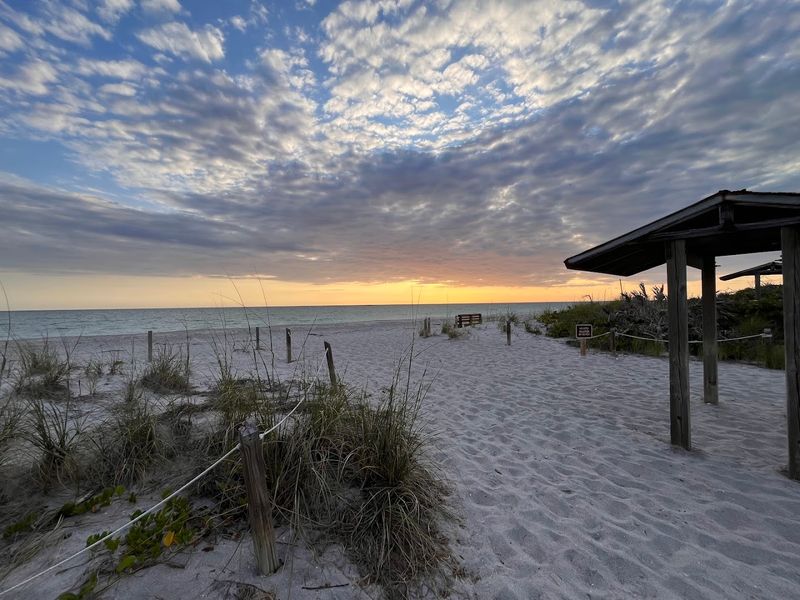
Arriving early is not just a suggestion here, it is necessary.
The parking lot at Stump Pass Beach State Park holds a limited number of vehicles, and on busy mornings it fills up faster than most first-time visitors expect.
Getting there right at opening time, which is 8 a.m., gives you the best chance of securing a spot and also puts you on the beach during prime shelling conditions after a high tide.
Bringing your own water, snacks, and sun protection is strongly recommended. Shade is minimal on the beach itself, so a hat and quality sunscreen are non-negotiable in Florida’s sun.
A small mesh bag or reusable container is useful for collecting shells or shark teeth without losing them in your pockets.
Planning a weekday visit rather than a weekend one dramatically improves your odds of a quiet, unhurried experience at this genuinely special place.