Every Turn Reveals Something New On This Florida Wildlife Drive
Around every bend, something wild quietly watches you. This Florida scenic drive turns spotting into pure delight.
Alligators, herons, and turtles appear unannounced. You roll slowly as nature reveals itself.
I love a drive that doubles as a safari.
Florida guards this route absolutely teeming with life. Marshes and woods frame the winding open road.
Cameras click whenever a creature stirs nearby. Patience here pays off again and again.
You finish amazed at everything you saw. Each mile delivers another living postcard.
Sharp-eyed kids spot creatures the grown-ups always miss. Every slow, winding curve hides yet another quiet thrill.
A Drive Unlike Any Other
Not many road trips start with a pamphlet and end with a jaw-drop, but this one does.
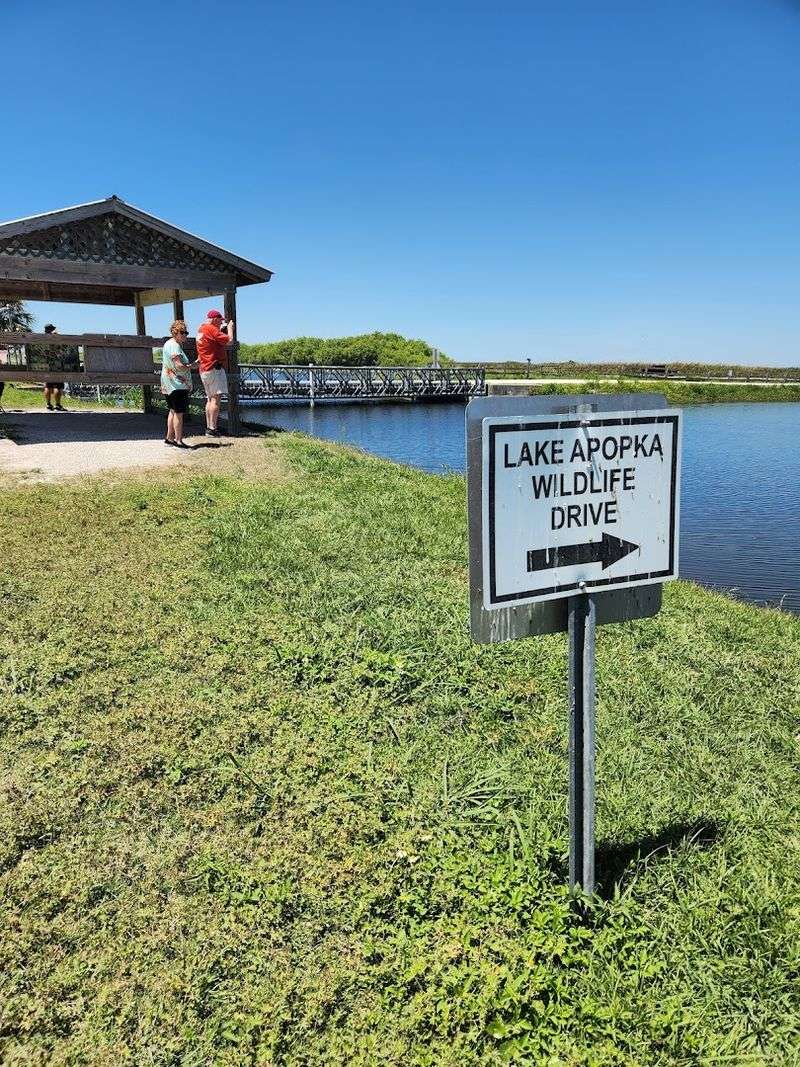
Lake Apopka Wildlife Drive is a one-way, 11-mile route through protected wetland managed by the St. Johns River Water Management District.
The drive is free to enter, which makes it even more surprising when you realize how much wildlife greets you at every bend.
The road is maintained in good condition, though a few potholes remind you this is a working natural landscape, not a manicured theme park. The speed limit is set at 10 mph, which keeps traffic slow and gives everyone plenty of time to look around.
Florida has countless natural areas, but few allow you to observe wild animals this closely from the comfort of your vehicle. Pull-off spots are scattered along the route, so you can park and take a longer look without blocking other cars.
The History Behind The Wetlands
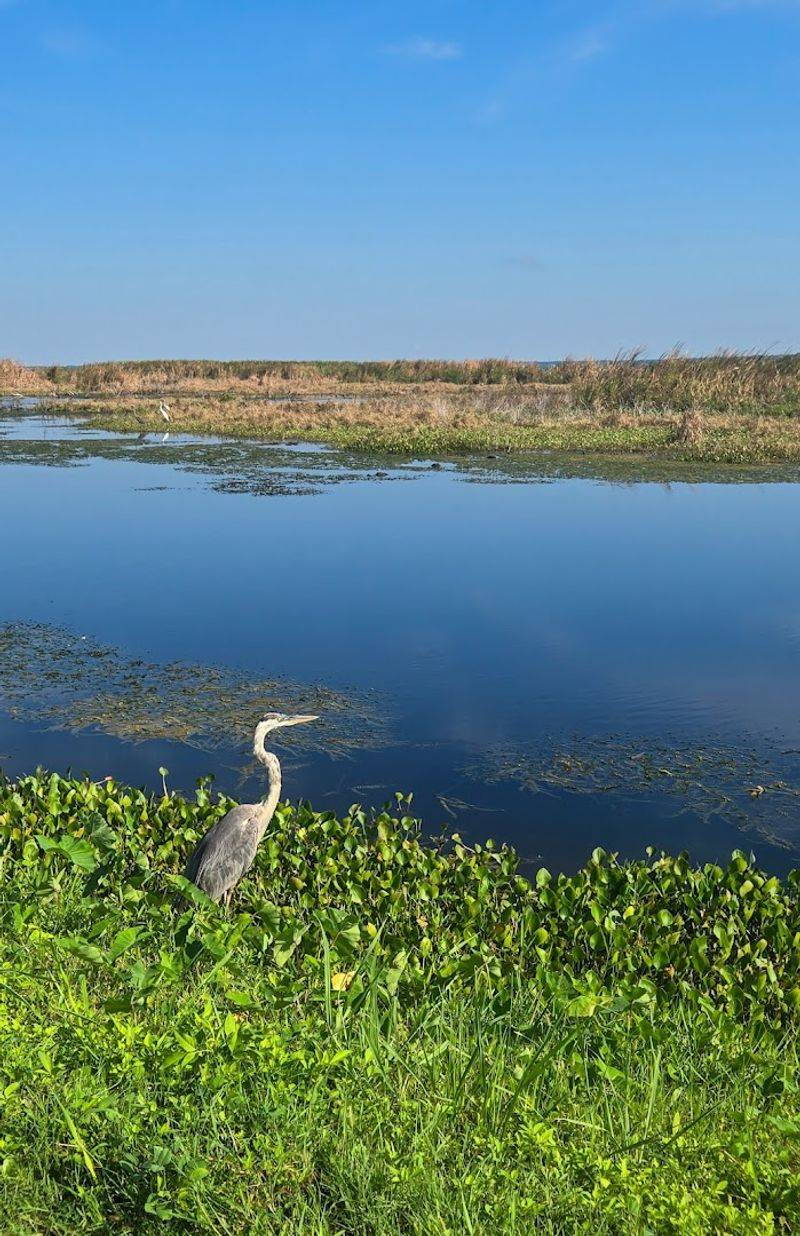
Before this route with the entrance at 2850 Lust Rd in Apopka, became a wildlife paradise, the land surrounding Lake Apopka had a very different story.
For decades, the area was used for agricultural purposes, with muck farms covering much of the former lake bottom after water levels were lowered.
Florida has worked hard over the years to restore this landscape, and the results are now visible in the thriving ecosystem you drive through today.
The St. Johns River Water Management District took over restoration efforts and converted the old farmland back into shallow marsh habitat.
This process brought back native vegetation and, with it, an extraordinary return of birds, reptiles, and other wildlife. What was once drained and farmed is now one of the most productive wildlife corridors in the state.
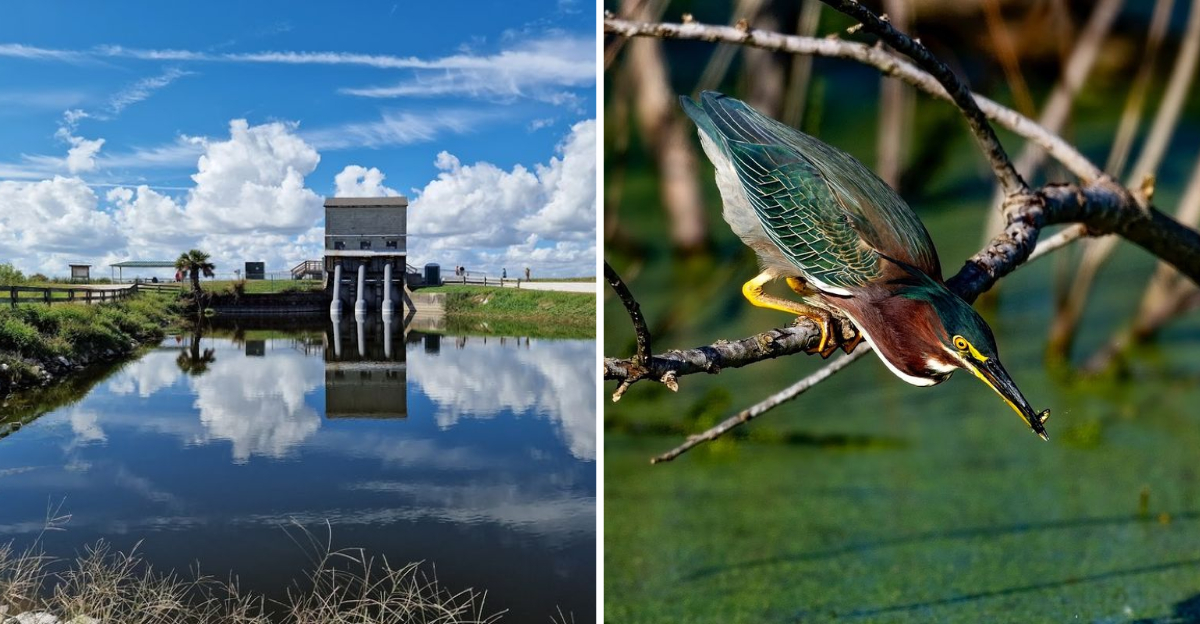
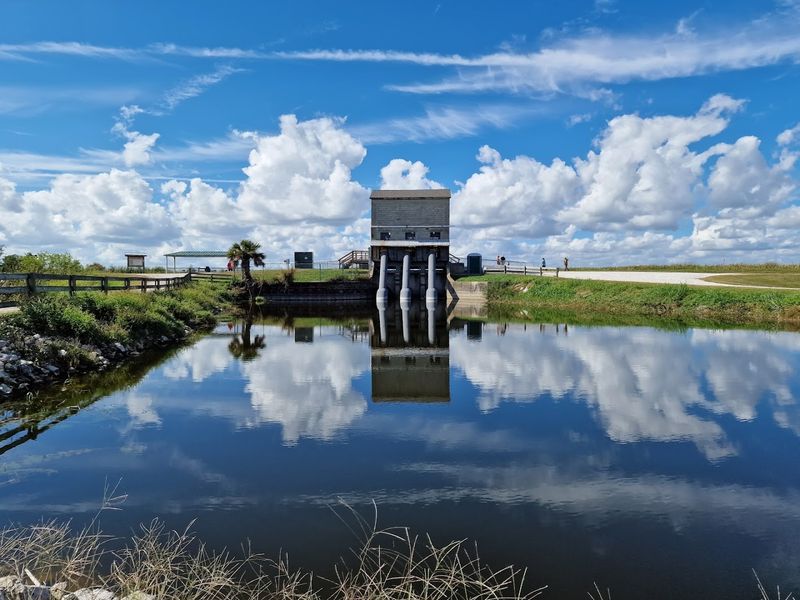
The old pump house near the end of the route stands as a quiet reminder of that agricultural past. Visitors who know to look for it often find it worth a stop.
Alligators Everywhere You Look
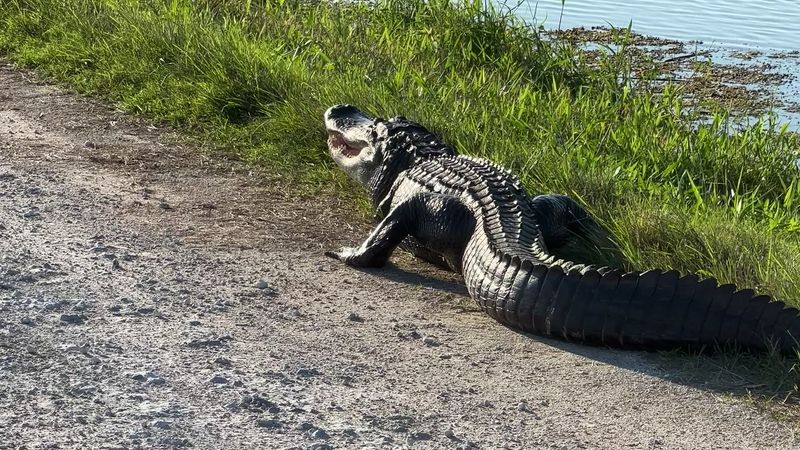
Forget counting on your fingers. Visitors to Lake Apopka Wildlife Drive routinely spot between 60 and 150 alligators in a single outing.
They stretch out along the canal banks, barely moving, warming themselves in the Florida sun like they own the place, which, to be fair, they absolutely do.
Some gators rest just inches from the road edge, making it easy to photograph them without any zoom lens. Others float in the shallow water with only their eyes and snouts visible above the surface.
The sheer number of them on a warm, sunny day is something that photos honestly struggle to capture. It is worth remembering that these are completely wild animals in their natural habitat.
Staying inside your vehicle is strongly advised, and keeping children and pets well away from the road edges is a serious safety point. Feeding alligators is illegal and harmful to them.
Birds That You Must See
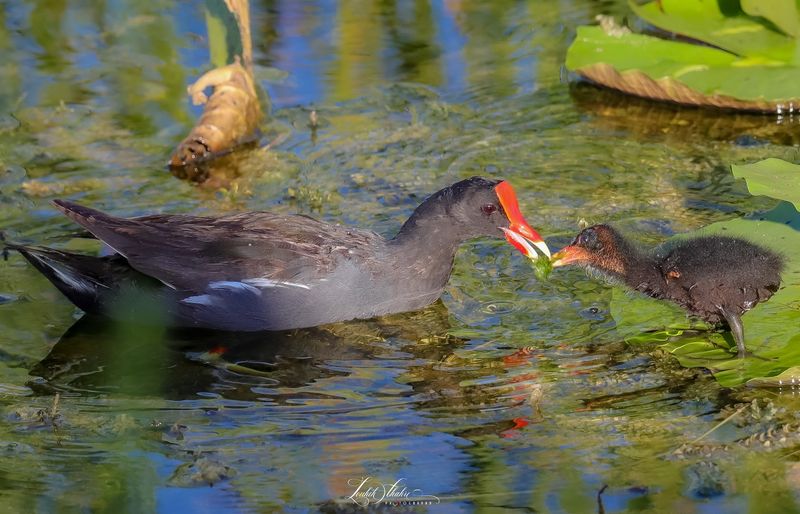
Over 362 bird species have been recorded at this site, and on any given morning, it feels like a solid portion of them show up for the occasion.
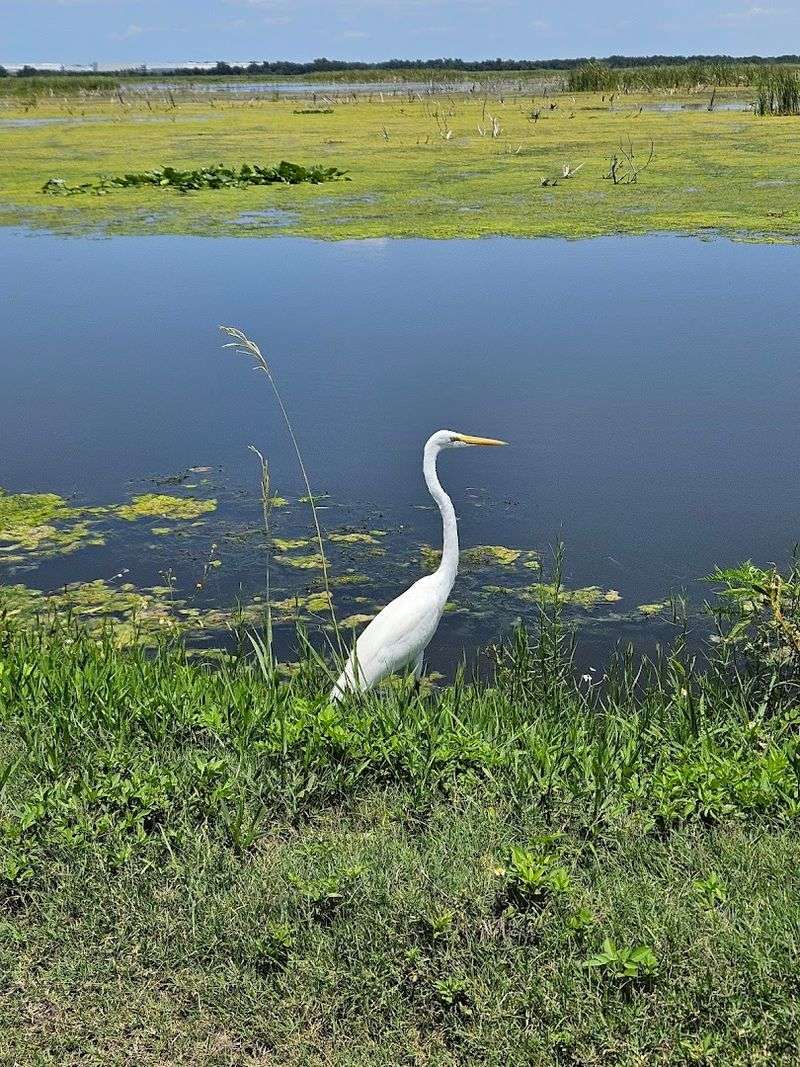
Great blue herons stand motionless at the water’s edge. Snowy egrets stalk through the shallows with careful, deliberate steps.
White ibis move in sweeping flocks that block out the sky for a few breathtaking seconds.
Migratory waterfowl arrive in large numbers during winter months, turning the wetlands into a staging ground for species that travel thousands of miles.
Ducks of various kinds gather in dense rafts on the open water. Ospreys dive sharply for fish, hitting the surface with a splash loud enough to hear from your car window.
Birders who bring binoculars or a zoom lens camera get the most out of this stretch of Florida wetland. A bird identification app also adds a fun layer to the experience, helping you put names to the calls you hear but cannot quite locate.
The Audio Tour Adds Depth
One of the smartest features of this route is its guided audio tour, available by scanning QR codes posted at designated checkpoints along the drive.
The narration explains the different ecosystems you pass through, identifies common wildlife species, and gives context to the restoration history of the land. It transforms a scenic cruise into something genuinely educational without ever feeling like a lecture.
The audio content covers topics like bird migration patterns, alligator behavior, and the ecological importance of shallow marsh habitat.
For families with curious kids, it answers the questions that naturally come up when a massive reptile is sitting three feet from the car. For solo visitors, it fills the quiet stretches between wildlife sightings with interesting information.
Downloading the audio content before arrival is a smart move, especially in areas where cell service may be spotty.
Florida has invested in making natural areas accessible and informative, and this audio tour is a clear example of that effort done well.
Turtles, Fish, Reptiles, And Hidden Wildlife
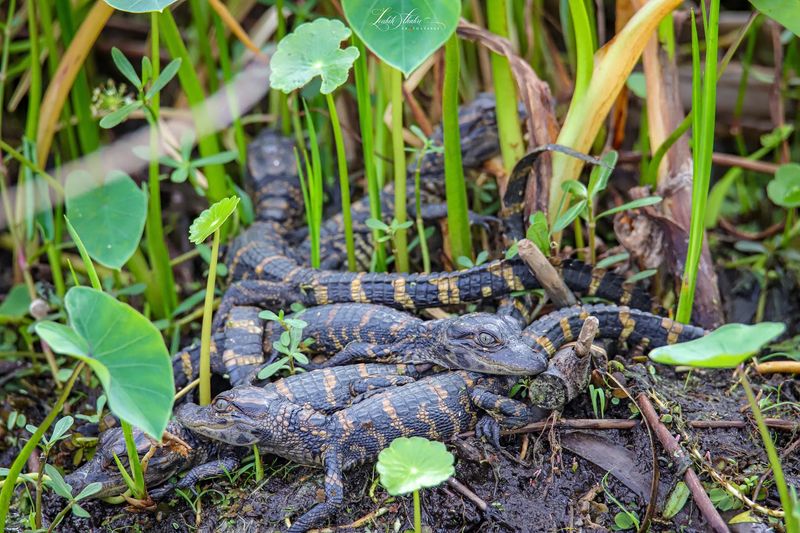
Alligators and birds get most of the attention, but the wildlife on this drive runs deeper than the obvious headliners. Turtles appear regularly, perched on logs or floating near the surface of the canals.
Florida softshell turtles, with their leathery shells and long necks, are among the most commonly spotted. They have a wonderfully prehistoric look that makes them hard to ignore once you notice one.
Fish activity is visible throughout the canals, especially in the shallower sections where ospreys tend to hunt.
Watching an osprey fold its wings and plunge straight into the water is one of those moments that makes you glad you were paying attention. The water clarity varies, but in calmer sections you can often see movement just below the surface.
Other reptiles, amphibians, and small mammals also use this habitat, though they require a sharper eye to spot.
The density of life packed into this Florida wetland ecosystem is remarkable, and the more slowly you drive, the more you notice.
Best Times To Visit
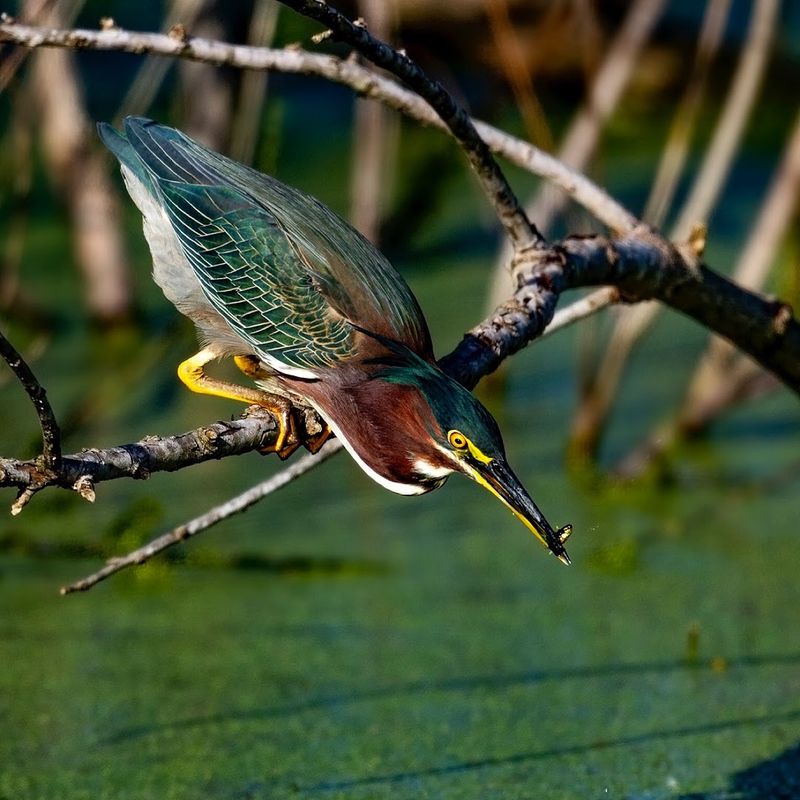
Timing your visit makes a real difference at this Florida destination.
Early morning arrivals, shortly after the 7 AM opening, tend to offer the best combination of comfortable temperatures, active wildlife, and lighter traffic.
Alligators are especially visible on warm, sunny mornings when they spread out on the banks to absorb heat after a cool night.
Winter months bring migratory birds in enormous numbers, making December through February a particularly rewarding time to visit.
The cooler temperatures, often in the upper 60s, also make sitting in a slow-moving car far more comfortable than a humid summer afternoon would allow. Crowds tend to thin out as you move deeper into the route, so patience at the entrance pays off quickly.
Summer visits are still worthwhile, though heat and humidity are real factors to prepare for. Bringing water, snacks, and a full tank of gas is consistently good advice regardless of the season.
Practical Tips For First Timers
First-time visitors sometimes arrive without knowing the basics, and a little preparation goes a long way here.
The drive is one-way and one lane, so there is no turning around once you start. Committing to the full 11 miles is part of the deal, and that is genuinely a good thing once you see what is waiting around each bend.
Portable restrooms are available at several points along the route, with one near the entrance and a couple more spread through the drive. A zoom lens camera or a pair of binoculars significantly improves the experience, especially for distant birds.
Traffic can back up near the entrance on busy weekend mornings, but it spreads out naturally once cars get moving. If you have visited before and already have a pamphlet, you can bypass the entrance line and head straight in.
Why This Drive Stays So Memorable
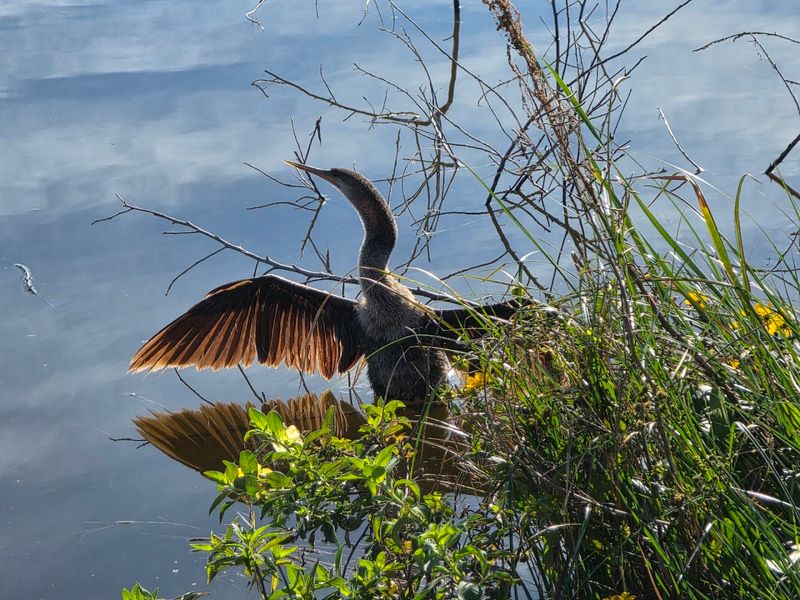
Some places earn their reputation through spectacle, and some earn it through stillness.
Lake Apopka Wildlife Drive manages both at once, which is a rarer combination than it sounds. The pace is slow, the entry is free, and the wildlife does not perform on a schedule.
Families return with out-of-town guests because the reaction is almost always the same: wide eyes at the first gator sighting, followed by two hours of not wanting to leave.
Solo visitors find the quiet stretches meditative in a way that is hard to manufacture anywhere else.
The drive sits close enough to Orlando that it makes a natural break from the usual tourist circuit, yet it feels like a completely different world once you are on the road.
The old pump house, the canal reflections, the sound of birds overhead, and the slow roll of the route all combine into something that lingers.