If You Only Hike One Trail In California This Year, Make It This 4-Mile Path To Three Waterfalls
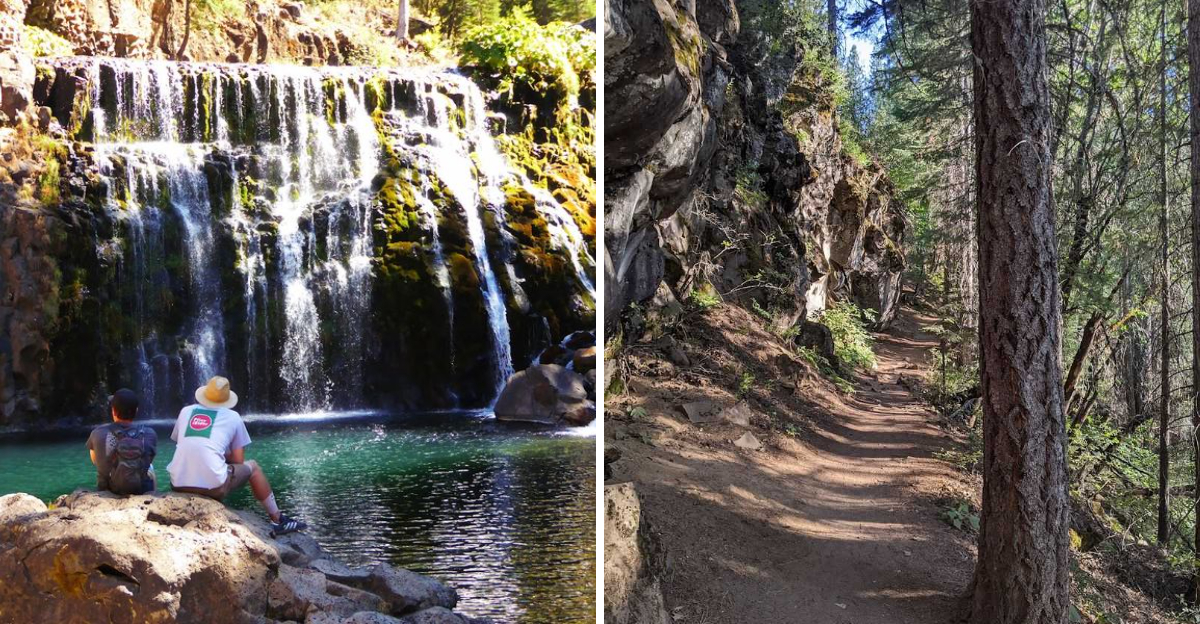
Most hikes make you work for one good payoff. A few get generous.
Four miles does not sound like much at first, but that changes fast when the trail starts handing out waterfalls like it packed extras.
One cascade would be enough. Two would already feel lucky. Three turns the whole thing into a very convincing argument for clearing your schedule.
California has plenty of famous trails, but a short route with this much scenery feels almost unfair.
Every stretch gives you another reason to keep moving.
Rocky views and those big “okay, that was worth it” moments make the distance feel manageable instead of exhausting.
Enough effort to feel like an adventure. Enough reward to keep even the snack-break crowd motivated.
For anyone choosing just one trail this year, this 4-mile waterfall path makes the decision pretty easy.
A 4-Mile Trail With Three Waterfall Payoffs
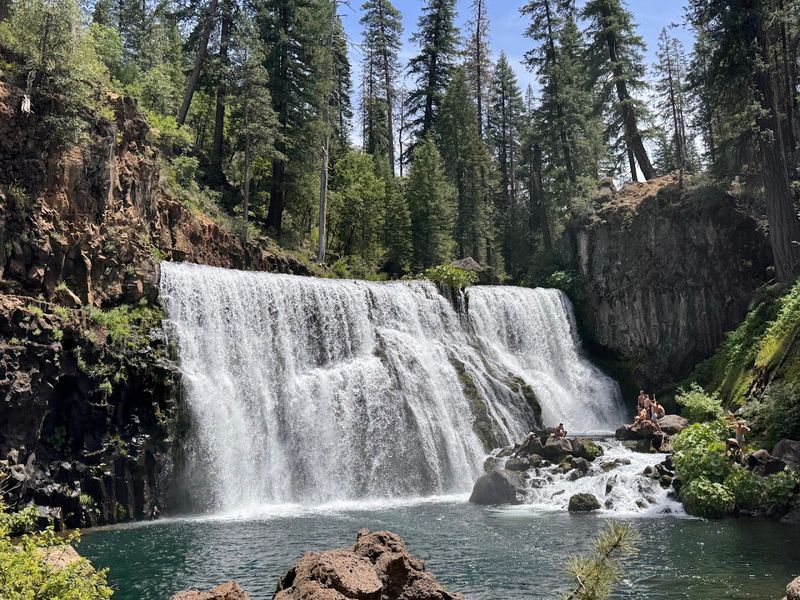
The McCloud River Falls Trail is commonly listed at around 3.6 to 4 miles round trip, and every mile of that distance has something worth seeing.
Rather than hiking toward a single destination and turning around, the route reveals Lower, Middle, and Upper McCloud Falls as three separate payoffs spaced along the same river corridor.
The trail runs through a canyon carved from basalt lava rock inside Shasta-Trinity National Forest near McCloud in Siskiyou County.
That geological setting gives the hike a rugged, textured feel that open meadow trails simply cannot match.
The sound of moving water stays with hikers almost the entire way, which makes even the quieter stretches between falls feel purposeful rather than dull.
Elevation gain sits at roughly 330 to 390 feet across the full route, which keeps the trail accessible for most fitness levels without making it feel like a flat parking-lot walk.
The combination of manageable distance, consistent scenery, and three distinct waterfall moments is exactly why this trail earns the title of California’s one must-hike trail for the year.
Lower Falls Starts The Hike With An Easy First Reward
Starting a hike with an immediate reward changes the whole energy of the day.
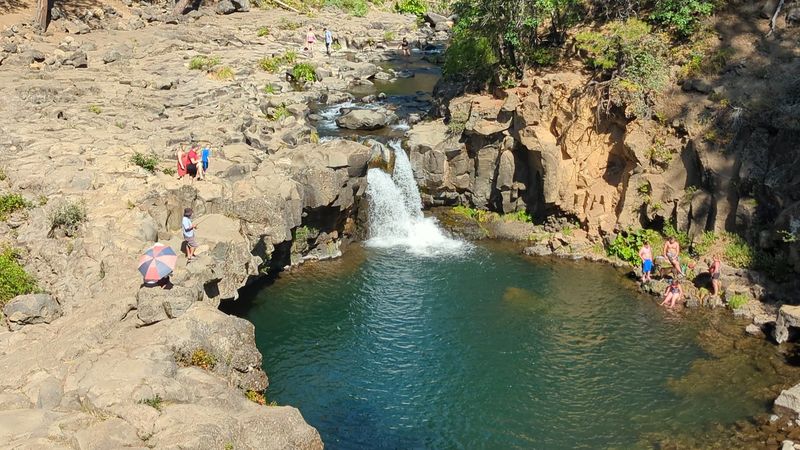
Lower McCloud Falls greets hikers early in the route with a clean 15-foot drop into a wide river pool, and the surrounding area has been set up thoughtfully for visitors who want to linger.
The Lower Falls Day Use Area includes picnic tables, vault toilets, and drinking water, all available at no day-use fee according to the U.S. Forest Service.
The picnic area sits above the falls with river views that make it one of the better lunch spots on any trail in Northern California.
Families with younger children often appreciate that this section of the hike does not require a long walk before something visually exciting appears.
Lower Falls is visible and impressive within minutes of starting from the trailhead.
Summer swimming is popular near Lower Falls, though the water runs cold and the rocks around the edges can be slippery, so caution is always a smart approach.
Dogs are welcome on the trail but must stay on a leash throughout the route.
Starting at Lower Falls and hiking upstream toward Middle and Upper Falls creates a natural progression that makes the full 4-mile round trip feel well-paced and rewarding from start to finish.
Middle Falls Brings The Big Show-Off Moment
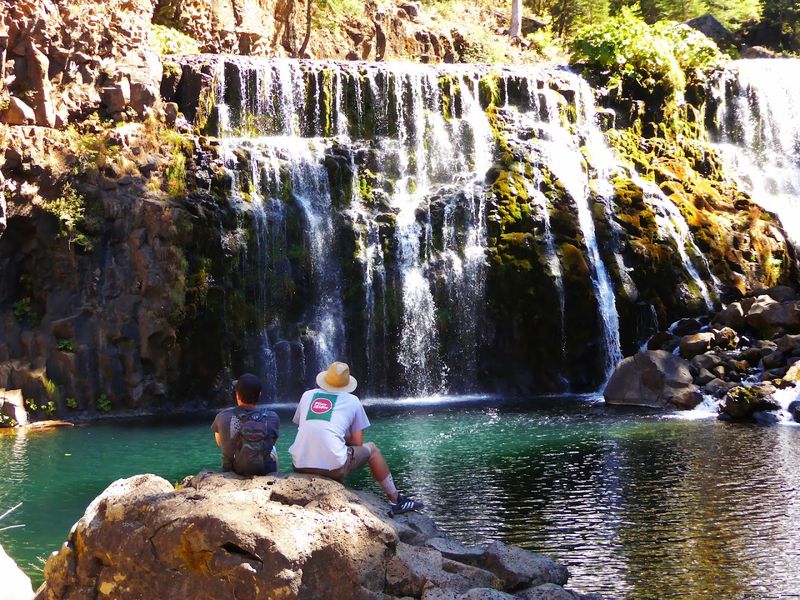
Among the three waterfalls on this route, Middle Falls is the one that tends to stop people mid-step.
At roughly 50 feet tall and 100 feet wide, it spreads across the basalt rock face like a veil rather than a narrow plunge, and the sheer width of it creates a visual impact that photographs struggle to fully capture.
Standing near the base when the flow is strong produces a light mist and a low roar that feels genuinely immersive.
The U.S. Forest Service places Middle Falls within Shasta-Trinity National Forest near McCloud, and it is widely considered the dramatic centerpiece of the three-waterfall hike.
Many visitors describe it as the moment the trail justifies the drive up Highway 89.
The pool beneath Middle Falls is also a popular summer swimming spot, though cold temperatures and slippery rocks near the edges require careful judgment before entering.
Even hikers who are not planning to swim tend to spend extra time at Middle Falls simply watching the water move.
The way light hits the wide curtain of water changes throughout the day, which means the falls look different at midmorning than they do in the late afternoon.
Arriving with enough time to sit and observe rather than rushing to the next waterfall makes the Middle Falls experience significantly richer.
Upper Falls Makes The Trail Feel Complete
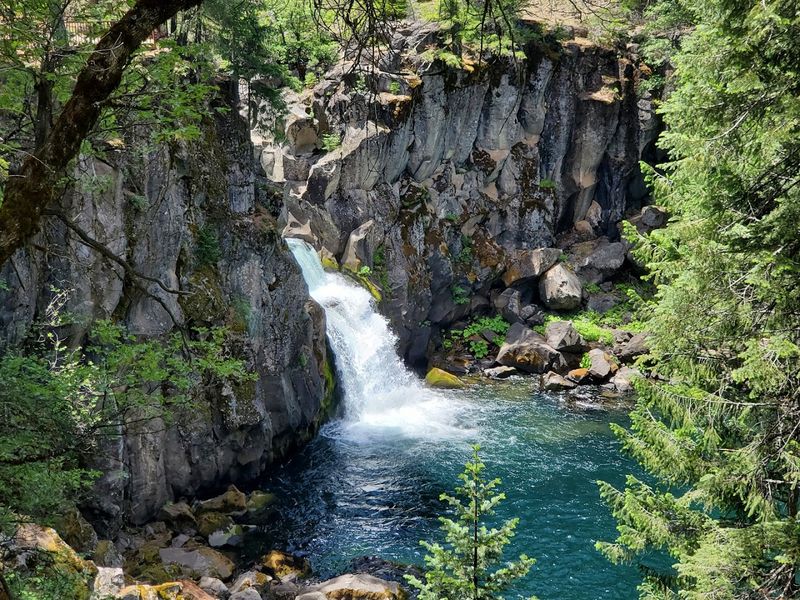
Stopping at two waterfalls and turning around would leave the hike feeling unresolved, the way a three-part story with only two chapters feels.
Upper McCloud Falls stands at about 25 feet high and occupies a narrower, more intimate section of the canyon compared to the wide drama of Middle Falls.
That contrast is part of what makes reaching Upper Falls feel like a natural conclusion rather than a repeat of what already came before.
Discover Siskiyou notes that the McCloud River Falls Trail leads to all three waterfalls, and Upper Falls delivers the route’s final payoff with its own distinct character.
The canyon walls close in a bit around Upper Falls, and the forested setting feels quieter and slightly more secluded than the lower sections of the trail.
Hikers who push through to the end often describe a sense of earned satisfaction that comes from completing the full three-waterfall sequence.
For those who want more mileage after reaching Upper Falls, the trail does continue beyond this point, and some sources note that additional hiking is possible past the upper waterfall.
The trail also connects to the Fowlers Campground area, giving hikers flexibility in how they structure their outing. Upper Falls earns its place as the satisfying final note in a well-composed three-waterfall hike.
The River Does Not Just Sit There Looking Pretty
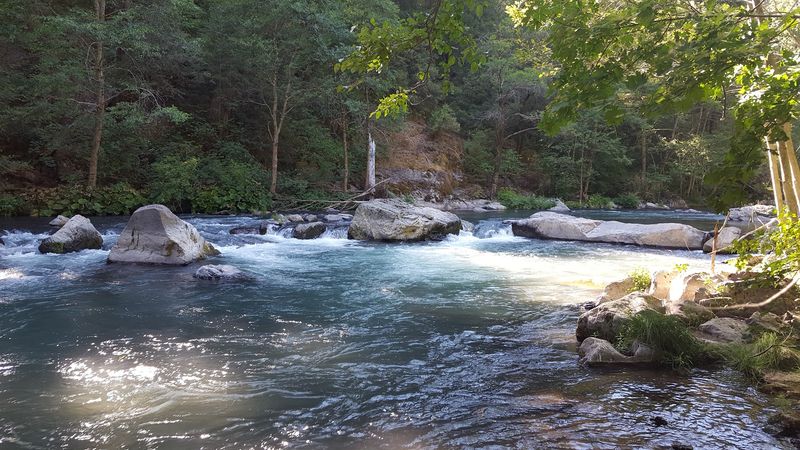
What makes a trail feel alive rather than just scenic is usually moving water, and the McCloud River delivers that energy across almost the entire length of this route.
The river runs alongside the trail through much of the hike, shifting between wide calm stretches and narrower rushing sections as the canyon shape changes.
That constant presence of sound and motion keeps the walk from ever feeling like a quiet forest stroll that happens to have waterfalls at the end.
The McCloud River is known as a cold, clear river fed by springs near Mount Shasta, which gives the water a distinctive blue-green color on bright days.
That color, combined with the dark basalt rock lining the canyon walls, creates a visual contrast that feels almost cinematic in good light.
Hikers who pay attention to the river itself rather than just the waterfall destinations tend to find the in-between stretches of trail just as interesting as the falls.
Fishing is another activity available along the McCloud River corridor, and the area has a long reputation among anglers for its wild trout population.
The river also supports wildlife along its banks, so keeping eyes open during quieter moments on the trail can add unexpected encounters to the experience.
The McCloud River is not just a backdrop here; it is the reason the trail exists at all.
It Feels Adventurous Without Being A Full Survival Episode
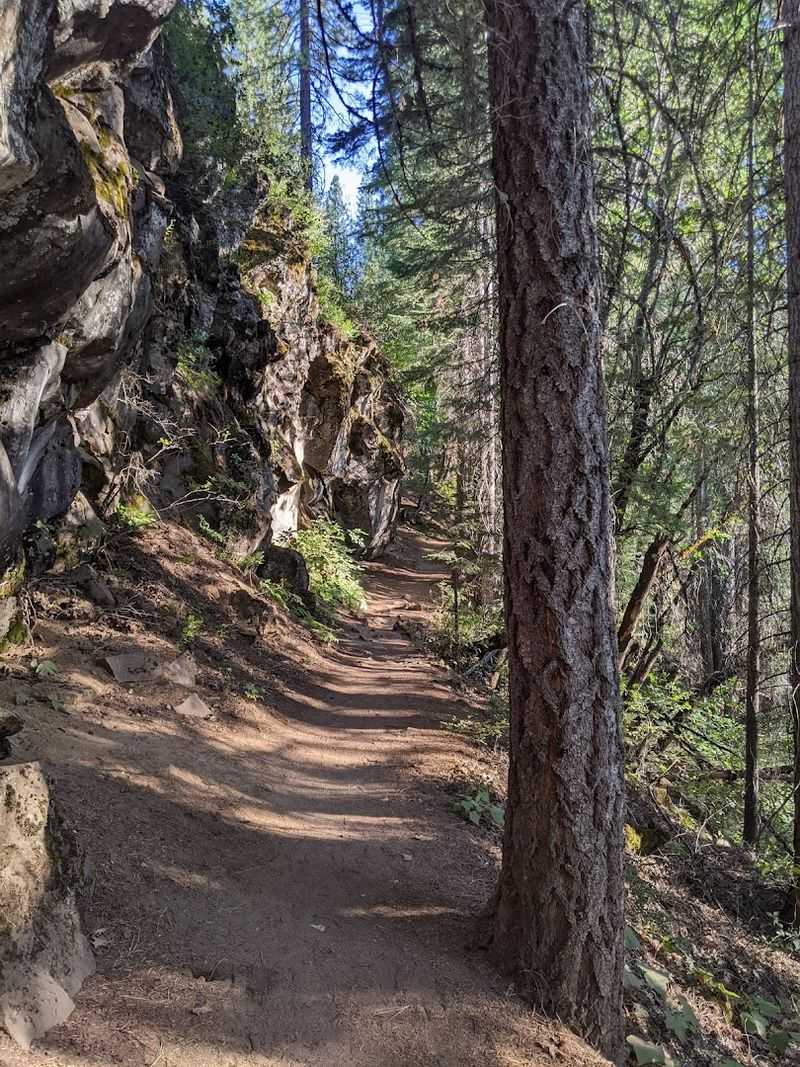
Not every memorable hike needs to involve altitude sickness, emergency shelters, or the kind of elevation gain that turns legs into rubber.
The McCloud River Falls Trail sits comfortably in the easy-to-moderate range, with roughly 330 feet of elevation gain across the full route.
That number is enough to give the hike a physical feeling without turning it into a test of endurance.
Hike Mt. Shasta describes the trail as an easy hike with manageable elevation change, making it a realistic option for families, casual hikers, and anyone who wants a rewarding outdoor day without intensive physical preparation.
The trail surface varies between packed dirt, natural terrain, and a paved ADA-accessible section near Lower Falls, which helps with pacing on the way out and back.
Wearing comfortable trail shoes rather than heavy boots is usually sufficient for the full route in dry conditions.
Bringing enough water matters more than most hikers expect on this trail, because the combination of sun, light exertion, and time spent at each waterfall adds up quickly.
A small daypack with water, snacks, and sunscreen covers most needs for the roughly 4-mile round trip.
The trail is well-marked and does not require navigation skills, so first-time visitors can focus on enjoying the scenery rather than managing logistics.
Some Sections Are More Accessible Than Many Waterfall Trails
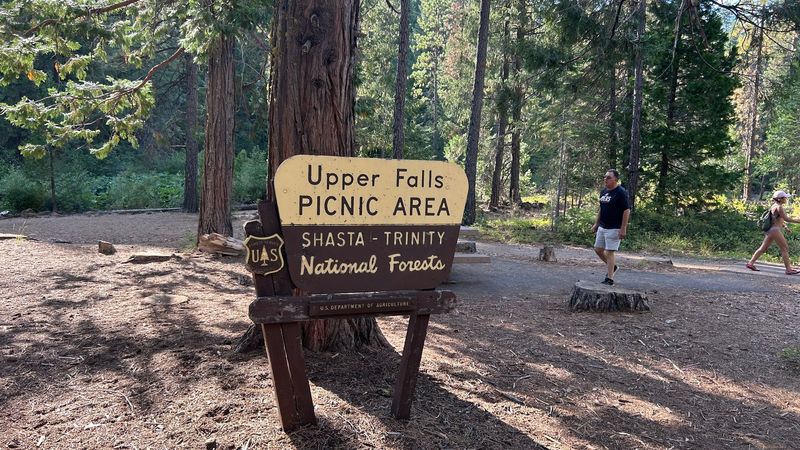
Waterfall trails and accessibility do not always go together, which makes the McCloud River Falls Trail genuinely notable for what it offers beyond the standard hiking experience.
The Mount Shasta Trail Association notes that the section between Lower Falls and Fowlers Campground is paved and ADA compliant, giving visitors with mobility considerations a real option for experiencing part of the route.
Beyond the paved section, all three waterfall overlooks are described as having ADA-accessible features, which means the primary viewing areas for Lower, Middle, and Upper Falls can be reached by visitors who may not be able to complete the full unpaved trail.
That level of access is relatively uncommon for waterfall hikes in Northern California, where terrain often makes inclusive design difficult to implement.
Families with strollers, older visitors, or anyone who benefits from a smoother surface will find the paved Lower Falls section particularly useful as a starting point.
Even visitors who plan to hike the full trail often appreciate that the accessible infrastructure does not feel like an afterthought but rather a deliberate part of how the area was designed.
The combination of natural scenery and thoughtful accessibility planning makes this trail stand out in a region where rugged terrain is the default.
You Can Hike It Or Keep The Day More Flexible
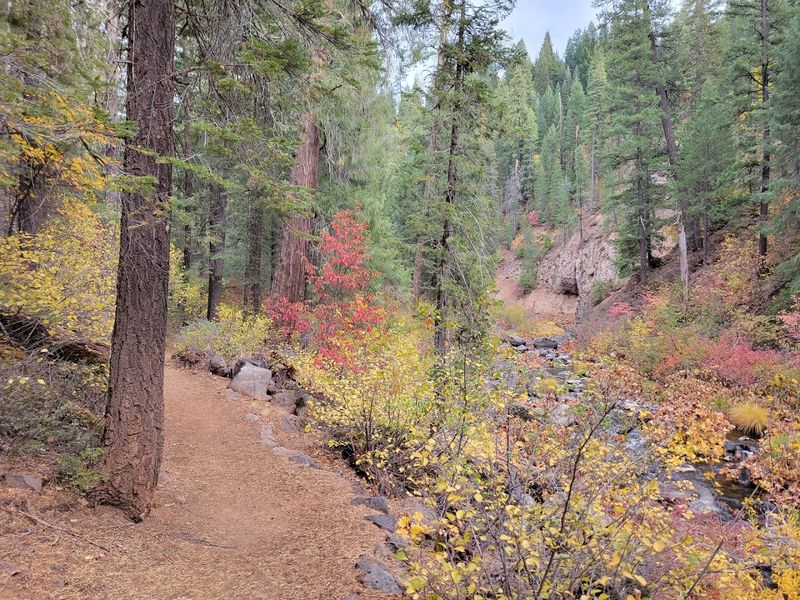
One of the more practical things about the McCloud Falls area is that a single approach is not required to experience all three waterfalls.
Each waterfall has its own parking area and can be accessed individually via short walks to overlooks, which means the route is easy to adjust for groups with mixed hiking abilities or young children who may not manage the full round trip.
Driving between parking areas and walking to each overlook separately is a legitimate way to experience all three falls without committing to the full trail.
Some visitors combine both approaches, hiking the full trail in one direction and arranging a pickup or parking a second vehicle at the far end.
That kind of flexibility makes the McCloud Falls area more practical for day-trippers who want the experience without a rigid itinerary.
Weekdays tend to be noticeably quieter than weekends at all three parking areas, especially during summer months when the swimming spots at Lower and Middle Falls attract larger crowds.
Arriving before midmorning on a weekend gives visitors a better chance of finding parking and enjoying the overlooks without long waits.
The trailhead is located roughly 5 miles southeast of McCloud along Highway 89, making the drive in from town straightforward and well-signed.