Discover A Connecticut Birdwatching Spot Locals Love For A Quiet Escape
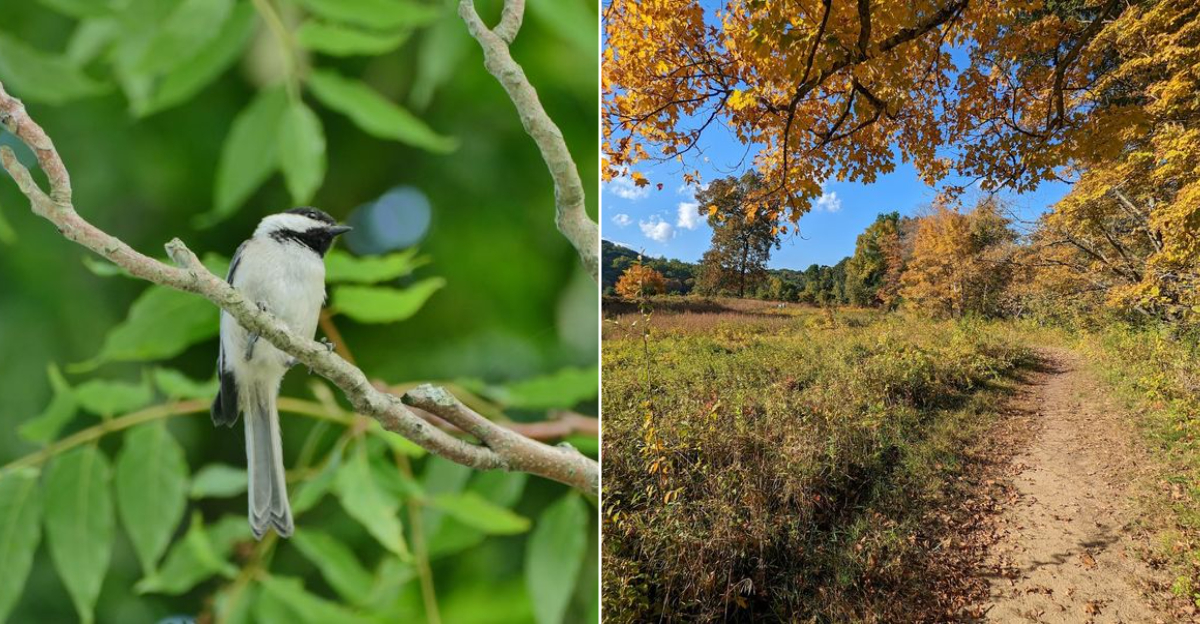
Birdwatching spots work best when they let the day slow down naturally. This one has that quiet, unhurried feeling right away.
Trails move through meadows and woods, with the river nearby adding a calm backdrop that never feels staged. You do not need to be an expert birder to enjoy it.
A quiet birdwatching escape like this gives Connecticut nature lovers a peaceful break from busier weekend spots. The appeal is in paying attention.
A flash of wings can change the whole walk. So can a rustle in the brush.
With miles of paths open from sunrise to sunset, the place feels easy to explore at your own pace, especially on a warm clear morning.
It also has that slightly wild mood that makes the outside world feel farther away than it really is. By the time you leave, the silence feels like part of the experience, not just the background.
1. A Quiet Southbury Nature Escape
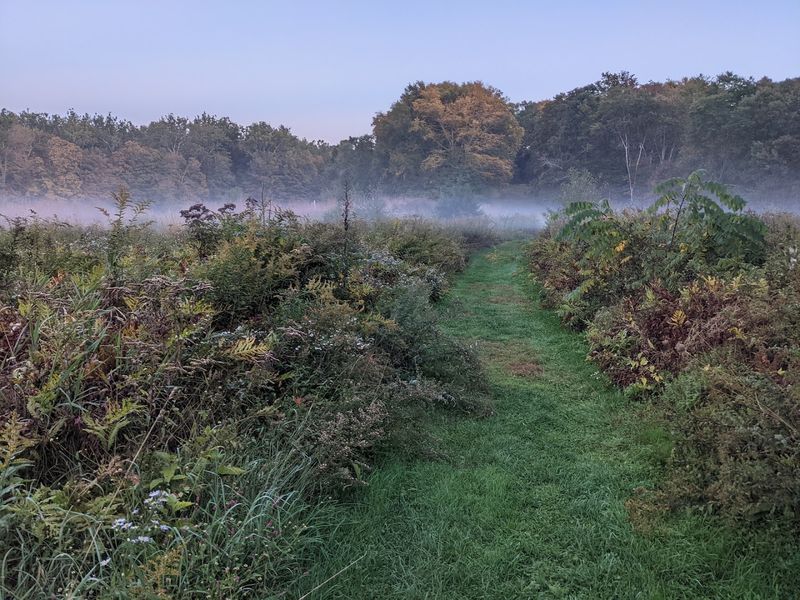
A peaceful outdoor reset does not always require a faraway destination. This Southbury preserve offers that feeling close to home, with hundreds of protected acres where the noise of daily life starts to fade faster than expected.
Its trails move through meadows and wooded stretches, creating a walk that feels calm, natural, and surprisingly remote even with Interstate 84 less than two miles away.
The preserve welcomes visitors at 185 East Flat Hill Road in Southbury, CT 06488. Audubon notes that the property covers about 700 acres and is managed for forest bird conservation, education, and public enjoyment.
Its history also shapes the atmosphere here, since the land was given to the National Audubon Society with instructions that it remain in a state of “mild wildness.”
That idea still comes through on the trails. Pets and bikes are not allowed, which helps protect wildlife and keeps the mood quiet for walkers.
With about 15 miles of paths open from sunrise to sunset, the sanctuary feels simple, restorative, and full of natural depth.
2. Why Birdwatchers Love This Place
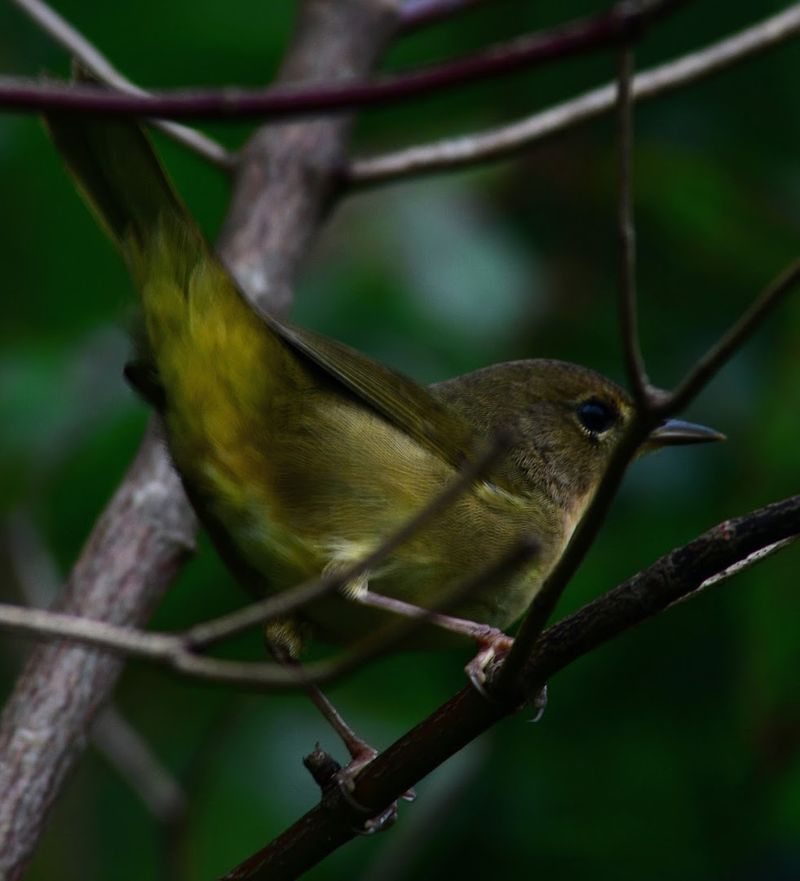
Birding spots vary widely in quality, but few in Connecticut match the variety found at the Bent of the River.
The preserve is home to early successional bird species that are increasingly rare in the region, including Blue-winged Warblers, American Woodcock, Black-billed Cuckoos, Eastern Kingbirds, Prairie Warblers, Eastern Towhees, Field Sparrows, Indigo Buntings, and Orchard Orioles.
The mix of habitats across the property is a big part of what makes it so productive for birdwatching. Grasslands, shrublands, forest edges, and riverbanks each attract different species, meaning a single walk can yield a wide variety of sightings without covering enormous distances.
Information panels near the trails help visitors identify what they are seeing and hearing.
Gray Catbirds and cardinals are frequently spotted in the shrubby areas, while the open meadows tend to attract sparrows and orioles during warmer months. Birdwatching here does not require expert-level skills or expensive gear.
A basic pair of binoculars and a little patience tend to go a long way. The preserve has earned a strong reputation among birding communities for good reason, and it consistently delivers sightings that feel rewarding rather than accidental.
3. Trails Through Meadows And Woods
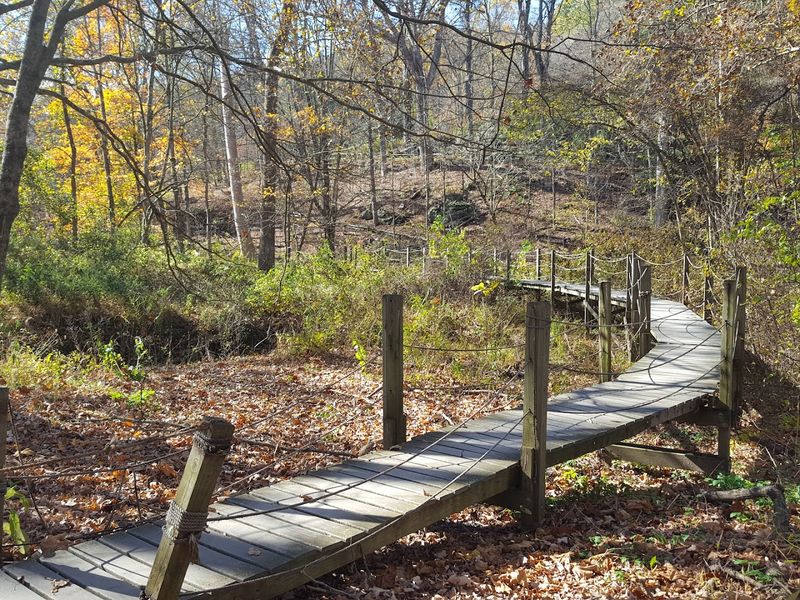
Around 15 miles of trails spread across the Bent of the River property, covering terrain that shifts noticeably as visitors move deeper into the preserve. Some paths run through open, sun-filled meadows where grasses grow tall and birds call from every direction.
Others lead into shaded woodland where the light changes and the air feels cooler and quieter.
Trail surfaces vary from flat grassy stretches to gentle hills with packed dirt underfoot, and small wooden walking bridges cross over low spots and wet areas along the way.
Most of the trails are described as easy to moderate, making them accessible for families, older hikers, and anyone returning to outdoor activity after time away.
The trails are generally kept at least three feet wide, which makes walking comfortable even when the vegetation is lush.
A free trail map is available at the visitor kiosk near the parking area, which is worth picking up before heading out since the trails do not use painted blazes.
Several brand-new picnic tables are placed at scenic points throughout the property, giving walkers a reason to pause and take in the surroundings rather than simply moving through them.
The overall trail system rewards both short visits and longer explorations equally well.
4. Sunrise-To-Sunset Wandering
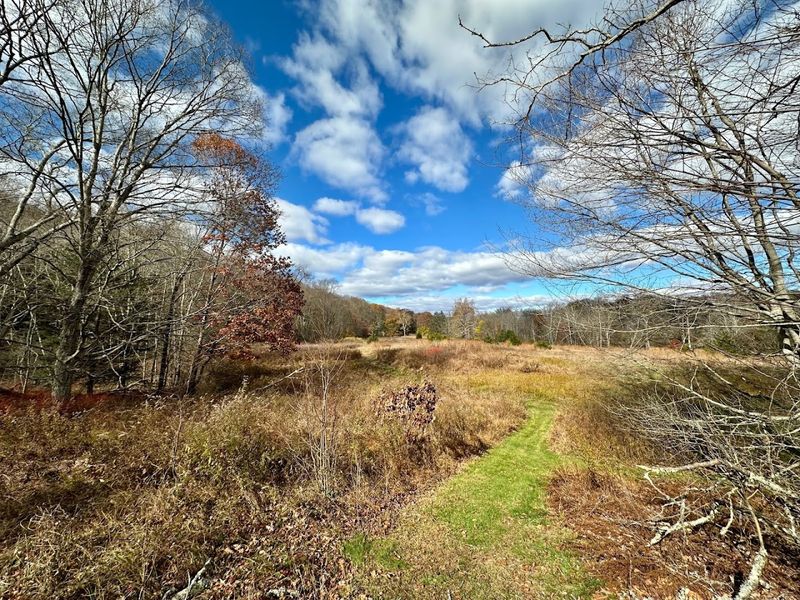
The preserve opens at 8 AM every day of the week and stays open until 6 PM, giving visitors a generous window to plan a visit around their schedule.
Morning hours tend to be especially rewarding for birdwatching since many species are most active just after sunrise when the air is still and the light is soft.
Spending a full day here is entirely realistic given the trail mileage available. Visitors who arrive early and take their time could easily cover five or six miles before afternoon without rushing.
The changing light throughout the day also shifts how the meadows and river views look, making a longer visit feel varied rather than repetitive.
Late afternoon brings its own kind of quiet, with longer shadows falling across the fields and the sound of birdsong tapering toward evening.
The preserve does not have a formal visitor center, but the kiosk near the parking lot provides maps and birding information that help orient newcomers quickly.
Checking the current seasonal hours before visiting is always a good idea since daylight-saving time or seasonal adjustments could affect closing times. Planning even a two-hour visit here tends to feel more satisfying than expected once the surroundings take hold.
5. Peaceful Views Along The River
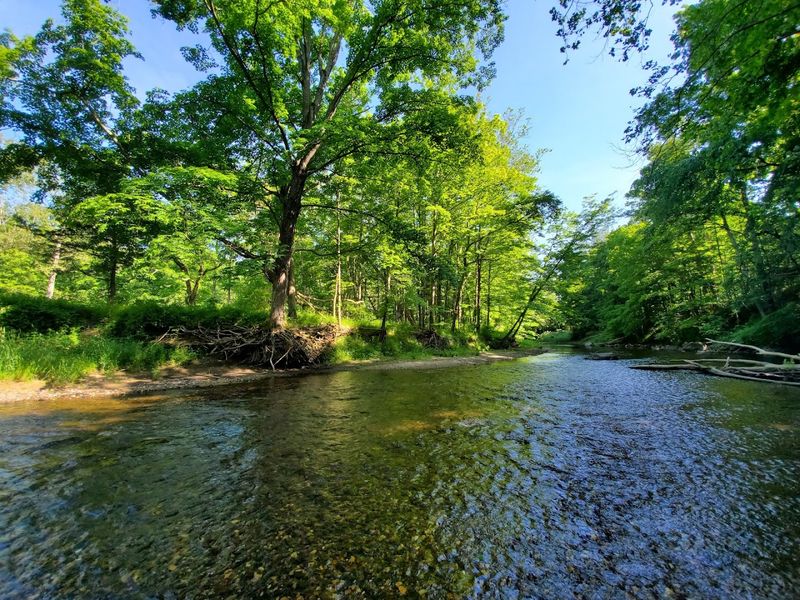
The Pomperaug River runs along part of the preserve, and the trail that follows it is consistently described as one of the most enjoyable stretches on the property.
Water moves at an unhurried pace here, and the sound of it carries through the trees in a way that makes the surrounding forest feel even more settled and calm.
Trees along the riverbank lean out over the water, creating natural shade during warmer months. Wildlife tends to gather near the river corridor more than anywhere else on the property, and patient visitors may spot turtles resting on exposed rocks or logs during sunny afternoons.
The river trail connects to other parts of the trail system, so it can serve as a centerpiece of a longer loop rather than a simple out-and-back walk.
An overlook point on the property offers a view down toward the water, though the experience changes with the seasons. During spring and summer, leafy canopy can partially block the sightline, while fall brings more open views as the foliage turns and drops.
Visiting in autumn is worth considering specifically for this reason. The combination of river sound, tree color, and cooler air during fall makes the riverside sections of the trail feel especially vivid and memorable.
6. Best Time To Spot Birds
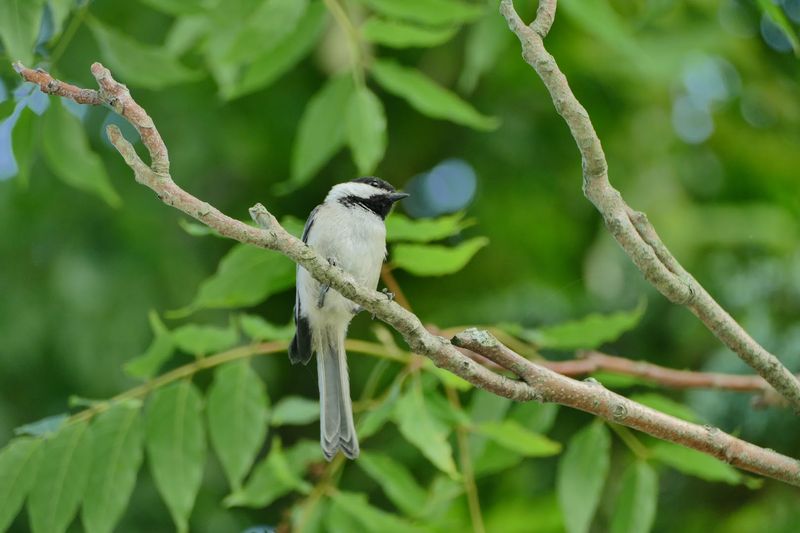
Spring migration turns the Bent of the River into one of the most active birdwatching sites in the region.
From late April through early June, warblers, orioles, and cuckoos pass through or settle in to breed, filling the shrublands and forest edges with activity that can feel almost overwhelming in the best possible way.
Late April visits tend to catch the early arrivals while the trees are just beginning to leaf out, which makes spotting birds in the canopy noticeably easier than during full summer foliage.
American Woodcocks perform their distinctive aerial displays in early spring, often at dusk near the open fields, and catching that display is a genuinely memorable experience for anyone who has not seen it before.
Summer mornings remain productive for species like Indigo Buntings and Field Sparrows that nest on the property through the warmer months.
Fall migration brings another wave of movement through the preserve, and the cooler temperatures make walking more comfortable for longer stretches.
Winter visits are quieter but still offer resident species and the occasional surprise. Waiting for snow to fully melt before a spring visit is practical advice since some trail sections can remain slippery or muddy after a heavy winter season ends.
7. A Wild Feel Near Town
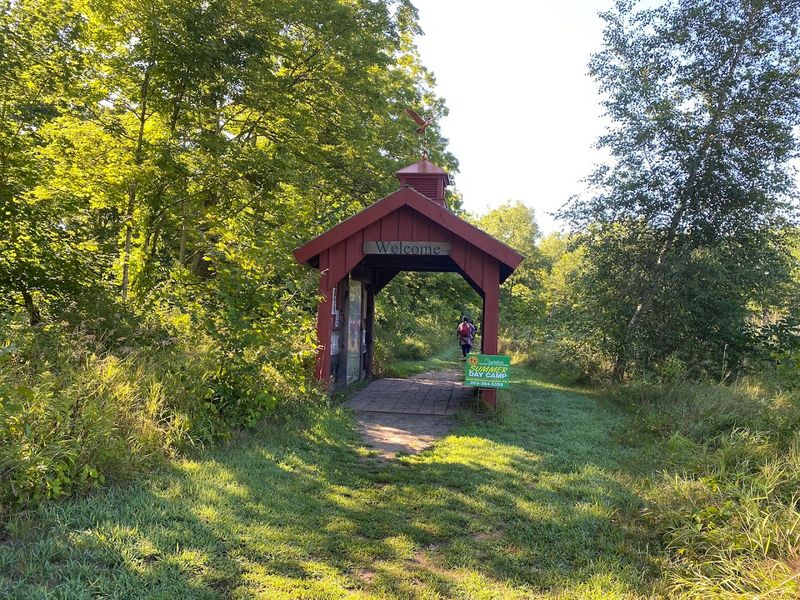
Something about the Bent of the River manages to feel genuinely remote despite sitting within easy reach of a major highway.
The combination of dense shrublands, tall meadow grasses, and unmanicured woodland edges gives the property a texture that feels less like a groomed park and more like land that has been allowed to grow on its own terms.
That sense of mild wildness was actually built into the original bequest. The donor specified that the land should be kept in that condition, which means the preserve has resisted the urge to over-develop or over-manage its trails and habitat areas.
Visitors who are used to neatly trimmed nature centers may find this slightly surprising at first, but most find it refreshing once they settle into the pace of the place.
Beavers, turtles, and various mammals have been spotted on the property alongside the birds, which adds an unpredictable quality to any visit. Staying on designated trails is required and also practical since the vegetation off-path can be dense and difficult to navigate.
The preserve sits close enough to Southbury’s town center that stopping for food or supplies before or after a visit is easy, but the experience inside the preserve itself feels far removed from suburban life in every meaningful way.
8. Where Slow Walks Feel Special
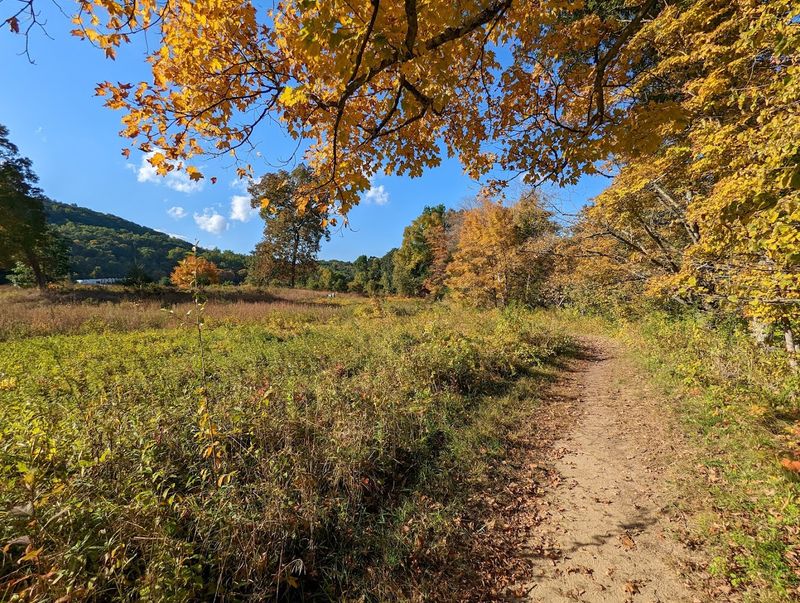
Fast-paced hiking is possible here, but the Bent of the River seems built for something slower. The flat sections through the meadows invite a kind of wandering pace where stopping to listen or look around feels natural rather than like an interruption.
Benches are placed at thoughtful intervals along the trails, making it easy to sit without needing to find a convenient rock or log.
The red barn and herb garden near the center of the property offer a particularly good resting point. That area tends to attract birds looking for shelter and food near the structure, and sitting quietly there for even ten minutes can produce a surprising number of sightings.
The barn area also provides a sense of place and history that makes the preserve feel rooted rather than generic.
Families with younger children tend to do well here because the terrain is not demanding and there is always something to notice along the way.
The variety of surfaces, from grassy meadow paths to rocky forest floors to small wooden bridges, keeps the walking experience interesting without requiring any technical skill.
For anyone who finds that regular nature walks have started to feel routine, a morning at the Bent of the River in Connecticut has a way of resetting that feeling entirely.