This Charming Alaska Town Has A Pace Of Life That’s Hard To Leave Behind
Leaving this little town feels strangely hard. The pace pulls you in almost instantly.
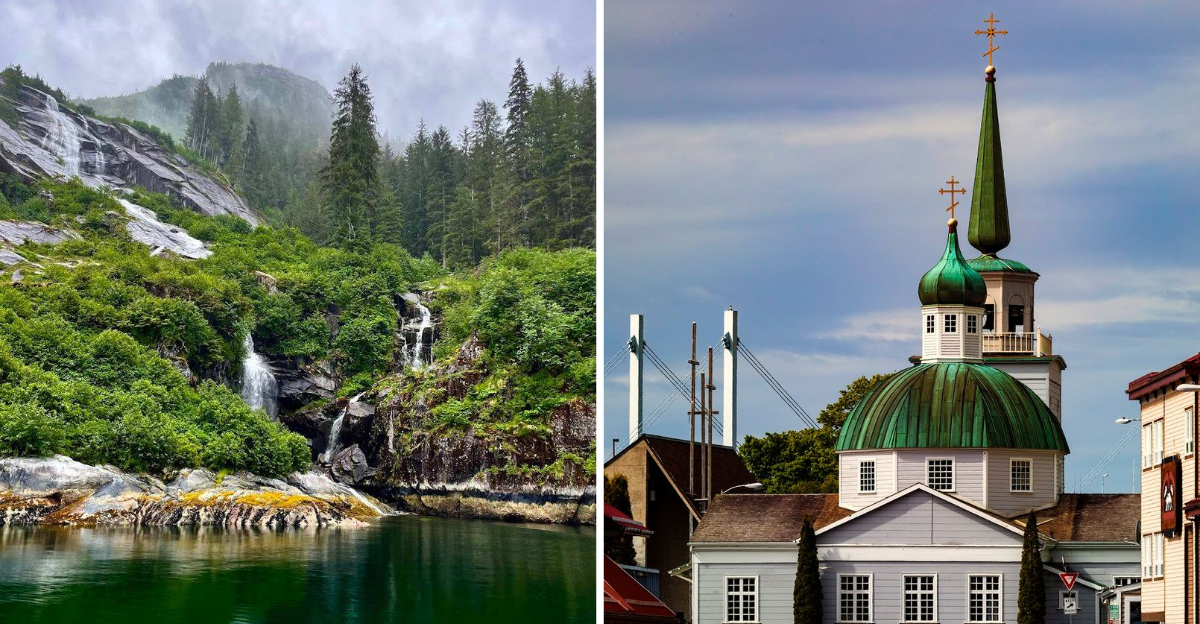
Snow-capped peaks frame the calm harbor. Deep history lingers all along this Alaska coast. Old domes and totems still stand proud. I planned a short stop and overstayed.
Mornings move slowly, and nobody minds. The whole place breathes at half speed. Eagles drift above the quiet channels.
This corner of the north treats patient visitors beautifully. You match the rhythm without even trying. Slowing down here feels like winning.
Totem poles watch over the misty waterfront. Boats sway where the river meets sea. You stop checking the time entirely.
Visit this town, and stay longer than you ever planned.
A Town Built On Two Worlds
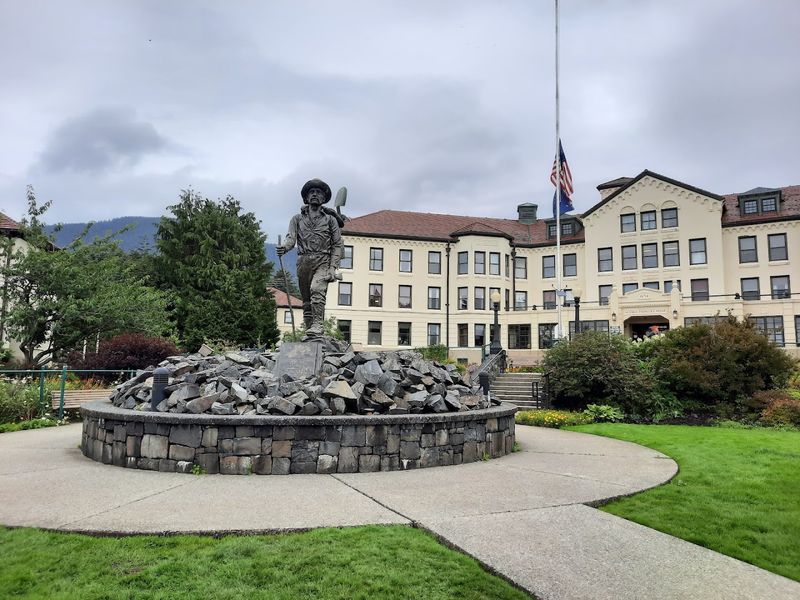
Before I even unpacked my bag, the skyline told me this place had stories.
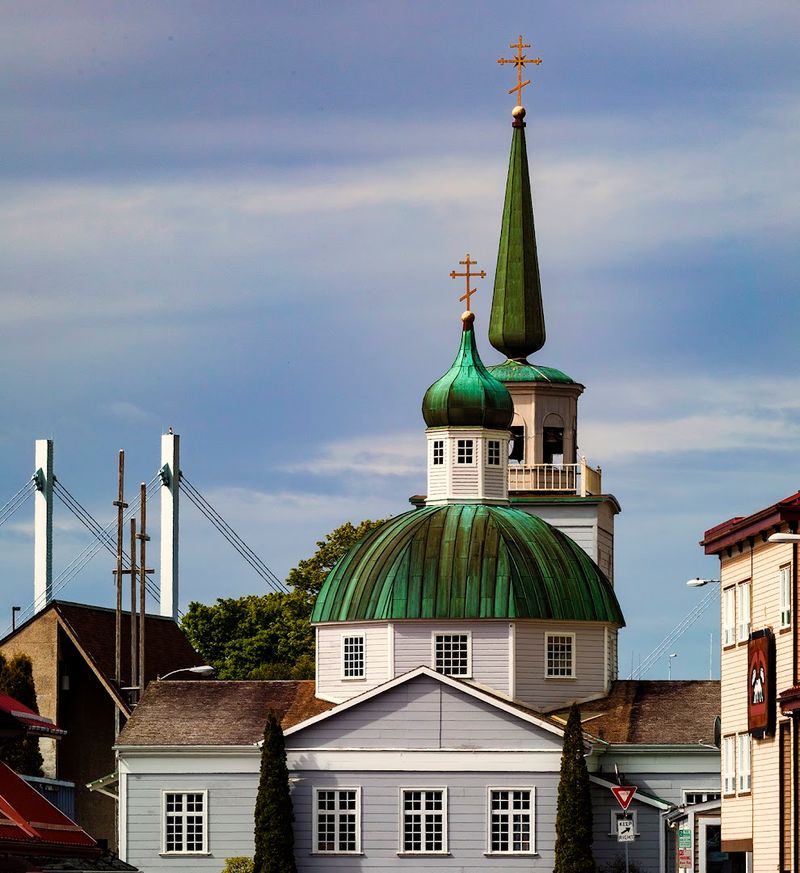
The onion dome of St. Michael’s Orthodox Cathedral rose above the rooftops like a quiet declaration. It reminded me immediately that Sitka was once the seat of Russian America, a colonial capital at the edge of the known world.
Russia’s presence here began in 1799 and lasted until 1867, when the United States purchased Alaska in a deal that changed the map forever.
That transfer ceremony took place right here, on the grounds now marked near Castle Hill. Standing there, I felt the weight of two empires trading hands in a single afternoon.
The Russian Bishop’s House, built in 1842–43, still stands near the waterfront and is one of the oldest intact Russian structures in North America.
Inside at 501 Lincoln St, the preserved rooms give you a window into missionary life on the frontier. The craftsmanship is remarkable for a building this old and this far from its cultural origin.
Mountains, Ocean, And Everything Between
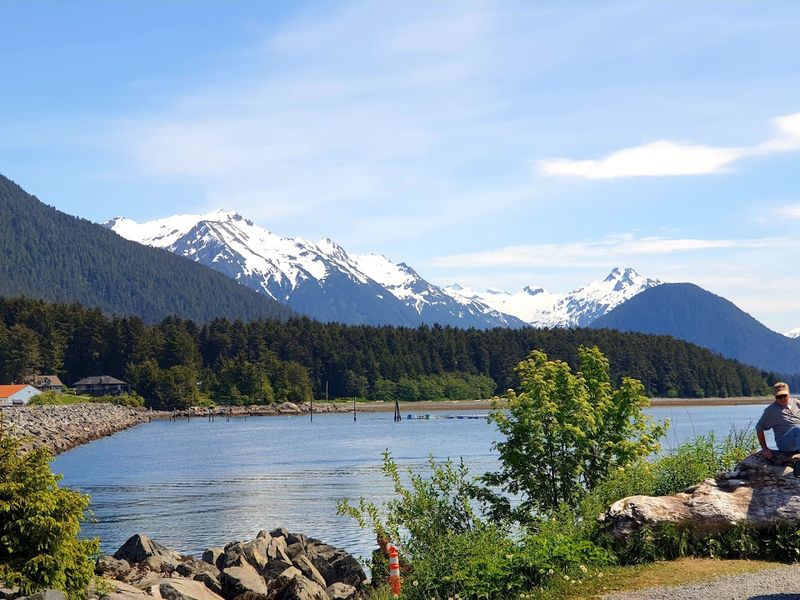
The setting here is almost unfairly beautiful. Sitka sits where the Pacific Ocean meets the coastal mountains of southeastern Alaska, and the result is a landscape that changes with every tide and every weather shift.
On clear mornings, Mount Edgecumbe, a dormant volcano, floats above the horizon like something painted rather than real.
The surrounding waters are dotted with hundreds of small islands, creating a sheltered archipelago that feels almost tropical in its calm.
Kayaking through those channels was one of the highlights of my entire trip. The water is cold and clear, and the reflections of the spruce-covered hills doubled the scenery in the most satisfying way.
I also noticed that the town itself is spread across multiple islands, connected by bridges and ferry links. That geography gives Sitka a fragmented, exploratory quality.
You are never quite sure what is around the next bend.
The tidal flats near the edge of town attract shorebirds by the hundreds, and at low tide, the exposed rocks become a whole ecosystem worth crouching down to study.
Tlingit Culture Woven Into Every Trail
Long before Russian ships appeared on the horizon, the Tlingit people called this coastline home.
Their presence is not just historical here; it is ongoing, visible, and deeply woven into the fabric of daily life.
Sitka National Historical Park at 103 Monastery St preserves the site where, in 1804, Russian forces defeated the Tlingit in a battle that reshaped the region’s future.
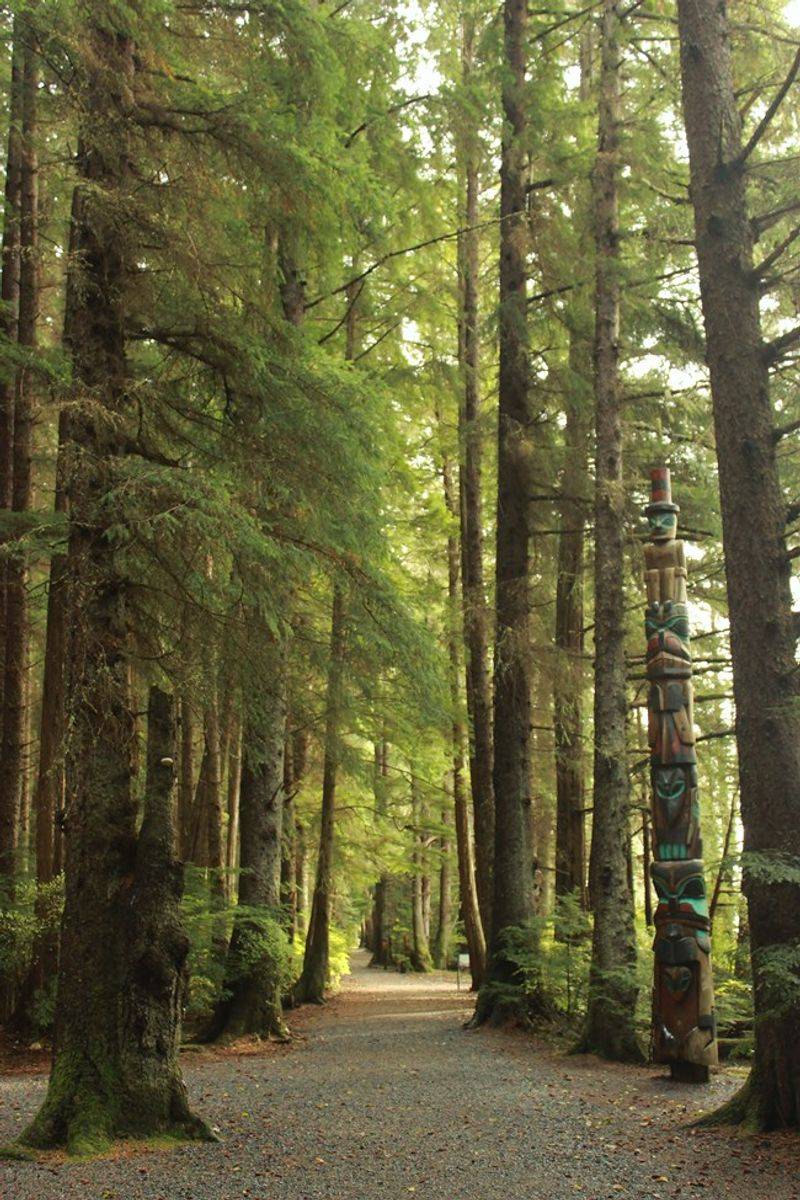
Walking the park’s trail feels like moving through an outdoor gallery. Totem poles stand at intervals along the forested path, each one carved with figures that carry stories of lineage, spirit, and land.
The park sits at the mouth of the Indian River, where the spruce canopy filters the light into something almost ceremonial.
Inside the park’s cultural center, Tlingit artists work in full view of visitors, demonstrating weaving, carving, and beading techniques that have been passed down across generations.
I watched a carver shape a cedar panel with quiet focus, and the sound of the tools against the wood was oddly meditative.
Wildlife That Shows Up Uninvited
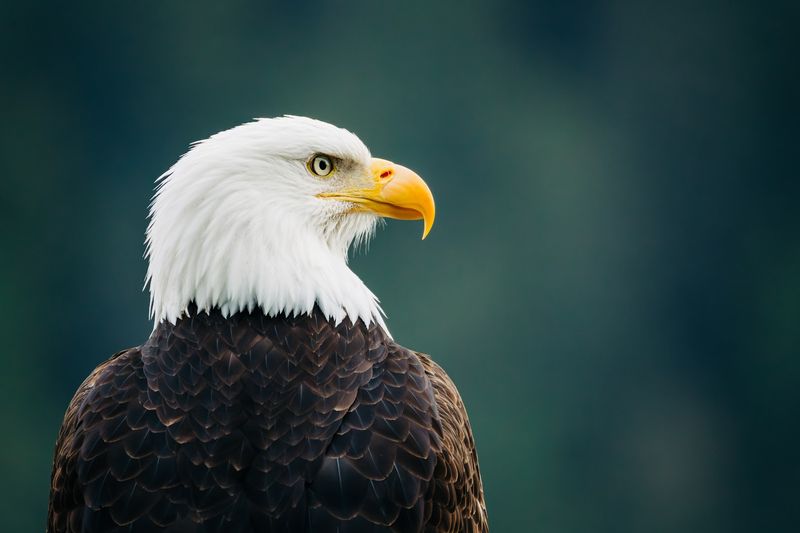
There is a moment every traveler hopes for, when wildlife appears so close and so casually that it stops feeling like a sighting and starts feeling like a neighborhood encounter.
That happened to me repeatedly in Sitka.
Bald eagles were everywhere, perched on lamp posts, circling above the harbor, and occasionally landing on the roof of a nearby building with zero concern for personal space.
The waters around town support an extraordinary marine ecosystem. Sea otters float on their backs in the kelp beds just offshore, and humpback whales pass through the outer channels during migration season.
A short boat trip from the harbor puts you in the middle of all of it. I joined a wildlife cruise that lasted only a few hours but delivered more encounters than I expected in a full day elsewhere.
Brown bears also inhabit the forests of Baranof Island, though they tend to keep their distance from town.
The Fortress of the Bear sanctuary, located outside the main settlement, provides a refuge for orphaned bears and offers a close-up view that is both educational and moving.
Fishing Life At The Heart Of Town
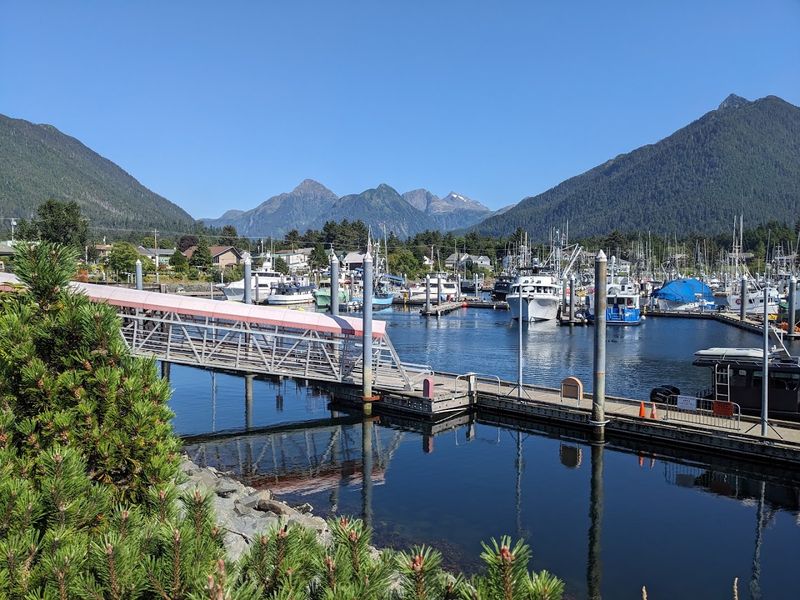
Commercial fishing is not a backdrop here; it is the engine that keeps the town running.
The harbor is busy in a purposeful way, with boats coming and going at hours when most visitors are still asleep.
Sitka’s fishing fleet targets salmon, halibut, sablefish, and Dungeness crab, and the docks smell exactly the way you would hope a working fishing port would smell.
The local seafood market near the harbor lets you buy fish that was in the ocean the same morning.
I picked up fresh Coho salmon and had it cooked at a small spot nearby, and the difference between that and anything I had eaten before was immediately obvious.
Sport fishing charters also operate out of the harbor, and booking one is straightforward. The guides know the channels and the tides intimately, and even a half-day trip can yield a serious haul.
Beyond the catch itself, being out on the water with someone who has fished these channels their whole life gives you a perspective on the place that no trail or museum can replicate.
The Quiet Rhythms Of Everyday Sitka
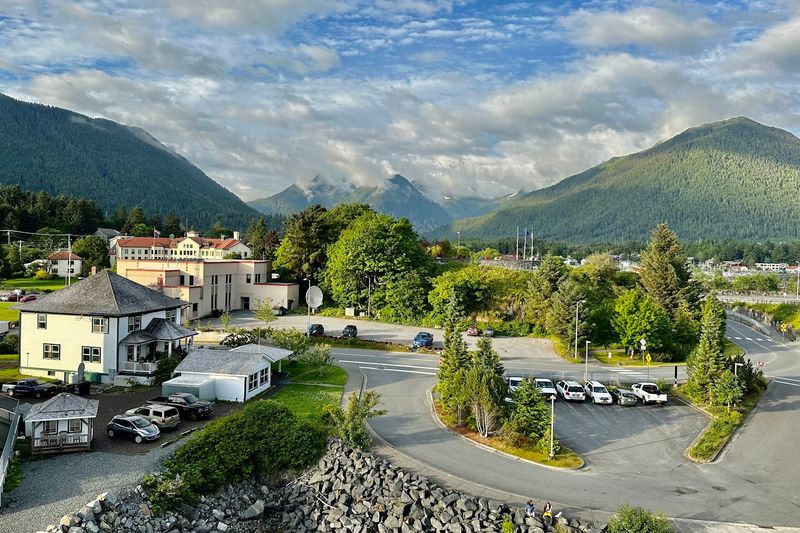
One of the first things I noticed was the pace. Nobody seemed to be rushing anywhere.
Locals moved through their day with a kind of deliberate ease that felt contagious after about twenty minutes.
The main street is compact and walkable, lined with independent shops, a few cozy restaurants, and a library that looked genuinely well-used.
The town’s population hovers around eight thousand people, which means you start recognizing faces after a day or two. That familiarity creates an atmosphere that is warm without being intrusive.
I had more spontaneous conversations here than anywhere else I had visited in Alaska. People were curious about visitors but not performatively welcoming.
There is a farmers market that runs during the warmer months, offering locally grown produce, handmade crafts, and smoked fish from people who caught it themselves.
The community garden near town is another spot where the local spirit shows itself clearly.
Sitka also has a strong arts community, with galleries showcasing work by local painters, photographers, and indigenous artists.
Best Times To Make The Trip
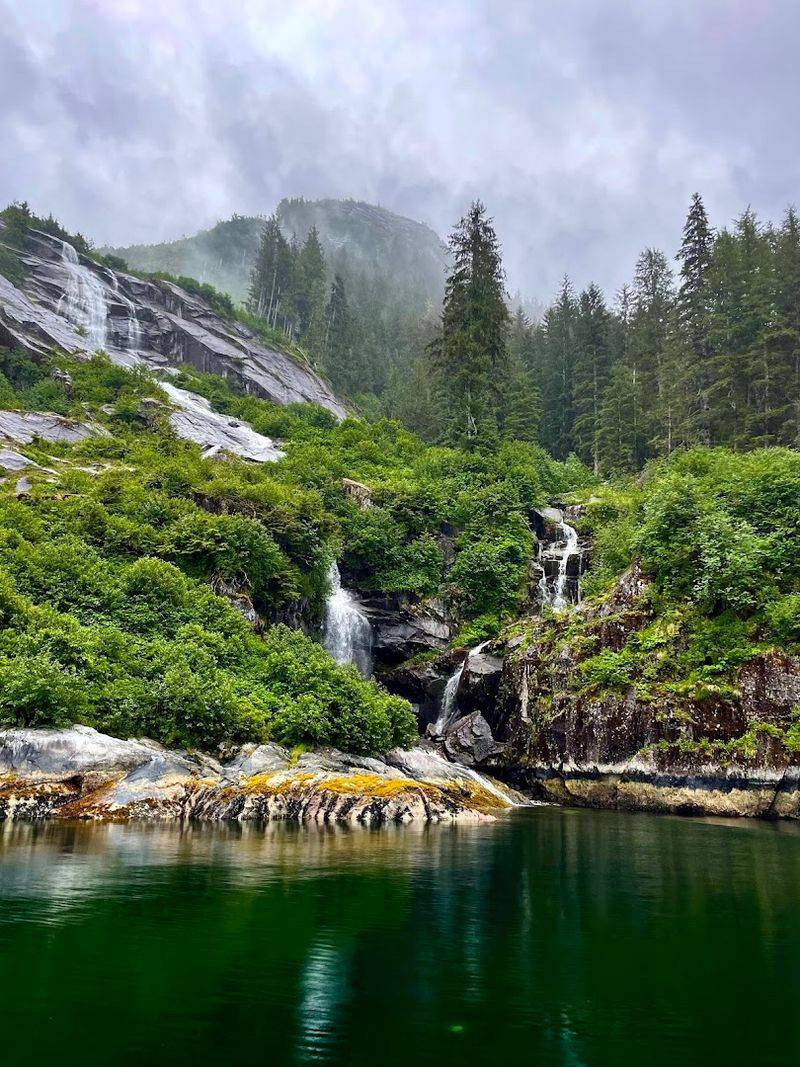
Timing your visit to Sitka takes a little thought, because the weather here has strong opinions.
Southeastern Alaska is one of the rainiest regions in the country, and Sitka receives well over eighty inches of precipitation per year.
That sounds discouraging until you realize how much of the town’s lush, green beauty is a direct result of all that moisture.
Summer, roughly from late May through early September, is the most popular window for a reason. Daylight stretches late into the evening, temperatures stay mild, and the surrounding mountains are fully accessible for hiking and exploration.
This is also when the salmon runs peak, which brings both wildlife and fishing activity to their highest levels.
Spring is underrated as a travel window. The crowds are smaller, the wildflowers are coming up, and the birding is exceptional during migration season.
Fall offers the spectacle of changing foliage against the dark spruce forests, which is a combination you do not often see in Alaska. Winter is quiet and raw, suited for travelers who enjoy solitude and dramatic coastal weather.
Getting There And Moving Around
Reaching Sitka requires a little planning, and honestly, that is part of what keeps it feeling unspoiled.
There is no road connection to the rest of Alaska’s highway system. The only ways in are by air or by ferry, and both options come with their own rewards.
Sitka Rocky Gutierrez Airport handles daily flights from Juneau, Anchorage, and Seattle, operated by regional carriers.
The approach to the runway, which sits on a small island connected to the main town by a bridge, is one of the more scenic landings you will experience anywhere.
The Alaska Marine Highway System also serves Sitka, and the ferry journey through the Inside Passage is a travel experience in its own right.
Once in town, most of the main attractions are within walking distance of the harbor. A local bus system operates on a limited schedule, and taxis and rideshares fill in the gaps.
For exploring the outer areas of Baranof Island, renting a car or joining a guided tour makes the most sense. The compact size of the town works in your favor once you arrive.