This Scenic Alaska Town Makes Slowing Down Surprisingly Easy
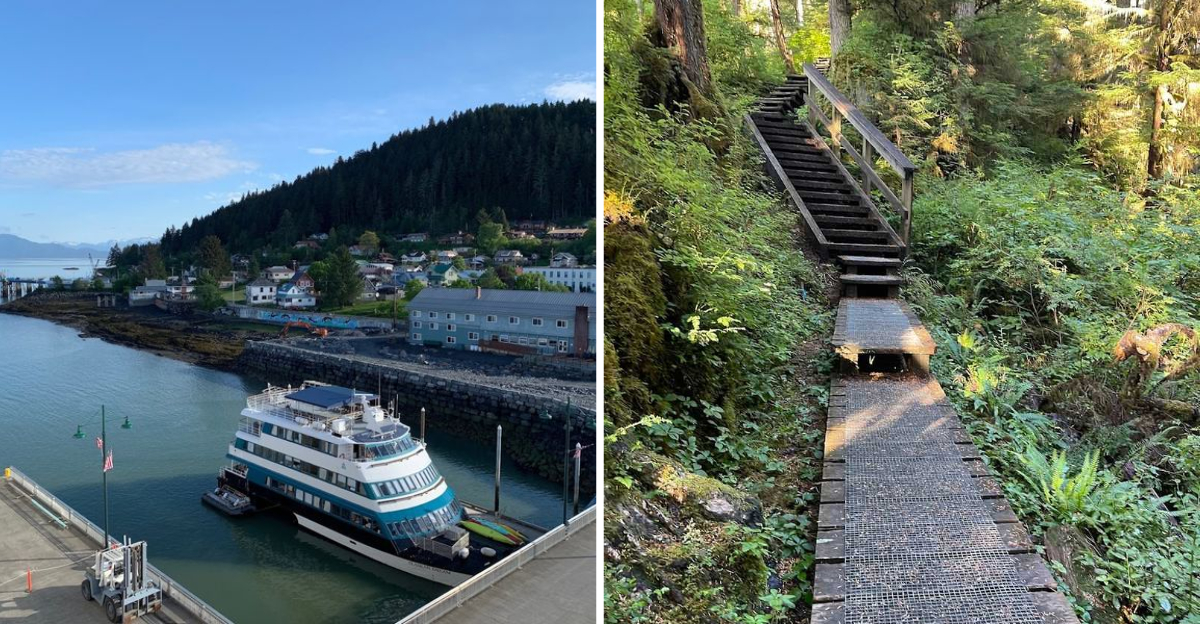
Rushing feels pointless the moment you arrive. This ranks among the oldest towns around.
Totems and docks carry centuries of history. This old town favors anyone who lingers. Cruise crowds rush past toward flashier ports. Those who stop discover something rare.
I matched its rhythm and noticed everything. Wildlife wanders close to the quiet trails. The locals actually want to chat.
Alaska feels real and unfiltered here. Patience pays off in a place like this. You slow down without even trying.
Eagles easily outnumber the few parked cars. Forest trails sit empty most mornings. Deep stillness rules everything.
A Town Older Than The State
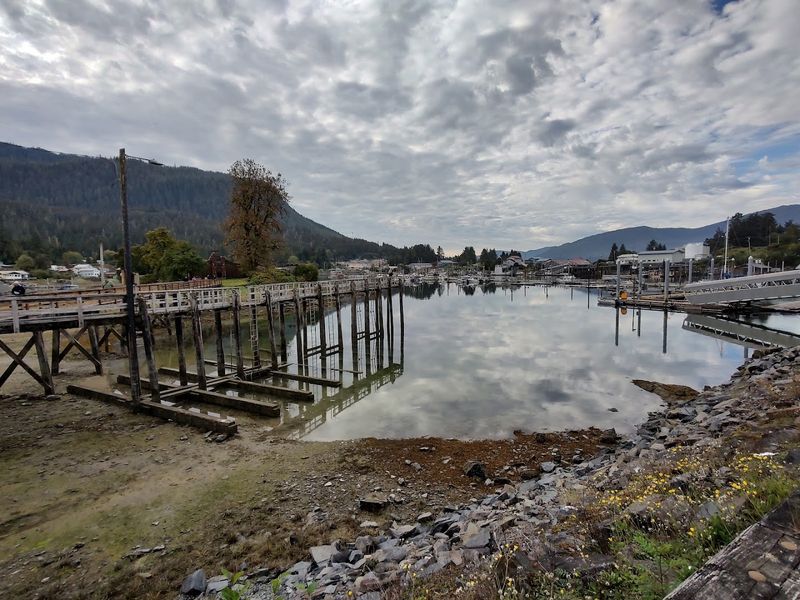
Few places in Alaska carry as many layers of history as Wrangell does.
It is one of the only towns in the state ruled by four nations under three different flags: Tlingit, Russian, British, and American. That kind of timeline does not happen by accident.
The Tlingit people called this area home long before European contact. Their presence shaped the land, the culture, and the stories that still circulate today.
When Russian fur traders arrived in the early 1800s, they built a stockade here, naming it Fort Saint Dionysius.
The British Hudson’s Bay Company later took it over, renaming it Fort Stikine. After the United States purchased Alaska in 1867, the town eventually became known as Wrangell, named after a Russian naval officer.
You can feel those overlapping histories in the architecture, the totem poles, and even the layout of the streets. It is a living timeline compressed into a small, walkable space that most people drive right past without realizing what they are missing.
Petroglyph Beach Stops Time
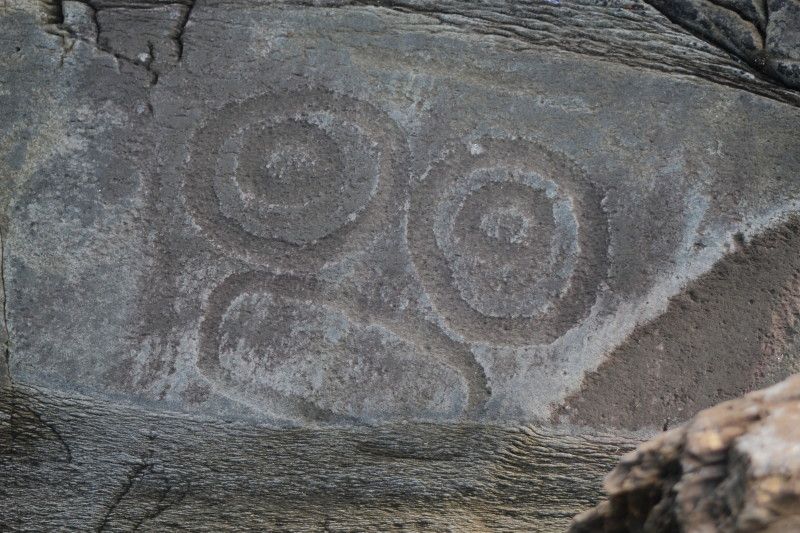
About a mile north of downtown, a stretch of beach holds something that most people never expect to find.
Carved directly into the flat coastal rocks are petroglyphs, ancient symbols etched by Tlingit ancestors possibly 8,000 years ago. Nobody knows exactly what they mean.
There are over 40 known petroglyphs at this site, making it one of the most significant collections in the Pacific Northwest.
Faces, spirals, and abstract designs peer up from the stone like quiet questions from the past. You can walk right up to them at low tide.
The state of Alaska protects the site, and visitors are asked not to touch the carvings. However, the park provides rubber molds so you can make rubbings of the designs to take home.
It is a surprisingly hands-on way to connect with something ancient.
Standing there with the ocean lapping nearby and old-growth forest behind you, the experience feels more like a private discovery than a tourist attraction. The beach itself is beautiful even without the history.
The Stikine River Experience
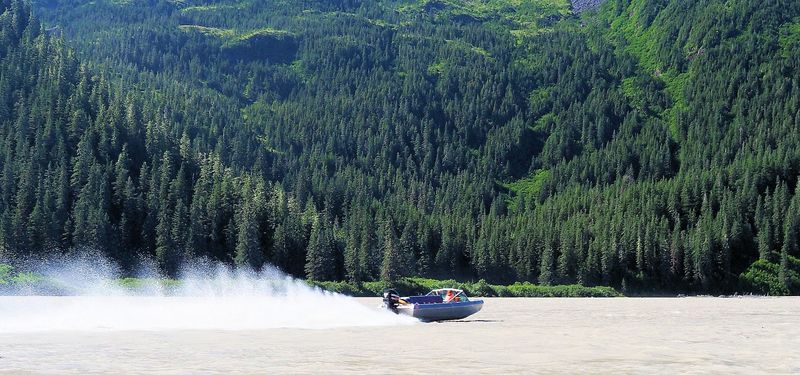
Just east of town, one of North America’s fastest free-flowing rivers empties into the sea.
The Stikine River begins in British Columbia and travels roughly 400 miles before reaching Alaska, carrying glacial silt, salmon, and centuries of wilderness in its current.
Jet boat tours run from Wrangell out into the river delta, weaving through braided channels surrounded by mountains and wildlife. Bald eagles perch on driftwood logs.
Brown bears patrol the gravel bars. The scenery changes around every bend.
During spring, the Stikine flats attract one of North America’s largest concentrations of migrating shorebirds.
Millions of birds stop here to feed during their journey north, turning the mudflats into a living, moving carpet of wings. Bird watchers travel from across the country just for this event.
Further upriver, Chief Shakes Hot Springs offers a remote soak in natural thermal pools surrounded by forest. Reaching it requires a boat and some planning, but the payoff is a warm bath in the middle of untouched wilderness.
Wildlife That Gets Surprisingly Close
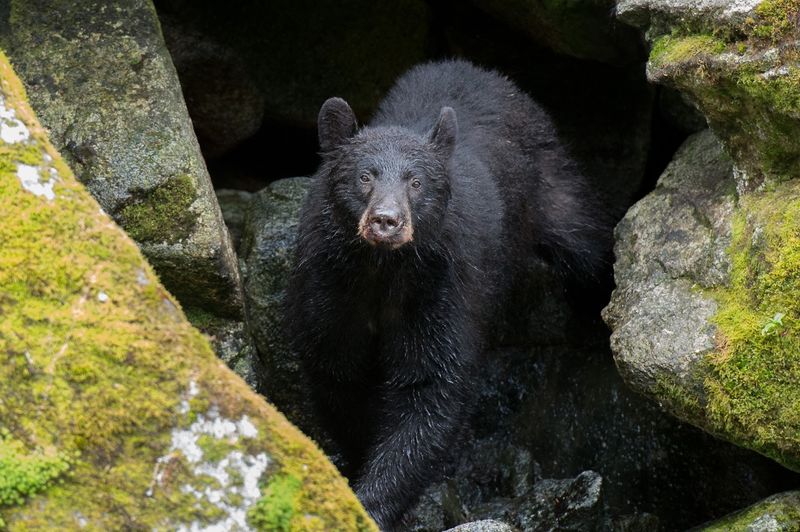
One of the first things you notice on Wrangell Island is how close the animals are.
This is not a zoo, and there are no fences. The wildlife simply lives here, going about its business with minimal concern for the humans passing through.
Black bears are a common sight in and around town, especially during berry season in late summer. Humpback whales surface in the surrounding waters with enough regularity that locals barely look up.
Sea otters float on their backs near the ferry dock like they own the place.
The island sits within the Tongass National Forest, the largest national forest in the United States. That massive protected area creates a buffer that keeps the ecosystem intact and the wildlife populations healthy.
You are essentially surrounded by one of the last great temperate rainforests on Earth.
Guided wildlife tours run regularly, but honestly, some of the best sightings happen while you are just walking to the grocery store or sitting on the dock with a coffee.
Anan Wildlife Observatory Magic
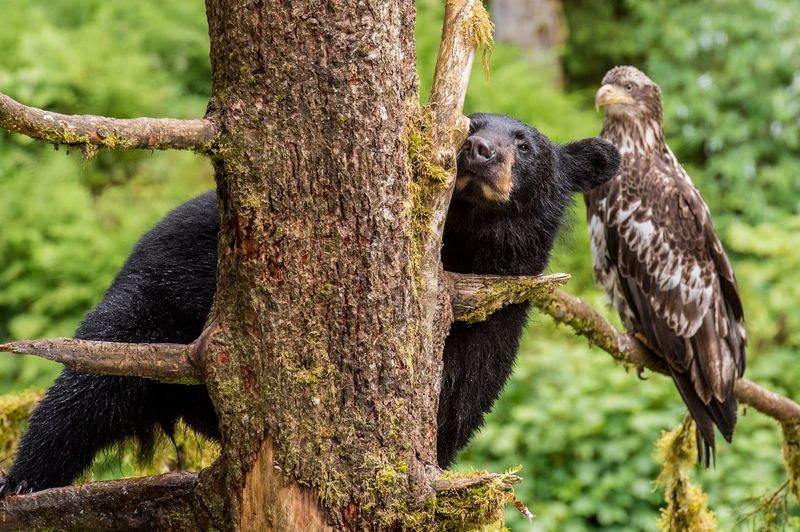
About 30 miles southeast of town lies one of Alaska’s most remarkable wildlife viewing spots.
Anan Creek runs through the Tongass National Forest and draws both black and brown bears in remarkable numbers during the pink salmon run each summer.
The U.S. Forest Service manages a viewing platform right at the creek, allowing visitors to watch bears fish from a safe and well-positioned vantage point.
On a good day, you might see a dozen bears within arm’s reach of each other, all focused on the same silver prize flashing through the water.
Access requires a permit during peak season, which runs roughly from late July through mid-August. Most visitors arrive by floatplane or boat from Wrangell, which adds a sense of adventure even before the bears appear.
The journey through forested waterways is beautiful on its own.
What makes Anan special is the sheer density of wildlife in a compact, accessible area. You are not hiking for hours hoping for a glimpse.
You walk a short trail, climb onto the platform, and the show begins.
Hiking Trails Worth Every Step
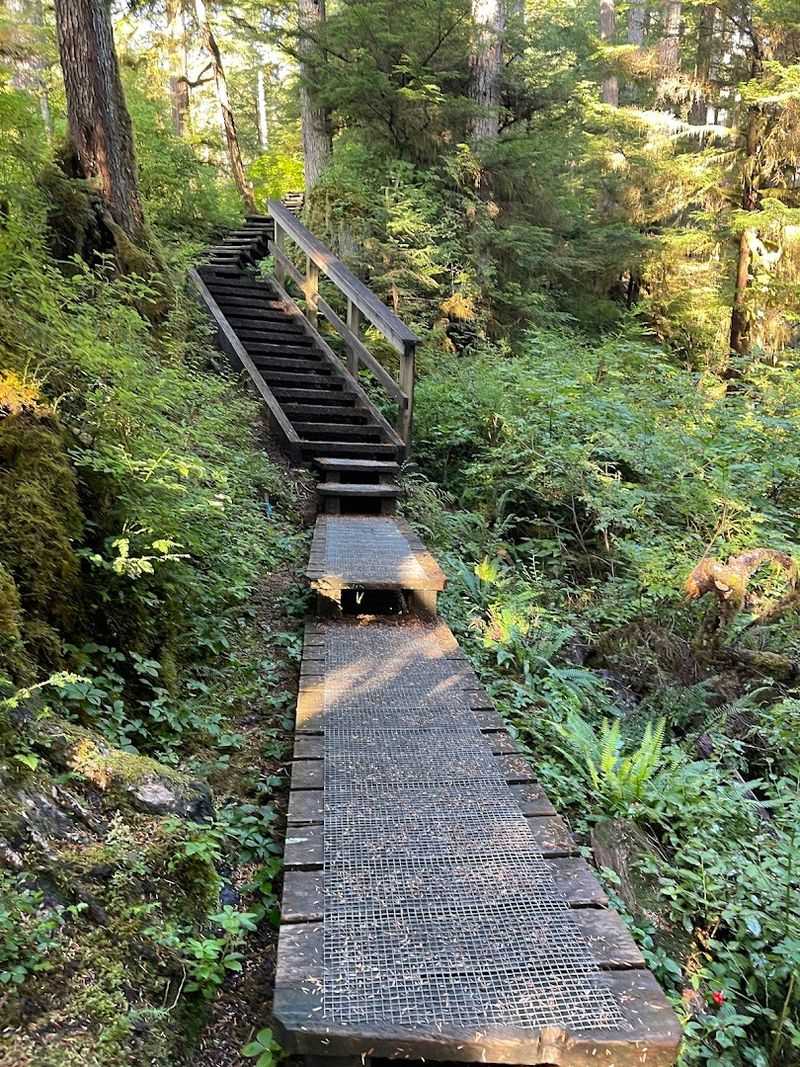
The trail system around town punches well above its weight for such a small community.
If you want a short walk or a full-day adventure, the options are varied enough to keep you busy across multiple visits without retracing your steps.
The Rainbow Falls Trail is a local favorite, climbing through old-growth forest to a 30-foot waterfall tucked into a mossy ravine.
The trail is about a mile and a half each way, making it manageable for most fitness levels. The forest itself is the real attraction, draped in ferns and lichen that glow green after rain.
Mount Dewey rises just behind the downtown area and offers a surprisingly accessible summit hike.
The trail starts practically in someone’s backyard and winds upward through spruce and hemlock to a viewpoint overlooking the town, the harbor, and the surrounding islands.
On a clear day, the panorama is wide and genuinely stunning.
The state of Alaska maintains several other trails on the island, ranging from easy boardwalks to more rugged backcountry routes. Mud is a constant companion in the rainforest, so waterproof boots are not optional here.
Tlingit Culture Still Lives Here
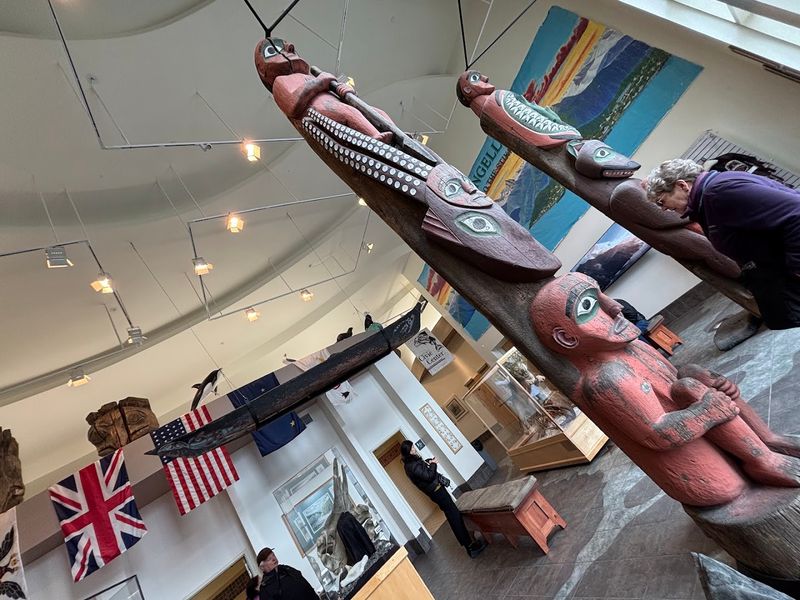
The Tlingit people have lived in this region for thousands of years, and their culture is not something displayed behind glass in a museum. It is present, active, and woven into daily life in ways that feel genuine rather than performative.
Chief Shakes Island sits in the middle of the harbor and holds one of the finest collections of totem poles in the state.
The island is home to a tribal house that was restored with traditional techniques, using hand-carved cedar and designs passed down through generations. Visiting it feels like stepping into a living cultural document.
The Wrangell Museum at 296 Campbell Dr does an excellent job of presenting the town’s layered history, including its deep Tlingit roots.
Exhibits cover everything from pre-contact culture to the fur trade era and beyond. It is a small museum, but the depth of its collection surprises most first-time visitors.
Local cultural events, including potlatches and carving demonstrations, take place throughout the year. If your timing lines up, attending one of these events offers a window into traditions that have survived enormous historical pressure.
Getting There And Settling In
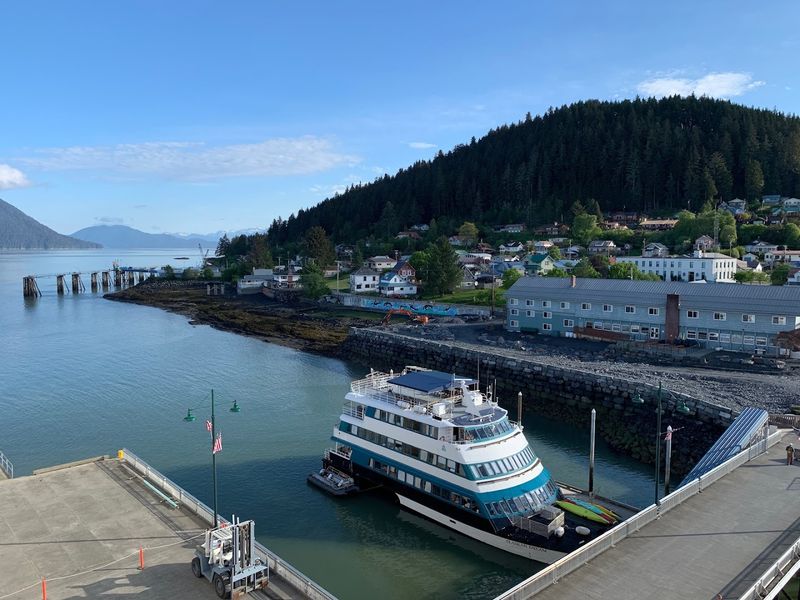
Reaching Wrangell requires a bit of intention, which is honestly part of the appeal.
There are no roads connecting it to the rest of Alaska or the continental United States. You arrive by plane or by sea, and both options add to the sense of arrival.
Alaska Airlines operates regular flights into Wrangell Airport from Seattle and other regional hubs. The approach over the islands and waterways is itself worth the ticket price.
The airport is small, friendly, and about a five-minute drive from downtown.
The Alaska Marine Highway System serves Wrangell with regular ferry connections to Juneau, Ketchikan, and other Inside Passage communities.
The ferry ride is a slow, scenic journey through some of the most dramatic coastal scenery in North America. Many travelers treat it as part of the experience rather than just transportation.
Accommodations in town include small inns, bed and breakfasts, and vacation rentals that put you close to the waterfront. The town is compact enough to explore almost entirely on foot.
Renting a car or bicycle gives you access to the island’s outer roads, where the forest closes in and the pace slows down even further.