12 California Coastal Day Trips That Feel Like Summer Escapes
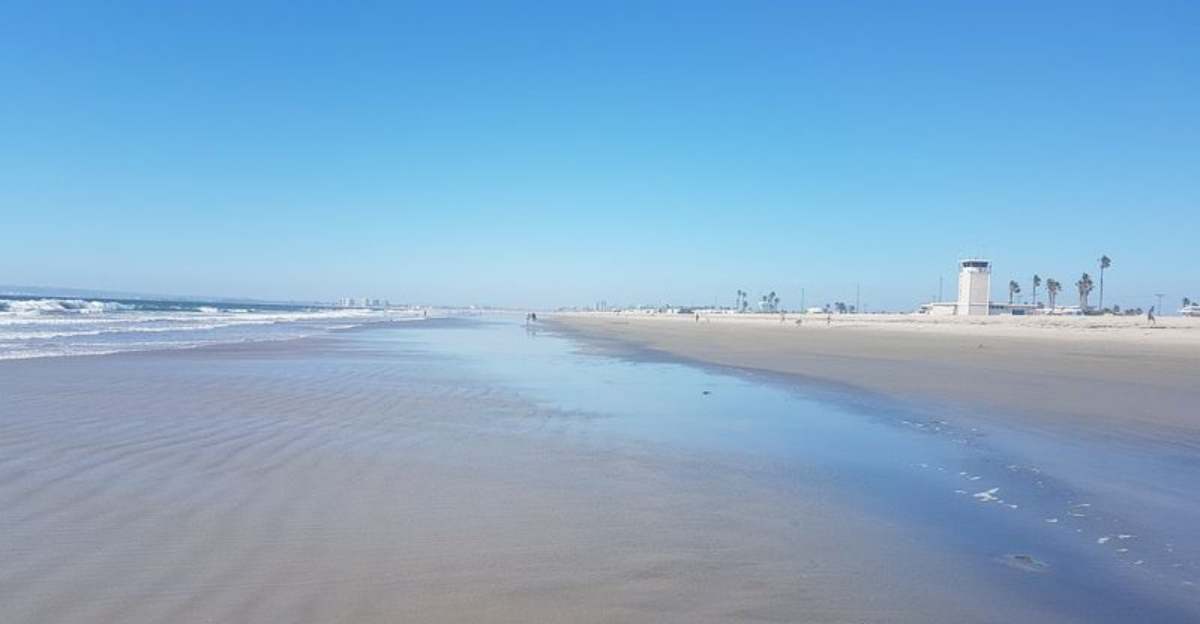
Coastal day trips have a way of making summer feel official.
You pack sunscreen. Maybe snacks. Probably more optimism than the parking situation deserves.
Then the road starts bending toward the water, and the whole day changes.
A good seaside escape does not need an overnight bag to feel like a reset. It just needs salty air and a view worth slowing down for.
One good stretch of California shoreline can make a day trip feel like a real escape.
One day can hold a beach walk, a cliffside view, a small-town wander, or a sunset that makes leaving feel rude.
That is the beauty of staying close to the coast. The trip can be simple and still feel like a break from everything.
1. Balboa Island and Balboa Peninsula, Newport Beach
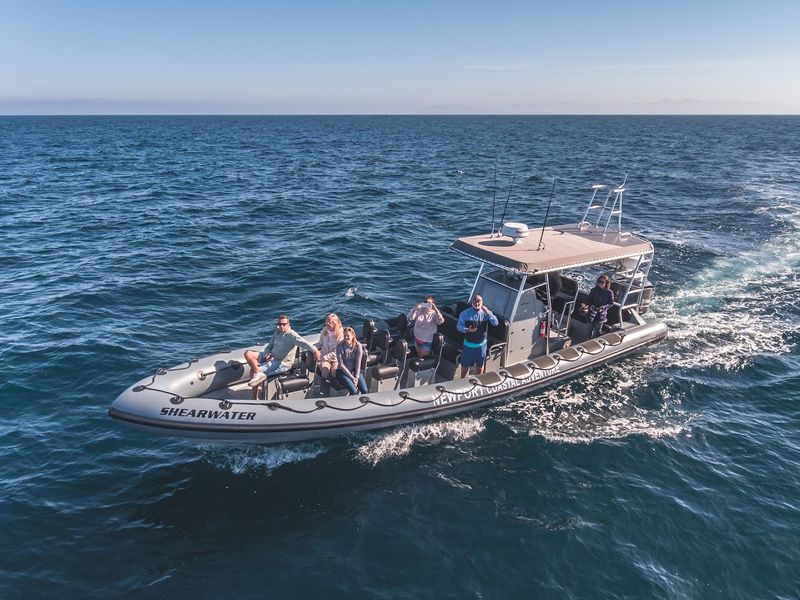
Few places pack as much charm into such a small loop as Balboa Island and its neighboring peninsula in Newport Beach.
The Balboa Island Ferry, one of the shortest ferry rides in California, connects the two sides and turns a simple beach outing into something that feels genuinely special.
The ferry has been running since 1919 and still operates as a small three-car flat-boat crossing.
Harbor-side cottages line the streets in pastel shades, and the bayfront walk lets visitors stroll past docked boats and waterfront homes at a comfortable pace.
The main drag on the island offers ice cream shops, casual seafood spots, and small boutiques that fit the relaxed beach-town energy perfectly.
Crowds tend to build on summer weekends so a weekday visit may offer a calmer experience.
The peninsula side adds another layer with ocean-facing beaches, a historic pavilion, and the Ferris wheel view from the Fun Zone.
Parking near the ferry landing fills up quickly in peak season so arriving early helps.
The whole loop, including both sides, can be done comfortably in a half day or stretched into a full one with a meal stop.
2. Santa Cruz Island, Channel Islands National Park
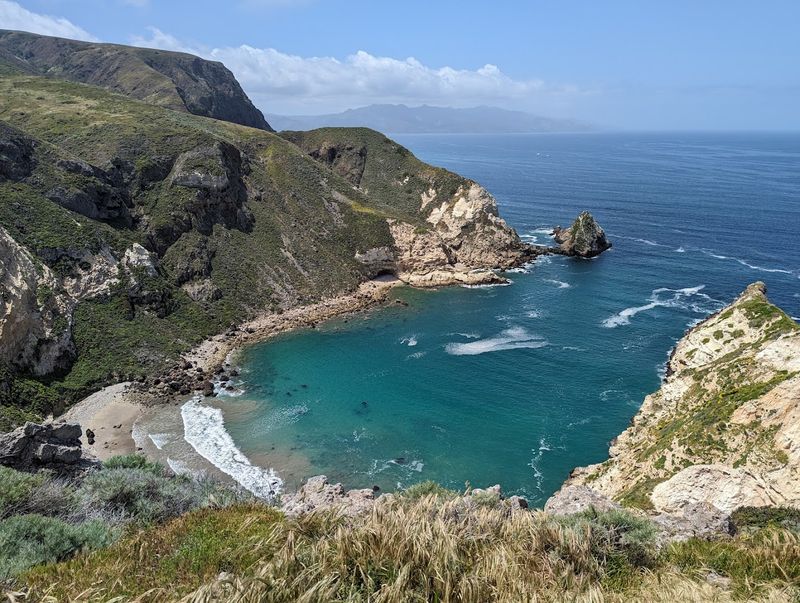
There is a particular kind of quiet that settles in once the boat from Ventura Harbor reaches Santa Cruz Island, and it feels nothing like the California most visitors know.
Island Packers, the primary ferry operator, lists Santa Cruz Island as a day-visitor destination, with crossings that take roughly an hour each way.
The island is the largest of the five protected Channel Islands and covers enough terrain to fill an entire day easily.
Sea caves carved into the coastline are among the most dramatic features, and kayak rentals or guided paddle tours allow visitors to explore them up close.
The water around the island runs in shades of deep blue and turquoise that catch people off guard, especially those expecting a typical California beach scene.
Hiking trails lead inland through chaparral and along ridgelines with views that stretch back toward the mainland.
Wildlife sightings are common and may include island foxes, which are found nowhere else on Earth. Snorkeling is popular in the calmer coves where visibility tends to be good.
Booking ferry tickets in advance is strongly recommended during summer months since space fills up and the crossing schedule limits flexibility once on the island.
3. Anacapa Island, Channel Islands National Park
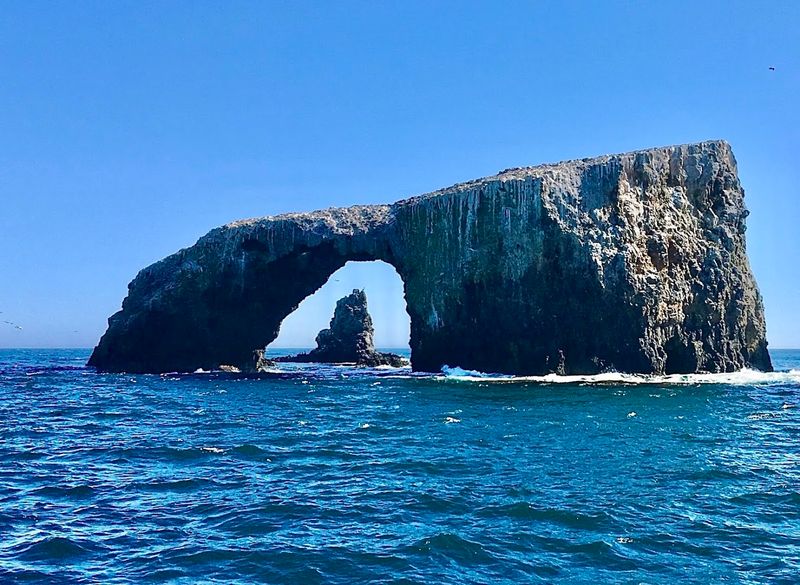
Dramatic is the word that comes to mind most naturally when approaching Anacapa Island by boat.
The cliffs rise sharply from the water and the historic lighthouse at the eastern end has been guiding ships since 1932, making it one of the last staffed lighthouses on the West Coast before automation.
Channel Islands National Park protects all five of the Channel Islands off the California coast and Anacapa is among the most visually striking of the group.
Landing on the island requires climbing a steel staircase bolted into the cliff face, which adds an adventurous edge right from the start.
Once on top, the terrain opens into a relatively flat plateau covered in giant coreopsis plants that bloom bright yellow in late winter and early spring.
The ocean views from the cliff edges are sweeping and the sound of sea lions and seabirds fills the air throughout the visit.
Trails on the island are short but rewarding and circle the top of the eastern islet in roughly two miles total.
Snorkeling around the base of the cliffs is possible for those who come prepared.
Like Santa Cruz Island, Anacapa ferry tickets through Island Packers sell out during summer so early booking is essential.
4. Coronado, San Diego
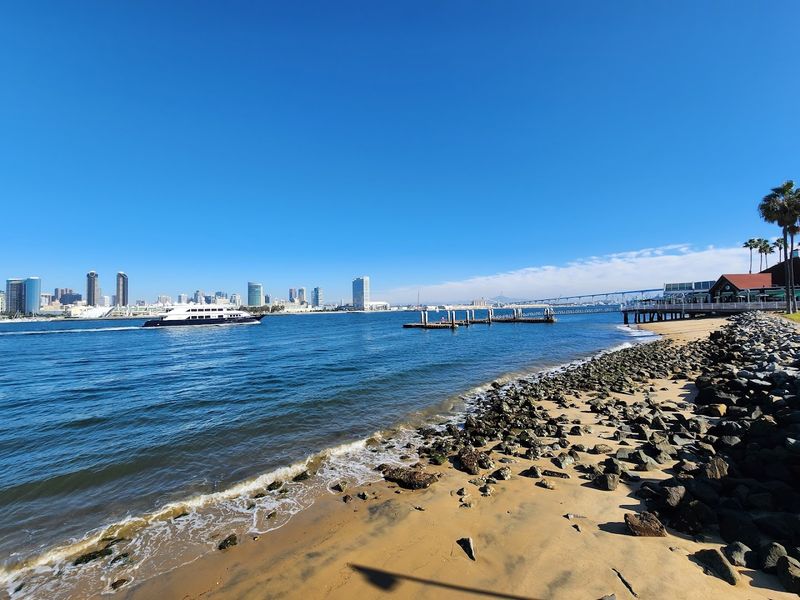
Technically connected to the San Diego mainland by a narrow strip of land, Coronado carries a strong island personality that comes through the moment the ferry docks or the bridge clears.
Conde Nast Traveler has described it as a standout Southern California day trip destination, and the combination of a wide sandy beach, a walkable village, and historic architecture backs that up without any exaggeration.
The Hotel del Coronado, a Victorian-era landmark that has stood since 1888, anchors the beach side with its red-roofed towers.
Orange Avenue runs through the heart of the village and is lined with independent shops, bakeries, and casual restaurants that give the place a low-key resort feel rather than a tourist-trap vibe.
The beach itself is consistently ranked among the best in California for its wide expanse of white sand and calm summer surf.
A bike rental near the ferry landing makes it easy to cover more of the peninsula without needing a car.
The Coronado Ferry Landing area offers bay views back toward downtown San Diego and a cluster of shops and eateries worth exploring.
Weekday visits tend to be noticeably quieter than summer weekends when the beach fills up early.
Arriving via the ferry from downtown San Diego adds to the island-escape feeling that makes Coronado so appealing as a day trip.
5. Point Reyes Peninsula, Marin County
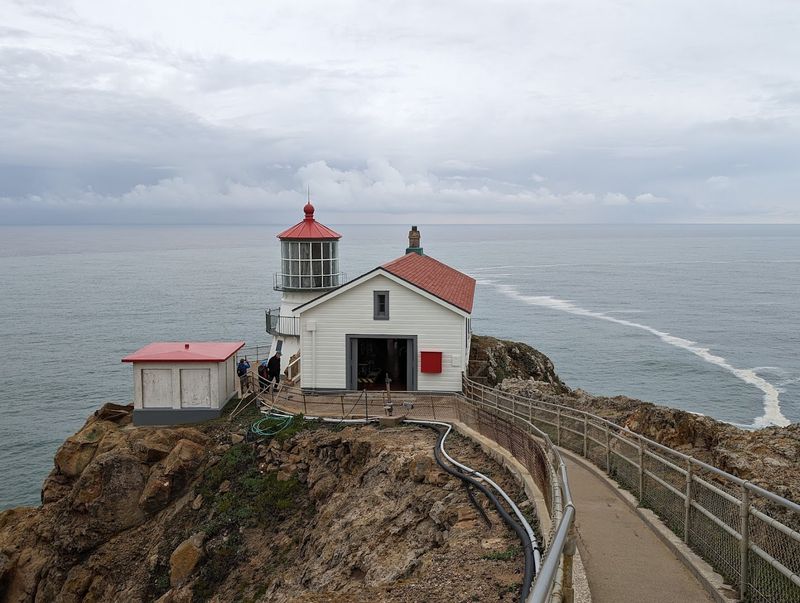
Driving out to Point Reyes Peninsula from the Bay Area, the landscape shifts gradually from suburban to something much wilder and more open.
Point Reyes National Seashore covers roughly 71,000 acres of fog-laced bluffs, secluded beaches, rolling farmland, and old-growth forest, making it feel far more remote than its actual distance from San Francisco suggests.
The contrast between the pastoral dairy farms near the entrance and the crashing surf at the outer beaches is genuinely surprising on a first visit.
Tule elk roam the Tomales Point area in visible herds, and gray whales pass offshore during migration seasons.
The Point Reyes Lighthouse sits at the tip of the peninsula and involves a steep staircase descent to reach, but the payoff is a close-up view of one of the windiest spots on the Pacific Coast.
Limantour Beach offers a long, sandy, and relatively uncrowded stretch that feels nothing like a typical California beach day.
Trails range from easy coastal walks to longer ridge hikes depending on how much ground visitors want to cover.
Fog is common year-round so layering up is always a good call. The Bear Valley Visitor Center near the park entrance is a helpful first stop for maps and current conditions before heading out.
6. Monterey Peninsula
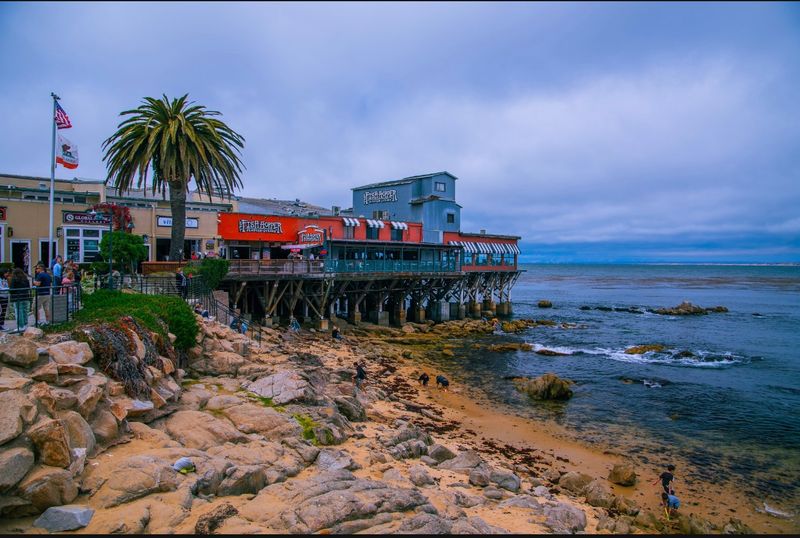
Packing Carmel, Pacific Grove, Monterey, and the 17-Mile Drive into a single day is ambitious but entirely doable with a reasonable start time.
The peninsula clusters enough coastal beauty, wildlife, and walkable areas into a compact geography that makes it one of the most rewarding day trips in Central California.
Monterey Bay is recognized as a national marine sanctuary and the marine life visible from shore, including sea otters, harbor seals, and shorebirds, reflects that protected status.
Cannery Row in Monterey has evolved from its sardine-packing industrial past into a waterfront strip of shops and restaurants that still carries traces of its John Steinbeck-era character.
The Monterey Bay Aquarium sits at the end of the row and is widely considered one of the best aquariums in the country, with exhibits focused on the local marine ecosystem.
Pacific Grove sits just north of Carmel and offers quieter tide pools and Victorian homes that give it a distinctly different mood from its neighbors.
The 17-Mile Drive through Pebble Beach requires a toll but delivers views of the Lone Cypress, rugged coastline, and open ocean that are difficult to find elsewhere.
Parking in downtown Monterey and Carmel fills quickly on summer weekends so an early arrival or a weekday visit makes the whole experience more relaxed.
7. Point Lobos, Carmel-By-The-Sea
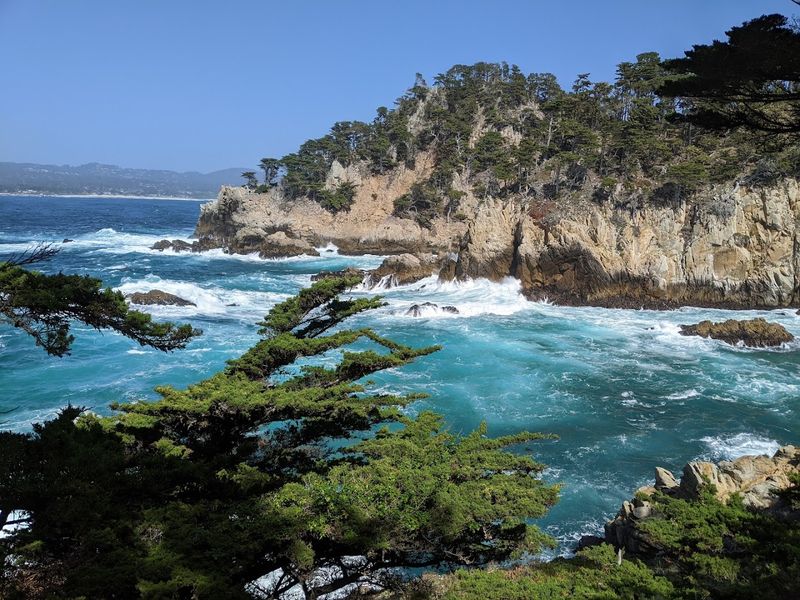
Point Lobos State Natural Reserve consistently draws visitors who come expecting a pleasant coastal walk and leave feeling like they stumbled into something much more extraordinary.
The reserve sits just south of Carmel-by-the-Sea and packs rocky coves, sea lion colonies, kelp forests, and cypress groves into a relatively small area that can be explored comfortably in a half day.
The water in the coves runs in shades of deep teal and turquoise that look almost tropical against the dark granite rocks.
Short trails connect the main parking areas to various overlooks and cove access points, making navigation straightforward even without prior planning.
Sea lions haul out on the rocks near Sea Lion Point and can be observed from a close but respectful distance throughout the year.
Scuba diving and snorkeling are permitted in designated areas and the underwater visibility here is considered among the best along the Central California coast.
Parking at the reserve is limited and the lot fills up quickly on summer mornings, sometimes before 9 a.m. on busy weekends.
Arriving early or visiting on a weekday makes a meaningful difference in the overall experience.
The reserve charges a day-use fee and reservations for parking are sometimes required during peak season so checking the California State Parks website ahead of time is a smart move.
8. Avila Beach and Port San Luis
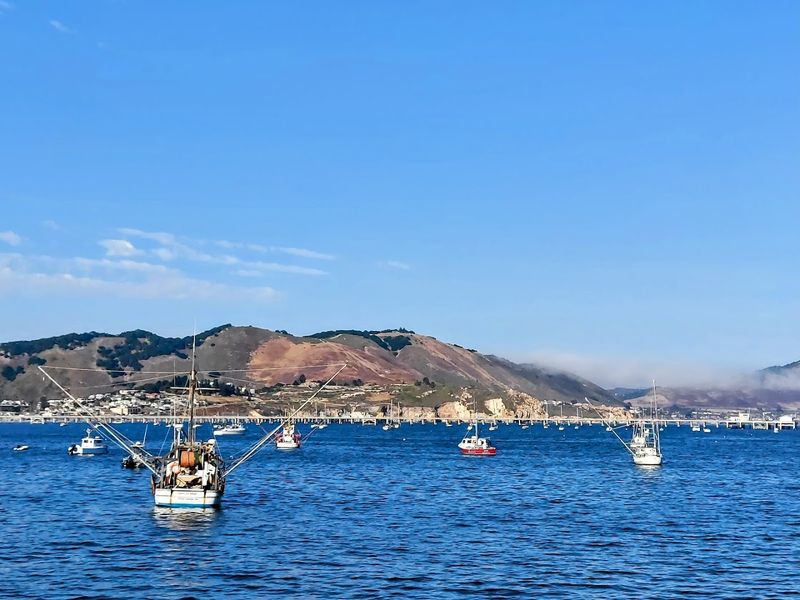
Behind a headland that shelters it from the strongest coastal winds, Avila Beach enjoys some of the warmest and calmest weather on the Central California coast.
The combination of a compact sandy beach, a working fishing harbor at Port San Luis, and a low-key waterfront promenade makes it feel like a beach town that hasn’t been overly polished for tourism.
The pier stretches out over calm water and is a popular spot for fishing, walking, and watching pelicans glide past at eye level.
Port San Luis Harbor sits just west of the main beach and adds a working-waterfront texture that distinguishes Avila from more resort-oriented coastal stops.
Fresh seafood is available directly from local vendors near the harbor, and a handful of casual restaurants along the waterfront keep things simple and satisfying.
The calm water in the protected cove is suitable for paddleboarding and kayaking without the choppier conditions found at more exposed Central Coast beaches.
The small downtown strip along San Miguel Street offers a relaxed mix of shops and eateries that can be covered on foot in under an hour.
Summer weekends bring steady crowds but the beach is wide enough to absorb them reasonably well.
Avila Beach is roughly fifteen minutes south of San Luis Obispo which makes it easy to combine with a broader Central Coast day trip.
9. Bodega Head, Sonoma Coast
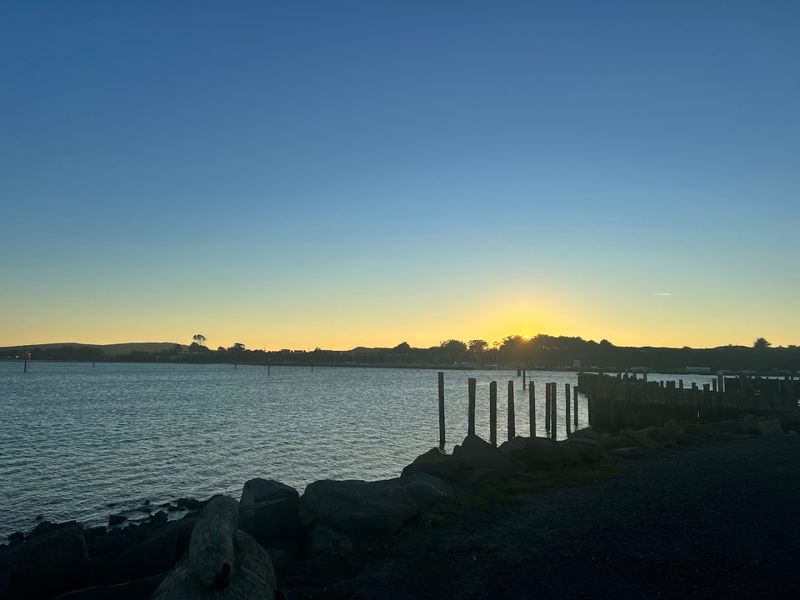
Jutting out into the Pacific on the Sonoma Coast like a narrow finger of rock and grass, exposed to wind and waves in a way that feels nothing like the gentler beaches further south is Bodega Head.
The headland is part of Sonoma Coast State Park and offers a short loop trail that circles the outer edge with unobstructed views of the open ocean in nearly every direction.
On clear days the horizon stretches endlessly and the scale of the Pacific becomes genuinely humbling.
Gray whale watching from Bodega Head is considered one of the better shore-based viewing opportunities on the California coast, particularly during the southward migration and the northward return.
Sea lions and harbor seals are visible in the water and on offshore rocks throughout much of the year. The cliffs drop sharply in places so staying on marked trails is important for safety.
The nearby town of Bodega Bay offers a small harbor, seafood shacks, and a quieter pace than many coastal California towns.
Fog rolls in frequently even in summer so bringing a windproof layer is genuinely necessary rather than just precautionary.
The drive along Highway 1 to reach Bodega Head is scenic on its own and passes through coastal bluffs and small fishing communities worth slowing down for.
10. Morro Bay Sandspit and Embarcadero
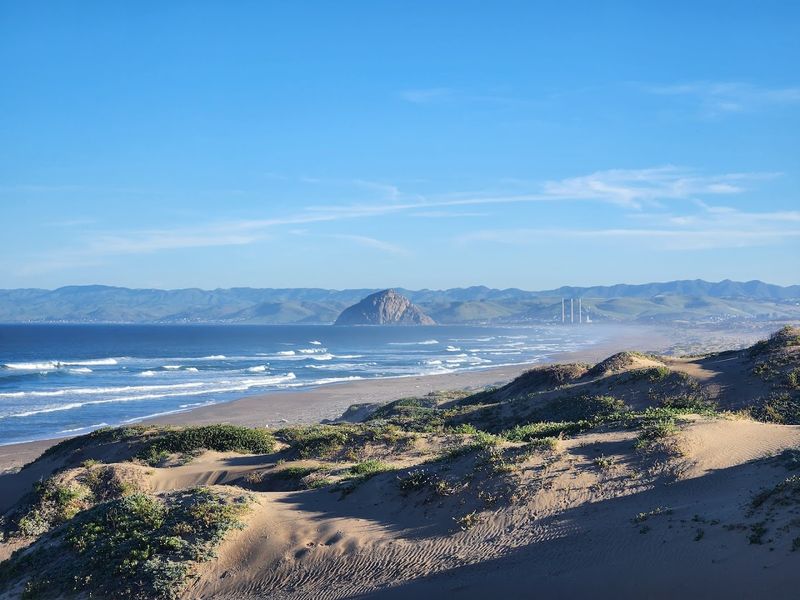
Morro Rock is hard to miss from anywhere in Morro Bay.
The 581-foot volcanic plug rises dramatically from the water at the harbor entrance and serves as the visual anchor for one of the most distinctively shaped coastal towns on the Central California coast.
The Embarcadero, which runs along the bay waterfront, offers a walkable strip of seafood restaurants, kayak rentals, and waterfront viewpoints that face directly toward the rock.
The Morro Bay Sandspit stretches for roughly four miles along the outer edge of the bay, separating the harbor from the open ocean in a long narrow strip of dunes and beach that can be accessed by kayak or small boat.
Paddling across the bay to the sandspit is a popular activity and the calm harbor water makes it manageable for beginners with basic instruction.
The dunes on the sandspit are part of Montana de Oro State Park and offer a wilder, less-visited side of the Morro Bay experience.
Kayak and paddleboard rentals are available along the Embarcadero from several outfitters.
Sea otters are frequently spotted floating in the bay and are one of the most reliably charming wildlife sightings along the entire Central Coast.
Morro Bay sits about halfway between Los Angeles and San Francisco making it a natural stopping point on a longer coastal road trip.
11. Silver Strand, Coronado to Imperial Beach
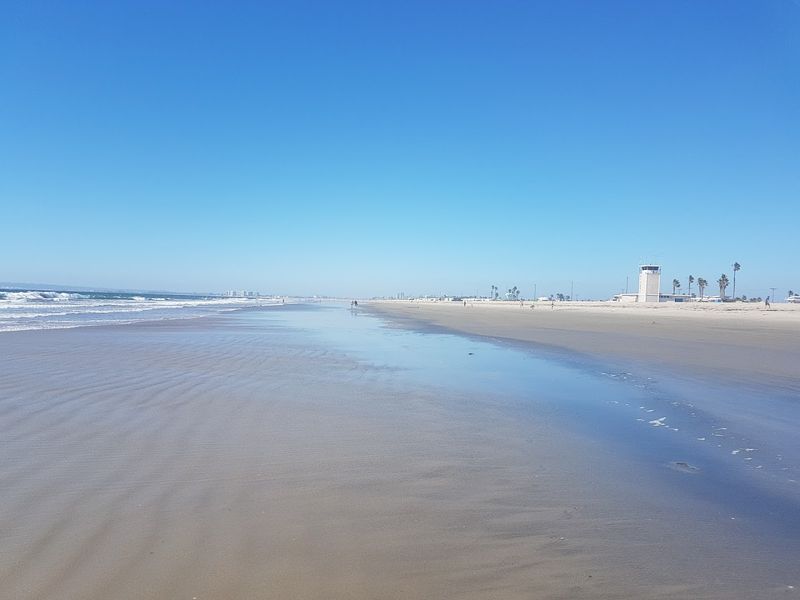
This is one of the most geographically unusual stretches of coastline in California.
A narrow ribbon of sand connects Coronado to Imperial Beach with the Pacific Ocean on the west side and San Diego Bay on the east, making it possible to stand in a spot where both bodies of water are visible at the same time.
Silver Strand State Beach runs along this strip and offers a wide, relatively uncrowded beach experience compared to the more popular shores further north.
The bay side of Silver Strand is calmer and shallower, making it a popular spot for windsurfing, kiteboarding, and paddleboarding when conditions are right.
The ocean side faces open Pacific swells and tends to attract swimmers and sunbathers who prefer a more traditional beach setup.
A paved multi-use path runs the length of the strand and connects cyclists and pedestrians between Coronado and the Imperial Beach area without requiring a car.
The state beach has parking lots with fee stations along the route and restroom and shower facilities for day visitors.
Summer weekends bring steady crowds but the length of the strand means there is generally room to find a comfortable spot.
The drive along Silver Strand Boulevard itself is worth doing slowly since the water views on both sides create a genuine sense of crossing between two different bodies of water at once.
12. Cabrillo National Monument and Point Loma, San Diego
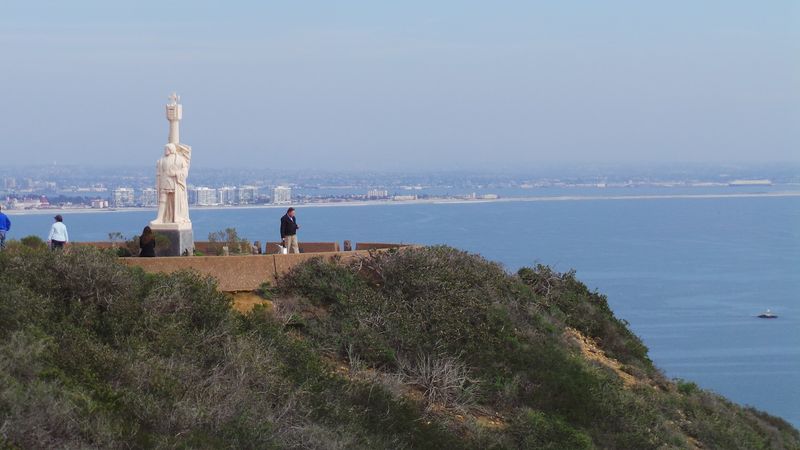
Point Loma reaches into the Pacific at the southwestern edge of San Diego and offers one of the most layered and rewarding peninsula day trips in Southern California.
Cabrillo National Monument sits at the tip and commemorates the 1542 landing of Juan Rodriguez Cabrillo, the first European explorer to reach the West Coast of the United States.
The monument grounds include the Old Point Loma Lighthouse, which operated from 1855 to 1891 and still stands in well-preserved condition.
The tide pools on the rocky western slope of the point are among the most accessible and well-maintained in San Diego County and are best explored during low tide when the pools are exposed and full of life.
Ochre sea stars, hermit crabs, anemones, and small fish are commonly visible in the pools without any special equipment.
A bayside trail on the eastern slope offers a completely different perspective with views across San Diego Bay toward Coronado and downtown.
The monument charges an entry fee per vehicle and is open daily, though hours can vary seasonally.
Gray whale watching from the lighthouse overlook is popular between December and February when the migration passes close to the point.
The compact layout of the monument means most of the key features can be visited comfortably within three to four hours without feeling rushed.