You Can Still Ride A Historic Train In Hawaii And The Views Are Absolutely Breathtaking
Everyone thinks they know what a Hawaii trip looks like before they go. Beach, sun, food, repeat.
It is a perfectly good plan and absolutely nobody is criticizing it, but there is a specific kind of joy that comes from stumbling onto something that was never on your list and turning out to be the highlight of the whole trip.
A vintage train ride along the Oahu coastline was not on my list. It was not even on my radar.
Then someone mentioned it almost as an afterthought, the way people mention things they assume everyone already knows about, and I made a mental note that quickly became a very firm plan.
What followed was one of those genuinely lovely hours that Hawaii seems to produce effortlessly: ocean views, warm air, and a window into the island’s sugarcane past that no beach afternoon could have given me.
Some surprises are worth every word.
The Hawaiian Experience That Comes With A Beachside View
Not every great Hawaiian experience comes with a beachside view and an ice-cream in hand.
The Hawaiian Railway Society is the kind of place that quietly outshines everything louder around it.
Most visitors to Oahu never make it out this far west, and that is honestly their loss.
Ewa Beach sits past the resort strips and tourist clusters, and the railway society feels like it belongs to a different, slower era entirely.
You can find it easily enough with a GPS, but arriving feels like discovering something on your own.
The grounds are modest from the outside, but the moment you see the vintage locomotives lined up on the tracks, something shifts. This place at 91-1001 Renton Rd, Ewa Beach, Hawaii, has real soul, real history, and real trains that still run.
The History Behind The Tracks
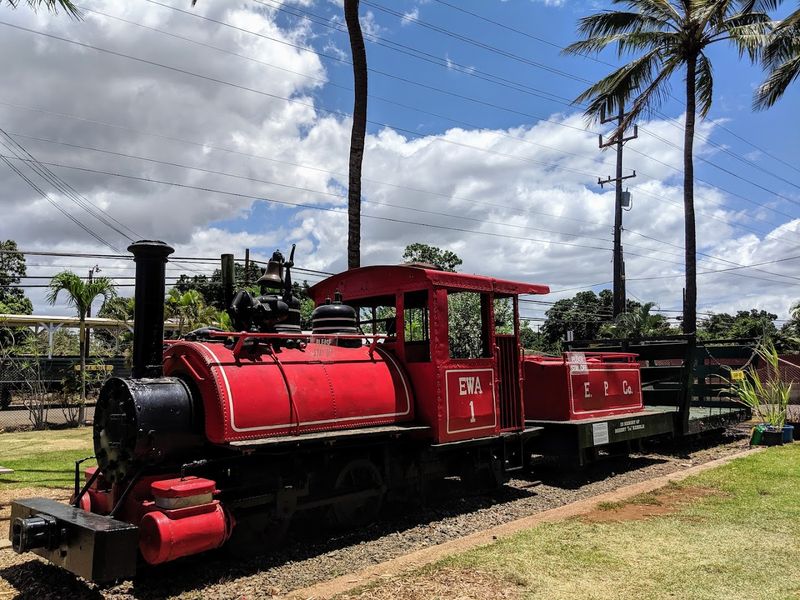
Sugar built Hawaii long before tourism ever did.
The tracks at the Hawaiian Railway Society were originally part of the Oahu Railway and Land Company, founded in 1889 by Benjamin Dillingham, a businessman who saw potential in connecting Oahu by rail.
At its peak, the railway stretched over 70 miles across the island, hauling sugarcane, passengers, and supplies across terrain that wagons could barely handle.
For decades, this was how people and goods moved across western and northern Oahu.
When the sugar industry declined, so did the railway. By the 1970s, the tracks were mostly silent.
The Hawaiian Railway Society stepped in to preserve what remained, restoring locomotives and coaches that would otherwise have been scrapped entirely.
Walking through their collection feels like reading a chapter of Hawaiian history that most guidebooks skip entirely.
The machinery is real, the wear on the metal is real, and the stories attached to each car are genuinely fascinating. This is not a theme park recreation.
It is the actual thing.
What The Train Ride Feels Like
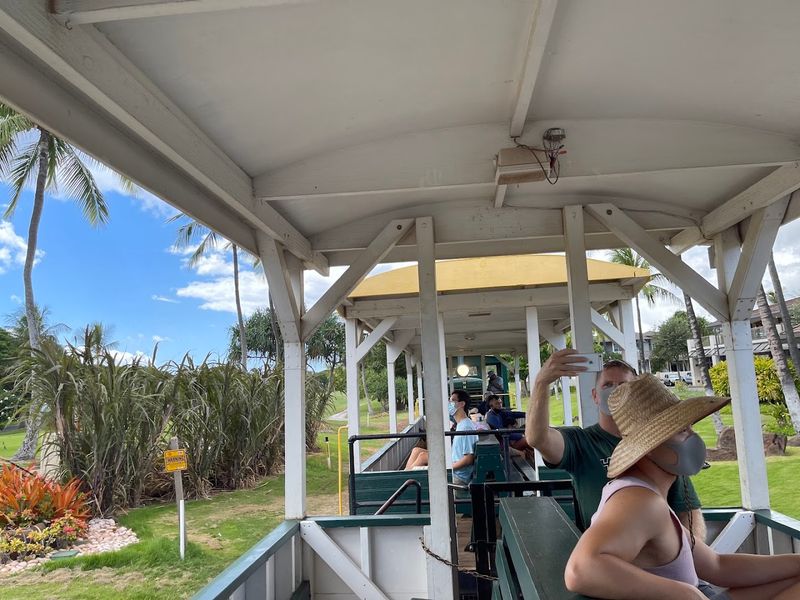
Climbing aboard one of the restored coaches feels immediately different from any modern transit experience. The seats are firm, the windows are wide, and the pace is refreshingly unhurried.
There is no Wi-Fi, no screen, and no rush.
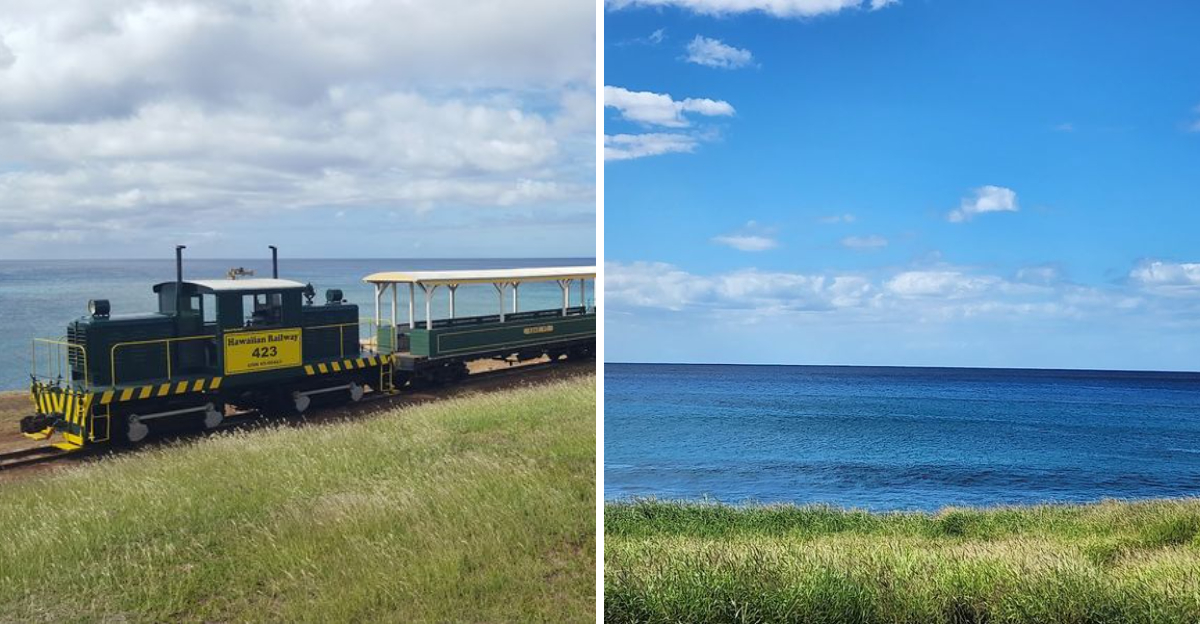
The train rolls along the southwestern coastline of Oahu, and the views that open up on the ocean side are genuinely stunning.
On a clear day, you can see the water shimmering all the way to the horizon, with the Waianae mountain range rising up on the inland side.
The rhythm of the rails is oddly calming. Kids press their faces to the windows.
Adults stop checking their phones.
Everyone seems to exhale at roughly the same moment, somewhere around the first curve where the ocean appears.
The ride lasts about 90 minutes round trip, which feels just right. Long enough to soak in the scenery and the stories, short enough to leave you wanting one more loop.
If you are looking for a genuinely different Oahu experience, this ride delivers in the most unexpected way.
The Restored Locomotives Up Close
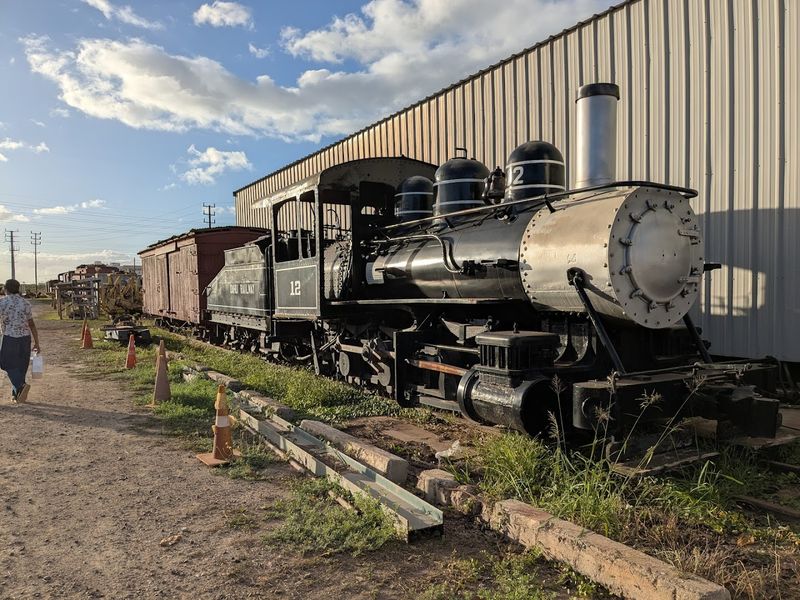
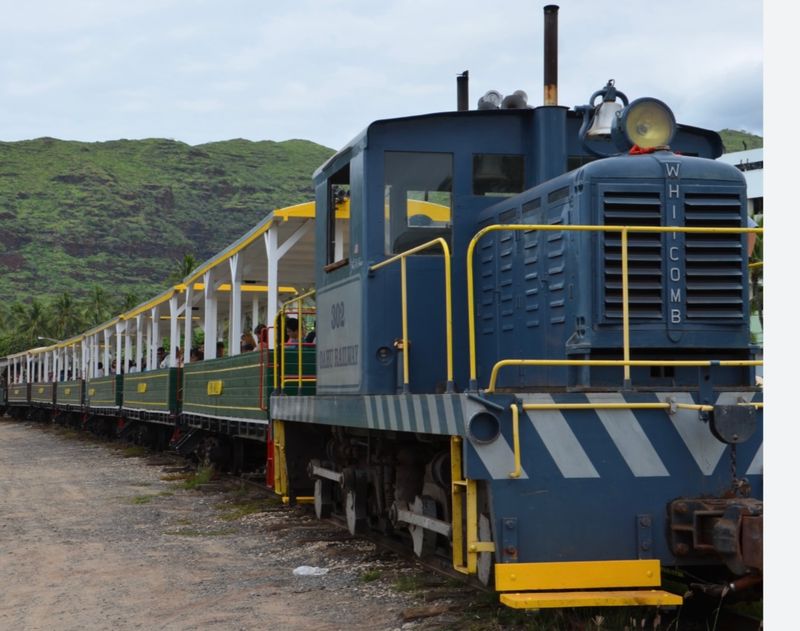
Train people and non-train people react the same way when they see the locomotives up close: eyes wide, phones out, completely absorbed.
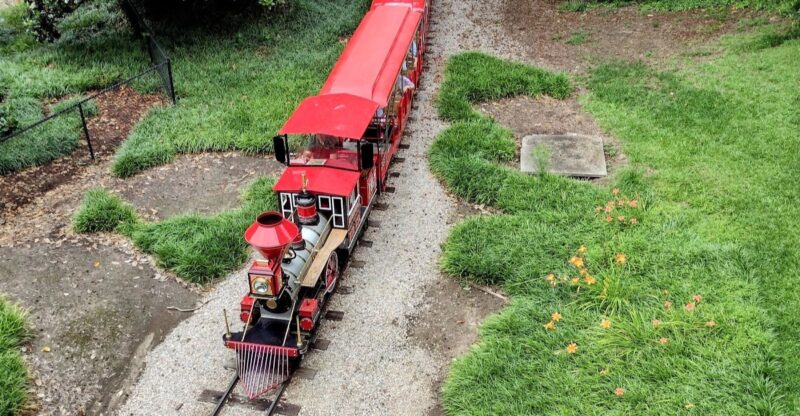
The collection at the Hawaiian Railway Society includes several restored engines and coaches, each with its own story and era.
One of the most striking pieces is a restored private parlor car that once belonged to Benjamin Dillingham himself.
It is ornate in the way that only late 19th century craftsmanship can pull off, with wood paneling and details that feel almost out of place in the middle of a working rail yard.
The society has put serious effort into restoration work, and it shows. These are not dusty relics sitting behind velvet ropes.
Many of the cars have been returned to working condition, which is a remarkable achievement given the age and rarity of the materials involved.
Getting to walk around the yard and see the equipment up close, before or after the ride, is genuinely worth the extra time. Bring your camera.
The light in the afternoon hits the old metal in a way that makes everything look cinematic.
The Coastal Views That Make The Ride Unforgettable
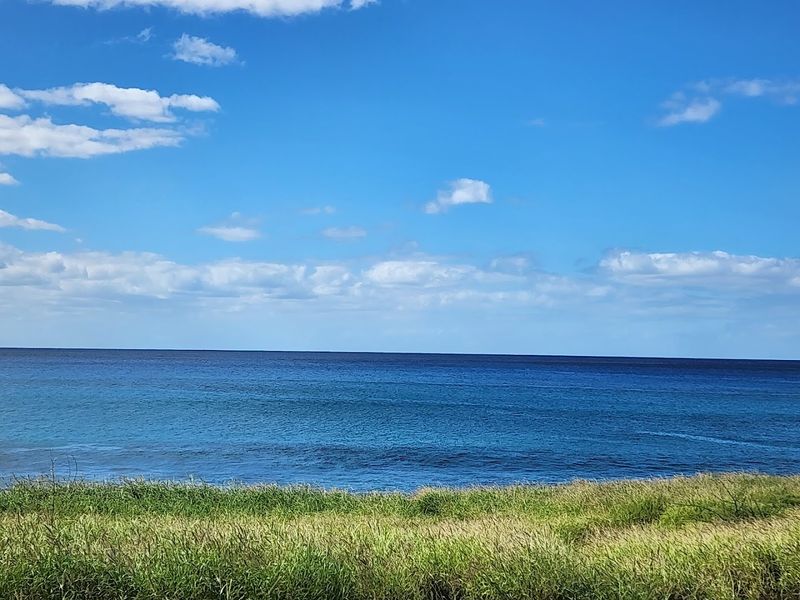
There is a specific moment on the train ride when the ocean appears on your left and the mountains appear on your right, and the whole island seems to open up around you.
That moment is worth the entire trip.
The coastline along this stretch of southwestern Oahu is quieter than the famous shores further east. No crowded beach parks, no high-rise hotels blocking the sightline.
Just open water, scrubby coastal vegetation, and the occasional fishing boat out past the break.
On Sundays, when the society runs its regular excursion trains, the late morning light is particularly good for photos.
The angle of the sun off the water creates a brightness that feels almost unreal, especially if you are used to mainland skies.
Passengers often mention this stretch as the highlight of the whole experience, and it is easy to understand why.
Hawaii from the water is beautiful, but Hawaii from a slow-moving vintage train, at eye level with the coastline, is something else entirely. You are not observing the landscape.
You are moving through it, at exactly the right speed.
When To Visit And What To Expect
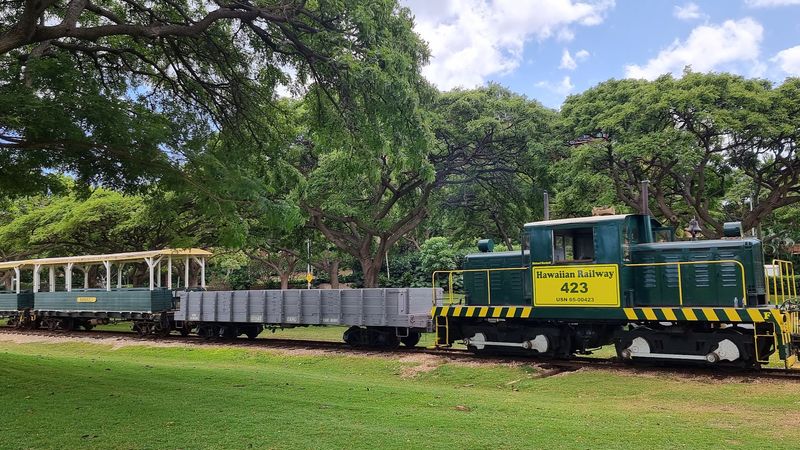
The Hawaiian Railway Society runs excursion trains on Sundays.
It is worth checking their schedule in advance, since special events and private bookings occasionally affect availability.
The experience is family-friendly in the truest sense. There is no age minimum, no thrill-ride intensity, and no need to prep anyone for what is coming.
You show up, you board, you ride, you enjoy.
Simple and genuinely pleasant.
Tickets are reasonably priced, especially compared to most tourist attractions on Oahu. Children pay less, making this one of the more affordable family outings you can find on the island.
Buying tickets at the station is usually fine, but arriving a little early gives you time to explore the yard before the ride.
Wear sunscreen and bring water. The train is open-air in sections, and the Hawaiian sun does not take breaks.
Comfortable shoes are helpful if you plan to walk around the grounds before or after. Beyond that, just show up curious and ready to slow down for a couple of hours.
The People Who Keep This Place Running
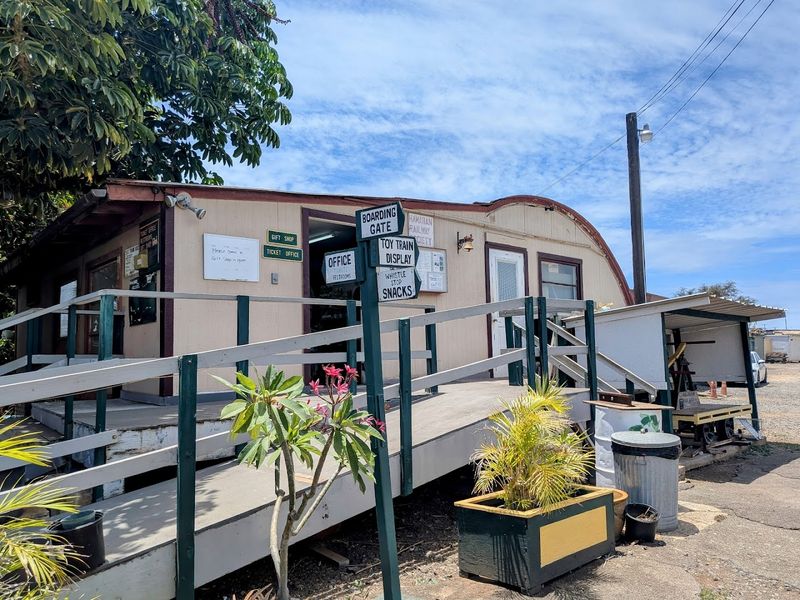
The Hawaiian Railway Society runs almost entirely on volunteer energy, which makes the whole operation feel even more impressive once you realize it.
The people giving tours, operating the trains, and maintaining the equipment are enthusiasts who genuinely love what they are preserving.
Talking to a volunteer here is one of the better parts of the visit. They know the history in detail, they have opinions about locomotives, and they are happy to answer questions from curious kids and curious adults equally.
The enthusiasm is real and it is contagious.
Restoration projects are ongoing, funded by ticket sales, memberships, and donations.
The society has been working since 1970 to keep this slice of Hawaiian transportation history alive, and the results speak clearly in every polished rail and rebuilt coach on the property.
Supporting a place like this by buying a ticket or a membership feels different from spending money at a corporate attraction.
You are contributing directly to the preservation of something genuinely irreplaceable. That feeling sticks with you a little longer than most souvenirs do.
Why This Is One Of Oahu’s Most Underrated Experiences
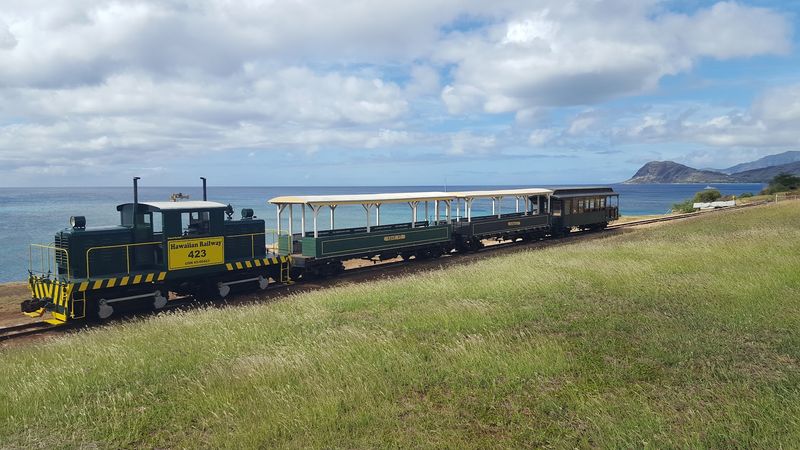
Oahu has no shortage of things to do, but most of them involve crowds, reservations three weeks out, and a price tag that makes you briefly reconsider the whole trip. The Hawaiian Railway Society is the opposite of all that.
It is the kind of experience that locals quietly recommend to people who ask what is actually worth doing beyond the usual circuit. No influencer queue, no overpriced parking, no theatrical staging.
Just a real piece of history, a slow train ride, and views that hold their own against anything else the island offers.
First-time visitors to Hawaii often leave wishing they had done something different, something that felt less like a checklist and more like an actual memory. This ride tends to land in that second category.
People remember it specifically, not just as a blur of tropical scenery.
If you find yourself on Oahu with a free Sunday afternoon and a low tolerance for tourist traps, point your GPS toward Ewa Beach.
Buy a ticket, board the train, and let the coastline do the rest. Some experiences do not need much selling.