These North Carolina Factory Tours Are Way More Fun Than They Sound
Factory tours sound like the kind of weekend plan someone suggests right before the group chat goes silent.
Then North Carolina steps in and makes the whole idea surprisingly fun.
There is something oddly satisfying about seeing how things are actually made, especially when the finished product is something you would happily eat, wear, or brag about finding before everyone else did.
A good behind-the-scenes tour can turn regular curiosity into full “wait, that is how they do it?” energy fast.
Machines start looking interesting.
Craftspeople suddenly seem like magicians with better safety rules.
Even the most skeptical visitor can end up leaning closer, asking questions, and pretending they were always excited about production methods.
These stops prove that a factory floor does not have to feel boring.
Sometimes it is where the weekend gets unexpectedly good.
1. French Broad Chocolates
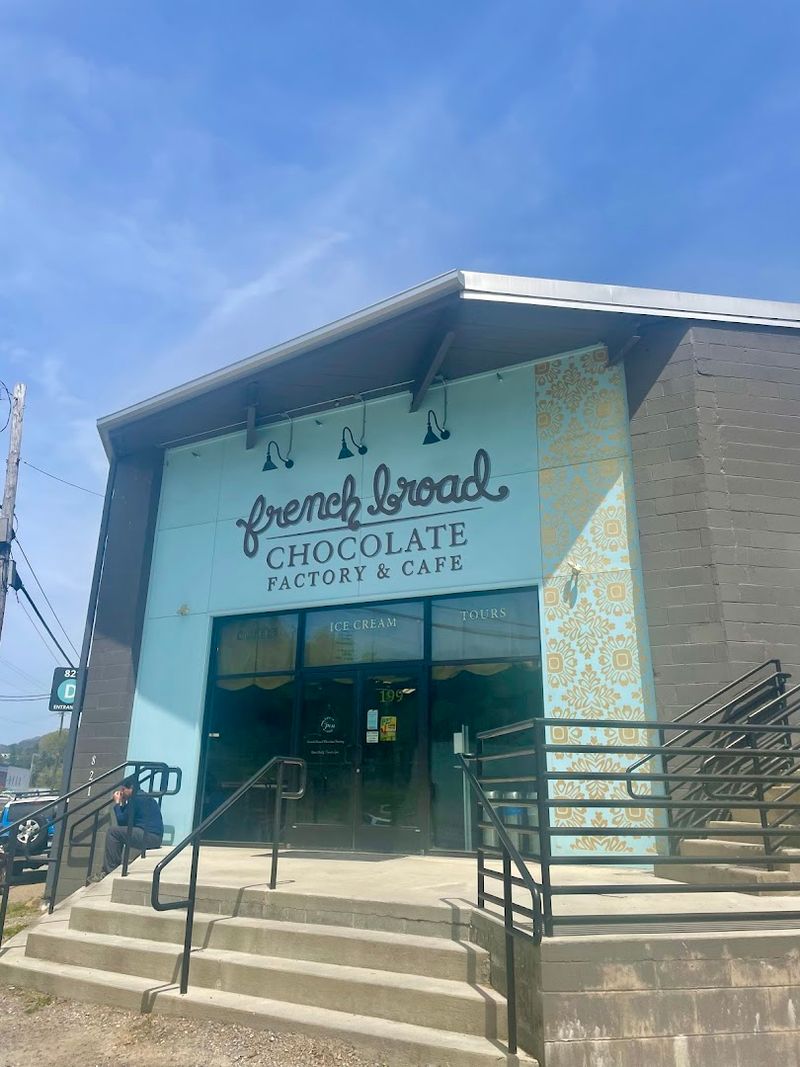
Chocolate smells like a better decision the second you reach French Broad Chocolates in Asheville. At 821 Riverside Drive, the factory offers daily tours by reservation, and those tours last about 45 minutes.
Guests learn how cacao becomes chocolate, including the farming, processing, and bean-to-bar methods behind the finished bars and bonbons. That makes the visit more than a sweet stop with a cash register at the end.
Guides walk visitors through the process in a way that feels curious and approachable, not like a science lecture wearing a hairnet. Roasting, grinding, tempering, and tasting all become part of the story.
The best part is how quickly people realize chocolate is not simple at all. Cacao origin, fermentation, heat, texture, and timing all matter.
One small change can shift the flavor completely. Families can enjoy the sensory side, while food lovers can geek out over the craft.
By the time samples enter the picture, the tour has already done its job. Chocolate tastes better when you know how much work it took to get there.
2. Homeland Creamery
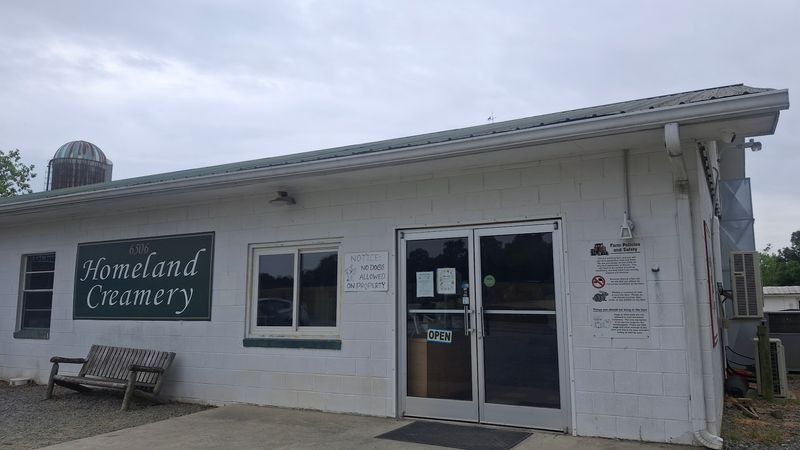
Fresh dairy makes much more sense once you see where it begins. Homeland Creamery sits at 6506 Bowman Dairy Road in Julian, and the family-owned operation lists store hours, milk, ice cream, and farm information through its official site.
Field trip listings describe Homeland Creamery as offering farm tours, hayrides, a simulated cow-milking activity, calf learning experiences, and chances to learn about the milking herd. That turns a simple ice cream stop into a full farm lesson without making it feel like homework.
Visitors can connect the dots between cows, milk, bottling, and the finished dairy products waiting in the store. The setting also helps.
Rolling farmland gives the tour a different feeling from a standard industrial facility. Machines may still be involved, but the story starts outside with animals, feed, care, and routine.
Children tend to love the cow and calf portions most. Adults often leave with a better appreciation for how much timing and cleanliness matter in dairy work.
Of course, the ice cream is the dangerously persuasive ending. A scoop tastes different after seeing the farm behind it, mostly because now it feels educational. Convenient, really.
3. Replacements, Ltd.
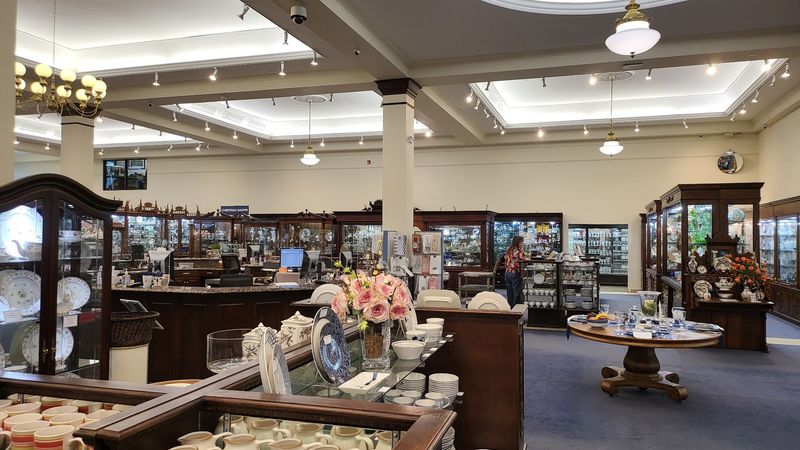
Dinnerware should not be this fascinating, yet Replacements, Ltd. somehow makes plates feel like a full detective story.
The massive McLeansville facility at 1089 Knox Road is known for china, crystal, silver, flatware, collectibles, and discontinued patterns, with showroom hours listed Monday through Saturday.
Visitors walking through the showroom and public areas get a sense of how enormous the operation is. Pattern matching may sound quiet, but the scale makes it impressive fast.
Millions of pieces have to be identified, sorted, cleaned, cataloged, photographed, stored, and matched to customers trying to complete sets from weddings, grandparents, restaurants, estates, and old family cupboards. The emotional side sneaks up on people.
A replacement plate can be more than a plate. It can restore a holiday table, complete a family set, or replace something someone thought was gone forever.
That makes the operation feel part warehouse, part preservation project, and part memory rescue mission. Antique lovers will enjoy the patterns and eras.
Curious visitors will enjoy the logistics. Anyone who has ever broken a dish and felt personally betrayed by gravity may feel seen.
4. Richard Childress Racing Museum & Team Tour
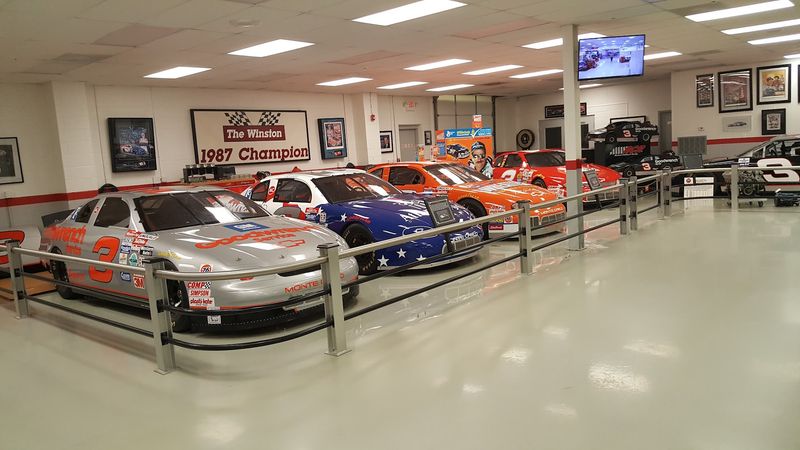
Race cars make factory tours louder in the imagination, even when the museum itself is polished and organized.
The Richard Childress Racing Museum sits on the 52-acre RCR campus in Welcome, North Carolina. It traces how an independent one-car team developed into one of NASCAR’s most successful organizations, according to the official museum page.
Racing fans already understand the appeal. Everyone else may be surprised by how much engineering, timing, history, and teamwork sit behind the sport.
The museum side brings trophies, cars, memorabilia, and decades of racing stories. Shop access and team-related experiences can vary, so visitors should check current tour options before going.
Social posts from RCR have promoted an All-Access Shop Pass with a deeper look at race team operations. What makes this stop work is the contrast between speed and precision.
On television, racing can look like pure motion. Inside the RCR world, visitors see planning, fabrication, repair, strategy, and countless details that decide what happens on track.
A race car stops feeling like one machine. It becomes thousands of decisions moving very fast.
5. Mrs. Hanes’ Moravian Cookies
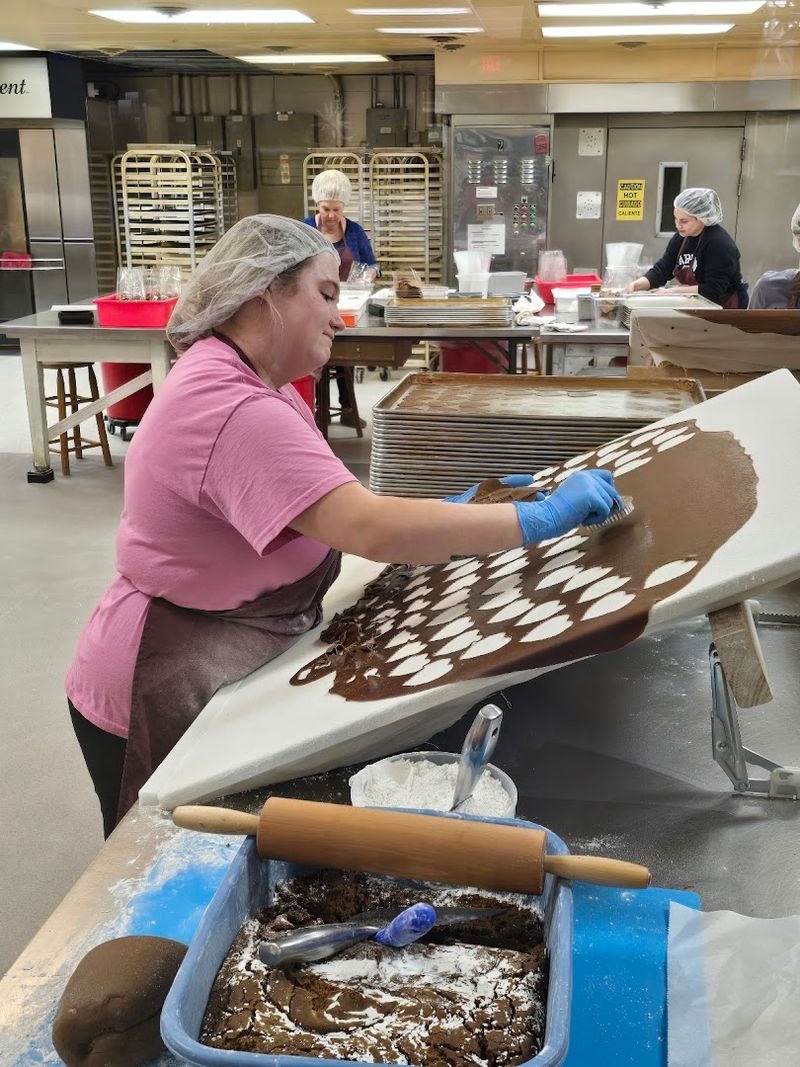
Spice, butter, and patience do most of the talking at Mrs. Hanes’ Moravian Cookies in Clemmons. The bakery’s store sits at 4643 Friedberg Church Road, and its official site notes nearly a century of cookies made the same way by hand.
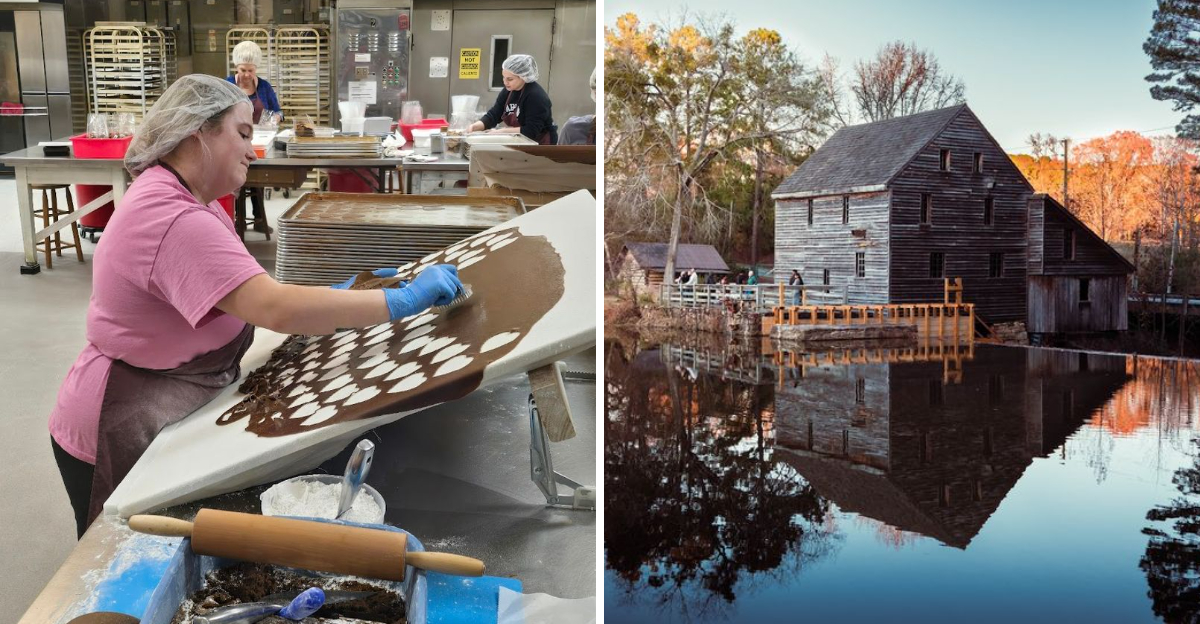
Visit Winston-Salem describes the bakery’s “Artists in Aprons” hand-rolling, hand-cutting, and hand-packaging more than 110,000 pounds of dough each year. It also notes six flavors, including traditional Moravian ginger, sugar, lemon, black walnut, chocolate, and butterscotch.
That is exactly why this tour feels special. Most people know cookies as something pulled from a box, not as a delicate hand process requiring skill and rhythm.
Moravian cookies are famously thin, so rolling and cutting them correctly takes real practice. Watching bakers work makes the whole thing feel almost musical.
Small motions repeat. Dough becomes sheets.
Sheets become wafers. Wafers become the kind of crisp cookie that breaks cleanly and disappears too quickly.
History adds another layer. The recipes connect to Moravian baking traditions around the Winston-Salem area, so the tour feels regional rather than generic.
Samples at the end are not just nice. They are necessary research.
6. Ashe County Cheese
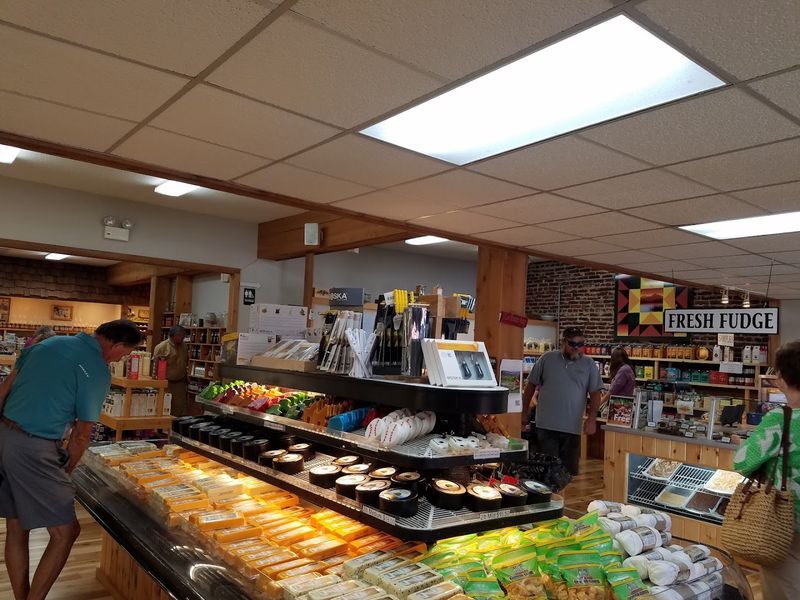
Cheese becomes much more interesting when curds are happening in front of you.
At 106 East Main Street in West Jefferson, Ashe County Cheese lets visitors watch cheese being made from a viewing area. Guests are advised to check the cheese-making schedule before going, since production times can vary.
Explore Boone notes that the business began in 1930 under the Kraft Corporation and now operates a year-round cheese store alongside the factory. This is one of the easiest factory-style stops to enjoy because the process is visible, approachable, and deliciously low-pressure.
Visitors do not need to understand food science before arriving. They can watch milk become curds, see the movement and timing involved, then walk into the shop and suddenly feel much more invested in cheddar.
The store makes the visit even better because cheese is not the only temptation. Fresh cheese curds, butter, fudge, snacks, gifts, and other dairy products all crowd the decision-making process.
Kids enjoy the window-viewing setup. Adults enjoy pretending they are only buying one thing.
The mountain town setting adds charm, too. West Jefferson already feels like a good day trip, and cheese gives the whole outing a very persuasive ending.
7. Historic Yates Mill County Park
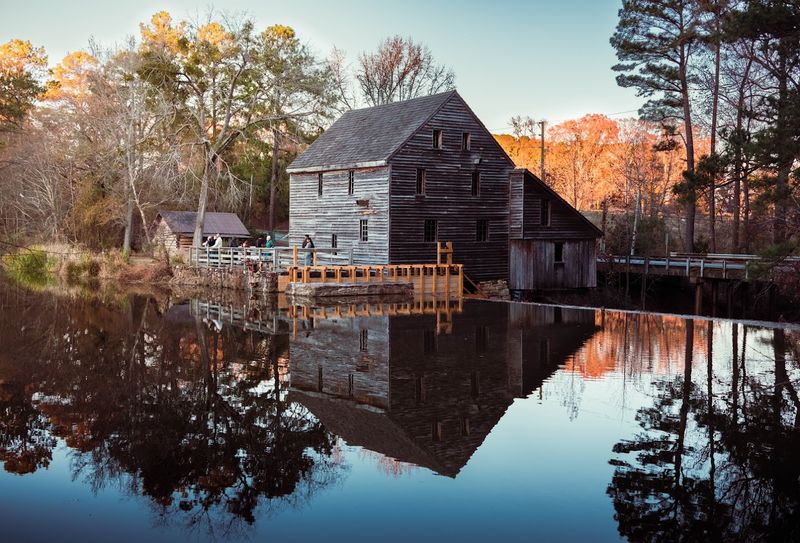
Water power feels surprisingly dramatic once the gears start making sense. Historic Yates Mill County Park in Raleigh centers on an 18th-century water-powered gristmill at 4620 Lake Wheeler Road, surrounded by a 174-acre wildlife park and a 24-acre pond.
Visit Raleigh describes the mill as fully restored and operable, with free admission to the park and limited, seasonal mill tour hours. Yates Mill Associates identifies it as a circa-1756 gristmill and the only fully restored, operational automatic mill in North Carolina.
That makes this stop feel more like living engineering than a standard museum visit. Visitors can see how water movement powered machinery long before electricity made everyone take convenience for granted.
Corn grinding sounds simple until the guide explains the wheel, gears, stones, belts, and careful adjustments needed to make the process work. The building itself adds atmosphere, with old wood, mechanical sounds, and pond views that make the history easier to picture.
Trails around the park turn the visit into a longer outing, so families can pair the mill tour with a walk. It is part factory tour, part history lesson, and part quiet Raleigh escape.
8. Crossnore Weavers
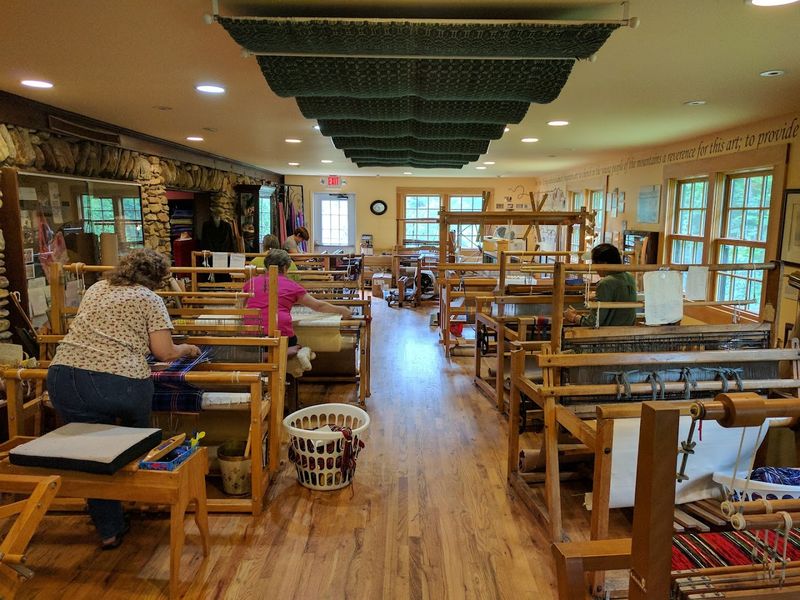
Thread turns into something meaningful at Crossnore Weavers, where the process still feels human from start to finish.
The Weaving Room operates as part of Crossnore Communities for Children. Crossnore Weavers was created to preserve Appalachian hand-weaving, provide economic opportunity, and support the broader mission through sales of handwoven goods.
The Crossnore Fine Arts Gallery lists 205 Johnson Lane in Crossnore as the gallery address, with hours posted for visitors. This is not a roaring factory floor.
It is slower, quieter, and more rhythmic. Looms clack.
Threads move. Patterns appear one row at a time.
Watching that happen changes the way scarves, towels, blankets, and textiles look afterward. Suddenly fabric is not just fabric.
It is math, patience, color sense, hand skill, and repetition. Blue Ridge Heritage describes the space as a working museum with a gallery, weaving studio, exhibits, and retail shop.
That gives the visit depth beyond shopping. Guests can connect the craft to Appalachian history and community purpose.
Buying something here feels different because the purchase supports a living tradition, not just a souvenir shelf.
9. Videri Chocolate Factory
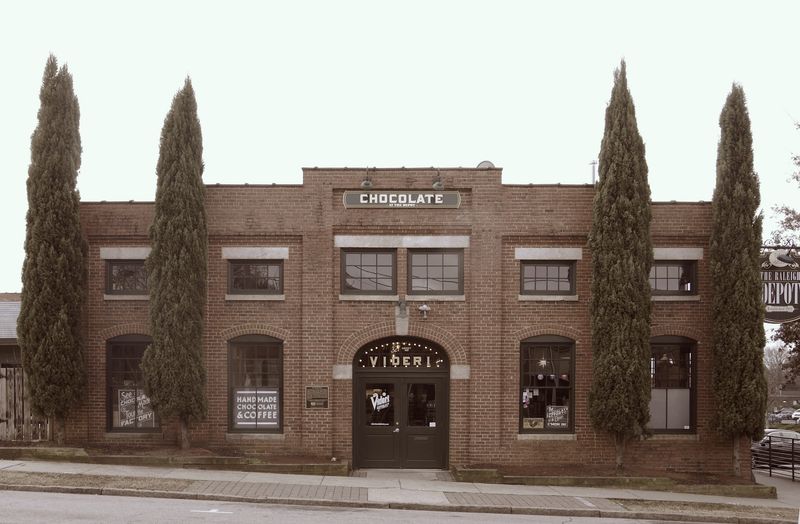
Downtown Raleigh hides one of the easiest chocolate factory experiences in the state.
Videri Chocolate Factory is at 327 W. Davie Street, Suite 100, in the Warehouse District, and Visit Raleigh lists it as a bean-to-bar chocolate factory and coffee shop with a self-guided factory floor.
Guided tours are also available on selected Wednesdays and Fridays at 1 PM, with staff explaining the bean-to-bar process during a 30- to 40-minute visit that includes a bonbon at the end.
The self-guided option makes Videri especially flexible. Visitors can read signs, watch production through the open layout, and see pieces of the process without committing to a long schedule.
The guided version adds more detail for people who want to understand sourcing, roasting, grinding, tempering, and flavor. Chocolate here feels creative without losing its factory-floor appeal.
You can smell cacao. You can watch movement behind the scenes.
You can step from learning into shopping dangerously fast. ABC11 reported that visitors can take self-guided tours and see parts of the process, including bean sorting.
That combination makes Videri easy for families, date days, solo food lovers, and anyone who believes “educational chocolate” is the best kind.
Disclaimer: Factory tour details can change throughout the year, including hours, admission prices, reservation rules, group requirements, and production schedules.
Some places offer guided tours, while others may provide viewing windows, self-guided walkthroughs, farm experiences, working-museum demonstrations, or showroom-style visits instead of a traditional factory tour.
Food production, live demonstrations, and behind-the-scenes access may also depend on staffing, season, maintenance, or daily operations.
Always check the official website or call ahead before planning your trip, especially if you are visiting with children, booking for a group, traveling a long distance, or hoping to see a specific part of the production process.