The Fascinating Story Behind This Idaho Town Still Draws Curious Visitors
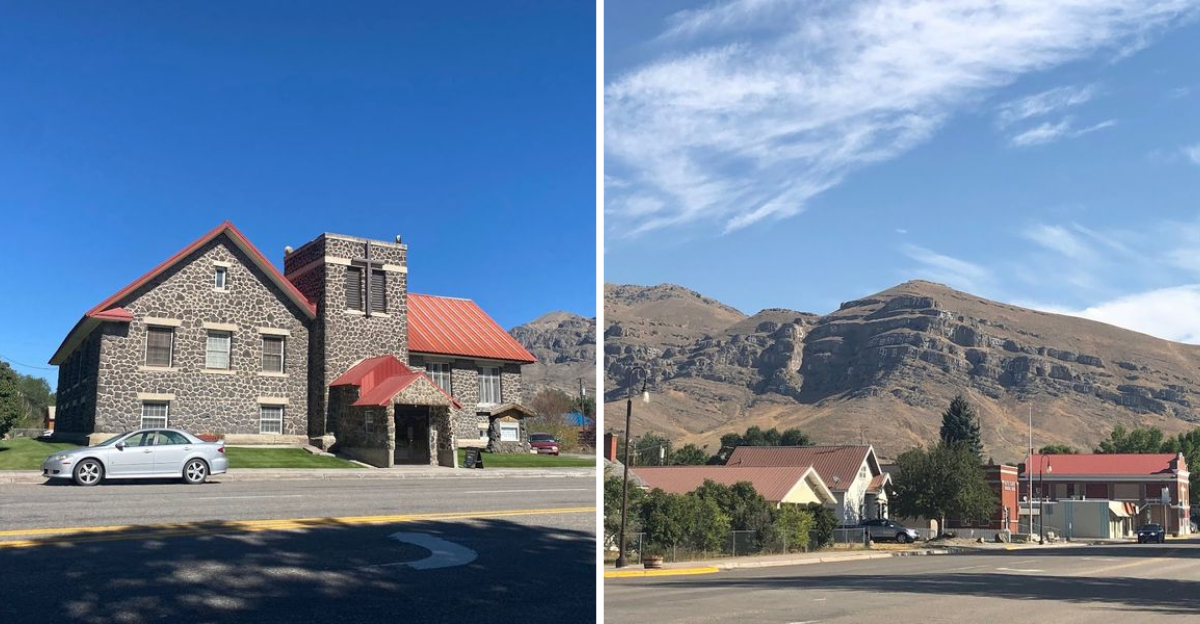
One tiny town quietly rewrote world history. Fewer than nine hundred people live there. Yet it holds a staggering record.
It became the first powered by nuclear energy. That single fact still pulls travelers off the highway.
Idaho frames it with volcanic rock and plains. Distant mountains make the drive worthwhile alone.
I love a place this small and bold, because curiosity carries you down every quiet street. The story runs far bigger than the map.
History feels surprisingly close here. Plains stretch toward distant peaks. The empty highway hums with history.
You wander past weathered storefronts. Curiosity pulls onward. Keep reading and see for yourself.
A Record-Breaking Nuclear First
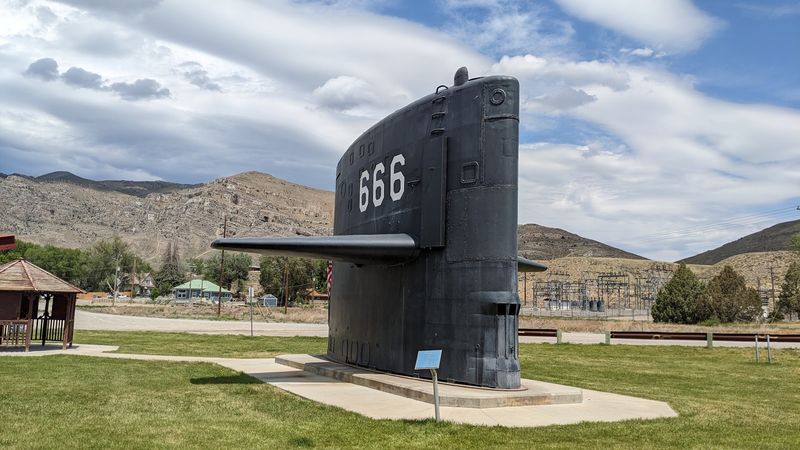
On July 17, 1955, the lights in Arco flickered on in a way that changed everything.
The town became the first in the world to be lit by nuclear-generated electricity. That single moment turned a quiet county seat into a landmark of modern history.
The power came from the BORAX-III reactor at the National Reactor Testing Station. Engineers and scientists had been working nearby for years on experimental reactor designs.
When the test succeeded, Arco became ground zero for the nuclear age.
Today, a historical marker near the town center commemorates this milestone. Visitors often stop just to read the sign and let the weight of it sink in.
Standing in such a small town while processing such a massive moment in history feels oddly moving.
It is easy to explore the surrounding area and connect the dots between this modest city and its outsized role in scientific history. Few places carry that kind of quiet significance so naturally.
EBR-1,The Reactor You Can Tour
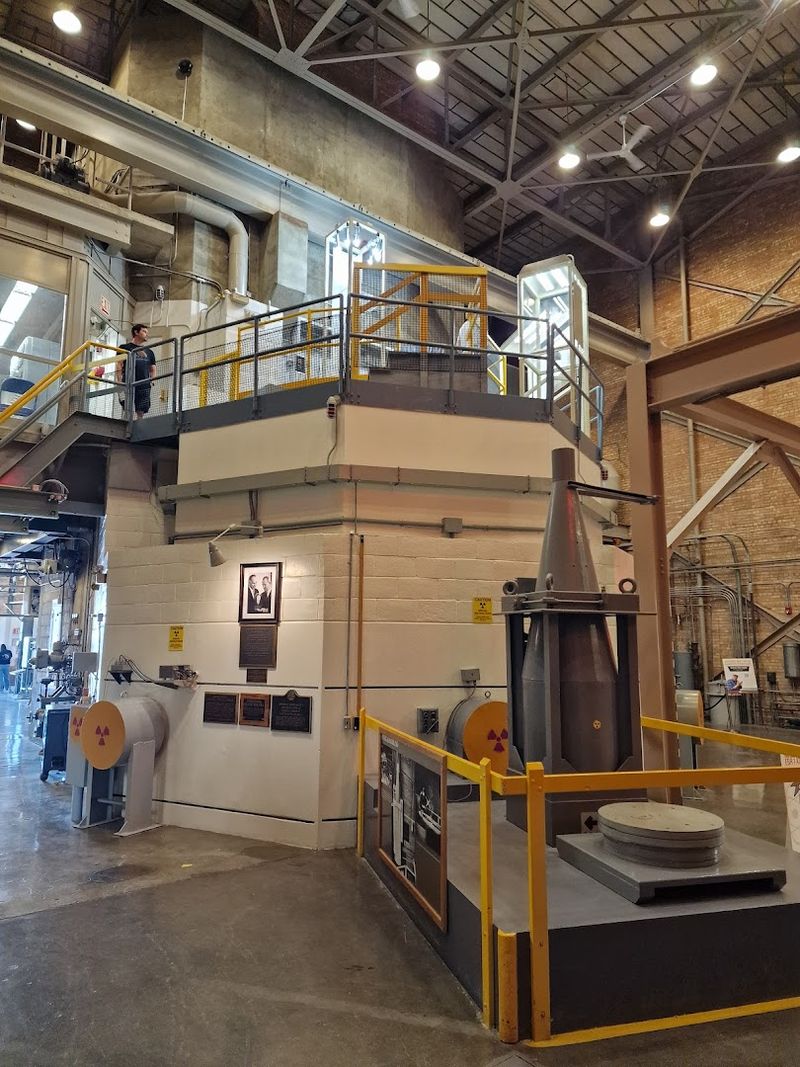
Not many places let you walk right up to the reactor that launched the atomic age.
EBR-1, or Experimental Breeder Reactor Number One, is now a National Historic Landmark open to the public during summer months. It sits about 18 miles southeast of Arco on the vast Idaho desert.
Walking through the building feels like stepping into a 1950s science textbook. The original equipment is still there, including the control rods, instruments, and the reactor core itself.
Interpretive signs explain each component in plain language, so you do not need an engineering degree to follow along.
The facility is managed by the Idaho National Laboratory and offers free guided tours. Rangers and staff are knowledgeable and enthusiastic about sharing the story. Their energy makes the visit feel more like a conversation than a lecture.
Outside the building, the flat desert stretches in every direction. The isolation out here is striking, which makes it even more impressive that such a groundbreaking experiment happened in this remote corner of Idaho.
The High Desert Setting Around Town
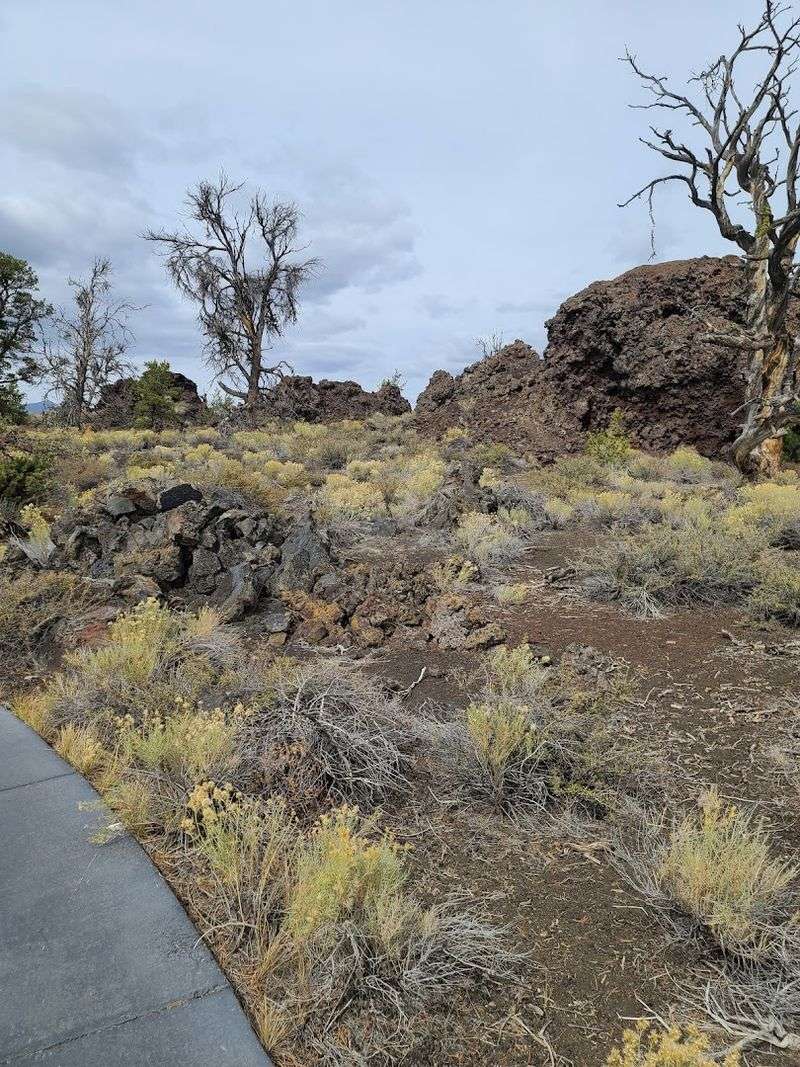
The landscape around this part of Idaho does not ease you in gently. It hits you all at once with its scale.
Flat stretches of sagebrush reach toward jagged volcanic formations, and the sky above feels almost unreasonably wide.
The Lost River Range frames the northern horizon with peaks that hold snow well into summer. These mountains include Borah Peak, the highest point in Idaho, which sits close enough to feel like a neighbor.
On clear days, the view from the edge of town is jaw-dropping.
The terrain here was shaped by volcanic activity thousands of years ago. Lava flows hardened into twisted, textured fields that look almost otherworldly.
Craters of the Moon National Monument, just a short drive west, is the most dramatic expression of this volcanic past.
Driving into Arco from any direction gives you a sense of arriving somewhere that earned its place on the map. The town does not hide behind trees or hills.
It sits right out in the open, framed by mountains and ancient lava, confident in its surroundings.
Craters Of The Moon Next Door
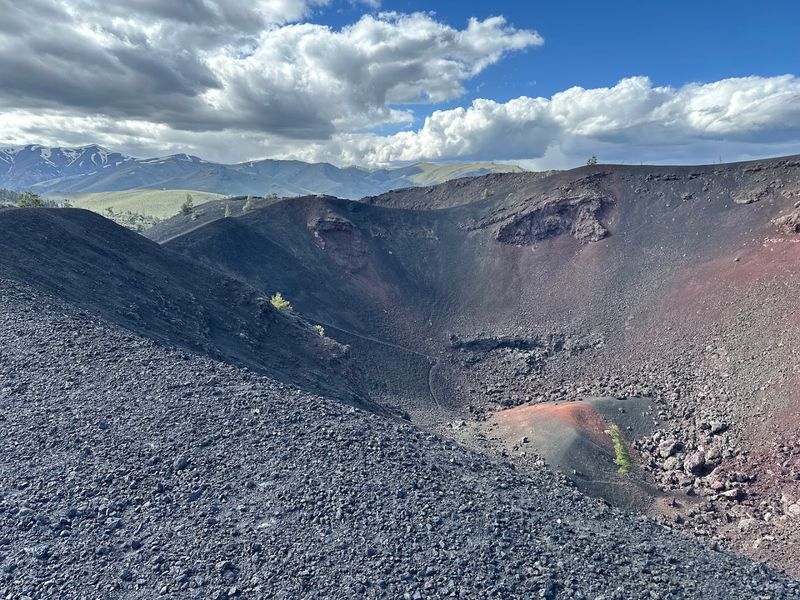
Just 18 miles west of Arco sits one of the most unusual landscapes in the entire country.
Craters of the Moon National Monument covers hundreds of thousands of acres of ancient lava flows, cinder cones, and lava tube caves. It looks like something from another planet, which is exactly why NASA once used it for astronaut training.
The monument offers a well-paved loop road that passes the main geological features. You can stop at overlooks, hike short trails into lava fields, and even crawl through lava tubes with a flashlight.
It is one of those places where the ground itself tells a story.
Wildlife manages to thrive here despite the harsh conditions. Marmots, raptors, and wildflowers appear in surprising abundance during warmer months.
The contrast between the black lava and bright blooms is visually striking and genuinely unexpected.
Using Arco as a base for visiting the monument makes a lot of practical sense. The town offers lodging and food, and the drive over is quick and scenic.
Idaho has a way of layering one great discovery on top of another like that.
Borah Peak And Outdoor Adventures
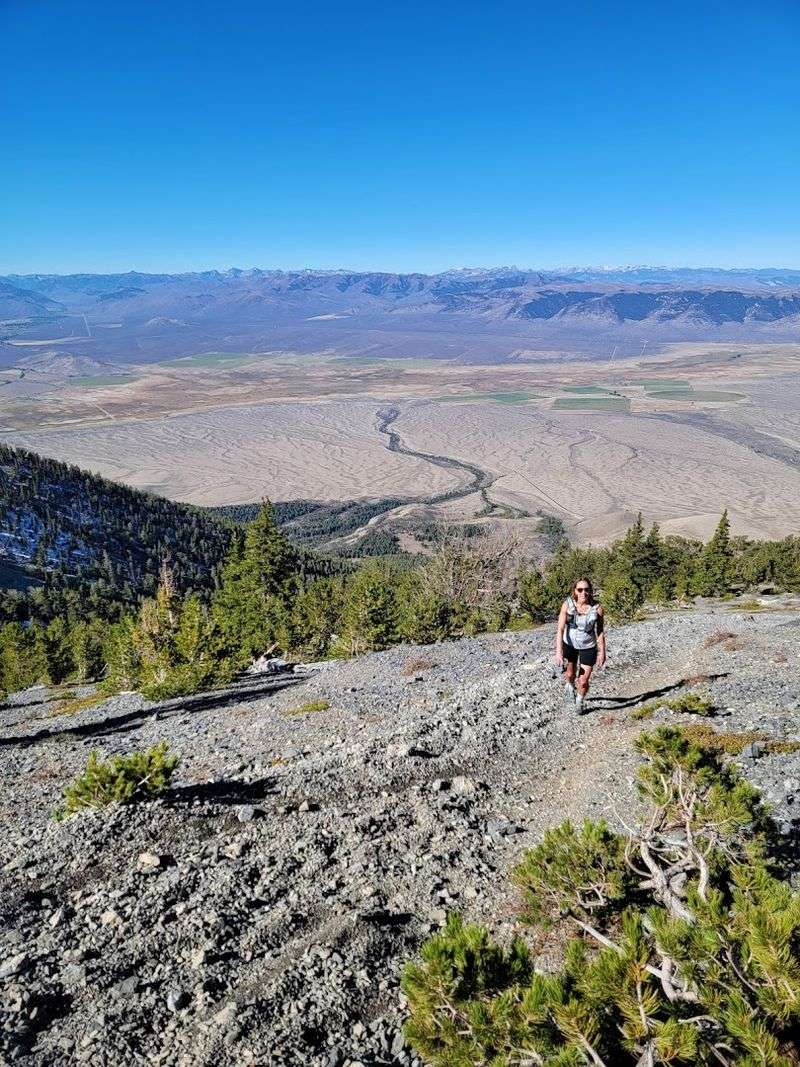
For those who like their sightseeing with a side of serious elevation, Borah Peak is the answer.
At 12,662 feet, it is the tallest mountain in Idaho, and it sits close enough to Arco to make a day trip entirely reasonable. The trailhead is about 22 miles north of town along Highway 93.
The climb is considered challenging but accessible for fit hikers. The infamous Chicken Out Ridge section requires some basic scrambling and a comfort with exposure.
Most people who make it to the top say the panoramic views of the Lost River Valley make every tough step worthwhile.
Beyond Borah, the surrounding area offers fishing, hunting, and off-road exploration. The Big Lost River runs through the valley and provides good opportunities for anglers.
Arco itself is a practical starting point for all of this outdoor activity. It has enough services to stock up before heading out, and the local knowledge available in town is useful.
Outdoor enthusiasts have long known about this corner of the state, but it still feels refreshingly uncrowded compared to more famous destinations.
The Numbered Hills Above Town
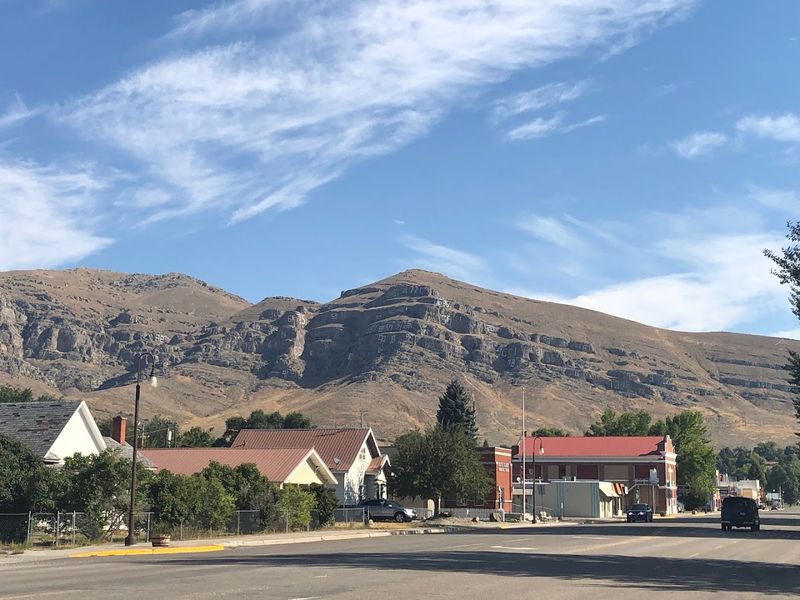
Look up at the hillside just north of town and you will notice something odd.
Large numbers are painted on the rocky slope above Arco, and they have been appearing there since 1920. Each graduating high school class adds their year to the hill, creating a visual record of the town’s history that spans over a century.
The tradition started when a local high school class decided to leave a permanent mark. Every class since then has hiked up and painted their graduation year in white.
The numbers stack up across the hill like an informal monument to community continuity.
Climbing the hill yourself is a short but rewarding hike. The view from the top looks out over the town, the surrounding desert, and the mountains beyond.
It gives you a great sense of the geography and the scale of the landscape that surrounds this small community.
But it reveals something important about the character of Arco. Behind the big historical milestones is a town with deep roots, strong community pride, and a charming habit of leaving its mark in the most literal way possible.
What Life Feels Like In Arco
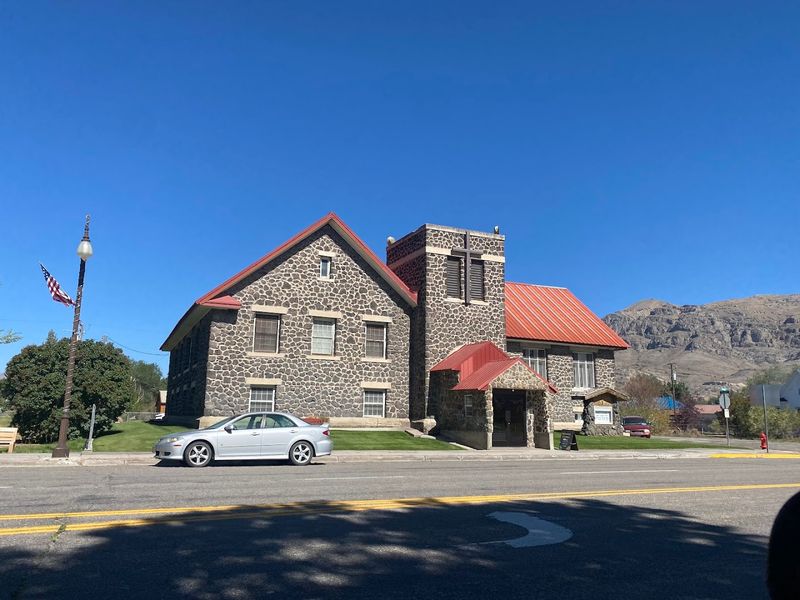
The pace is unhurried, the people are direct and friendly, and there is no performance of charm for the sake of tourists. What you see is what you get.
Arco serves as the county seat of Butte County, which means it carries administrative weight despite its modest size. Local government, services, and community events all revolve around this small hub.
There is a quiet sense of purpose to the place that larger towns sometimes lose.
The town has a handful of local restaurants and shops that cater to both residents and visitors. Nothing is overly polished or packaged for mass tourism.
The food is honest, the portions are generous, and the conversations at the counter tend to be interesting.
Spending a night or two here rather than just passing through reveals a different side of the experience.
The evenings are quiet, the stars are extraordinary at this elevation and distance from city lights, and the sense of space is something you carry with you long after leaving.
Idaho National Laboratory’s Lasting Impact
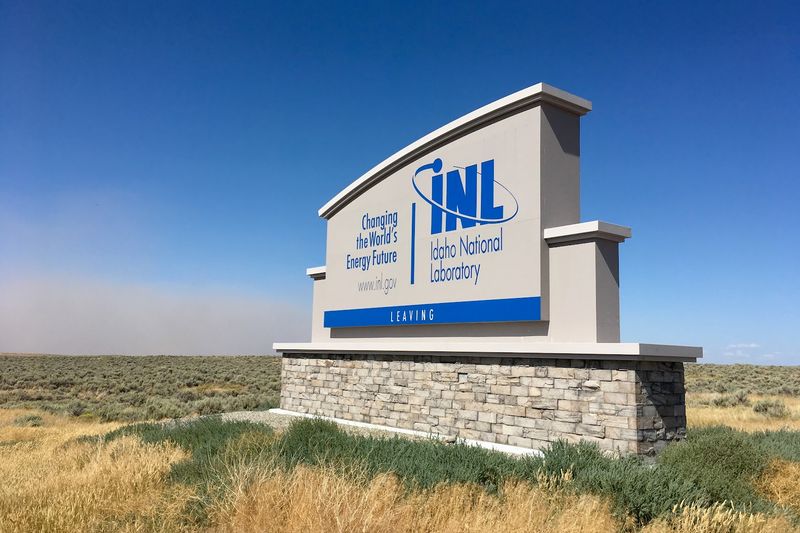
The Idaho National Laboratory, or INL, is one of the most important research facilities in the United States.
It covers nearly 900 square miles of southeastern Idaho desert and employs thousands of scientists, engineers, and support staff. Its presence has shaped the economy and identity of the entire region for decades.
The lab focuses on nuclear energy research, national security, and clean energy development. Work done here influences energy policy across the country and contributes to global efforts around sustainable power.
For such a remote location, the scale of the impact is remarkable. Arco has always had a close relationship with the lab, both geographically and economically.
Many INL employees live in or near the town, and that connection gives the local community a technical and forward-looking character that is unusual for a city this small.
The legacy of early experiments at the site, including the famous 1955 power demonstration, continues to attract researchers and history enthusiasts from around the world.
Knowing that serious scientific work is still happening just down the road adds an interesting layer to any visit.